
Selecting the Right Stainless Steel Pipe for Railing Systems: Vendor's Expert Guide
Choosing the wrong railing pipe causes rust and failure. This compromises safety and aesthetics, leading to costly replacements. Here’s how to select the perfect pipe from the start.
Selecting the right stainless steel pipe involves evaluating the material grade (like 304 or 316), surface finish, pipe dimensions, and local environmental conditions. A trusted vendor can provide expert guidance to ensure your railing system is safe, durable, and cost-effective for the long term.
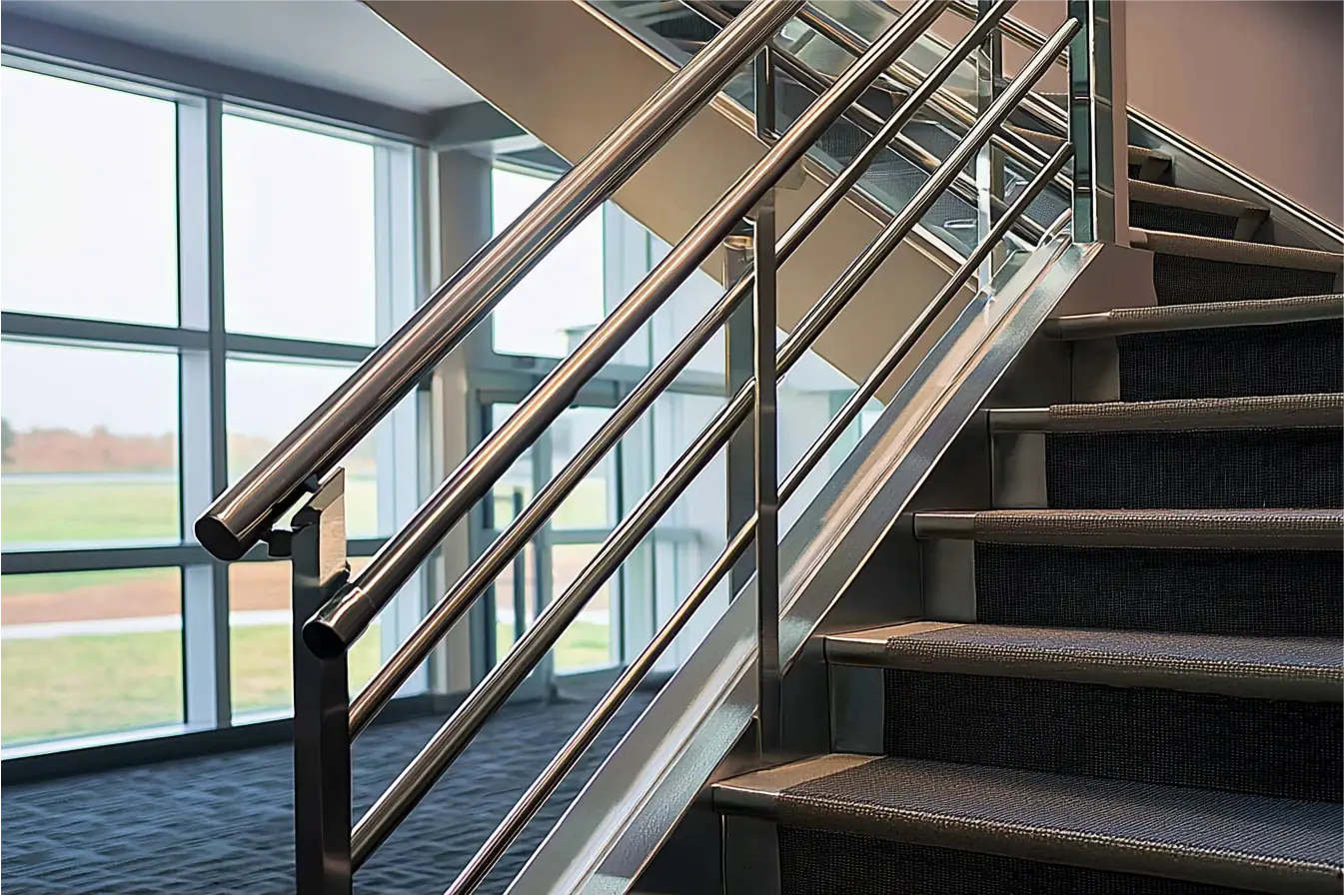
As the Global Business Director at MFY, I've seen countless projects succeed or fail based on one critical decision: the choice of materials. A railing system isn't just a decorative element; it's a fundamental safety feature. The stainless steel pipe you choose is the backbone of that system. Getting it right means decades of reliable performance and pristine aesthetics. Getting it wrong can lead to premature corrosion, structural weakness, and significant liability. Let's walk through the expert approach to making the right choice, every time.
What are the key considerations when choosing stainless steel pipes for railing systems?
Overwhelmed by pipe options? A wrong choice can be costly and unsafe. Focus on these key technical factors to simplify your decision and ensure a successful project.
The key considerations are the stainless steel grade (e.g., 304 for indoors, 316 for outdoors), surface finish for aesthetics, and structural specifications like diameter and wall thickness to meet safety and load-bearing requirements.
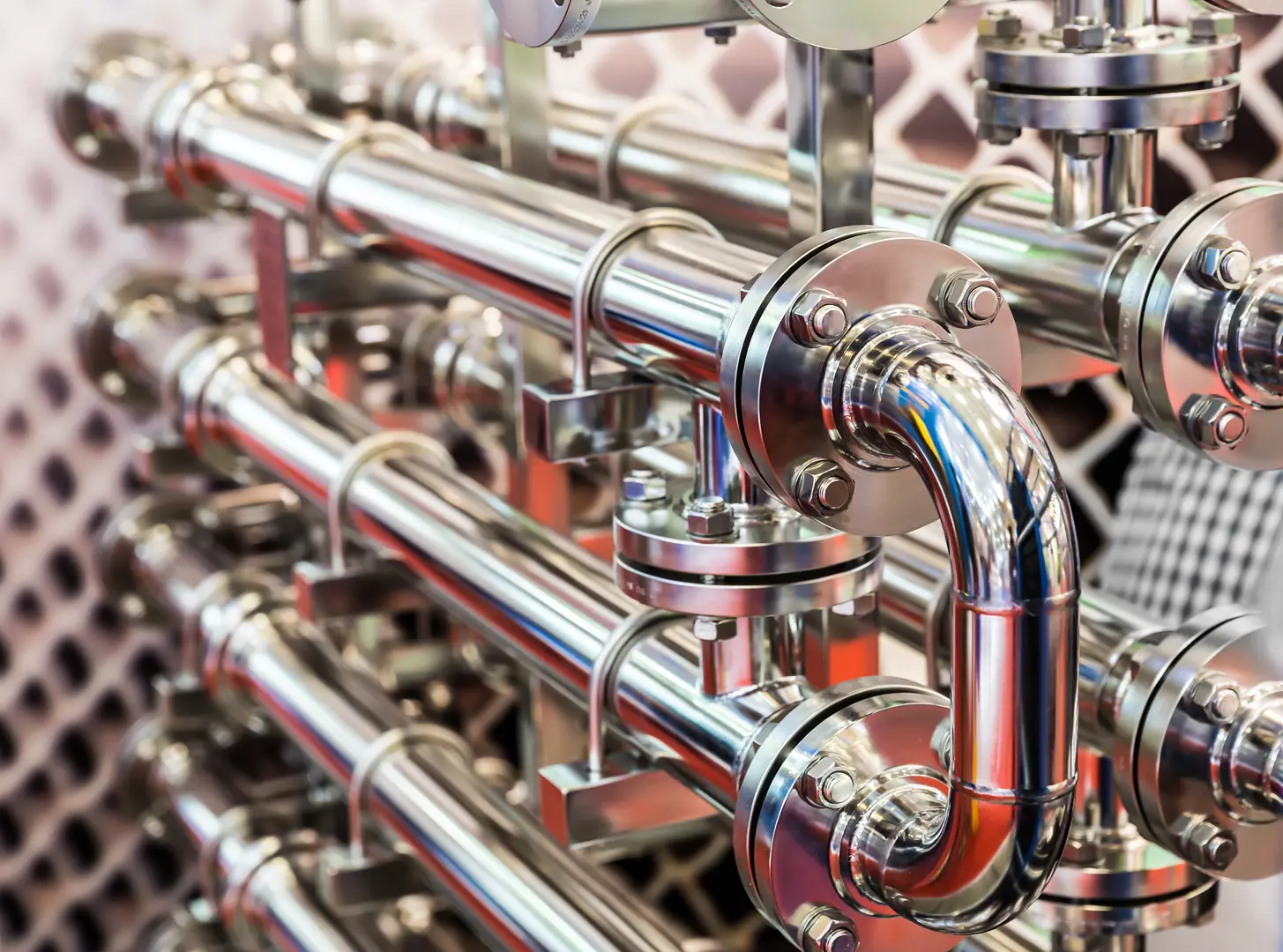
Breaking Down the Core Specifications
Choosing the right pipe is a balancing act between performance, aesthetics, and budget. At MFY, we guide our clients through a systematic process to ensure all bases are covered. It’s not just about selling a product; it's about engineering a solution that lasts.
Grade and Finish - The Foundation of Performance
The first question I always ask a client is, "Where will this railing be installed?" The answer immediately narrows down the grade. Grade 304 is a fantastic, cost-effective workhorse for indoor or dry, non-corrosive environments. But if the railing is outdoors, near the coast, or in an industrial zone with chemical exposure, Grade 316 is non-negotiable. Its added molybdenum provides superior resistance to chlorides and corrosion. The finish is just as important. A polished or mirror finish is not only visually striking but also less prone to collecting contaminants, making it easier to clean. A brushed or satin finish is great at hiding minor scratches and is often preferred for high-traffic areas.
Structural Integrity - Dimensions Matter
Aesthetics mean nothing if the railing isn't safe. The pipe's outer diameter (OD) and wall thickness are critical for its load-bearing capacity. These specifications are often dictated by local building codes and the railing's design. A thicker wall provides greater strength and rigidity, preventing bending or failure under pressure.
| Consideration | Standard Choice (Low-Traffic) | Heavy-Duty Choice (High-Traffic/Coastal) |
|---|---|---|
| Класс | Нержавеющая сталь 304 | Нержавеющая сталь 316 |
| Finish | #4 Brushed / Satin | #8 Mirror / Polished |
| Толщина стенок | 1.5mm - 2.0mm | 2.5mm - 3.0mm+ |
| Приложение | Indoor stairs, residential balconies | Public spaces, coastal properties, pools |
Why is material quality crucial in the selection of stainless steel pipes for railings?
Tempted by low-cost pipes? Poor quality leads to premature rust and structural failure, creating serious safety risks. Understand why premium material quality is a non-negotiable investment.
Material quality is crucial because it directly impacts the railing's structural integrity, corrosion resistance, and long-term appearance. High-quality steel ensures safety, reduces maintenance costs, and protects the value of your investment over decades.
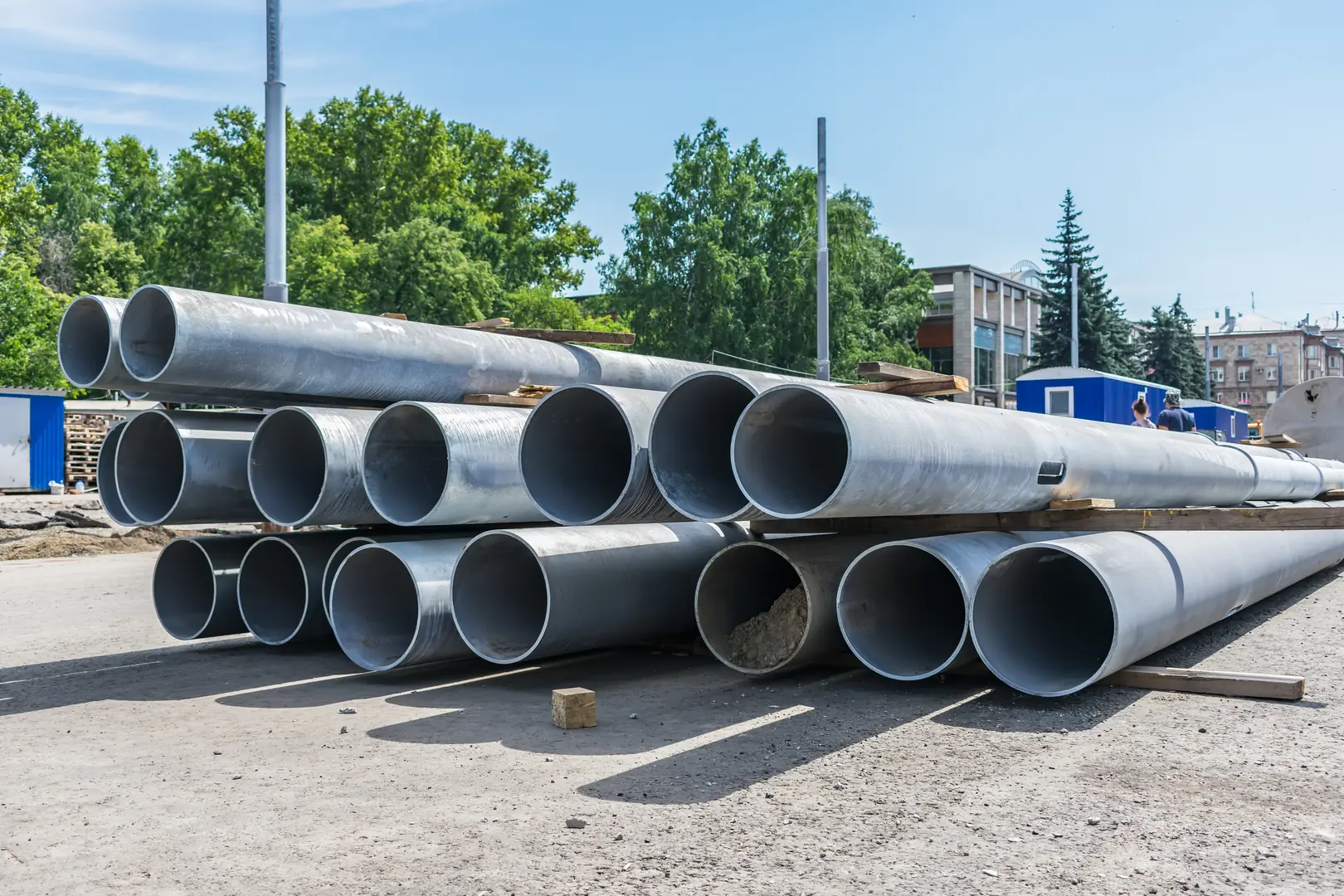
Beyond the Surface - The Chemistry of Quality
I remember a contractor in Southeast Asia who opted for a cheaper, uncertified stainless steel pipe for a beachfront hotel project to save on upfront costs. Within 18 months, tea staining and pitting were visible across hundreds of meters of railing, forcing a complete and costly replacement. This is a classic example of a false economy. True material quality is determined by the precise chemical composition of the alloy.
The Role of Key Alloying Elements
For stainless steel, the magic lies in elements like chromium, nickel, and (for Grade 316) molybdenum. Chromium forms the passive, corrosion-resistant layer on the surface. Nickel enhances formability and toughness. Molybdenum provides the critical defense against chloride-induced corrosion. Sub-standard materials often have lower percentages of these expensive elements, which compromises their performance. This is why we at MFY provide a full Material Test Certificate (MTC)[^1] with every shipment. It’s your guarantee that the chemical composition meets international standards like ASTM.
Consistency is Everything
Quality also means consistency. It means uniform wall thickness, precise diameters, and flawless welds. Inconsistent manufacturing can create weak points in the pipe that are susceptible to stress and corrosion. Our production lines use advanced techniques to ensure every pipe we deliver has the same structural integrity and finish, from the first meter to the last. This reliability is the bedrock of a safe and durable railing system.
How do environmental factors influence the choice of stainless steel pipes?
A pipe works well indoors but rusts near the sea. Ignoring the environment leads to corrosion and weakness. Let’s match the right steel grade to your specific location.
Environmental factors are critical. Coastal areas with salt spray demand Grade 316 stainless steel for its superior corrosion resistance. For less corrosive indoor or inland environments, Grade 304 is often a sufficient and more cost-effective choice.
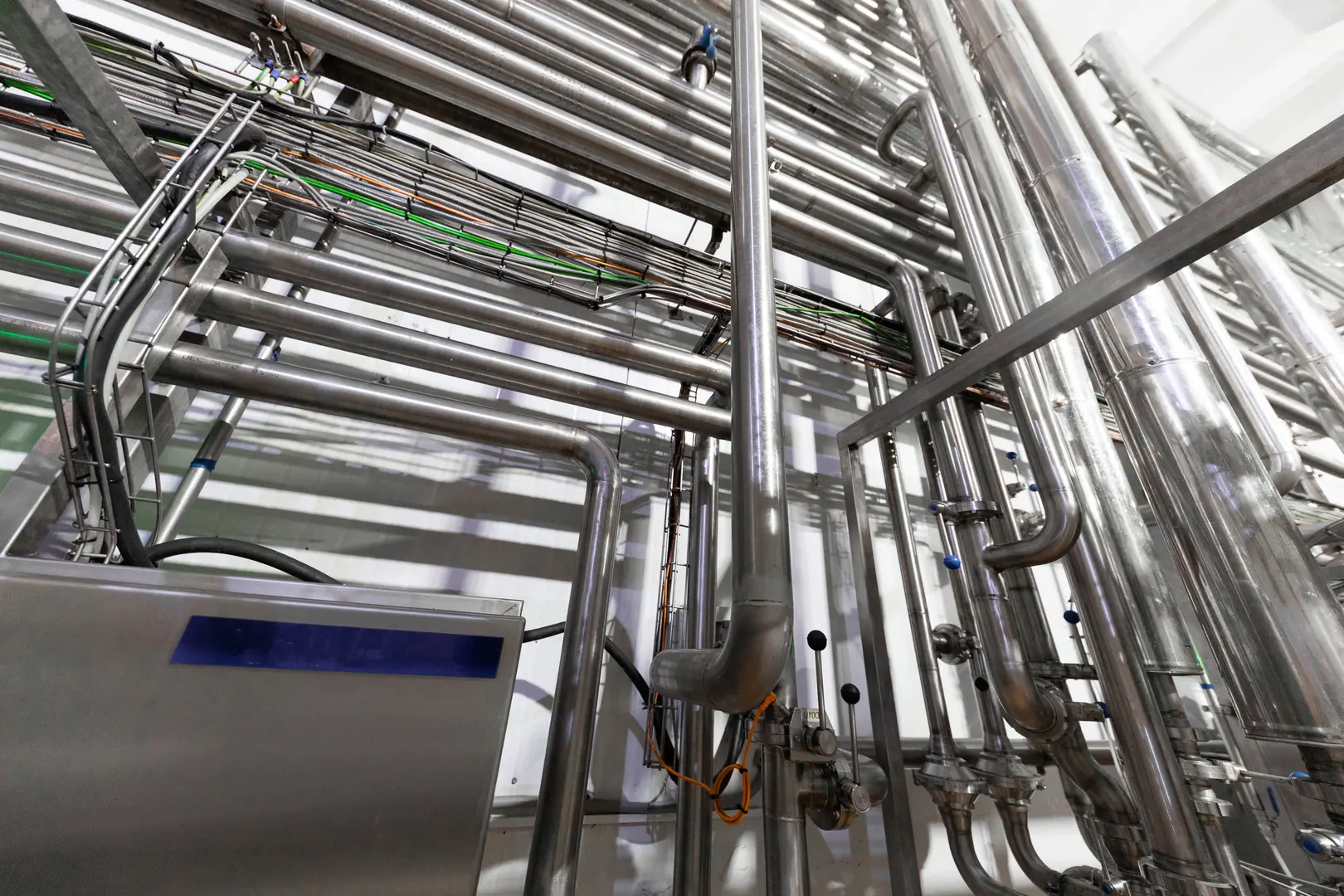
Matching the Steel to the Setting
The single biggest mistake I see in railing specifications is underestimating the impact of the local environment. What works in a dry, inland city will fail spectacularly in a humid, coastal one. The decision between Grade 304 and 316 is perhaps the most important choice you'll make, and it's almost entirely driven by location.
The 304 vs. 316 Decision Matrix
Let's make this simple. Grade 304 is the world's most common stainless steel. It offers excellent corrosion resistance in most atmospheric conditions. However, it is vulnerable to pitting and crevice corrosion when exposed to chlorides, which are abundant in coastal air and de-icing salts. This is where Grade 316 comes in. The 2-3% molybdenum content in 316 provides a robust defense against these chlorides, making it the only suitable choice for marine or coastal applications. I worked on a project for a marina in Dubai, and specifying 316 with a polished finish was essential for withstanding the intense sun, heat, and salt-laden air.
| Environment | Key Corrosive Agent | Recommended Grade | Обоснование |
|---|---|---|---|
| Indoor / Residential | Low humidity, no chemicals | Grade 304 | Cost-effective and provides sufficient protection. |
| Urban / Inland Outdoor | Moderate pollution | Grade 304 | Generally suitable, but requires regular cleaning. |
| Industrial Zone | Sulphur dioxide, acids | Grade 316 | Resists chemical corrosion from industrial fallout. |
| Coastal / Marine | Salt (chlorides) | Grade 316 | Molybdenum content prevents chloride pitting. |
| Swimming Pool Area | Chlorides, humidity | Grade 316 | Essential for resisting corrosion from pool chemicals. |
What solutions can vendors offer to ensure optimal pipe performance in railing systems?
You need more than just a product. Without expert guidance, you risk making an expensive mistake. A good vendor acts as a partner, offering tailored solutions for your project.
A quality vendor offers expert consultation on material selection, custom fabrication services like cutting and polishing, and full traceability with Material Test Certificates (MTCs). This partnership ensures the final product is perfectly suited for its application.
The Vendor as a Partner
At MFY, our vision is to be more than just a supplier; we are a partner in our clients' success. The value we provide extends far beyond the physical product. It's about leveraging our deep industry expertise to de-risk your project and optimize your investment. A railing system is a long-term asset, and the right vendor ensures it performs like one.
From Consultation to Customization
Our process begins with a detailed consultation. We don't just take an order; we ask about the project's location, its intended use, the aesthetic goals, and the budget. This allows us to recommend the precise grade, finish, and dimensions that will deliver the best performance and value. From there, we offer a range of value-added services. Need pipes cut to exact lengths to minimize on-site labor? We can do that. Need a specific polished finish to match other architectural elements? Our facilities can achieve it. This level of customization saves our clients time and money and ensures a higher-quality final installation.
The Power of a Reliable Supply Chain
Finally, a great vendor provides peace of mind through a robust and transparent supply chain. We manage everything from raw material sourcing to production and global logistics. This integration gives us full control over quality and allows us to offer rapid, reliable delivery schedules. When you work with us, you're not just buying a pipe; you're buying the confidence that comes from a fully integrated, quality-assured supply chain.
What are the best practices for maintaining stainless steel railing systems?
You've installed beautiful railings. But neglect can lead to discoloration and pitting, ruining the look. Simple, regular maintenance is the key to preserving their long-term value.
Best practices include regular cleaning with mild soap and water, avoiding abrasive pads or harsh chemicals like bleach, and promptly wiping away contaminants. This simple routine prevents surface corrosion and maintains the steel's original luster.
Protecting Your Investment
Stainless steel is low-maintenance, not no-maintenance. Its "stainless" quality comes from a passive chromium oxide layer[^2] that protects the steel underneath. Dirt, grime, and salt deposits can trap moisture against this layer, preventing it from regenerating and eventually leading to surface corrosion or "tea staining." A simple, consistent cleaning routine is all it takes to prevent this and keep your railings looking brand new for years.
: A Simple Maintenance Schedule
The frequency of cleaning depends on the environment. In a clean, indoor setting, a wipe-down every few months might be sufficient. For an outdoor railing in a coastal or industrial area, cleaning every 1-3 months is recommended to remove corrosive deposits. The process is straightforward: use a soft cloth or sponge with warm water and a mild detergent. Always rinse thoroughly with clean water and wipe dry to prevent water spots.
Maintenance Do's and Don'ts
Following a few simple rules will ensure you never damage the surface of your railings.
| Do's | Don'ts |
|---|---|
| ✅ Use soft cloths, sponges, or microfiber towels. | ❌ Never use steel wool or abrasive scouring pads. |
| ✅ Clean with mild soap or detergent and water. | ❌ Avoid cleaners containing chlorides (bleach) or acids. |
| ✅ Always rinse thoroughly with fresh water after cleaning. | ❌ Don't allow dirt or salt deposits to sit on the surface. |
| ✅ Wipe in the direction of the grain on brushed finishes. | ❌ Don't use harsh, abrasive powders. |
Заключение
In short, selecting the right stainless steel pipe is an investment in safety, durability, and long-term value. Partnering with an expert vendor like MFY ensures you get the right material and guidance for a flawless, lasting installation that protects your reputation.
У вас есть вопросы или нужна дополнительная информация?
Свяжитесь с нами, чтобы получить индивидуальную помощь и квалифицированный совет.



 Русский
  English