Stainless Steel 201/304/304L/316/316L Round Pipe: Bulk Price & Supply
Sourcing труба из нержавеющей стали is complex. Volatile prices and unreliable supply chains disrupt your projects. We offer clarity and a stable supply to ensure your success.
The bulk price and supply of stainless steel round pipes (201, 304, 316 series) are driven by raw material costs, global demand, geopolitical factors, and supply chain efficiency. Understanding these dynamics is key to strategic procurement and cost optimization for any industrial project.
As the Global Business Director at MFY, I’ve spent years navigating the complexities of the global steel market. The questions about pricing and supply are the ones I hear most often from our partners. It's not just about finding the lowest price; it's about securing a reliable, high-quality supply that keeps your operations running smoothly. Let's dive into the core factors that every industry professional should understand to make smarter purchasing decisions.
How Do You Understand the Stainless Steel Round Pipe Market?
The market seems unpredictable. Conflicting data makes planning difficult. Understanding the core drivers gives you a competitive edge and better control over your sourcing.
To understand the market, you must analyze the specific properties and applications of each grade (201, 304, 316), track raw material price fluctuations (nickel, chromium), and monitor demand from key industries like construction, automotive, and chemical processing.
The first step to mastering the market is to stop viewing "stainless steel pipe" as a single commodity. It's a family of products, each with a distinct personality and purpose. At MFY, we deal with these nuances daily. The key is to connect the grade to its application and the raw materials that define it. For instance, a surge in construction might boost demand for 304 pipes, while new regulations in the food processing industry could increase the call for the superior corrosion resistance of 316L. I always tell my team that to predict the market, you must first understand the end-user.
Grade-Specific Demand
The demand for each grade is tied to specific industries. Grade 201, with its lower nickel content, is a cost-effective choice for decorative and architectural applications where corrosion resistance is less critical. Grade 304 is the versatile workhorse, the most common grade used in everything from kitchen equipment to automotive parts. Then you have the 316 and 316L grades[^1], which contain molybdenum, giving them superior resistance to chlorides and other corrosive agents. These are essential for marine, chemical processing, and medical applications. Understanding which global industries are growing or contracting gives you a powerful indicator of future demand for these specific grades.
The Raw Material Factor
The price of stainless steel is fundamentally linked to the price of its core components, especially nickel and chromium. Any geopolitical event, mining disruption, or trade policy affecting these raw materials will ripple through the entire supply chain and directly impact your costs. We track these commodity markets relentlessly because they are the foundation of our pricing.
| Класс | Key Elements | Устойчивость к коррозии | Common Industries |
|---|---|---|---|
| 201 | Cr, Ni, Mn | Умеренный | Architectural, Decorative |
| 304/L | Cr, Ni | Хорошо | General Purpose, Food, Auto |
| 316/L | Cr, Ni, Mo | Превосходно | Chemical, Marine, Medical |
What Are the Current Trends in Bulk Pricing for Stainless Steel Pipes?
Prices are constantly changing. This volatility makes budgeting a nightmare. We can identify the key trends that influence your final cost and help you buy smarter.
Current pricing trends are marked by volatility driven by fluctuating nickel and chromium costs, shifting energy prices, and international trade policies. Buyers are seeing prices that can change weekly, requiring agile and informed procurement strategies to lock in favorable rates.
If you feel like stainless steel prices are on a rollercoaster, you’re not wrong. The era of long-term, stable pricing is largely behind us. Today, agility is the name of the game. The key trend is volatility, and the businesses that succeed are those that understand the forces behind it and partner with suppliers who can help them navigate it. I remember a client in Germany who was shocked by a sudden 15% price hike last year. We were able to trace it directly back to a new energy surcharge and a specific trade tariff that had just been enacted. This is why having a partner with deep, global market intelligence is no longer a luxury—it's a necessity.
Geopolitical and Trade Policy Impacts
We operate in a global market, and global events have a local impact on your bottom line. Trade disputes can lead to sudden tariffs, making steel from one country more expensive overnight. Geopolitical tensions can disrupt the supply of raw materials like nickel, causing global prices to spike. At MFY, our global presence isn't just about sales; it's about intelligence. We have teams on the ground who monitor these situations, allowing us to anticipate shifts and advise our partners accordingly, helping them to procure materials before a predictable price increase hits.
The Role of Energy Costs
Producing stainless steel is an energy-intensive process[^2]. From melting the raw materials to forming and finishing the pipes, every step consumes a significant amount of electricity and natural gas. Therefore, fluctuations in global energy prices have a direct and immediate impact on the production cost of steel. When energy costs rise, mills pass those costs on. This is a factor that many buyers overlook, but it's a critical component of the final price you pay.
What Are the Main Challenges in the Supply Chain for Stainless Steel Round Pipes?
You need pipe, but lead times are long. Production delays and shipping issues halt your projects. Understanding these bottlenecks is the first step to overcoming them.
The primary supply chain challenges include raw material shortages, logistical disruptions at ports, inconsistent production schedules from smaller mills, and a lack of transparency. These issues lead to extended lead times, unpredictable delivery, and increased project risk for buyers.
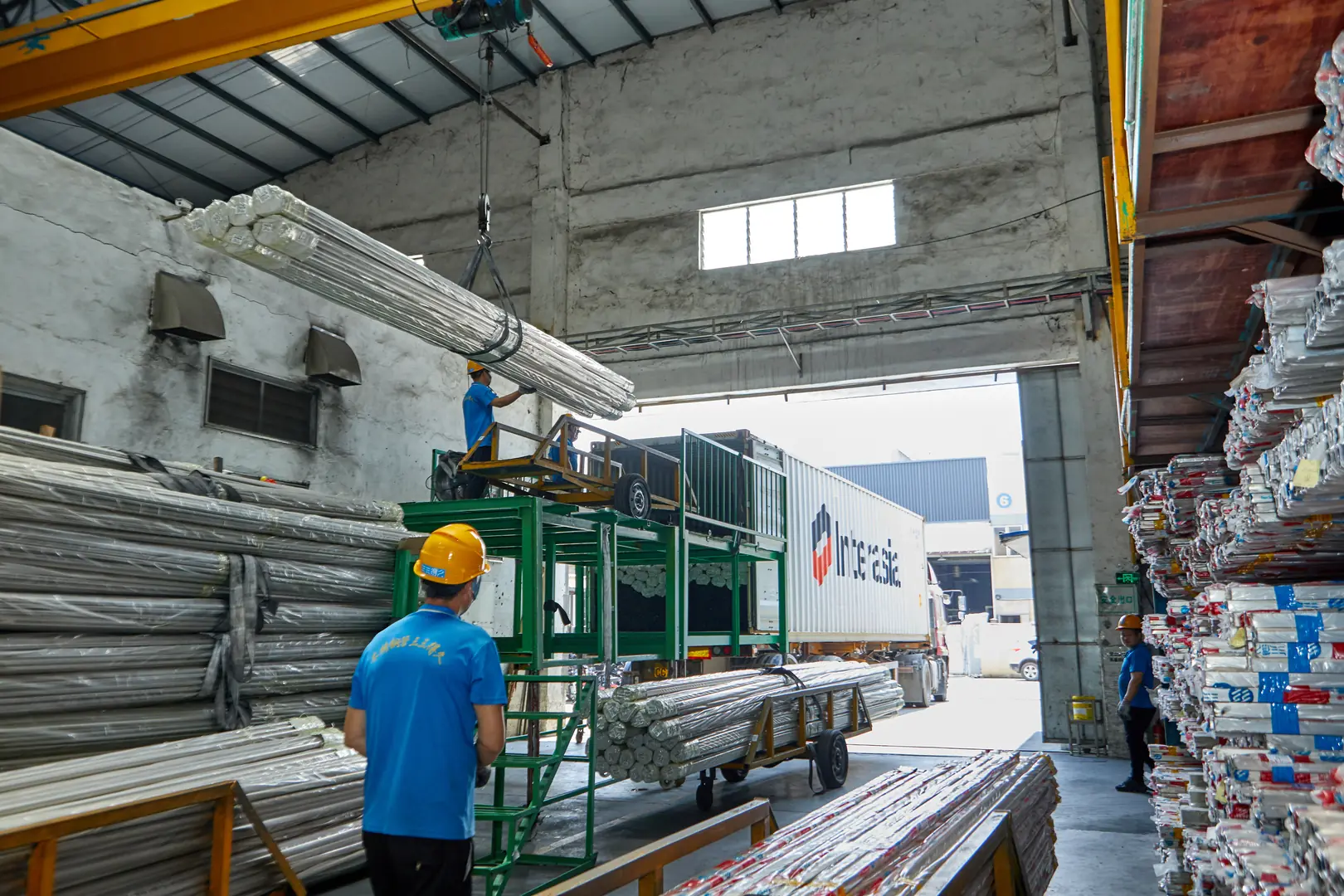
The global supply chain is more fragile than many people realize. A problem in one part of the world can create a major delay for a project thousands of miles away. Over the past few years, we've seen everything from port congestion and container shortages to unexpected shutdowns at key mills. The biggest challenge for most buyers is the lack of control and visibility. When your supplier is just a trader, they are often at the mercy of the same disruptions you are. This is a core problem we set out to solve at MFY.
Logistical Bottlenecks
The journey of a stainless steel pipe from the mill to your facility is a long one, with many potential points of failure. We've seen ships waiting weeks to unload at congested ports, a shortage of truck drivers to move containers inland, and customs delays that add uncertainty. A single delay can have a domino effect, pushing back your entire project schedule. This is why managing logistics isn't just about booking a ship; it's about proactive management, contingency planning, and constant communication.
Production Inconsistencies
Many buyers rely on a fragmented network of smaller mills and distributors. While this can sometimes offer a lower price, it often comes with the hidden cost of inconsistency. A smaller mill might have a sudden breakdown, a quality control issue, or simply be overbooked, leading to unpredictable production schedules. This creates massive uncertainty. I've spoken with countless project managers who have had to halt work because a promised shipment of pipe simply never arrived on time.
What Are the Best Strategies for Overcoming Supply Chain Challenges?
Supply chain disruptions feel out of your control. This uncertainty costs you time and money. Proactive strategies can build resilience and give you back control.
Effective strategies include diversifying suppliers, fostering strong, transparent relationships with partners, leveraging digital tools for real-time tracking, and working with an integrated supplier who controls the entire production and logistics process. This reduces dependency and increases predictability.
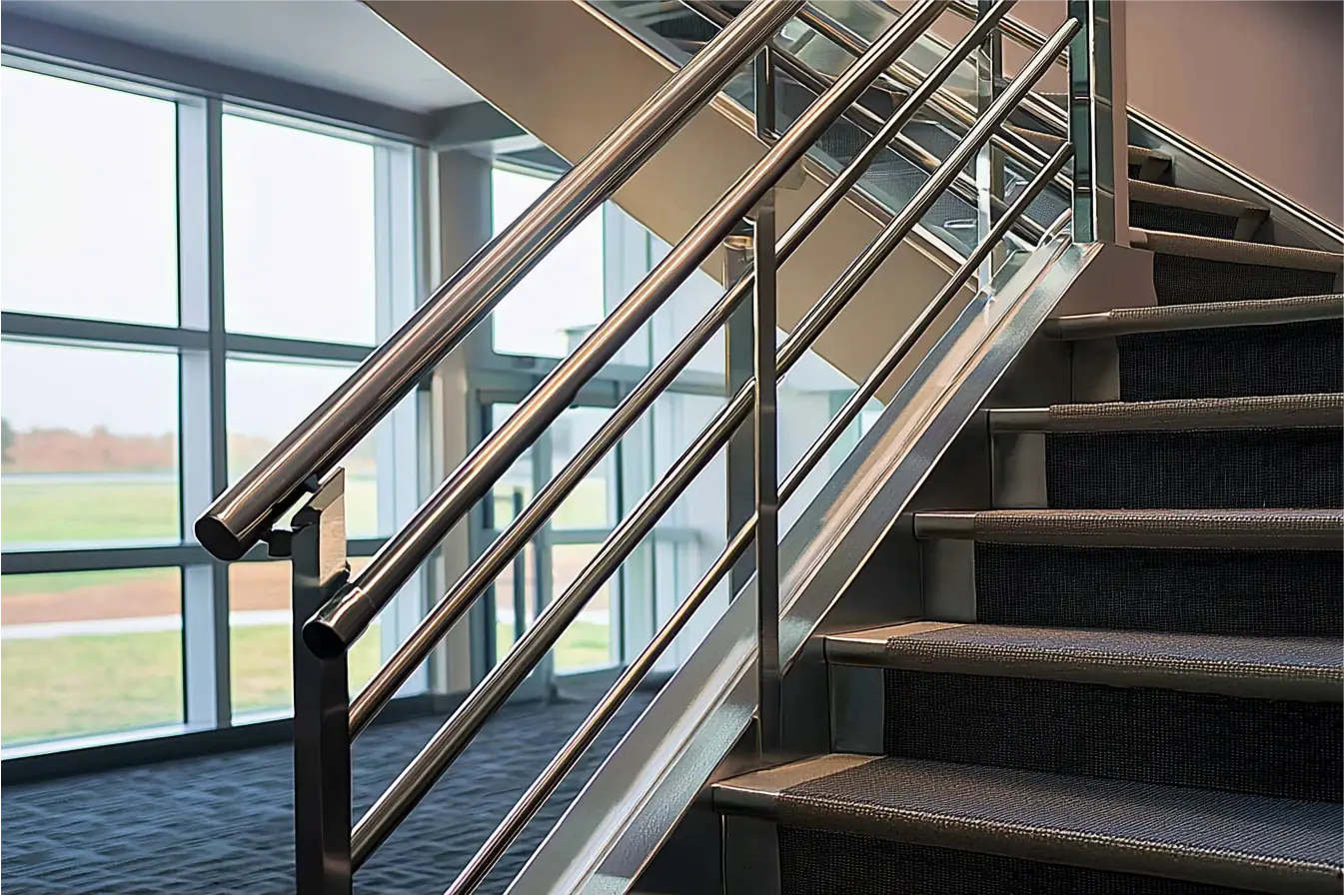
You cannot eliminate every risk in the global supply chain, but you can build a procurement strategy that is resilient enough to withstand them. The old model of simply chasing the lowest price from any supplier is broken. The new model is about building strategic partnerships that provide stability, transparency, and reliability. This is the philosophy that drives our entire operation at MFY. We don't want to be just another name on a purchase order; we aim to be an integral part of our clients' supply chain success.
The Power of an Integrated Partner
This is, in my opinion, the single most effective strategy. When you work with a fully integrated supplier like MFY, you are removing multiple points of failure from the chain. We aren't just a trading company; we are deeply involved from raw material sourcing and production in our own facilities all the way through to export logistics and final delivery. This control means we are not at the mercy of third-party mills or logistics providers. It allows us to provide our partners with something incredibly valuable: predictability. We can give you a reliable schedule because we manage the schedule ourselves.
Leveraging Technology for Transparency
In today's world, there is no excuse for a lack of information. We use digital tools to give our clients real-time visibility into their orders. You should demand this from your suppliers. Where are your materials in the production process? Has the container been loaded onto the ship? What is the vessel's estimated arrival date? This transparency turns uncertainty into actionable information, allowing you to plan with confidence.
What is the Best Technical Advice for Efficient Bulk Purchasing of Stainless Steel Pipes?
Ordering the wrong spec wastes money. Miscalculations lead to project delays. Getting the technical details right from the start ensures a smooth and cost-effective purchase.
For efficient bulk purchasing, precisely define your required grade, dimensions, and finish. Consolidate orders to maximize volume discounts and reduce shipping costs. Always request Mill Test Certificates (MTCs) to verify quality and chemical composition before shipment.
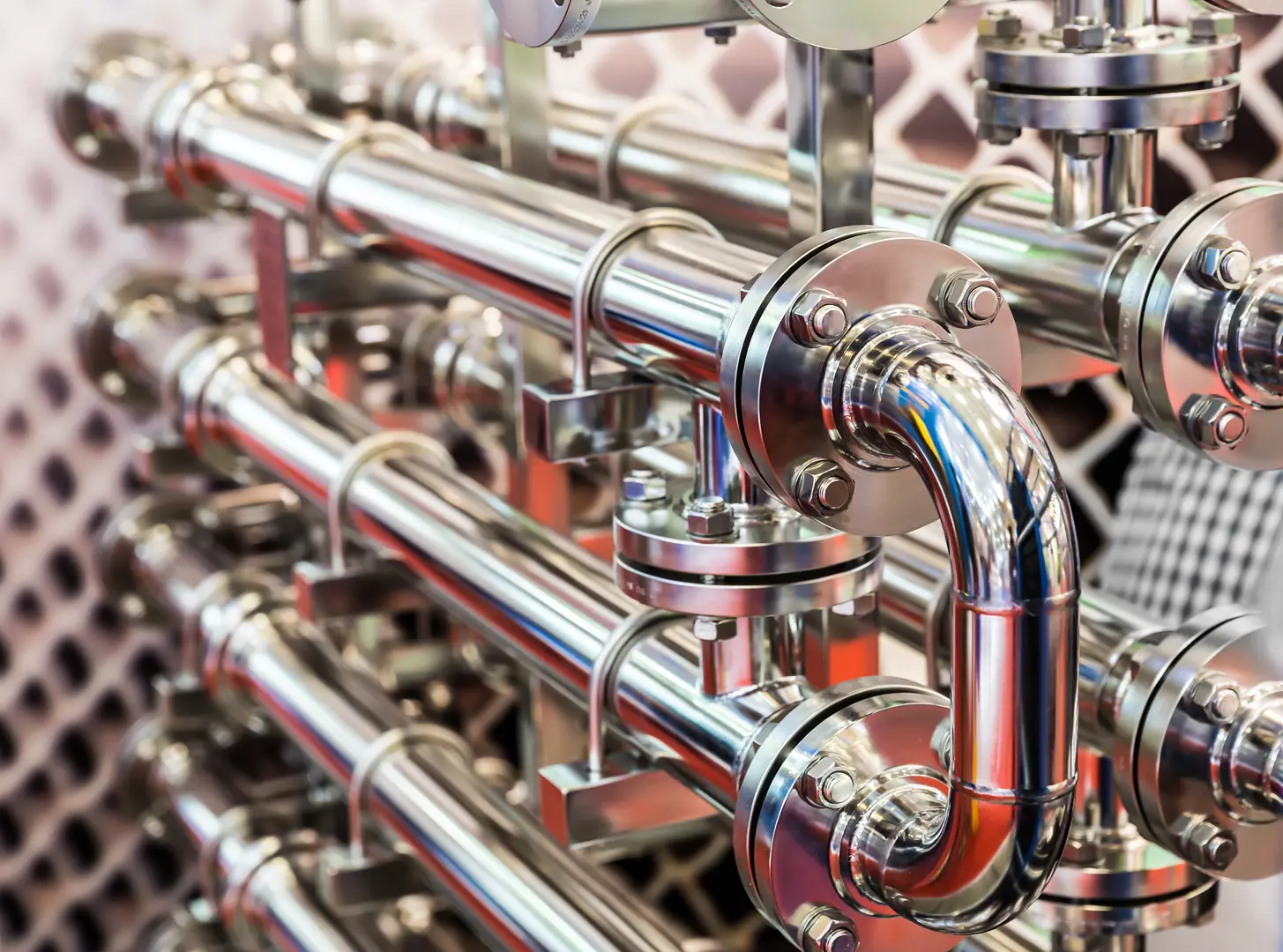
Beyond market dynamics and logistics, the technical details of your order are paramount. A small error in specifications can lead to a massive headache down the line. I’ve seen cases where a buyer ordered the wrong wall thickness, rendering an entire shipment unusable for their project. Efficiency in bulk purchasing starts with absolute clarity on your technical requirements. This is where a knowledgeable supplier becomes a true partner, helping you double-check specifications and ensure you are ordering exactly what you need for your application.
Specification is Everything
Before you even request a quote, have your technical data sheet ready. Be precise. Ambiguity is the enemy of efficiency. Clearly state the grade, outer diameter (OD), wall thickness (WT), length, and required surface finish (e.g., 2B, No. 4, Mirror). The more detailed you are, the more accurate your quote will be and the lower the risk of receiving the wrong product.
The Importance of Documentation
Never accept a shipment without the proper documentation. The Mill Test Certificate (MTC) or Material Test Report (MTR) is your proof of quality. It's a certified record from the mill that details the material's chemical composition and mechanical properties, confirming that it meets the international standards you specified. At MFY, providing a comprehensive MTC with every order is a non-negotiable part of our quality commitment.
| Параметр | Описание | Why It Matters |
|---|---|---|
| Класс | e.g., 304L, 316L | Determines corrosion resistance and mechanical properties. |
| OD & WT | Outer Diameter & Wall Thickness | Critical for structural integrity and flow capacity. |
| Finish | Surface Treatment | Affects appearance, cleanability, and corrosion resistance. |
| MTC | Mill Test Certificate | Your guarantee of quality and compliance with standards. |
Заключение
Navigating the stainless steel pipe market requires understanding grades, pricing trends, and supply chain risks. By partnering with an integrated supplier like MFY, you gain the stability, transparency, and quality assurance needed to secure your supply chain and drive your business forward confidently.
У вас есть вопросы или нужна дополнительная информация?
Свяжитесь с нами, чтобы получить индивидуальную помощь и квалифицированный совет.


 Русский
  English