SS 304 Bright Annealed Pipes: 's Guide to Quality Specs, Applications & Bulk Supply
Struggling with pipes that corrode or look unprofessional? This affects your project's quality and longevity. Choose a solution that combines performance with a premium finish.
SS 304 Bright Annealed (BA) pipes are a smart choice due to their superior corrosion resistance, mirror-like finish, and durability. They offer long-term value and operational excellence for industries requiring high purity and aesthetic appeal, making them a strategic investment.
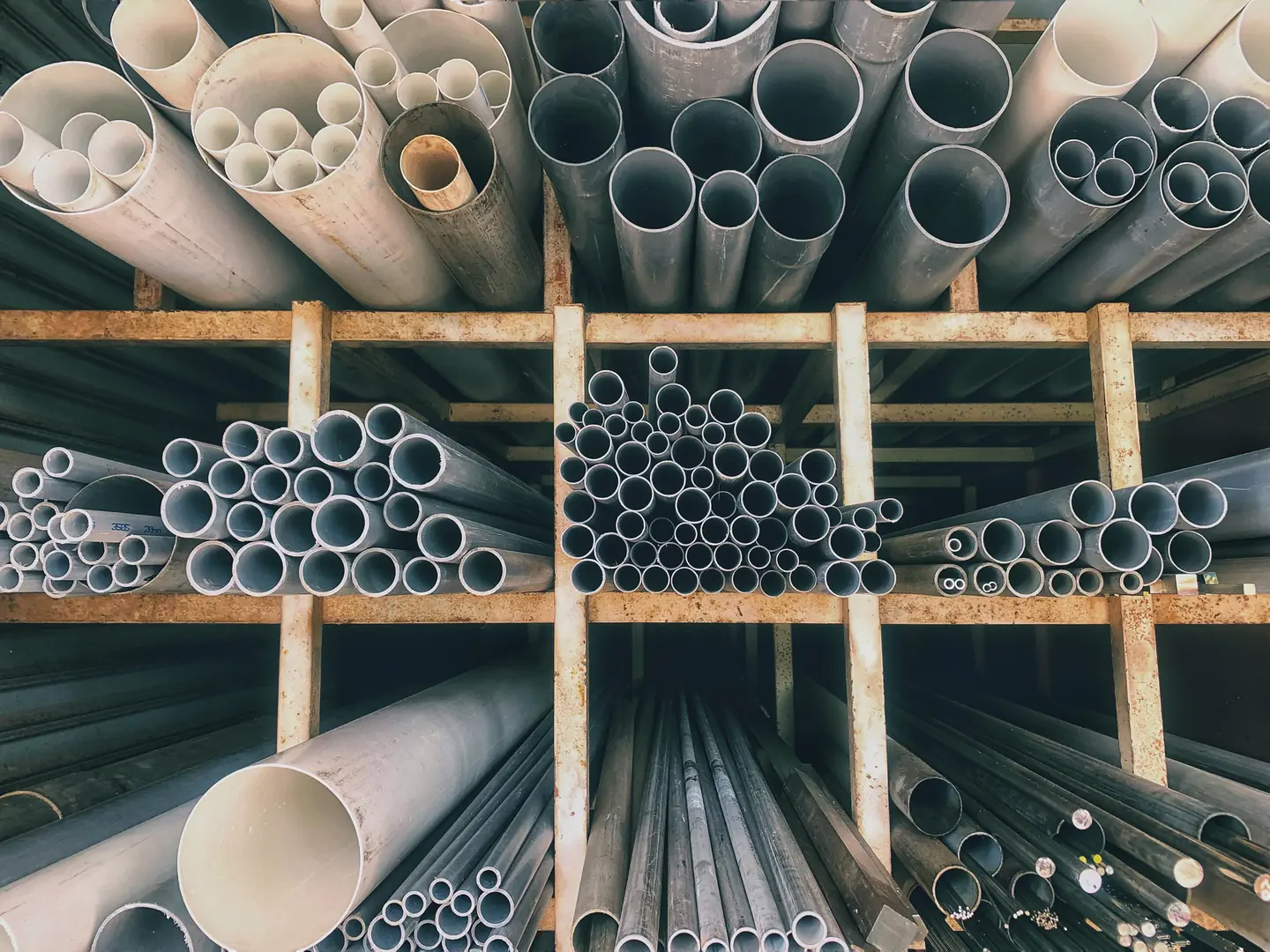
As the Global Business Director at MFY, I've seen these pipes transform projects across the globe. They are more than just a functional component; they are a statement of quality and a critical enabler of operational excellence. They represent a forward-looking choice for enterprises seeking long-term value. Let's explore why they are becoming the go-to solution for so many industries and how you can secure a reliable supply.
What Exactly Are SS 304 Bright Annealed Pipes?
Confused by technical jargon? The term "Bright Annealed" can seem complex. It's a simple process that delivers significant benefits you need to understand.
SS 304 Bright Annealed pipes are stainless steel tubes that undergo a special heat treatment in a controlled atmosphere. This process enhances corrosion resistance and creates a highly reflective, smooth, mirror-like surface finish without additional polishing.
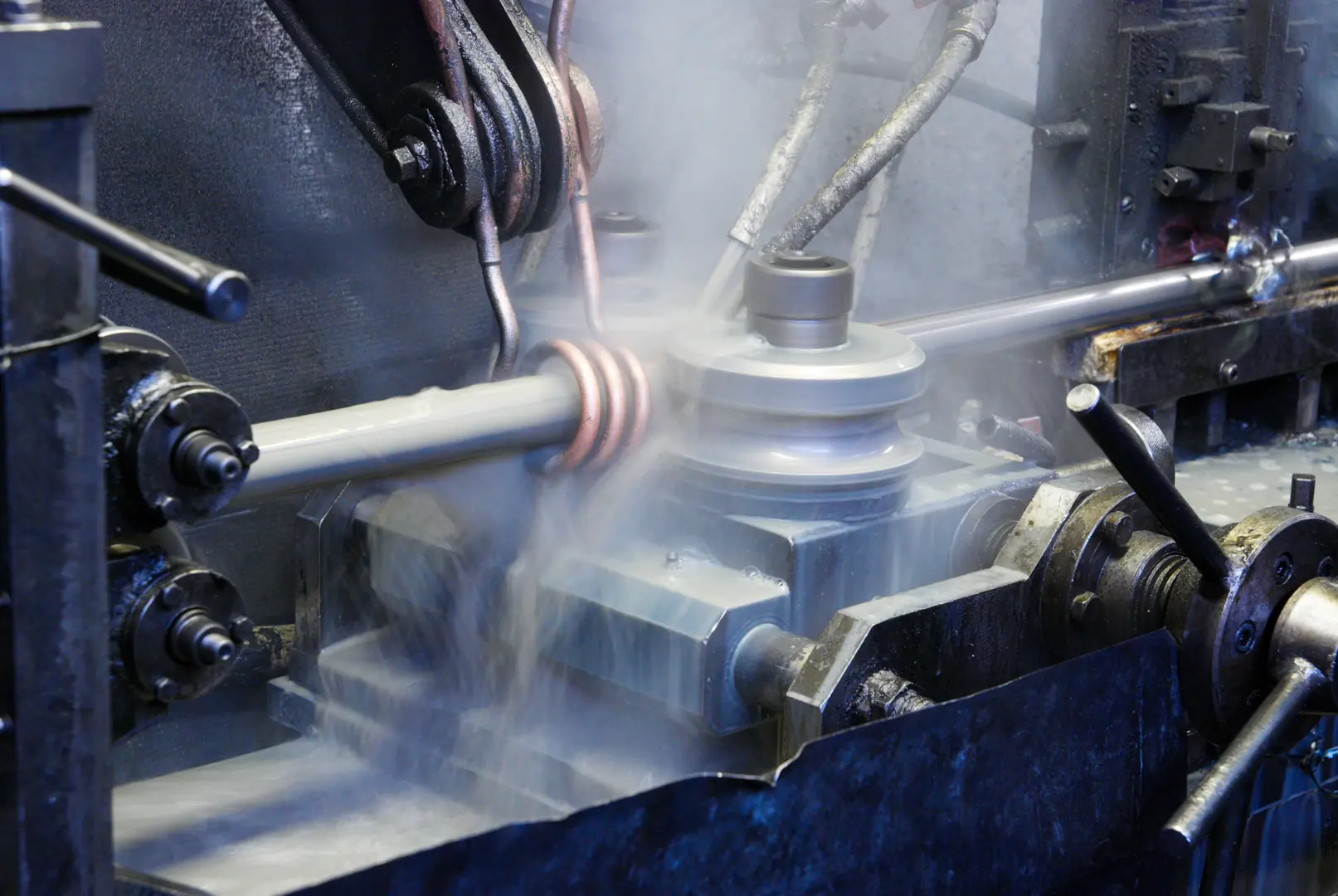
Let's dive deeper into what this means for your operations. The "bright annealed" designation refers to a very specific manufacturing step that sets these pipes apart. It's a perfect example of how precision manufacturing directly translates to superior performance. At MFY, we see this process not just as a treatment, but as the core of the pipe's value. It’s where a standard tube is elevated into a high-performance solution.
The Annealing Process Explained
Annealing is a heat treatment that alters a material's microstructure to increase its ductility and reduce hardness, making it more workable. For bright annealing, this process happens inside a furnace filled with a controlled atmosphere, typically pure hydrogen or a mix of hydrogen and nitrogen. This oxygen-free environment is crucial. It prevents the steel's surface from oxidizing or scaling during the high-temperature treatment, which is what preserves its bright, mirror-like finish. The result is a pipe that is not only less brittle but also has a cleaner, more passive surface layer, significantly boosting its corrosion resistance.
Why the 'Bright' Finish Matters
The smooth, non-porous surface is more than just an aesthetic feature. In industries like pharmaceuticals, food and beverage, and semiconductors, a cleanable, non-contaminating surface is non-negotiable. The mirror finish of BA pipes minimizes bacterial adhesion and makes sterilization processes more effective. This is a clear case where the material itself becomes a critical enabler of quality and safety standards.
| Feature | Bright Annealed (BA) Finish | Standard 2B Finish |
|---|---|---|
| Process | Heat-treated in controlled atmosphere | Cold-rolled, softened, pickled |
| Surface | Mirror-like, highly reflective | Smooth, dull grey, matte |
| Roughness | Very low (low Ra value) | Higher than BA |
| Best For | High-purity, aesthetic applications | General industrial, structural use |
What Are the Current Market Trends for SS 304 BA Pipes?
Is your business falling behind industry shifts? Market trends can feel unpredictable. Staying informed helps you make strategic purchasing decisions and maintain a competitive edge.
Current market trends show a rising demand for SS 304 BA pipes, driven by stricter hygiene standards in food and pharma, architectural aesthetics, and a growing focus on sustainable, long-lasting materials. The market is moving towards high-value, reliable solutions.
From my conversations with partners worldwide, it's clear the market is maturing. Buyers are looking beyond the initial price tag to consider the total cost of ownership and long-term value. SS 304 BA pipes fit perfectly into this trend. I was just talking with a client in the beverage industry in Southeast Asia, and their main concern was not cost, but guaranteeing product purity over a 20-year operational lifespan. They chose BA pipes because the durability and low maintenance promised a far better return on investment.
The Push for Hygiene and Purity
Industries are facing tighter regulations than ever before. In food processing and pharmaceuticals, any risk of contamination can lead to disastrous consequences. The ultra-smooth surface of BA pipes is easy to clean and sanitize, making it the default choice for fluid transport lines where hygiene is paramount. This isn't a luxury; it's a requirement for compliance and brand protection.
Architectural and Aesthetic Demand
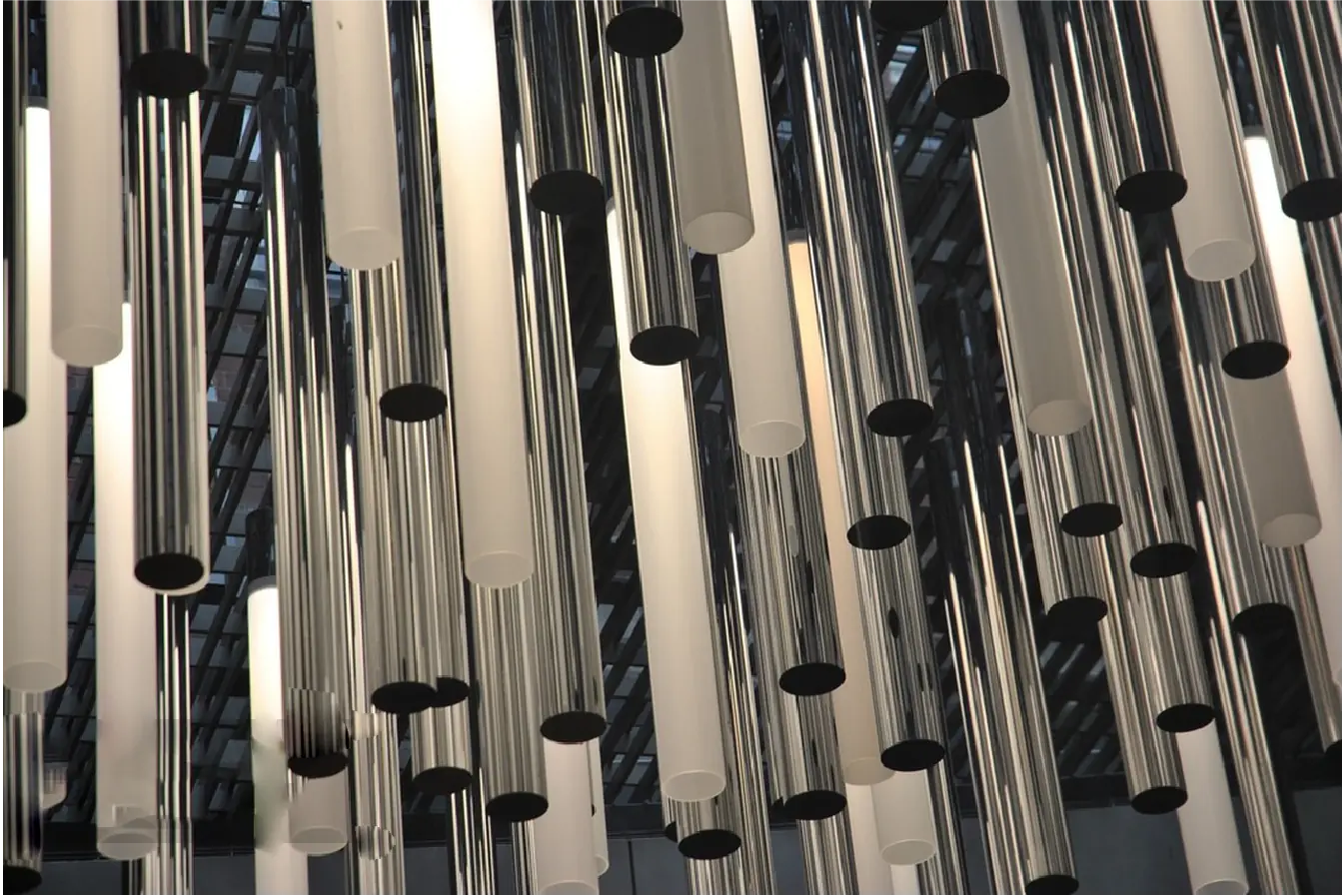
We are also seeing a huge surge in the use of SS 304 BA pipes in architecture and interior design. Their brilliant, clean look provides a modern, high-end feel for everything from railings and fixtures to decorative structures. Architects and designers specify them because they combine structural integrity with a premium finish that lasts, resisting tarnish and wear even in public spaces.
The Sustainability Factor
As companies globally adopt stronger environmental, social, and governance (ESG) goals, material choice becomes critical. Stainless steel is 100% recyclable, and the longevity of SS 304 means less replacement, less waste, and a lower environmental footprint over the life of a project. The durability of BA pipes makes them a truly sustainable choice, aligning business needs with environmental responsibility.
What Are the Challenges in Ensuring Quality for SS 304 Pipes?
Worried about inconsistent quality in your pipe supply? Poor materials can lead to project failures and cost overruns. You need a partner who guarantees reliability.
Key challenges include maintaining a consistent surface finish, ensuring uniform wall thickness, and verifying the chemical composition and mechanical properties like tensile strength. Without rigorous quality control, pipes can fail under pressure or in corrosive environments.
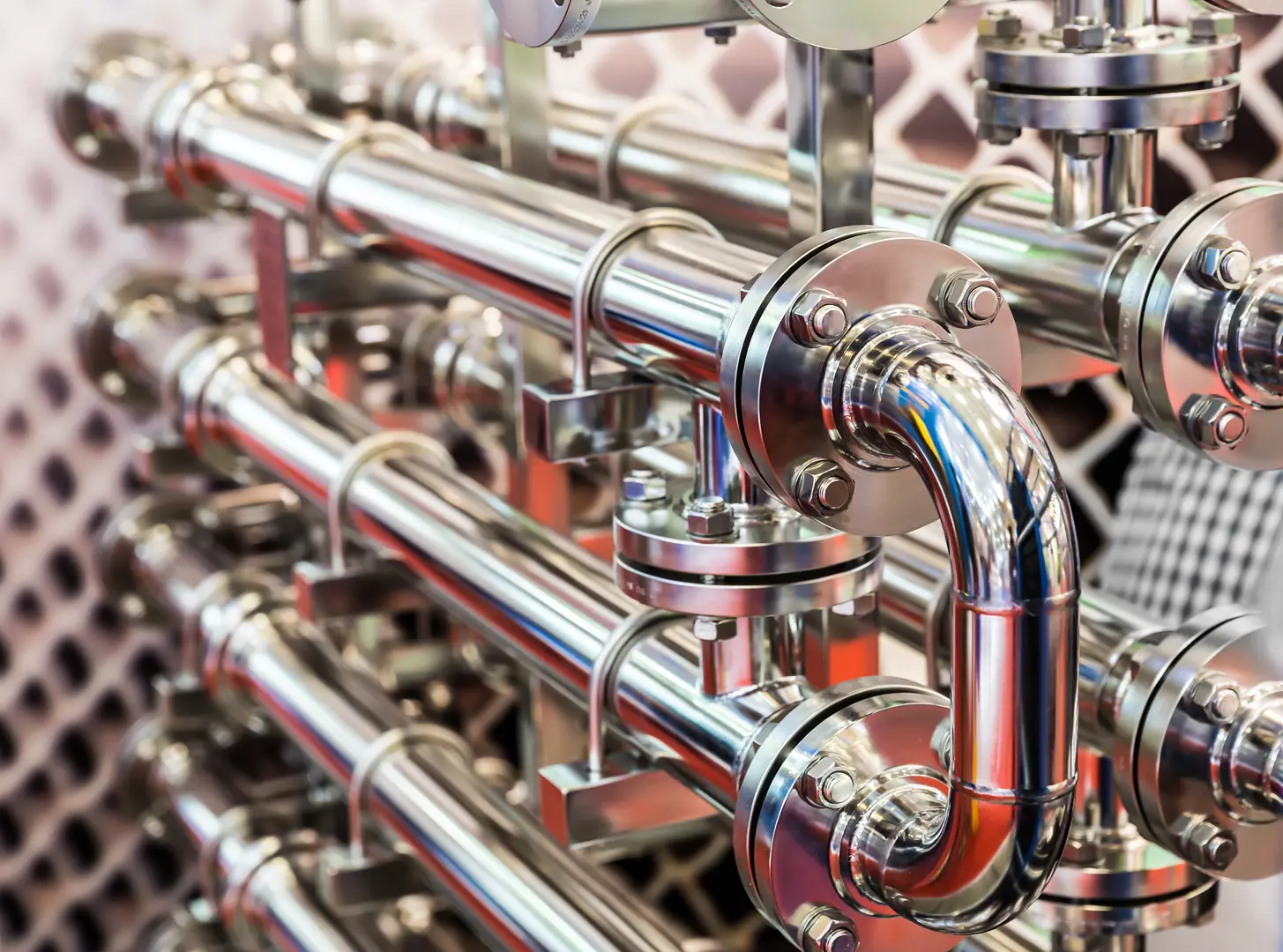
This is where a supplier's expertise truly shows. Anyone can sell a pipe, but very few can guarantee its performance under stress. I remember a case where a potential client in India was facing repeated failures in their processing plant. We discovered their previous supplier provided pipes with inconsistent annealing, leading to weak points that corroded quickly. Understanding these nuanced quality specifications is paramount. At MFY, our quality control isn't just a final check; it's embedded in every step of our process, from raw material sourcing to final packaging.
The Critical Role of Surface Finish
For BA pipes, the finish is a direct indicator of the quality of the annealing process. We use profilometers to measure the surface roughness (Ra)[^1] to ensure it meets the stringent requirements for hygienic or high-purity applications. Any visual defects like pits, scratches, or discoloration are grounds for rejection because they can compromise both aesthetics and performance.
Verifying Mechanical and Chemical Integrity
A pipe's ability to withstand pressure and resist corrosion comes from its mechanical properties and chemical makeup. We conduct a battery of tests to ensure every batch meets international standards.
| Quality Parameter | Importance for Performance | MFY's Verification Method |
|---|---|---|
| Chemical Composition | Ensures corrosion resistance (esp. Chrome & Nickel content) | Spectrometer analysis |
| Tensile Strength | Determines the pipe's ability to withstand pulling forces | Tensile testing machine |
| Wall Thickness Uniformity | Critical for consistent pressure rating and structural integrity | Ultrasonic and micrometer measurement |
| Surface Roughness (Ra) | Key for hygiene, fluid flow, and preventing contamination | Surface profilometer testing |
This rigorous testing ensures that when you receive pipes from MFY, you are receiving a product that is reliable, safe, and built to perform in the most demanding environments.
How Can You Overcome Bulk Supply Chain Challenges?
Facing delays with bulk orders? A weak supply chain disrupts your production and deadlines. An integrated, agile partner is the solution for reliable bulk supply.
Overcome bulk supply challenges by partnering with a fully integrated supplier like MFY. This ensures direct access to production, robust inventory management, and streamlined logistics for rapid, scalable, and reliable delivery, even for large-scale international projects.
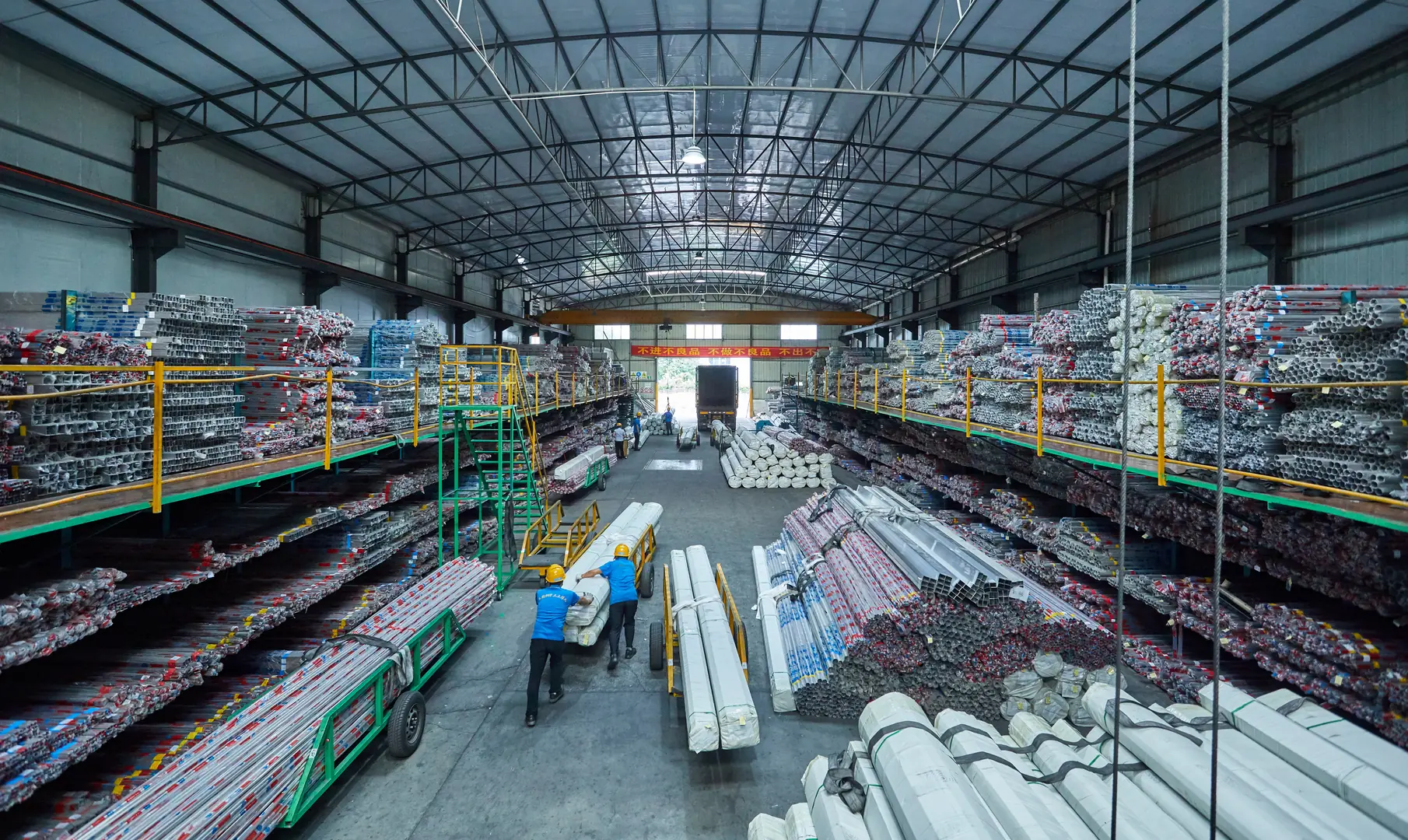
The ability to deliver in bulk, on time, is what separates a mere trader from a true supply chain partner. We recently helped a major construction contractor in the Middle East who needed a massive order of decorative BA pipes for a flagship airport terminal on a tight deadline. Their previous supplier couldn't scale up. Because MFY has an integrated model, we were able to allocate production capacity and ship directly from our extensive inventory, meeting their schedule without issue. This is the agility that a modern supply chain demands.
The Power of an Integrated Model
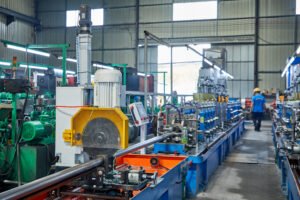
MFY isn't just a trading company. Our group is deeply integrated, covering everything from raw material processing and pipe manufacturing to global logistics. This gives us unparalleled control over the supply chain. We don't have to negotiate with multiple third parties, which means fewer delays, better quality oversight, and more competitive pricing. When you talk to us, you are talking directly to the source.
Inventory as a Strategic Asset
We maintain a massive inventory of standard and specialized SS 304 BA pipes. This isn't just storage; it's a strategic buffer that allows us to respond to urgent and large-scale orders with incredible speed. While other suppliers might have a lead time of weeks or months, we can often ship within days. This rapid response capability is a game-changer for businesses operating on tight project schedules.
Agile Logistics for Global Reach
Having the product is one thing; getting it to you efficiently is another. Our logistics team specializes in navigating the complexities of international trade. We handle all the documentation, customs, and shipping, providing a seamless door-to-door service. This removes a huge burden from our clients, allowing them to focus on their core business while we ensure their materials arrive safely and on time.
How Do You Choose the Right SS 304 Pipe for Your Application?
Choosing the wrong pipe spec can be a costly mistake. It leads to performance issues and safety risks. Making an informed choice is critical for success.
Choose the right SS 304 pipe by matching its specifications to your application's needs. Consider the environment (corrosion), pressure requirements (wall thickness), and aesthetic goals (surface finish). Always consult technical data sheets and your supplier.
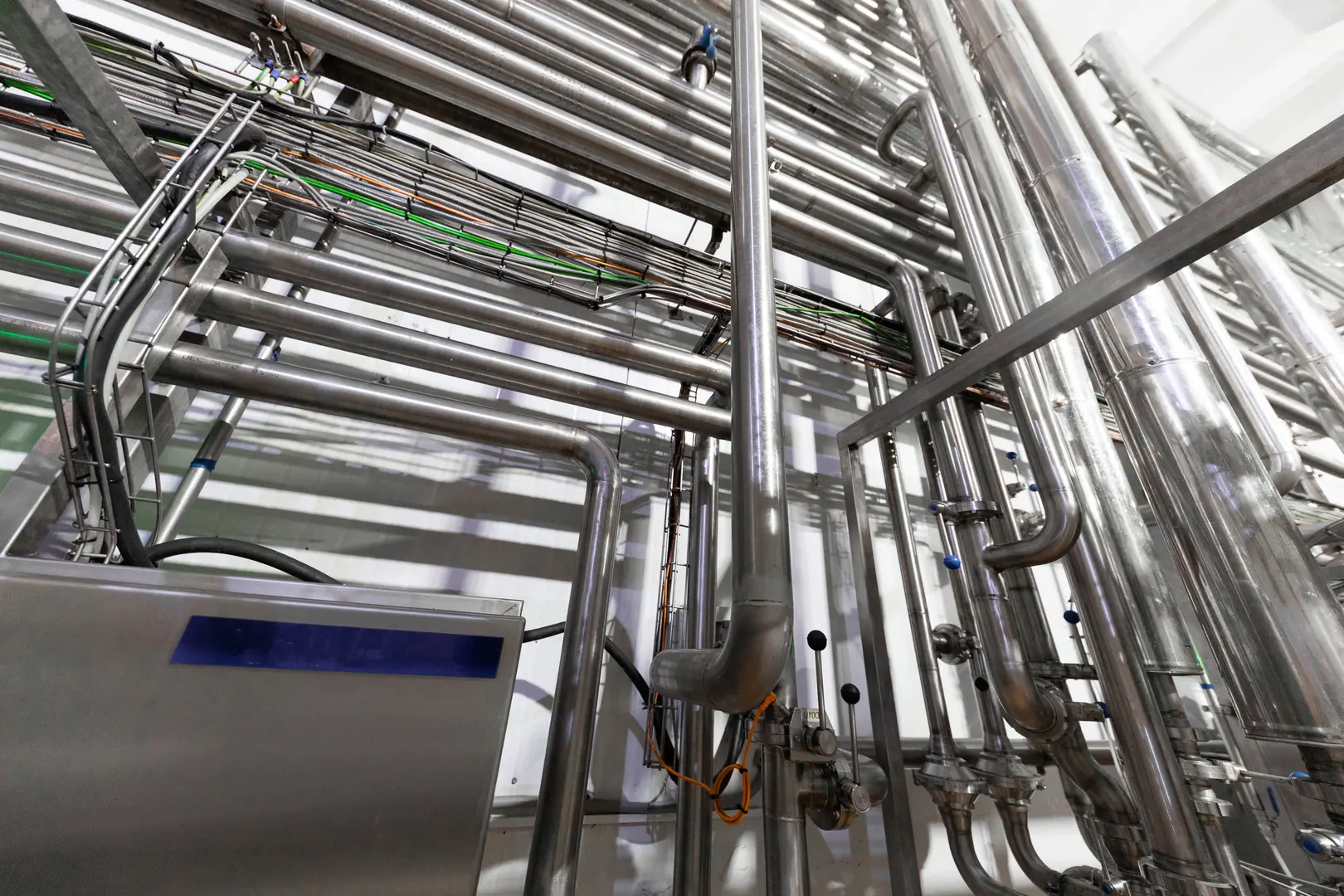
The adaptability of SS 304 BA pipes is one of their greatest strengths, but it also means you need to be precise in your selection. A pipe destined for a pharmaceutical cleanroom has very different requirements from one used as a handrail in a shopping mall. This is where a partnership with a knowledgeable supplier becomes invaluable. We don't just sell pipes; we provide solutions. Our team works with engineers, contractors, and distributors to understand their exact needs and recommend the perfect product specification to ensure project success.
For Pharmaceutical and Food Industries
Here, the priority is absolute purity and cleanability. You need a pipe with the lowest possible surface roughness (Ra value) to prevent microbial growth. The bright annealed finish must be perfect, and full traceability of materials is essential.
For Architecture and Decoration
For these applications, aesthetics are paramount. The key is a consistent, highly reflective finish across the entire batch. Wall thickness is important for structural integrity, but the visual quality of the weld seam and the brilliance of the surface are the primary concerns.
For Industrial and Fluid Transport
In general industrial settings, the focus shifts more towards a balance of corrosion resistance and mechanical strength. While a BA finish is beneficial for reducing friction and preventing buildup, the pipe's pressure rating, determined by its wall thickness and diameter, is the most critical specification.
| Application | Primary Specification | Secondary Consideration |
|---|---|---|
| Pharmaceuticals | Extremely low Surface Roughness (Ra) | Full material traceability |
| Food & Beverage | Excellent cleanability, smooth weld | Consistent BA finish |
| Architecture | High reflectivity, visual consistency | Structural strength, wall thickness |
| General Fluid Transport | Pressure rating, corrosion resistance | BA finish for reduced friction |
Conclusion
SS 304 Bright Annealed pipes are a strategic asset, not just a commodity. They deliver superior performance, aesthetics, and long-term value. Partnering with an integrated supplier like MFY ensures you get the quality and reliability your projects demand, backed by a robust global supply chain.
Have Questions or Need More Information?
Get in touch with us for personalized assistance and expert advice.



 English
  Русский