
Project Guide: Choosing the Right Grade SS Pipe for Potable Water Systems
Choosing the wrong stainless steel pipe for potable water risks public safety and project budgets. This decision can lead to premature failure, costly repairs, and compliance nightmares.
Choosing the right stainless steel pipe for potable water involves understanding system requirements, evaluating grades like 304 and 316 for corrosion resistance, and focusing on total cost of ownership over initial price. This ensures safety, durability, and long-term value for the infrastructure project.
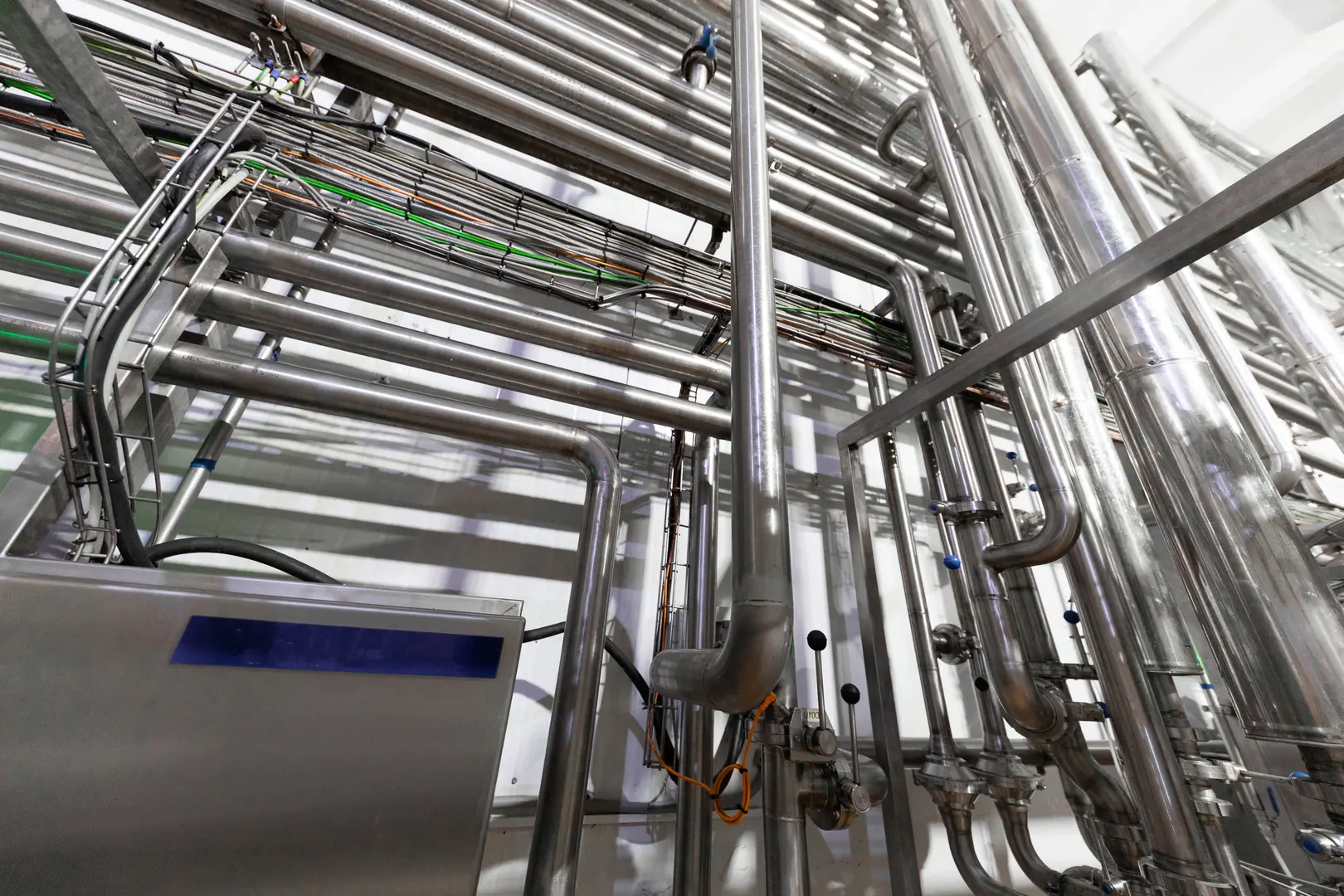
As the Global Business Director at MFY, I've guided countless partners through this critical selection process. It’s more than just a technical choice; it’s a long-term investment in public health and infrastructure resilience. Getting it right from the start saves money, time, and protects your reputation. Let's walk through the essential steps to make a confident and correct decision for your next project.
What Are the Core Requirements for Potable Water Systems?
Potable water systems have strict safety and performance standards. Ignoring them leads to dangerous compliance failures, potential health risks, and significant liability for your project.
Core requirements for potable water systems include ensuring water purity by preventing leaching, meeting safety standards like NSF/ANSI 61, and guaranteeing long-term structural integrity. The material must be non-reactive, durable, and resistant to corrosion from treated water.
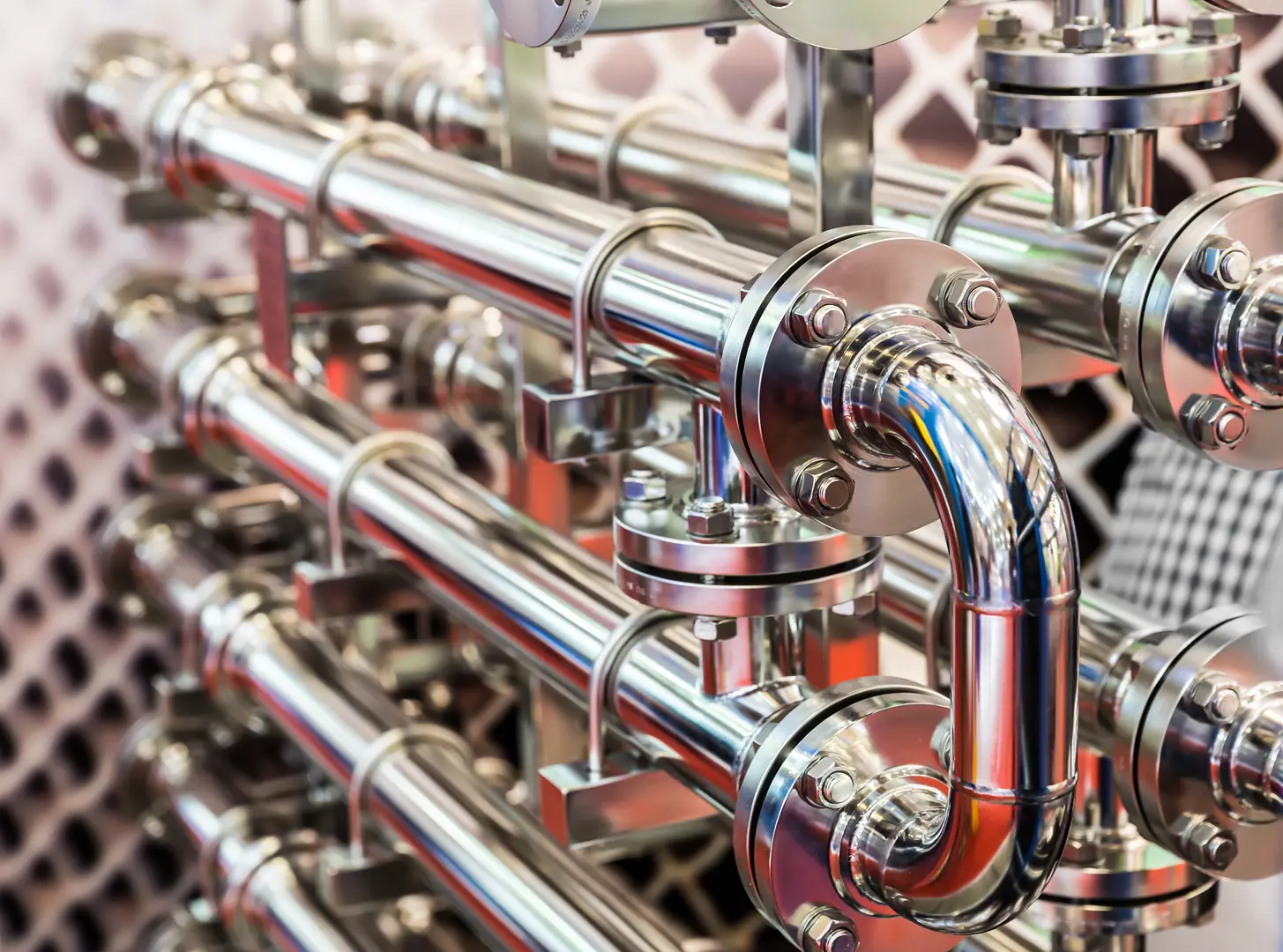
Before we even discuss specific steel grades, we must anchor our decision in the non-negotiable demands of any system designed to carry drinking water. The primary goal is to protect public health. This means the pipe material cannot react with the water or leach harmful elements, compromising its purity. This is where certifications like NSF/ANSI 61 become critical. They provide independent verification that a material is safe for contact with drinking water. As a manufacturer and supplier, we at MFY ensure our certified products meet these global standards, providing our partners with complete peace of mind. I remember a project in Southeast Asia where the local water had high chloride levels. The initial spec was for a standard grade, but after reviewing the system's core requirements, we advised a switch to a more resistant one, preventing a potential compliance issue and costly failure down the line.
Material Purity and Safety
The first checkpoint is always material safety. The pipe must be inert, meaning it won't corrode or release metallic ions into the water supply. This is fundamental to maintaining water quality from the treatment plant to the tap. Stainless steel is an excellent choice due to its passive chromium-oxide layer, which prevents interaction with the water. However, not all grades perform equally under different water chemistries.
Mechanical Strength and Pressure Ratings
Beyond chemical safety, the system must be mechanically sound. Pipes need to withstand constant internal pressure, potential pressure surges (water hammer), and external environmental stresses. The material's tensile strength and durability are key factors in preventing leaks and bursts, which are not only costly to repair but also create points of entry for contaminants.
| Requirement | Importance | Common Standard |
|---|---|---|
| Material Inertness | Prevents water contamination and ensures purity. | NSF/ANSI 61 |
| Corrosion Resistance | Ensures long-term system integrity and safety. | ASTM A312 |
| Mechanical Strength | Withstands operating pressures and prevents leaks. | ASME B31.9 |
Which Stainless Steel Grades Are Commonly Used for Pipes?
The market is filled with different stainless steel grades. Choosing the wrong one is an easy and expensive mistake to make, leading to system failure.
The most common stainless steel grades for water pipes are austenitic grades 304/304L and 316/316L. Grade 316 offers superior corrosion resistance due to its molybdenum content, making it ideal for more aggressive water environments.
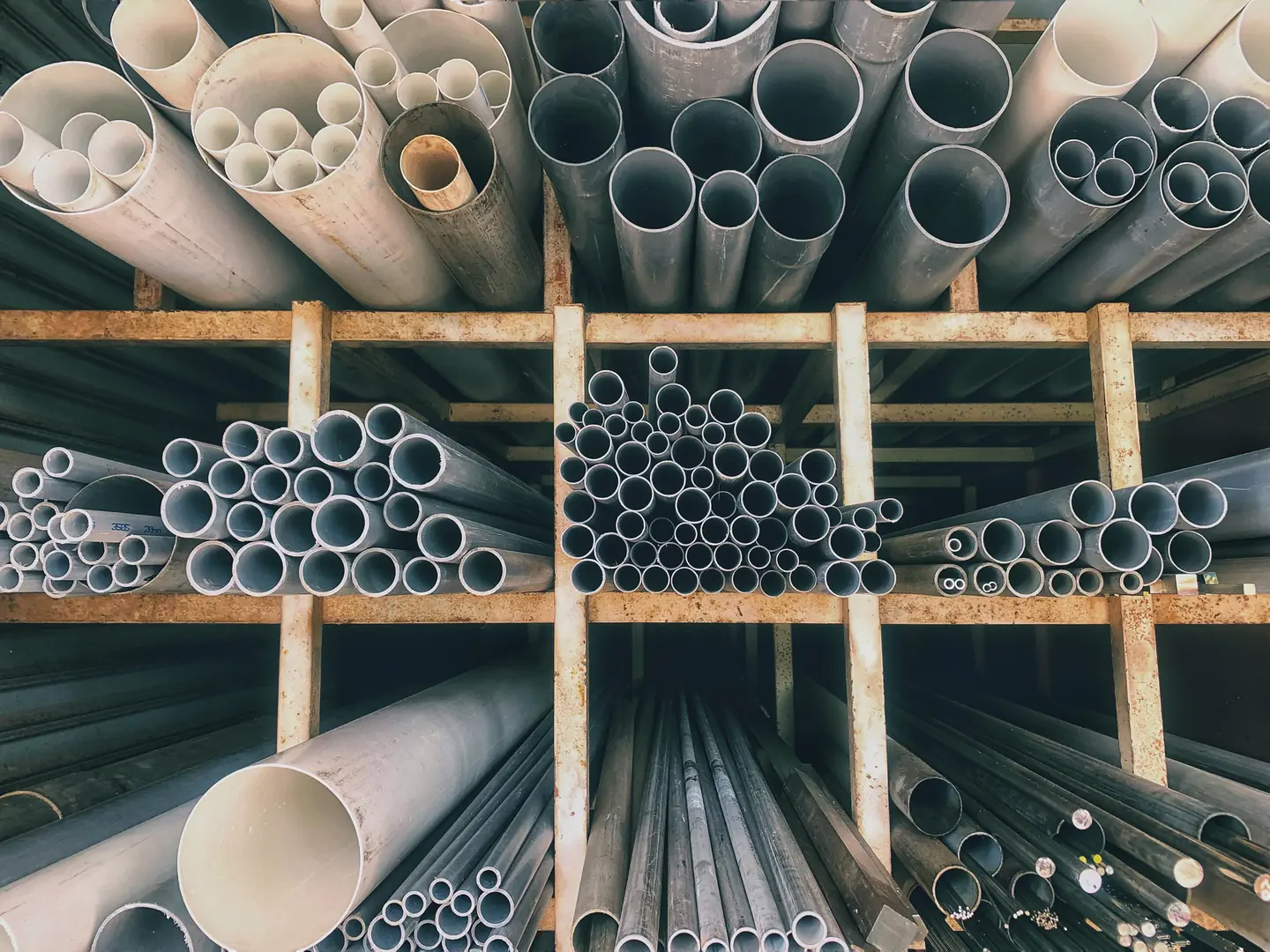
Once you understand the system requirements, the next step is to match them with the right material. For most potable water applications, the conversation starts with two primary austenitic grades: 304L and 316L. The "L" denotes low carbon content, which improves weldability and reduces the risk of corrosion at the weld points—a critical feature for extensive piping networks. However, the industry is evolving. As we face more challenging water sources and demand longer infrastructure lifecycles, advanced materials like duplex stainless steels are becoming an increasingly strategic choice. They offer a significant leap in both strength and corrosion resistance, aligning with the modern push for more resilient and sustainable infrastructure solutions.
The Workhorse: Grade 304/304L
Think of Grade 304L as the reliable standard for many applications. It offers excellent corrosion resistance in typical freshwater environments and is widely available and cost-effective. For many municipal water systems with well-controlled water chemistry, 304L is a perfectly suitable and economical choice.
The Superior Choice: Grade 316/316L
When water conditions are more aggressive—such as in coastal areas with higher salinity or systems with higher chloride levels from treatment processes—Grade 316L is the safer bet. The addition of molybdenum significantly enhances its resistance to pitting and crevice corrosion[^1], which are common failure modes in the presence of chlorides.
The Future-Proof Option: Duplex Stainless Steel
For projects demanding maximum durability and lifecycle performance, we are seeing a strong shift towards duplex grades like 2205. Duplex stainless steel[^2] has a mixed microstructure that gives it nearly double the strength of austenitic grades and superior corrosion resistance. This means you can sometimes use pipes with thinner walls, saving on material weight and cost, while gaining a much longer service life.
| Grade | Key Elements | Best For | Pros | Cons |
|---|---|---|---|---|
| 304L | 18% Cr, 8% Ni | Standard freshwater, low-chloride environments. | Cost-effective, widely available. | Lower corrosion resistance. |
| 316L | 17% Cr, 12% Ni, 2% Mo | Coastal areas, high-chloride water. | Excellent corrosion resistance. | Higher initial cost. |
| Duplex 2205 | 22% Cr, 5% Ni, 3% Mo | Demanding applications, high-pressure systems. | Superior strength & corrosion resistance. | Higher cost, specialized welding. |
How Do You Evaluate Corrosion Resistance and Durability?
Corrosion is the silent enemy of water pipes. It compromises water safety, weakens structural integrity, and ultimately leads to catastrophic and expensive system failures.
Evaluate corrosion resistance by analyzing the water's chemical composition, particularly chloride levels, pH, and temperature. Higher molybdenum content, found in Grade 316 and duplex steels, provides superior resistance to pitting and crevice corrosion, ensuring long-term durability.
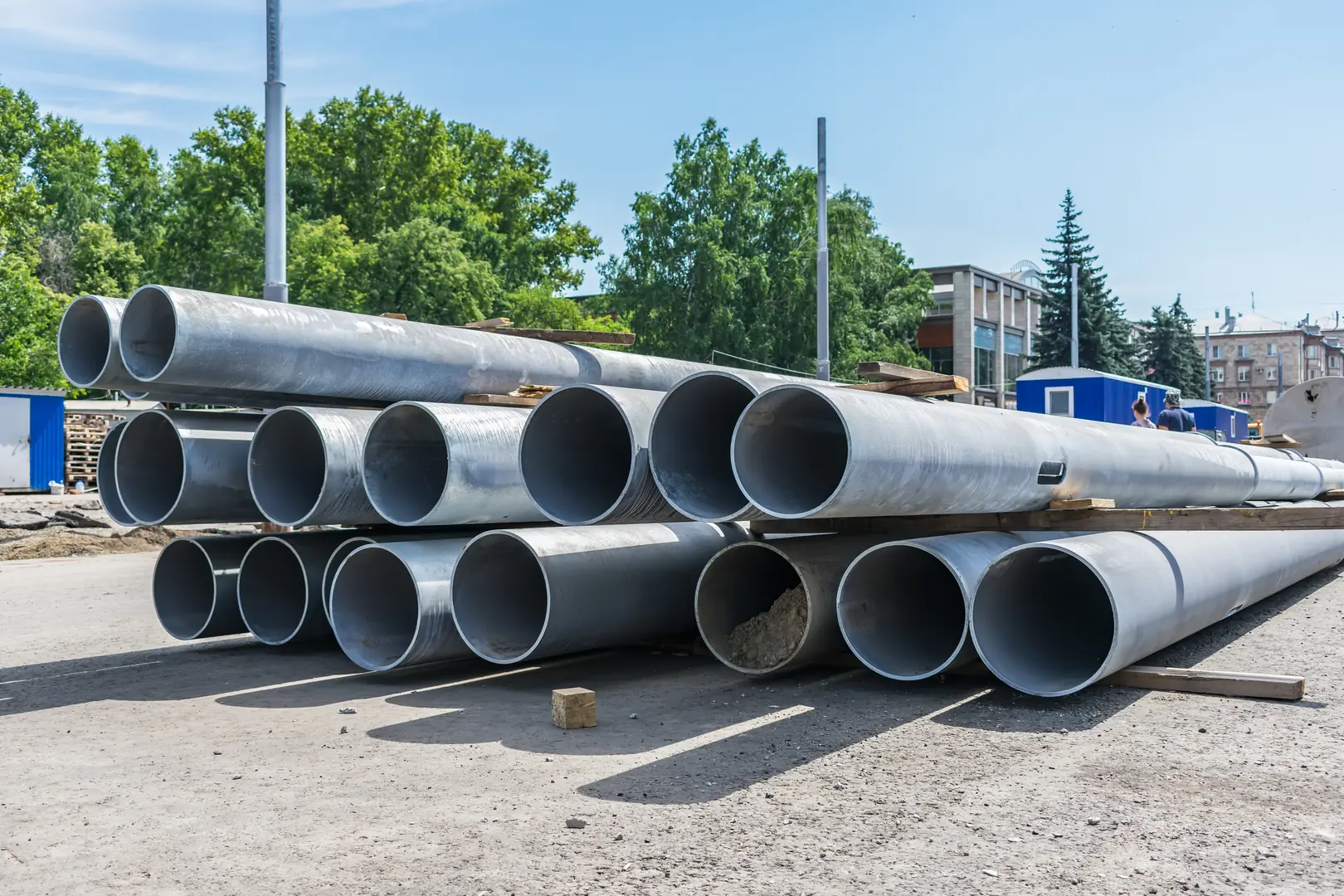
Durability is not an abstract concept; it's a measurable outcome based on how well a material withstands its specific operating environment over time. For stainless steel in potable water systems, the single most important factor is resistance to localized corrosion. Unlike uniform corrosion that slowly thins the material, localized corrosion like pitting can create a pinhole leak in a thick pipe wall relatively quickly, leading to unexpected failures. The key to preventing this is to understand the interplay between the water chemistry and the steel's composition. This is where a detailed water analysis report becomes the most valuable tool in your project toolkit. It provides the data needed to make an informed engineering decision rather than a guess.
Understanding Water Chemistry
Before selecting a grade, you must have a complete analysis of the water that will flow through the pipes. The critical parameters to look for are chloride concentration, pH level, and operating temperature. Chlorides are the primary enemy of stainless steel, and higher concentrations demand a more robust alloy. A low pH (acidic) or high temperature can accelerate all forms of corrosion, further narrowing your material options.
The Role of Molybdenum
This is where the chemistry of the steel itself comes into play. The molybdenum added to Grade 316 and duplex grades is there for one primary reason: to fight off chloride-induced corrosion. It stabilizes the protective passive layer on the steel's surface, making it much more difficult for chloride ions to break it down and initiate pitting. The higher the chloride level in your water, the more critical molybdenum becomes.
Long-Term Durability
True durability is a combination of corrosion resistance and mechanical strength. This is another area where duplex steels shine. Their high strength makes them more resistant to damage from pressure fluctuations, ground movement, and installation stresses. This inherent toughness translates to a lower risk of leaks and a longer, more reliable service life for the entire water system.
How Do You Balance Cost-Effectiveness with Long-Term Benefits?
Project budgets are always tight, creating pressure to choose the cheapest option. Focusing only on the upfront material cost can lead to staggering long-term expenses from maintenance and replacement.
Balance cost and benefits by calculating the Total Cost of Ownership (TCO). This includes initial material and installation costs plus long-term maintenance, repair, and replacement expenses. A higher-grade material often provides a lower TCO and better ROI.
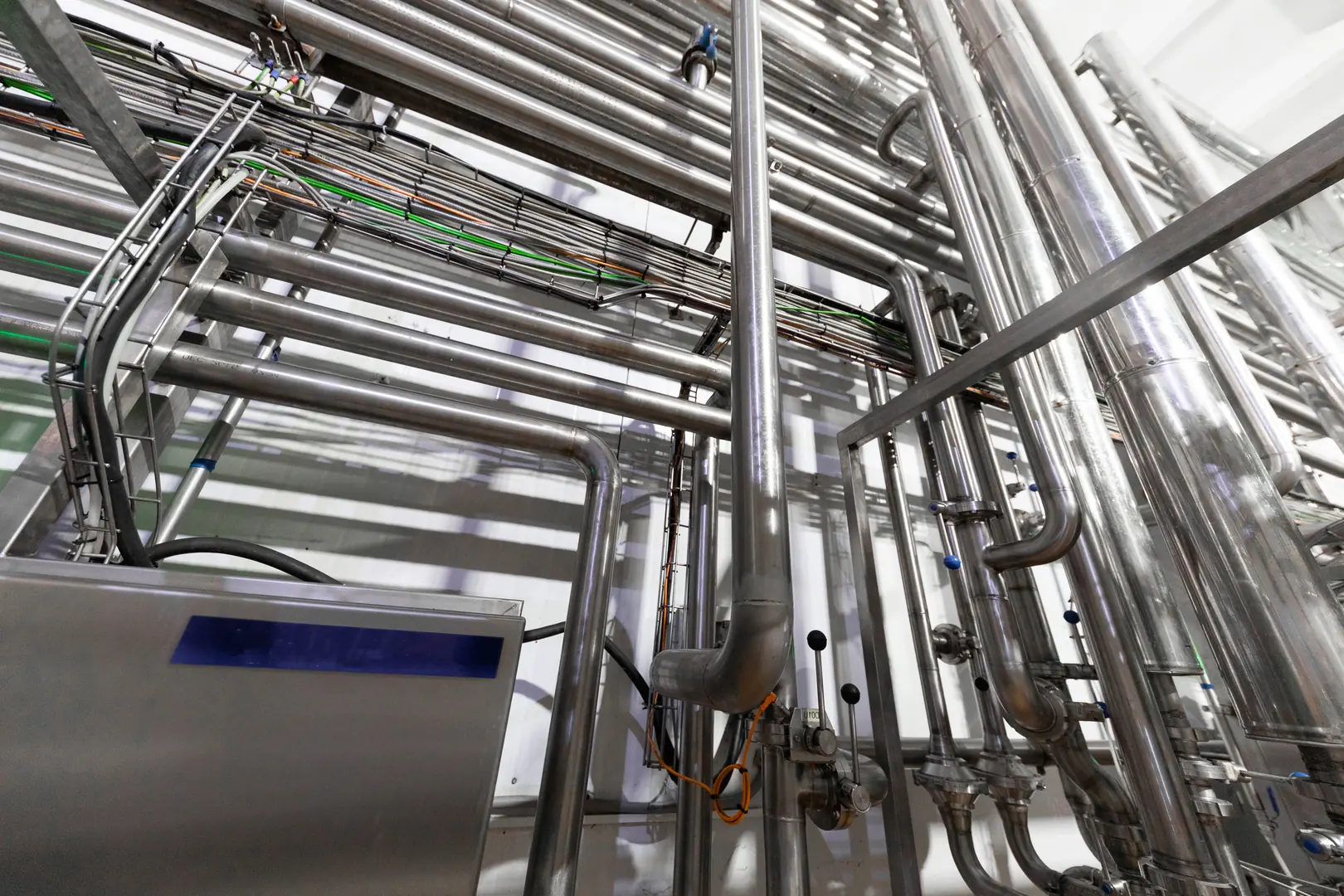
This is perhaps the most important strategic conversation I have with engineers and contractors. The industry is moving away from a mindset of "what is the cheapest material today?" to "what is the best value over the next 50 years?". This shift towards analyzing the Total Cost of Ownership (TCO) is crucial for building sustainable and resilient infrastructure. A pipe that costs 20% more upfront but lasts twice as long and requires virtually no maintenance is overwhelmingly the more cost-effective choice. When you factor in the cost of excavation, labor for repairs, and the societal cost of water service disruptions, the argument for investing in a more durable material becomes undeniable.
Beyond the Initial Price Tag
The purchase price of the pipe is just one small piece of the financial puzzle. To make a truly cost-effective decision, you must consider the entire lifecycle of the system. This includes:
- Installation Costs: Stronger, lighter duplex pipes might reduce handling and installation expenses.
- Maintenance Costs: A highly corrosion-resistant material eliminates the need for costly coatings or cathodic protection and reduces inspection frequency.
- Repair & Replacement Costs: The direct and indirect costs of system failure are enormous. A more durable material drastically reduces this risk.
- System Lifespan: A longer service life means the capital investment is amortized over a greater period, delivering better value.
Calculating Total Cost of Ownership (TCO)
A simple TCO comparison can be incredibly revealing. By projecting costs over the expected life of the system, the initial price difference between grades often becomes insignificant compared to the long-term savings in maintenance and replacement.
| Cost Factor (50-Year Projection) | Grade 304L (Lower Initial Cost) | Grade 316L/Duplex (Higher Initial Cost) |
|---|---|---|
| Initial Material Cost | $1,000,000 | $1,250,000 |
| Projected Maintenance | $200,000 | $25,000 |
| Major Repairs (Risk-Adjusted) | $500,000 | $50,000 |
| Expected Lifespan | 25-30 Years (1 Replacement) | 50+ Years (0 Replacements) |
| Total Cost of Ownership | ~$2,700,000 | ~$1,325,000 |
What's the Best Way to Make the Final Decision and Implement It?
You have all the technical data and financial models. Now you need a clear, confident path to making the final choice and ensuring the project runs smoothly.
Make the final decision by creating a checklist that covers water analysis, regulatory compliance, TCO calculations, and supplier reliability. Partner with an experienced supplier like MFY who can provide technical guidance and ensure a smooth procurement and implementation process.
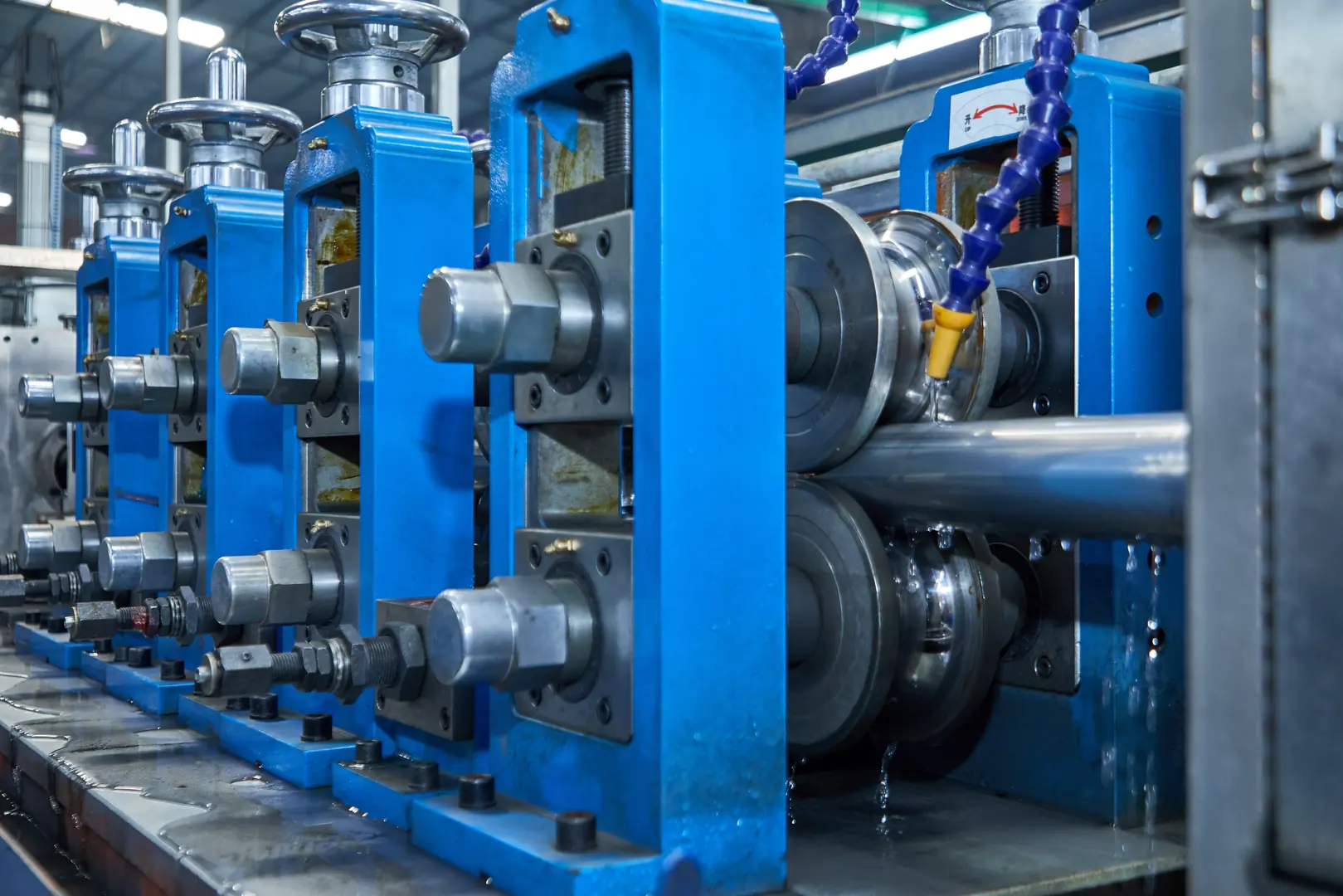
The final step is about translating your analysis into action. This involves a final review of the data, confirming your choice aligns with all project constraints, and, just as importantly, selecting a supply chain partner who can deliver not just the product, but also the expertise and reliability you need. The project doesn't end with the purchase order. I often tell clients that a reliable supplier is a form of project insurance. I remember working with a contractor in Europe who was on a tight construction schedule. Our integrated logistics at MFY meant we could deliver the specified duplex pipes ahead of schedule, keeping their entire project on track and avoiding costly delays.
Your Decision-Making Checklist
Before signing off, run through this final checklist to ensure all bases are covered. This simple exercise can prevent costly oversights and build confidence among all project stakeholders.
- Water Analysis: Have we received and reviewed a complete chemical analysis of the water?
- Regulatory Compliance: Does our chosen grade meet all local and national standards, including NSF/ANSI 61?
- TCO Calculation: Have we compared the TCO for our top 2-3 grade options and confirmed the long-term value?
- Engineering Review: Has the choice been validated against the system's pressure ratings and mechanical demands?
- Supplier Vetting: Is our chosen supplier capable of providing certified material, technical support, and reliable delivery?
Partnering for Success
Your material supplier should be more than just a vendor; they should be a partner in your project's success. At MFY, our fully integrated supply chain—from raw materials to final production and rapid export delivery—gives our clients a significant advantage. We can ensure quality control at every step and provide the agility to meet demanding project timelines. Choosing the right material is critical, and choosing the right partner ensures that material arrives on time, on spec, and with the expert support you need to see the project through to completion.
Conclusion
Choosing the right SS pipe is a strategic decision for any potable water system. By methodically analyzing water requirements, evaluating grades beyond their initial cost, and calculating the Total Cost of Ownership, you ensure a safe, durable, and truly cost-effective solution for decades to come.
Have Questions or Need More Information?
Get in touch with us for personalized assistance and expert advice.




 English
  Русский