Технические руководства
Precision SS Tubing: Technical Characteristics & Costs of Bending Methods (Cold, Hot)
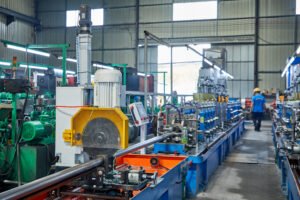
Choosing the right bending method for stainless steel tubing is crucial for project integrity and cost management. Cold bending offers high precision but at a higher cost, ideal for applications requiring tight tolerances such as aerospace and medical devices. Hot bending is more economical for large-scale projects but may alter material properties. Understanding these differences and aligning them with technical requirements and budget constraints is key to optimizing performance and efficiency. MFY’s expertise in stainless steel solutions aids clients in making informed decisions for successful outcomes….

Custom Tubing Design: Smart Tips for Cost-Effective Tube Bending
Custom tubing projects often face high costs due to unplanned expenses. To achieve cost-effective tube bending, focus on simplifying bend designs, material selection, using digital simulation tools, and choosing appropriate bending techniques. These proactive strategies minimize waste, reduce tooling costs, and improve production efficiency. As MFY’s Global Business Director, leveraging these strategies ensures quality and efficiency from the start, providing a competitive edge in the stainless steel industry….
Precision Bending Die Selection: Mandrel & Wiper Die Technical Guide
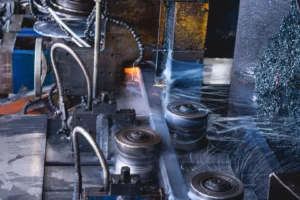
“`markdown # How Do You Master Precision Bending Die Selection for Mandrels and Wipers? Bending defects ruin projects and inflate budgets. Costs rise, deadlines slip, and quality suffers. Master ……

SS 316/304L Seamless Tubing Manufacturing: Cold Rolling & Drawing Quality Control
The article details the comprehensive quality control measures in the manufacturing of SS 316/304L seamless tubing. It emphasizes the importance of rigorous material preparation, precise cold rolling, and drawing processes to ensure superior strength, corrosion resistance, and dimensional accuracy. The process includes initial billet inspection, piercing, annealing, cold rolling for enhanced grain refinement, and a meticulous drawing process. Final inspections with non-destructive testing and mechanical validation ensure each tube meets strict standards. The article also highlights best practices such as operator training, machinery maintenance, and the integration of IoT for smart manufacturing, ensuring unwavering quality and reliability in industrial applications….
Precision Tube Bending: Technical Data & Custom Die Services
Precision tube bending is crucial for creating accurate and repeatable bends in industries like aerospace and automotive. By using advanced technical data and custom die services, manufacturers can reduce waste and enhance structural integrity. The process integrates digital control and feedback, allowing for precise simulation before production, which minimizes errors and ensures high-quality outputs. Current leading techniques include CNC rotary draw bending and laser measurement systems, providing accuracy and repeatability. Challenges like material springback and wall thinning require precise tooling and machine calibration, emphasizing the importance of custom die services for optimal results….
304 vs 316 Stainless Steel: Pros & Cons for B2B Applications
Choosing between 304 and 316 stainless steel is crucial for project success, impacting cost, longevity, and performance. 304 is cost-effective for general use, while 316 offers superior corrosion resistance due to added molybdenum, making it ideal for harsh environments like marine or chemical applications. Businesses must assess operational conditions, lifecycle costs, and regulatory standards to make informed material choices that optimize long-term value and resilience….
Precision SS Tube Bending: Advanced Techniques & Essential Tools
Bending stainless steel tubes requires precision and the right techniques to avoid defects. This article explores advanced methods and tools necessary for achieving perfect bends, such as CNC technology and proper tool selection. It emphasizes the importance of preparation, including material inspection and accurate calculations, and details the step-by-step process for flawless results. Key techniques like multi-stack bending and simulation software are highlighted as essential for meeting modern industry demands, ensuring minimal deformation, reducing waste, and maintaining the structural integrity of the final product….
Internal Surface Finish & Roughness Measurement: Ra Standards & Precision
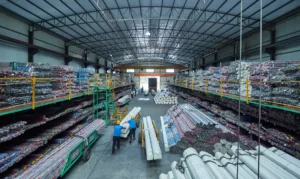
Understanding internal surface finish and roughness measurement is crucial for ensuring the performance and longevity of industrial components. Using Ra standards provides a universal metric for defining surface texture, which is vital in high-stakes industries like aerospace and medical. Surface roughness affects friction, corrosion resistance, and sealing capabilities. Accurate measurement methods, such as contact profilometers and non-contact optical systems, enable precise control over manufacturing processes, enhancing quality and reducing waste. By mastering these techniques, manufacturers can maintain optimal surface finishes, leading to superior product performance and customer satisfaction….
Seamless SS 316/304 vs Welded Pipe: Cost & Performance Analysis
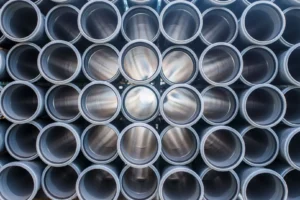
This article provides an in-depth comparison between seamless and welded stainless steel pipes, specifically SS 316 and 304. It highlights the manufacturing differences, cost implications, and performance factors to consider when choosing the appropriate pipe for various industrial applications. Seamless pipes, made from a solid steel billet, offer superior strength and corrosion resistance, ideal for high-pressure and corrosive environments. Welded pipes, crafted from rolled steel strips, present a cost-effective alternative for less demanding uses. The guide offers practical recommendations for selecting the right pipe based on specific project requirements, emphasizing the importance of matching product choice with application demands to ensure both cost-effectiveness and operational reliability….
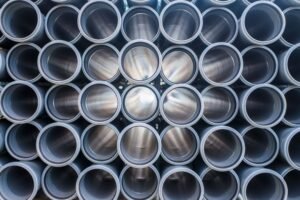
304 Stainless Steel Pipe Manufactured from 2B Quality Stock
MFY produces high-quality 304 stainless steel pipes utilizing 2B quality stock, ensuring corrosion resistance and cost-effectiveness. The manufacturing process includes selecting premium coils, precise slitting, and advanced roll forming and welding techniques. Quality control measures such as visual inspections and non-destructive testing guarantee structural integrity, while expert packaging protects pipes during global transit. These pipes provide a reliable solution for industries requiring durable and hygienic materials, balancing performance and cost-efficiency….
 Русский
  English