
7 Surface Finishing Options for Stainless Steel Pipes Explained for Bulk Industrial Projects
Choosing the wrong pipe finish costs you dearly. It leads to premature corrosion, system failure, and costly downtime. Understanding your options ensures project longevity and protects your investment.
The best use of the 7 key surface finishes for stainless steel pipes depends on matching the finish's specific properties—like corrosion resistance, hygiene, and durability—to the unique demands of your industrial project, ensuring optimal performance and minimizing long-term maintenance costs.
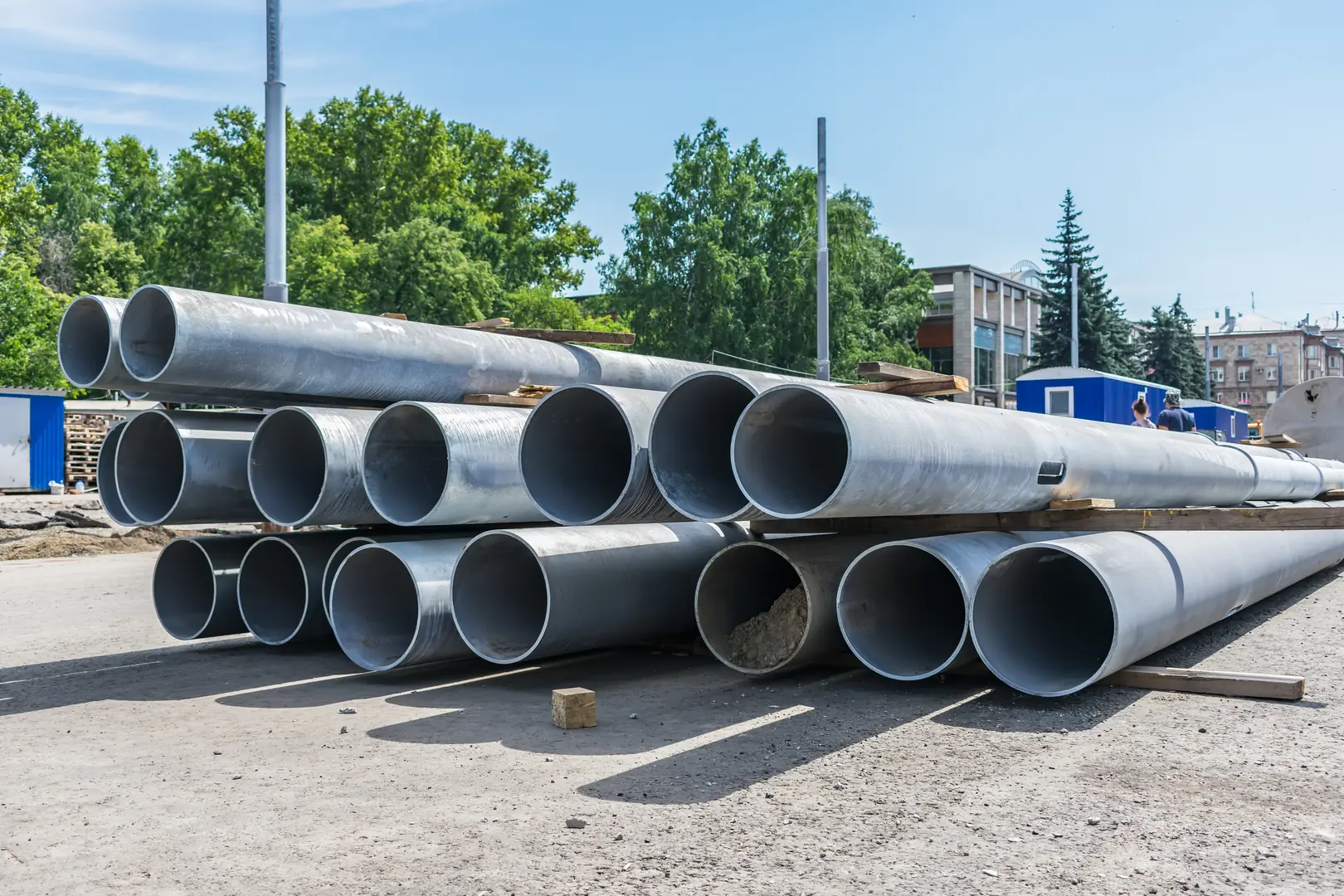
Selecting a surface finish isn't just an aesthetic choice; it's a critical engineering decision that defines the performance and lifespan of your entire project. As the Global Business Director at MFY, I've seen firsthand how a well-chosen finish can be the difference between a project that thrives and one that fails. Let's walk through the steps to make the right call for your large-scale industrial needs.
Why is understanding the importance of surface finishing in stainless steel pipes so critical?
A surface finish seems like a minor detail. But this detail dictates the pipe's lifespan, safety, and operational efficiency. Let's break down why it's a foundational, not final, choice.
Surface finishing is critical because it directly impacts a stainless steel pipe's corrosion resistance, cleanability, and durability. The right finish protects the material from harsh environmental factors, extending its service life and ensuring it meets stringent industrial and regulatory standards.
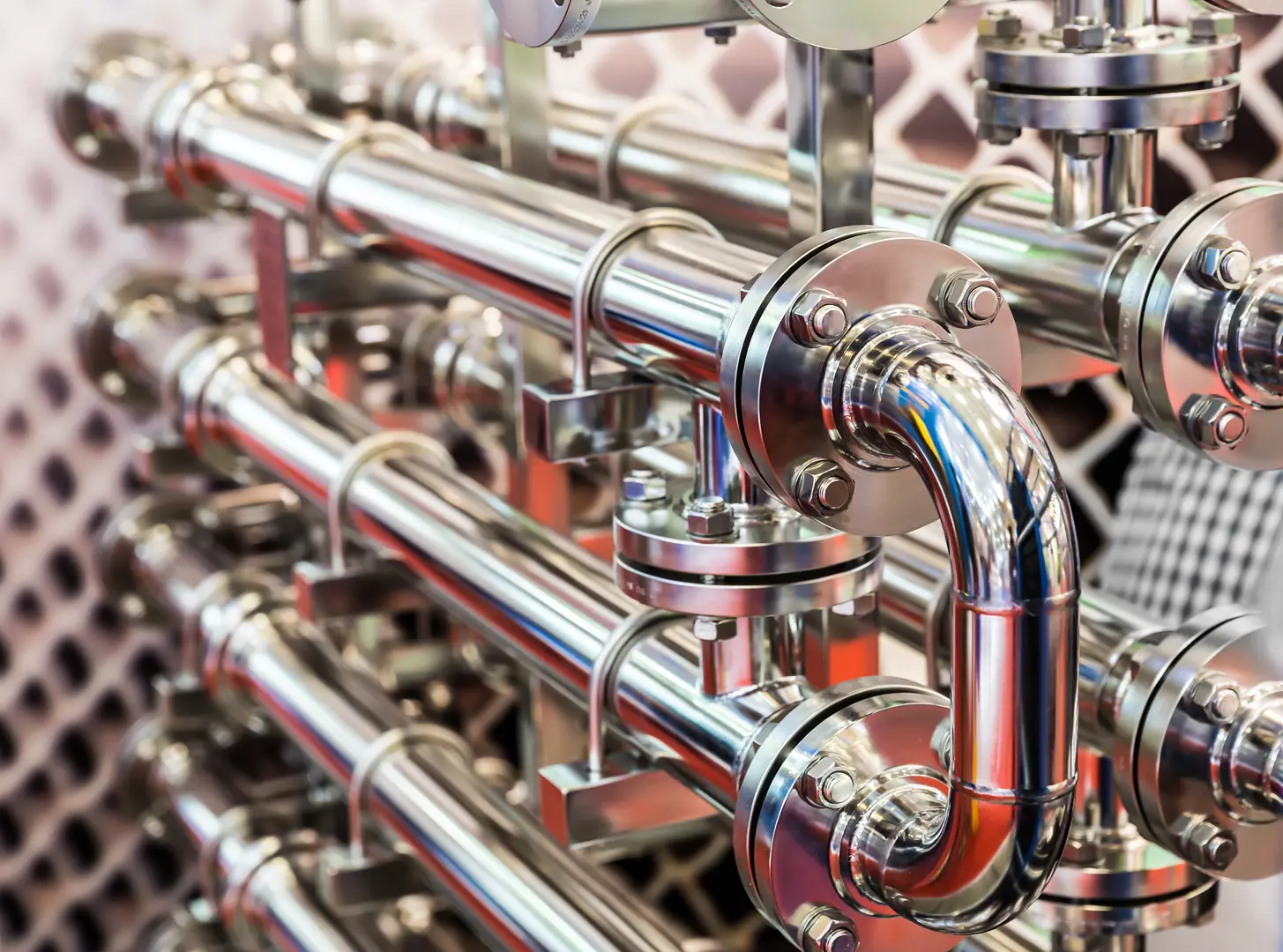
When we talk about stainless steel, we're really talking about the magic of its passive layer[^1]. This ultra-thin, invisible layer of chromium oxide forms on the surface and protects the steel from rust and corrosion. A surface finish is not just about making the pipe look good; it's about preparing, enhancing, and protecting this vital layer. I remember a client in the Middle East working on a desalination plant. They initially opted for a standard, low-cost finish to save on their budget. Within two years, the high-salinity environment had caused significant точечная коррозия[^2], leading to expensive repairs and operational shutdowns. This experience highlights a crucial lesson: the finish must be engineered for the environment.
Beyond Aesthetics: The Functional Role
The texture of the finish plays a huge role. A smoother, polished surface, for example, is less likely to harbor bacteria and is easier to clean, making it essential for food processing, pharmaceutical, or sanitary applications. A rougher, sandblasted finish, on the other hand, can be ideal for creating a strong bond with paint or other coatings. The finish directly impacts how the pipe interacts with its surroundings and the substances it carries.
The Protective Barrier Enhancement
Different finishes can enhance the passive layer in different ways. Chemical treatments like pickling and passivation[^3] actively remove contaminants and help reform a more uniform, robust chromium oxide layer. This is absolutely essential for applications in chemical processing plants or marine environments where the pipe is under constant chemical attack. Choosing the right finish is an investment in the material's inherent strengths, ensuring it performs as expected for decades.
How do you assess your project requirements for surface finishing?
You have a project spec sheet in hand. But it often doesn't explain the why behind the finish requirement. We use a simple framework to clearly define your project's true needs.
To assess your project's needs, you must analyze the operational environment (e.g., chemical exposure, temperature), regulatory standards (e.g., food-grade), required durability (wear and tear), and aesthetic expectations. This analysis forms the basis for selecting the optimal finish.
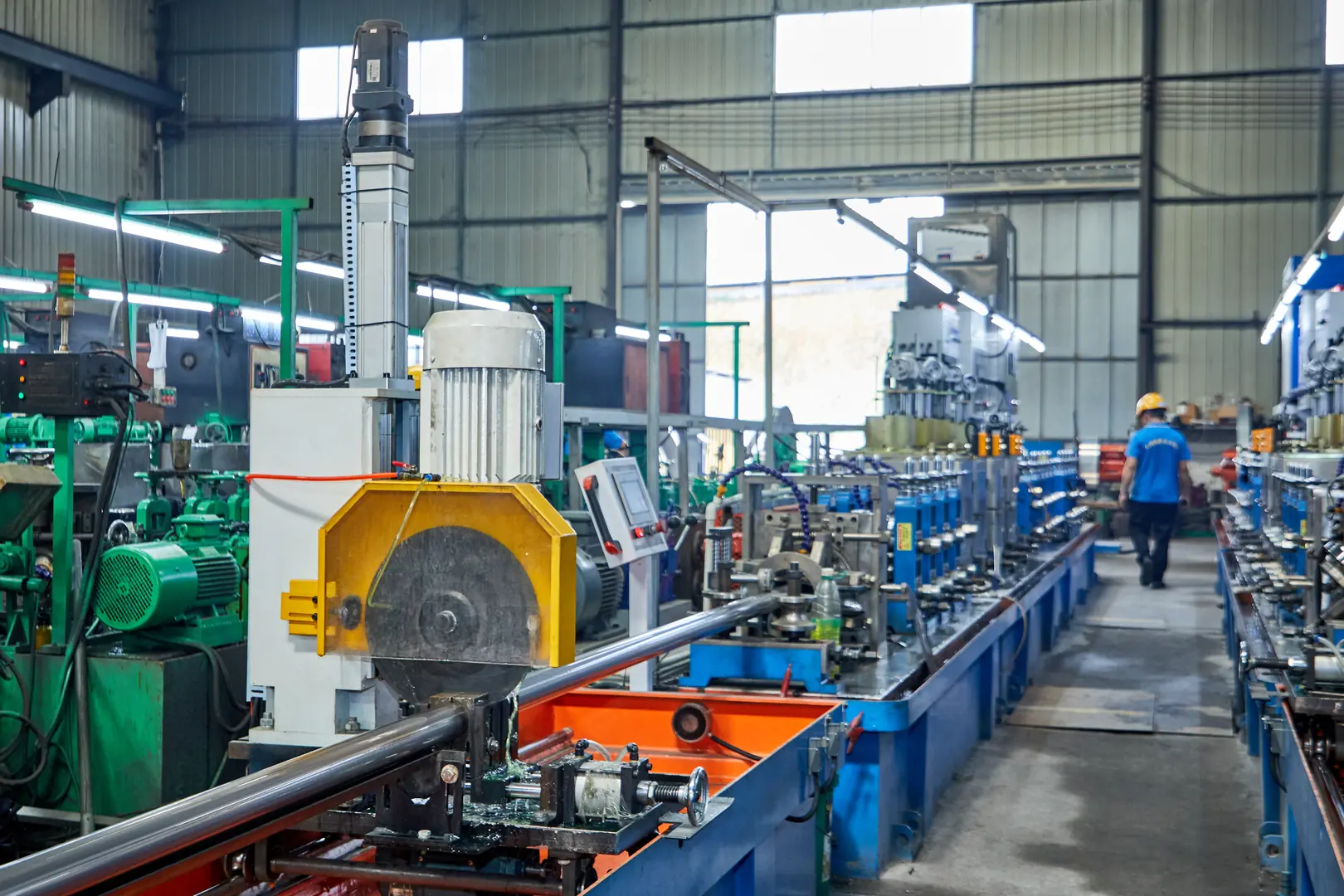
Before you can choose a solution, you must deeply understand the problem. At MFY, we guide our partners through a structured assessment because a mistake here can be incredibly costly down the line. We don't just sell steel; we provide solutions, and that starts with asking the right questions. This isn't about ticking boxes; it's about building a profile of the demands your stainless steel pipes will face every single day of their operational life. We break this down into a few key areas to ensure nothing is overlooked, creating a clear roadmap for your decision.
Key Assessment Criteria
A systematic approach prevents costly assumptions. By evaluating each of these factors, you move from a generic specification to a tailored solution that delivers real value.
| Criteria | Ключевые вопросы, которые нужно задать | Примерный сценарий |
|---|---|---|
| Environment | Will the pipes be exposed to moisture, salt, chemicals, or extreme temperatures? | A coastal LNG terminal requires a finish with maximum corrosion resistance due to saltwater spray. |
| Functionality | Is hygiene critical? Does the surface need to bond with another material? | A dairy processing plant needs an electro-polished finish for ultimate cleanability and to prevent bacterial growth. |
| Durability | Will the pipes face high-flow abrasion, physical impact, or frequent handling? | Pipes in a mining slurry transport system need a hard, wear-resistant surface. |
| Соответствие требованиям | Are there industry-specific standards (e.g., ASME BPE for bioprocessing, FDA) to meet? | Pharmaceutical manufacturing requires specific Ra (Roughness Average) values that only certain finishes can achieve. |
What are the different types of surface finishes available?
The list of finishes can seem overwhelming. Choosing based on familiarity or looks alone is a common but costly mistake. Let's compare the top 7 industrial finishes side-by-side.
The seven key surface finishes include mechanical options like Brushing and Mirror Polishing, chemical treatments like Pickling and Electro-polishing, and abrasive methods like Sandblasting. Others include protective Coating and specialized treatments like Anodizing, each offering unique properties.
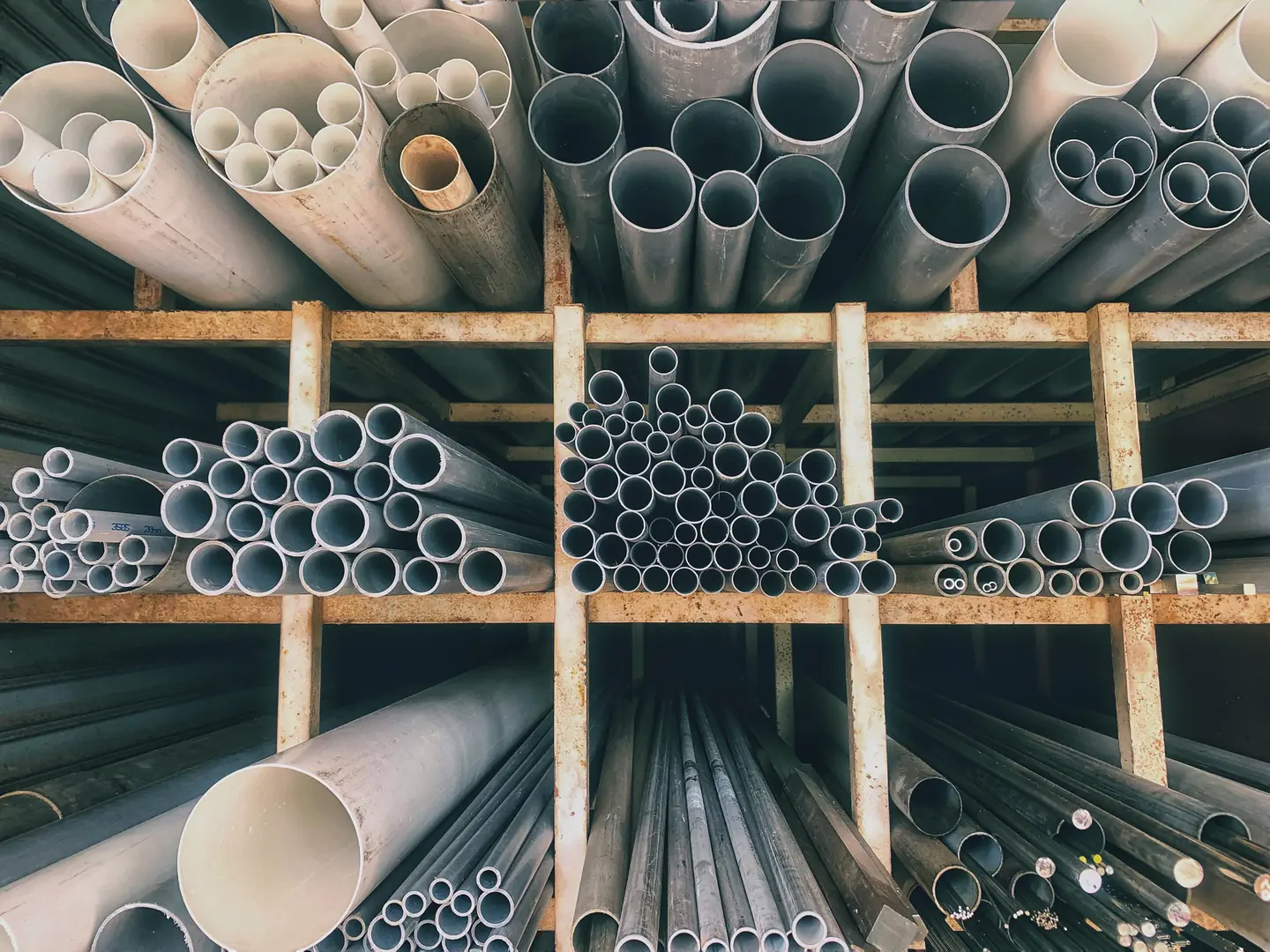
Understanding the toolbox is essential before you can pick the right tool. Each of these seven finishes modifies the surface of the stainless steel in a distinct way, resulting in different performance characteristics. Some are about removing material, some are about smoothing it, and others are about adding a protective layer. As a supplier integrated deep into the production chain, we at MFY have hands-on experience with all these methods. We've seen which ones hold up in the oil fields of Texas and which ones meet the exacting standards of a European pharmaceutical lab. This practical knowledge is key to guiding our clients.
A Comparative Look at Industrial Finishes
Let's break down these options to see how they stack up. This table provides a clear overview to help you start narrowing down the best fit for your project.
| Finish Type | Описание | Key Advantage | Best For... |
|---|---|---|---|
| 1. Brushing | A mechanical polish creating a unidirectional, satin-like finish. | Good aesthetics, hides fingerprints. | Architectural applications, decorative elements, consumer appliances. |
| 2. Mirror Polishing | A multi-step mechanical process resulting in a highly reflective, smooth surface. | Excellent for hygiene, superior aesthetics. | Food & beverage, pharmaceutical, sanitary systems, architectural trim. |
| 3. Pickling | A chemical treatment (often with acid) that removes surface impurities and heat tint from welding. | Maximizes corrosion resistance. | Post-welding treatment, chemical processing, heavy industrial environments. |
| 4. Sandblasting | Propelling abrasive media at the surface to create a uniform, matte, textured finish. | Creates an excellent surface for paint/coatings. | Preparing surfaces for bonding, non-reflective applications, heavy machinery. |
| 5. Coating | Applying a layer of another material (e.g., paint, powder coat) to the surface. | Adds color and an extra protective barrier. | Color-coding systems, enhancing resistance to specific chemicals. |
| 6. Anodizing | An electrochemical process that thickens the natural passive layer, can also add color. | Increases hardness and wear resistance. | Applications requiring high durability and specific colors. |
| 7. Electro-polishing | An electrochemical process that removes a microscopic layer, resulting in a very smooth, clean surface. | Ultimate smoothness, supreme cleanability. | High-purity systems, medical devices, semiconductors, bioprocessing. |
How do you select the right surface finish for your industrial project?
You know the options now. But how do you make the final, most cost-effective choice for your specific application? It's a calculated balance of performance, cost, and long-term value.
Select the right finish by cross-referencing your project requirements with the properties of each finish. Prioritize functionality and corrosion resistance over aesthetics for industrial applications, and always consider the total cost of ownership, including future maintenance.
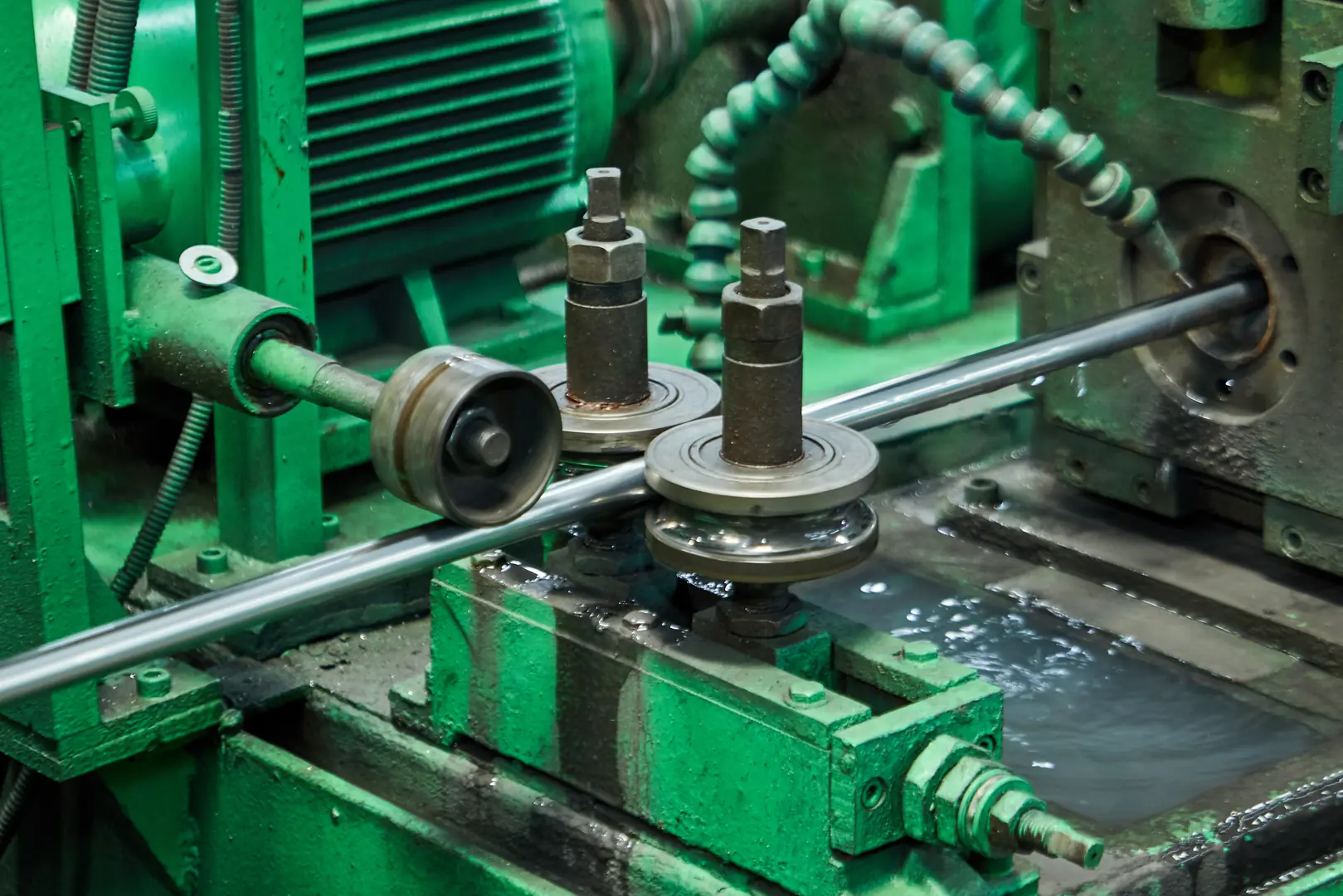
The final selection is where your analysis pays off. It's about connecting the dots between your assessment and the available options. I often tell my clients that the cheapest option upfront is rarely the cheapest in the long run. I recall a project with an engineering contractor in India who was building a chemical storage facility. They were debating between a standard pickled finish and a more expensive electro-polished one. By analyzing the total cost of ownership—factoring in reduced cleaning cycles and a lower risk of contamination with the electro-polished pipes—we demonstrated that the higher initial investment would pay for itself within five years. That is strategic sourcing.
A Practical Decision-Making Framework
Follow these steps to ensure you make a balanced and informed decision:
- Prioritize Function Over Form: In industrial settings, performance is paramount. A mirror finish looks great, but if the pipe is in a corrosive chemical environment, a pickled and passivated finish is functionally superior and the correct choice.
- Match the Finish to the Environment: This is your primary guide. For a marine application, anything less than a properly pickled or specialized coated finish is asking for trouble. For a food-grade line, a smooth, polished surface is non-negotiable.
- Calculate Total Cost of Ownership (TCO): Don't just look at the price per meter. Consider the installation costs, the expected maintenance schedule, the cost of downtime if a failure occurs, and the projected lifespan of the pipe with that finish. A slightly more expensive finish that doubles the pipe's life is an incredible bargain.
How can you implement surface finishing techniques effectively?
You've chosen the right finish. But a poor application can completely negate all its benefits. Quality control and supplier expertise are your final, non-negotiable checkpoints for success.
Effective implementation requires partnering with a reputable supplier like MFY who has stringent quality control processes. Ensure clear specifications in your purchase order, request quality documentation, and conduct inspections to verify the finish meets industry standards.
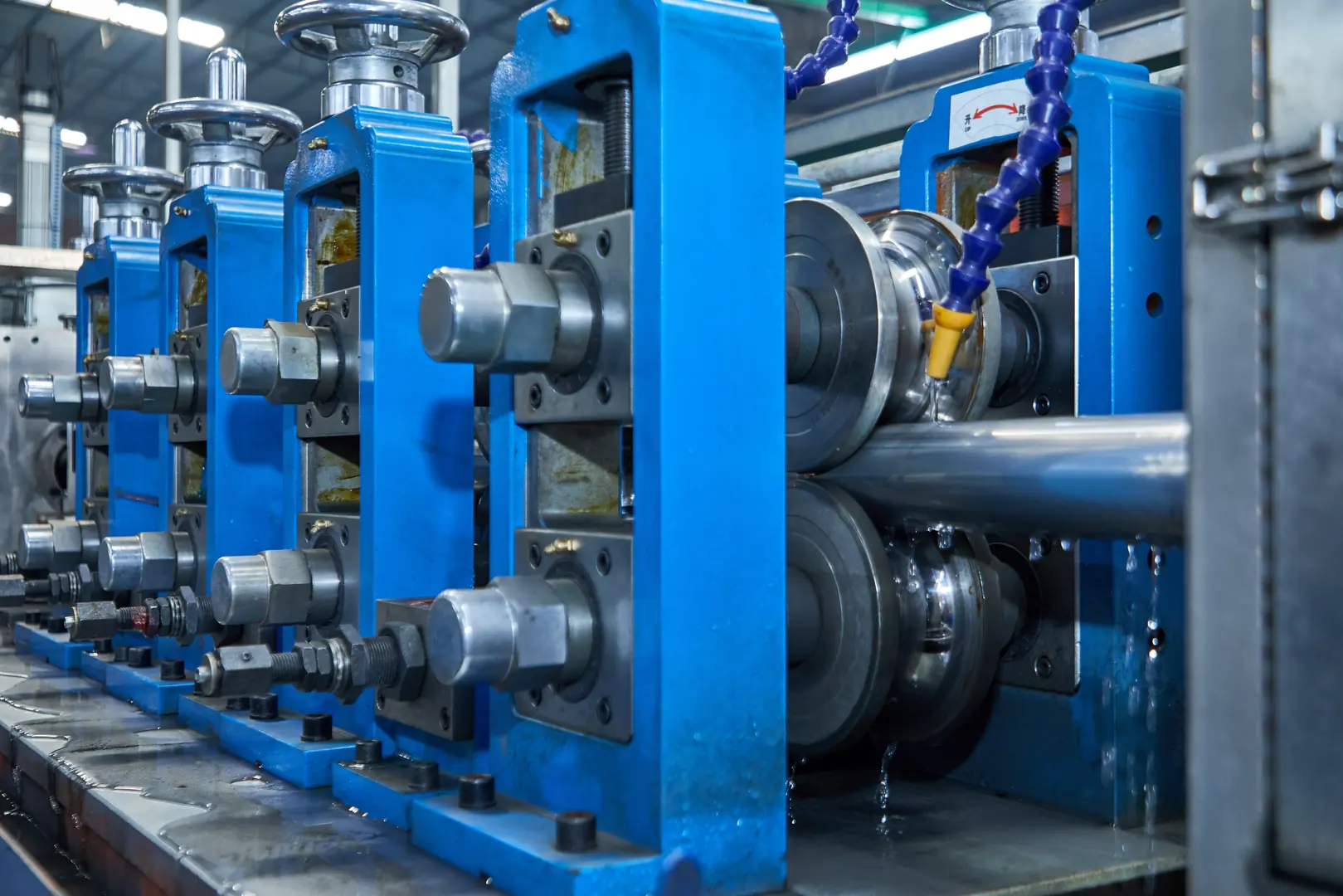
Your decision is only as good as its execution. The most advanced finish in the world is useless if it's applied inconsistently or incorrectly. This is where the choice of your supply partner becomes just as critical as the choice of the finish itself. You need a partner who doesn't just take an order but understands the technical requirements behind it. A partner who has the processes and machinery to deliver a consistent, high-quality finish across a bulk order of thousands of meters of pipe. This is where MFY's fully integrated supply chain becomes a massive advantage for our clients.
The Supplier's Role in Quality Assurance
We control the entire process, from raw material selection to final finishing and inspection. This ensures that the base material is suitable for the finish and that every step is executed to the highest standard. When you partner with us, you should expect:
- Clear Specifications: We work with you to document the exact finish requirements, including surface roughness (Ra) values, visual standards, and any relevant industry certifications (e.g., ASTM A967[^4] for passivation).
- Process Control: We can demonstrate how our processes ensure uniformity across the entire batch, which is critical for large-scale projects where consistency is key.
- Verification and Documentation: We provide material test certificates (MTCs) and, upon request, reports from surface testing equipment to give you complete confidence that what you specified is what you received. This documentation is crucial for validation, especially in regulated industries.
Заключение
Choosing the right surface finish is a strategic decision that directly impacts project performance, safety, and long-term cost. By methodically assessing your needs and understanding your options, you can ensure the durability and success of your industrial application, turning a simple component into a long-term asset.
У вас есть вопросы или нужна дополнительная информация?
Свяжитесь с нами, чтобы получить индивидуальную помощь и квалифицированный совет.




 Русский
  English