Stainless Steel Finishes: How Processes Stack Up on Bulk Project Cost & Lead Time
Choosing the right stainless steel finish feels overwhelming. Make the wrong call, and you risk blowing your project's budget and schedule. Understanding the trade-offs is your key to success.
The choice of a stainless steel finish directly impacts project cost and lead time. More complex, aesthetic finishes like polished or brushed options increase processing time and expense, while simpler finishes like 2B offer significant cost and time savings, crucial for competitive, large-scale industrial projects.
Hello, I'm Cosmos, the Global Business Director at MFY. I've spent my career navigating the complexities of the global stainless steel market. One of the most common—and costly—misunderstandings I see revolves around surface finishes. It’s not just about aesthetics; it’s a critical decision that dictates your project's operational efficiency. Today, I want to walk you through how these processes stack up, so you can make smarter, more profitable decisions for your bulk projects.
What Are the Key Stainless Steel Finishes for Bulk Projects?
The term "finish" seems simple enough. But for large projects, its impact on your timeline and budget is massive. Let's break down the most common options and their real-world implications.
The key finishes for bulk projects range from the functional to the aesthetic. These include the mill-produced 2B (matte) and BA (Bright Annealed), and mechanically altered finishes like No. 4 (brushed) and No. 8 (mirror), each with distinct cost and production time profiles.
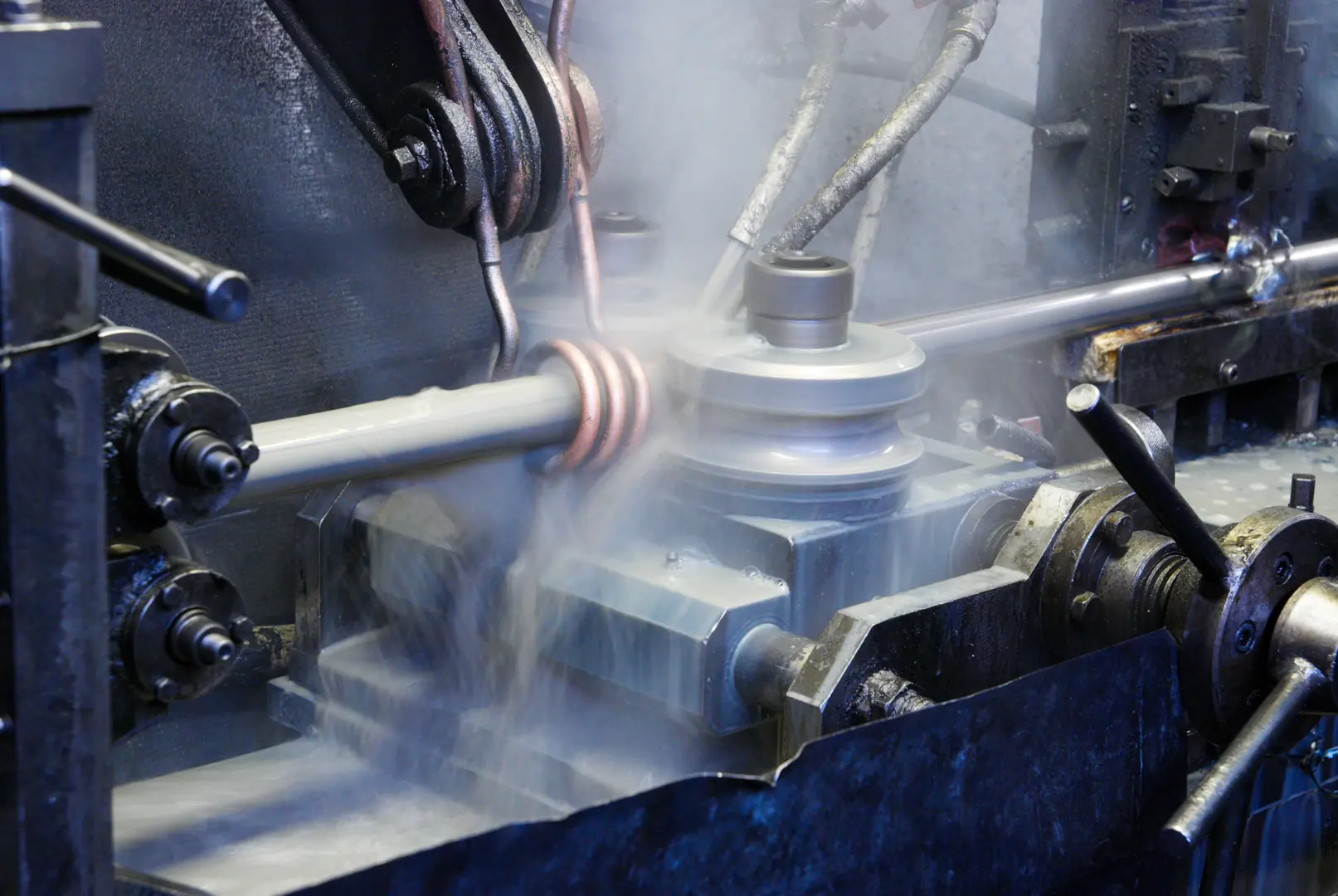
When we talk about finishes at MFY, we are really discussing a balance between function and form. This balance is where project managers often run into trouble. A highly reflective, beautiful finish might be non-negotiable for a high-end architectural facade, but is it necessary for an internal structural component or an industrial tank? I remember a client in India who was building a series of large-scale food processing tanks. They initially specified a No. 4 brushed finish for all surfaces, internal and external. While it looked great on the blueprint, the added polishing work would have added nearly 30% to the cost and four weeks to the production schedule. We worked with them to switch the internal, non-visible surfaces to a standard 2B finish. The change had zero impact on performance or hygiene but saved them a significant amount of capital and got the project back on an accelerated timeline. This is the kind of strategic decision that separates successful projects from the ones that get bogged down.
The Functional vs. Aesthetic Spectrum
Understanding this spectrum is crucial for any procurement manager or engineer. The more hands-on processing a finish requires, the higher the cost and the longer the lead time.
| Finish Name | Описание | Common Use Cases | Cost & Lead Time Impact |
|---|---|---|---|
| 2B | Smooth, matte, cold-rolled | Industrial equipment, chemical tanks, internal parts | Низкий |
| BA | Bright, reflective, annealed | Kitchen appliances, light-duty architectural | Средний |
| No. 4 | Brushed, uniform grain | Commercial kitchens, elevators, decorative panels | Высокий |
| No. 8 | Mirror, highly reflective | Architectural showpieces, decorative art, mirrors | Very High |
What Are the Current Trends in Stainless Steel Processing?
Processing methods for stainless steel are constantly evolving. Sticking with outdated techniques is a direct path to higher costs and longer waits. Staying current gives you a powerful competitive advantage.
Current trends are centered on automation and precision. Advanced robotic polishing, laser cutting, and automated quality control systems are reducing manual labor, improving consistency, and significantly shortening lead times for both simple and complex finishes on large-scale orders.
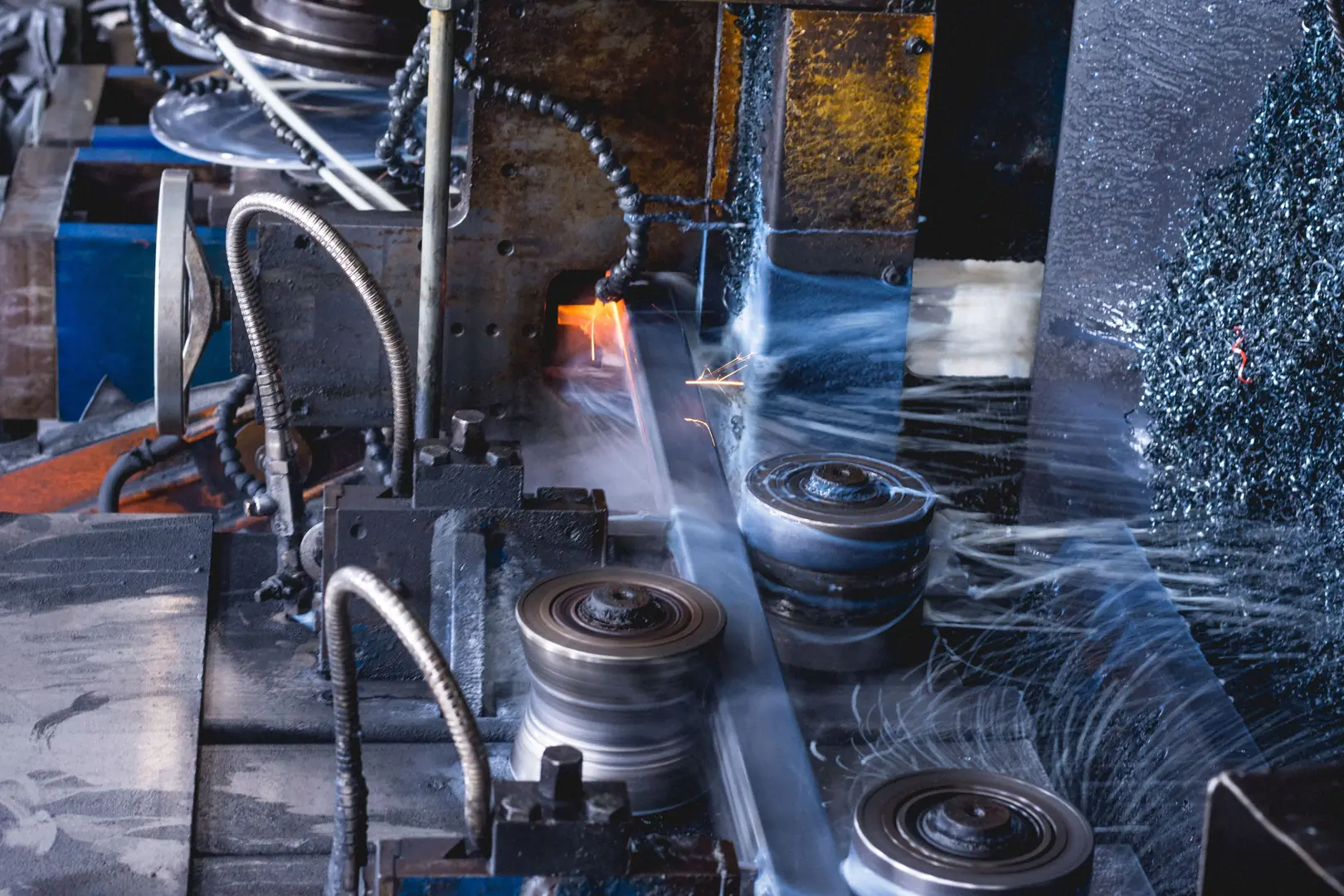
In my role, I get a firsthand look at how technology is reshaping our factory floors. The days of relying solely on manual labor for finishing are fading, especially for bulk orders where consistency is paramount. Automation isn't just about speed; it's about precision and quality control. At MFY, we've heavily invested in our processing capabilities because we see it as a core part of our integrated supply chain promise. When you can control the quality and speed of finishing in-house, you remove a major variable that often causes delays and cost overruns with third-party processors.
Automation and Precision in Finishing
The biggest shift is the move from manual to automated processes. A skilled worker can produce a beautiful No. 8 mirror finish, but a robotic arm can do it 24/7 with a level of consistency that is nearly impossible to replicate manually across thousands of square meters. This means fewer rejections, less wasted material, and a much more predictable production schedule. For a client who needs 500 tons of brushed sheets for a skyscraper project, this predictability is not just a convenience—it's essential for their entire construction timeline.
The Rise of Sustainable Practices
Another trend we are championing is sustainability in processing. This includes using more efficient machinery that consumes less energy and implementing advanced water filtration systems to recycle the water used during polishing. These aren't just "green" initiatives; they are sound business practices. Reducing waste and resource consumption directly lowers operational costs, a saving we can pass on to our clients, further strengthening their competitive edge.
What Are the Biggest Challenges in Managing Cost and Lead Time?
Large-scale projects operate on razor-thin margins and tight deadlines. Unexpected delays and sudden cost overruns are not just problems; they can be catastrophic. Identifying these challenges is your first step.
The biggest challenges are the volatility of the global supply chain, the labor-intensive nature of complex finishes, and poor communication between designers, contractors, and producers. These factors introduce massive risks to project budgets and schedules, creating a constant threat of delays.
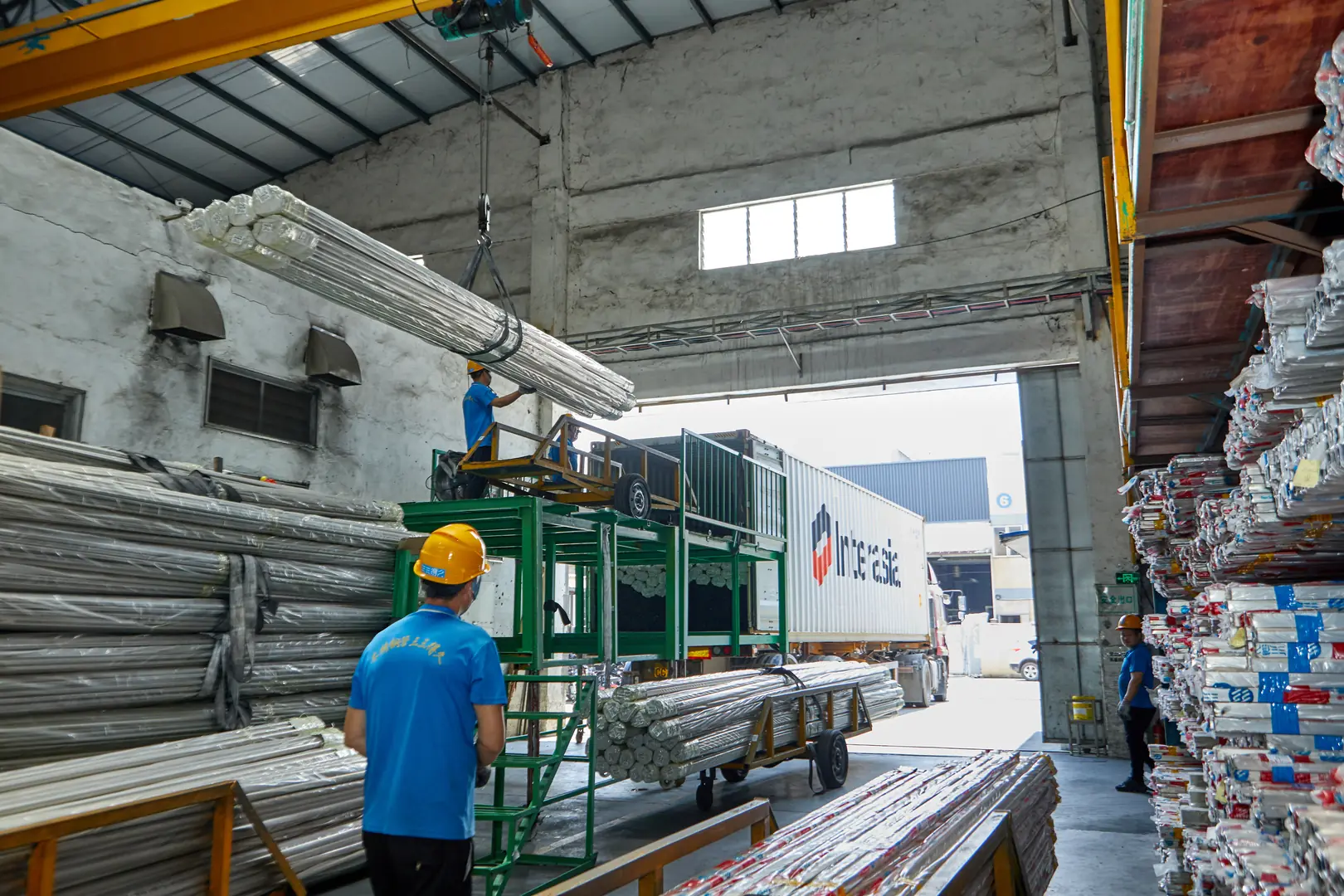
If there's one thing the last few years have taught us, it's that stability is an illusion. I was on a call with a major construction contractor in Germany last year. They had a fixed-price contract, but a sudden spike in nickel prices and ocean freight rates threatened to wipe out their entire profit margin. Because they were sourcing from multiple, disconnected suppliers, they had no leverage and no visibility. This is the reality many businesses face. The challenge isn't just one thing; it’s a combination of market forces and process inefficiencies that create a perfect storm for project managers.
The Hidden Costs of Complex Finishes
The cost of a finish isn't just the price per sheet. There are hidden costs that can quickly add up. A No. 4 brushed finish, for example, requires more skilled labor, more consumables like abrasive belts, and has a higher potential for surface defects. A single scratch on a mirror-polished sheet can mean the entire piece has to be rejected or re-worked, causing a bottleneck in production. These small issues, when multiplied across a bulk order for a thousand tons, can lead to significant budget overruns and delays that ripple through the entire project.
Navigating Supply Chain Disruptions
Beyond the factory floor, the global supply chain remains a major challenge. We're talking about everything from raw material price fluctuations to port congestion. For a project with a 12-month timeline, the price of stainless steel coil can change dramatically from planning to execution. A supplier without a deeply integrated supply chain is exposed to these shocks. At MFY, our integration from raw material sourcing to final delivery gives us a buffer. We can manage our inventory and production schedules to mitigate the impact of this volatility for our clients, turning a major industry challenge into a competitive advantage for them.
How Can You Optimize Stainless Steel Finish Processes?
You need to control your project's costs and timelines. Without a clear, proactive strategy for your materials, you're just reacting to problems. A smart optimization plan puts you back in control.
Optimize by selecting the most efficient finish that meets project requirements, engaging with your supplier early in the design phase, and partnering with a fully integrated manufacturer. This strategic flexibility is essential for balancing aesthetics, budget, and delivery.
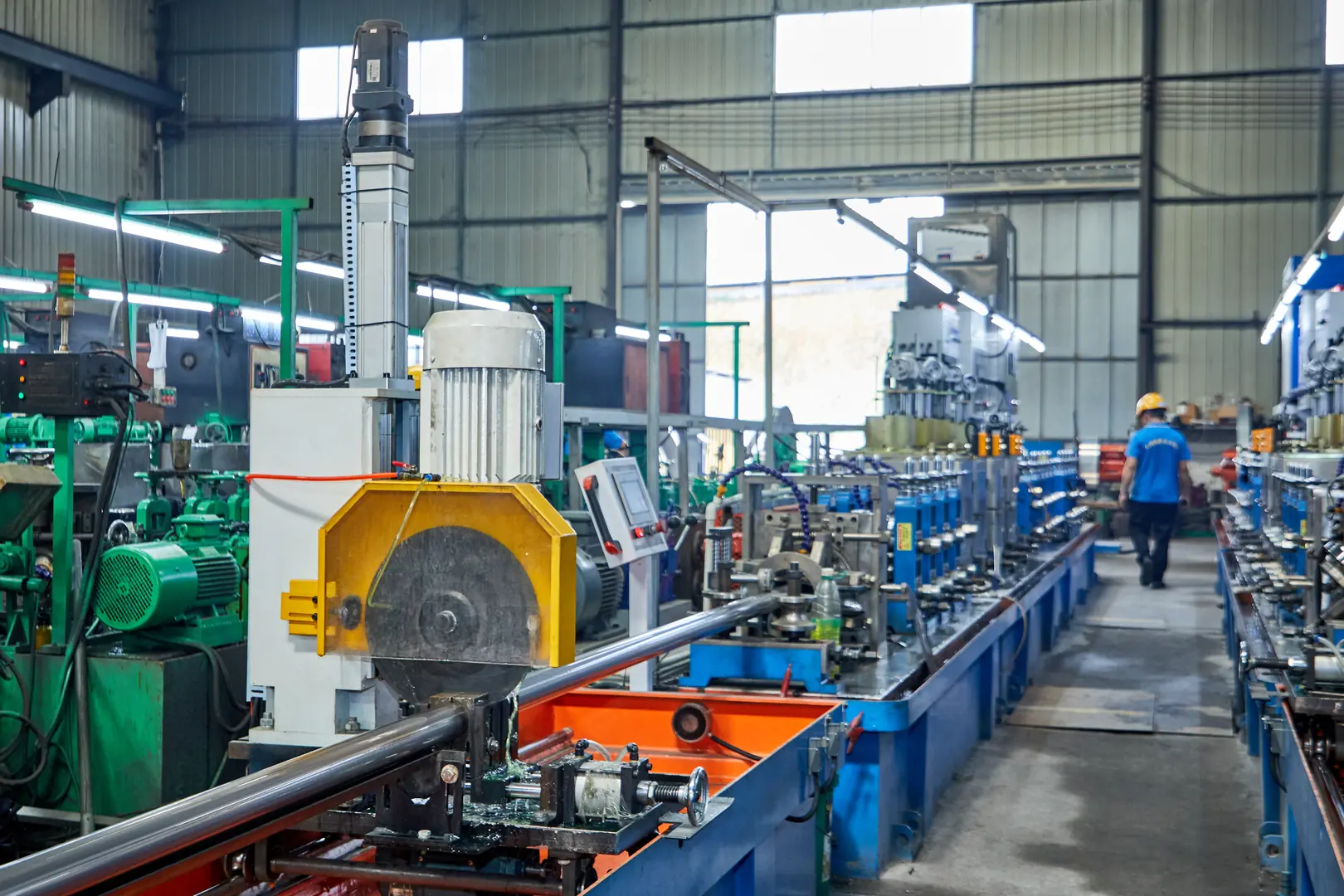
Optimization is not about cutting corners; it's about making intelligent choices. It’s about shifting the conversation from "what's the most beautiful finish?" to "what's the smartest finish for this application?" This is where a true partnership with your supplier becomes invaluable. Instead of just sending a purchase order, you should be having strategic discussions. I always tell our clients: bring us into the conversation early. Let us use our expertise to help you find efficiencies you might not see.
The "Good Enough" Principle
For many industrial and structural applications, the "good enough" principle is a powerful cost-saving tool. A standard 2B mill finish is hygienic, corrosion-resistant, and incredibly cost-effective. It is the most efficient finish available because it requires no additional mechanical processing. For projects like industrial ductwork, internal tank components, or hidden structural supports, choosing 2B over a more expensive brushed or polished finish is a simple decision that can save tens of thousands of dollars and weeks of production time.
Early Supplier Involvement (ESI)
Engaging with an expert supplier like MFY during the planning stage is a game-changer. We can review your specifications and immediately identify opportunities for optimization. Maybe a slightly different grade of stainless steel offers the same performance for less cost. Or perhaps, as discussed, a simpler finish is perfectly suitable for 80% of your project's surfaces. This collaborative approach de-risks your project from the very beginning.
| Strategy | Cost Impact | Lead Time Impact |
|---|---|---|
| Finish Simplification (e.g., 2B) | High Reduction | High Reduction |
| Early Supplier Involvement (ESI) | Medium Reduction | Medium Reduction |
| Partnering with Integrated Supplier | High Reduction | High Reduction |
What Technological Innovations Are Impacting Project Efficiency?
The steel industry is often seen as traditional, but technology is rapidly changing how we work. Ignoring these innovations means leaving efficiency and money on the table. Adopting them is a direct investment in your project's success.
Key innovations include digital supply chain platforms providing real-time tracking, AI-powered quality control systems that detect defects instantly, and advanced software that can simulate production processes. These tools offer unprecedented visibility, reduce errors, and enable better planning.
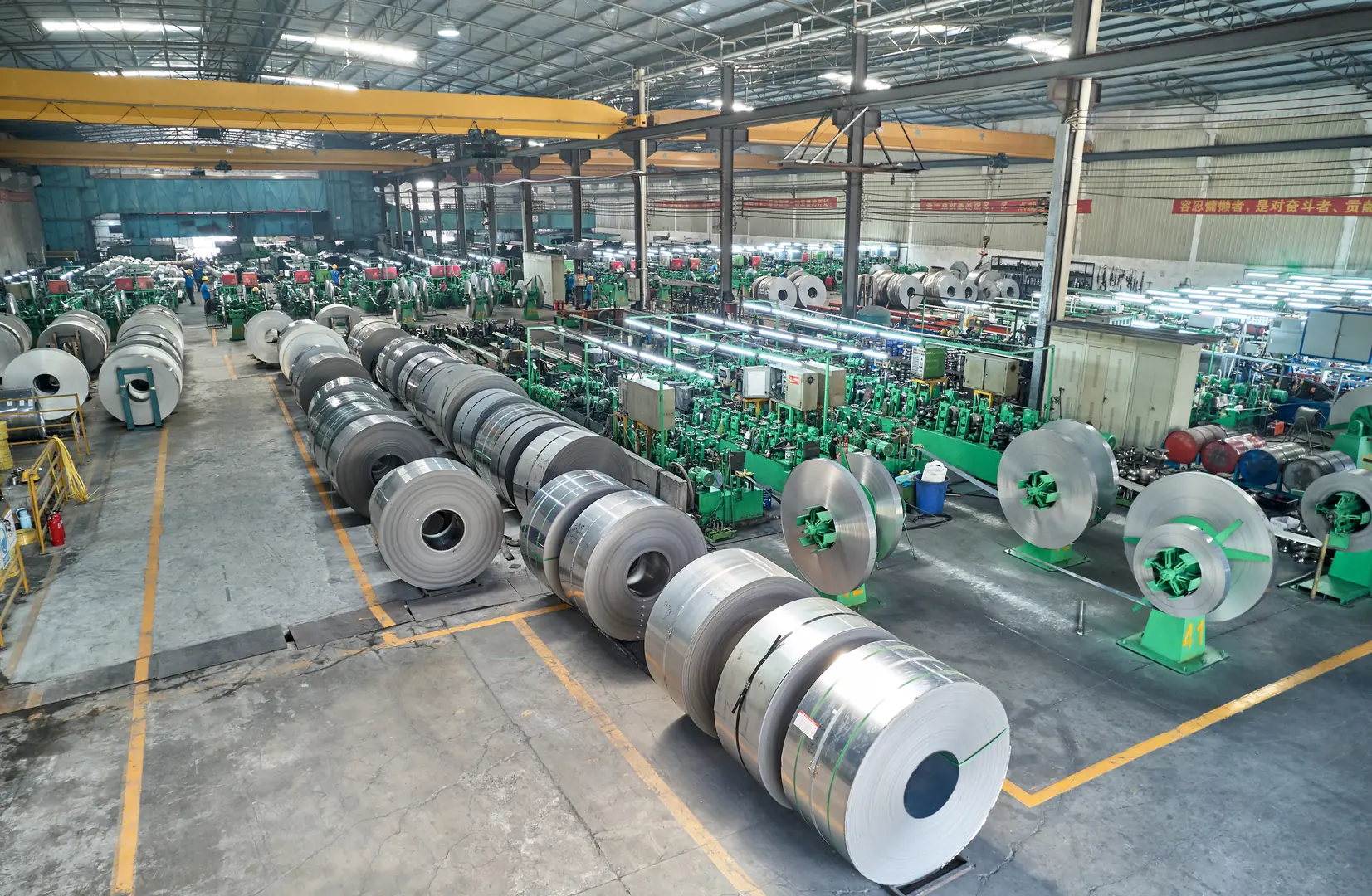
For me, the most exciting developments are in the digital space. Technology is the bridge connecting every part of the supply chain, from the raw material furnace to the final delivery truck. It’s what allows us to move from being reactive to being proactive. At MFY, our digital platform is the backbone of our operation. It's not just an internal tool; it's a window for our clients, giving them the transparency and confidence they need to manage their complex projects. This is the future of the industrial materials trade.
Digital Twins and Process Simulation
Imagine being able to predict the exact time and cost to produce your order before we even start. That's the power of process simulation[^1]. By creating a "digital twin[^2]" of our production line, we can run virtual scenarios for different finishes and order sizes. This allows us to identify potential bottlenecks and provide our clients with incredibly accurate quotes and lead times. It takes the guesswork out of planning and replaces it with data-driven certainty.
Integrated Digital Platforms
The ultimate goal is a single source of truth. Our platform integrates inventory management, production scheduling, and logistics tracking into one seamless system. A client in Mexico can log in and see exactly where their order is in the production cycle, when it's scheduled to ship, and where the vessel is in real-time. This level of transparency builds immense trust and eliminates the need for constant follow-up calls and emails. It empowers our clients to manage their own project timelines with confidence, knowing they have accurate, up-to-the-minute information at their fingertips.
Заключение
Ultimately, the right stainless steel finish is a strategic decision, not just an aesthetic one. By balancing your project's visual requirements with the operational realities of cost and lead time, you can gain a significant competitive advantage. Leveraging technology and strong, integrated supplier partnerships is the key.
У вас есть вопросы или нужна дополнительная информация?
Свяжитесь с нами, чтобы получить индивидуальную помощь и квалифицированный совет.

 Русский
  English