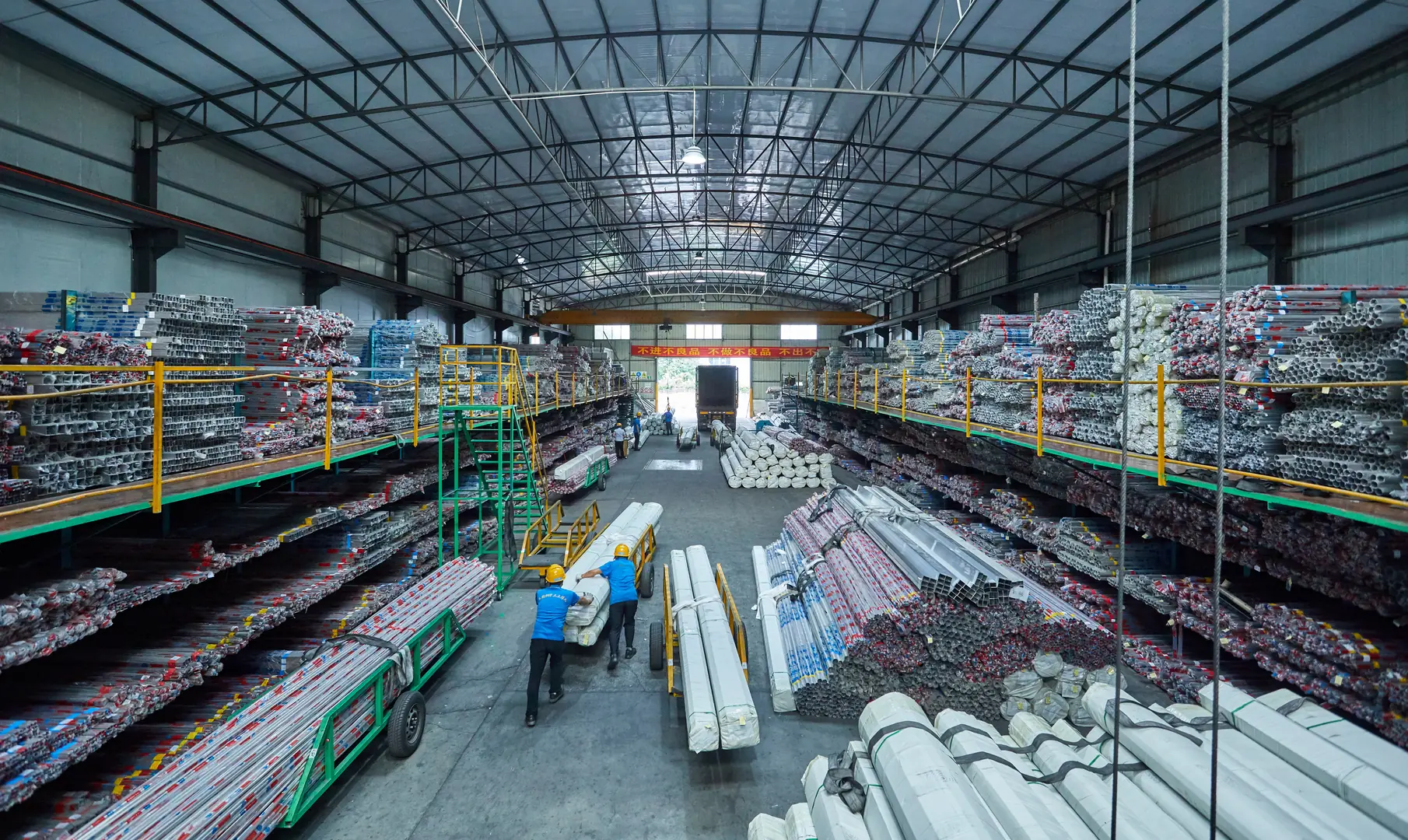
Is SS Water Piping More Durable & Cost-Effective than Copper for Industrial Systems?
Choosing the right piping material is critical. A wrong decision leads to costly downtime and repairs. Stainless steel consistently proves to be the superior long-term industrial solution.
Yes, for most industrial applications, stainless steel (SS) piping is significantly more durable and cost-effective than copper. Its superior corrosion resistance, higher strength, and longer lifespan result in a lower total cost of ownership, despite a potentially higher initial investment.
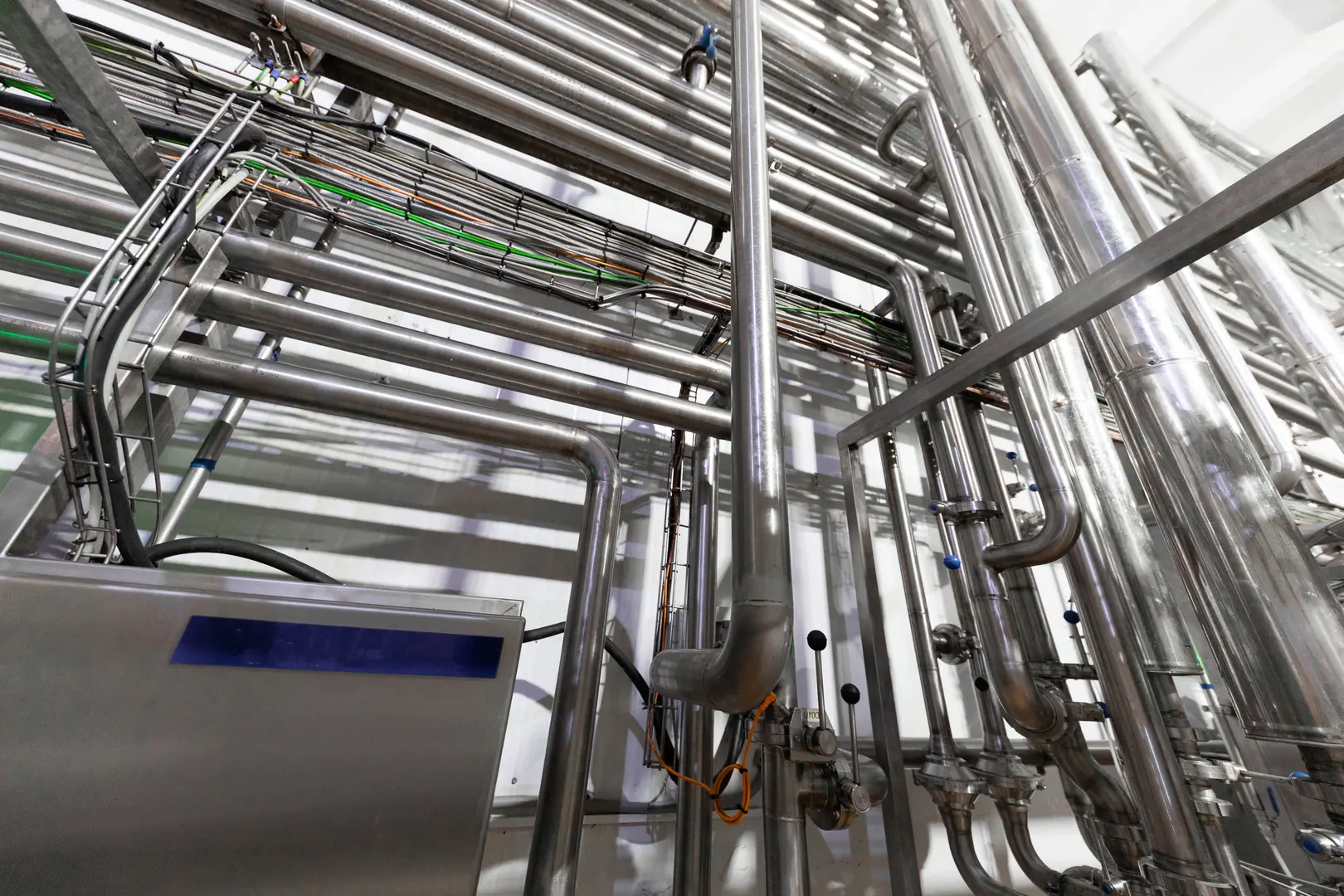
As the Global Business Director at MFY, I’ve guided countless clients through this exact decision. The debate between stainless steel and copper isn't just about the material; it's about future-proofing your operations. While copper has its place, the demanding nature of modern industrial environments requires a level of resilience that stainless steel is uniquely equipped to provide. Let's dive into the data and my direct experience to see why stainless steel is the strategic choice for system longevity and financial prudence.
What Makes Stainless Steel More Durable Than Copper in Industrial Piping?
Industrial pipes face extreme stress daily. Material failure means lost production and potential safety hazards. Stainless steel’s fundamental composition provides unmatched resilience against these challenges.
Stainless steel is more durable due to its higher tensile strength, superior pressure tolerance, and the self-healing chromium oxide layer on its surface. This passive film prevents corrosion and degradation, giving it a significantly longer and more reliable service life than copper in industrial settings.
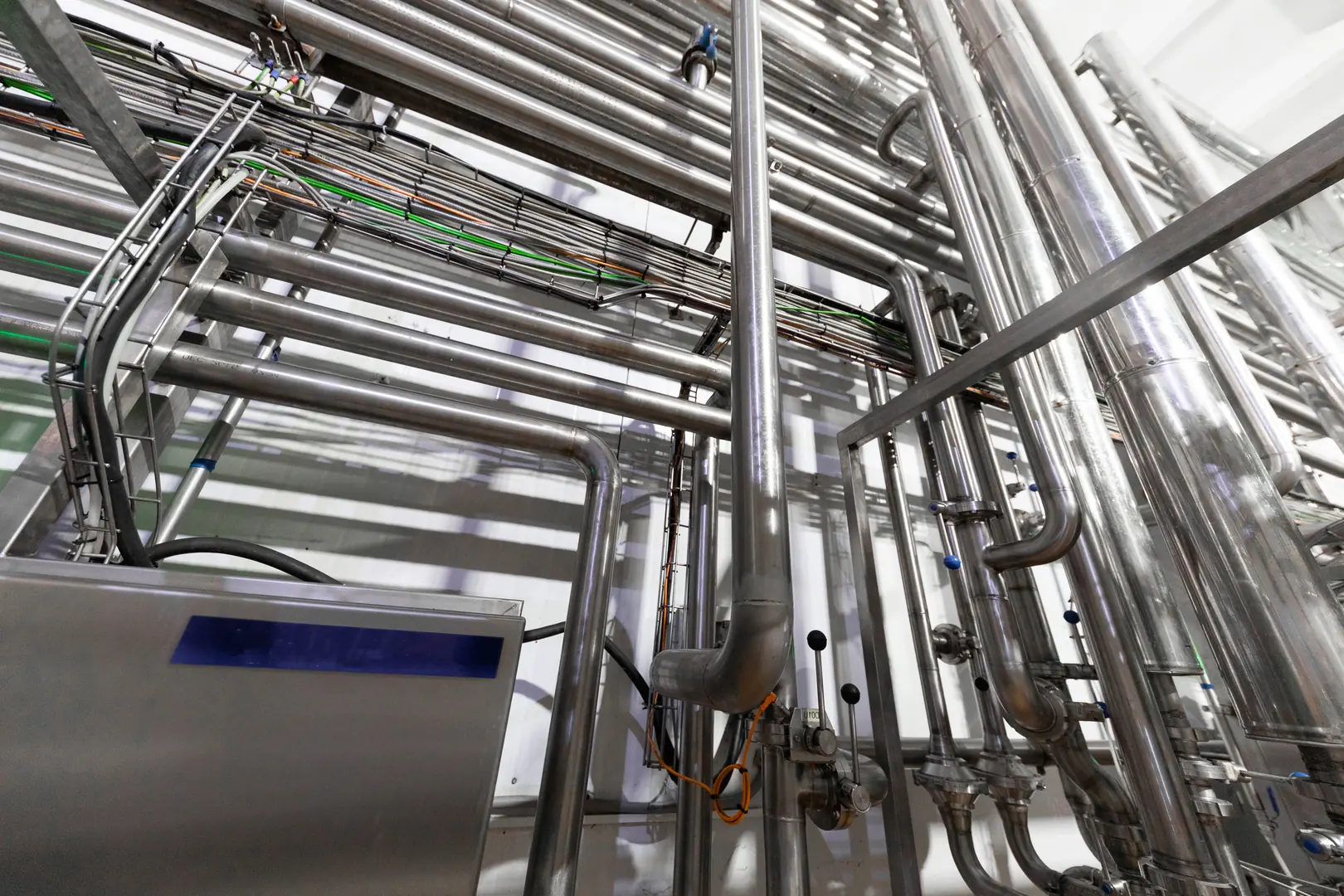
At its core, durability in an industrial setting comes down to two things: strength and resistance. Stainless steel excels at both. I've seen systems specified with copper fail prematurely under pressure surges or mild chemical exposure, whereas stainless steel systems we've supplied continue to operate flawlessly for decades. This isn't a matter of opinion; it's rooted in the material science that underpins these two metals. The integrity of your entire operation flows through these pipes, so choosing a material that can withstand the worst-case scenario isn't just wise—it's essential.
The Science of Strength and Resistance
The primary advantage of stainless steel comes from its alloy composition. The inclusion of at least 10.5% chromium is what gives it its "stainless" quality. This chromium reacts with oxygen to form a thin, invisible, and incredibly tough passive layer on the surface. If this layer is scratched or damaged, it instantly reforms, providing continuous protection against corrosive elements. Copper, on the other hand, forms a patina that offers some protection, but it remains highly vulnerable to specific types of corrosion, like pitting caused by chlorides.
A Clear Comparison of Material Properties
When you look at the raw numbers, the story becomes even clearer. Stainless steel is simply a stronger material, capable of handling higher pressures and greater physical stress without deformation or failure. This is critical in industrial systems where pressure fluctuations are common.
| Недвижимость | Stainless Steel (316L) | Copper (Type L) | Winner |
|---|---|---|---|
| Прочность на разрыв | ~515 MPa | ~250 MPa | Stainless Steel |
| Max Operating Pressure | Значительно выше | Нижний | Stainless Steel |
| Устойчивость к коррозии | Excellent (self-healing layer) | Good (but vulnerable to pitting) | Stainless Steel |
| Обычная продолжительность жизни | 50+ лет | 20-30 years | Stainless Steel |
How Do Stainless Steel Pipes Provide Long-Term Savings Over Copper?
Budget constraints are a reality for every project. Focusing only on the initial purchase price is a common but costly mistake. The true cost emerges over the system's lifetime.
While stainless steel may have a higher upfront material cost, it delivers substantial long-term savings. This is achieved through a dramatically longer service life, minimal maintenance requirements, and almost no replacement costs, resulting in a much lower total cost of ownership (TCO).
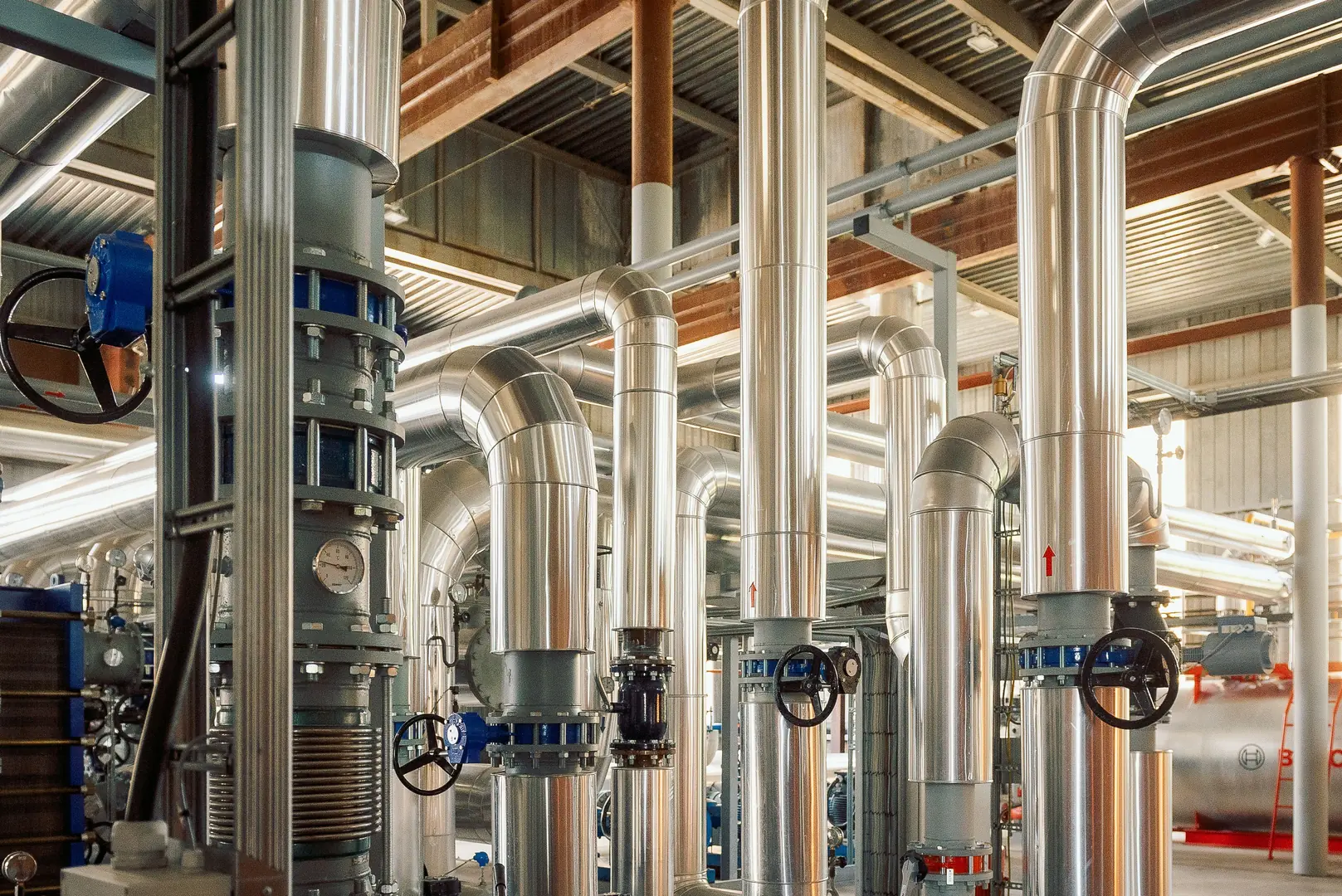
I recall a project with a large food processing plant in Southeast Asia. They were hesitant about the initial cost of our 304L stainless steel pipes and considered copper to save on the upfront budget. We ran a 20-year TCO projection for them. The analysis showed that the maintenance and expected replacement costs for the copper system would eclipse the initial savings within just seven years. By investing in stainless steel, they not only secured a more hygienic and durable system but also made a financially smarter decision that would save them a fortune in operational expenditure.
Beyond the Initial Price Tag
The total cost of ownership is the most important metric for any industrial asset. For piping, it includes the initial material cost, installation labor, ongoing maintenance, downtime costs from failures, and eventual replacement. Stainless steel's durability directly reduces costs in almost every category post-installation. Its resistance to corrosion and scaling[^1] means fewer cleaning cycles and inspections. Its strength means fewer leaks and repairs, which translates to less operational downtime—often the single most expensive factor for a production facility.
Calculating the Total Cost of Ownership (TCO)
When you map out the expenses over a typical 30-year industrial lifecycle, the financial advantage of stainless steel becomes undeniable. The "invest once, run for decades" principle holds true.
| Фактор стоимости | Система из нержавеющей стали | Copper System | Insight |
|---|---|---|---|
| Первоначальная стоимость материала | Выше | Нижний | Copper wins on day one only. |
| Стоимость установки | Similar | Similar | Often a negligible difference. |
| Annual Maintenance | Очень низкий | Умеренный | SS requires less inspection/cleaning. |
| Expected Lifespan | 50+ Years | 20-30 Years | SS lasts 2x longer or more. |
| 30-Year TCO | Significantly Lower | Выше | The long-term savings are clear. |
Why Does Stainless Steel Outperform Copper in Harsh Industrial Environments?
Standard commercial environments are one thing. But industrial facilities often involve aggressive chemicals, extreme temperatures, and high pressures. These conditions will quickly expose a material's weaknesses.
Stainless steel, especially grades like 316L containing molybdenum, offers vastly superior resistance to chlorides, acids, and high temperatures. This robust chemical and thermal stability prevents the rapid pitting, corrosion, and degradation that copper experiences in harsh industrial settings.
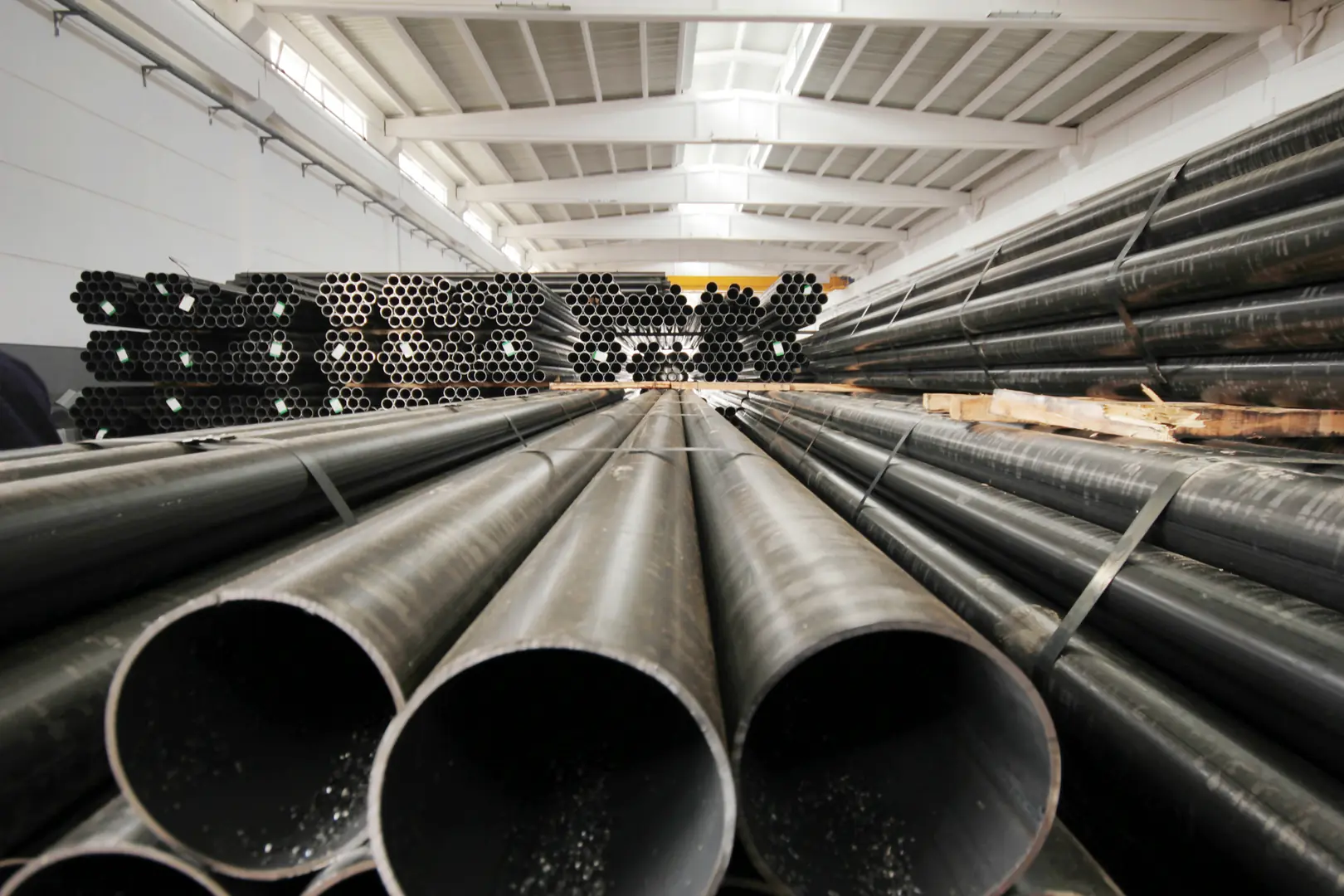
In my role at MFY, we often supply materials for chemical processing, desalination, and heavy manufacturing plants. In these environments, performance isn't just about efficiency; it's about safety. A pipe failure can lead to hazardous spills and dangerous situations. This is where material specification becomes non-negotiable. Copper is an excellent conductor and works well for standard plumbing, but it simply cannot withstand the chemical onslaught present in many industrial processes. The choice of stainless steel provides the performance and peace of mind that these critical operations demand.
The Molybdenum Advantage for Chemical Resistance
For environments with chlorides (like coastal areas, de-icing salts, or certain industrial chemicals), standard 304 stainless steel is good, but 316L is the champion. The addition of molybdenum dramatically enhances its resistance to pitting and crevice corrosion. Copper, in contrast, is highly susceptible to attack from chlorides and sulfur compounds, leading to rapid pinhole leaks and systemic failure.
Handling Extreme Temperatures and Pressures
Industrial processes rarely operate at a stable room temperature. Stainless steel maintains its strength and structural integrity across a much wider temperature range than copper, which can soften at elevated temperatures. Furthermore, its inherent strength allows it to handle the high-pressure water and fluid transport required in applications like hydraulic systems or boiler feeds, where copper would be completely unsuitable.
| Performance Factor | Stainless Steel (316L) | Copper | Verdict |
|---|---|---|---|
| Устойчивость к хлоридам | Превосходно | Бедный | SS is the only safe choice. |
| Acid Resistance | Очень хорошо | Poor to Fair | SS handles a wider range of chemicals. |
| High Temp. Strength | Превосходно | Fair (softens) | SS maintains integrity under heat. |
What Are the Maintenance Differences Between Stainless Steel and Copper Piping Systems?
Ongoing maintenance is a hidden cost that drains resources. Constant inspections, repairs, and cleaning disrupt operations and add to the lifetime cost of a system.
Stainless steel piping is a "fit and forget" solution requiring minimal maintenance. Its smooth, non-porous surface resists scale and biofilm buildup, and its inherent corrosion resistance eliminates the need for the frequent inspections and proactive repairs often necessary for copper systems.
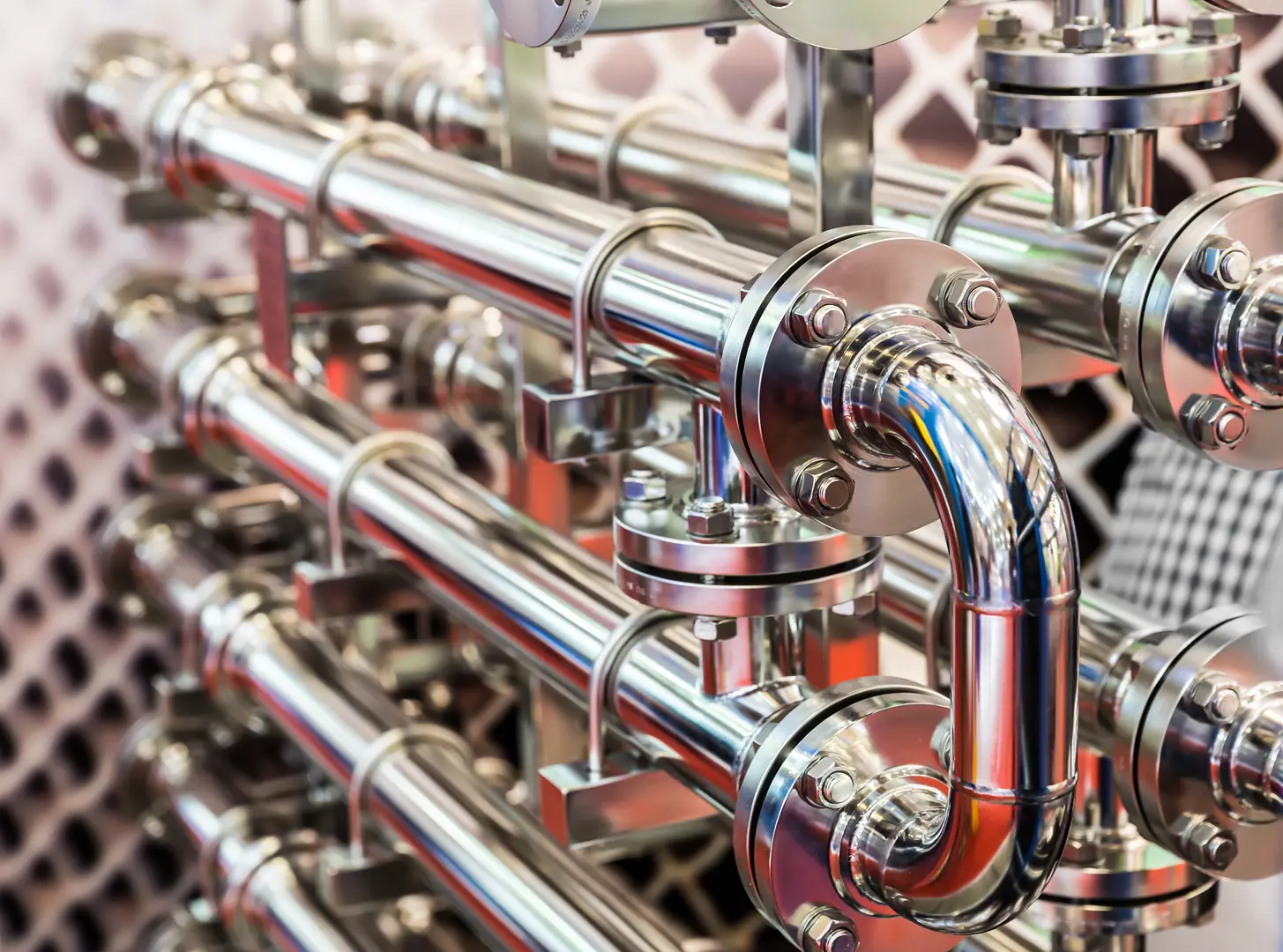
The goal of any well-designed industrial system is to maximize uptime. The less you have to interact with a component, the better it is. This is where stainless steel truly shines. Its passive nature means you can install it and trust it to perform its function without constant intervention. Copper systems, especially in areas with hard water or aggressive water chemistry, require more attention. They can suffer from scaling, which reduces flow and efficiency, and are more prone to developing leaks over time, demanding a more rigorous and costly maintenance schedule.
The Problem of Biofilm and Scaling
In industries like food and beverage or pharmaceuticals, hygiene is paramount. The incredibly smooth surface of stainless steel makes it very difficult for bacteria to attach and form biofilm. It also resists the buildup of mineral deposits (scale) from hard water. Copper's softer surface is more prone to microscopic imperfections where both biofilm and scale can take hold, requiring more aggressive and frequent cleaning protocols to maintain hygiene and flow efficiency.
Inspection and Repair Cycles
Because stainless steel is so resistant to the common modes of failure that affect copper, the entire maintenance philosophy changes. You move from a reactive or preventative model (constantly checking for and fixing leaks) to a predictive one. The reliability of stainless steel means you can trust the system's integrity for years, freeing up maintenance teams to focus on other critical equipment.
| Maintenance Task | Система из нержавеющей стали | Copper System | Implication |
|---|---|---|---|
| Corrosion Inspection | Infrequent | Frequent | Lower labor costs for SS. |
| Scaling/Biofilm Cleaning | Minimal / Easy | Regular / More difficult | Better operational efficiency for SS. |
| Likelihood of Leak Repair | Очень низкий | Moderate to High | Less downtime and material loss with SS. |
How Do You Choose the Right Material for Your Industrial Water System?
Making the final call can feel overwhelming. A poor choice can have financial and operational consequences for decades. A simple, logical assessment of your specific needs will always lead to the right answer.
To choose the right material, analyze your system's operating conditions—specifically pressure, chemical exposure, and temperature. For any high-stress, corrosive, or long-lifespan industrial application, stainless steel is the definitive choice. Copper remains a viable option for low-pressure, non-corrosive environments.
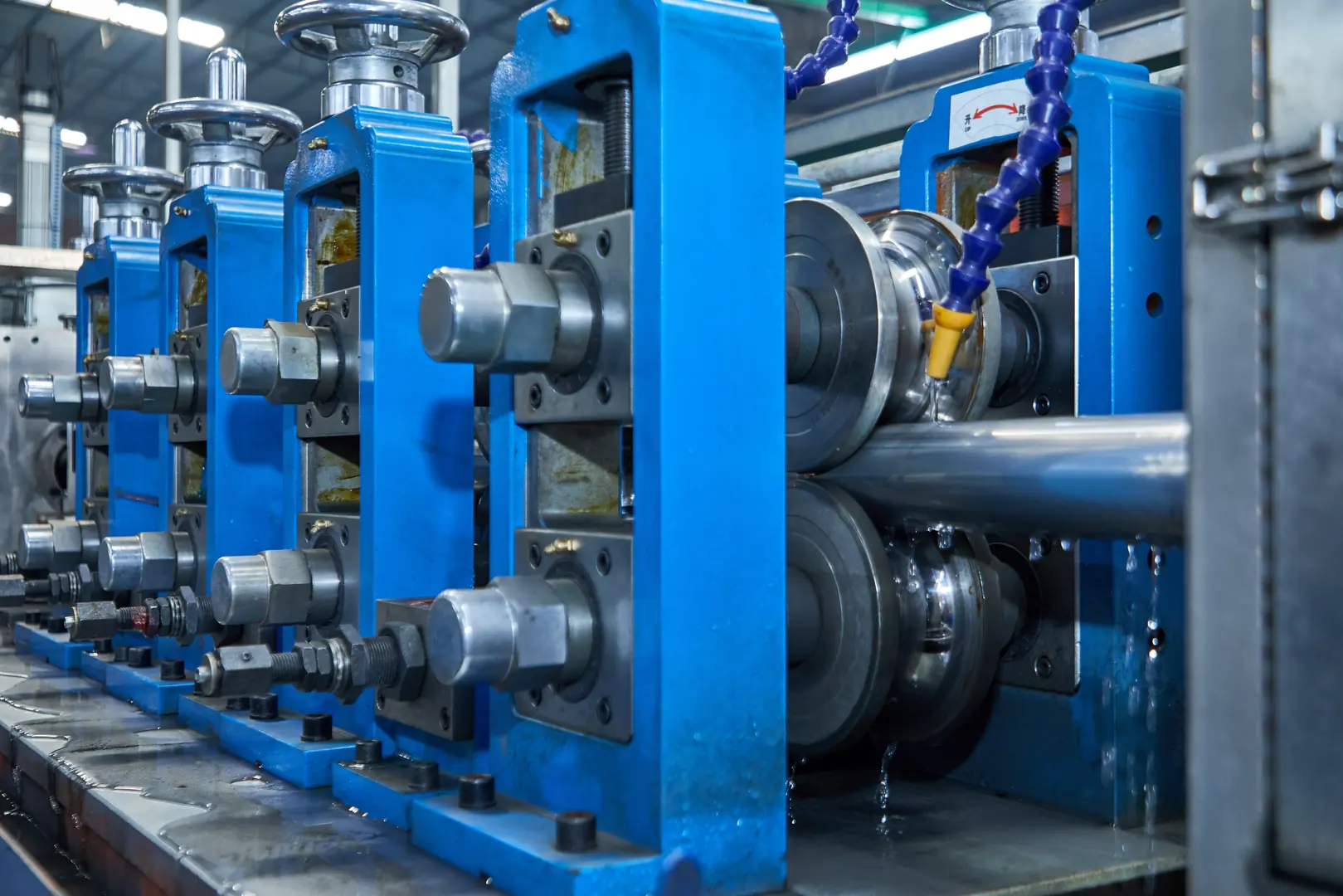
The best decision is an informed one. At MFY, we don't just sell steel; we partner with our clients to ensure they select the perfect material grade for their application. The key is to look past the initial quote and consider the entire operational picture. What is the true cost of a system failure? What is the value of uninterrupted production? When you ask these questions, the value proposition of a robust material like stainless steel becomes incredibly clear. It's an investment in reliability.
Key Decision Factors
Before you specify a material, answer these three questions:
- What is the Operating Environment? Will the pipes be exposed to corrosive chemicals, high temperatures, or extreme pressures? If yes, stainless steel is necessary.
- What is the Lifecycle Cost Goal? Is the primary goal to minimize the initial project budget, or to achieve the lowest total cost over the next 20-30 years? For the latter, choose stainless steel.
- What are the Performance and Safety Requirements? Do you need to prevent contamination (e.g., food/pharma) or ensure containment of hazardous materials? Stainless steel's integrity is superior.
A Simple Decision Matrix
This table can serve as a quick guide for your decision-making process.
| Factor | Choose Stainless Steel If... | Choose Copper If... |
|---|---|---|
| Environment | Corrosive, high-pressure, high-temp | Non-corrosive, low-pressure, stable temp |
| Budget Focus | Long-term Total Cost of Ownership (TCO) | Lowest initial material cost |
| Lifespan Goal | 30+ years with high reliability | 15-20 years in a mild environment |
| Приложение | Industrial processing, critical systems | Standard commercial/residential plumbing |
Заключение
For demanding industrial water systems, stainless steel's superior durability, corrosion resistance, and performance in harsh environments make it the clear winner. While copper has its uses, the long-term financial and operational benefits of stainless steel provide a far greater return on investment for any serious industrial application.
У вас есть вопросы или нужна дополнительная информация?
Свяжитесь с нами, чтобы получить индивидуальную помощь и квалифицированный совет.


 Русский
  English