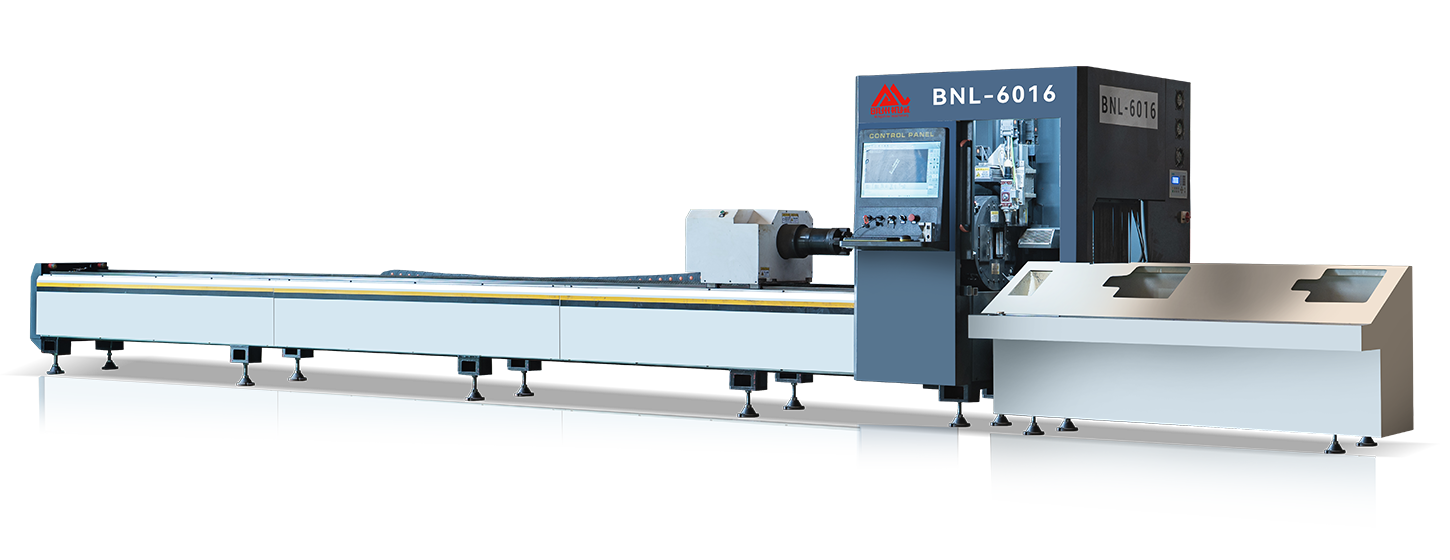
Complete Guide to Stainless Steel Tube Surface Treatments for High-End Industrial Bulk Orders
Selecting the wrong tube finish risks costly failures. This uncertainty can jeopardize high-stakes projects. We provide a clear guide to ensure optimal performance and durability for your orders.
Mastering surface treatments involves understanding their importance for durability, identifying available types like polishing and passivation, evaluating application needs, selecting the right finish, and implementing strict quality control for high-end industrial use.
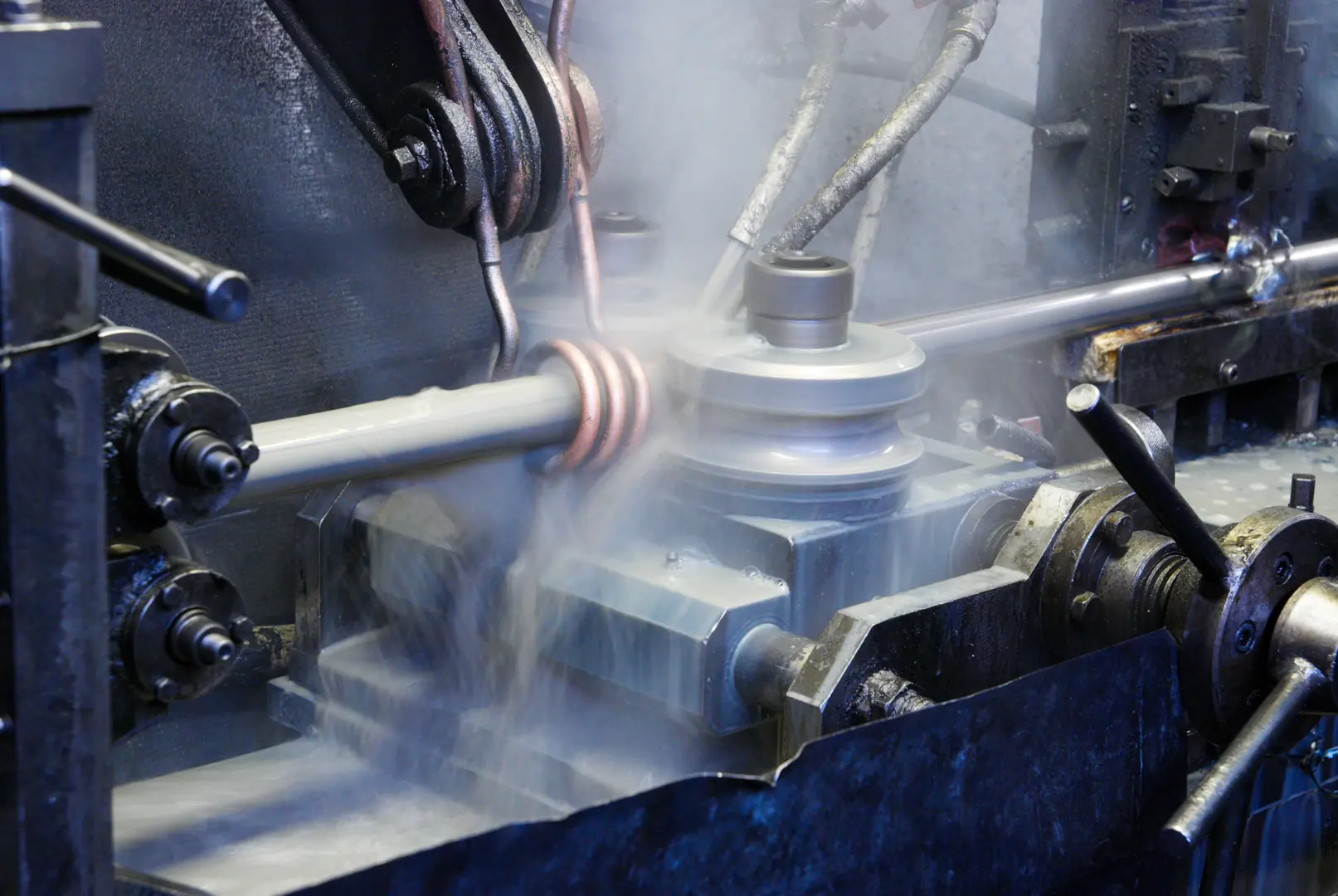
Let's break this down step-by-step. At MFY, we believe an informed partner is a successful partner. Over my years as Global Business Director, I've seen how a deep understanding of these details can transform a project's outcome. This guide is built from our direct experience helping clients navigate these critical decisions, ensuring they get the exact performance they need for their most demanding applications.
Why Are Surface Treatments So Critical for Stainless Steel Tubes?
Ignoring surface treatments seems like a cost-saver. But this leads to corrosion and early failure. Proper treatment is a crucial investment in the product's entire lifecycle and performance.
Surface treatments are critical because they significantly enhance a stainless steel tube's corrosion resistance, durability, and aesthetic appeal. This is paramount for performance in demanding high-end industrial environments like aerospace and pharmaceuticals.
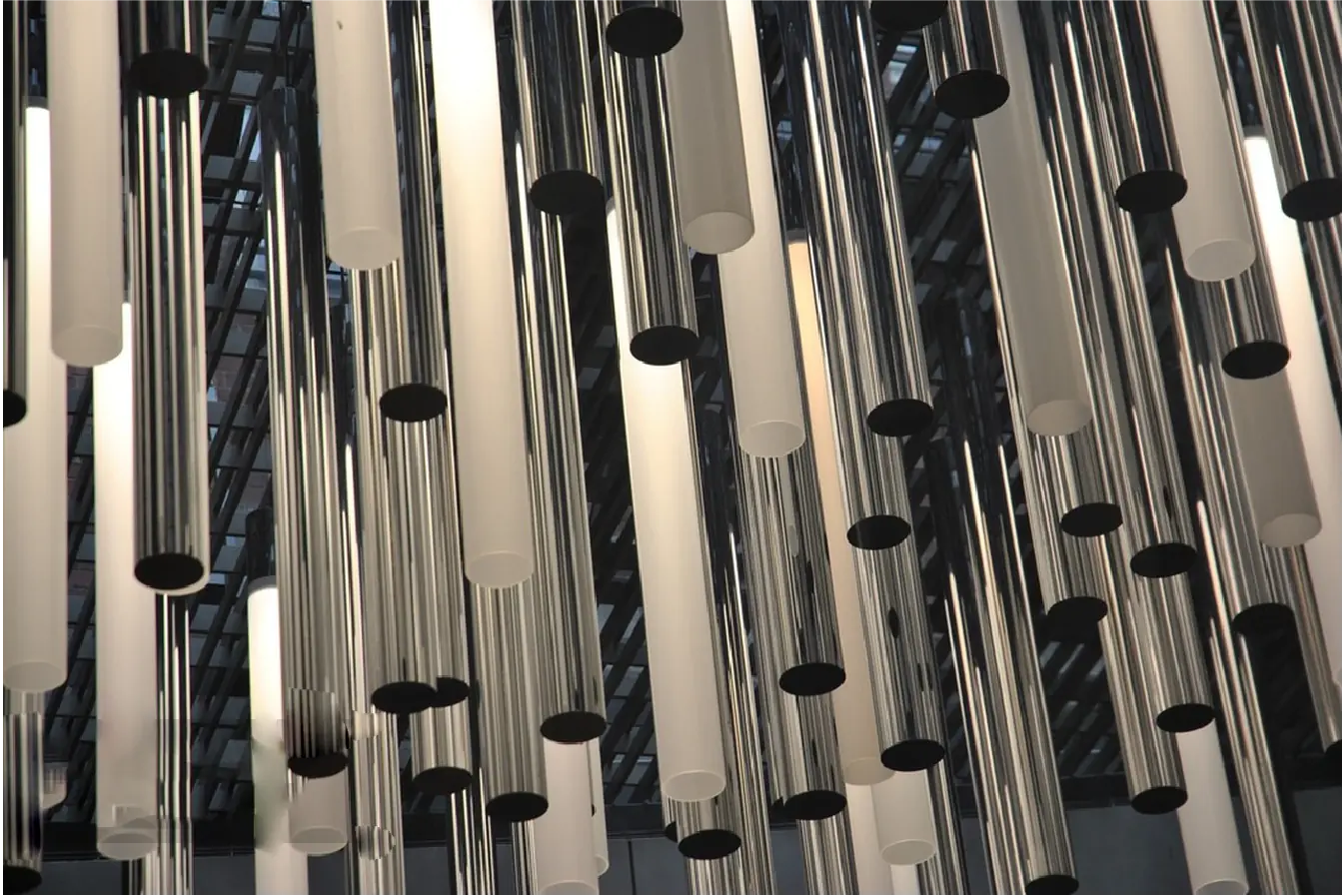
When we talk about stainless steel, we're really talking about the power of its passive layer—a microscopic, self-healing film of chromium oxide that protects the metal from corrosion. A surface treatment is not just about making the tube look good; it's about optimizing this protective layer. For high-end industrial orders, where tubes are exposed to harsh chemicals, extreme temperatures, or stringent hygiene requirements, the quality of the surface is everything. It's the difference between a system that runs efficiently for decades and one that suffers from premature degradation, leading to costly downtime and safety risks.
Beyond the Shine: Functional Benefits
The primary goal of most advanced treatments is to enhance the chromium oxide layer. Processes like passivation chemically remove free iron and other contaminants left over from manufacturing, which could otherwise become initiation sites for rust. This makes the surface more uniform and robust. Furthermore, treatments like electro-polishing[^1] create an ultra-smooth surface, which is critical in industries like pharmaceuticals and food processing. A smoother surface is easier to clean and sterilize, and it provides fewer microscopic crevices for bacteria to hide.
The Cost of Neglect
I remember a client in the pharmaceutical sector who initially opted for a standard finish to save on costs for a large bulk order. Within a year, they faced micro-pitting and contamination issues in their processing lines, forcing a complete and costly system overhaul. It was a tough lesson on how the initial investment in the right finish, like electro-polishing, pays for itself many times over by ensuring product purity and operational longevity. The transformative impact of the right treatment cannot be overstated; it elevates the tube from a simple component to a high-performance asset.
What Are the Different Types of Surface Treatments Available?
The variety of finishes can be confusing. Choosing without full knowledge can be a gamble. We can clarify the main types and their specific uses for you.
The main types include mechanical treatments like polishing and brushing for smoothness, chemical treatments like pickling and passivation for corrosion resistance, and electro-chemical treatments like electro-polishing for ultimate purity and smoothness.
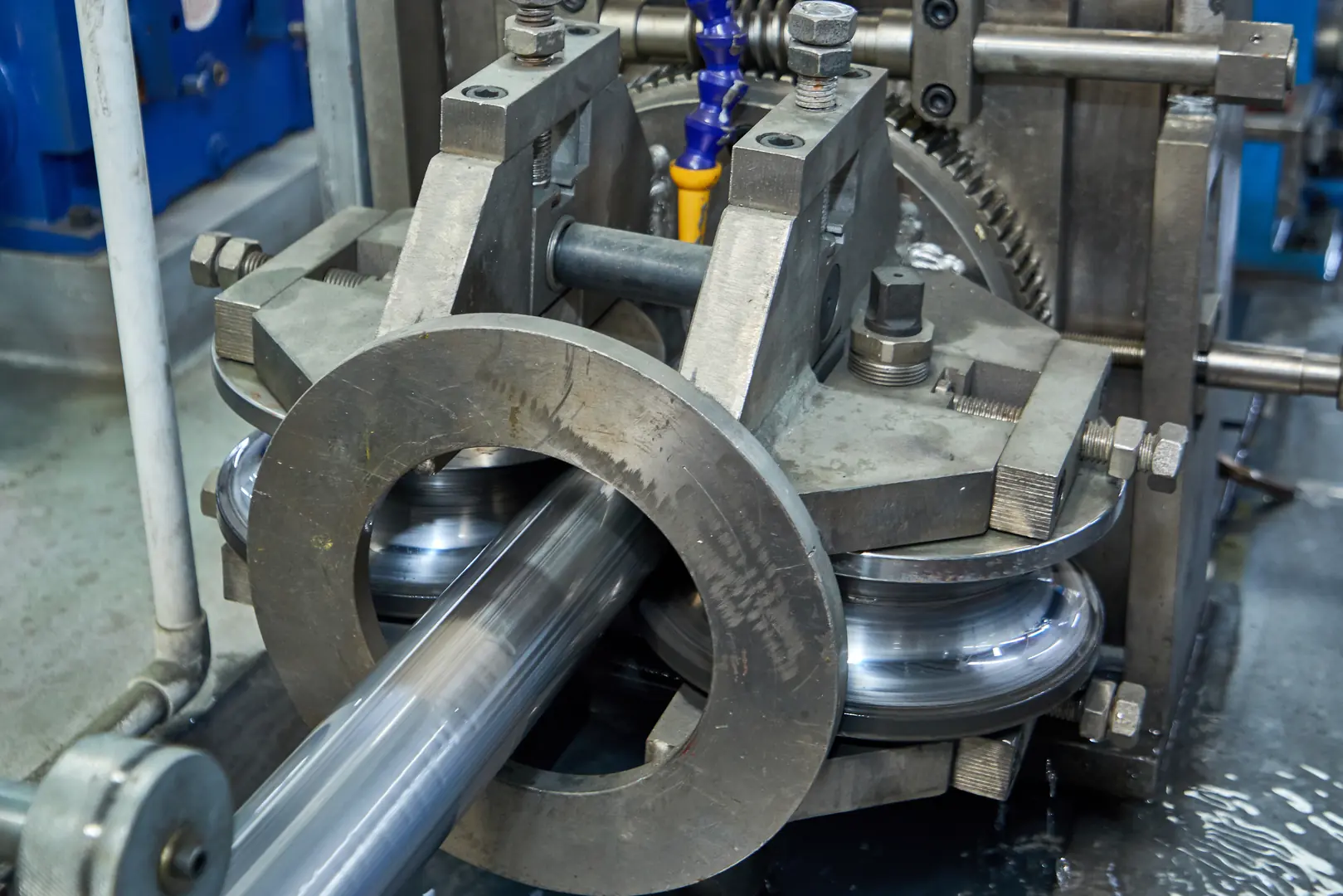
Understanding the different categories of surface treatments is the first step toward making an informed choice. Each method offers a unique set of benefits tailored to specific applications. At MFY, we often guide our clients through these options, ensuring the chosen treatment aligns perfectly with their operational needs and budget. It's not about finding the "best" finish in a vacuum, but about finding the most appropriate and effective solution for a specific context. Let's look at the primary categories and what they achieve.
Mechanical, Chemical, and Electro-Chemical Processes
Mechanical finishes involve physically altering the surface with abrasives. This is often done to achieve a certain look or a specific surface roughness (Ra). Chemical treatments use acids to clean the surface and enhance its natural corrosion resistance. Finally, electro-chemical treatments use an electric current in a chemical bath to achieve the highest level of smoothness and purity.
Comparing Common Surface Treatments
Here’s a simple breakdown of the most common treatments we handle for our industrial clients. This table helps clarify the purpose and ideal use case for each one, forming the basis for a sound decision.
| Treatment Type | Process | Key Benefit | Ideal Application |
|---|---|---|---|
| Mechanical Polishing | Abrasive grinding/polishing | Reduces surface roughness (Ra) | Architectural, decorative, general industrial |
| Маринование | Acid bath treatment | Removes heat tint, weld scale | Post-welding/heat treatment |
| Пассивация | Nitric/Citric acid bath | Enhances chromium oxide layer | Improving corrosion resistance for all uses |
| Electro-polishing | Anodic dissolution process | Ultra-smooth, cleanable surface | Pharmaceutical, semiconductor, food & bev |
How Do You Evaluate Application Requirements for High-End Orders?
A one-size-fits-all approach doesn't work. Specifying the wrong finish leads to performance issues. You must analyze the specific demands of the end-use environment for success.
Evaluate requirements by considering the operational environment (corrosive agents, temperature), regulatory compliance (e.g., FDA, ASME BPE), and the need for cleanability and sterility, especially for industries like food processing, pharma, and biotech.
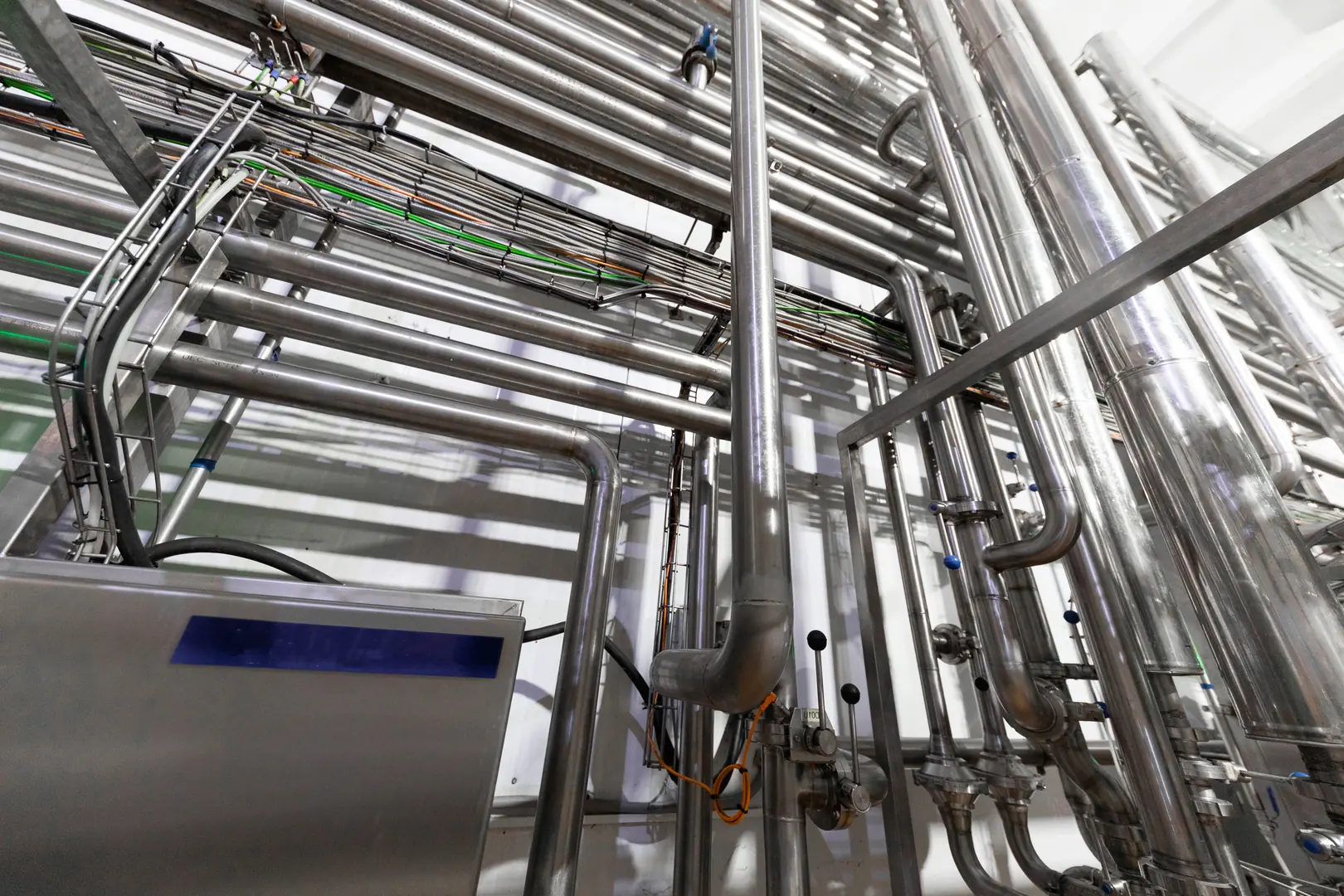
Before you can select a treatment, you have to become an expert on the environment where your stainless steel tubes will live. This is the most critical step in the entire process. A mistake here will cascade through the rest of your project. We always begin client conversations by asking detailed questions about the application. The answers guide us toward a small subset of suitable finishes, saving time and preventing costly errors. This strategic analysis is particularly vital for the high-stakes industries we serve, where performance is non-negotiable.
The Corrosive Environment
Start by listing every factor your tubes will face. Will they be exposed to chlorides, like in marine or de-icing salt environments? Are strong acids or bases part of the process? What are the operating temperatures and pressures? A tube used in a coastal architectural project has very different needs from one inside a chemical reactor. Each of these factors influences the rate of potential corrosion and dictates the level of surface protection required.
Regulatory and Compliance Demands
For many high-end industries, the choice of surface finish is dictated by regulations. In the pharmaceutical and biotech sectors, for example, standards like the ASME BPE (Bioprocessing Equipment) mandate specific, ultra-smooth, and cleanable surfaces, often achieved through electro-polishing. This is to prevent microbial contamination and ensure product purity. Similarly, food-grade applications have strict requirements to ensure safety. Understanding and adhering to these standards is essential for market access and operational integrity.
How Do You Select the Right Surface Treatment for Your Needs?
With many options, making the final choice is tough. This indecision can delay projects. We use a clear framework to match the treatment to your specific application.
Select the right treatment by matching your evaluated application requirements to the benefits of each finish. Balance performance needs like corrosion resistance and cleanability with budget constraints to find the optimal solution.
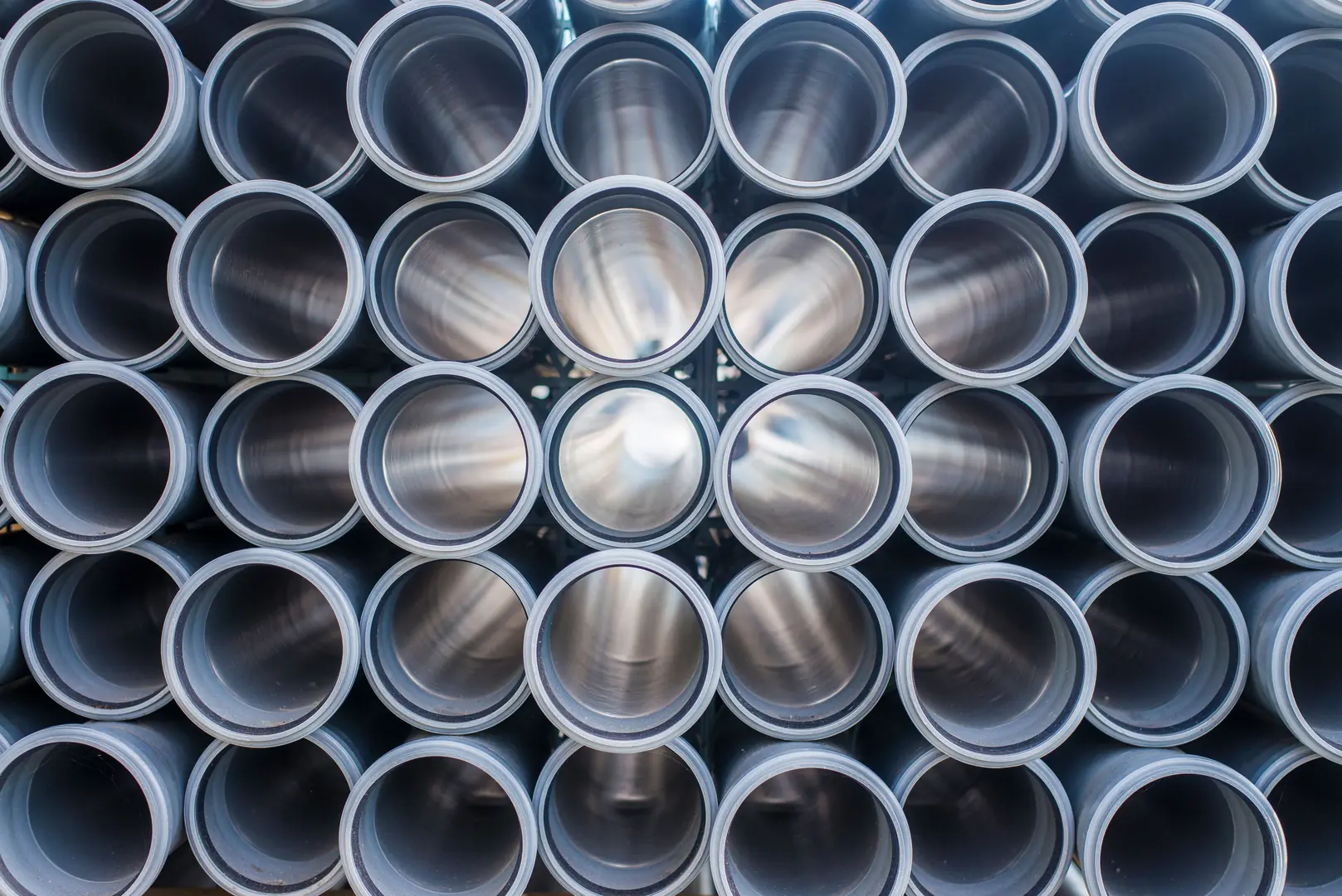
Once you've thoroughly evaluated your application requirements, selecting the right treatment becomes a much clearer, more logical process. It’s about mapping your needs to the solutions we've discussed. This step moves from analysis to decision-making. The goal is to find the sweet spot where performance, compliance, and cost-effectiveness intersect. This is where our experience at MFY becomes a key asset for our clients, as we can help them weigh the trade-offs and identify the treatment that delivers the best long-term value.
A Decision-Making Matrix
To simplify the choice, think in terms of your primary objective. This matrix can act as a quick-start guide.
| If your primary need is... | Consider this treatment... | Because... |
|---|---|---|
| Aesthetics & moderate corrosion resistance | Mechanical Polish (e.g., #4 Brushed) | It provides a uniform, decorative look at a good cost. |
| Removing weld scale after fabrication | Pickling & Passivation | It cleans the surface and restores corrosion resistance. |
| Maximum corrosion resistance | Пассивация | It chemically enhances the protective chromium oxide layer. |
| Ultimate purity and cleanability | Electro-polishing | It creates the smoothest, most non-stick surface possible. |
Balancing Cost and Lifecycle Value
It's tempting to choose the cheapest option, but for high-end industrial applications, that is often a mistake. A more advanced treatment like electro-polishing may have a higher upfront cost, but its superior performance can lead to a significantly lower total cost of ownership (TCO). By extending the product's lifecycle, reducing maintenance needs, and preventing costly system failures, the initial investment delivers a substantial return. Our goal isn't just to sell you a product; it's to provide the most cost-effective solution for the entire life of your project.
What Quality Control Measures Are Essential in Surface Treatment?
A great finish on paper means nothing if it's not consistent. Poor quality control can ruin an entire batch. We implement rigorous checks to guarantee every tube meets spec.
Essential quality control measures include visual inspection for defects, surface roughness (Ra) testing to quantify smoothness, and chemical tests like the ferroxyl test to confirm successful passivation and removal of free iron.
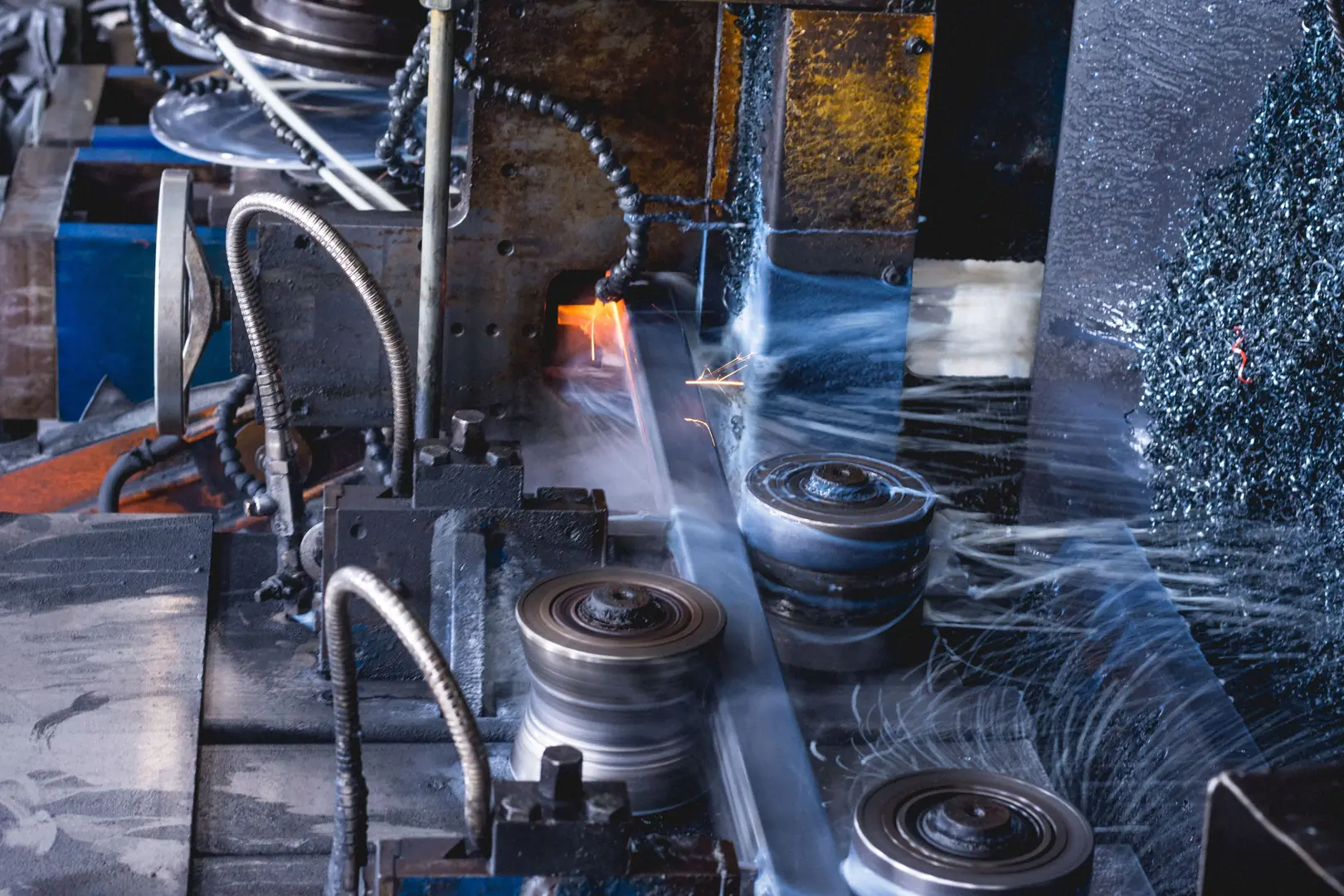
The final, and arguably most important, step is ensuring the surface treatment you specified is the one you actually received, applied consistently across your entire bulk order. Quality control is not something to be left to chance. It requires a systematic process of verification using both visual checks and specialized instrumentation. This is where a supplier's commitment to quality truly shows. A reliable partner will have robust QC processes in place and be transparent about their testing methods and results.
Visual and Instrumental Inspection
The process starts with a thorough visual inspection. We look for any inconsistencies, pits, discoloration, or other defects that could compromise the finish. However, the human eye can't see everything. That's why we use instruments like profilometers to get an objective measurement of surface roughness, or Ra value. This provides hard data to confirm that the required smoothness has been achieved, which is especially critical for sanitary and high-purity applications.
MFY's Commitment to Quality
Chemical verification is also key. For example, after passivation, we use a ferroxyl test to confirm that all free iron has been removed from the surface. Any remaining iron could become a point of corrosion, defeating the purpose of the treatment. At MFY, our fully integrated supply chain gives us a unique advantage. We oversee quality at every single stage, from the selection of raw materials to the final surface treatment and packaging. We don't just trust; we verify, providing our clients with comprehensive documentation and complete peace of mind for their high-end industrial orders.
Заключение
Choosing the right surface treatment is not an expense; it's a strategic investment. By understanding the options and your specific needs, you can ensure the long-term performance, safety, and value of your stainless steel tubes. MFY is here to guide you through every step.
У вас есть вопросы или нужна дополнительная информация?
Свяжитесь с нами, чтобы получить индивидуальную помощь и квалифицированный совет.





 Русский
  English