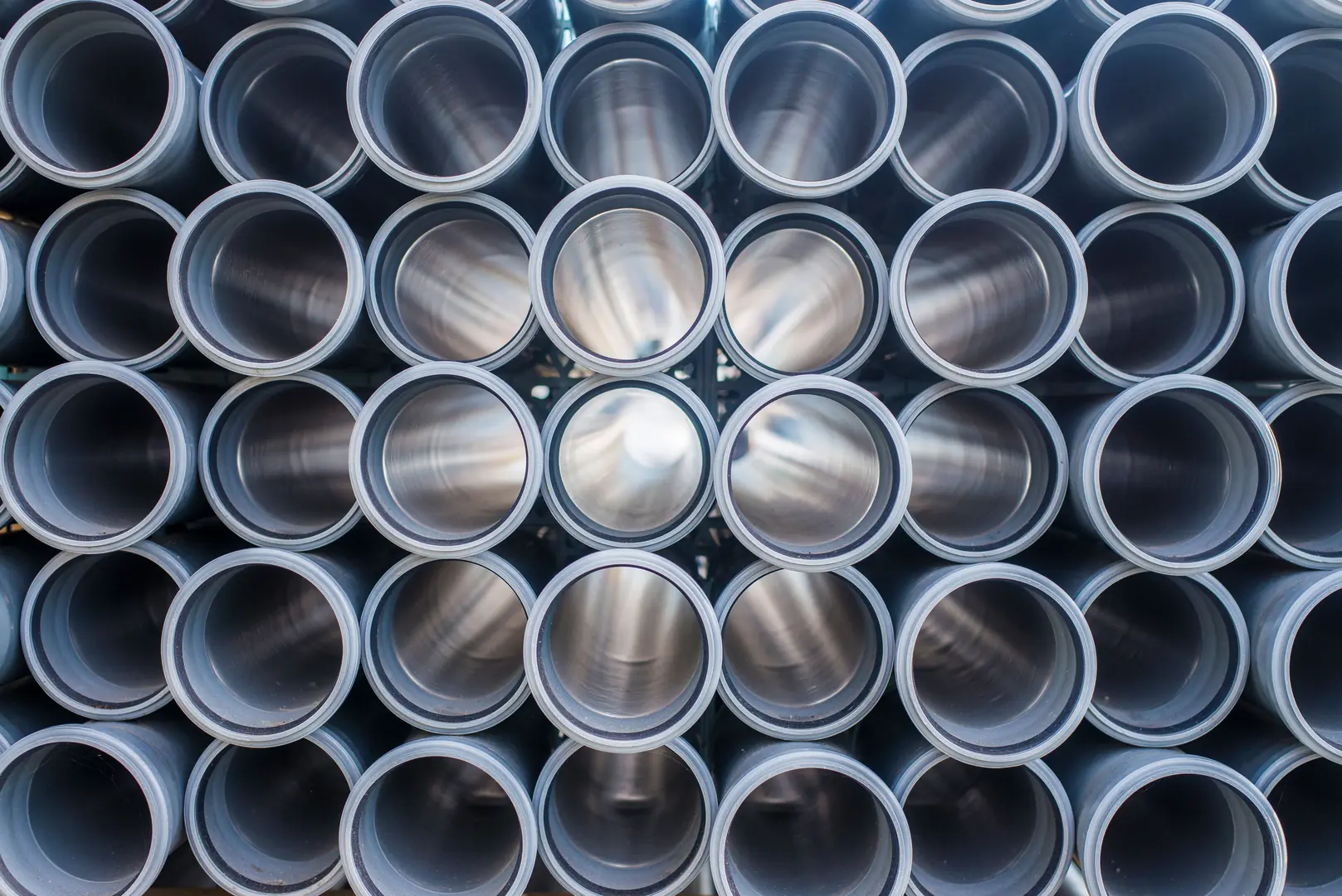
Seamless SS 316/304 vs Welded Pipe: Cost & Performance Analysis
Choosing the right труба из нержавеющей стали can be complex. Making the wrong decision can lead to budget overruns or critical failures, so understanding the core differences is key.
Fundamentally, seamless pipes are manufactured from a solid steel billet, offering superior strength and corrosion resistance. Welded pipes are made from a steel strip that is rolled and welded, providing a more cost-effective solution for less demanding applications. The choice depends on balancing performance needs and budget.
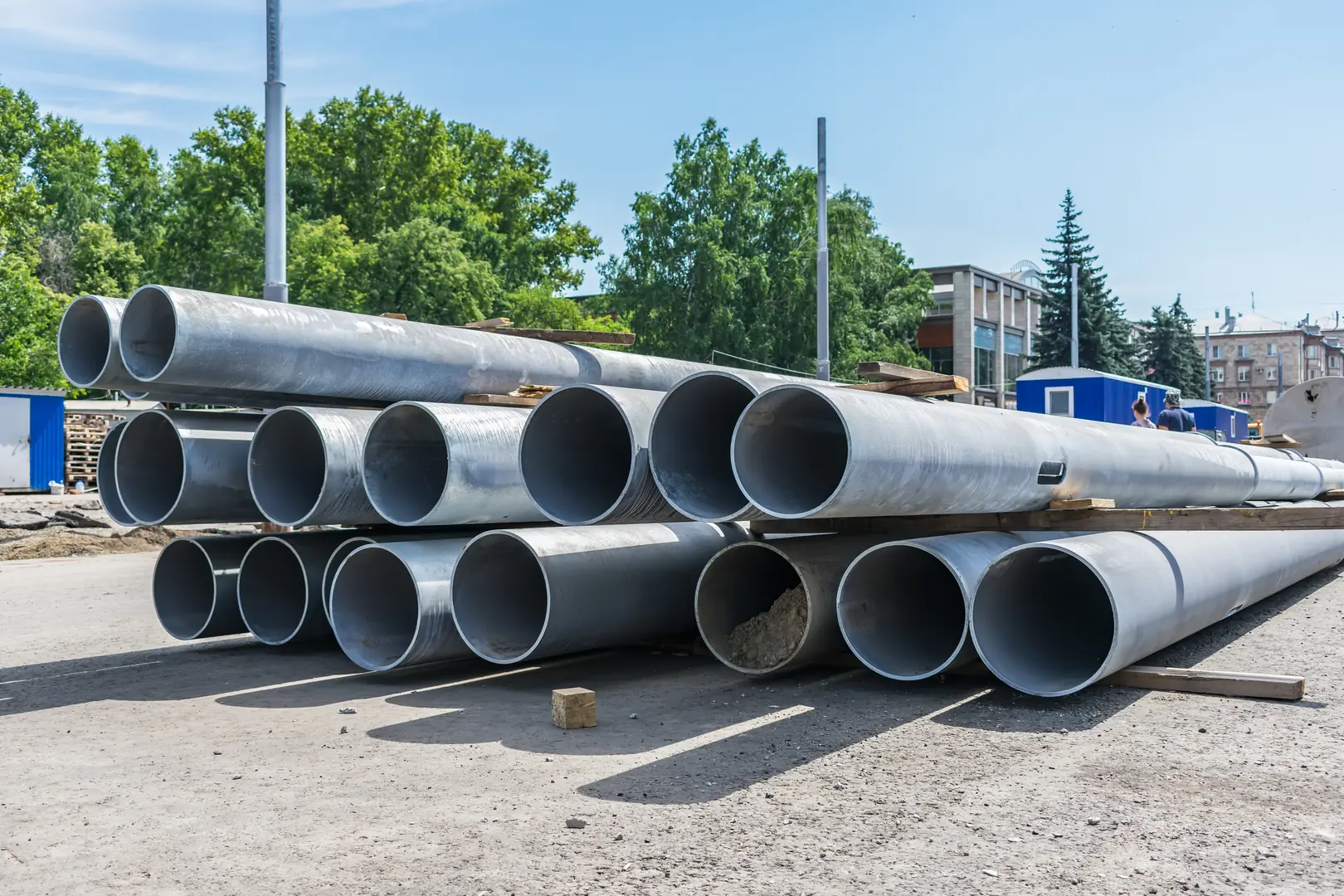
In my years as Global Business Director at MFY, I’ve seen countless projects hinge on this single decision. It's a classic trade-off between upfront investment and long-term reliability. The market is constantly pushing for cost efficiency, but performance standards can't be compromised. Let's break down this crucial choice so you can select the right pipe with confidence, ensuring your project is both cost-effective and built to last.
What are the key differences between seamless SS 316/304 and welded pipes?
At first glance, seamless and welded pipes may look similar. However, their internal structure and ideal applications are vastly different, and not knowing the distinction can lead to costly mistakes.
The primary difference lies in their manufacturing method. Seamless pipes are extruded from a single billet, resulting in a uniform structure without any seams. Welded pipes are formed by rolling a plate and welding the edges, creating a longitudinal seam that can be a potential weak point.
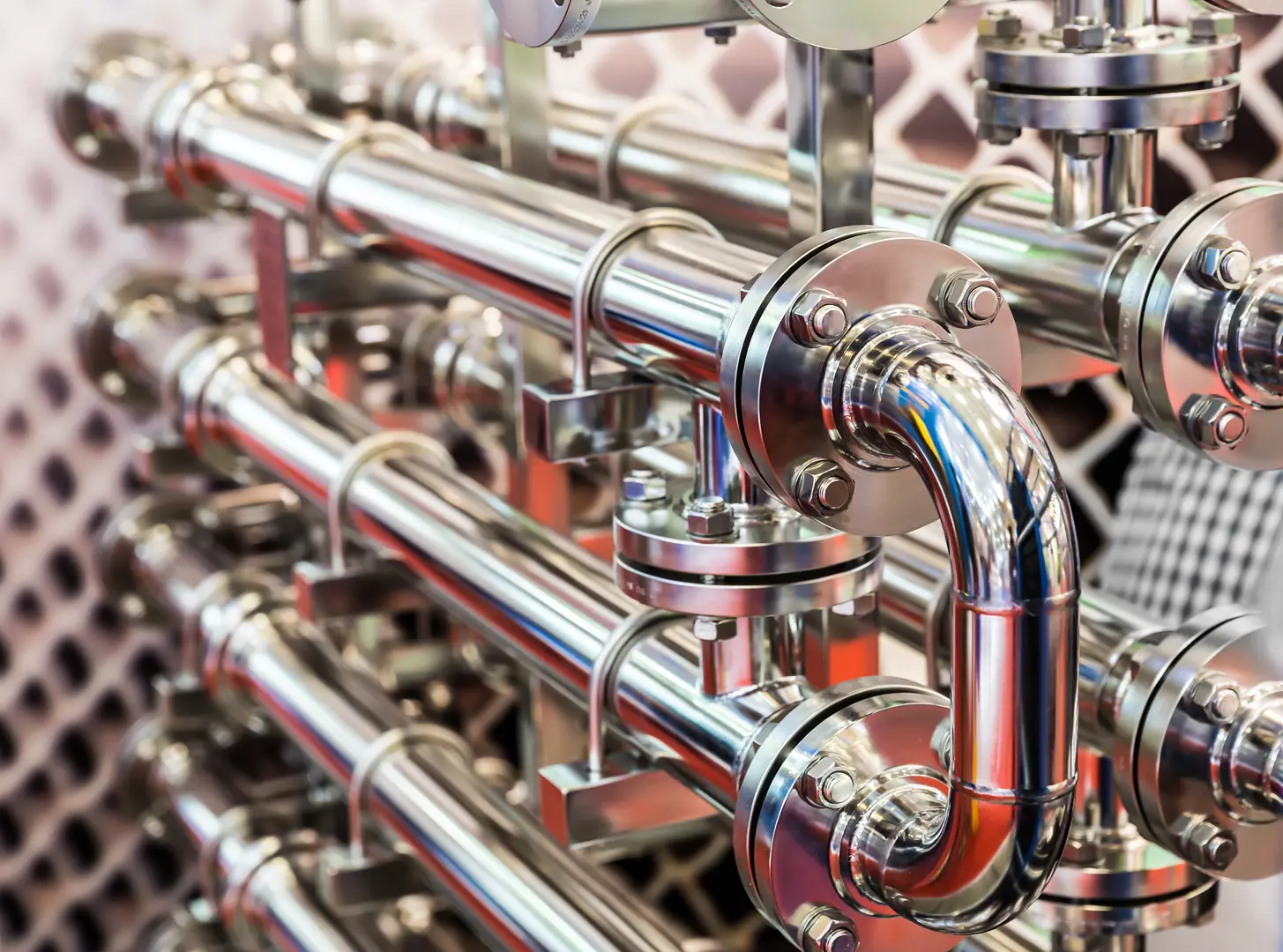
Let's dive deeper into what this means for your operations. The distinction goes far beyond just a weld seam; it impacts everything from pressure ratings[^1] to how the pipe behaves under stress. I've seen clients specify seamless pipe for a low-pressure architectural project where a welded pipe would have saved them 30% without any performance compromise. Conversely, I’ve also advised clients in the chemical processing industry to invest in seamless 316 pipe to avoid a catastrophic failure, even when the upfront cost was higher. It’s all about matching the product to the application.
Структурная целостность
The most significant advantage of a seamless pipe is its homogenous structure. Because it's a single, continuous piece of metal, it has uniform strength and concentricity around its entire circumference. This eliminates the risk of a weak point along a weld seam. Welded pipes, while manufactured to incredibly high standards today, inherently have a seam that has been heat-treated and altered. This area can, under certain conditions, be more susceptible to corrosion or failure, especially under high pressure or in aggressive chemical environments.
Physical Characteristics
The manufacturing process also affects the physical dimensions and finish of the pipe. Here’s a simple breakdown:
| Характеристика | Бесшовные трубы | Welded Pipe |
|---|---|---|
| Производство | Extruded from a solid billet | Rolled from flat strip and welded |
| Structure | Homogenous, no seams | Longitudinal weld seam |
| Толщина стенок | Can be less consistent | Highly consistent and uniform |
| Номинальное давление | Generally higher | Lower, limited by the weld |
| Отделка поверхности | Can be rougher internally | Typically smoother finish |
| Стоимость | Выше | Нижний |
Understanding these fundamental differences is the first step in making an informed procurement decision that aligns with both your engineering requirements and your budget.
How does the manufacturing process affect the cost of seamless and welded pipes?
Many buyers are surprised by the price difference between seamless and welded pipes. This gap can significantly impact a project's budget, so understanding the "why" behind the cost is essential.
Seamless pipe manufacturing is a more complex, energy-intensive process involving heating and piercing a solid steel billet, which results in higher production costs. Welded pipe production is more efficient, using less material and a faster, more streamlined process, making it significantly more affordable.
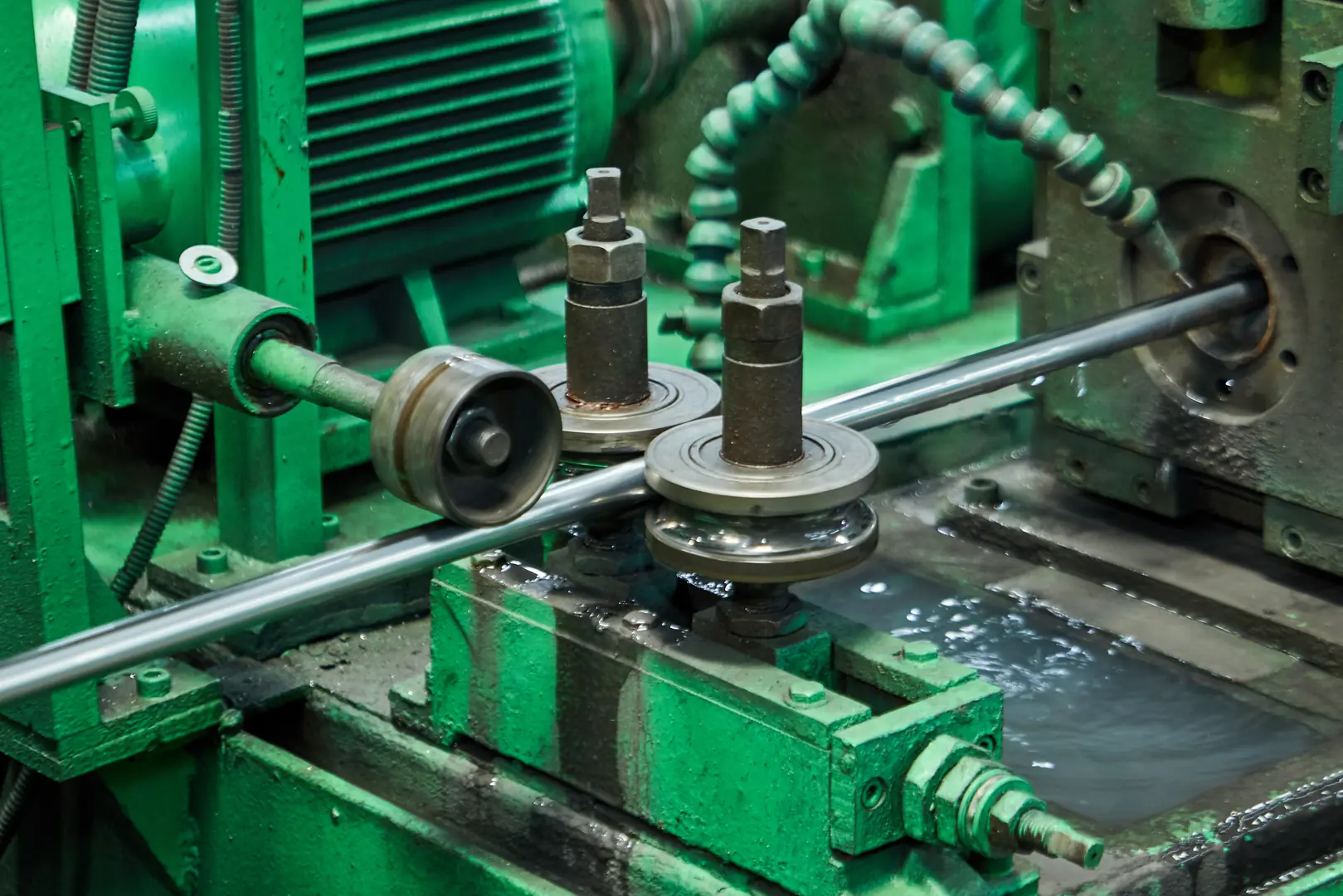
The cost variance isn't arbitrary; it's a direct reflection of the resources, machinery, and time required for each method. The journey from raw material to finished product is fundamentally different, and that's where the cost disparity originates.
The Seamless Extrusion Process
To create a seamless pipe, a solid cylindrical steel billet is heated to extreme temperatures and then pierced through the center with a mandrel. It is then rolled and stretched to achieve the desired diameter and wall thickness. This process is complex and requires massive, specialized equipment. It also results in more material scrap compared to welded pipe production. The combination of high energy consumption, complex machinery, and lower material yield is what drives the premium price of seamless pipes. It's a process built for ultimate performance, not for cost efficiency.
The Welded Pipe Formation
In contrast, manufacturing a welded pipe is a much more direct and efficient operation. It starts with a flat stainless steel coil or sheet. The steel is progressively cold-formed by rollers into a round shape. The edges are then fused together using a high-energy welding process, such as TIG (Tungsten Inert Gas) welding. Because this process starts with a precisely dimensioned flat product, it results in pipes with very consistent wall thickness and a better surface finish. The speed of production is much higher, and material waste is minimal. This efficiency is directly passed on to the customer in the form of lower costs.
What performance factors should be considered when choosing between seamless and welded pipes?
Selecting a pipe based on cost alone is a dangerous game. A failure under pressure isn't just an inconvenience; it can be a catastrophic event with serious safety and financial consequences.
The most critical performance factors are pressure rating, corrosion resistance, and structural uniformity. Seamless pipes excel in high-pressure, high-temperature applications due to their homogenous structure, while welded pipes must be carefully evaluated for seam integrity in corrosive or stressful environments.
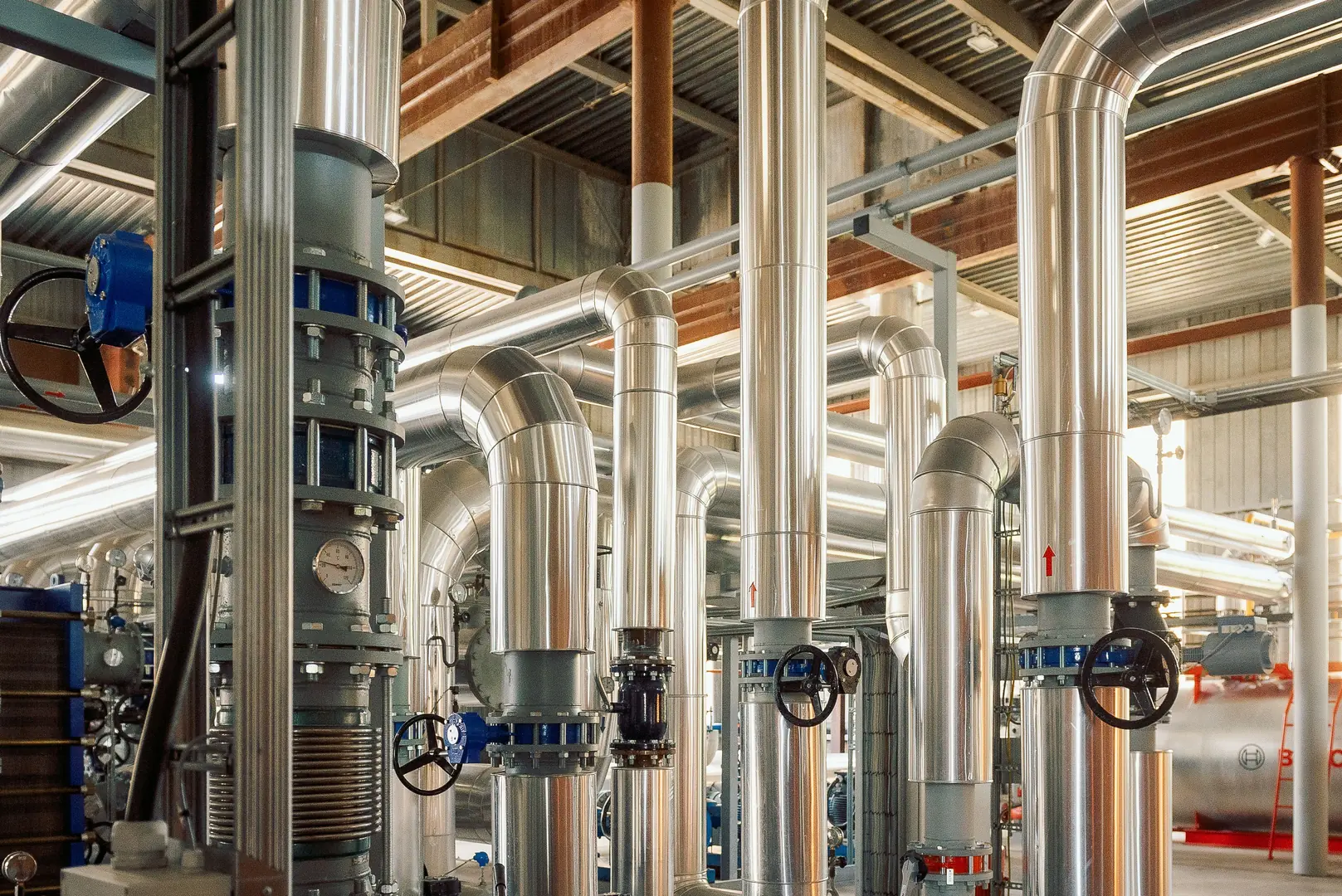
This is where engineering requirements must override budget constraints. As I often tell my clients, the pipe is a critical component of your system's circulatory system. Choosing the wrong one is like choosing a weak link in a chain. The key is to rigorously evaluate the operational demands and select the pipe that meets those demands without fail.
Pressure Handling Capabilities
This is the number one differentiator. A seamless pipe’s strength is uniform across its entire body. It has no weld seam that could potentially act as a stress concentration point. This is why codes and standards for critical applications, like in oil & gas or power generation, often mandate the use of seamless pipes. They can typically withstand about 20% higher working pressures than welded pipes of the same material and size. While modern welding techniques are excellent, the weld and its heat-affected zone will always be a metallurgical discontinuity compared to the parent material.
Corrosion Resistance at the Seam
For both SS 304 and 316, corrosion resistance is a primary benefit. However, the weld seam in a welded pipe can be a potential point of weakness for corrosion. The welding process can slightly alter the microstructure of the steel in that area, making it more susceptible to certain types of corrosion, like intergranular corrosion[^2], if not properly treated post-weld. For applications involving highly corrosive fluids, especially at elevated temperatures, a seamless pipe provides greater peace of mind because it eliminates this variable entirely.
| Performance Factor | Бесшовные трубы | Welded Pipe |
|---|---|---|
| Max Pressure | Superior | Good, but limited by weld strength |
| Uniformity | Превосходно | Good, but seam is a discontinuity |
| Corrosion Risk | Очень низкий | Low, but higher risk at the weld |
| High Temp. Strength | Превосходно | Good, but requires seam evaluation |
| Critical Application | Highly Recommended | Use with Caution |
What are the cost implications of using SS 316/304 seamless versus welded pipes?
The initial purchase price is just one part of the total cost equation. Ignoring the total cost of ownership can lead to unexpected and significant expenses down the road, so a full analysis is critical.
Seamless pipes have a higher upfront procurement cost but can lead to lower long-term expenses due to greater reliability and reduced risk of failure in critical systems. Welded pipes offer significant initial savings but may incur higher maintenance or replacement costs if misapplied.
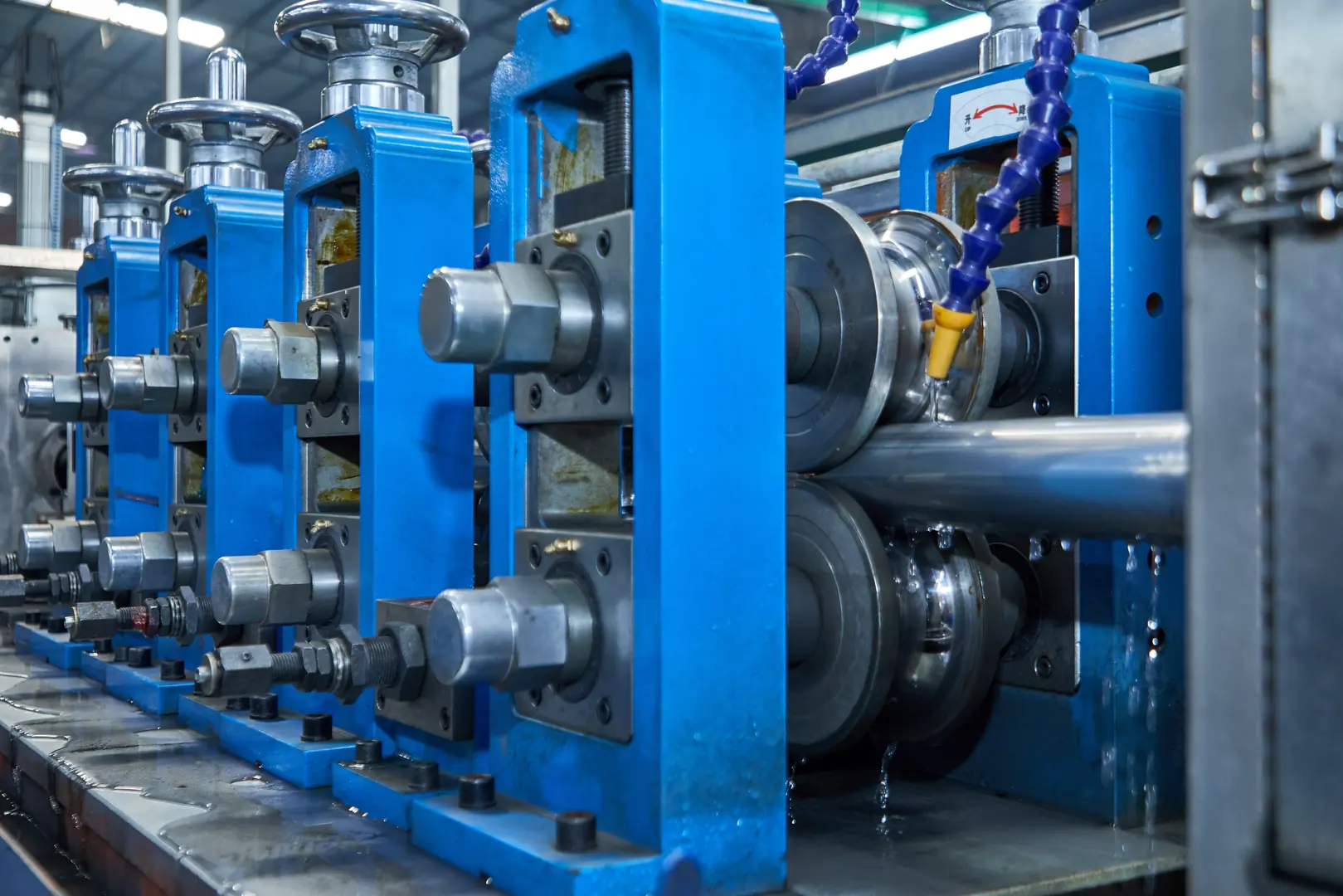
This is a strategic decision that balances short-term budgets with long-term operational efficiency. I recall a client in India who managed a large chemical facility. They initially opted for welded pipe to save on construction costs. However, a minor seam failure led to a plant shutdown that cost them ten times the initial savings. After that, they exclusively specified seamless pipe for all critical process lines. It’s a powerful lesson in looking beyond the initial invoice.
Upfront Procurement Costs
There's no getting around it: seamless pipes are more expensive to buy. Depending on the diameter, grade, and market conditions, the premium can range from 20% to over 50% compared to a welded equivalent. For large-scale projects, this initial capital outlay can be substantial. This is where welded pipes present a compelling value proposition, allowing project managers to reduce material costs significantly, especially in applications where the superior performance of seamless is not strictly required, such as structural supports, architectural features, or low-pressure fluid transport.
Long-Term Operational Costs
Here, the tables can turn. The true cost of a component includes not just its purchase price but also its installation, maintenance, and the cost of potential failure. For a high-pressure, corrosive environment, the reliability of a seamless pipe translates to lower inspection frequency, reduced maintenance needs, and a drastically lower risk of costly downtime or safety incidents. The higher initial investment becomes an insurance policy against future operational disruptions. The choice, therefore, is an exercise in risk management and long-term financial planning.
What recommendations can be made for selecting the right type of pipe for specific applications?
Theory is useful, but what you really need is practical, actionable advice. Making the wrong choice can delay projects and inflate budgets, so here are some clear guidelines for specific industries.
For high-pressure, high-temperature, or highly corrosive applications like oil & gas, chemical processing, and power generation, always specify seamless pipes. For structural, low-pressure, and general-purpose applications like construction, water treatment, and food processing, welded pipes offer an excellent balance of performance and cost.
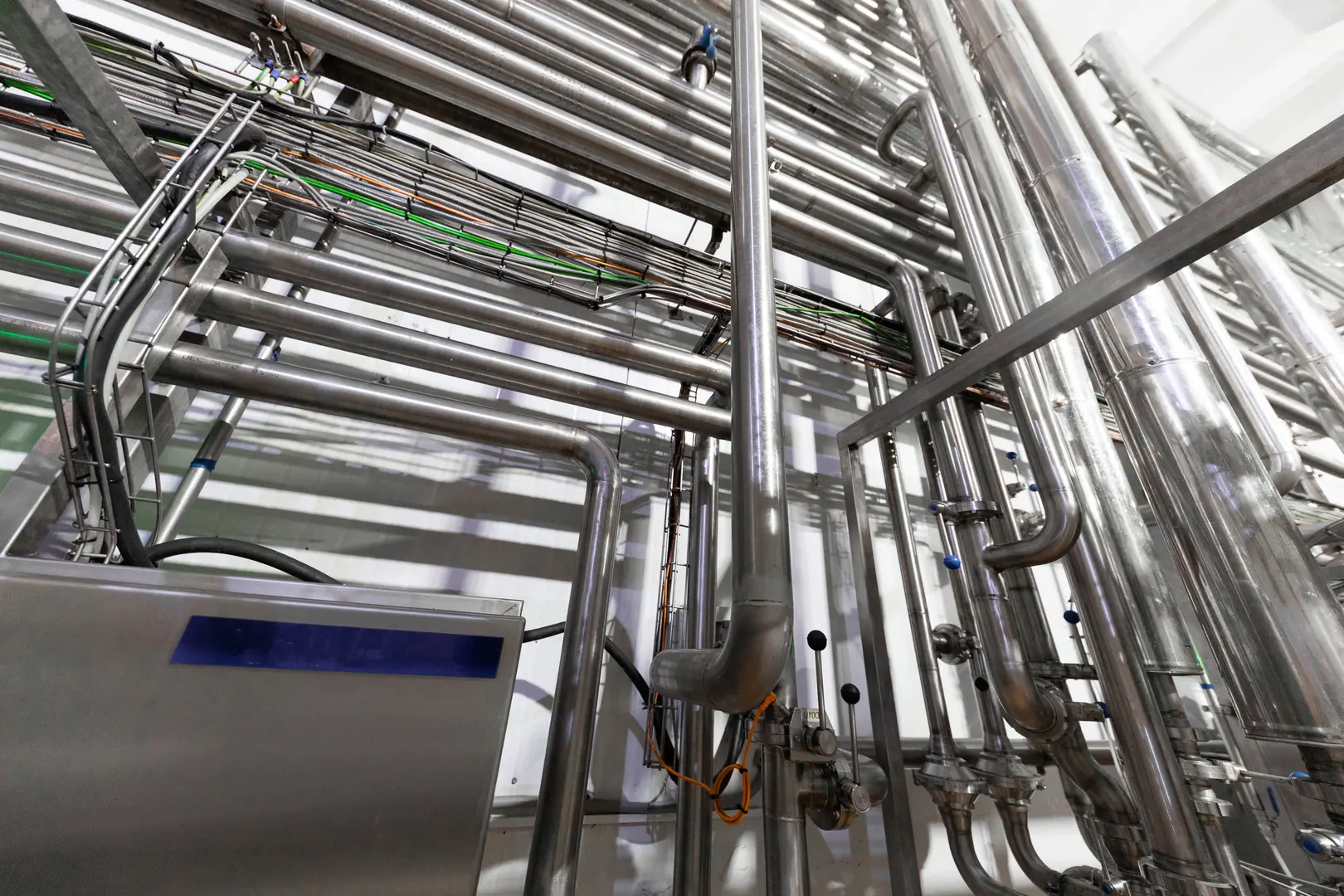
The final decision should always be based on a thorough analysis of your project's specific requirements. At MFY, our goal is not just to sell steel; it's to provide the right solution that ensures our clients' success. We’ve built our reputation on helping our partners navigate these choices effectively.
High-Stakes Applications (Oil & Gas, Chemical)
In industries where a failure is not an option, the choice is clear: seamless. The uniform strength and absence of a potential weak point are non-negotiable when dealing with flammable materials, toxic chemicals, or extreme pressures and temperatures. The risk of a leak or rupture far outweighs any potential cost savings from using welded pipe. Here, the reliability of seamless SS 316 is paramount.
General-Purpose Applications (Construction, Water Treatment)
For many applications, the superior performance of seamless pipe is simply overkill. In architectural handrails, structural supports, or low-pressure water and drainage systems, a welded pipe performs perfectly well and delivers significant cost savings. I worked with a construction contractor on a large commercial building who saved nearly 25% on their materials budget by using welded 304 pipe for all non-critical plumbing and structural elements, allowing them to allocate more funds to high-visibility finishes.
Here is a simple decision-making guide:
| Application Criteria | Recommended Pipe Type | Обоснование |
|---|---|---|
| High Pressure (>1000 psi) | Бесшовные | Eliminates risk of weld seam failure under stress. |
| High Temperature (>500°C) | Бесшовные | Maintains structural integrity without a heat-affected zone. |
| Aggressive Corrosion | Бесшовные | Avoids potential for localized corrosion at the weld. |
| Budget-Driven Project | Сварные | Offers significant upfront cost savings. |
| Structural/Architectural | Сварные | Provides excellent strength-to-cost ratio for non-critical loads. |
| Low-Pressure Fluid | Сварные | Cost-effective and reliable for general fluid transport. |
Заключение
The choice between seamless and welded SS 316/304 pipe is a strategic balance of cost and performance. Seamless pipes offer unmatched reliability for critical applications, while welded pipes provide excellent value for general-purpose use. Aligning your selection with specific operational demands ensures both safety and economic efficiency.
У вас есть вопросы или нужна дополнительная информация?
Свяжитесь с нами, чтобы получить индивидуальную помощь и квалифицированный совет.


 Русский
  English