Polished vs. Satin Stainless Steel: Cost, Durability, and Supply Chain Impact
Choosing the right stainless steel finish feels complex. The wrong decision can impact your budget, product performance, and even your supply chain. Let's clarify the key differences.
Polished stainless steel offers a premium, reflective look at a higher cost due to intensive labor. Satin finishes provide a durable, low-glare, and cost-effective solution that excels at hiding scratches, making it ideal for functional applications. The choice depends on balancing aesthetics with practicality.
As the Global Business Director at MFY, I've guided hundreds of clients through this exact decision. It’s a classic trade-off between aesthetic appeal and functional resilience. The choice you make has ripple effects, influencing not just the final product's look and feel, but also its manufacturing cost and long-term durability. Let's dive deeper into the factors that matter most to your business, so you can make an informed decision that aligns with your operational goals and budget.
What are the cost differences between polished and satin stainless steel?
Budgeting for materials can be tricky. Hidden processing costs can inflate your project expenses unexpectedly. Understanding the real cost drivers between finishes is key to accurate financial planning.
Polished stainless steel is significantly more expensive than satin finishes. The price difference comes from the multi-stage, labor-intensive grinding, buffing, and finishing processes required to achieve a mirror-like surface, which are not needed for the simpler, brushed satin finish.
When we talk about cost, it's crucial to look beyond the base material price. The real differentiator is the labor and time invested in the surface finish. I often tell my clients that you are paying for man-hours and machine time. A satin finish is relatively straightforward, but a highly polished, mirror-like surface requires a meticulous and multi-step approach.
The Labor Factor in Polished Finishes
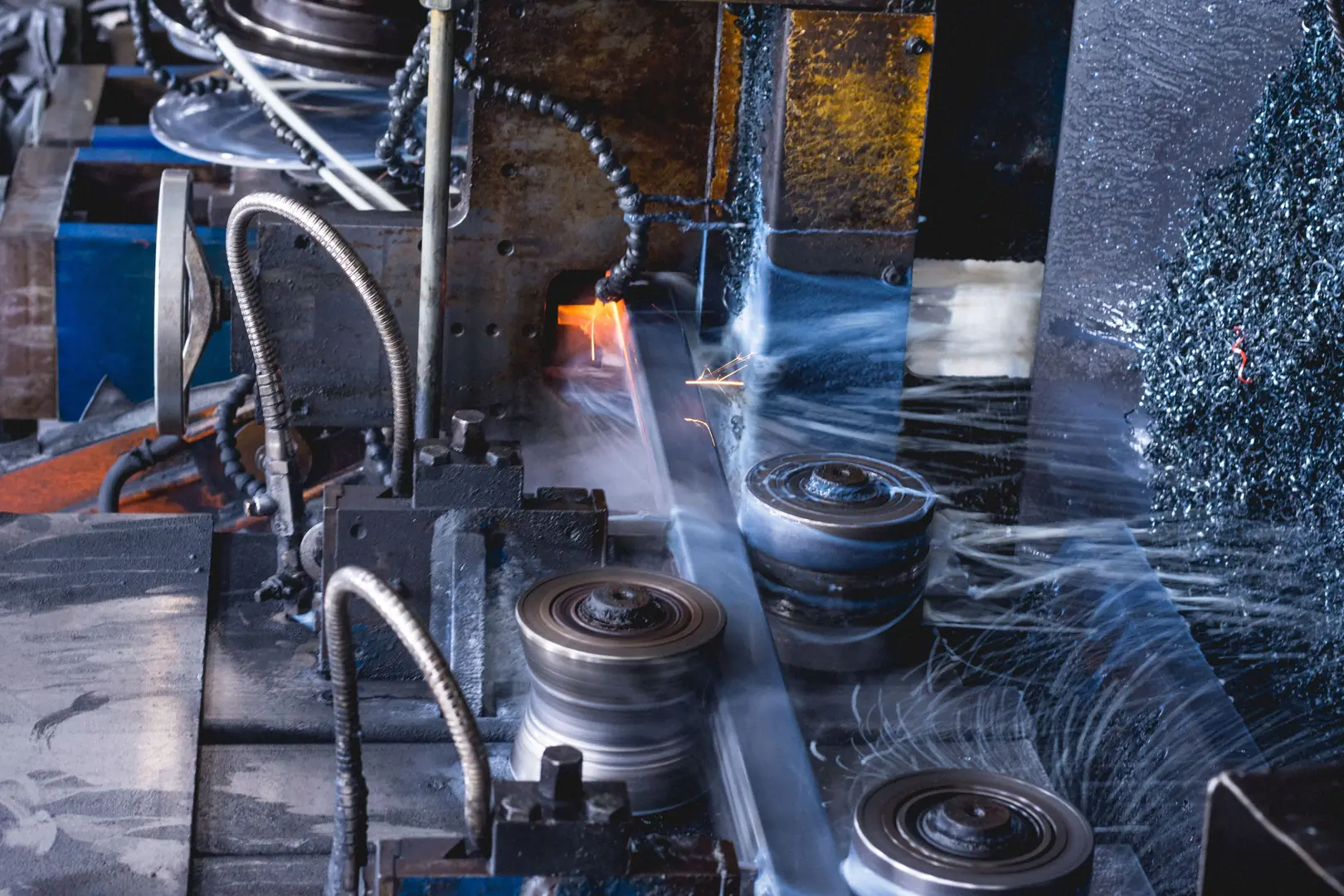
Achieving a polished surface, like a #8 mirror finish[^1], is an art as much as a science. It involves several stages of abrasive grinding[^2] to remove surface defects, followed by buffing with progressively finer compounds. Each step must be done perfectly to achieve a flawless, reflective surface. This process is not only time-consuming but also requires skilled technicians, driving up labor costs. The more reflective the finish, the more labor is involved, and therefore, the higher the cost.
The Pragmatism of Satin Finishes
A satin finish, often referred to as a #4 brushed finish, is created by scratching the surface with a fine abrasive belt or wheel in a uniform direction. It's a single-step, highly efficient process compared to polishing. This efficiency translates directly into lower production costs, making it the go-to choice for projects where budget and functionality are the primary concerns.
| Фактор стоимости | Polished Finish | Satin Finish |
|---|---|---|
| Labor Intensity | High (Multi-step process) | Low (Single-step process) |
| Production Time | Longer | Shorter |
| Equipment Needs | Specialized buffing machines | Standard brushing equipment |
| Typical Cost | Premium | Standard / Economical |
How does the durability of polished stainless steel compare to satin finishes?
You need a finish that looks good on day one and day 1000. Scratches, smudges, and daily wear can ruin a product's appearance. Let's compare which finish stands up best.
Satin stainless steel is generally more durable for everyday use because its grained pattern effectively hides minor scratches, smudges, and fingerprints. Polished finishes, while smooth, are highly susceptible to showing every small abrasion and mark, requiring more frequent maintenance.
From a purely technical standpoint, the corrosion resistance[^3] of the underlying stainless steel (e.g., 304 or 316) is identical regardless of the surface finish. However, durability in the real world is about more than just rust. It’s about how the material handles daily interaction. I remember a client, a major manufacturer of commercial kitchen equipment in Europe, who was debating this. They loved the premium look of polished steel for their countertops. We supplied them with samples of both. After a week of simulated use in their test kitchen, the choice was clear.
Scratch Resistance and Visibility
The key advantage of a satin finish is its linear grain. When the surface gets a minor scratch that runs in the same direction as the grain, it becomes nearly invisible. This makes it incredibly practical for high-traffic areas like kitchen appliances, elevator panels, and public fixtures. A polished, mirror-like surface has nowhere to hide imperfections. Every fingerprint, smudge, and hairline scratch stands out, which can be a maintenance nightmare in a busy environment.
Maintenance and Long-Term Appearance
While a polished surface is technically smoother and non-porous, making it easy to wipe clean, it also requires constant attention to maintain its pristine look. Satin finishes are more forgiving. They don't show smudges as easily and can be cleaned effectively with standard methods. For industrial or heavy-duty applications, the lower maintenance burden of a satin finish makes it the more resilient and practical choice, ensuring the product looks better for longer with less effort.
What impact do polished and satin finishes have on the stainless steel supply chain?
Unexpected lead times[^4] can derail your project schedule. Inventory mismatches between what you need and what your supplier has in stock cause costly delays. Understanding finish-specific supply is crucial.
The choice of finish directly impacts inventory management and lead times. Satin finishes are typically a standard, high-volume stock item with shorter lead times. Polished finishes are often processed to order, requiring longer lead times and more complex production scheduling.
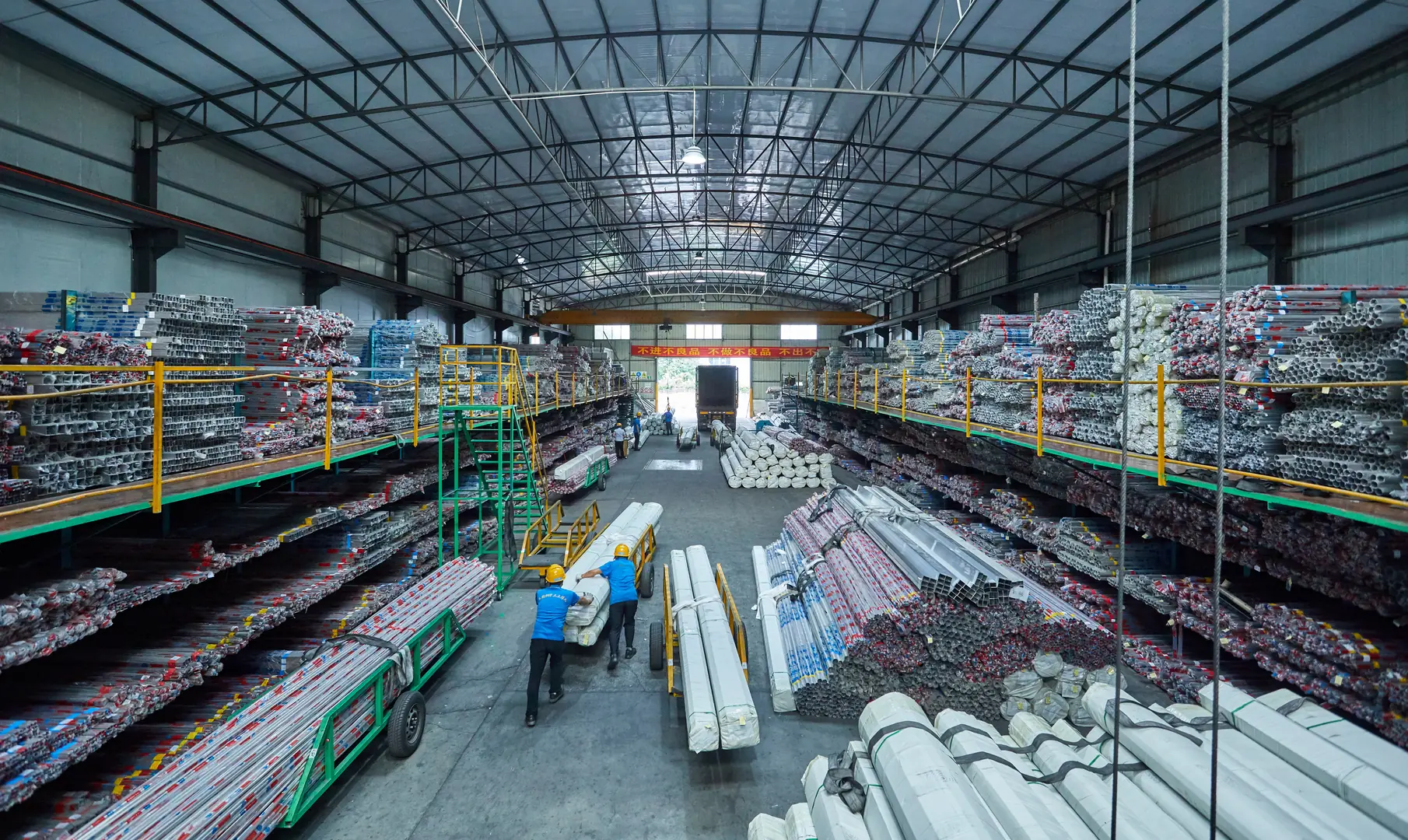
At MFY, our integrated supply chain gives us a unique view of how these choices play out on a global scale. The demand for satin versus polished steel dictates how we, and the industry at large, manage our resources. It's a constant balancing act between stocking for function and preparing for aesthetic demand.
Inventory and Demand Forecasting
Satin-finished stainless steel, particularly grade 304 with a #4 finish, is the workhorse of the industry. It's used in everything from kitchen sinks to industrial equipment. Because of this broad, consistent demand, manufacturers and distributors like us maintain deep inventory levels. Polished steel, on the other hand, is more of a specialty product. Its demand is concentrated in specific sectors like high-end architecture and decorative applications. As a result, it is often not a standard stock item; it's finished on-demand, which means you need to plan for it.
Lead Times and Production Scheduling
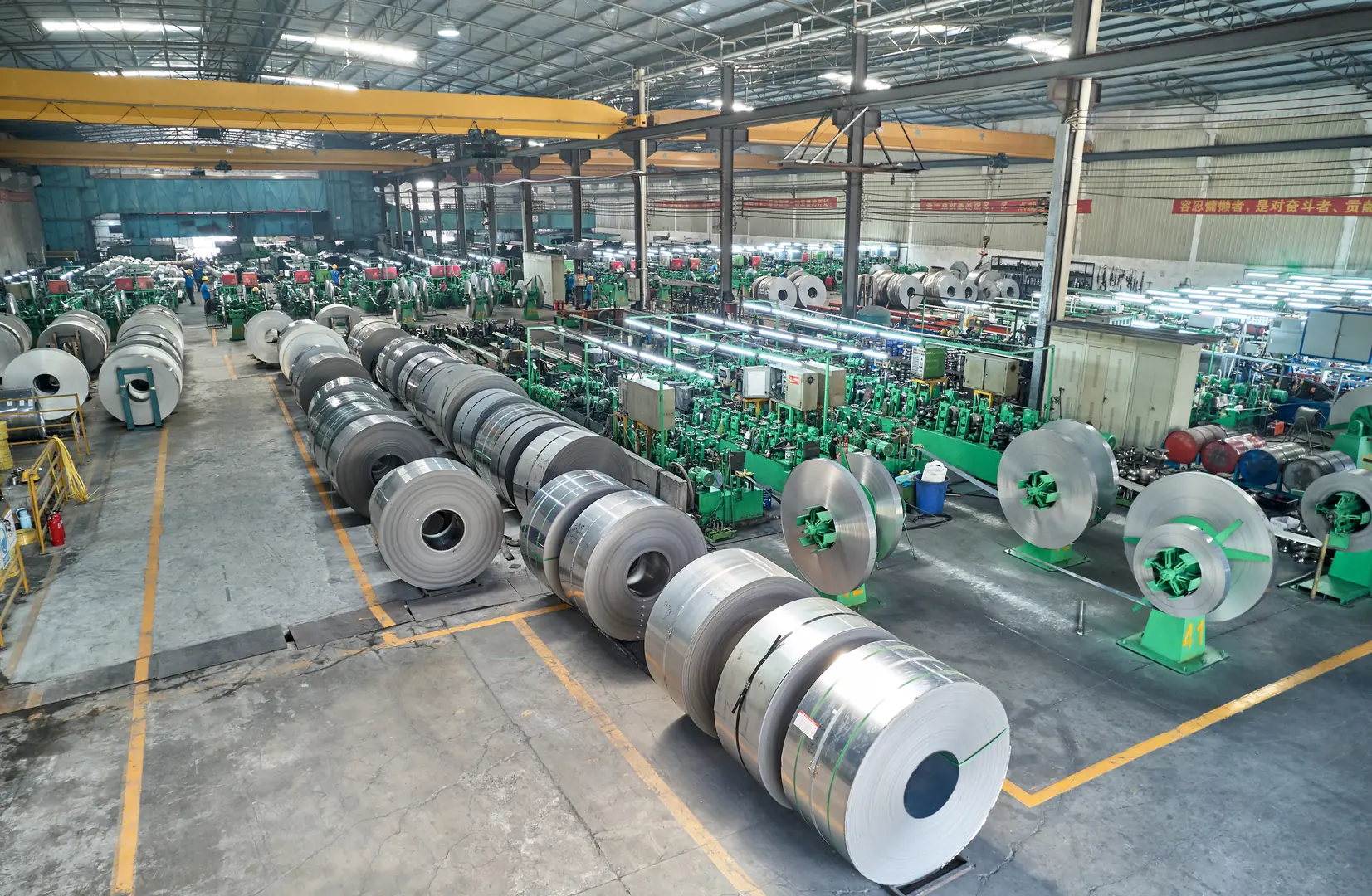
This inventory strategy has a direct impact on your project timeline. If you need a standard satin-finished coil or sheet, we can often ship it rapidly from our existing inventory. If you require a #8 mirror polished finish, it must be scheduled into the production line for the additional processing steps. This can add days or even weeks to your lead time. This is why we always advise our clients to discuss their finish requirements early in the procurement process. An adaptive supply chain strategy, which is core to our philosophy at MFY, means we can help clients forecast these needs and optimize their ordering schedule to avoid delays.
| Supply Chain Factor | Polished Finish | Satin Finish |
|---|---|---|
| Typical Stock Level | Low / Processed-to-order | High / Readily available |
| Average Lead Time | Longer | Shorter |
| Market Focus | Niche / Aesthetic | Broad / Functional |
How can companies optimize their choice between polished and satin stainless steel?
Making the wrong material choice is a costly mistake. It can lead to budget overruns or a product that fails to perform in its environment. A simple framework can help you choose correctly.
To optimize your choice, focus on the application's primary requirement. Balance aesthetics, functional durability, budget, and the expected level of human interaction. This ensures you select the most cost-effective finish that meets the product's long-term performance goals.
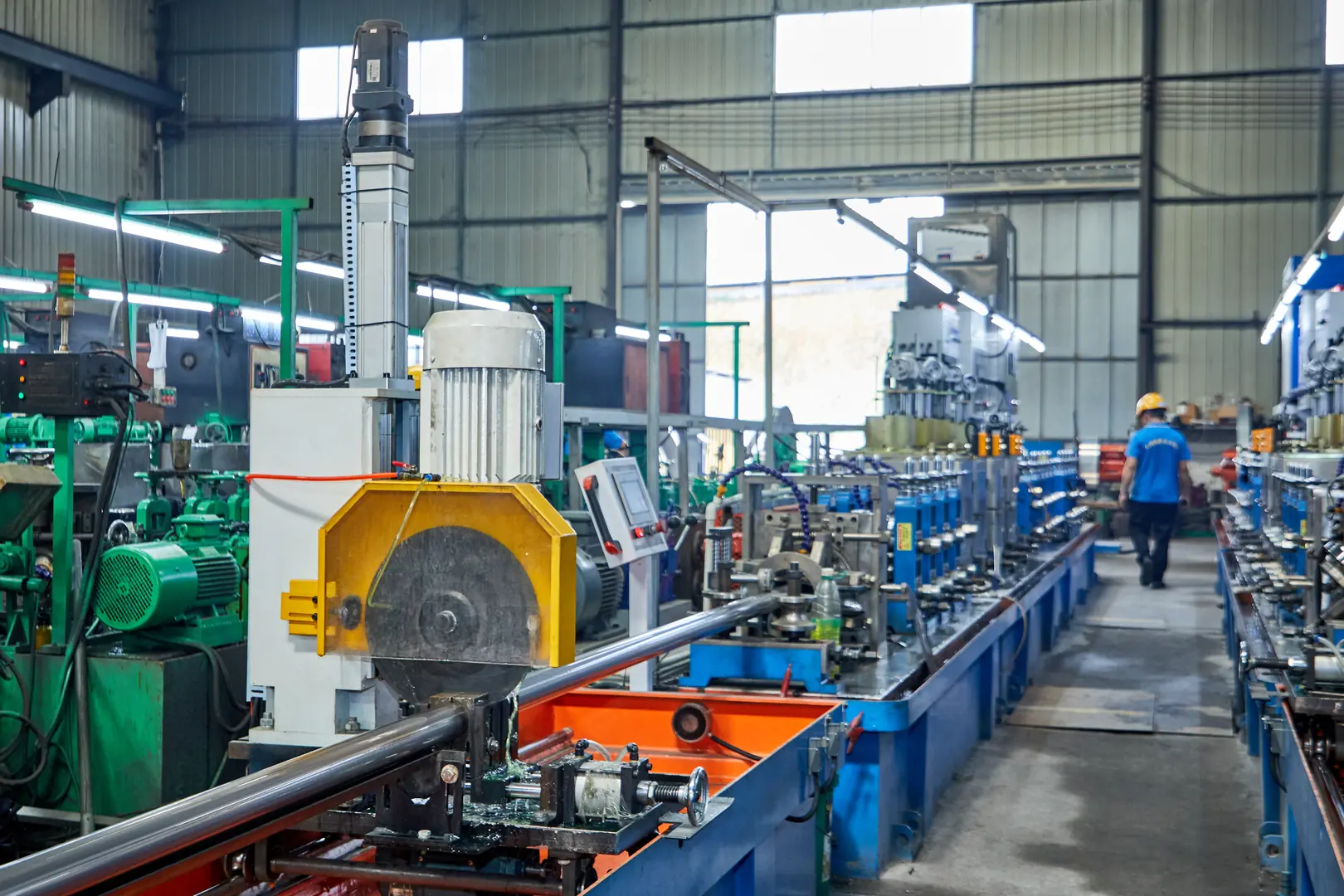
The best decision is rarely about which finish is "better" in a vacuum; it's about which is "right" for a specific context. I guide my clients through a simple but effective thought process to land on the optimal solution. It starts with asking one fundamental question: What is the primary job of this surface?
The Application-First Approach
First, define the environment and purpose. Will this component be a visual centerpiece in a luxury hotel lobby, or a functional part of an industrial machine? If it's for visual appeal and will be seen up close by customers, the premium cost of a polished finish can be a worthwhile investment in branding. If it's in a high-traffic, functional area, the durability and low maintenance of a satin finish will provide better long-term value.
Total Cost of Ownership (TCO)
Look beyond the initial purchase price. Consider the Total Cost of Ownership, which includes maintenance. A polished surface in a public space might require daily cleaning to look its best, adding to operational labor costs over the product's lifetime. A satin finish, being more forgiving, requires less intensive upkeep. In some cases, the lower TCO of a satin finish can make it the more economical choice even if the initial budget allows for polished. At MFY, our role is to be a partner, not just a supplier. We help you analyze these factors to ensure the material you procure is the one you actually need for sustainable success.
What are the recommendations for selecting polished or satin stainless steel in different applications?
You need clear, real-world examples. Abstract advice is not enough to make a confident decision. Here are specific recommendations based on common industrial and commercial applications.
For high-visibility architectural and decorative elements, choose a polished finish. For industrial, commercial, and high-traffic applications where durability and low maintenance are key, a satin finish is the superior and more cost-effective choice.
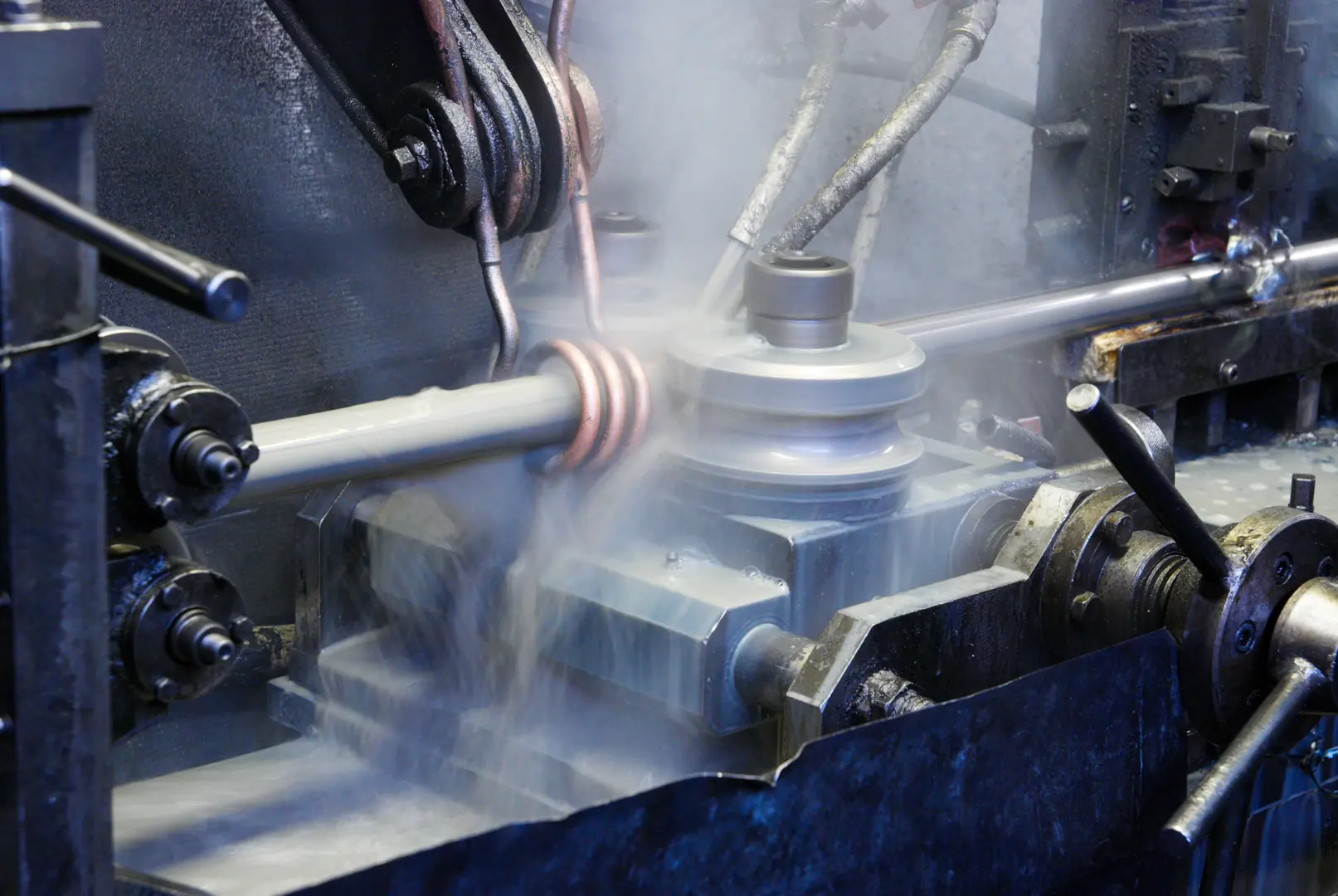
Over the years, I've seen these materials used in thousands of different ways. This experience has helped us at MFY develop clear guidelines for our partners. The following table breaks down our typical recommendations, but we always encourage a direct conversation to discuss the unique details of your project.
Typical Recommendations
| Приложение | Recommended Finish | Обоснование |
|---|---|---|
| Architectural Facades & Trim | Polished (#8 Mirror) | Delivers high aesthetic impact and a premium, modern look. It reflects light and makes a strong visual statement. |
| Commercial Kitchen Surfaces | Satin (#4 Brushed) | Hides the inevitable scratches and wear from heavy use. Low glare is also better for a busy work environment. |
| Medical & Food Processing | Polished (Mirror) or 2B | A smooth, non-porous polished surface is the easiest to clean and sterilize, critical for hygienic applications. |
| Industrial Equipment Housings | Satin (#4 Brushed) | Extremely cost-effective and durable. It withstands the factory environment and hides minor dings and abrasions. |
| Elevator Doors & Panels | Both (Application-Dependent) | A classic trade-off. Polished for luxury hotels to convey elegance; satin for busy offices or malls for durability. |
| Automotive Trim | Polished | Used for decorative purposes to provide bright, eye-catching accents that enhance the vehicle's design. |
Заключение
The choice between polished and satin stainless steel is a strategic one. It's a balance of cost, long-term durability, and the specific demands of your application. Satin is the reliable workhorse for functional needs, while polished provides unmatched aesthetic appeal for high-impact designs.
У вас есть вопросы или нужна дополнительная информация?
Свяжитесь с нами, чтобы получить индивидуальную помощь и квалифицированный совет.





 Русский
  English