
Heat Treatment and ASME Standards for High-Pressure Stainless Boiler Tubes
Struggling with boiler tube integrity under extreme pressure? The wrong heat treatment[^1] can lead to catastrophic failure. Proper processes aligned with ASME standards are the solution for safety and reliability.
Heat treatment and ASME standards intersect to guarantee the metallurgical integrity and mechanical properties of high-pressure stainless boiler tubes. This synergy ensures tubes can safely withstand extreme temperatures and pressures, preventing failures and maximizing operational longevity in critical industrial applications.
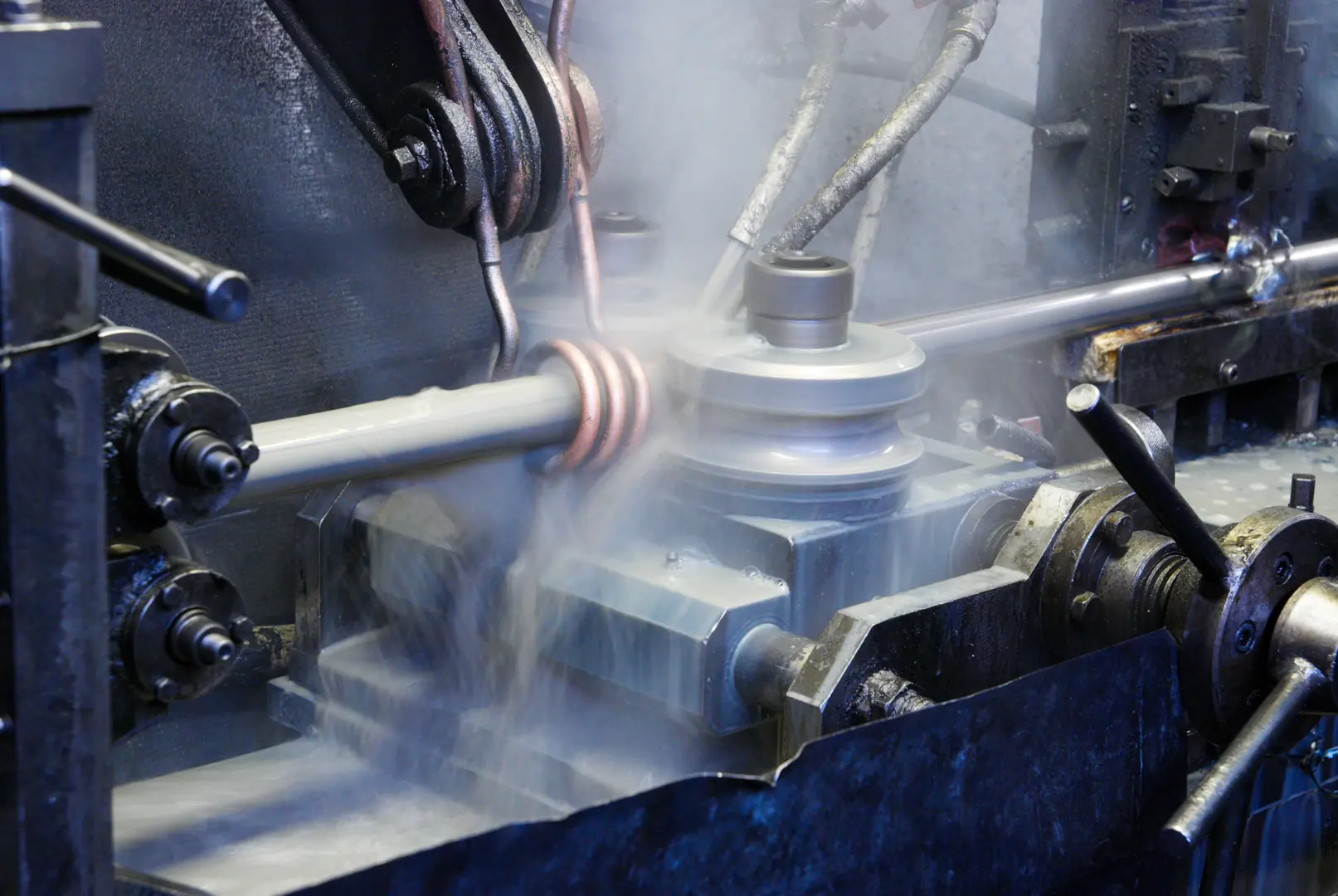
This is a topic I discuss frequently with clients at MFY. It's not just about meeting a standard; it's about understanding the deep connection between material science and operational safety. This intersection is where performance is born and where catastrophic failures are prevented. Let's explore why this is so critical for modern industry and how we can ensure excellence in every tube we produce.
What Are High-Pressure Stainless Boiler Tubes and Why Do They Matter?
Do you need components that can handle intense heat and pressure? Standard tubes won't suffice, risking system failure. High-pressure stainless boiler tubes are engineered specifically for these demanding environments.
High-pressure stainless boiler tubes are specialized components made from alloys like 304H or 316H, designed to operate reliably in superheaters and reheaters. They matter because they are essential for safety, efficiency, and longevity in power generation and chemical processing plants.
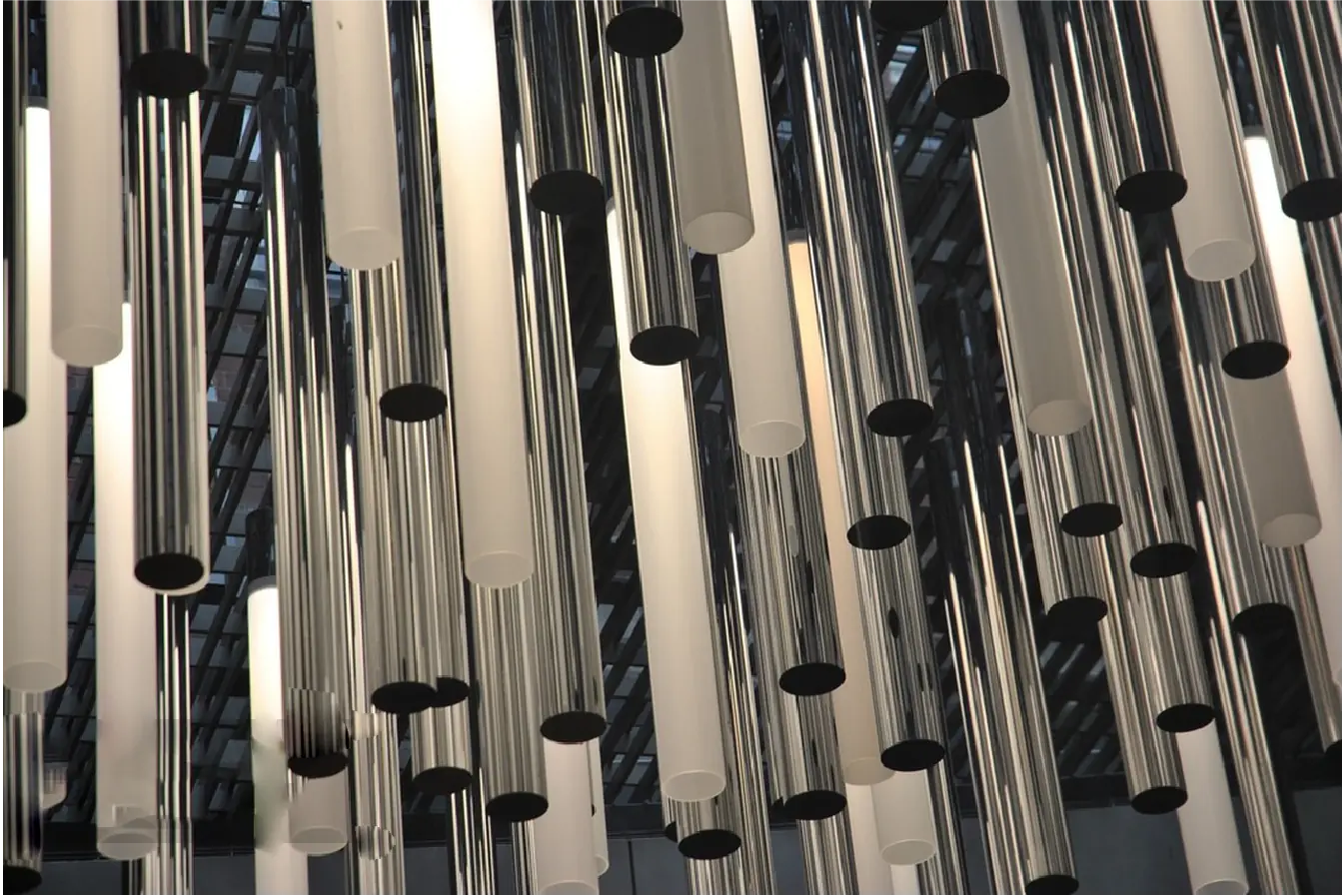
When we talk about high-pressure boiler tubes, we're discussing the very heart of many industrial processes. These aren't just simple pipes; they are mission-critical components that must perform flawlessly under some of the most punishing conditions imaginable—often involving temperatures exceeding 600°C and immense internal pressures. I've seen firsthand in power plants across Southeast Asia how a single tube failure can lead to unplanned shutdowns, costing millions in lost revenue and posing significant safety risks. The primary role of these tubes is to transfer heat to water or steam efficiently, a process that is fundamental to generating electricity or driving chemical reactions. Their integrity directly impacts a facility's ability to optimize energy efficiency and minimize downtime. This is why material selection and manufacturing precision are paramount.
Core Functionality and Material Selection
The functionality of these tubes relies heavily on the material's ability to resist creep, corrosion, and oxidation at high temperatures. This is where specific grades of stainless steel come into play. We don't use standard stainless steel; we use grades engineered for this exact purpose.
| Класс | Key Characteristics | Typical Application |
|---|---|---|
| 304H | Good high-temperature strength, cost-effective | Superheaters, Reheaters |
| 316H | Higher creep resistance due to Molybdenum (Mo) | More demanding environments |
| 321H | Stabilized with Titanium (Ti) to prevent sensitization | High-temperature cycling |
| 347H | Stabilized with Niobium (Nb) for better weldability | Welded constructions |
Choosing the right material is the first step in a long process of ensuring reliability. But without the correct heat treatment, even the best alloy will fail to meet the stringent demands of the ASME Boiler and Pressure Vessel Code (BPVC).
What Are the Current Heat Treatment Practices for These Tubes?
Unsure which heat treatment is best for your boiler tubes? The wrong choice degrades material properties, causing premature failure. Understanding common practices like solution annealing ensures optimal performance and compliance.
Current heat treatment practices for stainless steel boiler tubes primarily involve solution annealing (or solution treating). This process heats the steel to a high temperature, followed by rapid cooling to dissolve carbides and create a uniform, corrosion-resistant microstructure.
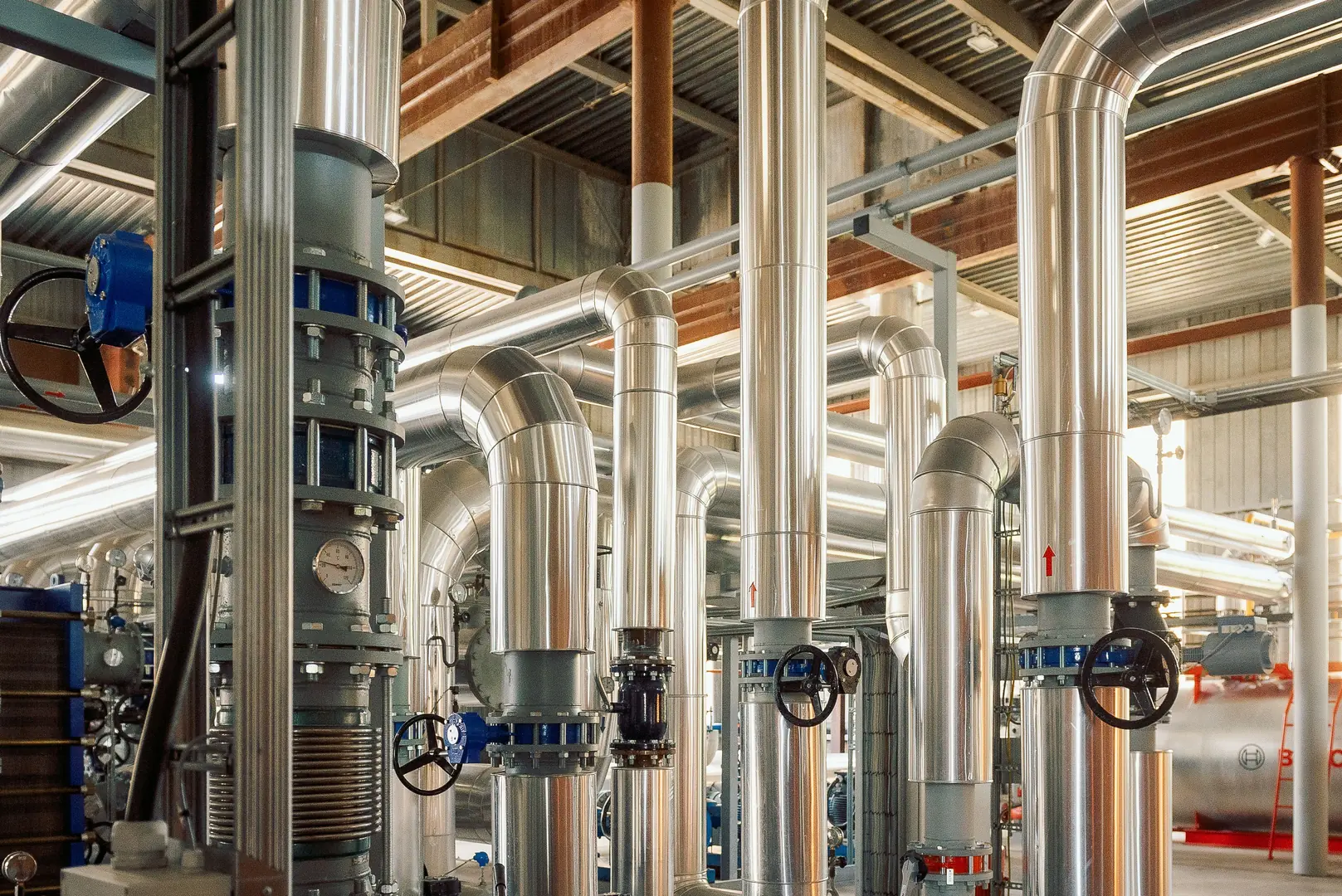
At MFY, we consider heat treatment to be one of the most critical stages of production. It's a precise science that fundamentally re-engineers the steel at a microscopic level. For austenitic stainless steels[^2] used in boiler tubes, solution annealing is the industry standard for a reason. This process isn't just about heating and cooling; it's about creating a specific metallurgical state that provides the optimal balance of strength, ductility, and corrosion resistance required for high-pressure service. I remember a client who tried to cut costs by using a supplier with subpar heat treatment facilities. The resulting tubes failed inspection due to inconsistent grain structure, causing a major project delay. This is a perfect example of why this step cannot be compromised. The entire process is designed to ensure the material is in its most stable and robust condition before it ever reaches the field.
The Solution Annealing Process
The goal of solution annealing is to create a homogenous austenitic microstructure, free from harmful carbide precipitates. This is achieved through a carefully controlled thermal cycle. The process transforms the steel, making it ready for the extreme operational conditions it will face.
| Step | Описание | Назначение |
|---|---|---|
| Heating | The tube is heated to a specific temperature, typically between 1040°C and 1150°C. | To dissolve chromium carbides back into the steel matrix. |
| Soaking | The tube is held at this temperature for a predetermined amount of time. | To ensure a uniform temperature throughout the tube's cross-section. |
| Quenching | The tube is rapidly cooled, usually in water or forced air. | To "lock" the carbon in solution and prevent re-precipitation. |
The Goal: Microstructural Integrity
Ultimately, the success of the heat treatment is measured by the final microstructure of the steel. A successful treatment results in a uniform grain size and ensures that elements like chromium are evenly distributed. This uniformity is what provides the exceptional corrosion resistance and high-temperature strength that ASME standards demand. It's a testament to the evolving metallurgical advancements that enable superior thermal resistance and drive the future of boiler tube technology.
What Challenges Arise When Meeting ASME Standards?
Finding it difficult to meet strict ASME standards? Inconsistent heat treatment can cause non-compliance and project delays. The main challenges are achieving uniform properties and avoiding defects like sensitization.
The primary challenges in meeting ASME standards involve maintaining precise temperature control during heat treatment, ensuring uniform grain size, and preventing sensitization. This is a condition where chromium carbides precipitate at grain boundaries, reducing corrosion resistance and mechanical strength.
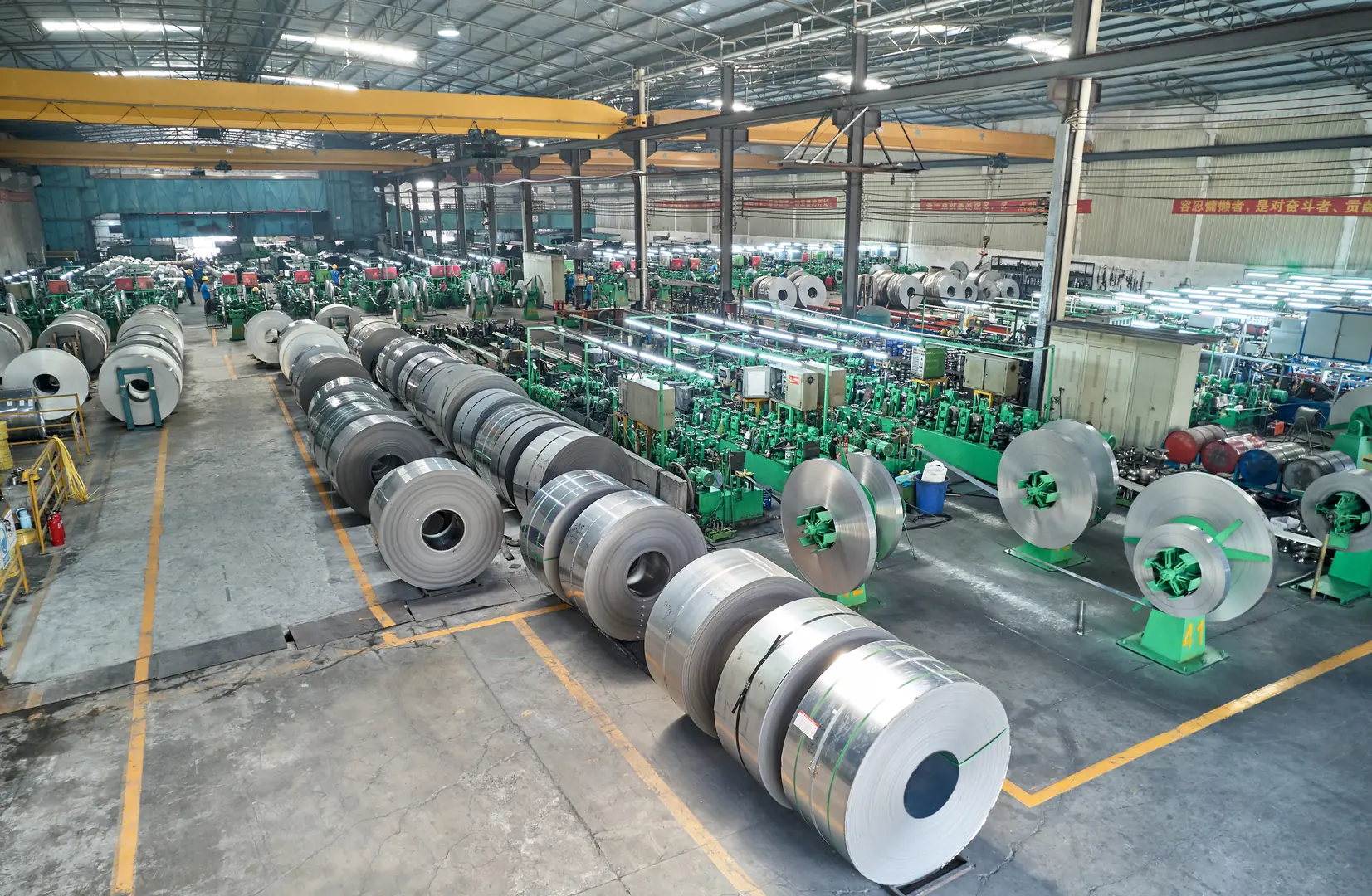
Meeting ASME standards isn't a simple checklist; it's a rigorous process that demands absolute precision. The challenges are real, and they often stem directly from the heat treatment cycle. One of the biggest hurdles we face as manufacturers is ensuring complete uniformity. A large industrial furnace can have temperature variations, or "cold spots," that can lead to inconsistent properties along the length of a tube. If one section is not heated or cooled correctly, its microstructure will differ, creating a weak point. This is why our process control systems are so advanced. We monitor and record data from multiple thermocouples to ensure every inch of every tube receives the exact thermal cycle required by the standard. This addresses the core industry need for reliability and compliance.
The Threat of Sensitization
Sensitization is the primary enemy of stainless steel in high-temperature applications. It occurs when the steel is held within a critical temperature range (around 450°C to 850°C), causing chromium to bond with carbon and form chromium carbides at the grain boundaries. This depletes the chromium in the surrounding area, making the steel highly susceptible to intergranular corrosion. A properly executed solution anneal and rapid quench are designed specifically to avoid this.
Process Control and Documentation
Another major challenge is documentation. ASME requires meticulous record-keeping for every step of the process. We must be able to prove, with data, that each tube was treated correctly. This includes furnace temperature charts, soaking times, and quenching parameters, all tied to a specific heat number for full traceability.
| Вызов | Impact on ASME Compliance |
|---|---|
| Inconsistent Temperature | Non-uniform mechanical properties, failing tensile tests. |
| Slow Cooling Rate | Risk of sensitization, leading to corrosion failure. |
| Incorrect Soaking Time | Incomplete dissolution of carbides or excessive grain growth. |
| Poor Documentation | Inability to certify the product, leading to rejection. |
Overcoming these challenges requires a deep investment in technology, training, and robust quality management systems.
What Strategies Can Overcome Heat Treatment Challenges?
Facing production hurdles from heat treatment issues? These problems can compromise your entire project. Adopting advanced process controls and using low-carbon steel grades are key strategies for success.
Strategies to overcome heat treatment challenges include using advanced furnace technology for precise temperature control, employing rapid quenching techniques to prevent sensitization, and selecting stabilized or low-carbon stainless steel grades (like 304L or 316L) where appropriate for the application.
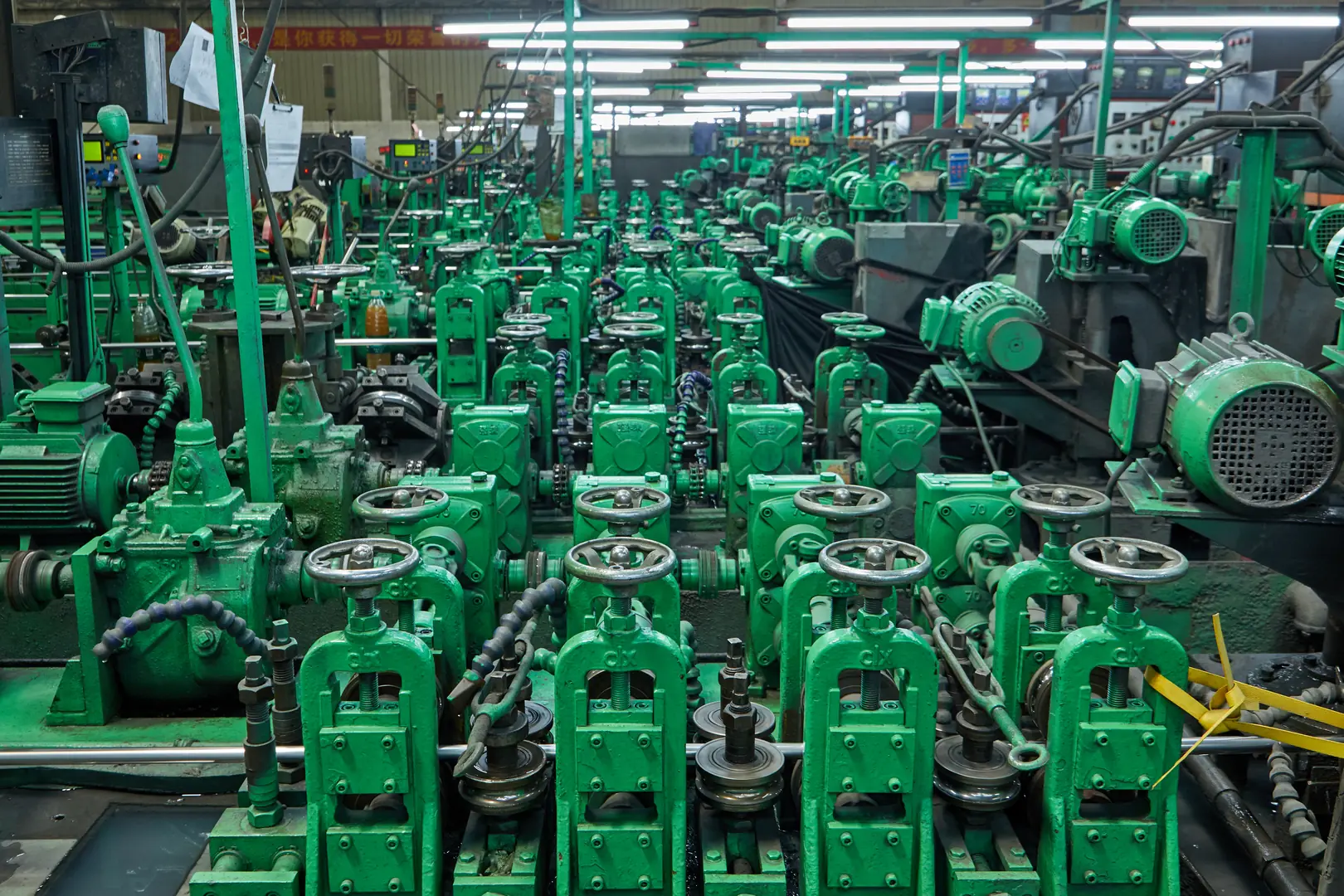
In my role, I've seen how innovation directly translates into reliability. We don't just follow standards; we actively develop strategies to exceed them. The key is to address the root causes of heat treatment variability head-on. This isn't about working harder; it's about working smarter by leveraging technology and material science. For example, we've invested heavily in modern roller-hearth furnaces that provide exceptional temperature uniformity compared to older batch furnaces. This technology allows us to process tubes continuously with a much tighter control over the thermal cycle, which is a game-changer for consistency. This proactive approach is part of a larger shift towards more sustainable and resilient industrial practices, ensuring that the components we produce contribute to safer and more efficient energy solutions globally.
Leveraging Advanced Technology
Modern technology is our greatest ally. Computer-controlled furnaces with multiple heating zones allow for precise temperature profiles, while automated handling systems ensure that each tube is quenched within seconds of exiting the furnace. This minimizes the time spent in the sensitization temperature range. Furthermore, infrared pyrometers provide real-time surface temperature readings, giving us an extra layer of data to validate our process control.
Smart Material Selection
Sometimes, the best strategy is to design the problem out of the material itself. Where application parameters allow, using specific steel grades can provide an extra margin of safety.
| Grade Type | Example | Advantage in Heat Treatment |
|---|---|---|
| Low Carbon (L) | 304L, 316L | Less carbon available to form chromium carbides, reducing sensitization risk. |
| Stabilized | 321H, 347H | Contains Ti or Nb, which preferentially bond with carbon, leaving chromium free. |
By combining advanced furnace technology with intelligent material selection, we can create a robust manufacturing process that consistently produces high-quality, ASME-compliant boiler tubes.
What Are the Key Technical Recommendations for Ensuring ASME Compliance?
Need a clear path to ASME compliance? Ambiguity leads to costly errors and rework. The solution lies in rigorous testing, detailed documentation, and partnering with a certified supplier.
Key technical recommendations for ensuring ASME compliance include implementing a robust Quality Management System (QMS), conducting comprehensive mechanical and non-destructive testing (NDT), maintaining meticulous heat treatment records, and ensuring full material traceability from raw material to final product.
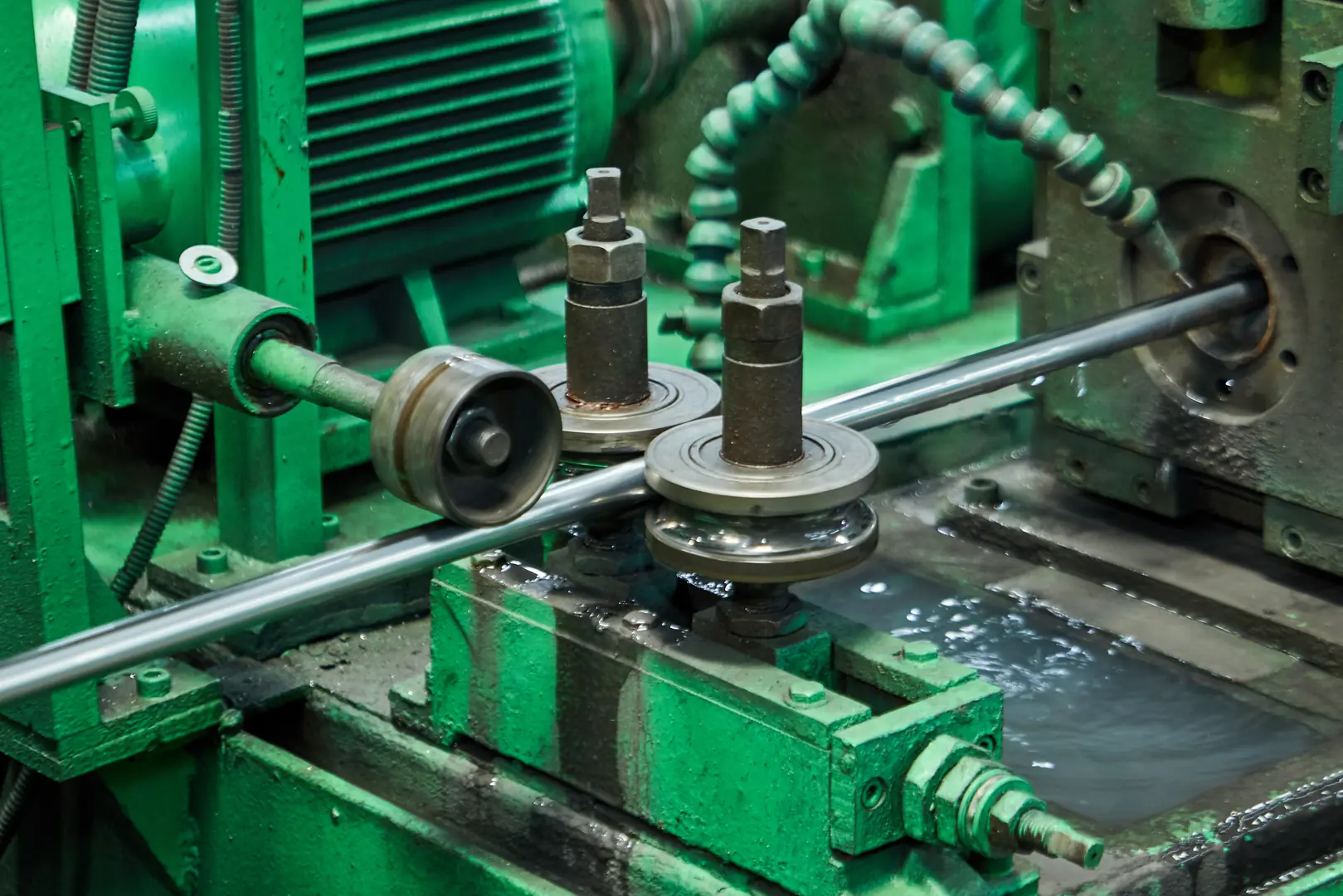
Compliance is not an accident; it's the result of a deliberate and systematic approach. I often tell my team that the ASME stamp is earned in the workshop, not in the office. It's about building quality into every step. I remember a client in Germany who was struggling with inconsistent certification from their previous supplier. We walked them through our entire process, from raw material verification to final NDT reports. They saw our QMS in action and understood that for us, compliance is an active, living process. This trust is the foundation of our business. It begins with a comprehensive quality system that governs every action we take, ensuring nothing is left to chance.
Implementing a Robust QMS
A strong QMS is the backbone of compliance. It defines procedures for everything: how raw materials are inspected, how furnace temperatures are calibrated, how tests are performed, and how records are maintained. It ensures that everyone, from the furnace operator to the quality inspector, is working to the same high standard.
The Role of Testing and Traceability
Verification is critical. After heat treatment, we subject our tubes to a battery of tests to confirm they meet ASME specifications. This is where we prove that the heat treatment was successful. Full traceability ensures that we can link every test result back to a specific tube and the raw material it came from.
| Compliance Checklist | Описание |
|---|---|
| Material Test Reports | Verify the chemical composition and mechanical properties of the raw material. |
| Heat Treatment Records | Maintain detailed furnace charts showing time and temperature for each batch. |
| Mechanical Testing | Conduct tensile, hardness, and flattening tests to confirm strength and ductility. |
| Non-Destructive Testing | Use methods like Eddy Current or Ultrasonic testing to check for hidden defects. |
| Corrosion Testing | Perform tests like ASTM A262 to verify resistance to intergranular corrosion. |
| Final Certification | Issue a certified Material Test Report (MTR) that summarizes all data and confirms ASME compliance. |
By following these technical recommendations rigorously, a manufacturer can confidently produce boiler tubes that are not only compliant but also exceptionally safe and reliable.
Заключение
Mastering heat treatment in line with ASME standards is non-negotiable for high-pressure boiler tubes. It ensures safety, reliability, and performance. By focusing on process control, material selection, and rigorous testing, we can build more resilient and efficient industrial systems for the future.
У вас есть вопросы или нужна дополнительная информация?
Свяжитесь с нами, чтобы получить индивидуальную помощь и квалифицированный совет.


 Русский
  English