316 vs 304 Stainless Steel: Cost-Benefit Analysis & Procurement Advice
Choosing the right stainless steel is a critical decision. The wrong material can lead to costly failures and operational downtime. Understanding the 316 vs. 304 trade-off is key.
Choosing between 316 and 304 stainless steel depends on your application's environment and budget. 316 offers superior corrosion resistance due to molybdenum, ideal for harsh conditions, while 304 provides excellent value for general-purpose use. The best choice balances upfront cost with long-term performance.
As the Global Business Director at MFY, I've guided countless clients through this exact decision. It’s one of the most common questions in our industry, and for good reason. The choice goes far beyond a simple price comparison; it’s a strategic decision that impacts the longevity, safety, and total cost of ownership of your project. Let's break down the factors you need to consider to make the most informed and profitable choice for your business.
What are the key differences in composition between 316 and 304 stainless steel?
On the surface, these two alloys look identical. But their internal chemistry dictates their performance, and misunderstanding this can lead to premature failure. Let's look at what truly sets them apart.
The primary difference is that 316 stainless steel contains 2-3% molybdenum, which 304 lacks. This addition significantly enhances its resistance to corrosion, especially from chlorides and other industrial chemicals, making it a more robust alloy for demanding environments.
To truly understand the performance, you have to look at the recipe. Both 304 and 316 are austenitic stainless steels[^1], meaning they share a common base of iron, chromium, and nickel. The chromium is what creates the passive, corrosion-resistant layer on the surface. But the secret ingredient in 316 is molybdenum. This element is the game-changer.
The Molybdenum Advantage
Molybdenum is what gives 316 its superior resistance to точечная и щелевая коррозия[^2], particularly in environments rich with chlorides (like saltwater or de-icing salts). I remember a client in Southeast Asia who was manufacturing equipment for a coastal food processing plant. They initially specified 304 to save costs, but we advised them that the combination of salt in the air and acidic cleaning agents would quickly degrade the material. By showing them the compositional difference and its direct impact on corrosion, we helped them switch to 316, preventing a costly failure down the line. It's this one small change in composition that makes all the difference in challenging applications.
| Элемент | Grade 304 (Typical %) | Grade 316 (Typical %) | Role in the Alloy |
|---|---|---|---|
| Chromium | 18% | 17% | Primary corrosion resistance |
| Nickel | 8% | 12% | Improves formability & toughness |
| Molybdenum | 0% | 2.5% | Enhances chloride corrosion resistance |
| Carbon | < 0.08% | < 0.08% | Affects strength and weldability |
How do the mechanical properties of 316 and 304 stainless steel compare?
You need your material to be strong, durable, and workable. But do the differences in composition translate to a major difference in mechanical strength? Let's compare their key performance metrics.
Mechanically, 316 and 304 stainless steel are very similar. Both offer excellent strength, toughness, and formability. 316 often has slightly higher tensile and yield strength, but for most structural applications, the differences are not the primary decision driver.
When engineers and fabricators look at a material, they want to know how it will perform under stress. Will it bend? Will it break? Can it be easily formed into the required shape? For both 304 and 316, the answer is that they perform exceptionally well. Their austenitic structure makes them tough and ductile, which is why they are so widely used. I've seen our clients at MFY successfully use both grades for everything from structural frames to complex, deep-drawn components. The choice between them rarely comes down to a minor difference in yield strength. The real decision driver, as we've seen, is the environment the final product will live in.
A Look at the Numbers
While similar, it's useful to see the typical values side-by-side. The slightly higher strength of 316 is a minor benefit, but it's the corrosion resistance that you are truly paying for. For 90% of applications, the mechanical properties of 304 are more than sufficient. The focus should almost always be on matching the material's chemical resilience to the operational environment.
| Mechanical Property | Grade 304 (Typical) | Grade 316 (Typical) |
|---|---|---|
| Прочность на разрыв | 580 MPa | 590 MPa |
| Yield Strength (0.2%) | 230 MPa | 240 MPa |
| Elongation (% in 50mm) | 55% | 60% |
| Hardness (Brinell) | 149 | 155 |
What are the cost implications of choosing 316 over 304 stainless steel?
Budgets are always a primary concern in any project. However, a simple price-per-ton comparison can be incredibly misleading and lead to poor long-term decisions. We need to look beyond the initial invoice.
316 stainless steel is typically 20-30% more expensive than 304. This premium is due to the added cost of molybdenum and often a higher nickel content. This price difference makes 304 the default choice for cost-sensitive, general-purpose applications.
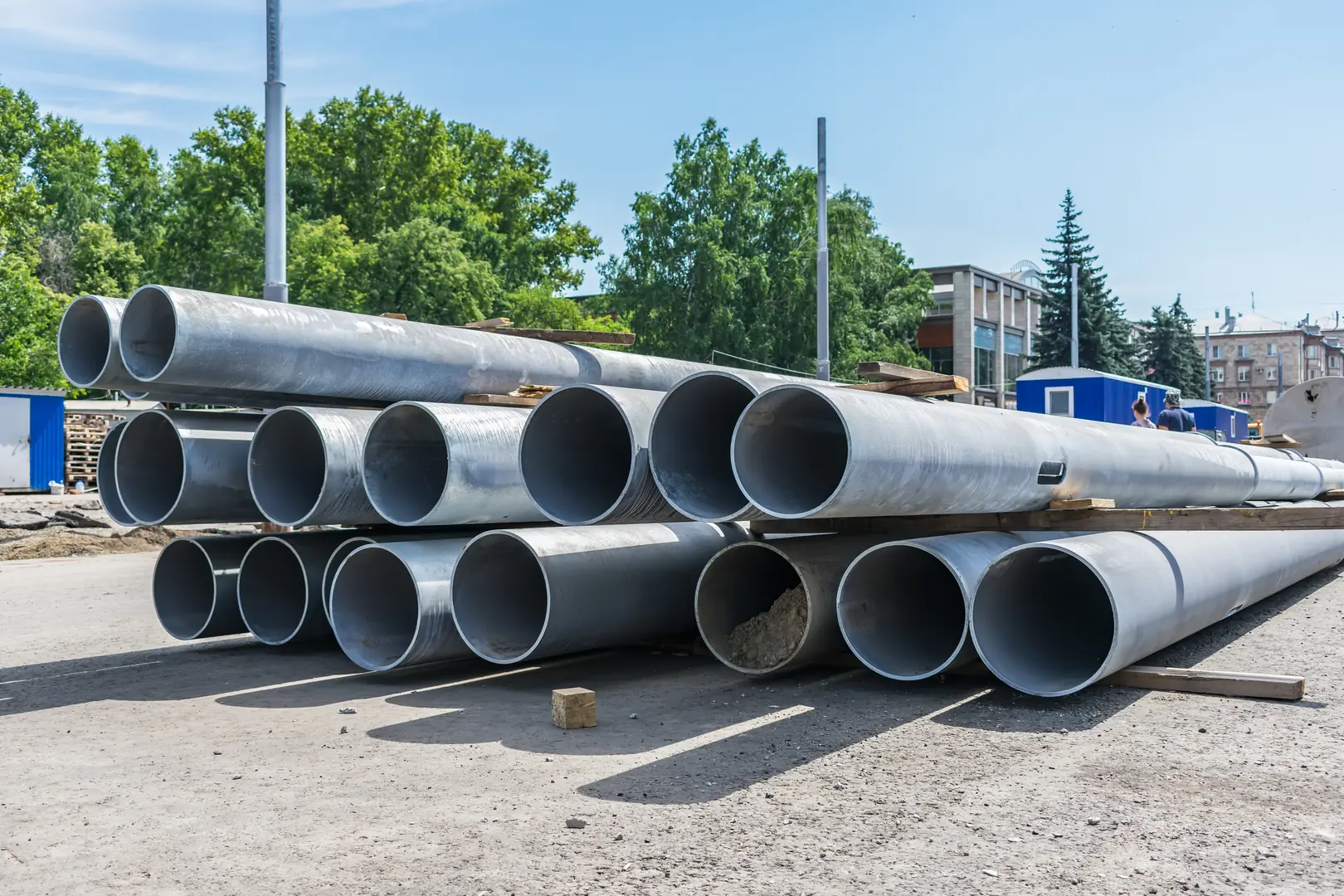
The upfront cost is where many procurement decisions are made, and it’s an undeniable factor. The raw material costs for molybdenum and nickel directly contribute to the higher price of 316. If your application is a kitchen appliance, an indoor architectural feature, or automotive trim in a dry climate, 304 is almost always the more economical and perfectly suitable choice. Paying the premium for 316 in these scenarios provides no real benefit. However, the moment the environment becomes corrosive, the conversation must shift from initial cost to total cost of ownership.
Thinking in Total Cost of Ownership (TCO)
I can’t stress this enough: the cheapest material is the one that does the job for the longest time with the least amount of maintenance. I once worked with a client in the chemical processing sector who chose 304 for a storage tank to save on the initial project budget. Within two years, chloride-induced corrosion[^3] led to leaks. The cost of downtime, lost product, and the complete replacement with a new 316 tank was nearly three times the initial savings. This is a classic example of where a TCO analysis would have pointed directly to 316 as the more cost-effective option from day one.
| Фактор стоимости | Grade 304 (Harsh Environment) | Grade 316 (Harsh Environment) |
|---|---|---|
| Первоначальная стоимость материала | $1.0X | $1.3X |
| Maintenance/Repairs | Высокий | Low / None |
| Expected Lifespan | 2-5 Years | 20+ Years |
| Total Cost | Very High | Нижний |
How do environmental factors influence the choice between 316 and 304 stainless steel?
Your project will exist in a specific environment. The wrong steel will corrode and ultimately fail if it's not suited for those conditions. Matching the grade to the environment is the most critical step in this process.
Environmental conditions are the single most important deciding factor. 304 is excellent for indoor or mild outdoor settings. 316 is essential for marine environments, coastal areas with salt spray, and facilities exposed to chlorides or harsh chemicals.
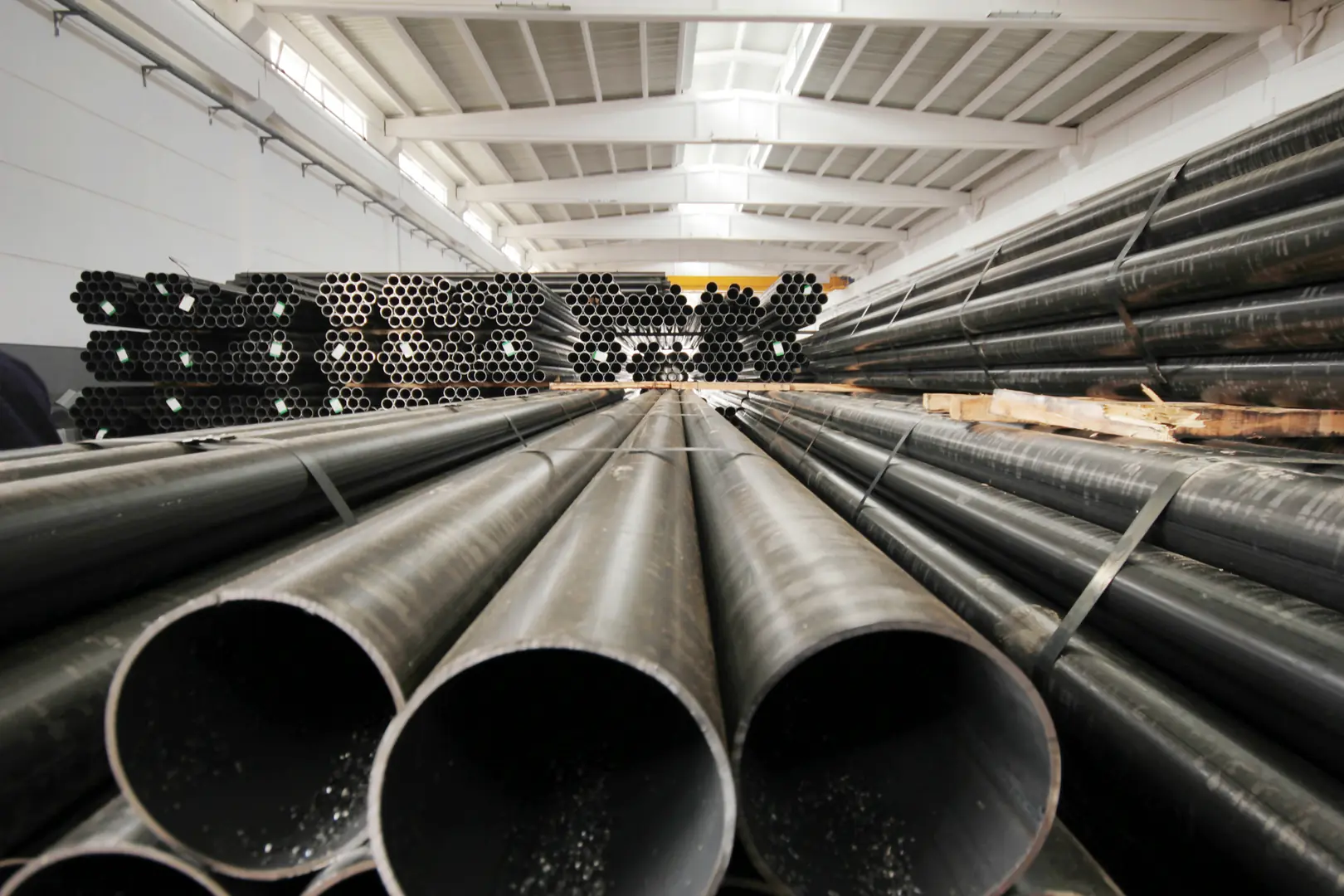
This is where the theoretical differences become practical realities. You must perform a simple "environmental audit[^4]" of your application's intended location and use. Will it be near the ocean? Will it be exposed to industrial chemicals or de-icing salts? Will it be used in food processing where harsh, chloride-based cleaners are used? If the answer to any of these questions is yes, the choice immediately leans toward 316.
Marine & Coastal Applications
For any application within a few kilometers of the coast, 316 is the only reliable choice. The salt-laden air is incredibly corrosive, and the chloride ions will attack 304 stainless steel, causing unsightly rust staining and, eventually, structural failure. Everything from boat railings and fasteners to coastal architectural cladding requires the protection that molybdenum provides.
Chemical & Industrial Exposure
In sectors like pharmaceuticals, chemical processing, and wastewater treatment, equipment is constantly exposed to a cocktail of corrosive substances. Grade 304 simply cannot withstand this kind of attack. 316 provides the necessary resistance to a wide range of acids and chemical solutions, ensuring the integrity and safety of the operation. Here’s a simple guide:
| Application Environment | Recommended Grade | Обоснование |
|---|---|---|
| Indoor Kitchen Sink | 304 | Low corrosion risk, cost-effective |
| Outdoor Urban Railing | 304 | Generally safe, unless in coastal or industrial zones |
| Boat Deck Hardware | 316 | Direct exposure to saltwater (chlorides) |
| Chemical Storage Tank | 316 | High resistance to acids and chemicals |
What procurement strategies can optimize the cost-benefit ratio for stainless steel selection?
You need to procure materials intelligently. Simply chasing the lowest price on a quote sheet is a common trap that can cost you more in the long run. A strategic approach ensures you get the best value.
Optimal procurement involves a Total Cost of Ownership (TCO) analysis, not just comparing upfront prices. Work with a supplier who understands your application's specific environmental challenges to ensure you select the most cost-effective material over its entire service life.
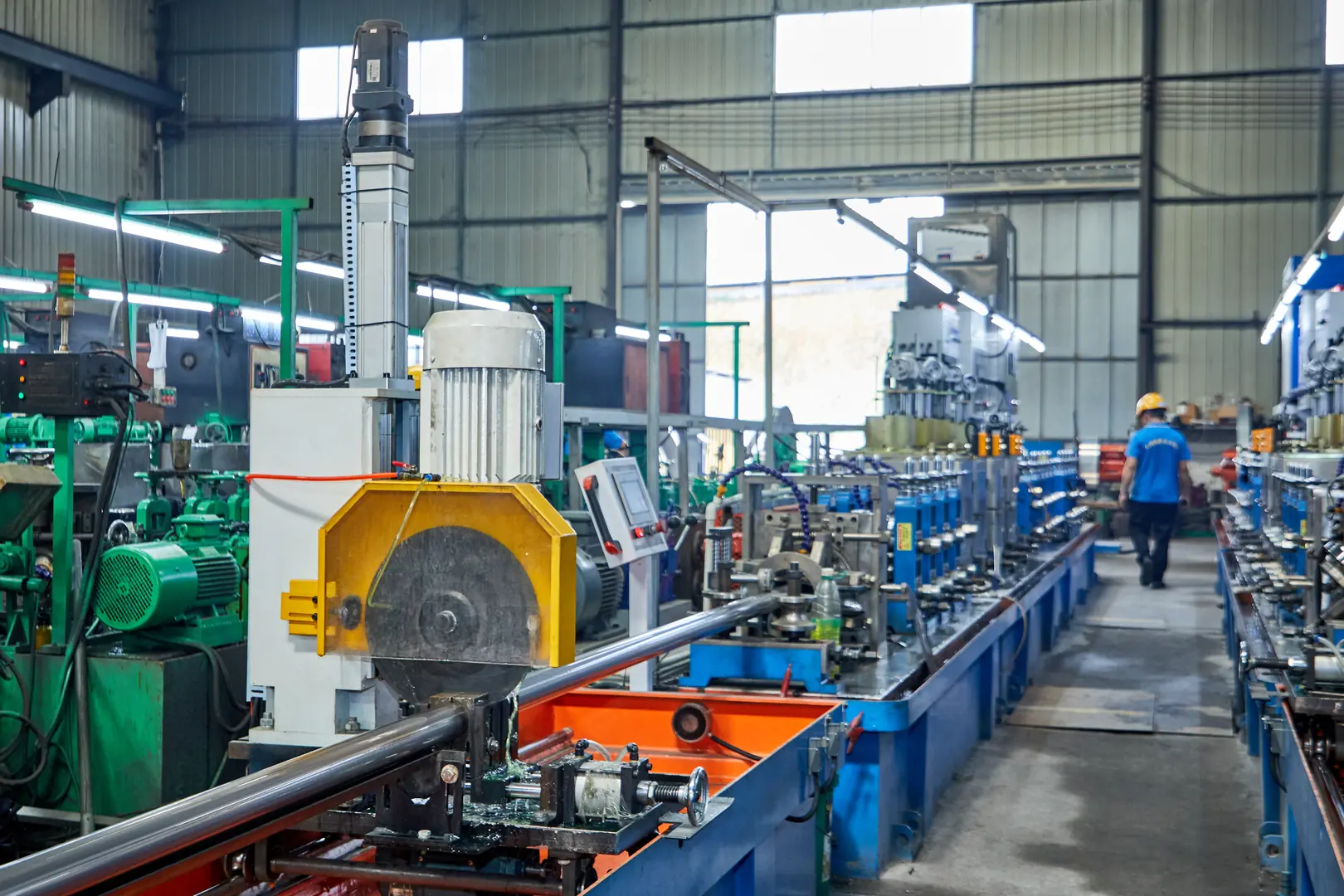
The most effective procurement strategy is one built on partnership and expertise. Your material choice is not a simple commodity purchase; it's a long-term investment in the performance and reliability of your product or project. Shifting the mindset from "What is the cheapest price per ton?" to "What is the best value over the project's lifecycle?" is fundamental to success.
Conduct a Lifecycle Cost Analysis
Before you issue a purchase order, map out the expected service life of the component. Factor in potential maintenance costs, the cost of downtime if a failure occurs, and replacement costs. When you run these numbers for a project in a moderately corrosive environment, 316 often emerges as the clear financial winner, despite its higher initial price. This data-driven approach removes guesswork and aligns your procurement decision with your company's long-term financial goals.
Partner with an Expert Supplier
This is where we at MFY provide the most value. A good supplier doesn't just send you a price list. They act as a consultant. We work with our clients to understand the precise application and its operational environment. We ask the tough questions about chemical exposure, climate, and service life expectations. By leveraging our deep industry experience, we can help you make a selection that is perfectly tailored to your needs, ensuring you aren't overpaying for unnecessary performance or, more dangerously, under-specifying a material that is destined to fail.
Заключение
The choice is not about which steel is "better," but which is right for the job. Grade 304 is the reliable workhorse for standard applications, while 316 is the essential specialist for corrosive environments. Analyze your project's lifecycle needs to maximize your return on investment.
У вас есть вопросы или нужна дополнительная информация?
Свяжитесь с нами, чтобы получить индивидуальную помощь и квалифицированный совет.


 Русский
  English