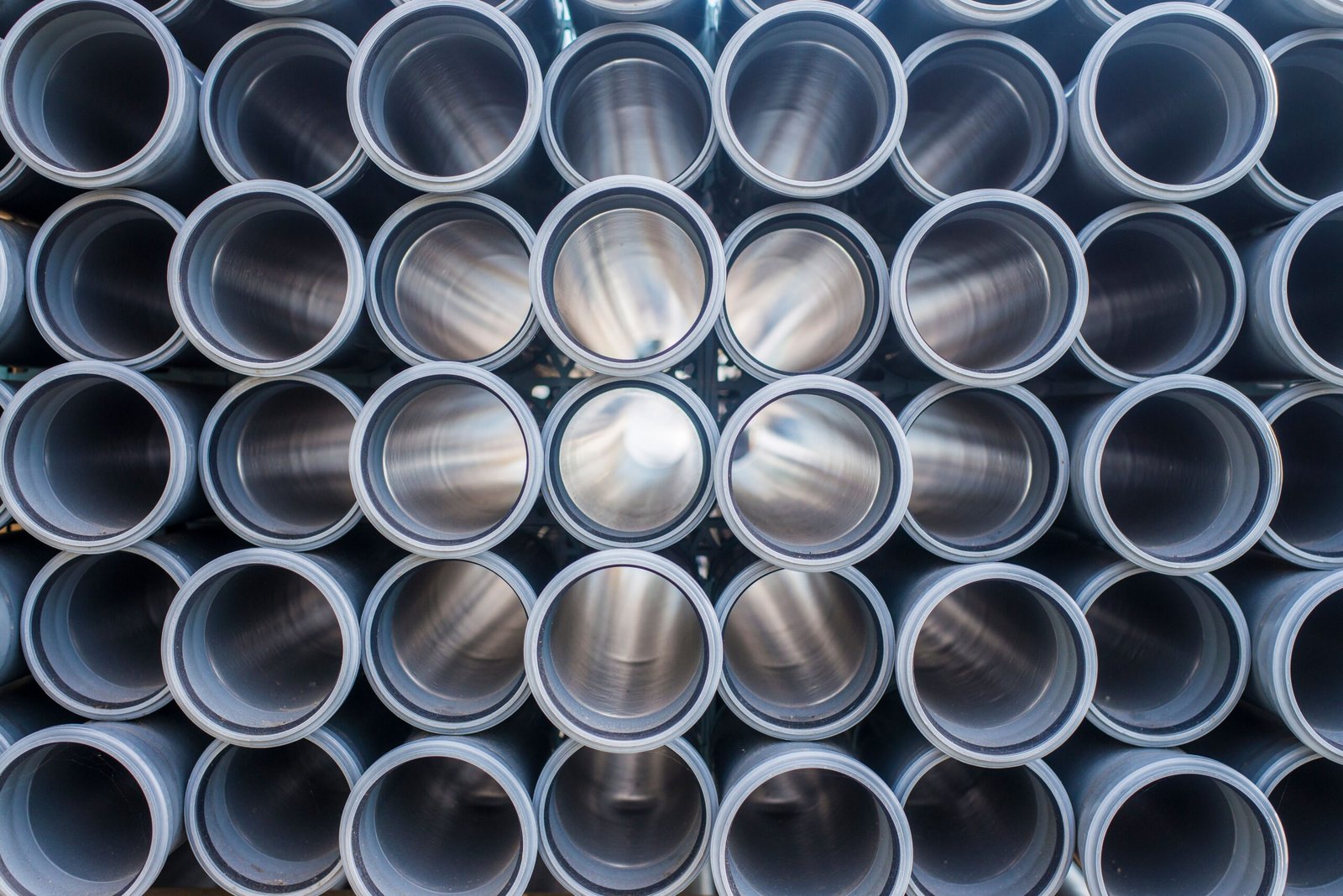
304 Stainless Steel Pipe Manufactured from 2B Quality Stock
Choosing the right material is a challenge. Poor choices lead to corrosion, failure, and high replacement costs. We use 2B quality stock[^1] for a reliable, cost-effective pipe solution.
Manufacturing 304 stainless steel pipe from 2B stock involves selecting high-quality coils, preparing and slitting them, forming and welding them into pipes, and implementing rigorous quality control. This process ensures a durable, corrosion-resistant, and aesthetically pleasing final product for various industrial applications.
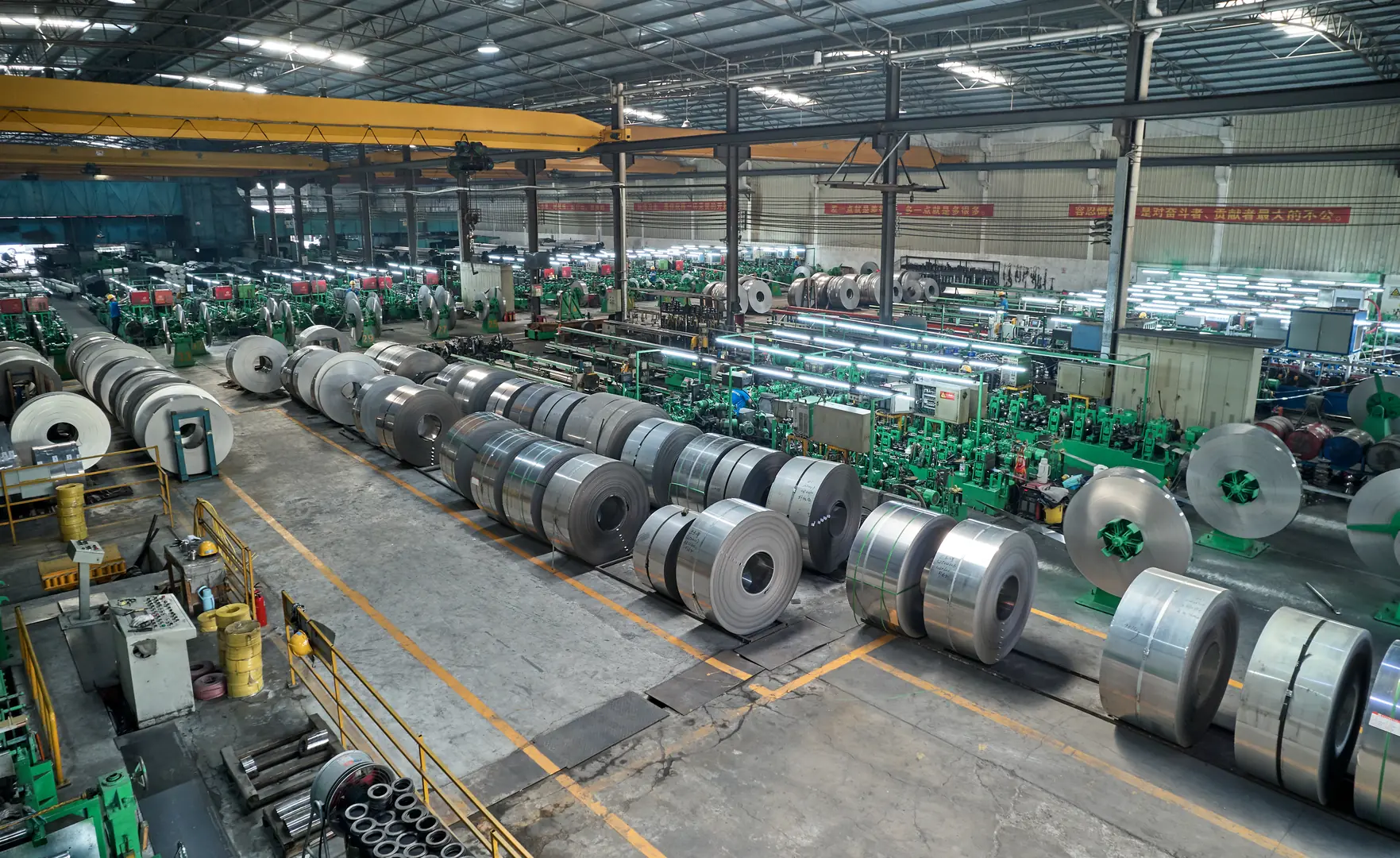
In my role at MFY, I've seen countless projects succeed or fail based on the quality of their foundational materials. The manufacturing process is more than just a series of steps; it's a commitment to quality that starts with the raw material and ends with a product you can trust. Let's walk through this process together. I want to show you how we turn a simple coil of steel into a high-performance pipe that our clients rely on every day.
Why Select 2B Quality Stock for Stainless Steel Pipe Manufacturing?
Need a high-quality yet affordable material? Inferior finishes can compromise hygiene and appearance. 2B quality stock provides the perfect balance of performance, aesthetics, and cost-effectiveness for your project.
2B quality stock is selected for its smooth, reflective surface, which provides excellent corrosion resistance and a hygienic finish. This makes it ideal for industries like food processing and construction, offering a premium look and long-term durability without the cost of a polished finish.
At MFY, we work with clients across many sectors, from automotive to food processing. The common thread is the need for materials that deliver high performance without breaking the budget. This is where 304 stainless steel with a 2B finish truly shines. It’s the workhorse of the industry for a reason. The "2B" refers to a cold-rolled, annealed, and pickled finish that is then given a final light pass on polished rolls. This creates a smooth, moderately reflective surface that is both functional and visually appealing. It’s a pragmatic choice that addresses the critical needs of our partners.
The Economic and Performance Balance
The key advantage is the unmatched balance of cost and performance. You get the fantastic corrosion resistance and strength of 304 stainless steel, which is essential for withstanding diverse operational environments. At the same time, the 2B finish provides a clean, hygienic surface that is crucial for applications where sanitation is mandatory. I remember a client in the beverage industry who was looking to expand their facility. They needed a material that met stringent health codes but also kept project costs in check. 304 pipe from 2B stock was the perfect solution, offering them long-term reliability and significant savings on maintenance.
Comparing Surface Finishes
To understand its value, it's helpful to see how 2B compares to other common finishes.
| Finish | Описание | Common Application |
|---|---|---|
| No. 1 | Hot-rolled, annealed, and pickled. Rough, dull surface. | Industrial applications where finish is not critical. |
| 2B | Cold-rolled, smooth, moderately reflective. | General purpose, food processing, construction. |
| BA | Bright Annealed. Highly reflective, mirror-like. | Decorative applications, appliances. |
| No. 4 | Brushed, polished finish with visible grain. | Kitchen equipment, architectural trim. |
As you can see, 2B occupies a sweet spot, making it the most versatile and widely used finish in our industry.
How is 304 Stainless Steel Prepared for Pipe Formation?
Improper preparation can ruin expensive material. This wastes time and money. Our precise slitting and edge treatment ensure every coil is ready for perfect pipe formation from the start.
Preparation involves uncoiling the master 2B stock and slitting it into narrower strips. The width of these strips is precisely calculated to match the required pipe circumference. The edges are then carefully trimmed to ensure a clean, consistent surface for high-quality welding.
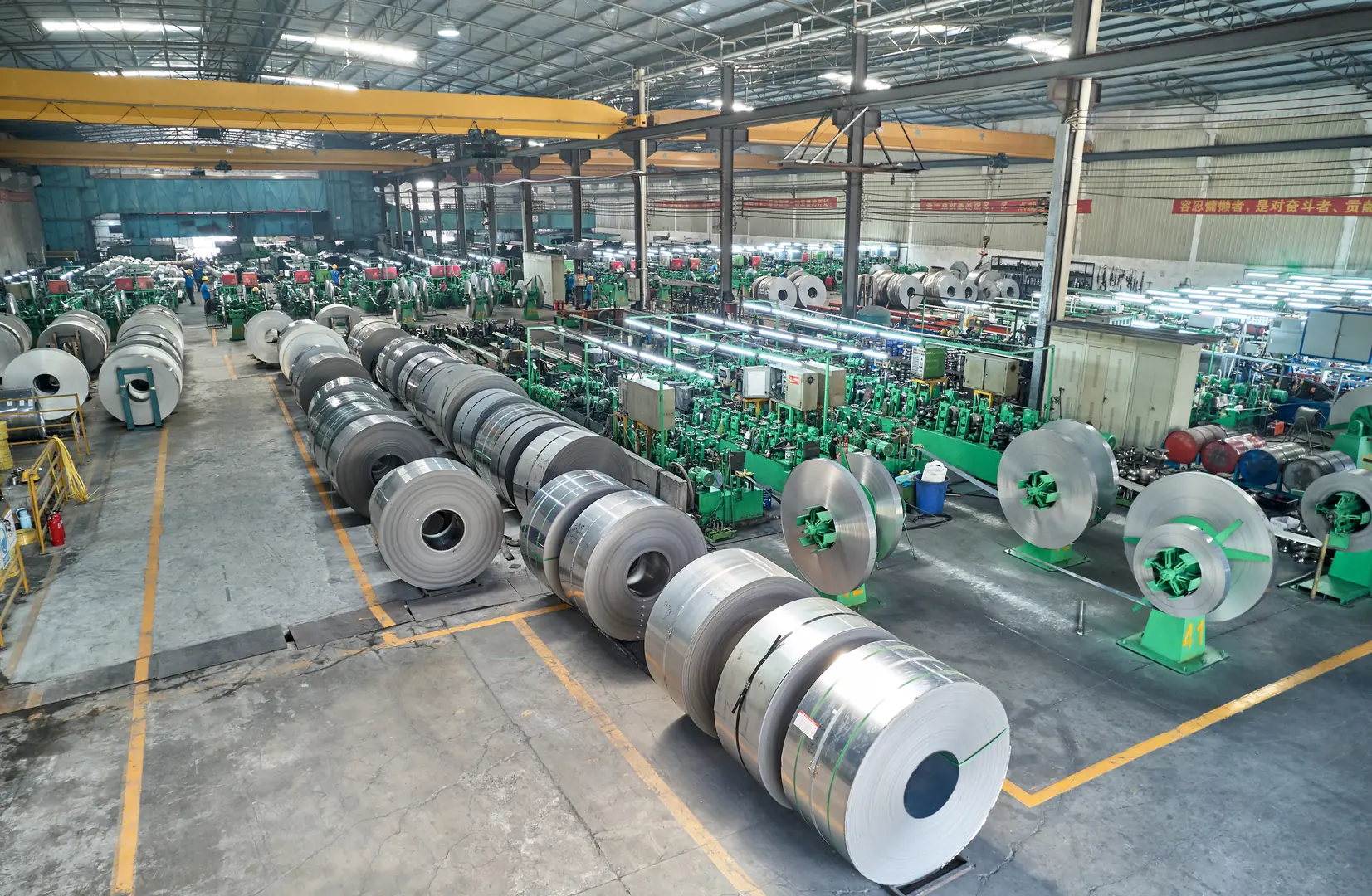
The journey from a wide master coil to a finished pipe begins with a critical and often overlooked step: preparation. You can have the best raw material in the world, but if it isn't prepared correctly, the final product will be compromised. At MFY, our integrated supply chain means we control this process meticulously. We don't just buy steel; we ensure it's handled with precision from the moment it enters our facility. This stage is all about setting the foundation for a flawless end product.
The Importance of Precision Slitting
First, the large coil of 304 stainless steel is loaded onto an uncoiler. From there, it is fed into a slitting machine. This machine uses a set of sharp, rotating knives to cut the wide sheet into several narrower strips simultaneously. The accuracy here is paramount. The width of each strip must correspond exactly to the circumference of the pipe we intend to produce. Even a slight deviation can lead to problems with the pipe's diameter and overall structural integrity. We use advanced, calibrated equipment to guarantee that every strip meets the exact specifications required for the next stage of manufacturing.
Edge Conditioning for a Flawless Weld
After slitting, the edges of the steel strips can be sharp or have minor burrs. These imperfections must be removed. Edge conditioning, or deburring, is the process of smoothing these edges. A clean, square edge is absolutely essential for achieving a strong, consistent weld seam. If the edges are uneven, it can create gaps or weak points when they are joined together. This would compromise the pipe's ability to handle pressure and resist corrosion. By ensuring perfectly prepared edges, we create the ideal conditions for a robust and reliable weld, which is the heart of any manufactured pipe.
What is the Process of Forming Stainless Steel into Pipe Shapes?
Turning a flat strip into a round pipe is complex. Flaws in this stage create weak points. Our modern roll forming and welding process guarantees structural integrity and a perfect shape.
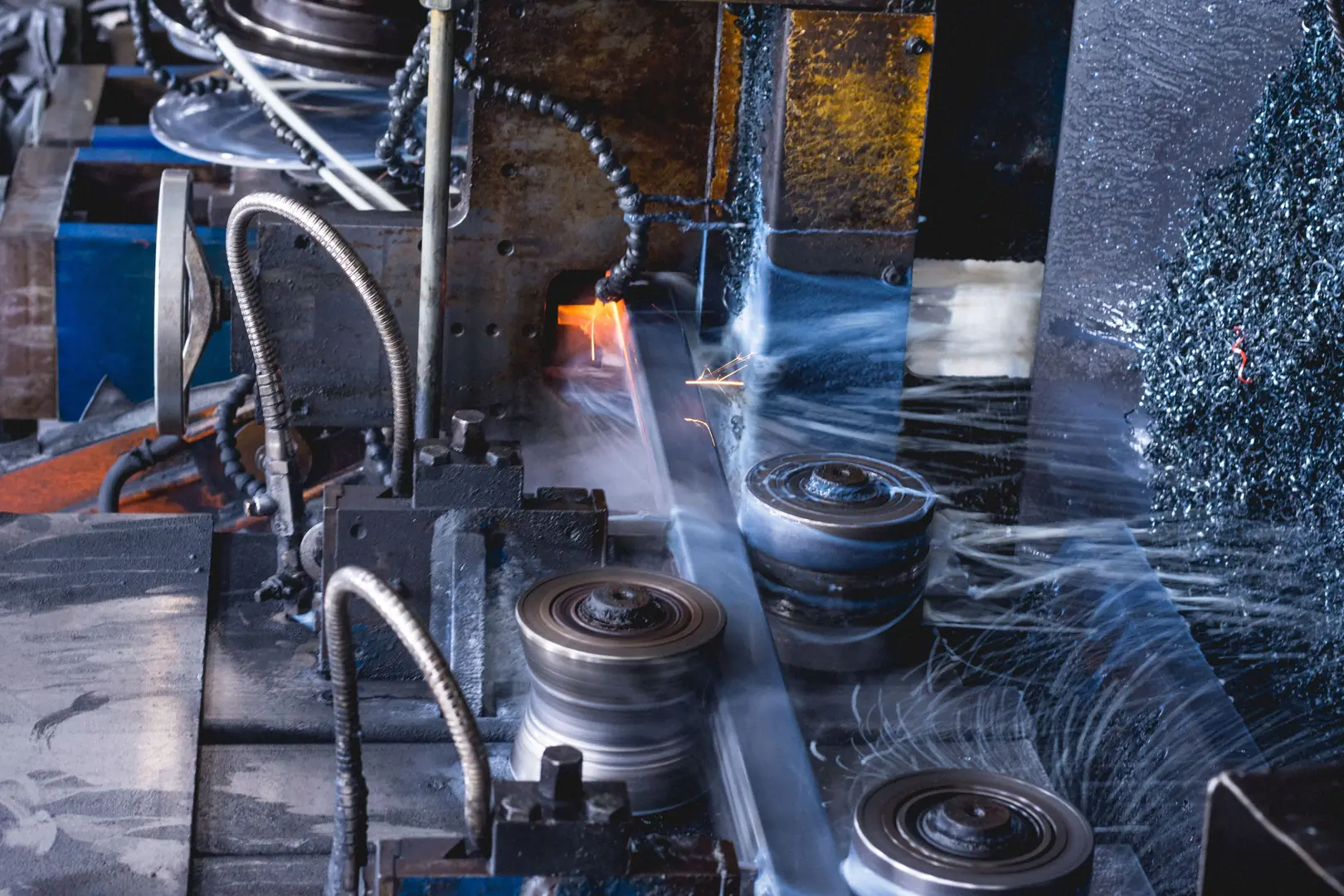
The flat stainless steel strip is passed through a series of rollers that gradually bend it into a circular shape. The two edges are then brought together and permanently joined by a high-frequency or laser welding process to create a strong, continuous pipe.
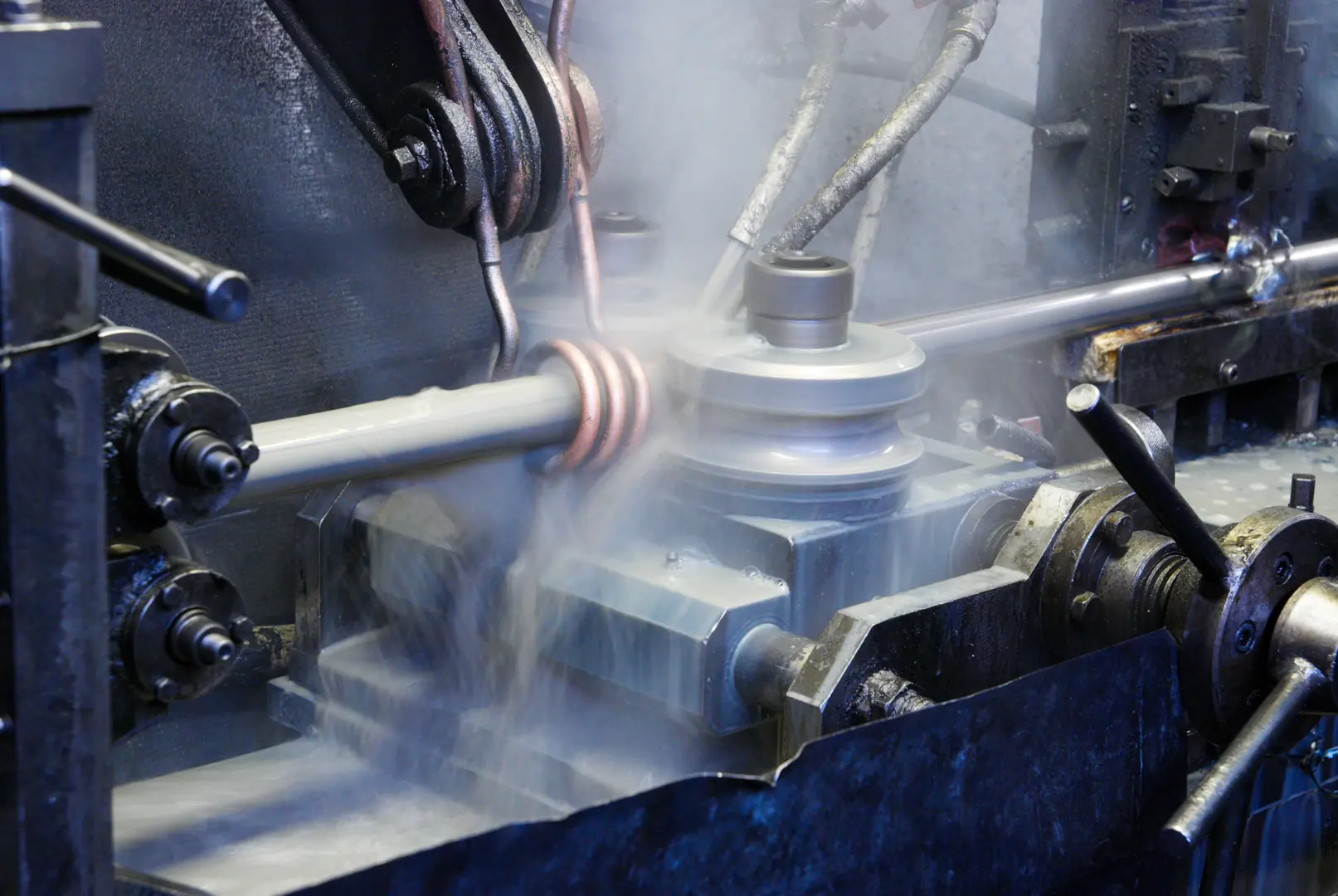
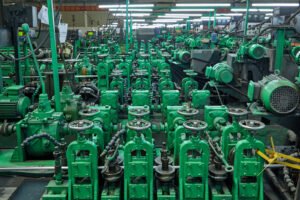
This is where the magic really happens. We take a two-dimensional strip of steel and transform it into a three-dimensional pipe. This process, handled by a machine called a tube mill, requires a perfect harmony of pressure, speed, and heat. The goal is not just to create a round shape, but to do so without stressing the material, and to create a weld seam that is as strong as the parent metal itself. Over the years, I've seen technology in this area advance dramatically, allowing us to produce pipes with incredible consistency and strength.
From Flat Strip to Round Tube
The prepared strip of stainless steel enters the tube mill and is guided through a series of contoured rollers. Each set of rollers, known as a "pass," is shaped slightly differently. The first few passes begin to curve the edges of the strip upwards. As the strip continues through the mill, subsequent passes push the edges closer and closer together, gradually forming the material into an open-seam tube. This gradual forming process is gentle on the steel, preventing it from cracking or becoming overly stressed. The final set of rollers ensures the pipe has a perfectly round profile and that the two edges are precisely aligned for welding.
The Welding Connection
Once the edges are perfectly aligned, the open-seam tube moves into the welding station. The most common method for this is Сварка вольфрамовым электродом в среде инертного газа (TIG)[^2], also known as Gas Tungsten Arc Welding (GTAW). This process uses a non-consumable tungsten electrode to heat the metal and an inert gas, like argon, to protect the weld area from atmospheric contamination. This results in a very clean, strong, and precise weld. The exterior and sometimes the interior weld bead is then "scarfed" or rolled down to create a smooth, seamless surface, preserving the pipe's uniform profile.
What Quality Control Measures are Essential for 304 Stainless Steel Pipes?
Defects in pipes can be catastrophic. Hidden flaws compromise safety and performance. We use multiple, rigorous QC checks to ensure every pipe meets strict international standards before it ships.
Essential quality control measures include visual inspection of the 2B finish, precise dimensional checks for diameter and wall thickness, and non-destructive testing like eddy current tests to detect any imperfections in the weld seam. These steps guarantee the pipe's structural integrity and performance.
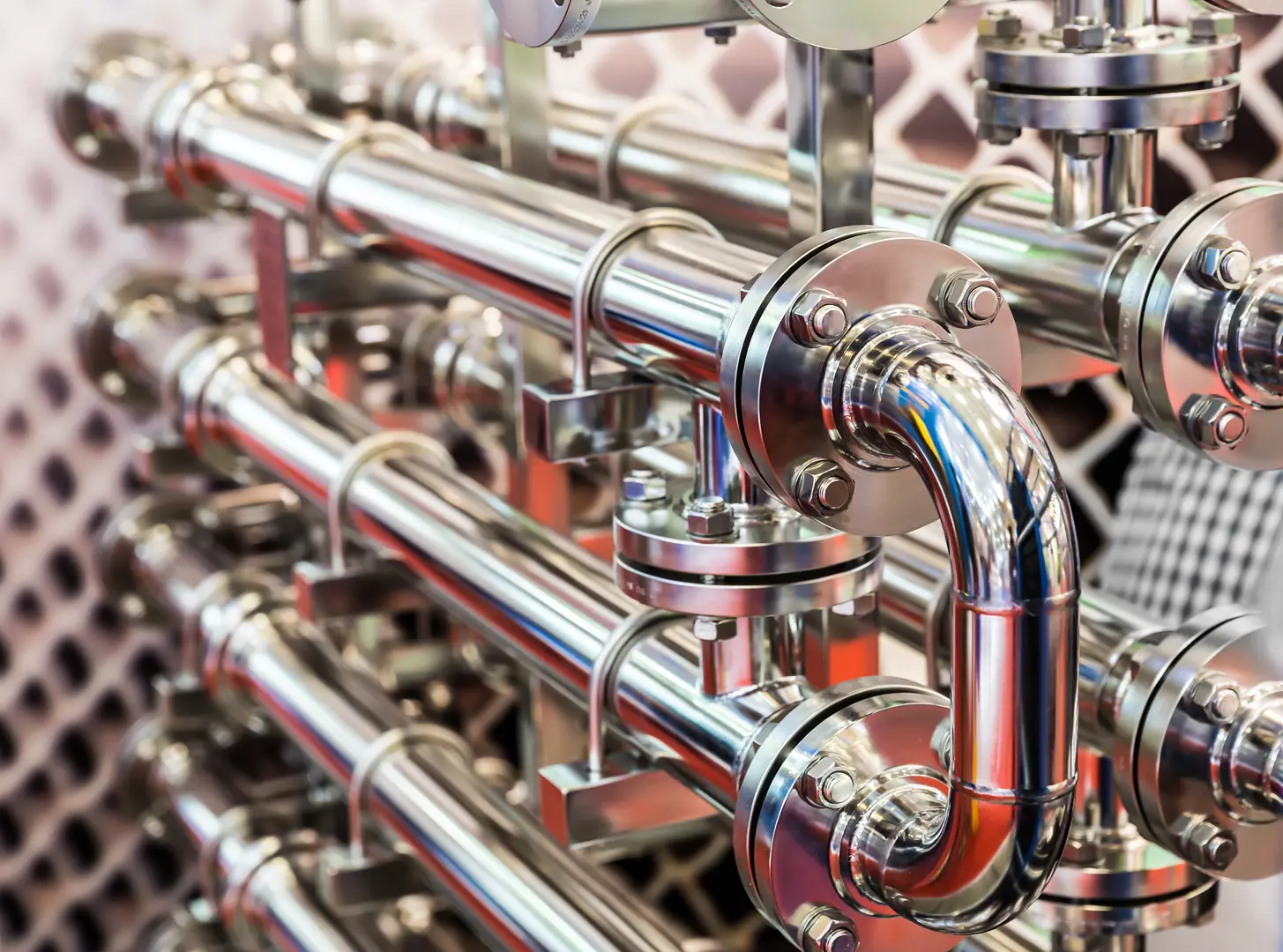
A product is only as good as its quality control. For something as critical as stainless steel pipe, which might be used in a high-pressure system or a sterile food-grade environment, there is no room for error. This is a part of the business I am personally very passionate about. I remember a client in Germany who was building a new dairy facility. For them, hygiene was everything. Even a microscopic flaw in a weld could harbor bacteria. Our rigorous QC process, which I walked them through personally, gave them the absolute confidence they needed to choose MFY. It’s not just about meeting a standard; it’s about protecting our clients' operations and reputations.
Visual and Dimensional Inspection
The first line of defense is always a thorough visual and dimensional check. Our technicians inspect every length of pipe for surface imperfections on the 2B finish, ensuring there are no scratches or defects from the manufacturing process. They then use calibrated instruments like micrometers and calipers to measure the outside diameter, wall thickness, and length. These measurements are checked against the client's specifications and international standards (like ASTM A554) to ensure perfect conformity.
Неразрушающий контроль (NDT)
Visual checks can't see inside the weld. That's why we use Non-Destructive Testing (NDT). One of the most effective methods is the eddy current test.
| Test Type | Назначение | How it Works |
|---|---|---|
| Eddy Current Test | Detects flaws in the weld seam. | An electromagnetic coil is passed over the weld. Any flaw disrupts the current, signaling a defect. |
| Hydrostatic Test | Checks for leaks and strength. | The pipe is filled with water and pressurized to a level far beyond its normal operating pressure. |
| Visual Inspection | Verifies surface quality and dimensions. | Trained inspectors check for finish defects and use precision tools to measure specs. |
These tests allow us to guarantee the integrity of every single pipe that leaves our facility, ensuring it will perform safely and reliably for years to come.
How are Manufactured Stainless Steel Pipes Finalized and Packaged?
The job isn't done after manufacturing. Damage during shipping is a real and costly risk. Our careful finalization and expert packaging protect the product until it reaches your facility.
Finalizing involves cutting pipes to specified lengths, deburring the ends for safety and proper fitting, and cleaning the surface. Pipes are then carefully bundled, wrapped in protective materials, and packed in wooden crates or steel frames to prevent any damage during transit.
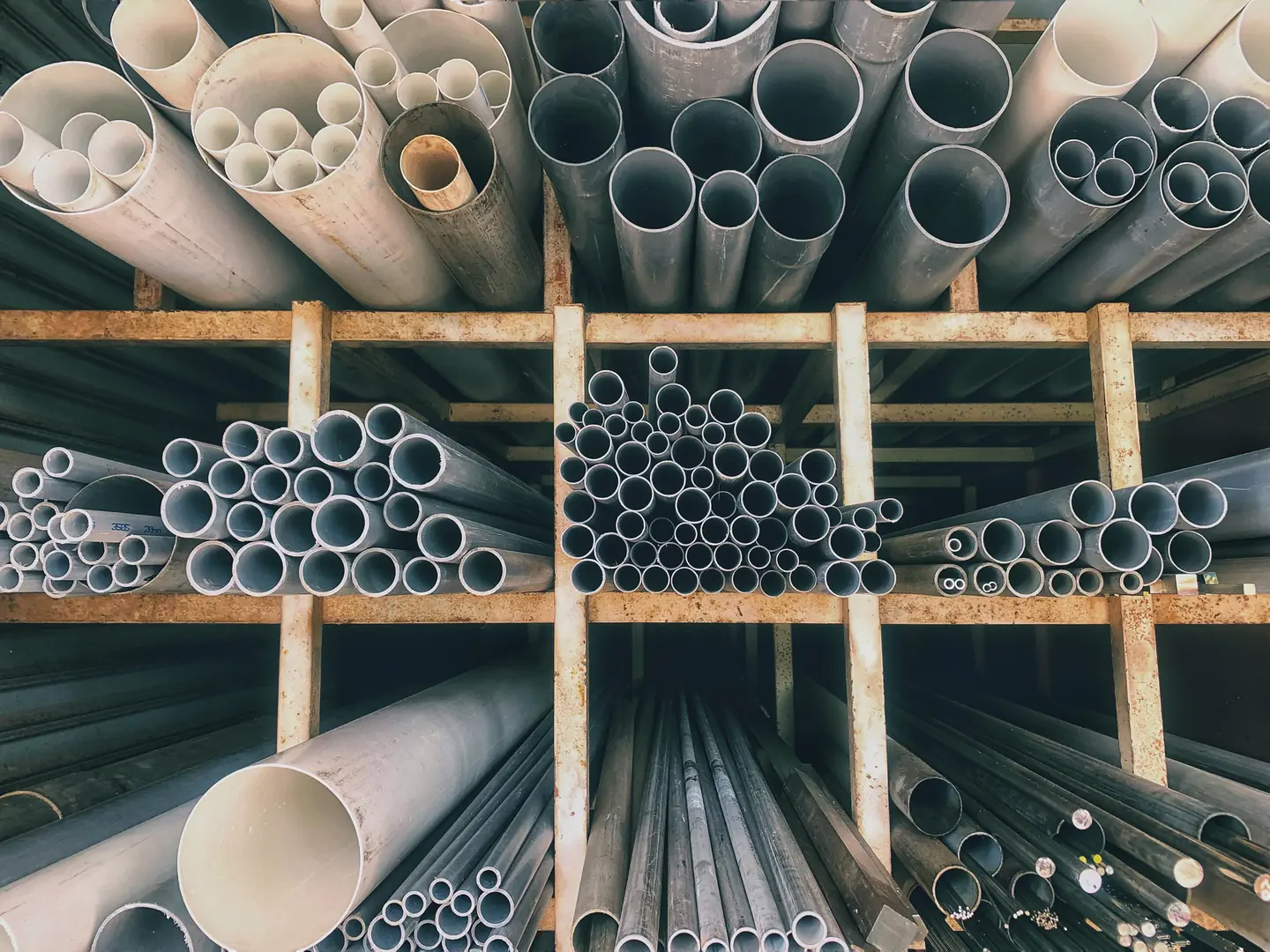
The final steps in our process are just as important as the first. A perfectly manufactured pipe is useless if it arrives at a customer's site bent, scratched, or dented. This is especially true for our international clients, where products travel thousands of miles by sea and land. At MFY, our focus on rapid and reliable export delivery means we have perfected our finishing and packaging methods to ensure our products arrive in the exact same pristine condition they were in when they left our production line.
Finishing Touches for a Professional Product
After the pipes pass all quality control checks, they are moved to the finishing area. Here, they are cut to the precise final lengths required by the customer's order. The cut ends are then deburred to remove any sharp edges. This is a critical step for both safety during handling and for ensuring a proper fit when the pipes are connected or welded on-site. Depending on the application, the pipes may also undergo a final cleaning process to remove any oils or residues from manufacturing, leaving them ready for immediate use upon arrival.
Protection for Global Transit
Packaging is a science. For domestic orders, pipes might be bundled together and strapped. But for export, we take extra precautions. Each bundle is typically wrapped in a woven plastic sheet to protect the 2B finish from moisture and scratches. These bundles are then placed into custom-built wooden crates or sturdy steel frames for maximum protection. This robust packaging prevents the pipes from bending or being crushed during container loading and sea transit. It’s this attention to detail that ensures our promise of quality extends all the way to our customer’s doorstep, no matter where in the world they are.
Заключение
The process of making 304 pipes from 2B stock is precise. It perfectly balances cost, performance, and aesthetics. This method delivers a reliable, high-quality product that meets the demands of modern industries, ensuring long-term value and competitive advantage for our partners worldwide.
У вас есть вопросы или нужна дополнительная информация?
Свяжитесь с нами, чтобы получить индивидуальную помощь и квалифицированный совет.


 Русский
  English