Precision Custom Stainless Tubing: Optional Bends & Fast Delivery
Struggling with complex designs and slow suppliers? Project delays and budget overruns are frustrating. Precision custom stainless tubing with optional bends and fast delivery is the answer you need.
Precision custom stainless tubing revolutionizes projects by providing tailored components that fit complex designs perfectly, reducing on-site fabrication. Combined with fast delivery, it accelerates timelines, minimizes installation errors, and enhances overall structural integrity and performance, streamlining the entire manufacturing process.
In my role at MFY, I've seen firsthand how the right components can make or break a project. It's no longer enough to just supply high-quality material; we must deliver solutions that are both precise and timely. The combination of custom bending and rapid logistics is a powerful one, and it's fundamentally changing how our partners in manufacturing and construction approach their work. Let's explore why this capability is becoming so critical and how you can leverage it to gain a competitive edge.
Why is the Demand for Precision Custom Stainless Tubing Growing?
Off-the-shelf parts don't fit your unique needs? This forces costly on-site modifications and compromises design integrity. Precision custom tubing provides a perfect fit, eliminating rework and waste.
The demand is driven by increasingly complex industrial designs, the need for greater efficiency, and a push for just-in-time manufacturing. Custom tubing reduces installation time, improves performance, and provides a significant competitive advantage by fitting specific geometrical configurations perfectly.
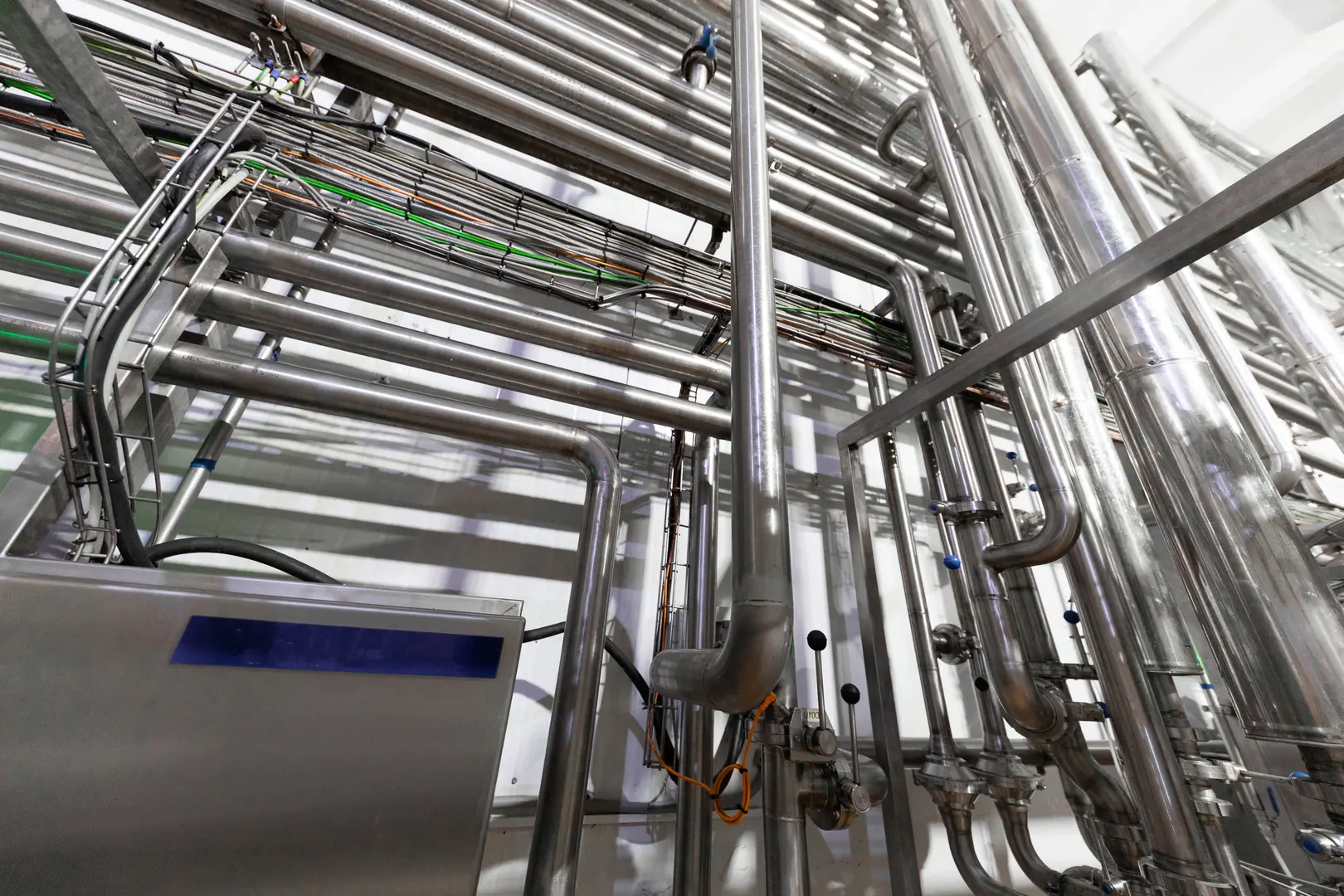
The days of designing a project around standard, available components are fading. Today, innovation demands that the components adapt to the design, not the other way around. This shift is at the heart of the growing demand for custom stainless tubing. We see it across every sector, from automotive to architecture. A client of ours in the automotive R&D space recently shared that using pre-bent, custom-fit tubing for a new fluid dynamics system cut their prototype assembly time by nearly 40%. That's a massive gain in a highly competitive industry. It’s not just about speed; it’s about precision and efficiency.
Complexity in Modern Design
Modern engineering pushes boundaries. Whether it's a compact engine bay, a complex medical device, or an intricate architectural feature, space is at a premium. Custom-bent tubes can navigate tight spaces and complex geometries that would be impossible to achieve with standard straight tubes and fittings. This eliminates potential leak points, reduces the number of welds needed, and ultimately creates a stronger, more reliable system.
The Push for Supply Chain Efficiency
Just-in-time manufacturing and lean principles are no longer just buzzwords; they are essential for survival. Waiting for a standard part and then spending valuable labor hours cutting and welding it on-site is inefficient. Receiving a component that is ready for immediate installation streamlines the entire workflow. It reduces labor costs, minimizes material waste, and accelerates project timelines, directly impacting the bottom line.
| Feature | Standard Tubing | Precision Custom Tubing |
|---|---|---|
| Fit | Generic, requires on-site modification | Exact fit to design specifications |
| Installation | Time-consuming cutting and welding | Fast, direct installation |
| Weak Points | Multiple welds and fittings | Minimized connection points |
| Waste | High material and labor waste | Minimal to no waste |
| Lead Time | Can be long if modifications are complex | Optimized for rapid delivery |
What Are the Current Trends in Custom Stainless Tubing Manufacturing?
Worried about outdated manufacturing processes? Old methods can't deliver the precision or speed modern projects require. New trends like automation and advanced bending are changing the game.
Key trends include the adoption of CNC bending for unparalleled accuracy, advanced material alloys for superior performance, and integrated digital workflows. These innovations allow for complex geometries, tighter tolerances, and a more streamlined production process from design to delivery.
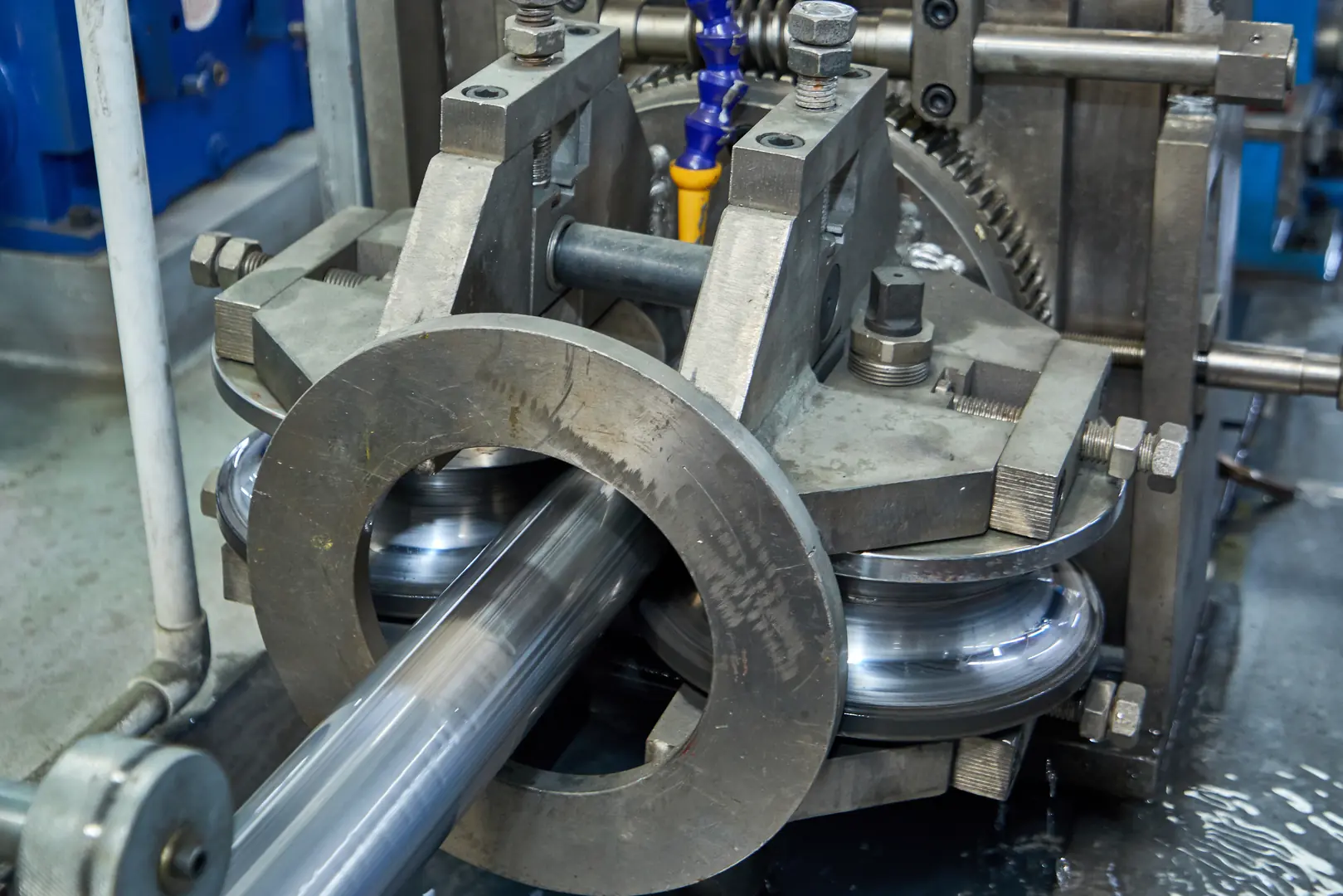
Technology is the engine driving this evolution in custom tubing. At MFY, we have invested heavily in staying at the forefront of these trends because we know that our clients' success depends on our ability to deliver advanced solutions. The move towards digitalization and automation is not just about efficiency; it's about unlocking new possibilities in design and manufacturing. We're moving from a purely physical process to one that is digitally controlled from the moment we receive a client's CAD file[^1] to the final quality inspection. This integration ensures that the final product is a perfect physical representation of the digital design, every single time.
Automation and CNC Bending
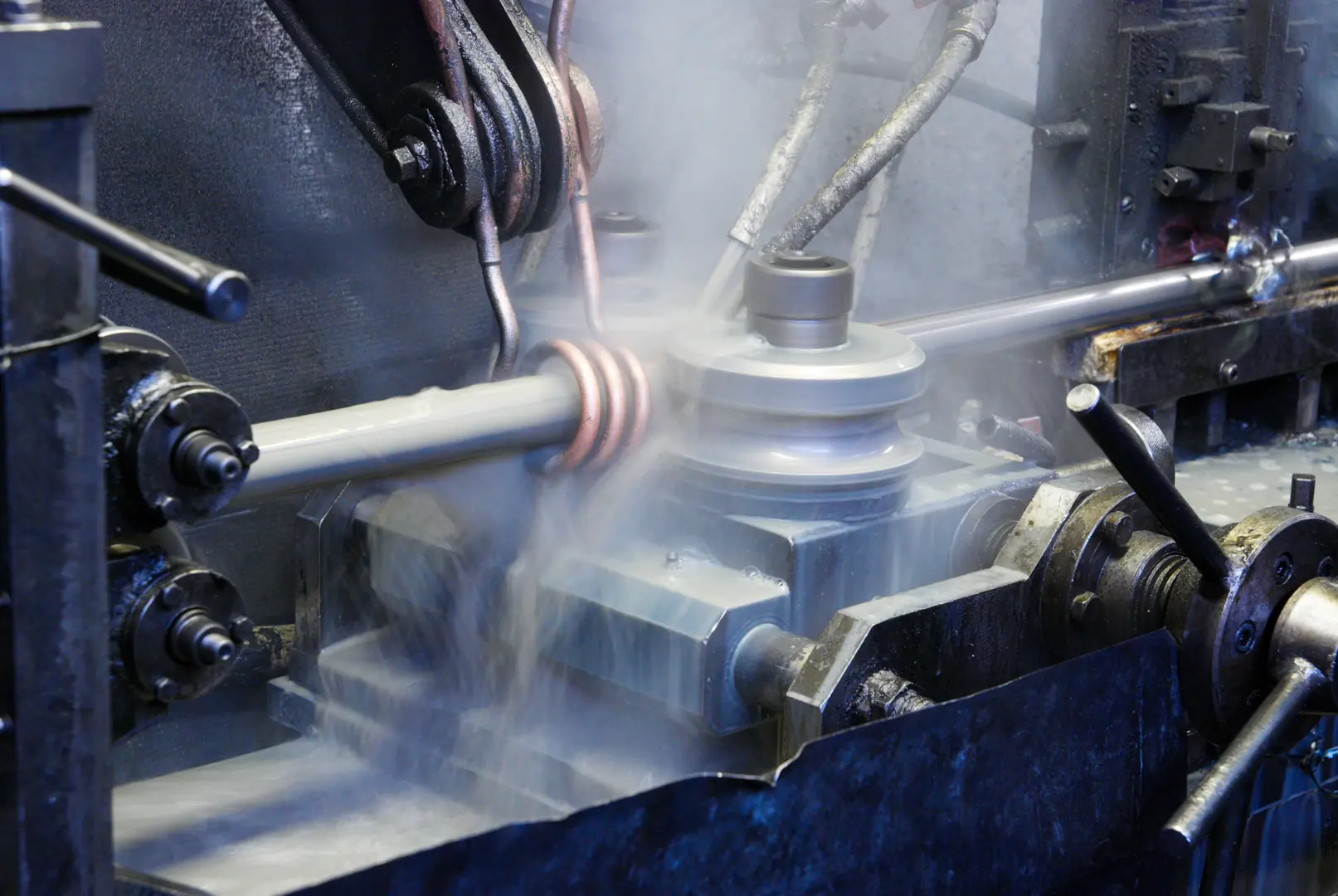
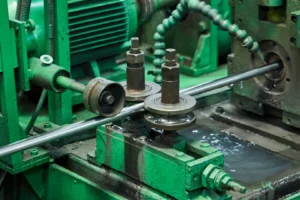
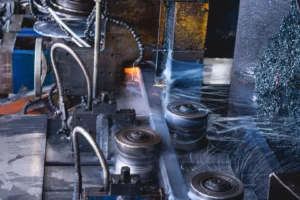
Computer Numerical Control (CNC) bending has been a true game-changer. It replaces manual guesswork with programmable precision. Our machines can execute a series of complex bends with different radii and on multiple planes with a level of repeatability that is humanly impossible. This technology is what allows us to confidently produce thousands of identical parts or a single, highly complex prototype with the same degree of accuracy.
The Role of Digitalization
The process starts long before the tube meets the bender. We use advanced software to simulate the bending process, allowing us to anticipate and correct potential issues like springback[^2] or material thinning before we even begin production. This digital-first approach, sometimes called creating a "digital twin[^3]," saves time, reduces material waste, and ensures we get it right on the first try. It also allows for seamless collaboration with our clients, as we can share simulations and confirm designs in a virtual environment.
| Manufacturing Trend | Key Benefit | Impact on Customer |
|---|---|---|
| CNC Bending | High precision and repeatability | Guaranteed consistency and quality |
| Laser Cutting | Clean, precise cuts and holes | Perfect fitment with other components |
| Digital Simulation | Proactive problem-solving | Faster turnaround, fewer errors |
| Integrated Workflows | Seamless data transfer (CAD to machine) | Reduced lead times and costs |
What Are the Main Challenges in Achieving Optional Bends in Stainless Tubing?
Fearful of tube deformities during bending? Wrinkling, cracking, and wall thinning can ruin expensive materials. Proper technique and technology are crucial to overcome these common challenges.
The primary challenges include preventing material wrinkling or cracking on the bend radius, maintaining a consistent wall thickness, and avoiding ovality (flattening). These issues are compounded by the work-hardening properties of stainless steel, requiring specialized equipment and deep expertise.
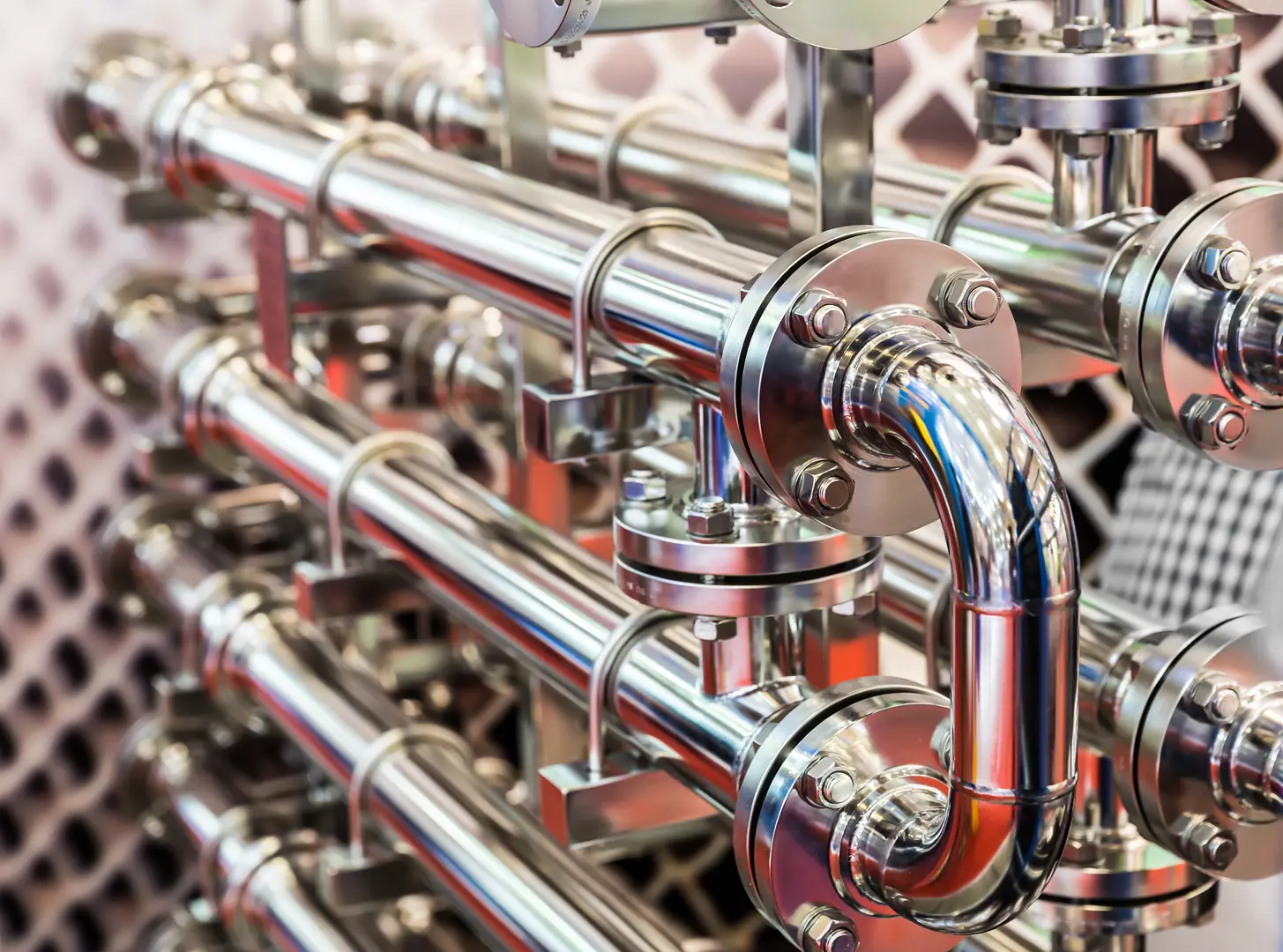
Bending stainless steel is as much an art as it is a science. Unlike more forgiving materials, stainless steel work-hardens as it is bent, meaning it becomes stronger but less ductile. This property makes it excellent for structural applications but challenging to fabricate. I remember a project for a client in Germany involving a very tight bend radius on a thick-walled 316L tube. Our initial simulations showed a high risk of wrinkling on the inside of the bend. Overcoming this required a combination of the right tooling—specifically a multi-ball mandrel—and precise control over the bending speed and pressure. It’s this deep technical expertise, born from experience, that turns a potential failure into a successful component.
Material Integrity Issues
The goal of bending is to change the shape of the tube without compromising its structural integrity. The outer wall of the bend is stretched and can become too thin, while the inner wall is compressed and can wrinkle or buckle. Controlling these forces requires sophisticated equipment, such as a mandrel bender[^4] that supports the tube from the inside during the process.
The Springback Phenomenon
Stainless steel has an 'elastic memory'. After being bent to a specific angle, it will naturally spring back slightly once the pressure is released. Accurately predicting and compensating for this springback is one of the most critical skills in precision tube bending. It depends on the material grade, wall thickness, and bend radius. Our operators use data from thousands of previous jobs, combined with machine learning algorithms, to over-bend the tube by the precise amount needed to achieve the perfect final angle.
| Bending Defect | Cause | MFY's Solution |
|---|---|---|
| Wrinkling | Uncontrolled compression on the inner radius | Use of precision-fit wiper dies and mandrels |
| Wall Thinning | Excessive stretching on the outer radius | Optimized bend speed and boost pressure |
| Ovality (Flattening) | Lack of internal support during bending | Multi-ball mandrel support matched to tube ID |
| Springback | Material's elastic properties | Data-driven over-bending calculations |
How Can Suppliers Ensure Fast Delivery of Custom Stainless Tubing?
Tired of waiting weeks for custom orders? Long lead times can derail your entire project schedule. An agile supply chain and smart logistics are the solution for rapid delivery.
Fast delivery is achieved through a fully integrated supply chain, maintaining strategic raw material inventory, and optimizing production scheduling. Leveraging digital logistics platforms and having a dedicated export team further accelerates the process from order confirmation to final shipment.
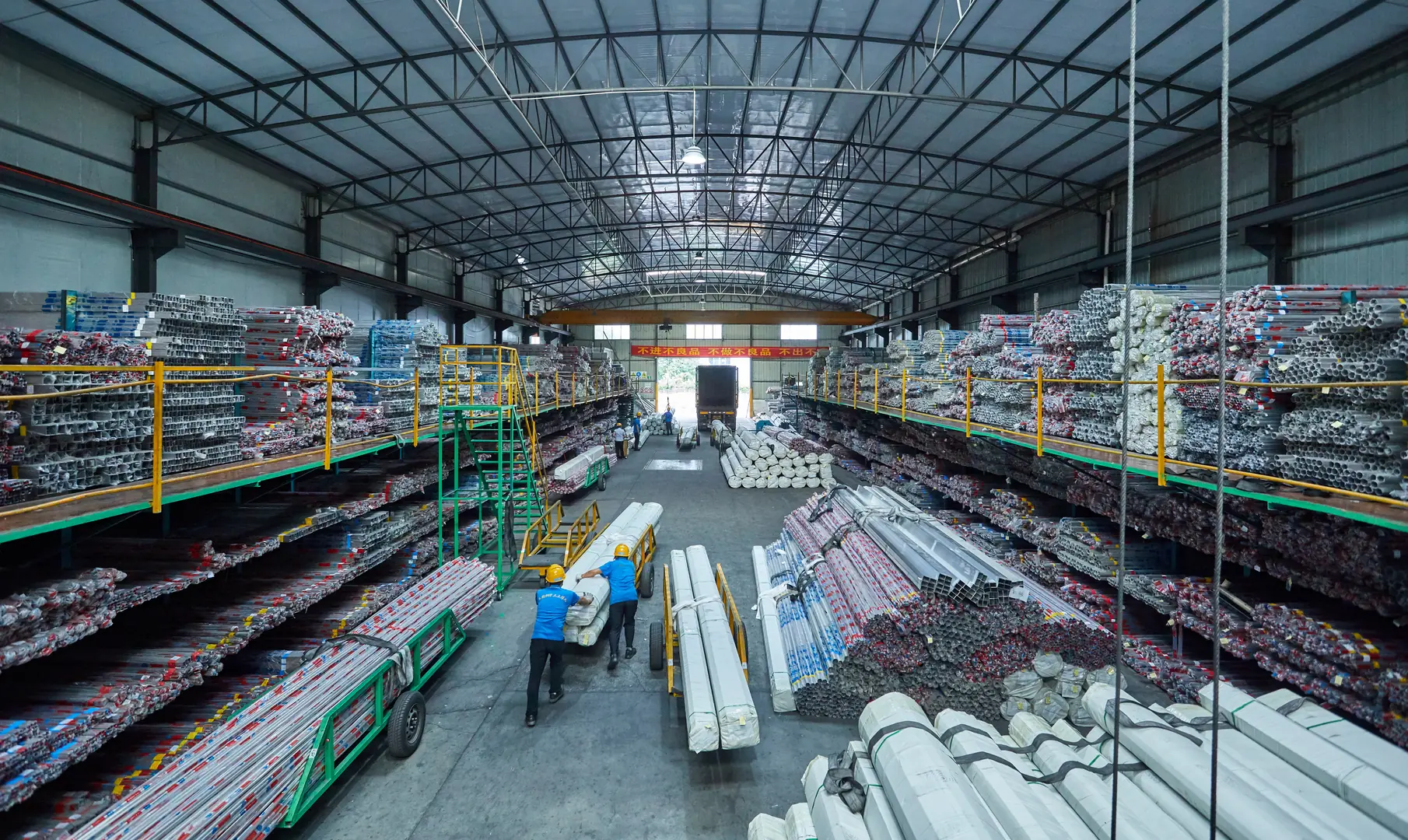
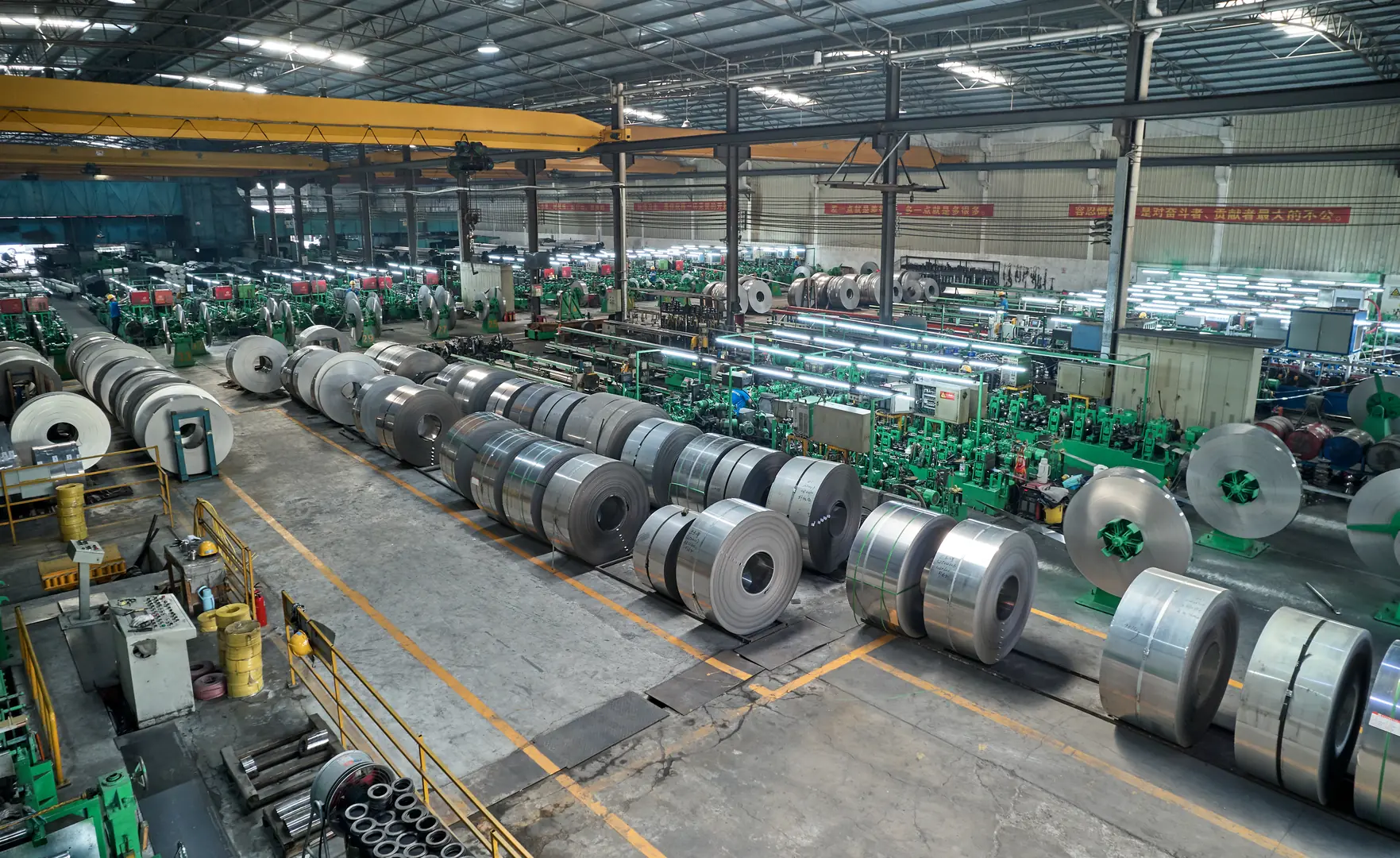
Delivering a perfectly bent tube is only half the battle; getting it to the customer on time is the other half. At MFY, our competitive strength lies in our fully integrated supply chain. We're not just a fabricator; we are part of a group that manages everything from the raw stainless steel coil to the final polished and packaged tube. This control gives us a tremendous advantage in speed and flexibility. We don't have to wait for an external supplier to deliver our raw materials because we have a massive inventory on hand. This allows us to move an order from confirmation to the production floor in a matter of hours, not days or weeks.
Integrated Supply Chain Management
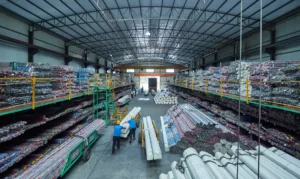
Having a deep stock of raw materials is the foundation of our speed. We maintain a strategic inventory of the most common stainless steel grades and sizes, allowing us to start production immediately. For custom orders, our integration with the production mills means we can secure non-standard materials far more quickly than a standalone fabricator. This vertical integration removes multiple layers of communication and logistical delays that plague traditional supply chains.
Logistics and Export Excellence
Once a product is manufactured, our dedicated logistics and export team takes over. They are experts in global shipping and customs clearance. We leverage digital platforms to track shipments in real-time and manage all documentation efficiently, ensuring a smooth journey from our factory to the client's door. This focus on logistics is a core part of our service because we understand that a product is only valuable once it's in the customer's hands.
| Stage | Standard Supplier Process | MFY's Agile Process |
|---|---|---|
| Order Confirmation | Raw material sourcing begins (1-2 weeks) | Raw material allocated from inventory (1 day) |
| Production | Scheduled in a long queue | Optimized scheduling for fast-track production |
| Packaging | Standard packaging procedures | Custom, export-grade packaging |
| Shipping | Handed off to third-party forwarder | Managed by in-house expert logistics team |
| Total Lead Time | 4-8 weeks | 1-3 weeks |
What Are the Key Technical Recommendations for Optimizing Stainless Tubing Production?
Want to ensure your custom tubing meets spec? Vague requirements lead to production errors and delays. Clear technical communication is the key to getting it right the first time.
To optimize production, clearly define the material grade, specify exact bend radii and angles, and provide detailed tolerance requirements. Collaborating closely with the supplier from the design phase ensures manufacturability and helps prevent costly downstream issues, leading to a better final product.
The best outcomes are always the result of a strong partnership between the customer and the supplier. The more information you can provide upfront, the faster and more accurately we can produce your custom tubing. A detailed drawing is the best starting point, but even a simple sketch with clear dimensions can be enough for our engineering team to begin the conversation. We see our role not just as a manufacturer, but as a consultant. We can often suggest minor modifications to a design that can make it easier and more cost-effective to produce without compromising its function. This collaborative approach is essential for success.
Choosing the Right Material Grade
The choice between grades like 304, 316, or others has a significant impact on cost, corrosion resistance, and bendability. Be clear about the environment in which the tube will be used. Will it be exposed to saltwater, chemicals, or high temperatures? Sharing this information helps us recommend the most suitable and cost-effective material for your application.
The Importance of Clear Specifications
Precision is everything. When defining your needs, be as specific as possible. Vague terms like "a tight bend" can be interpreted differently. Instead, specify the centerline radius (CLR) of the bend. Similarly, provide clear tolerances for angles, lengths, and the final positions of the tube ends. This level of detail eliminates ambiguity and ensures the final product matches your expectations perfectly.
| Specification Checklist | Description | Why It's Important |
|---|---|---|
| Material Grade | e.g., 304, 316L, 321 | Determines corrosion resistance and strength. |
| Tube Dimensions | Outer Diameter (OD) and Wall Thickness (WT) | Affects bendability and structural integrity. |
| Bend Specifications | Centerline Radius (CLR) and Bend Angle | Defines the exact geometry of the bend. |
| Tolerances | Acceptable variation for dimensions/angles | Ensures the part fits within your assembly. |
| End Finish | e.g., Deburred, chamfered, plain cut | Prepares the tube for welding or fitting. |
| Surface Finish | e.g., Mill finish, polished | Defines the aesthetic and functional surface. |
Conclusion
In today's market, precision and speed are non-negotiable. Custom stainless tubing with optional bends and rapid delivery isn't just a product; it’s a strategic advantage that accelerates innovation and streamlines your entire supply chain. Partnering with an agile, integrated supplier is key.
Have Questions or Need More Information?
Get in touch with us for personalized assistance and expert advice.



 English
  Русский