
Where Weld Shops Get High-Quality 316L SS Pipe & Tubing: Supply Chain Solutions
Sourcing reliable 316L pipe is a constant challenge for weld shops. Delays and poor quality can ruin projects and reputations. The key lies in understanding modern supply chain solutions.
High-quality 316L stainless steel pipe and tubing are sourced from suppliers with fully integrated supply chains, strong production capabilities, and advanced digital platforms. These partners provide consistent material performance, rapid delivery, and cost-effectiveness, which are essential for the success of any welding project.
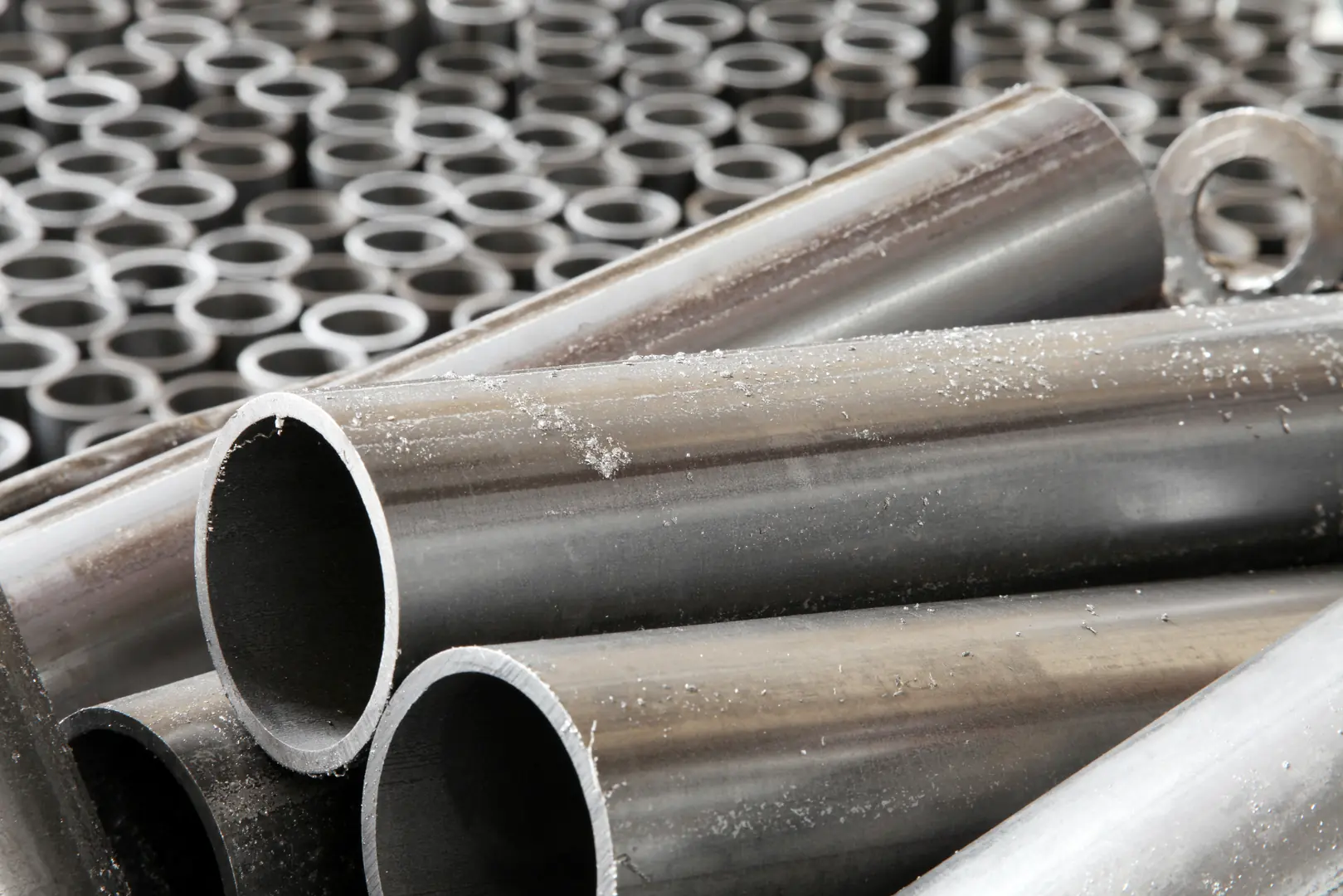
As the Global Business Director at MFY, I’ve seen firsthand how the right supply chain partner can transform a fabrication business. It’s about more than just getting a good price; it’s about building a foundation of reliability that allows your workshop to thrive. Let’s explore the critical factors that separate a simple transaction from a true strategic partnership, ensuring you get the materials you need, exactly when you need them.
Why is 316L Stainless Steel Pipe & Tubing So Important for Weld Shops?
Choosing the wrong material can lead to catastrophic failure. This compromises project integrity and safety. Understanding 316L's unique properties is therefore crucial for any high-stakes welding application.
316L stainless steel pipe is vital for weld shops due to its superior corrosion resistance, excellent weldability, and strength, especially in harsh environments. This makes it the go-to material for critical applications in marine, chemical, and pharmaceutical industries, ensuring durability and safety.
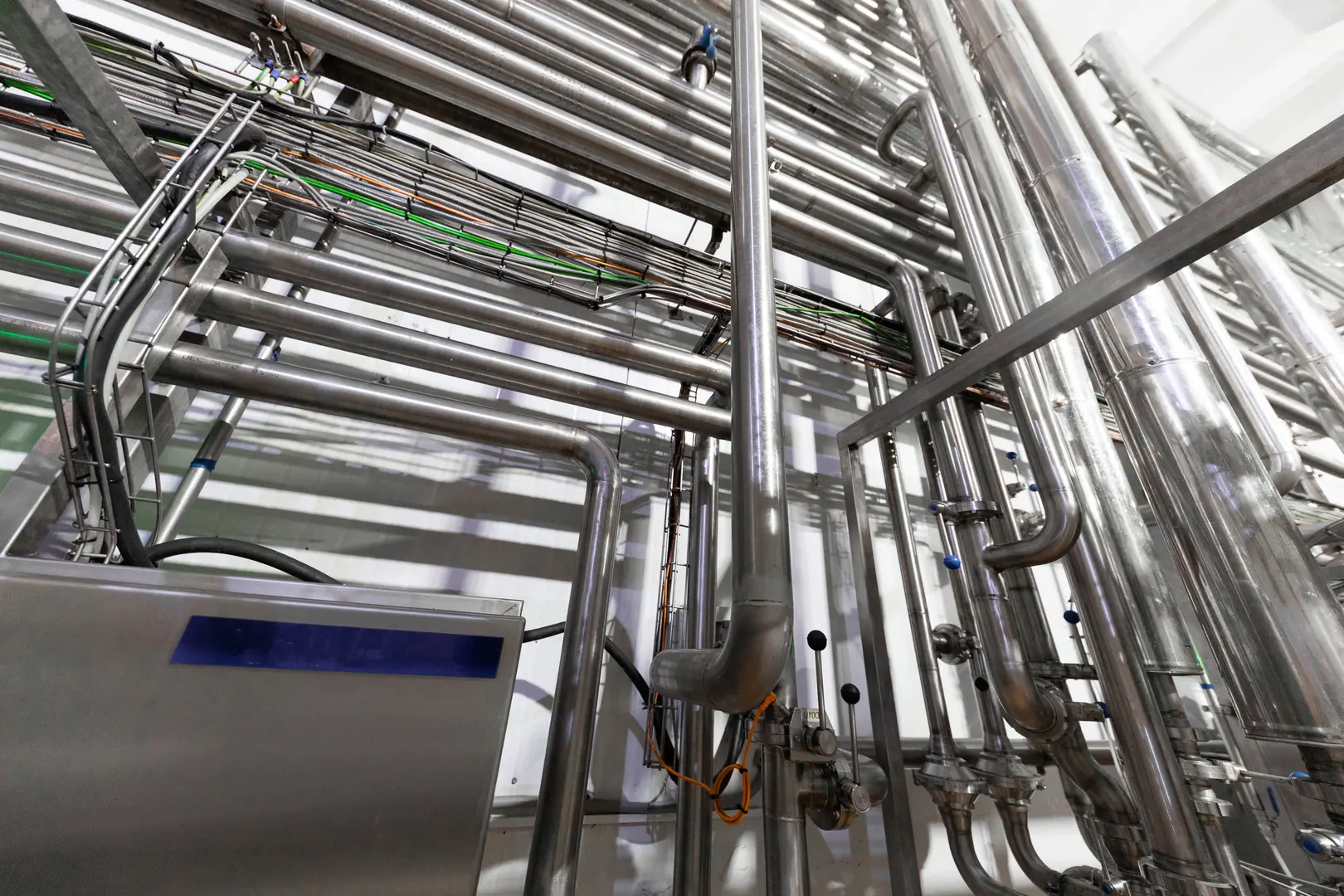
At its core, the value of 316L comes down to its specific chemical composition. The "L" stands for low carbon, which is a critical factor for welding. It minimizes carbide precipitation[^1] during the welding process, which in turn preserves the material's corrosion resistance at the weld joints. This is something I always emphasize to clients; you’re not just buying a pipe, you’re buying peace of mind that your welds will hold up under stress. I remember a client in the marine industry who switched to 316L for their exhaust systems. They were initially hesitant about the cost, but after seeing the dramatic reduction in maintenance and replacement needs due to saltwater corrosion, they understood the long-term value.
The Molybdenum Advantage
The real hero in the 316L story is molybdenum. This element, typically present at 2-3%, is what gives 316L its exceptional resistance to chlorides, like those found in seawater and de-icing salts. For any weld shop working on projects for coastal infrastructure, chemical processing plants, or even food and beverage facilities where harsh cleaning agents are used, this resistance is non-negotiable.
Weldability and Fabrication Efficiency
For a weld shop, material performance is directly tied to operational efficiency. 316L is known for its excellent weldability across all standard fusion and resistance methods. This means your team can work faster and more reliably, with fewer defects and less rework. A predictable, consistent material allows for streamlined processes, which ultimately boosts your shop's productivity and profitability.
| Feature | 304 Stainless Steel | 316L Stainless Steel |
|---|---|---|
| Corrosion Resistance | Good general resistance | Excellent resistance, especially to chlorides |
| Key Alloying Element | Chromium, Nickel | Chromium, Nickel, Molybdenum |
| Weldability | Good | Excellent (low carbon prevents sensitization) |
| Common Applications | Kitchen equipment, architectural trim | Marine, chemical, medical, pharma |
| Cost | Lower | Higher |
What Are the Current Supply Chain Dynamics for 316L SS Pipe & Tubing?
The global supply chain is complex and unpredictable. Geopolitical shifts and sudden demand spikes create volatility. Understanding these dynamics is key to navigating the market effectively and protecting your business.
Current supply chain dynamics for 316L are defined by a shift from traditional, fragmented models to integrated, digital-first systems. Key trends include global sourcing from production hubs like China, fluctuating raw material costs, and a growing emphasis on supply chain transparency and resilience.
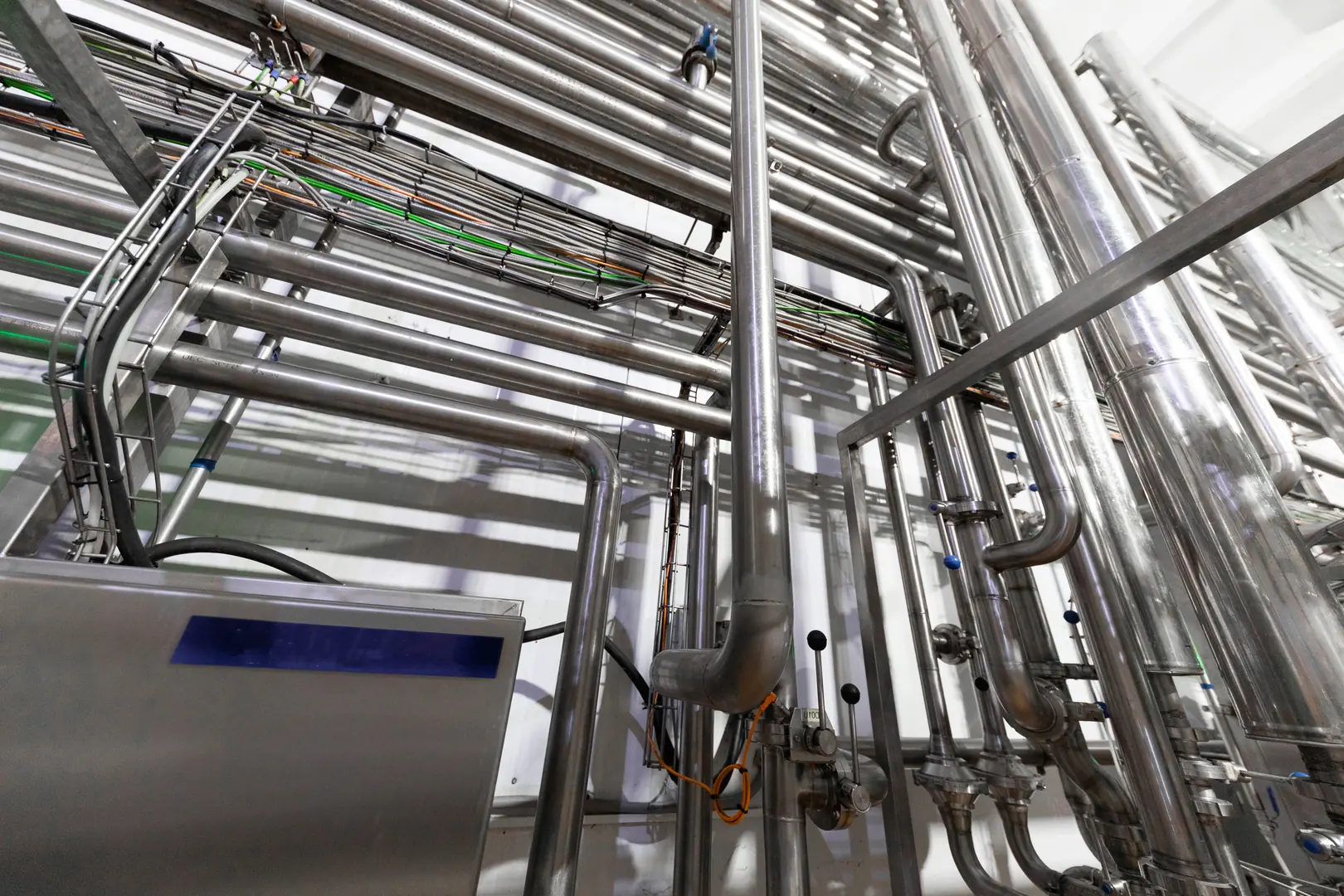
The old way of sourcing materials is becoming obsolete. Previously, a weld shop might deal with a local distributor, who deals with a national importer, who deals with a trader, who finally deals with a mill. Each step adds cost, delay, and a potential point of failure. Today, the most successful businesses are those that can connect more directly with the source. This is where the true value of an integrated supply chain comes into play. At MFY, we manage everything from raw material procurement and production to global logistics and final delivery. This control allows us to offer a level of agility and transparency that is simply impossible in a fragmented system.
The Role of Global Production Hubs
Countries like China have become central to the global stainless steel supply chain. This is not just about cost; it's about scale, technology, and a fully developed industrial ecosystem. By partnering with a major player in such a hub, businesses gain access to massive production capacity and innovation. This ensures a steady flow of materials, even when regional markets face disruptions.
Price Volatility of Raw Materials
The prices of nickel and molybdenum, key components of 316L, can be extremely volatile. This volatility directly impacts the final cost of pipes and tubing. An integrated supplier with deep market knowledge and large-scale purchasing power can help buffer customers from the worst of these price swings. We use real-time data analytics to monitor market trends, allowing us to make strategic raw material purchases that ultimately provide more stable pricing for our partners.
What Challenges Do Weld Shops Face When Sourcing High-Quality Materials?
Sourcing materials can often feel like a gamble. Inconsistent quality and long lead times hurt your bottom line. These challenges directly impact your workshop's productivity, profitability, and reputation.
Weld shops face several key challenges: inconsistent material quality leading to rework, long and unpredictable lead times disrupting project schedules, price volatility impacting profitability, and a lack of supply chain transparency. These issues make it difficult to maintain operational efficiency and competitiveness.
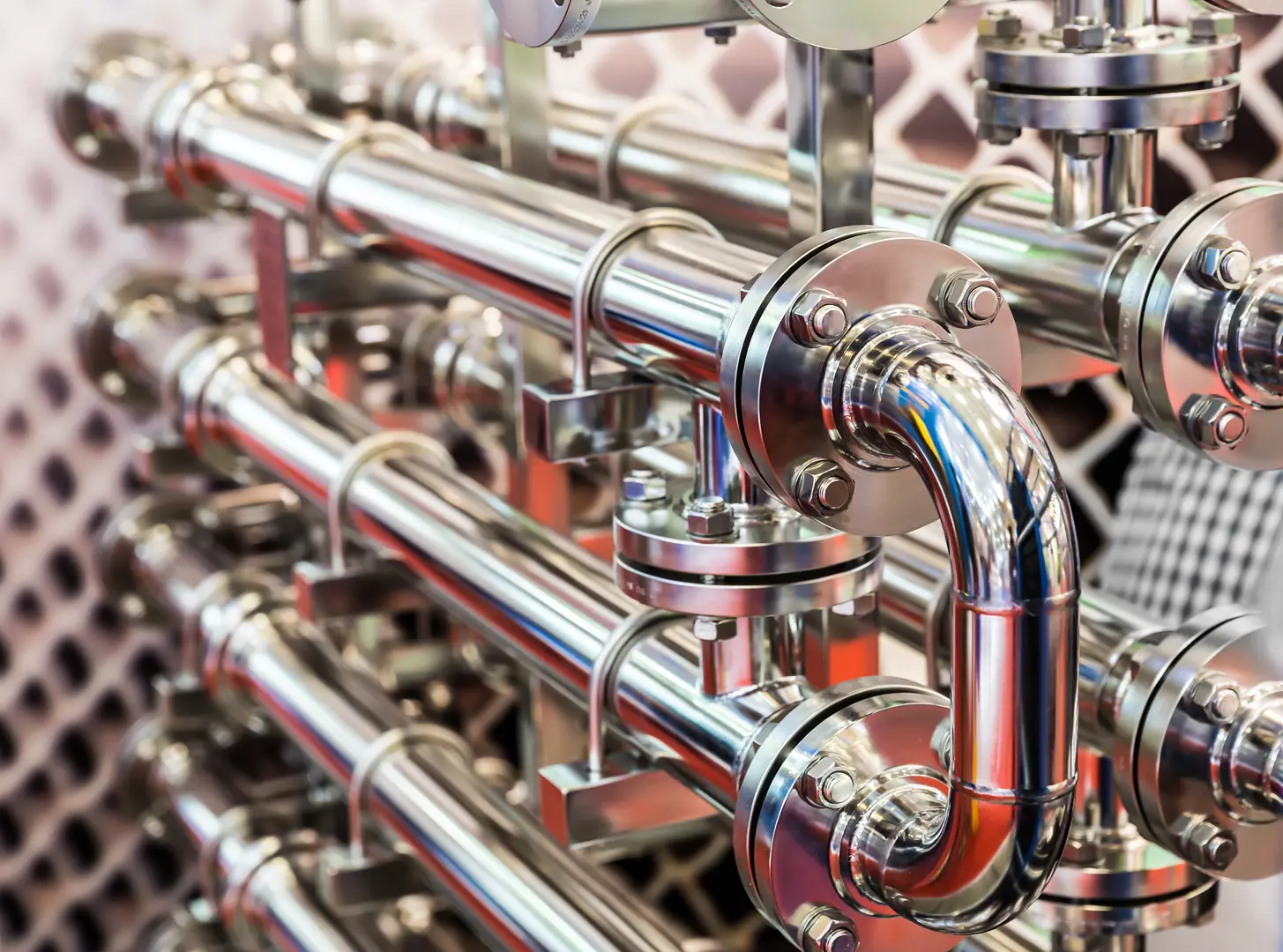
These aren't just abstract business problems; they have real-world consequences for your operations. A fabrication shop owner in Germany once told me a story that perfectly illustrates this. He received a batch of what was supposed to be 316L pipe for a pharmaceutical project. During fabrication, his welders noticed inconsistencies. After testing, it turned out the material didn't meet the required molybdenum content, making it unsuitable for the sterile environment. The entire batch had to be rejected, causing a two-week project delay and significant financial loss. This is the kind of risk that a non-transparent supply chain creates.
The High Cost of Inconsistent Quality
When a pipe's dimensions are off, or its chemical composition isn't to spec, the costs multiply. It means wasted labor on cutting and fitting, expensive rework on failed welds, and the potential for project penalties. Sourcing from a supplier that provides Mill Test Certificates (MTCs)[^2] and has a rigorous quality control process is the only way to mitigate this risk.
Navigating Unpredictable Lead Times
"When will my material arrive?" is a question that keeps shop managers up at night. Long and unreliable lead times make it impossible to schedule jobs effectively. It can lead to idle workers, stalled projects, and unhappy clients. This is often a symptom of a fragmented supply chain where no single entity has full visibility or control over the process from the mill to your door.
What Strategies Can Secure a Reliable Supply of 316L SS Pipe & Tubing?
Supply disruptions are a constant threat to your operations. Waiting for materials can stall your entire workshop. Proactive strategies and strong partnerships are your best defense against this uncertainty.
To secure a reliable supply, weld shops should partner with suppliers offering integrated supply chains, diversify sourcing to some extent, and leverage long-term agreements. Embracing suppliers with strong inventory management and transparent communication is also crucial for mitigating risks and ensuring material availability.
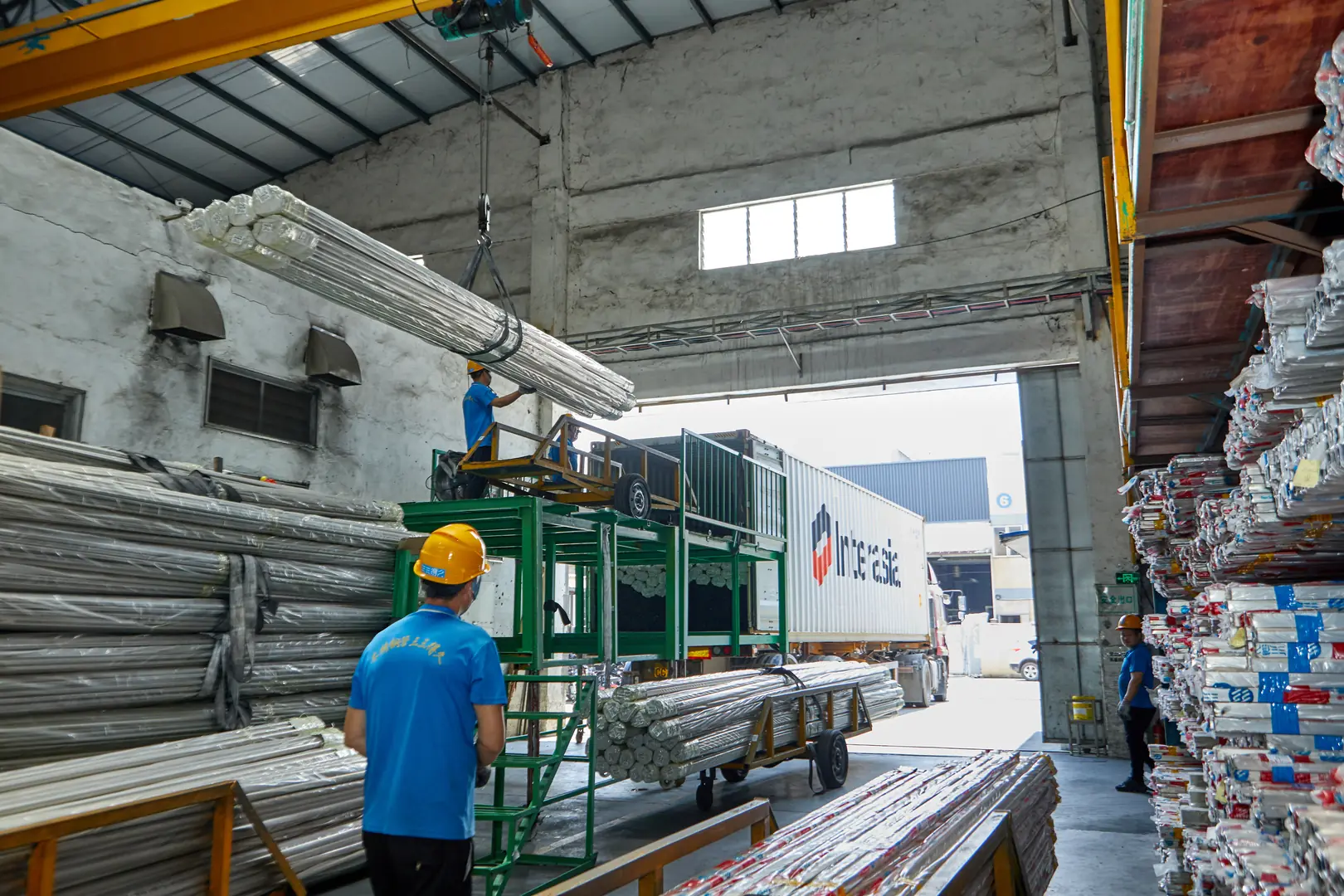
The most effective strategy is to stop thinking of your supplier as just a vendor and start seeing them as a strategic partner. The relationship should be built on more than just price; it must be built on trust, transparency, and shared goals. A true partner is invested in your success because your growth drives their growth. At MFY, this philosophy is at the core of how we operate. We don't just sell steel; we provide supply chain solutions that make our clients more competitive. We achieve this by focusing on our core strengths: a fully integrated system from raw materials to final export, massive production and inventory capabilities, and a commitment to innovation.
The Power of an Integrated Partner
An integrated partner controls the entire process. This eliminates the multiple hand-offs that cause delays and communication breakdowns. It means you have a single point of contact and accountability. When you have a question about your order's status, you get a real answer, because your partner has direct visibility into the production line and logistics network.
Building Long-Term Relationships
Moving from one-off purchases to long-term agreements can provide significant benefits. It allows your supply partner to better forecast your needs, which can lead to preferential pricing, reserved production capacity, and prioritized shipping. It turns a transactional relationship into a collaborative one.
| Strategy | Benefit |
|---|---|
| Partner with Integrated Suppliers | Single point of accountability, greater transparency, reduced lead times. |
| Establish Long-Term Agreements | Price stability, priority access to inventory, better demand planning. |
| Leverage Supplier Inventory | Reduces your need for on-site storage, improves cash flow. |
| Demand Full Traceability | Guarantees material quality and compliance with project specifications. |
How Are Technological Innovations Enhancing Supply Chain Efficiency?
Traditional supply chains are often slow and opaque. This lack of visibility creates unnecessary risk and inefficiency. New technology is fundamentally transforming how we source and manage industrial materials.
Technological innovations like digital platforms, real-time data analytics, and IoT sensors are enhancing supply chain efficiency. They provide unprecedented visibility, improve traceability from mill to workshop, optimize inventory levels, and reduce lead times, creating a more agile and responsive supply network.
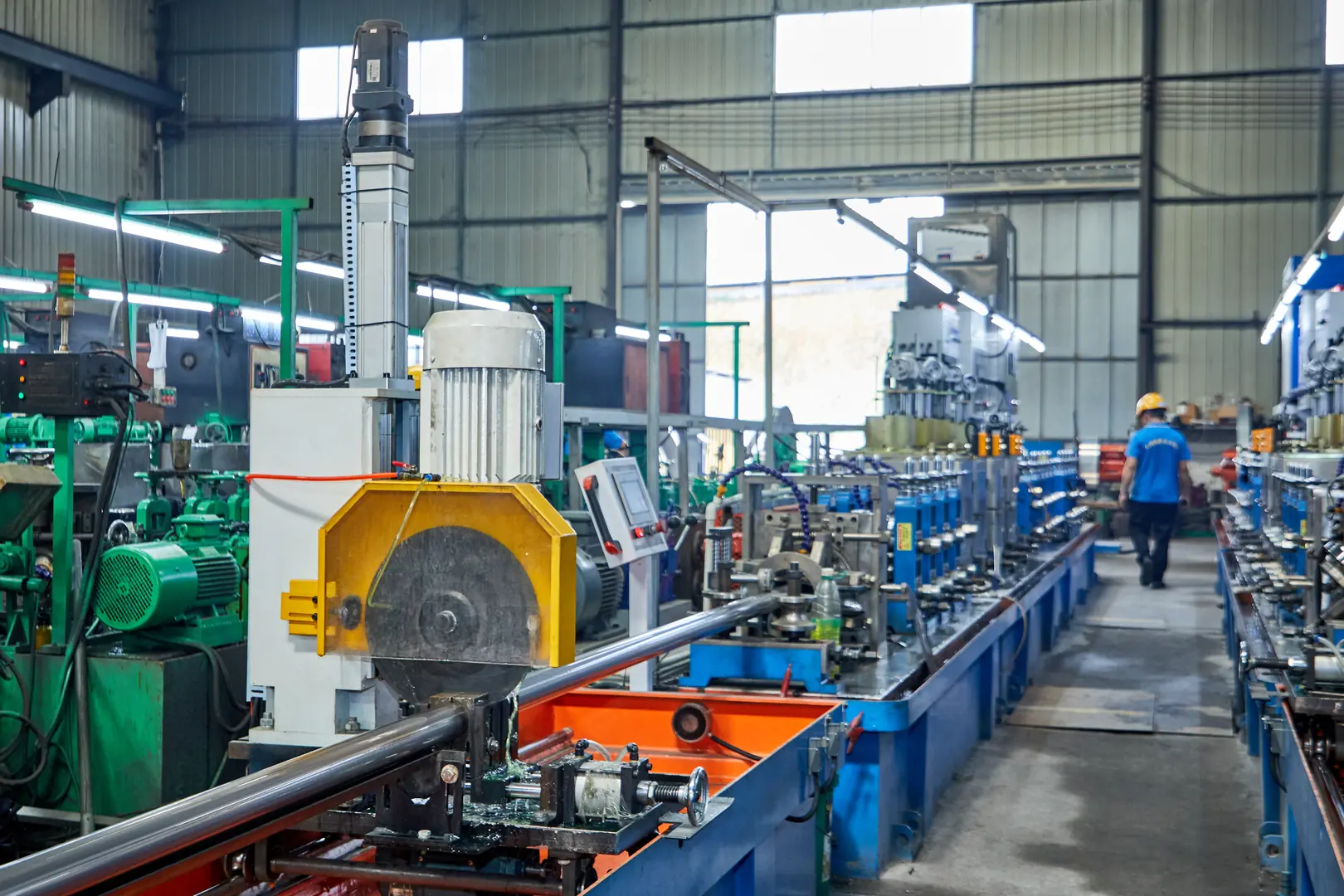
Technology is the engine driving the evolution of the modern supply chain. It's what allows a company like MFY to provide the agility and transparency that today's market demands. We are no longer just in the steel business; we are in the information business. The flow of accurate, real-time data is just as important as the physical flow of materials. For our clients, this means they are empowered with information that helps them run their businesses more effectively. This strategic shift forges stronger, more resilient partnerships and aligns with the broader industry trend toward smarter, more sustainable manufacturing.
Real-Time Tracking and Traceability
Digital platforms now allow customers to track their orders from the moment they are placed to the moment they arrive at their facility. This isn't just a tracking number; it's full visibility into production milestones, quality control checks, and shipping logistics. This level of traceability provides peace of mind and allows for precise project planning.
AI-Powered Demand Forecasting
By analyzing historical data and market trends, we can use AI to more accurately predict future demand for specific products like 316L pipe. This allows us to optimize our production schedules and inventory levels, ensuring we have the right material available when our clients need it, which helps reduce lead times and prevent stockouts. This proactive approach is a world away from the reactive nature of traditional supply chains.
Conclusion
Securing a reliable supply of high-quality 316L pipe is not about finding the cheapest vendor. It’s about finding a strategic partner with an integrated, tech-enabled supply chain. This approach is the key to ensuring your weld shop's reliability, efficiency, and competitive edge in a demanding market.
Have Questions or Need More Information?
Get in touch with us for personalized assistance and expert advice.


 English
  Русский