
Global Certifications & Export Expertise: MFY Compliance Explained
Are you finding it challenging to navigate the complex web of global certifications required for stainless steel products? Many businesses struggle with the fear of non-compliance, risking market access denial and reputational damage. At MFY, we simplify this by embedding compliance into our core operations, ensuring seamless export.
Global certifications in the stainless steel industry, such as ISO 9001, ASTM, EN, and PED, are crucial conformity assessments. They verify that products meet specific quality, safety, and performance standards, facilitating international trade, ensuring product reliability, and providing market access to regulated regions.
Understanding these certifications is more than just a regulatory hurdle; it's a gateway to trust and global market penetration. As Global Business Director at MFY, I’ve seen firsthand how a robust compliance framework not only opens doors but also builds lasting partnerships. We want to share how our dedication to these standards can benefit your operations.
The world of international trade is dynamic, with standards and regulations constantly evolving. For a company like MFY, rooted in the stainless steel industry and aiming for global leadership, compliance isn't just a department; it’s a cornerstone of our entire business philosophy. From raw material sourcing to final product delivery, every step is scrutinized. This isn't merely about ticking boxes; it's about understanding the intent behind each standard—be it safety, environmental protection, or material integrity. Research from bodies like the International Organization for Standardization (ISO) consistently shows that companies adhering to international standards experience improved customer satisfaction and operational efficiency. For instance, a study by the Harvard Business Review1 indicated that companies with strong compliance cultures often outperform their peers in terms of innovation and market responsiveness. At MFY, we see this not as a cost, but as an investment in quality, reliability, and ultimately, our clients' success. This proactive and integrated approach allows us to navigate the complexities of global markets with agility and precision.
What are the key global certifications relevant in the stainless steel industry?
Struggling to identify which certifications truly matter for your stainless steel needs? The sheer number can be overwhelming, leaving you uncertain about product quality and market compliance. We believe clarity on key certifications is fundamental for secure and reliable international trade in stainless steel.
Key global certifications include ISO 9001 for quality management, material-specific standards like ASTM (American), EN (European), JIS (Japanese), and DIN (German), and industry/region-specific approvals such as PED for pressure equipment in Europe and CE marking, ensuring product suitability and safety.
Navigating the landscape of stainless steel certifications can seem like traversing a dense forest without a map. Each standard, each acronym, represents a specific set of requirements designed to ensure quality, safety, and interoperability across global markets. As someone who has spent years in this industry, I've seen how crucial a deep understanding of these certifications is, not just for us as a supplier, but for our clients who rely on these assurances for their own projects and reputations. It's about building a chain of trust that starts from the mill and extends to the end-user. For example, a client like Mr. Sharma from Sharma Engineering Solutions in India, who fabricates critical components for the pharmaceutical industry, absolutely needs materials that meet stringent international hygiene and durability standards. His peace of mind comes from knowing that the stainless steel pipes we supply are backed by verifiable certifications. This isn't just about avoiding penalties; it's about enabling innovation, ensuring safety, and fostering confidence in every ton of steel we deliver. We'll delve deeper into the most significant certifications that shape our industry and how they impact your procurement decisions.
Understanding the nuances of these certifications is paramount for any business involved in the international stainless steel trade. At MFY, we don't just see these as badges to collect; they are integral to our promise of quality and reliability. The certification landscape is diverse, addressing various aspects from management systems to specific product performance characteristics. For instance, while ISO 9001 underpins our entire quality management approach, specific product standards dictate the technical specifications our stainless steel pipes must meet. This detailed attention ensures that when you source from MFY, you're receiving products that are not only compliant but also optimized for their intended application, whether it's for a high-pressure pipeline in the Middle East or precision tubing for a manufacturing facility in Southeast Asia. This deep dive will explore these critical certifications, their significance, and how they contribute to a secure and efficient global supply chain.
Understanding Core Quality Management Systems (ISO 9001)
ISO 9001 is arguably the most recognized quality management system (QMS) standard globally. For us at MFY, achieving and maintaining ISO 9001 certification is not a mere formality; it's a testament to our commitment to consistent quality and continuous improvement across all our operations, from R&D and production to sales and service. This standard provides a framework that helps us ensure our products and services consistently meet customer and regulatory requirements. It emphasizes a process-oriented approach, customer focus, and the active involvement of top management, which are principles deeply embedded in our organizational culture.
The implementation of ISO 9001 at MFY means that every stage of our stainless steel pipe production is subject to rigorous quality checks and controls. This starts from the meticulous selection of raw materials, through our cold-rolled processing and tube manufacturing, right up to the final inspection and packaging. We maintain extensive documentation and records, ensuring traceability and accountability. For example, when a client like Mr. Sharma orders a specific grade of stainless steel tube, our ISO 9001 certified processes guarantee that the material composition, mechanical properties, and dimensional tolerances are precisely as specified and fully documented. This systematic approach minimizes errors, reduces waste, and enhances overall operational efficiency, directly benefiting our clients through reliable product quality and timely delivery.
Furthermore, ISO 9001 promotes a culture of continuous improvement. We regularly conduct internal audits and management reviews to assess the effectiveness of our QMS and identify areas for enhancement. This proactive stance allows us to adapt to changing market demands and technological advancements swiftly. For instance, feedback from our export markets in India or Southeast Asia might highlight a need for a specific type of packaging to withstand humid conditions during transit. Our QMS enables us to systematically evaluate this feedback, implement changes, and monitor their effectiveness, ensuring we continually evolve to meet our clients' needs. This isn't just about maintaining a certificate; it's about fostering an environment where excellence is the norm. According to ISO's own surveys, businesses implementing ISO 9001 report significant benefits in customer satisfaction and market competitiveness, a reality we experience daily at MFY.
Material-Specific Standards (ASTM, EN, JIS, DIN)
Beyond overarching quality management systems, material-specific standards such as ASTM, EN, JIS, and DIN2 are critical in the stainless steel industry. These standards, such as ASTM (American Society for Testing and Materials), EN (European Norms), JIS (Japanese Industrial Standards), and DIN (Deutsches Institut für Normung - German Institute for Standardization), define the precise chemical composition, mechanical properties, dimensions, and testing procedures for various grades of stainless steel. As a global exporter, MFY ensures its stainless steel pipes can meet the requirements of these diverse international standards, catering to the specific needs of clients across different regions and industries.
For our clients in manufacturing, engineering, and construction, adherence to these standards is non-negotiable. An engineering contractor in the Middle East, for example, might require stainless steel pipes compliant with ASTM A312 for a petrochemical plant, specifying particular grades like 316L for its superior corrosion resistance. Similarly, a European equipment integrator might demand pipes conforming to EN 10217-7 for welded steel tubes for pressure purposes. At MFY, our production processes and quality control measures are geared to manufacture pipes that precisely meet these technical specifications. Our strong production capacity and inventory management allow us to stock and produce a wide range of grades compliant with these varied standards, ensuring rapid export delivery.
The importance of these standards also lies in ensuring interoperability and safety. When a component fabricated in one country using steel certified to a specific EN standard is integrated into a larger system in another, a shared understanding of material properties is crucial. MFY’s commitment to these standards means our clients can confidently integrate our stainless steel pipes into their projects, knowing they will perform as expected. We invest in advanced testing equipment and well-trained personnel to verify compliance with the detailed requirements of each standard, from tensile strength and hardness tests to corrosion resistance evaluations. This rigorous testing, coupled with comprehensive Mill Test Certificates (MTCs), provides our clients with the assurance that they are receiving materials of the highest quality, fully traceable and compliant with the globally recognized benchmarks relevant to their application. This meticulous approach has been instrumental in building trust with distributors and traders who rely on us for consistent, certified materials.
Industry-Specific and Regional Certifications (PED, API, CE Marking)
Beyond general material standards, many industries and regions have their own specific certification requirements. For MFY, as a supplier to diverse sectors like manufacturing and engineering & construction across markets including Europe and the Middle East, understanding and complying with these specialized certifications is key to market access and customer satisfaction. Notable examples include the Pressure Equipment Directive (PED 2014/68/EU)3 for equipment sold in the European Economic Area, API (American Petroleum Institute) specifications for the oil and gas industry, and CE Marking, which indicates conformity with health, safety, and environmental protection standards for products sold within the EEA.
The Pressure Equipment Directive (PED), for instance, is crucial for any stainless steel pipes intended for use in pressure systems within Europe. This directive sets out essential safety requirements for the design, manufacture, and conformity assessment of pressure equipment. At MFY, when we supply pipes for such applications, we ensure they meet the stringent material and manufacturing criteria outlined by the PED, often involving specific testing and certification by Notified Bodies. This allows our European clients, such as engineering contractors building chemical processing plants, to confidently incorporate our products. Similarly, for projects in the oil and gas sector, adherence to API specifications like API 5LC for CRA (Corrosion Resistant Alloy) line pipe is often a prerequisite. Our production capabilities are aligned to meet these demanding industry standards.
CE Marking is another vital compliance mark, broader in scope but equally important. While not always directly applicable to basic stainless steel pipes as standalone products, it becomes relevant when these pipes are part of a larger assembly or system that falls under specific EU directives requiring the CE mark. MFY ensures that the material properties and documentation we provide support our clients' efforts in achieving CE compliance for their final products. For example, a manufacturer of food processing equipment (a target client for MFY) selling to Europe would need to ensure all components, including the stainless steel tubing, contribute to the overall CE conformity of their machinery. Our role is to supply materials that meet the underlying quality and safety standards, backed by transparent documentation. Navigating these industry-specific and regional certifications requires significant expertise and a proactive approach, which is central to MFY's strategy for serving its global clientele effectively.
ISO 9001 ensures quality managementTrue
ISO 9001 is a globally recognized quality management system that ensures consistent product quality and continuous improvement.
CE marking is only for EuropeFalse
While CE marking is primarily for the European Economic Area, it is often recognized and required in other markets as well.
How does MFY ensure compliance with international certification standards?
Are you concerned about the consistency and reliability of compliance when sourcing stainless steel internationally? Ensuring that every batch meets rigorous international standards can seem like a monumental task. At MFY, we address this through a deeply integrated system of quality assurance and proactive measures.
MFY ensures compliance through an integrated Quality Management System (QMS), rigorous material sourcing and in-house testing protocols, adherence to specific certification requirements (e.g., ISO, ASTM, EN), continuous employee training, and regular internal and external audits to verify and maintain standards.
Ensuring compliance isn't just a final checkpoint at MFY; it's a philosophy woven into the fabric of our operations, from the moment raw materials enter our facility to the point our stainless steel pipes reach our clients worldwide. As someone responsible for our global business, I understand that our clients, whether they are large manufacturing companies or specialized engineering contractors, depend on our unwavering commitment to these standards. It’s a responsibility we take very seriously. Consider, for instance, a project requiring highly specific stainless steel grades4 for a critical infrastructure development in Southeast Asia. The client needs absolute assurance that the materials are not only of the specified grade but also meet all relevant international certifications for safety and durability. Our multi-faceted approach, encompassing everything from advanced material analysis to meticulous process control and comprehensive documentation, is designed to provide precisely this assurance. We believe that true compliance goes beyond paperwork; it’s about a culture of precision and a relentless pursuit of quality. This commitment is what allows us to confidently serve diverse markets and complex project requirements, ensuring that every MFY product stands up to global scrutiny. We will explore the specific mechanisms we employ to uphold these exacting standards.
At MFY, our approach to ensuring compliance with international certification standards is comprehensive and proactive. It's built upon decades of experience in the stainless steel industry and a forward-thinking vision that embraces technological innovation and continuous improvement. We understand that our clients, from large-scale manufacturing companies to specialized engineering contractors, rely on us not just for high-quality stainless steel pipes, but for the peace of mind that comes with knowing these products meet the most stringent global benchmarks. This isn't achieved by chance; it's the result of deliberate strategies, robust systems, and a dedicated team. For example, when we export to demanding markets like India or the Middle East, our clients often require detailed traceability and certification documentation. Our systems are designed to deliver this seamlessly. My personal experience in overseeing global exports has shown me that a transparent and well-documented compliance process is as valuable as the physical product itself. It’s about building trust and demonstrating our capability to meet diverse and evolving international requirements consistently. We invest significantly in our people, processes, and technology to maintain this high level of compliance, recognizing it as a critical component of our competitive strength and our mission to drive the global expansion of China's stainless steel supply chain.
Integrated Quality Management System (QMS) at MFY
At the heart of MFY's compliance strategy is our robust and Integrated Quality Management System (QMS). This system is not a standalone function but is woven into every aspect of our operations, aligning with our identity as a diversified group company that integrates R&D, production, sales, service, and digital innovation. Our QMS is designed to be compliant with international standards like ISO 9001, providing a comprehensive framework for achieving consistent product quality and satisfying customer expectations. It outlines clear procedures, responsibilities, and processes for all quality-related activities, ensuring that every employee understands their role in maintaining our high standards.
Our QMS begins with meticulous planning, from understanding customer requirements and relevant international standards to designing production processes that can consistently meet these specifications. For instance, when an engineering contractor in Russia specifies a particular EN standard for stainless steel tubes destined for a low-temperature application, our QMS ensures that the correct raw materials are selected, appropriate manufacturing processes are employed, and specific low-temperature impact tests are conducted and documented. The system incorporates regular management reviews, internal audits, and corrective and preventive action (CAPA) processes, fostering a cycle of continuous improvement. This means we are constantly evaluating our performance, identifying potential areas for enhancement, and implementing changes to make our processes even more effective and efficient.
The "fully integrated supply chain" strength of MFY plays a crucial role here. Our QMS extends across our stainless steel raw material trading, cold-rolled processing, and tube manufacturing units. This integration allows for seamless quality control and traceability from the input material to the finished pipe. Digital innovation, another MFY focus, supports our QMS by enabling efficient data collection, analysis, and reporting. For example, our software development capabilities have allowed us to create internal systems that track material batches, test results, and certification status in real-time. This not only enhances our internal efficiency but also provides our clients, like distributors and traders, with transparent and readily available quality assurance data, reinforcing their trust in MFY products.
Rigorous Material Sourcing and Testing Protocols
A critical component of ensuring compliance at MFY is our stringent approach to material sourcing and our comprehensive in-house testing protocols. The quality of the final stainless steel pipe is fundamentally dependent on the quality of the raw materials used. Therefore, we have established strong relationships with reputable suppliers and implement rigorous inspection and verification processes for all incoming stainless steel raw materials. This ensures that the chemical composition and initial properties of the materials meet our exacting standards and the specifications required for the intended certifications, such as specific ASTM or EN grades.
Once the raw materials are approved, they enter our production cycle, which includes cold-rolled processing and tube manufacturing. Throughout these stages, multiple testing points are integrated. Our well-equipped laboratories, staffed by trained technicians, conduct a battery of tests. These typically include chemical analysis using spectrometry to verify alloy composition, mechanical testing (tensile, hardness, impact tests), corrosion resistance tests (e.g., intergranular corrosion testing), and non-destructive testing (NDT) such as eddy current testing or ultrasonic testing for weld integrity and defect detection in our stainless steel pipes. For instance, a batch of pipes destined for a high-pressure application for an equipment integrator will undergo hydrostatic testing to ensure it can withstand the specified pressures without leakage or deformation. These tests are conducted according to the procedures outlined in relevant international standards.
The data from these tests are meticulously recorded and linked to specific production batches, forming a crucial part of our traceability system. This allows us to issue accurate and reliable Mill Test Certificates (MTCs) – typically EN 10204 3.1 certificates – which provide our clients with full documentation of the material's properties and compliance. Our strong production capacity and inventory mean we can manage diverse testing requirements efficiently. This commitment to rigorous testing not only ensures compliance with standards like ASTM A269 for general service tubing or ASTM A249 for welded boiler tubes but also underpins our reputation for delivering high-quality, reliable stainless steel products to markets like India, Southeast Asia, and the Middle East.
Continuous Training and Auditing Processes
To maintain the integrity of our compliance framework and ensure our global export expertise, MFY invests heavily in continuous training for our personnel and implements a robust auditing process. We recognize that standards evolve, technologies advance, and customer expectations change. Therefore, our team, from production floor operators to quality control inspectors and sales personnel, undergoes regular training on international standards, quality control procedures, new testing methodologies, and customer-specific requirements. This ensures that everyone involved in the product lifecycle is equipped with the latest knowledge and skills to perform their roles effectively in maintaining compliance.
Our training programs are tailored to different functions. For example, our technical staff receive in-depth training on the nuances of various ASTM, EN, and other international standards, including updates and amendments. Sales and export teams are trained on the documentation requirements and certification needs of different export markets, such as India, Southeast Asia, or Russia, enabling them to provide accurate information and support to our target clients, including manufacturing companies and engineering contractors. This continuous learning culture is a core part of MFY's value of "continuous evolution."
Complementing our training initiatives is a stringent auditing process. This includes regular internal audits conducted by our dedicated quality assurance team to assess adherence to our QMS and identify any deviations or areas for improvement. These internal audits are thorough, covering all aspects from raw material handling to final product inspection and dispatch. Furthermore, MFY is subject to external audits by accredited certification bodies for maintaining certifications like ISO 9001, and often by major clients who conduct their own supplier audits. We welcome these external audits as valuable opportunities to validate our systems and gain third-party endorsement of our compliance practices. The findings from all audits feed directly into our corrective and preventive action system, ensuring that any identified gaps are addressed promptly and effectively, reinforcing our commitment to excellence and reliability.
MFY uses an integrated QMSTrue
MFY's Quality Management System is woven into all operations, ensuring compliance from material sourcing to final product delivery.
Compliance is only checked at final stageFalse
MFY implements continuous compliance checks throughout production, with multiple testing points and audits, not just at final inspection.
What challenges does MFY face in maintaining global export expertise?
Is the thought of keeping up with ever-changing global standards and diverse market demands for stainless steel giving you a headache? It's a significant hurdle for any exporter. At MFY, while we pride ourselves on our export expertise, we continually navigate these complexities to serve you better.
MFY faces challenges in maintaining global export expertise, including navigating the constantly evolving landscape of international standards, managing diverse and specific customer requirements across numerous export markets, and handling complex logistical and customs documentation intricacies inherent in cross-border trade.
Maintaining a leading edge in global export expertise, especially in a technically demanding field like stainless steel, is an ongoing endeavor fraught with challenges. As MFY expands its footprint across diverse markets like India, Southeast Asia, the Middle East, and Russia5, the complexity of this task magnifies. It's not just about producing high-quality stainless steel pipes; it’s about ensuring these products seamlessly integrate into varied regulatory and commercial environments. From my vantage point as Global Business Director, I see our teams grappling daily with a dynamic array of issues. These range from staying ahead of revisions in dozens of international material and testing standards to understanding the subtle nuances of import regulations in a new target country, or even accommodating unique packaging requests from a client in a specific climate. For example, a recent shipment to a client in a humid Southeast Asian port required specialized anti-corrosion packaging that went beyond standard protocols, a challenge our logistics and production teams collaborated to solve. These are not isolated incidents but part of the daily operational reality of a global exporter. Addressing these challenges proactively is key to our mission of driving the global expansion of China's stainless steel supply chain.
The path to maintaining premier global export expertise is paved with persistent challenges that demand agility, foresight, and continuous adaptation. At MFY, we are acutely aware that our "fully integrated supply chain" and "strong production capacity" must be matched by an equally robust ability to navigate the complexities of international trade. Each export market, from the bustling industrial hubs of India to the rapidly developing infrastructure projects in Southeast Asia or the specific requirements of the Russian market, presents its own unique set of hurdles. These can range from subtle differences in interpretation of widely accepted standards like ASTM or EN, to entirely distinct national regulations, customs procedures, and documentation needs. For instance, a seemingly minor discrepancy in a certificate of origin or a bill of lading can lead to significant delays and costs at the port of entry, impacting our "rapid export delivery" promise. As a company driven by "innovation-driven development," we are constantly seeking better ways to anticipate and mitigate these challenges, ensuring that our stainless steel pipes not only meet the technical specifications but also arrive at our global clients – be they manufacturing companies, engineering contractors, or distributors – with all compliance and logistical aspects seamlessly managed. It's a continuous learning curve, and our commitment to "continuous evolution" is vital in this arena.
Navigating the Evolving Landscape of International Standards
One of the foremost challenges MFY consistently addresses is the dynamic and ever-evolving nature of international standards governing stainless steel products. Standards set by bodies like ISO, ASTM, EN, JIS, and DIN are not static; they are periodically reviewed, updated, and amended to reflect technological advancements, new research findings, safety considerations, and changing industry practices. Keeping abreast of these modifications across multiple standards bodies, relevant to all our export markets—India, Southeast Asia, Middle East, Russia, and more—requires a dedicated and systematic effort. A revision to an ASTM standard for a particular grade of stainless steel pipe, for example, might introduce new testing requirements or alter acceptable tolerance levels. Failure to adopt such changes promptly can lead to non-compliance, rejection of goods, or loss of market access.
To manage this, MFY invests in resources to monitor updates from key standards organizations. Our technical and quality assurance teams actively participate in industry forums, subscribe to relevant publications, and maintain close contact with certification bodies. This proactive approach allows us to anticipate changes and integrate them into our production and quality control processes in a timely manner. For example, if a new environmental regulation affecting stainless steel processing is introduced in a key export region, our R&D and production teams work together to assess its impact and implement necessary adjustments, ensuring our products remain compliant and environmentally responsible. This "agility," one of MFY's core values, is crucial here.
The challenge is compounded by the fact that sometimes national standards in specific export markets might have variations or additional requirements layered on top of international standards. Understanding and cataloging these national deviations for each of our target countries is a significant undertaking. For a client like Sharma Engineering Solutions in India, who relies on our pipes for critical applications, ensuring we meet not only the agreed international standard but also any specific Indian Standards (IS) if applicable, is paramount. This requires meticulous attention to detail in the contract review phase and robust internal processes to manage product configurations for different markets. Our commitment to being "innovation-driven" extends to how we manage this information, exploring digital tools to maintain an up-to-date knowledge base of global standards.
Managing Diverse Customer Requirements Across Multiple Markets
Another significant challenge in maintaining global export expertise is managing the highly diverse and often very specific requirements of our customers across our wide array of export markets. MFY serves various client types, including manufacturing companies, engineering & construction contractors, distributors and traders, and equipment integrators. Each of these segments, operating in different countries like India, regions like Southeast Asia or the Middle East, or even Russia, can have unique needs beyond standard product specifications. These can relate to specific surface finishes, end-preparation of pipes, custom lengths, specialized packaging for harsh environments or long sea voyages, or particular marking and tagging instructions for easy identification on large project sites.
For instance, an engineering contractor working on a major infrastructure project in the Middle East might require stainless steel pipes cut to very precise, non-standard lengths to minimize on-site welding, along with color-coding for different pipe grades to prevent mix-ups. A manufacturing company in Southeast Asia might need exceptionally smooth internal surfaces for hygiene-critical applications. Fulfilling such bespoke requirements while maintaining production efficiency and cost-effectiveness demands a high degree of flexibility in our manufacturing processes and meticulous coordination between our sales, production planning, and logistics teams. Our "strong production capacity and inventory" help, but adapting production runs for specialized orders requires careful management.
The challenge intensifies when these unique requirements intersect with varying certification and documentation needs for different markets. A distributor in India might prioritize rapid delivery and bulk packaging, while an equipment integrator in Europe might focus on highly detailed material traceability and conformity documentation for PED compliance. MFY’s "one-stop solution" approach aims to cater to this diversity. However, it necessitates a sophisticated system for capturing, communicating, and executing these varied customer demands accurately. This involves robust CRM systems, detailed order processing procedures, and clear communication channels to ensure that the final product delivered perfectly aligns with each client's specific expectations, reinforcing our competitive strength. This ability to customize and adapt is central to our customer-centric philosophy.
Logistical and Documentation Complexities in Cross-Border Trade
The complexities associated with logistics and documentation in cross-border trade present a persistent challenge for any global exporter, and MFY is no exception. Ensuring the "rapid export delivery" of stainless steel pipes to diverse markets like India, Southeast Asia, the Middle East, and Russia involves navigating a labyrinth of shipping regulations, customs procedures, and documentation requirements that vary significantly from one country to another. Each shipment requires a precise set of documents, which can include commercial invoices, packing lists, bills of lading, certificates of origin, Mill Test Certificates (MTCs), and specific import permits or licenses depending on the destination and product. Even a minor error or omission in this paperwork can lead to costly delays, customs penalties, or even confiscation of goods.
The physical logistics of transporting heavy and often lengthy stainless steel pipes across continents also pose challenges. This includes selecting appropriate shipping methods (sea, rail, or occasionally air freight), ensuring proper loading and securing of cargo to prevent damage during transit, and coordinating with freight forwarders, shipping lines, and port authorities. For instance, shipping to landlocked regions within Russia might involve multi-modal transport, adding layers of complexity to coordination and tracking. MFY’s warehousing capabilities, part of our integrated supply chain, help in consolidating shipments and preparing them for export, but the external leg of the journey requires constant vigilance and expert management.
To illustrate the documentation variance, consider the following simplified comparison for two hypothetical markets:
| Document/Requirement | Market A (e.g., Hypothetical Southeast Asian Country) | Market B (e.g., Hypothetical Middle Eastern Country) |
|---|---|---|
| Certificate of Origin | Standard Chamber of Commerce issued | Often requires Embassy legalization |
| Commercial Invoice | Must detail HS codes per item | May require specific Arabic translation summary |
| Inspection Requirements | Pre-shipment inspection by designated agency optional | Mandatory pre-shipment inspection for certain values |
| Import License | Generally not required for standard steel pipes | May be required for specific grades or end-users |
| MTC Attestation | Standard MTC sufficient | Sometimes requires third-party verification |
This table is illustrative and actual requirements can be more complex and subject to change.
MFY addresses these challenges by investing in a knowledgeable export department, leveraging strong relationships with experienced logistics partners, and increasingly utilizing digital tools for documentation management and shipment tracking. Our focus on "digital innovation" and "software development" within the MFY group is gradually being applied to streamline these export processes, aiming to minimize errors and enhance transparency for our clients. Maintaining expertise in this area is crucial for delivering on our promise of efficient and reliable global supply.
Standards evolve constantlyTrue
International standards like ASTM and EN are regularly updated, requiring exporters to stay vigilant.
All markets have identical requirementsFalse
Different countries often layer additional requirements on top of international standards.
What strategies does MFY employ to address compliance challenges effectively?
Feeling overwhelmed by the thought of ensuring every stainless steel shipment meets complex global compliance rules? It’s a valid concern given the intricate international trade landscape. At MFY, we’ve developed proactive strategies to turn these challenges into strengths, ensuring smooth operations for our clients.
MFY addresses compliance challenges through proactive investment in certifications and advanced testing capabilities, building strong relationships with certification bodies and customers for clarity, and leveraging technology, including our own software development, for robust compliance management, documentation, and traceability systems.
Effectively addressing compliance challenges in the global stainless steel market isn't a passive activity; it demands a proactive, multi-faceted strategy. At MFY, we've learned that anticipating potential issues and building robust systems are far more effective than reacting to problems as they arise. As Global Business Director, I’ve championed an approach that integrates compliance into the very DNA of our operations. This means looking beyond simply meeting existing standards; it involves understanding the trajectory of regulatory trends, investing in future capabilities, and fostering a company-wide culture of diligence. For example, recognizing the increasing demand for detailed traceability, especially from clients in highly regulated sectors like food processing or pharmaceuticals (think of Mr. Sharma's needs in India)6, we've proactively invested in enhancing our material tracking systems. This isn't just about avoiding penalties; it's about providing our clients with the confidence and documentation they need to meet their own stringent quality and regulatory obligations, thereby strengthening our partnerships and our "one-stop solution" offering.
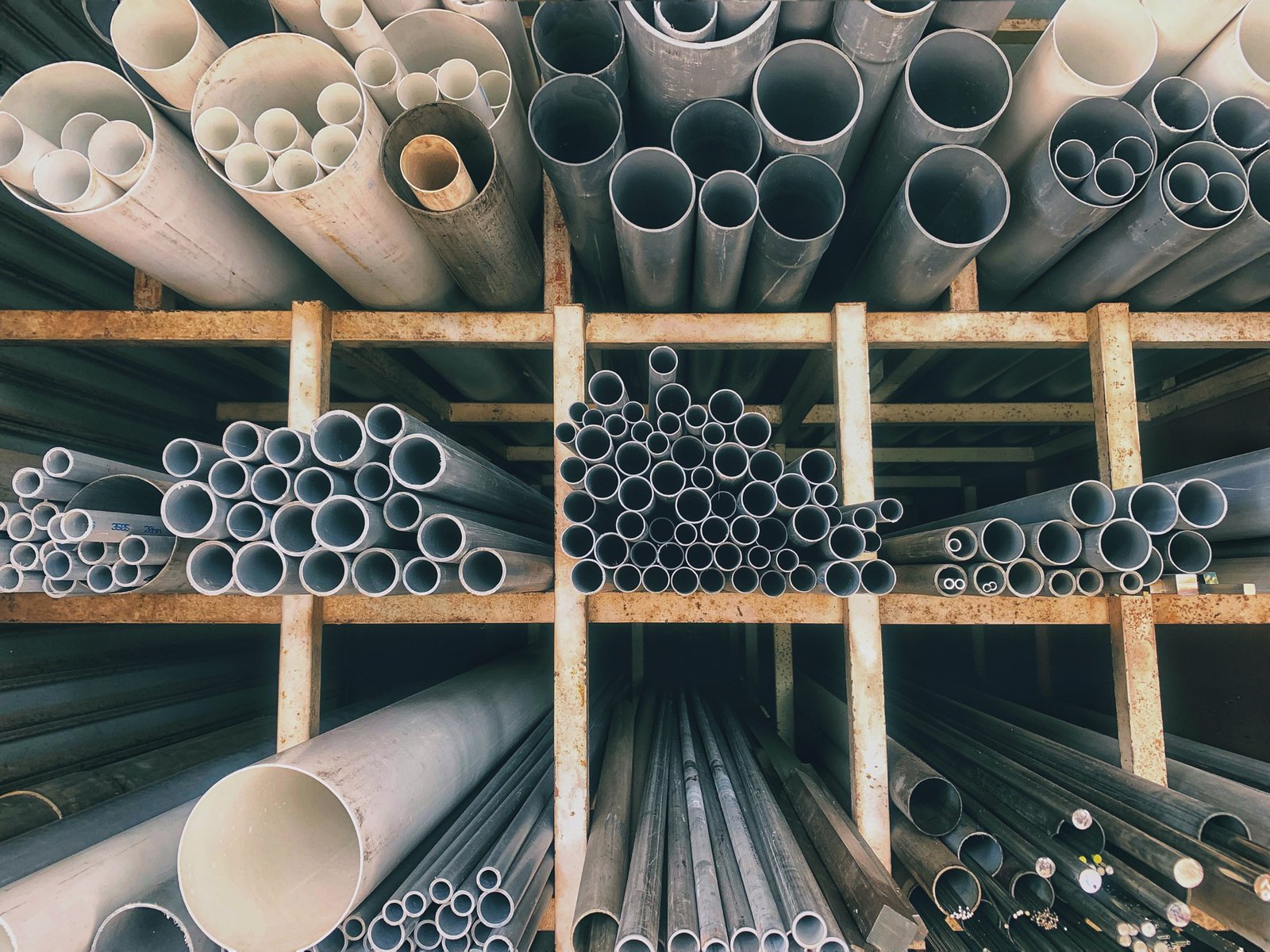
In the dynamic world of international stainless steel trade, merely reacting to compliance challenges is a recipe for inefficiency and risk. At MFY, our strategies are built on foresight, integration, and continuous improvement, reflecting our core values of agility and resilience. We understand that our clients, ranging from large manufacturing companies to specialized engineering contractors across India, Southeast Asia, the Middle East, and Russia, depend on us not just for quality products but for seamless, compliant transactions. Therefore, our approach to tackling compliance hurdles is deeply embedded in our business model, leveraging our "fully integrated supply chain" and "innovation-driven development" philosophy. This means we don't just solve problems; we build systems to prevent them. For instance, anticipating the increasing complexity of customs documentation, we are actively exploring how our "software development" arm can create tools to automate and verify paperwork (reducing the chance of human error and speeding up our "rapid export delivery")7. This proactive stance is essential not only for meeting current demands but also for future-proofing our operations and supporting MFY's vision to become the leading international trade and service brand in China's stainless steel industry. My experience has shown that investing in robust compliance strategies is a direct investment in customer trust and long-term business sustainability.
Proactive Investment in Certification and Testing Capabilities
A cornerstone of MFY's strategy to effectively address compliance challenges is our proactive and continuous investment in achieving and maintaining relevant certifications, alongside enhancing our in-house testing capabilities. We don't wait for market demands to force our hand; instead, we anticipate the needs of our diverse clientele and the requirements of stringent international standards. This involves allocating significant resources towards obtaining certifications like ISO 9001, and ensuring our products can meet specific standards such as ASTM, EN, PED, and others as required by our export markets in India, Southeast Asia, and beyond. This commitment reflects our understanding that certifications are not just compliance tools but also enablers of market access and symbols of quality assurance.
Our investment extends to state-of-the-art testing equipment within our own facilities. Having advanced capabilities for chemical analysis, mechanical property testing (tensile, hardness, impact), corrosion resistance evaluation, and non-destructive testing (NDT) allows us to verify product compliance rigorously and efficiently. This reduces reliance on external laboratories for routine tests, speeding up the quality assurance process and enabling "rapid export delivery." For example, if a client like an equipment integrator needs stainless steel tubes with specific impact strength at low temperatures for a project in Russia, our in-house Charpy impact testing machine allows us to conduct these tests promptly and provide certified results. This capability is crucial for our "strong production capacity and inventory" to translate into quickly available, certified products.
Furthermore, this proactive investment means we are often prepared for new or revised standards before they become mandatory. Our R&D department, integral to MFY's structure, works closely with our quality assurance team to study upcoming changes in global standards. This allows us to adapt our manufacturing processes, raw material specifications, and testing protocols in advance. For instance, if a new environmental regulation impacting the use of certain chemicals in steel processing is anticipated, we would proactively research and test alternative, compliant methods. This foresight minimizes disruption to our supply chain and ensures our clients continue to receive products that meet the latest global benchmarks, reinforcing our image as a reliable and forward-thinking supplier.
Building Strong Relationships with Certification Bodies and Customers
Another vital strategy MFY employs is the cultivation of strong, collaborative relationships with accredited certification bodies, industry associations, and, crucially, our customers. We understand that compliance is often a collaborative effort, requiring clear communication and mutual understanding. Engaging closely with certification bodies helps us stay informed about the latest interpretations of standards, upcoming revisions, and best practices in compliance. This dialogue allows us to clarify ambiguities and ensure our internal processes are correctly aligned with third-party requirements, streamlining the audit and certification process.
Equally important are the strong relationships we build with our customers, including manufacturing companies, engineering contractors, and distributors. By fostering open communication, we gain deeper insights into their specific compliance needs, industry-specific regulations they face, and the end-use applications of our stainless steel pipes. This customer-centric approach allows us to tailor our compliance efforts and documentation more effectively. For example, a discussion with Mr. Sharma in India about a new food safety regulation impacting his equipment might lead us to provide additional, specific material declarations beyond standard MTCs. This responsiveness is part of our "one-stop solution" promise.
These relationships also facilitate a proactive approach to problem-solving. If a client faces a unique compliance challenge in their specific market or project, our established network and internal expertise allow us to work with them to find solutions. This might involve conducting additional specialized tests, providing more detailed technical documentation, or working with them and local authorities to ensure our products meet all necessary criteria. This collaborative spirit not only helps in overcoming immediate compliance hurdles but also builds long-term trust and partnership. It transforms the supplier-client dynamic from a purely transactional one to a more strategic alliance, where MFY acts as a knowledgeable partner in navigating the complexities of global trade and compliance, supporting our vision of driving the global expansion of China's stainless steel supply chain.
Leveraging Technology for Compliance Management and Traceability
MFY strategically leverages technology, including our in-house "software development" capabilities, to enhance compliance management, documentation accuracy, and product traceability. In an era of increasing complexity in global trade and rising expectations for transparency, manual systems are often inadequate. We recognize that digital innovation is key to efficiently managing the vast amounts of data associated with quality control, certification, and export documentation across our diverse product range and export markets like India, Southeast Asia, and the Middle East. This commitment to technology is a core aspect of our "innovation-driven development."
One of the primary applications of technology is in our Quality Management System (QMS). We utilize software solutions to manage documentation, track audit schedules, monitor corrective and preventive actions (CAPAs), and analyze quality data. This digitalization allows for more efficient workflows, better data integrity, and easier access to critical compliance information. For instance, when a Mill Test Certificate (MTC) is generated, our system can automatically pull verified test data directly from our laboratory information management system (LIMS), reducing the risk of manual data entry errors and ensuring the accuracy of the certification provided to clients like engineering and construction contractors.
Furthermore, technology plays a crucial role in ensuring robust product traceability throughout our "fully integrated supply chain." From the moment raw materials are received to the dispatch of finished stainless steel pipes, each batch is tracked using digital systems. This allows us to quickly identify the production history, materials used, and test results for any specific pipe or order. This level of traceability is increasingly demanded by clients in critical sectors and is invaluable in the event of any quality inquiries. Our ongoing software development efforts are focused on creating even more sophisticated platforms that can integrate various aspects of our operations – from raw material trading and cold-rolled processing to tube manufacturing and export trade – providing a seamless flow of information and enhancing our ability to provide "one-stop solutions" with verifiable compliance at every step. This technological edge not only improves our internal efficiency but also provides tangible benefits to our customers through enhanced reliability and transparency.
MFY invests in certifications proactivelyTrue
MFY doesn't wait for market demands but anticipates certification needs like ISO 9001 and ASTM standards.
MFY relies on external labs for testingFalse
MFY has in-house state-of-the-art testing equipment for chemical analysis and mechanical property tests.
How do MFY's compliance practices impact its global competitiveness?
Are you wondering if a supplier's dedication to compliance truly translates into a competitive advantage for your business? It’s a fair question in a price-sensitive market. At MFY, we firmly believe our rigorous compliance practices are a key differentiator, offering tangible benefits.
MFY's robust compliance practices significantly enhance its global competitiveness by ensuring broader market access, building deep customer trust and loyalty, reducing operational risks and associated costs, and solidifying its reputation as a reliable, high-quality supplier in the international stainless steel market.
In today's fiercely competitive global marketplace, MFY's unwavering commitment to compliance is not just a regulatory obligation; it's a strategic pillar that directly fuels our global competitiveness. As someone steering our international business development, I’ve witnessed firsthand how our meticulous approach to certifications and quality standards8 translates into tangible market advantages. It’s about more than just avoiding penalties; it’s about building a brand synonymous with trust, reliability, and quality. When potential clients, be they large manufacturing firms or critical project contractors, evaluate suppliers, the assurance of consistent compliance often becomes a deciding factor, sometimes even outweighing minor price differences. For example, securing a contract for a significant infrastructure project in Southeast Asia was heavily influenced by our ability to demonstrate a flawless track record of compliance with demanding international standards and provide comprehensive, verifiable documentation. This dedication opens doors to new markets and fortifies our position in existing ones.
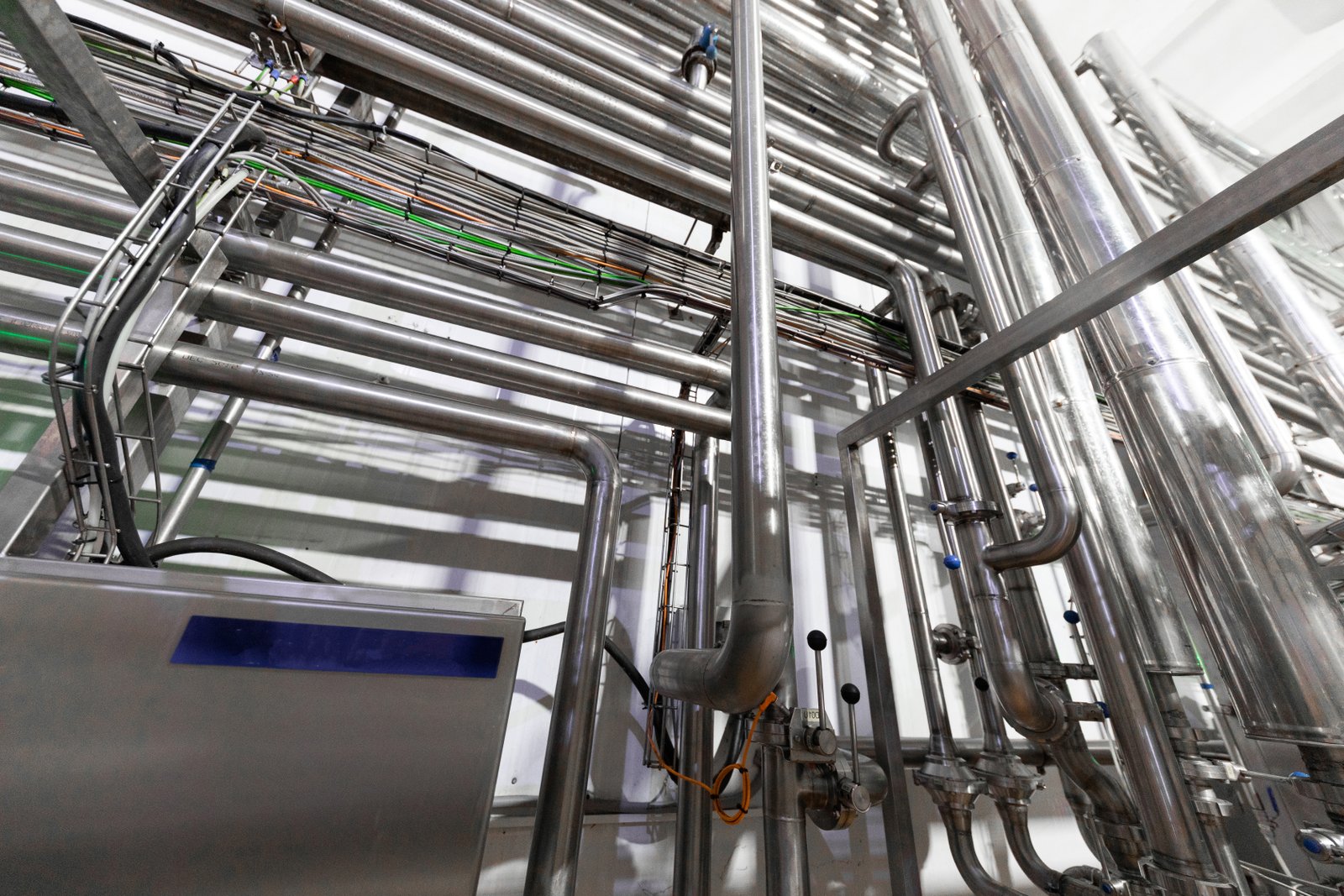
The impact of MFY's compliance practices on our global competitiveness is profound and multifaceted. In an industry where precision, reliability, and adherence to stringent standards are paramount, our dedication to compliance serves as a powerful differentiator. It's woven into our "fully integrated supply chain," from the meticulous sourcing of raw materials to the "rapid export delivery" of finished stainless steel pipes. This commitment isn't just about meeting baseline requirements; it’s about exceeding expectations and providing our clients – whether they are manufacturing companies, engineering & construction contractors, distributors, or equipment integrators across India, Southeast Asia, the Middle East, or Russia – with a level of assurance that fosters long-term partnerships. My role involves not just selling products, but also conveying the value embedded in our processes. When a client chooses MFY, they are choosing a partner who mitigates their risks, enhances their project quality, and ultimately contributes to their own competitive edge. This is central to our vision of becoming the leading international trade and service brand in China's stainless steel industry, as robust compliance underpins the trust and reputation essential for such leadership.
Enhanced Market Access and Customer Trust
One of the most significant impacts of MFY's robust compliance practices is the enhanced market access it affords us and the deep customer trust it cultivates. Many countries and specific industries have stringent import regulations and require products to meet specific certifications (e.g., PED for Europe, specific ASTM or EN grades9). By proactively achieving and maintaining these certifications, MFY can readily access these markets, which might be closed to competitors with less rigorous compliance regimes. This ability to serve a wider geographical and sectoral range, including demanding markets in India, Southeast Asia, and the Middle East, directly boosts our sales potential and global reach. It aligns perfectly with our mission to "drive the global expansion of China’s entire stainless steel supply chain."
This commitment to compliance translates directly into customer trust. When clients like Mr. Sharma, who require certified materials for specialized fabrications, source from MFY, they do so with the confidence that our stainless steel pipes will meet the advertised specifications and regulatory requirements. This trust is built over time through consistent delivery of compliant products, transparent documentation (like reliable MTCs), and responsive support. In my experience, this trust often leads to repeat business and long-term partnerships, which are far more valuable than one-off sales. For instance, an engineering contractor who successfully completes a project using MFY's certified pipes is highly likely to return for future needs, knowing they can rely on our quality and compliance. This trust also leads to referrals, further expanding our customer base.
Furthermore, in industries where product failure can have severe consequences (e.g., in pressure vessels, chemical processing, or structural applications), the assurance of compliance is paramount. Our documented adherence to international standards provides our clients—be they equipment integrators or construction contractors—with the peace of mind that they are using safe, reliable materials. This not only protects their own reputation but also contributes to the overall safety and integrity of the projects they undertake. This foundation of trust, built on verifiable compliance, is a critical component of MFY’s competitive strength and allows us to "help global clients build efficient supply chains and gain a competitive edge."
Reduced Risks and Improved Operational Efficiency
MFY's strong compliance practices play a crucial role in reducing various business risks and improving overall operational efficiency, which in turn enhances our global competitiveness. Adherence to internationally recognized standards and rigorous internal quality controls significantly minimizes the risk of product defects, failures, and recalls. The cost associated with such events – including financial penalties, reputational damage, and loss of customer confidence – can be substantial. By investing in compliance upfront, we mitigate these risks, ensuring a more stable and predictable business operation. For example, our meticulous testing protocols for stainless steel pipes reduce the likelihood of a batch failing to meet client specifications, thus avoiding costly rework or rejections upon arrival in export markets like Russia.
Internally, a well-defined and consistently applied compliance framework, such as our ISO 9001 certified QMS, leads to more streamlined and efficient processes. Standardized procedures reduce ambiguity, minimize errors, and improve productivity across our operations, from raw material procurement and cold-rolled processing to tube manufacturing and export logistics. This operational efficiency translates into cost savings, which can either be passed on to customers to enhance price competitiveness or reinvested into further "innovation-driven development." For instance, our efficient quality control processes mean less waste and quicker turnaround times, supporting our "strong production capacity and inventory" and enabling "rapid export delivery."
Moreover, robust compliance reduces risks associated with international trade, such as customs delays or disputes arising from incorrect documentation or non-compliant goods. Our experienced export team, well-versed in the specific requirements of markets like India and Southeast Asia, ensures that all shipments are accompanied by accurate and complete paperwork, facilitating smoother customs clearance. This reliability in delivery is a key competitive advantage, particularly for clients with tight project schedules, like engineering and construction contractors. By minimizing these operational and trade-related risks, MFY can operate more effectively and reliably in the global market, reinforcing our position as a preferred supplier.
Building a Reputation for Reliability and Quality
Ultimately, MFY's consistent and thorough compliance practices are fundamental to building and maintaining a strong reputation for reliability and quality in the highly competitive global stainless steel industry. In a market where buyers have numerous choices, reputation often becomes a key differentiator. A track record of consistently delivering high-quality, certified stainless steel pipes that meet or exceed customer expectations fosters a positive brand image. This reputation is not built overnight but is the result of sustained effort and unwavering commitment to excellence across all aspects of our business, from "R&D, production, sales, service, and digital innovation."
This reputation for reliability directly impacts our ability to attract and retain target clients, including manufacturing companies, distributors, and equipment integrators. When a potential customer in India or the Middle East is looking for a new stainless steel supplier, positive word-of-mouth, strong references, and a visible commitment to quality (evidenced by certifications and transparent practices) can heavily influence their decision. Our "fully integrated supply chain" coupled with proven compliance gives clients assurance of consistent quality control from raw material to finished product. As Global Business Director, I often hear from new clients that MFY was recommended to them precisely because of our reputation for dependability and adherence to standards.
Furthermore, a strong reputation for quality and compliance supports MFY’s "Vision: To become the leading international trade and service brand in China’s stainless steel industry." Leadership in any industry is built on trust, and trust is earned through consistent performance and reliability. By making compliance a non-negotiable aspect of our operations, we are not just meeting current market demands but are also laying the groundwork for future growth and market leadership. This commitment resonates with our core values of "agility, resilience, and continuous evolution," as it demonstrates our ability to consistently meet high standards in a dynamic global environment, thereby helping our global clients gain a genuine competitive edge when they partner with MFY.
Compliance enhances market accessTrue
MFY's certifications allow entry into regulated markets that competitors without compliance can't access.
Price always outweighs complianceFalse
The text explicitly states compliance often becomes the deciding factor over minor price differences.
Conclusion
MFY's dedication to global certifications and rigorous compliance practices is integral to our export expertise. This commitment ensures market access, builds customer trust, mitigates risks, and solidifies our reputation, directly enhancing our global competitiveness and benefiting our valued clients worldwide.
-
Gain insights on the benefits of strong compliance in fostering innovation and market success ↩
-
Understand material-specific standards for global stainless steel compliance. ↩
-
Discover safety requirements for pressure equipment in Europe. ↩
-
Discover the significance of stainless steel grades in construction projects for compliance and safety ↩
-
Discover the key regions where Chinese stainless steel products are exported ↩
-
Learn about the stringent traceability requirements in high-regulated sectors ↩
-
Understand the impact of digital solutions on streamlining export processes ↩
-
Learn about MFY's certifications and why they matter for global market competitiveness ↩
-
Understand specific certifications that enhance market access and product quality assurance ↩
Have Questions or Need More Information?
Get in touch with us for personalized assistance and expert advice.


 English
  Русский