Leading Stainless Steel Pipe Manufacturer & Exporter in China
Struggling with unreliable pipe suppliers? Volatile pricing and inconsistent quality can disrupt your projects and hurt your bottom line. We believe a strong, integrated supply chain[^1] is the answer.
China's leadership as a top stainless steel pipe manufacturer and exporter stems from its massive production scale, fully integrated supply chain, and continuous technological innovation. This powerful combination allows for rapid delivery of high-quality, cost-effective products that meet diverse international standards.
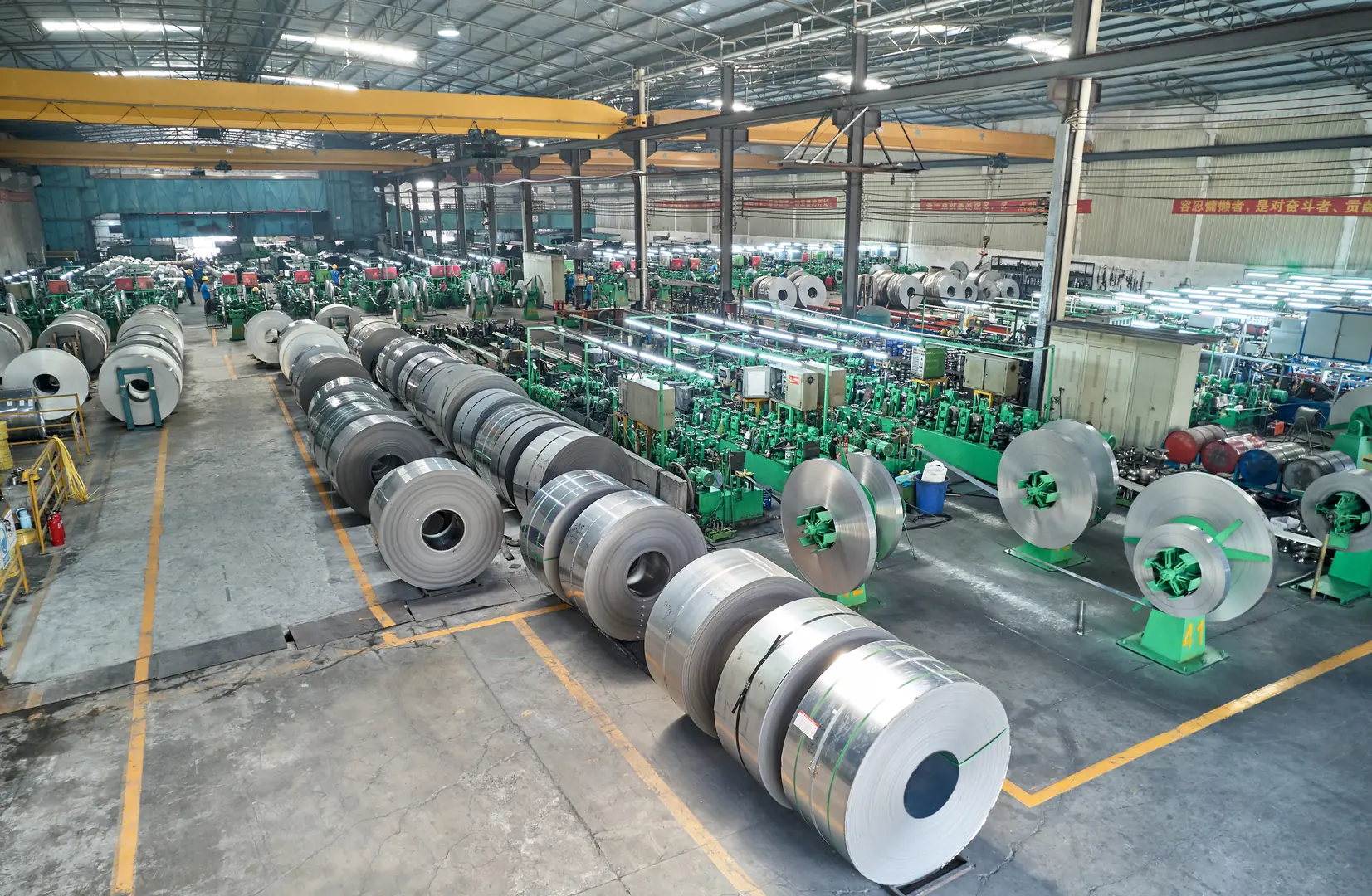
As the Global Business Director at MFY, I've seen firsthand how these capabilities translate into real-world advantages for our partners. It's not just about making pipes; it's about building resilient supply chains. Let's explore the key factors that define China's role in the global stainless steel market and what it means for your business.
What is the Current State of China's Stainless Steel Pipe Manufacturing Industry?
Finding a manufacturing base that balances scale, quality, and cost is difficult. A weak link can compromise your entire operation. China's industry provides a comprehensive, powerful, and stable solution.
China's stainless steel pipe industry is characterized by its unparalleled production capacity, advanced infrastructure, and a deeply integrated supply chain. This structure supports both massive domestic consumption and a dominant position in the global export market, offering unmatched scale and efficiency.
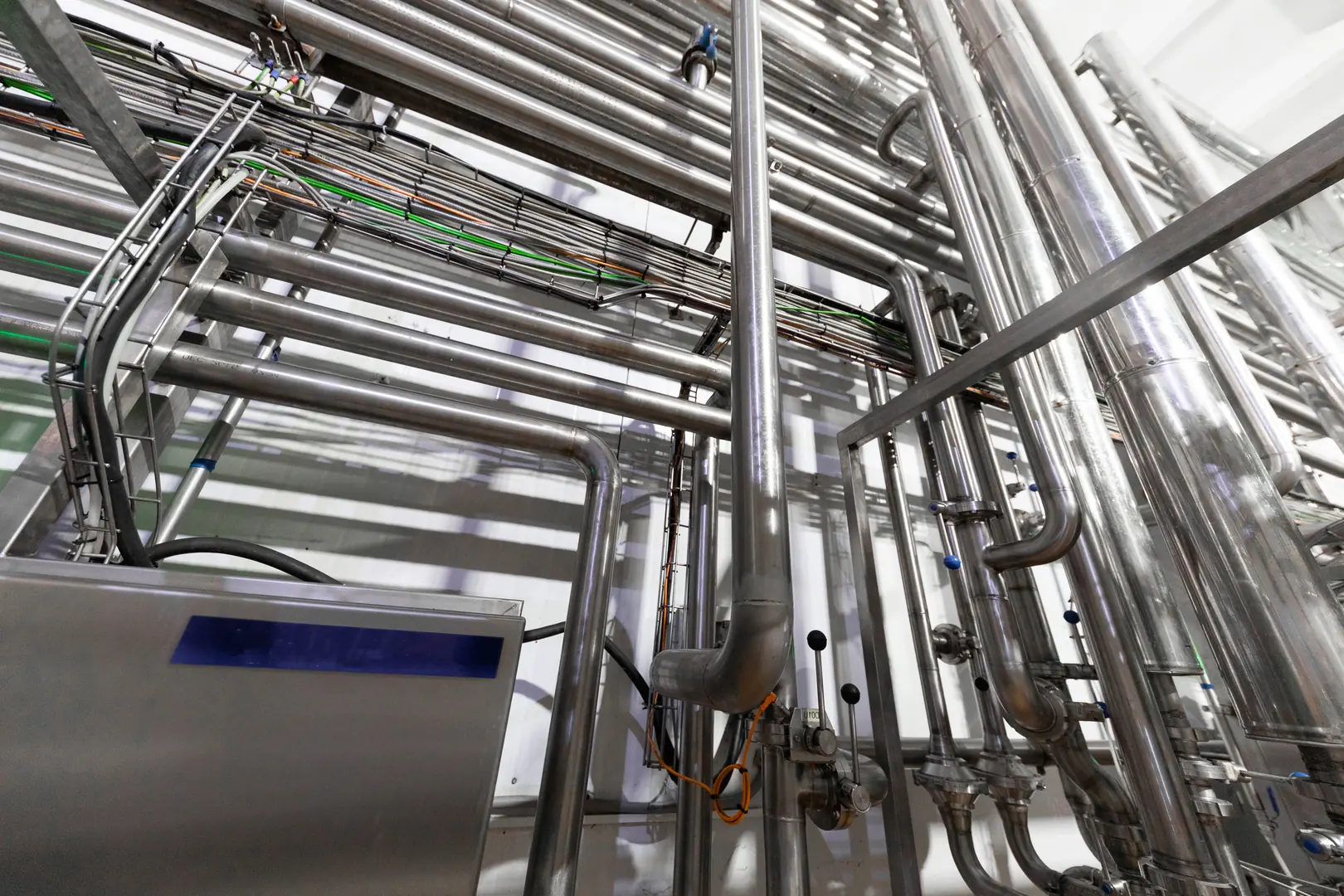
When we look deeper, the strength of China's manufacturing ecosystem becomes even clearer. It’s not just about the sheer volume of output, although that is impressive. The real advantage lies in the integration from raw material sourcing to final product exportation. At MFY, we are part of this complete value chain. This means we have direct oversight and control over every step, ensuring quality and managing costs effectively. This structure is the result of decades of strategic investment in both physical infrastructure and technological capabilities. It allows manufacturers like us to be incredibly agile and responsive. We can scale production up or down to meet fluctuating global demand without the bottlenecks that plague less integrated systems. This is a critical advantage for our partners, from construction contractors to industrial equipment integrators, who depend on predictable and reliable sourcing.
Key Industrial Characteristics
| Feature | Description | Impact on Global Buyers |
|---|---|---|
| Massive Scale | World's largest producer by a significant margin. | Access to large, consistent supply. |
| Integrated Chain | From raw nickel and chromium to finished pipes. | Cost efficiency and quality control. |
| Advanced Tech | Investment in modern production and R&D. | High-quality products and innovation. |
| Skilled Workforce | A deep pool of experienced engineers and technicians. | Technical expertise and problem-solving. |
This industrial foundation is what allows us to confidently promise and deliver high-quality stainless steel pipes to any corner of the world.
What are the Key Trends in Stainless Steel Pipe Exports from China?
Navigating global trade is complex. You need a partner who understands current trends and can deliver accordingly. Relying on outdated export models leads to delays and missed opportunities.
Current export trends are defined by a focus on higher-grade materials, customization for specific industries, and adherence to strict international standards (like ASTM, EN, and JIS). There is also a major push towards faster, more transparent logistics and comprehensive service offerings.
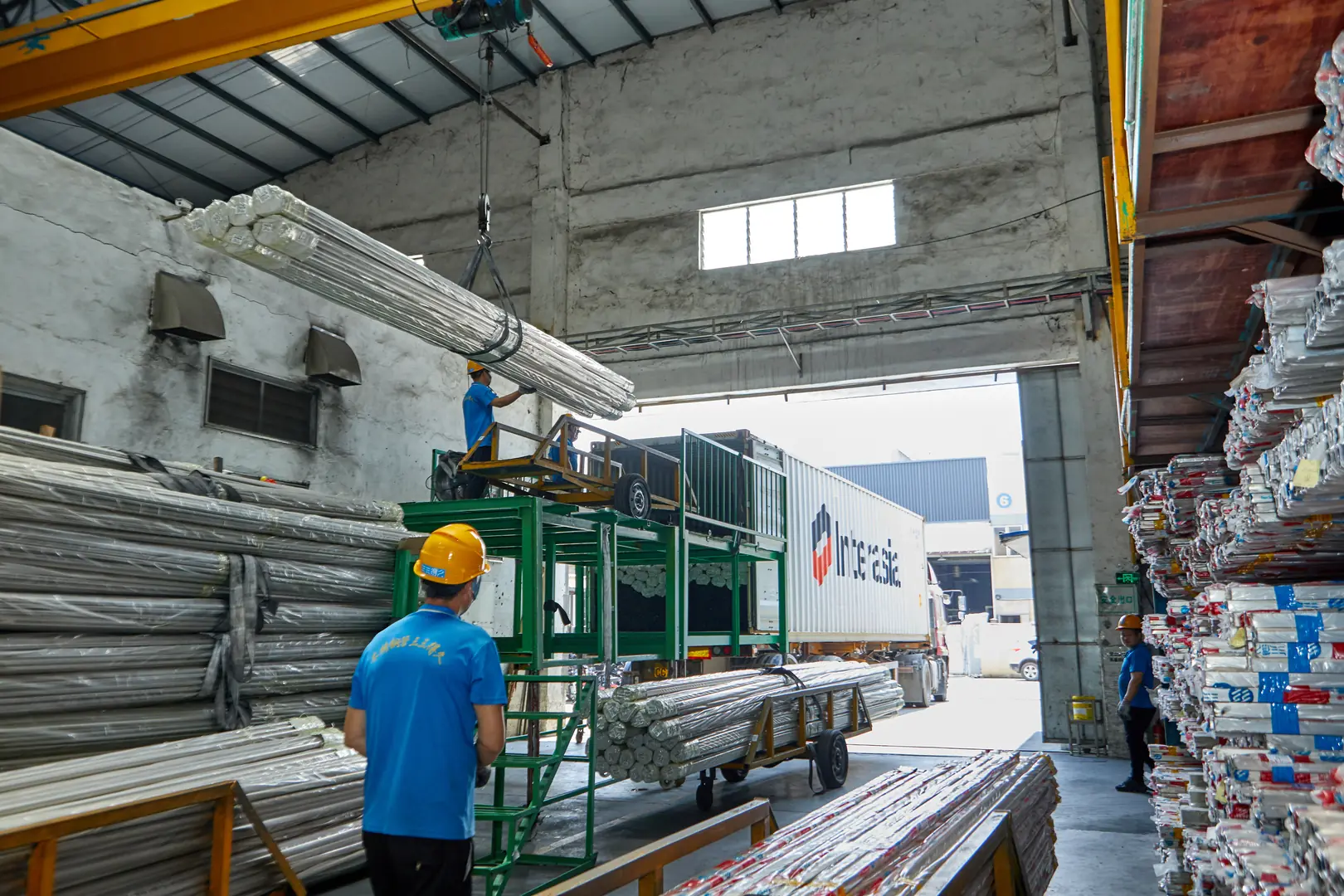
The export market is evolving rapidly, and we are at the forefront of this change. Gone are the days of simply shipping standard products in bulk. Today, our international clients demand more. They need specific grades of stainless steel, such as duplex or super austenitic alloys, for demanding applications in sectors like petrochemicals, desalination, and LNG. I remember working with an engineering firm in the Middle East that required pipes with very specific corrosion resistance properties for a major desalination plant. Our ability to quickly source the raw materials, manufacture to their exact specifications, and certify the product against multiple international standards was the reason we won the contract. This trend towards specialization is a direct result of China's investment in R&D and flexible production lines. Furthermore, logistics are no longer an afterthought; they are a core part of the value proposition. We are leveraging digital platforms[^2] to provide real-time tracking and streamlined documentation, which significantly reduces lead times and enhances supply chain visibility[^3] for our partners.
Emerging Export Dynamics
- Value-Added Products: The focus is shifting from commodity-grade pipes to specialized, high-performance products. This includes polished pipes for architectural use and precision tubes for the automotive industry.
- Digital Integration: We are using technology to simplify the entire export process, from placing an order to final delivery. This digital-first approach improves communication and efficiency.
- Sustainability Focus: Global buyers are increasingly asking about the environmental footprint of their products. Chinese manufacturers are responding by investing in greener production technologies and providing transparent sustainability reports.
These trends show that China's export strategy is maturing, moving from a volume-based model to a value-and-service-based one.
What Challenges Do Chinese Stainless Steel Pipe Manufacturers Face?
The global market is full of uncertainty. Geopolitical tensions and trade barriers can disrupt supply chains overnight. Ignoring these risks is not an option for any serious business.
Chinese manufacturers face challenges from international trade protectionism, intense global competition, and the constant pressure to innovate. Fluctuating raw material costs and navigating complex, diverse international regulations also pose significant hurdles to stable growth and profitability.
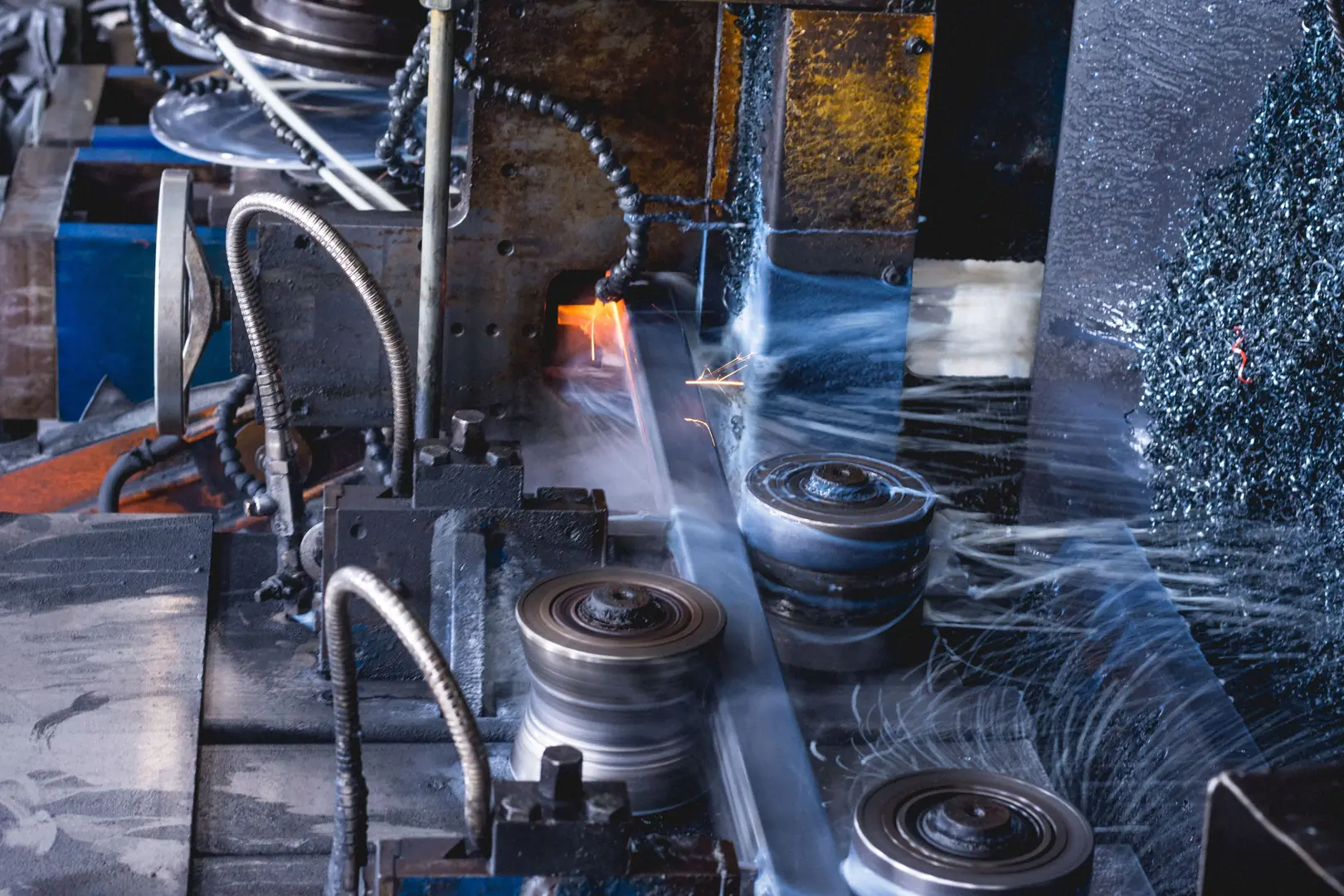
As a leader in this industry, I can tell you that our position is not without its difficulties. We operate in a dynamic and often unpredictable global environment. Trade policies can change with little warning, creating immediate challenges for export-focused businesses like ours. This requires us to be incredibly agile and maintain a diversified market presence. We can't be dependent on any single region. Another significant challenge is the rising cost of raw materials like nickel, which directly impacts our pricing and margins. To mitigate this, we engage in strategic sourcing[^4] and hedging, but it remains a constant pressure point. Furthermore, the competition is fierce, not just from other Chinese companies but from manufacturers in other countries as well. To stay ahead, we must continuously prove our value proposition. This isn't just about price; it's about superior quality, reliability, and service. It forces us to invest heavily in R&D and process improvement to maintain our competitive edge.
Navigating Market Headwinds
| Challenge | MFY's Approach |
|---|---|
| Trade Barriers | Diversifying export markets; Deepening local partnerships. |
| Price Volatility | Strategic raw material sourcing; Long-term contracts. |
| Fierce Competition | Focusing on value-added services and technological superiority. |
| Regulatory Maze | Maintaining a dedicated compliance team for global standards. |
These challenges are real, but our integrated structure and forward-looking strategy give us the resilience to navigate them effectively.
How Can We Overcome Export Challenges in the Global Market?
Facing market volatility alone is risky. Without the right strategy and partners, your supply chain is vulnerable. A proactive, partnership-based approach is the key to building resilience and security.
Overcoming export challenges requires a multi-faceted strategy: diversifying markets to reduce geopolitical risk, deepening partnerships with clients, and leveraging technological innovation for greater efficiency and value. Agility and a customer-centric focus are paramount to success.
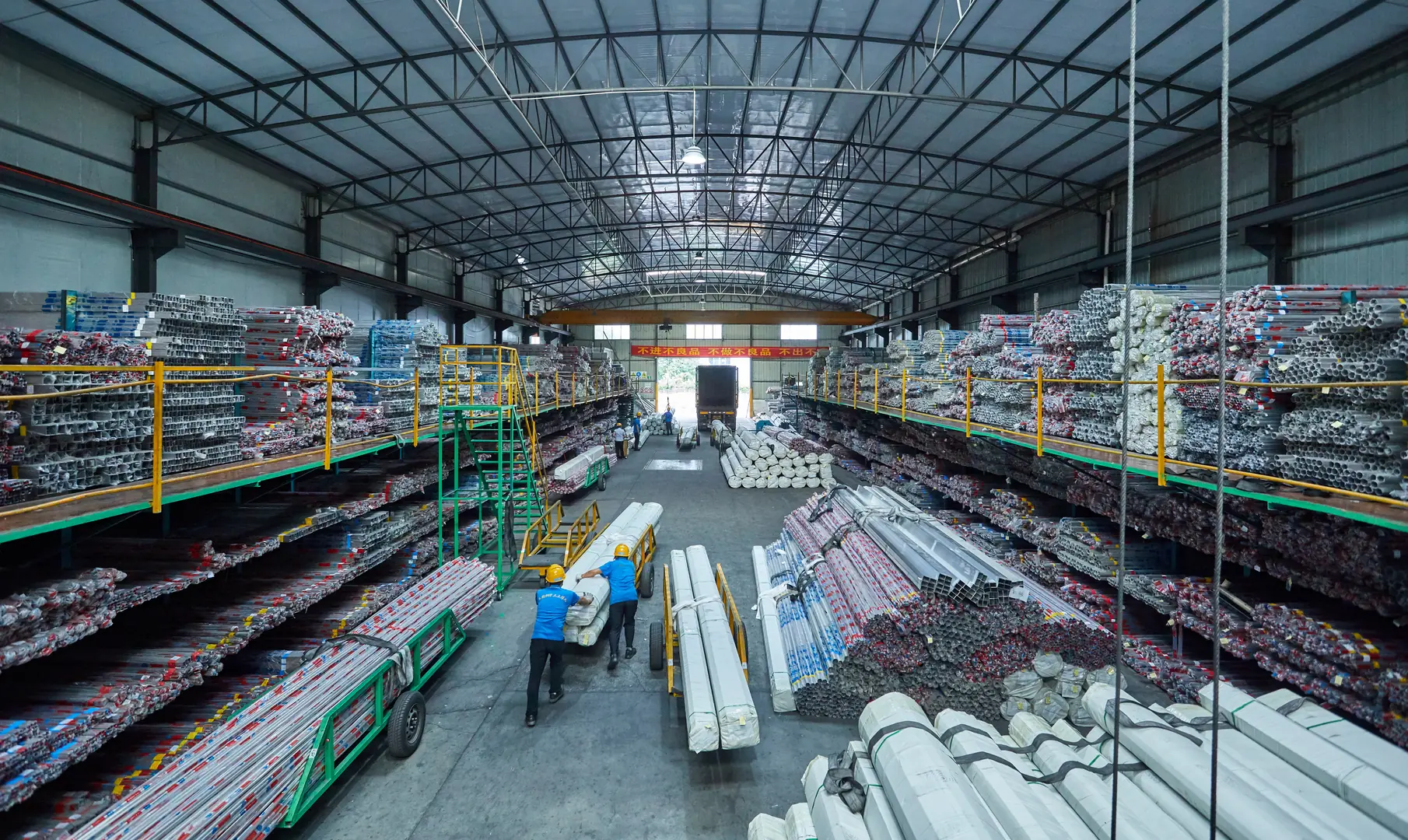
The best way to overcome challenges is to face them with a clear strategy. At MFY, our approach is built on three core pillars. First, we actively diversify our markets. While we have strong relationships in established markets, we are always exploring opportunities in emerging economies in Southeast Asia, Africa, and Latin America. This spreads our risk and opens up new avenues for growth. Second, we build deep, collaborative partnerships. We don't see ourselves as just a supplier; we act as an extension of our client's team. I recall a client in Germany who was facing sudden tariffs. We worked closely with them to optimize the product specifications and shipping logistics to legally minimize the impact, saving their project from costly delays. This level of service turns a transactional relationship into a true partnership. Third, we relentlessly pursue innovation. This isn't just about our products but also our processes. By digitizing our supply chain and offering more comprehensive services, we make it easier and safer for our clients to do business with us, regardless of market conditions.
Core Strategic Pillars
- Market Diversification: Reduces dependence on any single economic region and opens new growth channels.
- Deep Client Integration: Moving beyond a supplier role to become a strategic partner who co-solves problems.
- Continuous Innovation: Using technology to enhance product quality, service delivery, and operational efficiency.
This strategic framework is how we transform global challenges into opportunities for strengthening our business and the supply chains of our partners.
What Technological Innovations Are Driving Industry Growth?
Relying on old technology leads to inefficiency. In a competitive market, falling behind on innovation means falling behind on quality and cost. Embracing new technology is essential for growth.
Key technological innovations include advanced automation in production lines, the development of high-strength and corrosion-resistant alloys, and the use of digital platforms for supply chain management. These advancements are boosting efficiency, quality, and sustainability across the industry.
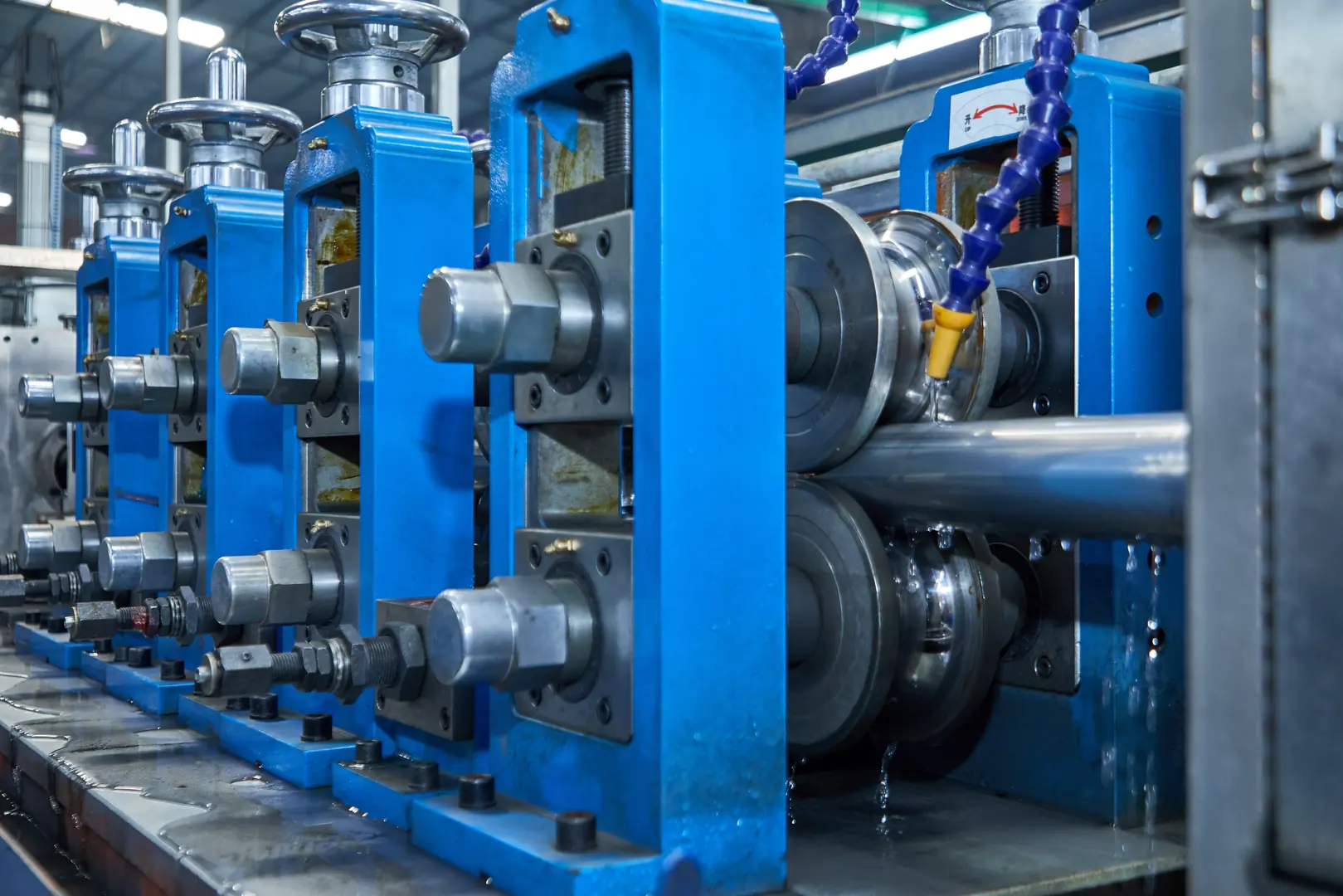
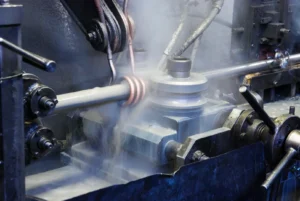
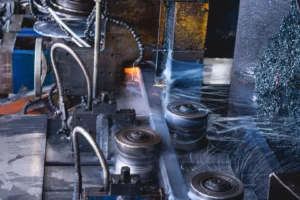
Technology is the engine of our industry's growth. In our manufacturing facilities, you no longer see the manual-labor-intensive processes of the past. Instead, you see advanced robotics and automation handling everything from welding to material transport. This not only increases our production speed but also dramatically improves consistency and quality, reducing the margin for human error to near zero. This is a crucial factor for clients in high-stakes industries like energy and aerospace. Beyond the factory floor, material science is another area of rapid innovation. Our R&D teams are constantly working on new stainless steel alloys that offer superior performance characteristics—better corrosion resistance, higher strength-to-weight ratios, and improved performance at extreme temperatures. This allows us to provide solutions for the next generation of engineering projects. Finally, the digital revolution has transformed how we manage our business. From AI-powered demand forecasting to blockchain[^5] for supply chain transparency, we are using data to make smarter, faster decisions.
Innovations Transforming the Sector
| Innovation Area | Description | Benefit for Clients |
|---|---|---|
| Automation | Robotic welding, cutting, and handling. | Unmatched consistency and quality. |
| Material Science | Development of advanced duplex/austenitic alloys. | Pipes for more demanding environments. |
| Digitalization | AI, IoT, and blockchain for supply chain management. | Greater transparency, speed, and reliability. |
These innovations are not just incremental improvements; they are fundamentally changing what is possible in stainless steel pipe manufacturing and what we can offer our global partners.
Conclusion
China's leadership in the stainless steel pipe industry is built on a powerful foundation of scale, integration, and innovation. For global businesses, partnering with a forward-thinking Chinese manufacturer like MFY means securing a resilient, efficient, and competitive supply chain for the future.
Have Questions or Need More Information?
Get in touch with us for personalized assistance and expert advice.


 English
  Русский