Technical Guides
How does Welding Affect the Properties of Stainless Steel? Technical Analysis & Solution
Welding significantly affects the core properties of stainless steel, particularly altering its microstructure in the Heat-Affected Zone (HAZ). This process can reduce corrosion resistance, mechanical strength, and introduce residual stresses, leading to potential failures. The article explores the science behind these changes and offers solutions, such as selecting appropriate welding processes with controlled heat input, using low-carbon stainless steels, and applying post-weld heat treatments. These strategies help mitigate negative effects, ensuring the welded stainless steel retains its desired properties for reliable and durable applications….

Do Stainless Steel Pipes Corrode? Choosing a 316L Solution for Harsh Environments
Stainless steel pipes, including those made of 316L, can corrode in harsh environments due to factors like chlorides, acids, and high temperatures. 316L stainless steel, enhanced with molybdenum, provides superior resistance to these conditions, making it ideal for marine and chemical applications. The passive layer, essential for protection, can be compromised by environmental factors, leading to pitting and crevice corrosion. Choosing 316L over standard grades, like 304, offers long-term benefits, reducing maintenance costs and operational downtime. Proper maintenance, including regular cleaning and inspections, is crucial for maximizing the lifespan of 316L pipes in corrosive environments….
How are Stainless Steel Pipes Joined? Technical Recommendations & Accessory Supply
Joining stainless steel pipes requires precise techniques to prevent leaks and ensure system integrity. This article explores methods such as welding, mechanical joining, and brazing, emphasizing the importance of proper preparation, method selection, and safety protocols. Essential steps include cutting, deburring, and cleaning pipe ends to create a strong connection. Selecting the appropriate joining method depends on factors like pressure and temperature requirements. Safety measures and thorough inspection, including visual and non-destructive testing, are crucial. Finally, the right accessories, from gaskets to flanges, ensure the system’s longevity and performance. Master these elements to achieve reliable and efficient piping systems….
Complete Guide to Stainless Steel Tube Surface Treatments for High-End Industrial Bulk Orders
This guide offers a detailed overview of stainless steel tube surface treatments for high-end industrial applications. It emphasizes the importance of selecting the correct finish to ensure durability and performance, discussing methods such as polishing, passivation, and electro-polishing. The article outlines how these treatments enhance corrosion resistance and aesthetic appeal, crucial for industries like aerospace and pharmaceuticals. It provides insights into evaluating application requirements, balancing cost against lifecycle value, and implementing strict quality control measures to maintain consistency and reliability in bulk orders….

Understanding #4 Finish Stainless Steel: Technical Specs and Bulk Stock Availability
The article delves into the critical aspects of #4 finish stainless steel, a mechanically brushed finish known for its moderate reflectivity and uniform grain. It discusses the technical specifications, including surface roughness and material grades like 304 and 316, which enhance corrosion resistance and hygiene. The piece also examines factors affecting bulk stock availability, such as raw material volatility and logistics challenges. It emphasizes the importance of partnering with integrated suppliers like MFY to ensure reliable procurement, highlighting the strategic advantages of controlling the supply chain from raw materials to export….

Selecting the Right Stainless Steel Pipe for Railing Systems: Vendor’s Expert Guide
Selecting the right stainless steel pipe for railing systems involves considering material grade, surface finish, dimensions, and environmental conditions. Stainless steel grade 304 is ideal for indoor use, while grade 316 is necessary for outdoor or coastal environments due to its corrosion resistance. Structural integrity is crucial, with wall thickness and diameter affecting load-bearing capacity. Quality vendors like MFY provide expert guidance, custom solutions, and certified materials to ensure optimal performance and longevity. Regular maintenance preserves the aesthetic and functional value of stainless steel railings….
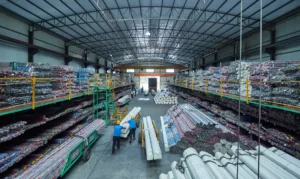
Is it important to clean stainless steel before welding? Technical Guidance on QA Standards
Cleaning stainless steel prior to welding is a crucial step in ensuring the strength, corrosion resistance, and overall integrity of the weld. Contaminants like oil, grease, and oxides can undermine the welding process, leading to defects such as porosity and cracking. Effective cleaning involves a two-step process using solvents and mechanical methods to prepare a clean surface. This preparation is essential to meet quality assurance standards and prevent costly rework. Post-welding practices like removing heat tint and passivation further ensure long-term durability and corrosion resistance of the stainless steel product….
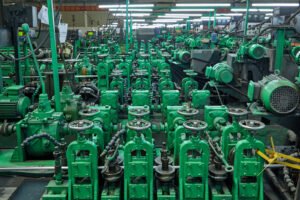
Stainless Steel Finish Designations & Specs: ASTM Standards & Supply Range
Choosing the right stainless steel finish is crucial for project success, impacting performance and cost. ASTM standards, particularly A480/A480M, ensure consistency in finish designations, providing a universal language for quality. MFY’s integrated supply chain offers a range of finishes from common mill options to highly polished surfaces, meeting diverse needs. Challenges in maintaining finish consistency are mitigated by MFY’s vertical integration, ensuring quality control from raw material to final product. Strategic partnerships with integrated suppliers like MFY help overcome supply chain limitations, guaranteeing rapid delivery and tailored solutions….
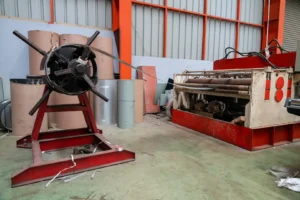
7 Surface Finishing Options for Stainless Steel Pipes Explained for Bulk Industrial Projects
Selecting the right surface finish for stainless steel pipes is crucial for industrial projects, affecting corrosion resistance, hygiene, and overall durability. The article outlines seven key finishes—Brushing, Mirror Polishing, Pickling, Sandblasting, Coating, Anodizing, and Electro-polishing—each offering unique properties suited to different environments. By understanding these finishes, industries can optimize pipe performance, minimize maintenance costs, and extend longevity. The decision should prioritize functionality over aesthetics and account for the total cost of ownership, ensuring pipes are fit for their specific operational environments….
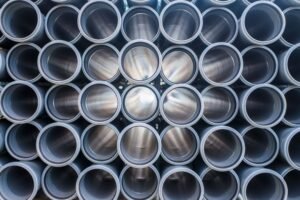
Polished vs. Satin Stainless Steel: Cost, Durability, and Supply Chain Impact
Choosing the right stainless steel finish is critical in balancing cost, durability, and supply chain efficiency. Polished stainless steel offers a premium, reflective look but comes with higher costs due to labor-intensive processes. In contrast, satin finishes are durable, cost-effective, and ideal for hiding scratches, making them suitable for functional applications. The choice between these finishes affects not just aesthetics but also manufacturing costs and long-term durability. Satin finishes are typically stocked and have shorter lead times, while polished finishes require more complex scheduling. To make an informed decision, consider the primary application, required aesthetics, and total cost of ownership to align with your operational goals….
 English
  Русский