316L vs. Duplex: Which Stainless Steel Works Best for Industrial Steam Piping?
Choosing the wrong steel for steam pipes is a high-stakes decision. This mistake can lead to costly failures, downtime, and safety hazards. Making the right choice is critical.
The best choice depends on specific operational conditions. Duplex stainless steel is ideal for high-pressure, high-stress environments due to its superior strength, while 316L excels in applications with high chemical and chloride exposure due to its excellent pitting resistance.
As the Global Business Director at MFY, I've guided countless clients through this exact decision. It’s not just about comparing datasheets; it's about matching the material's DNA to your operational reality. The choice you make impacts everything from initial cost to long-term safety and profitability. Let's break down this crucial comparison so you can select the right material with confidence.
What are the key differences between 316L and Duplex stainless steel?
Confused by material specifications? This confusion can lead to incorrect choices and expensive revisions. Let's clarify the fundamental differences between 316L and Duplex for better decision-making.
The primary difference is their microstructure. 316L is austenitic, offering excellent formability and corrosion resistance. Duplex has a mixed austenitic-ferritic structure, providing nearly double the strength and superior resistance to stress corrosion cracking (SCC).
To truly understand the choice, we have to look deeper than the surface. At MFY, we always start by explaining the core science behind these materials. The performance of any steel is dictated by its internal structure and chemical makeup. 316L and Duplex steels are perfect examples of how different metallurgical designs lead to vastly different capabilities, even though they both fall under the "stainless steel" umbrella.
Microstructure and Composition
The defining feature of Duplex stainless steel is its two-phase, or "duplex," microstructure, which is typically a 50/50 mix of austenite and ferrite. This balanced structure is the source of its enhanced properties. It combines the toughness and weldability of austenitic grades like 316L with the strength and stress corrosion cracking resistance of ferritic grades. 316L, on the other hand, is a fully austenitic steel. Its structure provides excellent ductility and makes it easier to form and weld. Its key compositional advantage is a higher molybdenum content (typically 2-3%), which is crucial for fighting off pitting and crevice corrosion, especially in chloride-rich environments.
Mechanical Properties
This is where the difference becomes stark. Duplex stainless steel is significantly stronger than 316L. I remember a client in the chemical processing industry who was able to reduce the wall thickness of their high-pressure piping by nearly half after switching from 316L to Duplex 2205. This not only saved them a substantial amount on material costs but also reduced the overall weight of the system, simplifying structural support requirements. The numbers speak for themselves.
| Property | 316L (Austenitic) | Duplex 2205 (Austenitic-Ferritic) |
|---|---|---|
| Yield Strength | ~250 MPa (36 ksi) | ~450 MPa (65 ksi) |
| Tensile Strength | ~550 MPa (80 ksi) | ~700 MPa (100 ksi) |
| Hardness (Brinell) | ~150 HB | ~290 HB |
| SCC Resistance | Good | Excellent |
Why is material selection crucial for industrial steam piping?
Underestimating material selection for your steam system? This oversight can cause catastrophic system failures, leading to production halts and safety risks. Proper selection ensures safety, reliability, and long-term cost savings.
Material selection is crucial because steam piping operates under extreme conditions of high temperature, pressure, and potential corrosion. The right material prevents leaks, bursts, and costly downtime, ensuring operational safety, efficiency, and a lower total cost of ownership over the system's lifecycle.
In my years of experience, I've seen firsthand that the pipe is the artery of any industrial plant. If it fails, the entire operation comes to a grinding halt. For steam systems, the stakes are even higher due to the inherent energy and danger involved. This isn't a place to cut corners. The decision goes far beyond the initial purchase order; it's a strategic investment in the plant's future.
Safety and Reliability
The primary concern is always safety. A steam pipe failure can release high-pressure, high-temperature steam, posing a severe risk to personnel and equipment. The material must be able to withstand the designed operating pressure and temperature with a significant safety margin, not just on day one, but for years to come. Reliability is the other side of this coin. Unplanned downtime for pipe repairs is incredibly expensive, not only in terms of maintenance costs but also in lost production. Choosing a material that resists common failure modes like corrosion, erosion, and fatigue is fundamental to building a robust and reliable system that you can count on.
Lifecycle Cost and Efficiency
Smart managers don't just look at the initial cost per meter of pipe. They look at the Total Cost of Ownership (TCO)[^1]. A slightly more expensive material upfront, like Duplex, can result in massive long-term savings. Its higher strength allows for thinner pipe walls, which means less material to purchase, transport, and weld. Furthermore, its superior corrosion resistance can drastically reduce maintenance schedules and extend the system's lifespan, avoiding costly replacement cycles. As industries increasingly focus on sustainability, the reduced material usage and enhanced durability of Duplex also contribute to a better environmental footprint, aligning material selection with broader corporate objectives.
How do 316L and Duplex perform under high-temperature and pressure conditions?
Worried about performance under extreme operational stress? High pressure and heat can push materials to their absolute limits. Let's compare exactly how 316L and Duplex handle these demanding conditions.
Duplex stainless steel significantly outperforms 316L under high pressure due to its higher yield strength. While both perform well at moderate steam temperatures, Duplex offers better resistance to stress corrosion cracking (SCC), a common failure mode in high-temperature, high-chloride steam environments.
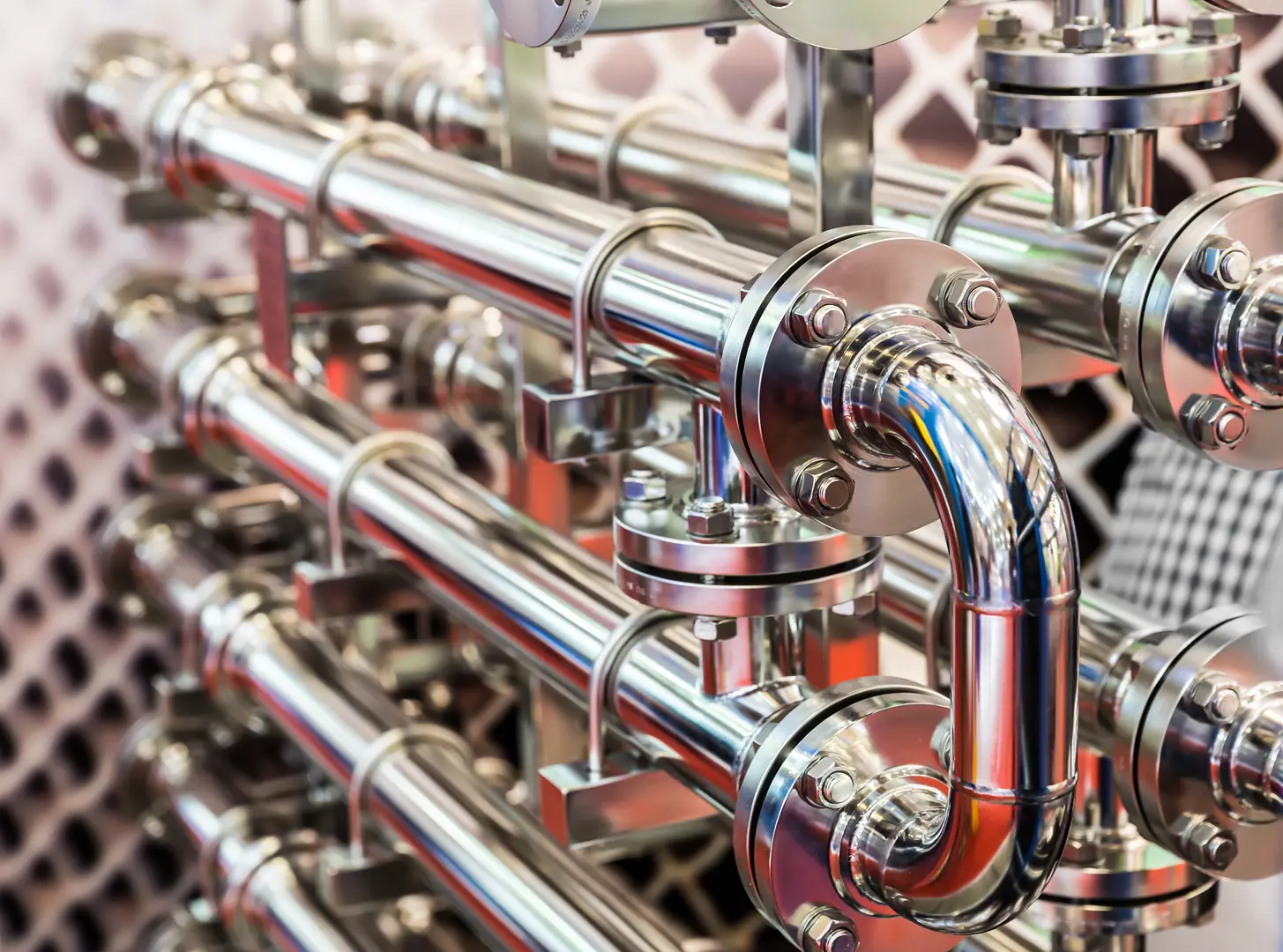
When we talk about steam, we are inherently talking about energy—specifically, pressure and temperature. These are the two primary forces trying to break down your piping system. A material's ability to withstand them consistently over decades is what separates an excellent choice from a liability.
Strength and Pressure Containment
This is Duplex's home turf. With a yield strength nearly double that of 316L, Duplex grades can handle significantly higher pressures for the same wall thickness. This has a cascading effect on system design. For new projects, it means you can design a lighter, more compact system. For existing systems being upgraded to higher pressures, using Duplex can often allow you to avoid a complete and costly re-piping project. 316L is perfectly adequate for many low-to-medium pressure steam applications, but once you get into high-pressure steam generation and transport, the mechanical superiority of Duplex provides a critical safety and performance advantage.
Temperature and Corrosion Resistance
Both materials have upper-temperature limits. For 316L, long-term exposure to temperatures above 425°C (800°F) can lead to sensitization, reducing its corrosion resistance. Duplex steels have a more constrained upper limit, typically around 315°C (600°F), to avoid embrittlement. However, within their operating ranges, the key differentiator is Stress Corrosion Cracking (SCC)[^2]. SCC is a dangerous phenomenon that can cause sudden, brittle failure in materials under tensile stress in a corrosive environment—a perfect description of a steam pipe carrying water with even trace amounts of chlorides. The dual-phase microstructure of Duplex steel is inherently more resistant to chloride-induced SCC than the fully austenitic structure of 316L, making it a much safer choice in such conditions.
What factors should influence the choice between 316L and Duplex for steam piping?
Making the final decision between these two materials can be tough. A wrong choice is expensive and difficult to reverse. A systematic evaluation of key factors ensures you select the optimal and most cost-effective material.
Key factors include operating pressure and temperature, chemical environment (especially chloride levels), initial budget versus total lifecycle cost, and fabrication requirements. A holistic analysis of these variables is essential to align the material choice with specific project needs and long-term business goals.
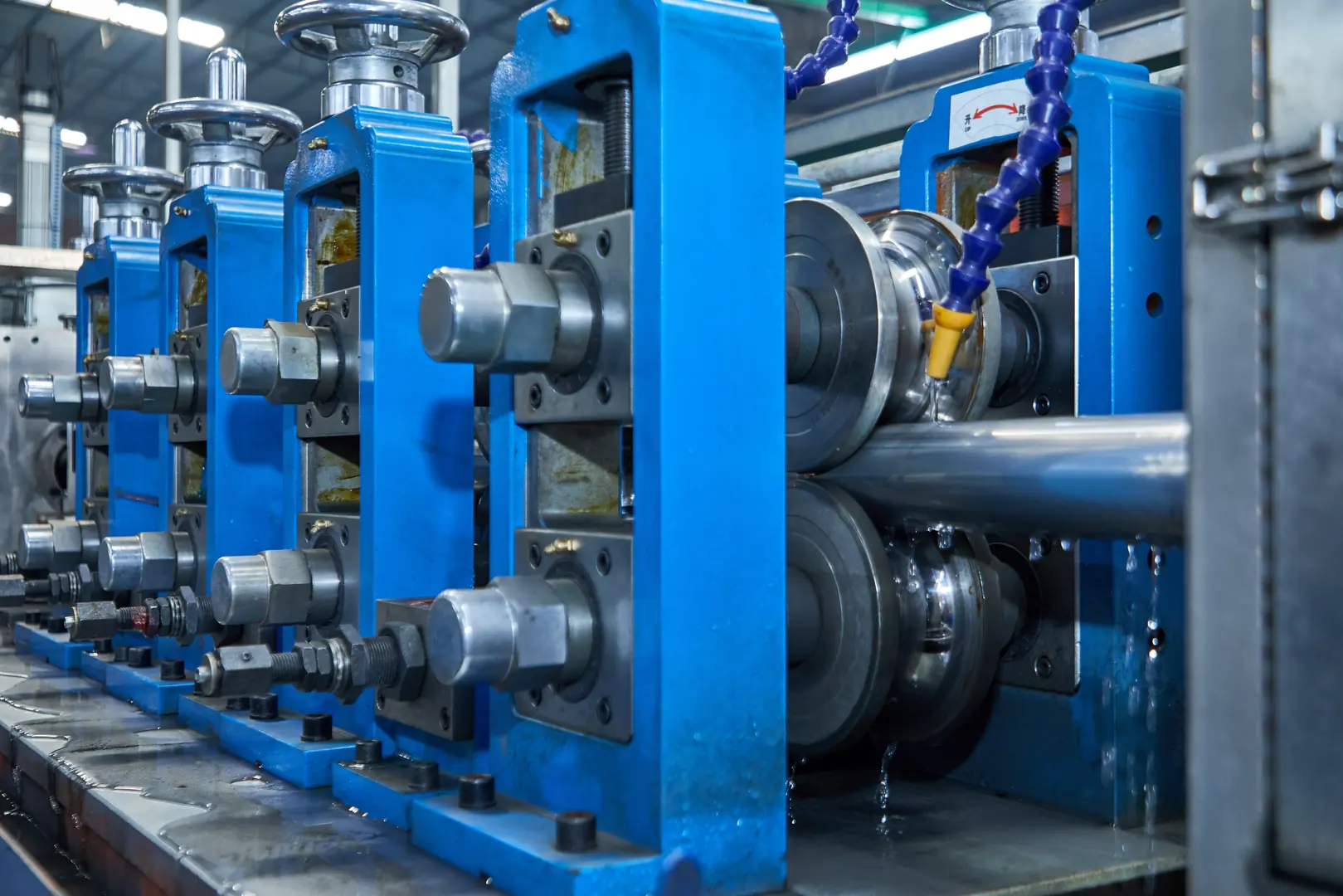
At MFY, we approach this as a partnership. We don't just sell steel; we provide solutions. The right solution comes from asking the right questions and analyzing the complete picture. The best technical material is useless if it doesn't fit the project's economic and operational context.
Operational Demands
This is the technical foundation of your decision. You must start with a clear definition of your system's parameters.
- Pressure & Temperature: Is it a low-pressure utility steam line or a high-pressure process line? As we've seen, higher pressures strongly favor Duplex.
- Water Chemistry: What is the quality of your boiler feedwater? Are there high levels of chlorides present? If the answer is yes, the superior SCC resistance of Duplex becomes a critical safety factor. For very pure, low-chloride steam, 316L's corrosion resistance is often more than sufficient.
- External Environment: Will the piping be exposed to a corrosive external atmosphere, such as in a coastal or chemical plant? This could influence the choice toward a grade with better all-around corrosion resistance.
Economic and Fabrication Considerations
Once the technical needs are mapped, you must overlay the business realities.
- Initial Cost vs. Lifecycle Cost: This is the central economic question. 316L has a lower upfront cost per kilogram. However, if Duplex allows you to use less material and promises a longer, maintenance-free life, its total lifecycle cost can be significantly lower. We help clients model this TCO to make a data-driven financial decision.
- Fabrication and Availability: Does your team have experience welding Duplex steels? While not overly difficult, it requires more control over heat input than 316L. You must also consider the availability of the required pipe sizes and fittings from your suppliers. At MFY, our integrated supply chain ensures we can deliver both grades reliably.
What are the recommended practices for using stainless steel in steam piping applications?
Is installation a concern for your project team? Improper handling and fabrication can compromise even the best materials. Following best practices ensures the longevity and integrity of your new steam piping system.
Recommended practices include ensuring proper welding procedures suited to the specific grade (Duplex requires more control), correct handling to avoid contamination, and regular inspections. Partnering with a knowledgeable supplier who provides material certification and technical support is also crucial for success.
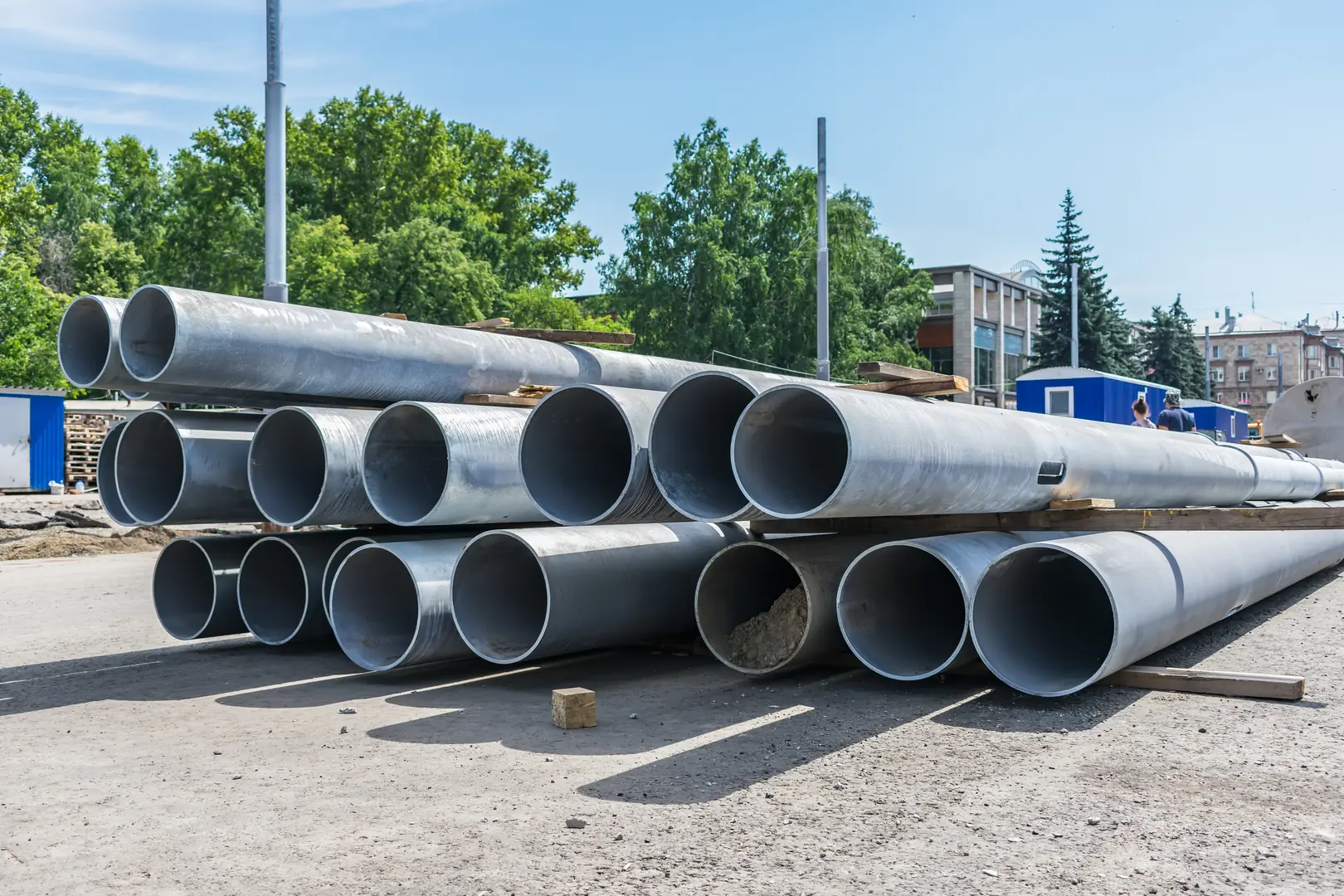
Buying the right material is only half the battle. You have to install it correctly to realize its full potential. A small mistake during fabrication or installation can create a weak point that undermines the entire system. This is why we believe in supporting our clients through the entire process, from selection to commissioning.
Fabrication and Welding
Welding is the most critical step in creating a reliable piping system. For 316L, standard austenitic welding procedures are well-established. For Duplex, it's essential to use the correct filler metals and control the heat input and interpass temperature carefully to maintain the balanced 50/50 phase microstructure in the weld and heat-affected zone. An improper weld can deplete one of the phases, leading to reduced strength and corrosion resistance. It's also vital to prevent contamination. Using tools that have been used on carbon steel can embed iron particles into the stainless steel surface, leading to rust spots and potential corrosion sites. Cleanliness and proper procedure are non-negotiable.
Supplier Partnership and Quality Assurance
Your material supplier should be more than just a vendor; they should be a partner. A reliable partner like MFY provides full traceability and material test certificates (MTCs) for every piece of pipe, confirming its chemical composition and mechanical properties meet international standards. We can provide technical guidance on best practices for handling, fabrication, and welding. This partnership ensures you are not just receiving a commodity but a fully certified, high-quality product backed by expert support. This assurance is the foundation upon which safe and durable industrial systems are built.
Conclusion
In summary, the choice between 316L and Duplex is not about which is better, but which is right for your application. Duplex offers superior strength for high-pressure systems, while 316L provides excellent value for less demanding, corrosive environments. A careful, holistic evaluation is key.
Have Questions or Need More Information?
Get in touch with us for personalized assistance and expert advice.


 English
  Русский