304 vs 316 Stainless Steel: Pros & Cons for B2B Applications
Choosing the wrong steel leads to costly failures. The decision between 304 and 316 is critical for your project's success. We provide the clarity you need to select correctly.
For general use, 304 stainless steel is the cost-effective choice. For environments with high corrosion, especially from chlorides like saltwater, 316 stainless steel's superior resistance, due to added molybdenum, is essential. The right choice depends entirely on your specific application and long-term goals.
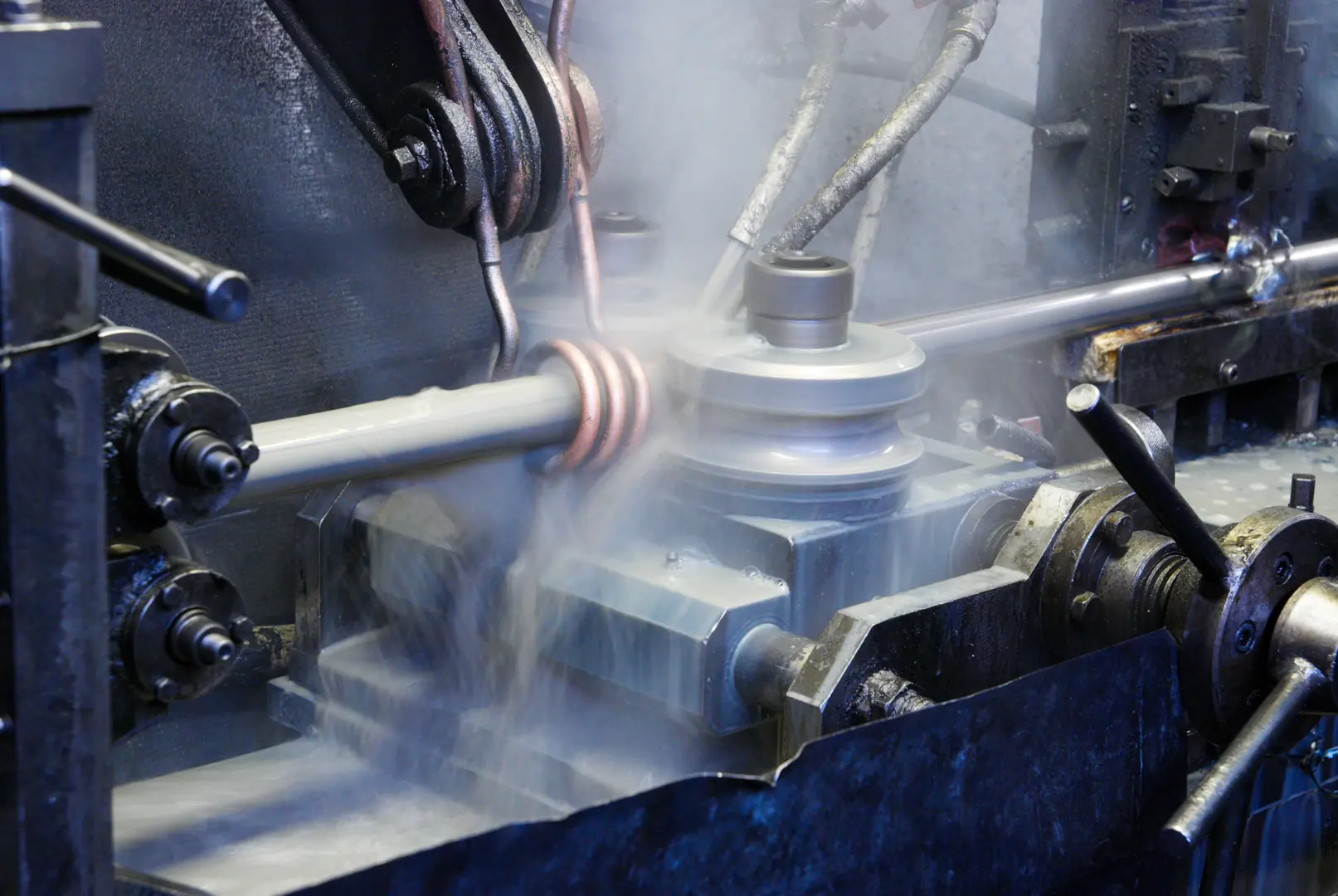
As the Global Business Director at MFY, I’ve seen firsthand how this single material choice can define a project's budget, longevity, and overall success. It’s more than a technical detail; it’s a strategic business decision. Let's break down the factors so you can make an informed choice that strengthens your operations and gives you a competitive edge.
What are the key differences between 304 and 316 stainless steel?
Confused by technical specs? This confusion can lead to material mismatch and unexpected costs. Let's clarify the fundamental distinctions between 304 and 316 to guide your choice.
The primary difference is the addition of molybdenum in 316 stainless steel. This element significantly enhances its corrosion resistance, particularly against chlorides and other industrial chemicals, making it more durable in harsh environments compared to the more general-purpose 304 grade.
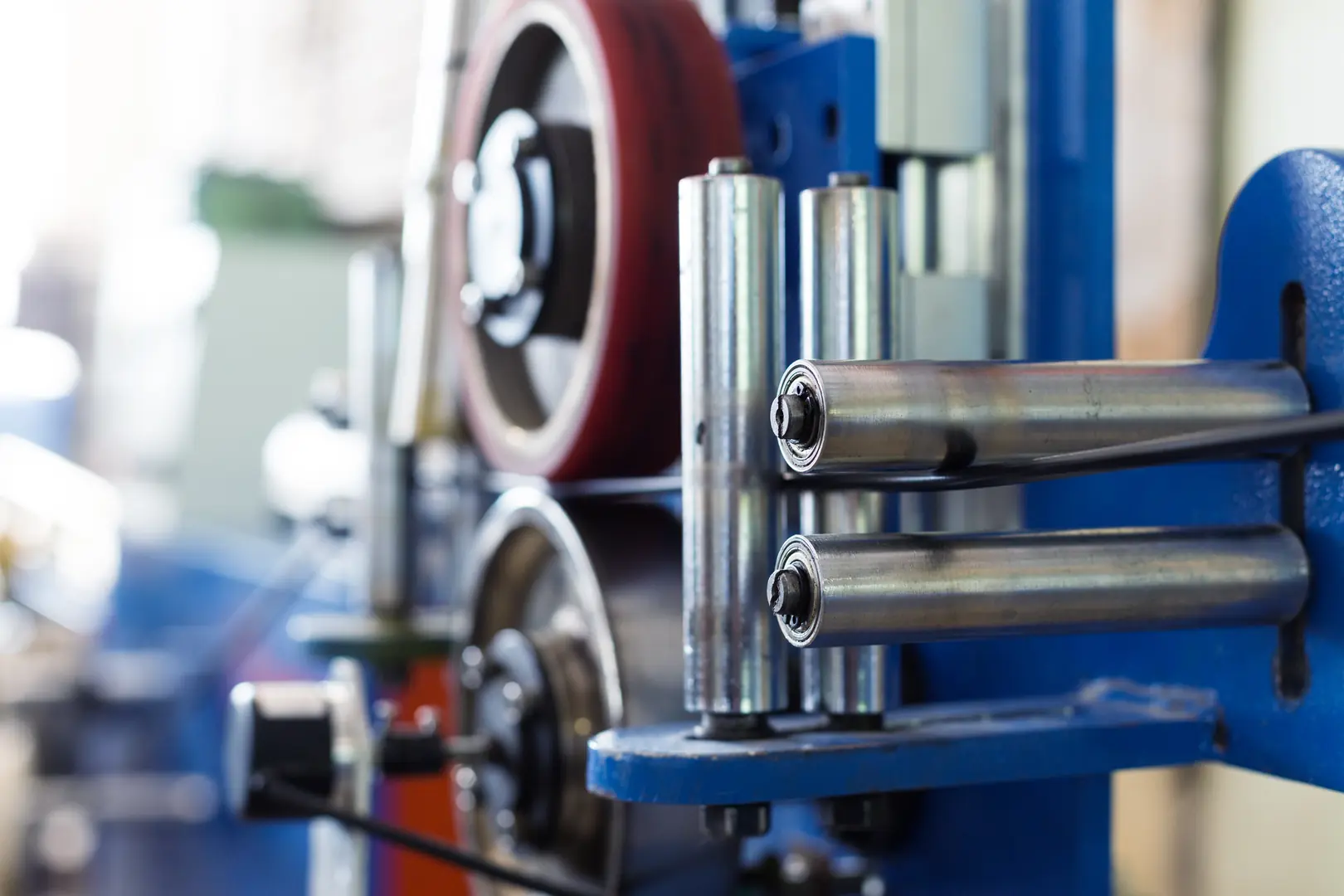
At a glance, coils of 304 and 316 stainless steel look identical. But as we know in this industry, the real value is in the details of the material's composition. The distinction goes beyond a single element and creates a cascade of differences in performance, application, and cost. For any business, from manufacturing to construction, understanding these nuances is fundamental to effective procurement and engineering.
Chemical Composition
The most important difference lies in the chemistry. Both are austenitic stainless steels[^1] containing high levels of chromium and nickel, which gives them their foundational corrosion resistance and formability. However, Grade 316 includes a critical addition.
| Element | Grade 304 (Typical %) | Grade 316 (Typical %) | Impact |
|---|---|---|---|
| Chromium (Cr) | 18% | 17% | Provides basic corrosion resistance. |
| Nickel (Ni) | 8% | 10% | Improves formability and toughness. |
| Molybdenum (Mo) | 0% | 2-3% | The key differentiator; enhances chloride resistance. |
This 2-3% of molybdenum in 316 is the game-changer, specifically for fighting off pitting and crevice corrosion caused by chloride solutions, like seawater or de-icing salts.
Corrosion Resistance and Cost
Because of the molybdenum, 316 is the clear winner in harsh environments. It’s the go-to material for marine hardware, chemical processing equipment, and pharmaceutical manufacturing. This superior performance, however, comes at a price. Molybdenum is a costly alloying element, so 316 is typically 20-30% more expensive than 304. This is where the strategic decision-making comes into play, balancing upfront cost with long-term durability.
How do the compositions of 304 and 316 stainless steel affect their performance in industrial applications?
A small chemical change can cause big performance issues. Ignoring this can be costly. Understanding the "why" behind their behavior is key to smart procurement and avoiding failure.
The molybdenum in 316 steel prevents pitting corrosion from chlorides, which is vital for marine and chemical processing. The higher nickel content also improves formability. In contrast, 304's composition provides excellent performance for food processing, architectural, and general-purpose applications without these specific threats.
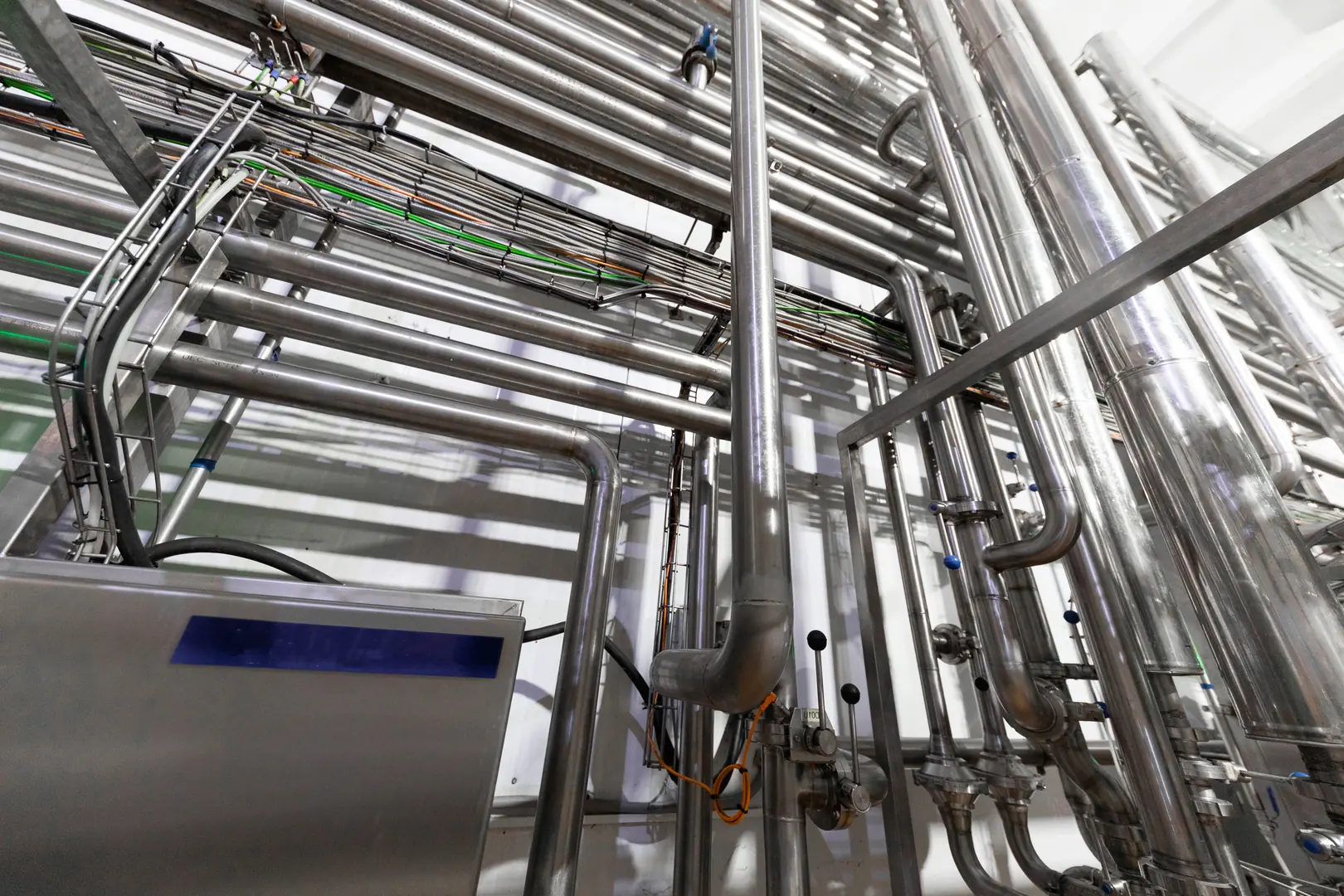
I remember a client in India who was developing equipment for a coastal desalination plant. They initially specified 304 stainless steel to keep costs down. We advised against it, explaining that the constant exposure to saltwater would lead to rapid pitting corrosion and premature failure. They switched to 316, and while the initial investment was higher, the equipment has now been operating for years without issue. This is a classic example of how composition directly translates to performance and, ultimately, a lower total cost of ownership.
The Molybdenum Advantage in 316
When stainless steel is exposed to chlorides, the passive layer of chromium oxide that protects the surface can break down in localized spots. This leads to "pitting corrosion"—small, destructive holes that can quickly compromise the structural integrity of a component. Molybdenum helps to stabilize this passive layer, making it much more resistant to attack from chlorides. This is why 316 is indispensable for any application involving saltwater, brines, or chlorinated chemicals. It’s not just about looking good; it’s about preventing catastrophic failure in critical systems.
304's Performance Sweet Spot
So, where does 304 shine? In the vast majority of applications that don't involve chlorides. Its balance of good corrosion resistance, excellent formability, and lower cost makes it the most widely used stainless steel in the world. Think kitchen sinks, food processing equipment, architectural paneling, and automotive trim. In these environments, the enhanced protection of 316 would be an unnecessary expense. The key is to match the material's capabilities to the specific operational environment, ensuring you are paying for the performance you actually need.
What are the advantages and disadvantages of using 304 stainless steel in B2B applications?
Is the most common steel always the best? Choosing 304 by default can backfire. Let's weigh its strengths and weaknesses for your business needs to ensure it’s the right fit.
The main advantages of 304 are its lower cost, good formability, and solid corrosion resistance in non-saline environments. Its primary disadvantage is its vulnerability to chloride-induced corrosion, making it unsuitable for marine or certain chemical applications where failure is not an option.
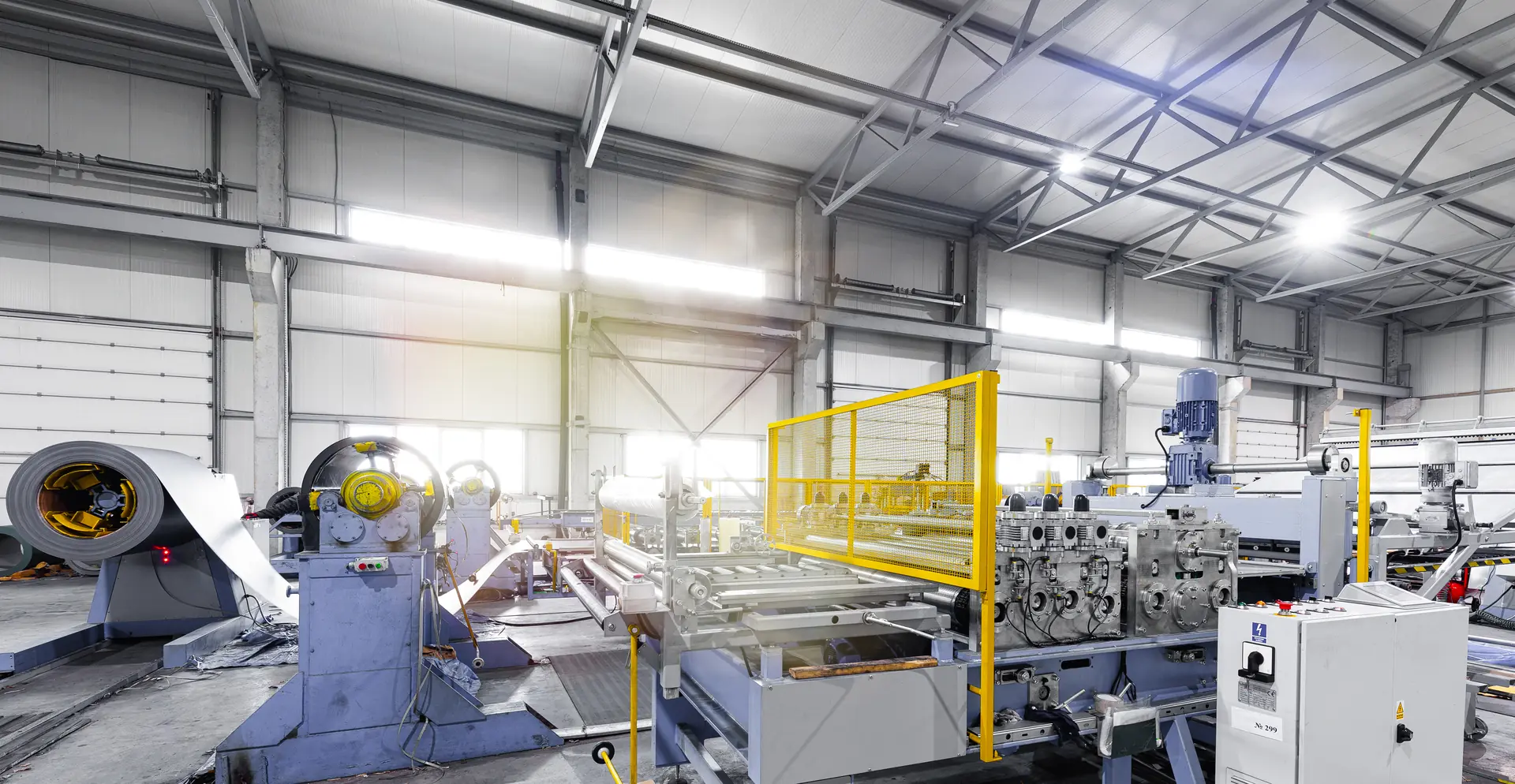
Grade 304 is often called the "workhorse" of the stainless steel industry for good reason. It’s versatile, readily available, and provides a fantastic value proposition for an enormous range of B2B applications. At MFY, a significant portion of the stainless steel coil and sheet we export is Grade 304, destined for everything from construction projects to consumer goods manufacturing. However, its popularity can sometimes lead to misapplication. Acknowledging its limitations is just as important as leveraging its strengths.
A Balanced View of Grade 304
Let's break down its pros and cons in a straightforward way for business decision-makers.
| Advantages | Disadvantages |
|---|---|
| Cost-Effectiveness | Chloride Susceptibility |
| Excellent Formability | Lower Strength at High Temps |
| Wide Availability | Prone to Stress Corrosion Cracking |
| Good General Corrosion Resistance | Not for Harsh Chemical Environments |
The key takeaway is that 304 offers an unbeatable economic and performance package for standard environments. Its ability to be easily welded, machined, and formed makes it a manufacturer's favorite. But if your application will be near the coast, exposed to de-icing salts, or used in certain chemical processes, its primary weakness—a susceptibility to chlorides—becomes a non-negotiable liability. This is the critical boundary that every engineer and project manager must respect.
What are the pros and cons of choosing 316 stainless steel for industrial use?
Is paying more for 316 always worth it? The higher price can be a barrier. Let's analyze when this investment pays off and when it's an unnecessary over-specification.
316's key advantage is its superior corrosion resistance, especially against chlorides, making it ideal for harsh environments. It also performs better at high temperatures. The main disadvantage is its higher initial cost due to the inclusion of molybdenum and higher nickel content.
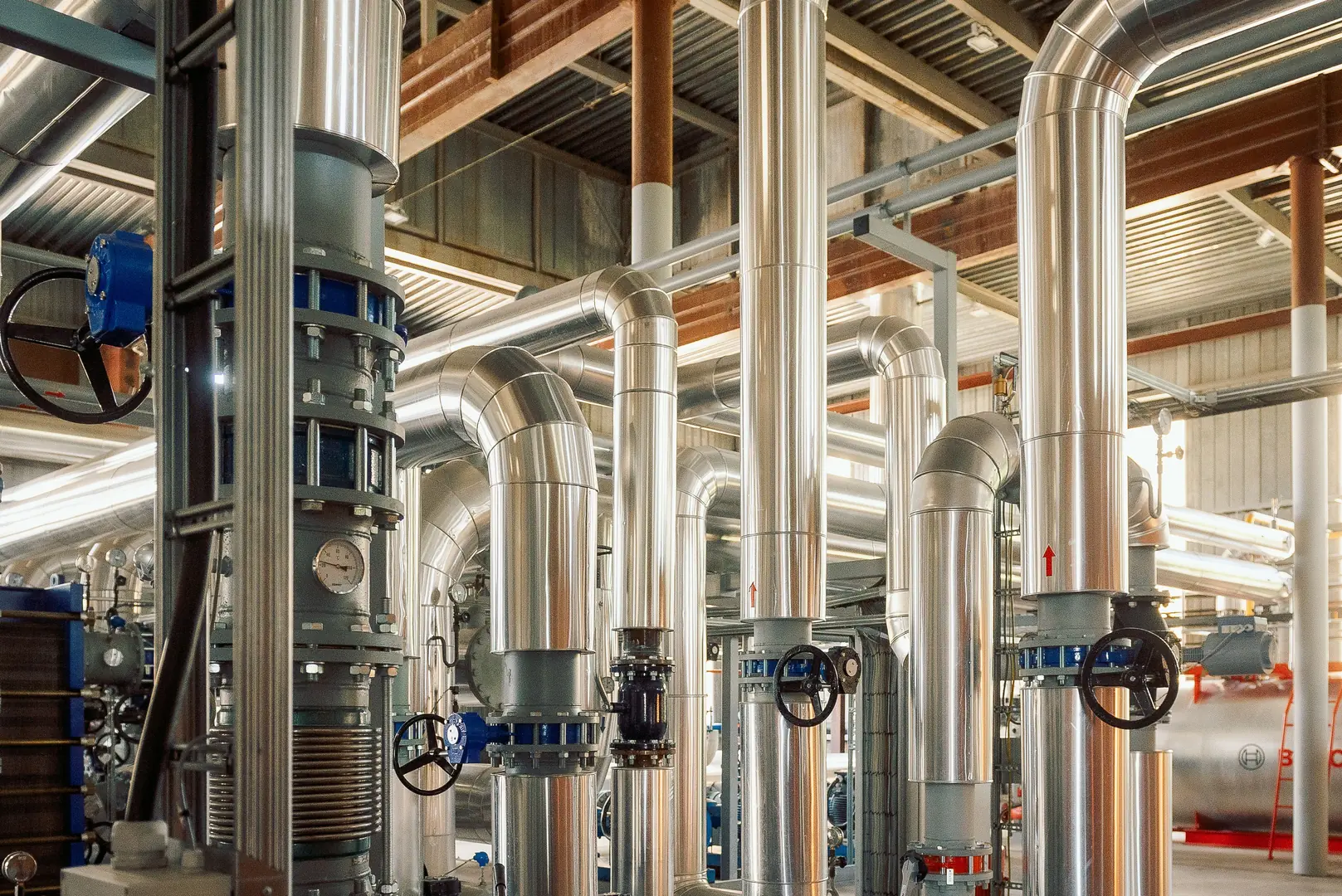
Choosing 316 stainless steel is about investing in resilience. It's the material you select when performance and longevity are non-negotiable, and the operational environment is unforgiving. This is where we must shift the conversation from upfront cost to lifecycle value. A higher initial price can seem daunting, but when you factor in the cost of downtime, replacement, and maintenance in a corrosive environment, 316 often emerges as the most economically sound choice in the long run.
Evaluating the Investment in Grade 316
This is a premium material, and its benefits must justify the added expense.
| Advantages | Disadvantages |
|---|---|
| Superior Corrosion Resistance | Higher Upfront Cost |
| Excellent for Marine/Chemical Use | Slightly Lower Formability than 304 |
| Better High-Temperature Strength | Can be Over-Specified for Mild Use |
| Longer Service Life in Harsh Areas | Availability Can Be Tighter |
The most overlooked insight here is the strategic value of lifecycle cost analysis[^2]. For a chemical processing tank or a railing on a seaside building, using 304 might save money today but could lead to replacement in just a few years. Grade 316, in the same application, could last for decades with minimal maintenance. This enhanced longevity not only saves money but also aligns with sustainability goals by reducing material waste and replacement cycles. This is how smart material selection drives both competitive advantage and operational excellence.
Which factors should businesses consider when selecting between 304 and 316 stainless steel for their needs?
Making the wrong material choice can derail your project budget and timeline. The stakes are high. Here is a clear framework for making the right decision every time.
Businesses must evaluate the operational environment (exposure to salts, chemicals), required lifespan and maintenance budget (lifecycle cost), and any industry-specific regulatory standards. The final decision should balance the upfront cost of the material against the long-term performance and total cost of ownership.
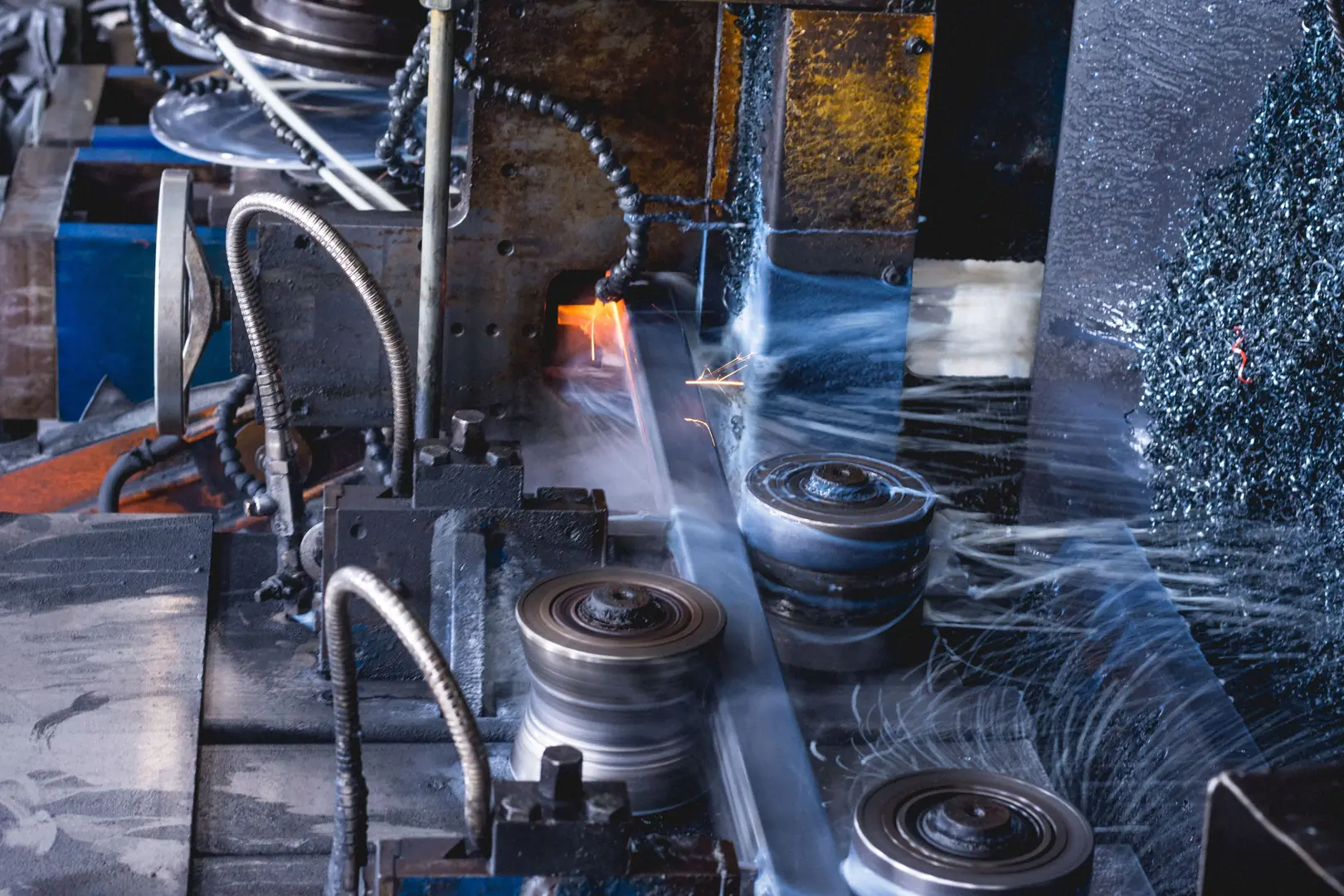
The final decision should be a systematic process, not a guess. At MFY, our role is to be more than a supplier; we are partners who help our clients navigate these critical choices. By asking the right questions, we ensure the material you procure is perfectly aligned with your application, budget, and long-term business objectives.
Analyzing the Operational Environment
This is the first and most important question. Will the final product be exposed to saltwater, de-icing salts, or corrosive chemicals? If the answer is yes, 316 is almost always the correct choice. For indoor applications, or outdoor use in non-coastal areas, 304 is typically sufficient. Be thorough in this assessment.
Conducting a Lifecycle Cost Analysis
Don't just look at the price per kilogram. Consider the total cost of ownership.
- Initial Material Cost: 304 is cheaper.
- Fabrication Cost: Both are similar, though 316 can be slightly harder to machine.
- Maintenance & Repair Cost: 316 will have significantly lower maintenance costs in corrosive environments.
- Replacement Cost & Downtime: What is the cost to your business if a component fails prematurely?
This analysis often reveals that the more expensive material is actually the better long-term investment.
Meeting Regulatory and Sustainability Goals
Certain industries, like pharmaceuticals, food and beverage, or medical devices, have strict regulations that may mandate the use of 316 due to its superior resistance to corrosion and cleaning agents. Furthermore, as companies increasingly focus on sustainability, choosing a material like 316 that offers a longer service life reduces waste and supports a circular economy model. It's a choice that reflects a commitment to quality and environmental responsibility.
Conclusion
The choice between 304 and 316 isn't just technical; it's strategic. 304 is the versatile workhorse, while 316 is the specialist for harsh conditions. Understanding your application's lifecycle cost is key to unlocking long-term value and operational resilience for your business.
Have Questions or Need More Information?
Get in touch with us for personalized assistance and expert advice.



 English
  Русский