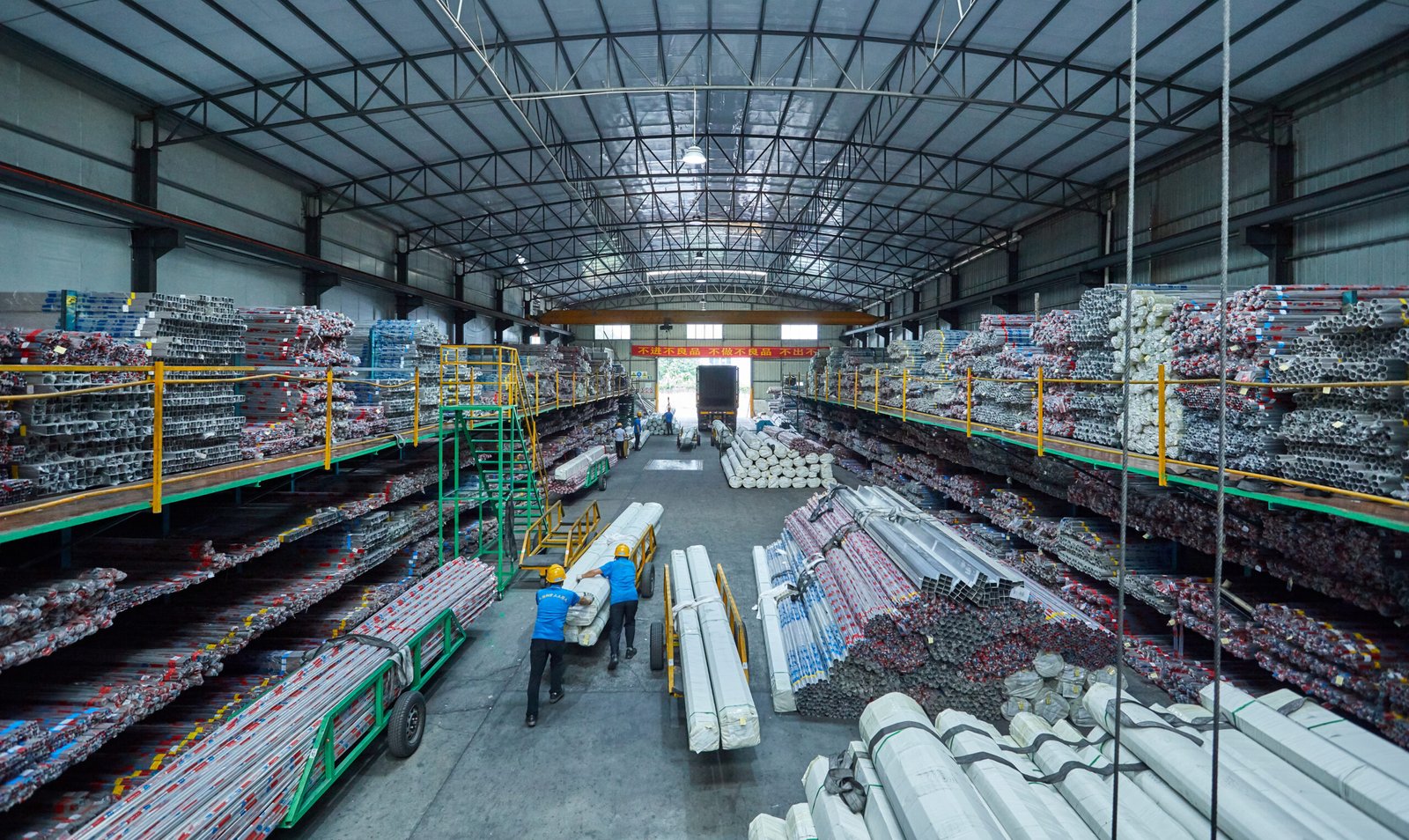
How to Select a Reliable Stainless Steel Pipe Supplier
Finding a dependable stainless steel pipe supplier can feel overwhelming, can't it? The wrong choice can lead to project delays, subpar materials, and unexpected costs, ultimately impacting your bottom line. At MFY, we believe that a strategic approach to supplier selection is crucial for your success.
To select a reliable stainless steel pipe supplier, you must first define your specific needs, then research and evaluate potential candidates, assess their quality assurance, compare pricing and terms, and finally, focus on building a long-term, review-based relationship for continued success.
Choosing the right partner for your stainless steel pipe needs is more than just a transaction; it's about forging a relationship that supports your operational efficiency and growth. In my years as Global Business Director at MFY, I've seen firsthand how a meticulous selection process can prevent costly mistakes and secure a supply chain you can trust. Let's explore how you can navigate this critical decision effectively.
Selecting a stainless steel pipe supplier isn't merely about finding the cheapest option. It's a complex decision that requires a deep dive into your own requirements and a thorough vetting of potential partners. Many companies, especially those new to sourcing internationally, underestimate the nuances involved. For instance, a lower per-unit cost might be offset by poor quality leading to higher rework expenses, or inflexible delivery schedules that disrupt production. At MFY, we emphasize a holistic view. We've seen clients in the manufacturing sector in India initially opt for seemingly cheaper local sources, only to face inconsistencies in material grades, which critically affected their end-product quality. This led them to seek partners like us who guarantee not just competitive pricing, but also verifiable quality and reliable logistics. The industry is rife with suppliers, but true partners who understand the long-term implications of their service are rarer. A critical approach involves questioning supplier claims, verifying certifications1, and understanding their problem-resolution processes. Research from industry bodies like the International Stainless Steel Forum2 often highlights that supply chain disruptions are frequently linked to poor supplier vetting. Therefore, investing time upfront in a robust selection process is an investment in your project's stability and your company's reputation.
Step 1: Determine Your Specific Needs and Requirements
Are you unsure about the exact specifications for your stainless steel pipes? This ambiguity can lead to procuring the wrong materials, causing significant project setbacks or operational failures. Clearly defining your needs is the foundational step to ensuring you partner with a supplier who can deliver precisely what you require.
To determine your specific needs, meticulously detail the application's demands, accurately specify material grades and dimensions, and clearly define quantity, delivery timelines, and all necessary compliance standards. This clarity is paramount for effective supplier sourcing.
Before you even start looking for suppliers, a comprehensive internal assessment is vital. I've often advised clients, from large engineering contractors in Southeast Asia to specialized equipment integrators, that the more detailed their initial brief, the smoother the procurement process. This isn't just about saving time; it's about risk mitigation. Think of it as laying the groundwork for a successful construction project – without a precise blueprint, you're inviting complications. Consider the end-use of the pipes: Are they for high-pressure, high-temperature applications in the oil and gas sector, or do they need to meet stringent hygienic standards for the food and beverage industry? Each scenario dictates different material grades, surface finishes, and testing protocols. Furthermore, understanding the lifecycle expectations of your project or product will influence your material choices. For instance, a short-term, low-stress application might not warrant the same high-specification (and higher-cost) material as a critical component in a decade-long infrastructure project. At MFY, we often engage in pre-sales consultations to help clients refine these requirements, ensuring that what they ask for is truly what they need. This collaborative approach helps prevent over-specification, which can unnecessarily inflate costs, or under-specification, which poses a far greater risk to performance and safety. We encourage our clients to think about not just the 'what' but also the 'why' behind each requirement.
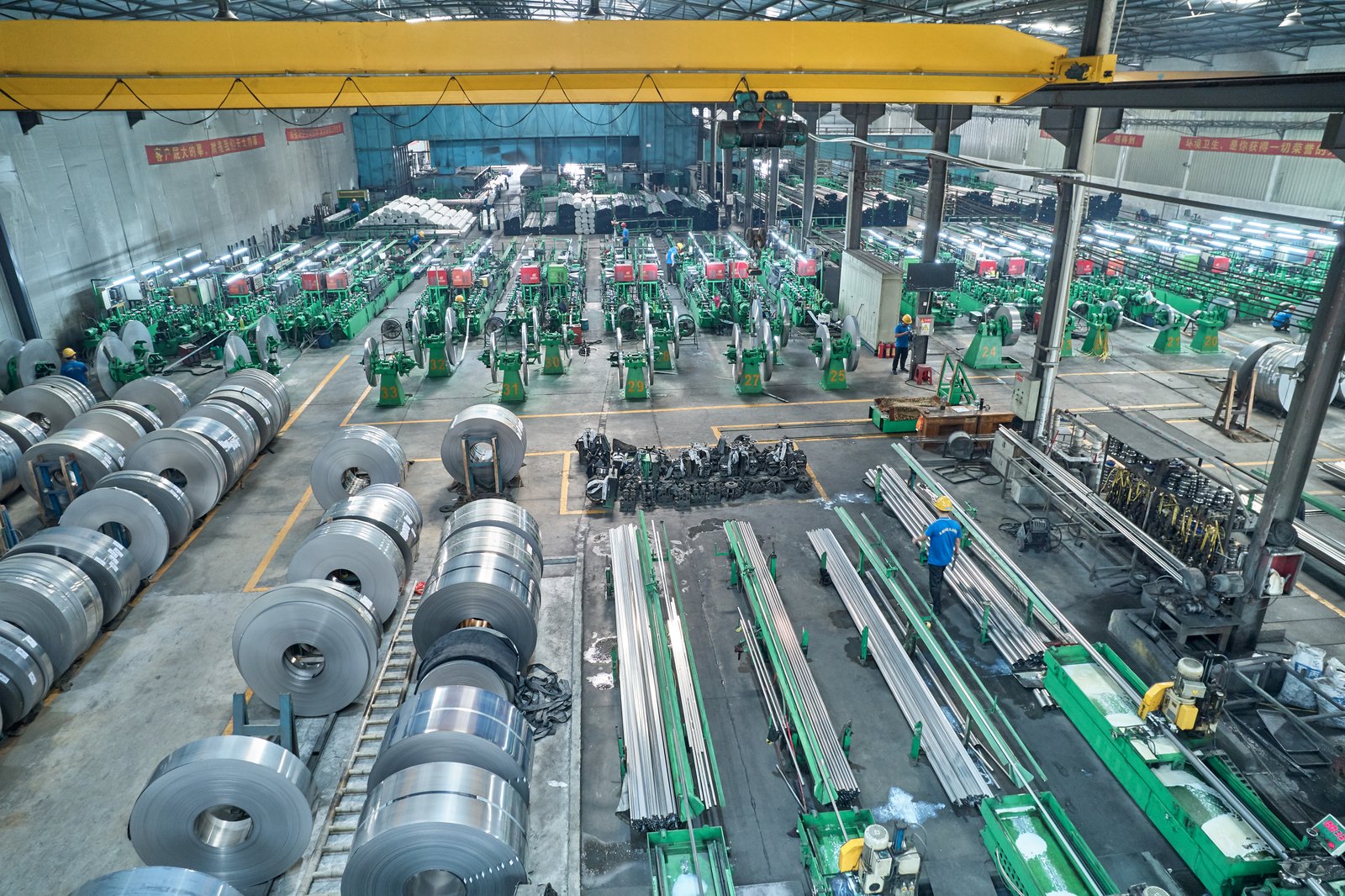
Defining your specific needs is the cornerstone of a successful procurement strategy. This initial step, if overlooked or rushed, can lead to a cascade of problems, including incorrect material selection, project delays, budget overruns, and even product failure. It involves a granular look at technical specifications, operational context, and regulatory obligations. Without this clarity, you're essentially navigating a complex market blindfolded. For instance, a client in the Middle East involved in a large-scale desalination plant project initially provided very broad specifications. During our consultation, we delved deeper into the highly corrosive saline environment and specific pressure ratings required. This collaborative refinement led to selecting a super duplex stainless steel grade that, while more expensive upfront, offered superior longevity and reduced maintenance costs, proving far more economical in the long run. This experience underscores the importance of thoroughness. It's not just about listing dimensions; it’s about understanding the entire ecosystem in which the stainless steel pipes will operate. This includes ambient conditions, the nature of the fluids or gases they will convey, mechanical stresses, and any specific industry standards that must be met. Neglecting any of these aspects can result in selecting a supplier who, while perhaps capable in general terms, cannot meet the nuanced demands of your particular application. At MFY, our integrated approach, from raw material sourcing to manufacturing, allows us to guide clients through this critical phase, ensuring that the final product aligns perfectly with their stated and unstated needs. We've built our reputation on not just supplying pipes, but on providing solutions that are technically sound and commercially viable.
Understanding Application-Specific Demands
The first crucial aspect of defining your needs is to thoroughly understand the specific application for which the stainless steel pipes are intended. Different industries and uses impose vastly different demands on materials. For example, pipes used in the petrochemical industry must withstand high pressures, extreme temperatures, and corrosive substances. According to a study by NACE International, corrosion costs3 in the oil and gas production industry are estimated to be billions annually, highlighting the need for correct material selection. Therefore, specifying a grade like 316L or even duplex stainless steels might be necessary.
In contrast, the food and beverage industry prioritizes hygiene and resistance to organic acids. Here, stainless steel grades like 304 or 304L with specific internal surface finishes (e.g., polished to a certain Ra value) are paramount to prevent bacterial contamination and ensure ease of cleaning, complying with standards like those from 3-A Sanitary Standards, Inc. I recall a client, a dairy processing equipment manufacturer in India, who faced issues with product contamination due to using pipes with an inappropriate internal finish. Switching to electropolished 316L pipes, as we recommended, resolved their problem and improved their product quality significantly.
Furthermore, structural applications, such as in architecture or construction, will have different criteria, focusing on mechanical strength, aesthetic appearance, and potentially corrosion resistance in specific environments (e.g., coastal areas). The load-bearing capacity, weldability, and visual consistency of the pipes become key factors. Each application demands a unique combination of properties, and failing to identify these accurately can lead to premature failure or non-compliance. At MFY, we always encourage a deep dive into these operational contexts.
Specifying Material Grades and Dimensions Accurately
Once the application is understood, the next step is to specify the exact material grade and dimensions. Stainless steel isn't a single material but a family of alloys, each with unique properties. Common grades include 304 (general-purpose), 316/316L (enhanced corrosion resistance, especially against chlorides), 321 (stabilized for high-temperature welding applications), and various duplex grades (high strength and stress corrosion cracking resistance). Selecting the wrong grade can be a costly mistake. For instance, using 304 where 316L is required in a marine environment will lead to rapid pitting corrosion. Data from the Nickel Institute4 often provides detailed comparisons of corrosion resistance for different grades in various media.
Dimensions – including outer diameter (OD), wall thickness (WT), and length – must be specified with precise tolerances. In many engineering applications, even minor deviations can render the pipes unusable or compromise the integrity of the final assembly. Consider a heat exchanger application: if the tube wall thickness is too thin, it might not withstand the operational pressure; if it's too thick, it could impede heat transfer efficiency. We worked with an equipment integrator in Southeast Asia who required pipes with extremely tight OD tolerances for a precision fitting application. Our advanced cold-rolling and drawing capabilities allowed us to meet these exacting specifications, where other suppliers had failed.
It's also crucial to specify whether seamless or welded pipes are required. Seamless pipes are generally preferred for high-pressure applications due to their uniform structure, while welded pipes can be more cost-effective for other uses. The choice depends on a balance of performance requirements and budget. We always advise clients to consult relevant international standards like ASTM, ASME, or EN for guidance on material grades and dimensional tolerances appropriate for their application.
Defining Quantity, Delivery, and Compliance Needs
Finally, your requirements must clearly outline the quantity of pipes needed, the desired delivery schedule, and any specific compliance or certification necessities. Quantities will influence pricing and supplier selection; some suppliers are better equipped for large bulk orders, while others specialize in smaller, custom jobs. Our experience at MFY shows that providing a forecast for future needs, even if tentative, can help in negotiating better terms and ensuring supplier capacity.
Delivery schedules are often critical. For construction projects or manufacturing production lines, delays in pipe delivery can halt entire operations, leading to significant financial losses. Specify not just the final delivery date but also any phased delivery requirements. For one of our clients, an EPC contractor building a power plant in the Middle East, we established a just-in-time (JIT) delivery schedule for different sections of piping, which minimized their on-site storage needs and streamlined their installation process. This required close coordination between our production planning and their project timeline.
Compliance and certification are non-negotiable in many sectors. This includes Mill Test Certificates (MTCs) verifying the chemical composition and mechanical properties of the material (e.g., EN 10204 3.1 or 3.2), ISO 9001 certification for the supplier's quality management system, and any industry-specific approvals (e.g., PED for pressure equipment in Europe, API for oil and gas). Clearly stating these requirements upfront ensures that only qualified suppliers are considered. At MFY, our commitment to international standards is a core part of our value proposition, providing our clients with the necessary assurance.
| Aspect | Key Considerations | Example MFY Approach |
|---|---|---|
| Application | Pressure, temperature, corrosive environment, hygiene, structural load. | Pre-sales consultation to understand end-use; recommend optimal grades (e.g., 316L for marine, 304 for general). |
| Material & Specs | Grade (304, 316L, Duplex), OD, WT, length, seamless/welded, tolerances, finish. | Leverage MFY's R&D and production for custom specs; provide detailed technical datasheets. |
| Quantity & Delivery | Volume, phased delivery, JIT needs, shipping terms (Incoterms). | Flexible production planning; strong logistics network for rapid export delivery to markets like India, SE Asia. |
| Compliance | MTCs (EN 10204 3.1/3.2), ISO 9001, industry-specific (PED, API), inspection needs. | Provide comprehensive certification; facilitate third-party inspections if required. |
316L resists marine corrosionTrue
316L contains molybdenum which provides superior resistance to chloride-induced pitting in marine environments compared to 304.
Seamless pipes are always betterFalse
While seamless pipes excel in high-pressure applications, welded pipes are more cost-effective for standard uses and meet many industry requirements.
Step 2: Research and Evaluate Potential Suppliers
Feeling lost in a sea of potential stainless steel pipe suppliers5? Choosing without thorough research can expose you to unreliable partners, inconsistent quality, and supply chain disruptions. A systematic research and evaluation process is key to identifying suppliers who genuinely meet your standards.
To research and evaluate potential suppliers, utilize industry directories, seek referrals, conduct online searches, and then assess their experience, market reputation, production capacity, and geographical reach to compile a shortlist of credible candidates.
Once your specific needs are crystal clear, the quest for the right supplier begins. This stage is about casting a wide net initially, then systematically narrowing down your options. In my role at MFY, I’ve seen companies make quick decisions based on a flashy website or an attractive initial quote, only to regret it later. True diligence here involves looking beyond the surface. Start by exploring established industry platforms – B2B marketplaces6, trade association member lists, and even attending virtual or physical trade shows if feasible. These are often good starting points to identify active players in the market. Simultaneously, don't underestimate the power of referrals. Reach out to trusted contacts in your industry or related sectors; a recommendation from a satisfied customer is often a strong indicator of a supplier's reliability. Online searches are, of course, indispensable, but approach them with a critical eye. Look for suppliers who not only have a professional online presence but also provide substantial information about their capabilities, product range, and quality systems. As you compile a preliminary list, start thinking about your 'must-have' criteria versus 'nice-to-have'. This will help you filter more effectively as you move into the deeper evaluation phase.
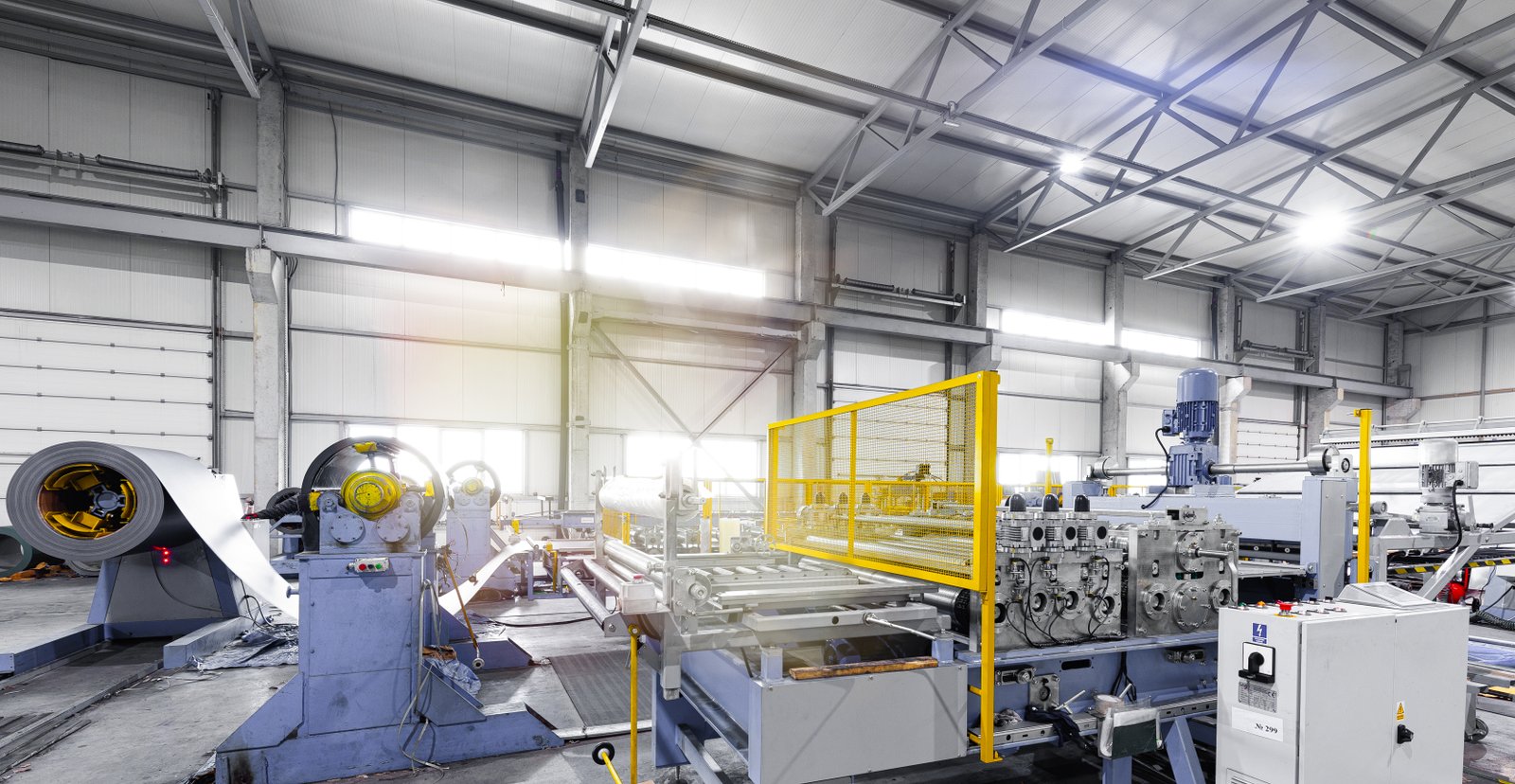
The research and evaluation phase is where your groundwork in defining needs translates into actionable intelligence. It's a multi-faceted process that combines broad discovery with targeted investigation. Think of yourself as a detective, piecing together clues to form a complete picture of each potential supplier. At MFY, we often find ourselves on the other side of this scrutiny, and we welcome it, as transparency is key to building trust. When we evaluate our own raw material suppliers, we employ a similar rigorous methodology. The initial list of potential suppliers can be generated from various sources. Online B2B platforms like Alibaba, Global Sources, or specialized industrial directories can provide a vast pool. However, it's crucial to filter these results based on your specific requirements – for instance, if you need a supplier with experience exporting to India or Southeast Asia, this can be an initial filter. Trade publications and industry-specific forums can also yield names of reputable manufacturers and distributors. Beyond these, consider your own network. Colleagues, industry peers, or even current trusted suppliers in different product categories might offer valuable recommendations or insights. Once a long list is compiled, the evaluation begins. This isn't just about looking at a supplier's website. It's about digging deeper into their history, their market presence, their financial stability (if possible to ascertain), and their overall reputation. How long have they been in business? What is the scale of their operations? Do they specialize in the types of stainless steel pipes you require, or is it just a small part of a much broader portfolio? These initial questions help to weed out suppliers who are clearly not a good fit.
Leveraging Industry Networks and Online Resources
Your industry network is an invaluable asset. Conversations with peers, consultants, or even competitors (where appropriate and ethical) can yield firsthand accounts of experiences with various suppliers. A personal recommendation or a cautionary tale can be more telling than pages of marketing material. For example, a fellow member of an industry association might share their positive experience with a supplier's responsiveness during a critical project, or warn about another's inconsistent delivery times. At MFY, we value the relationships we've built across various sectors; these often lead to new business through word-of-mouth, which we see as a testament to our service.
Online resources extend beyond simple search engine results. Look for suppliers who are active in relevant LinkedIn groups or industry forums, as this can indicate their engagement and expertise. Supplier directories hosted by reputable organizations (e.g., specific steel or manufacturing associations) often vet their listings to some extent. Scrutinize supplier websites: Are they professional and informative? Do they provide technical datasheets, case studies, or client testimonials? A well-maintained and transparent online presence is a good initial sign. For instance, we ensure the MFY website (www.mfysteel.com) offers comprehensive details about our products, capabilities, and quality certifications, aiming to provide potential clients with as much upfront information as possible.
However, be critical. Online reviews can be manipulated, and website claims need verification. Cross-reference information from multiple sources. If a supplier claims vast experience in exporting to your region, look for tangible evidence like localized case studies or references you can potentially contact. Data from market research firms like Steel Market Intelligence firms7 can also provide broader context on major players and market trends, though this might be more relevant for very large-scale procurement.
Assessing Supplier Reputation and Market Standing
A supplier's reputation is built over years of consistent performance. Look for indicators of their market standing. How long have they been in business? Longevity often, though not always, correlates with stability and experience. Are they known as specialists in stainless steel pipes, or are they general traders with a wide, undifferentiated product range? Specialization can mean deeper expertise and better quality control for specific product lines. At MFY, our deep roots and focus on the stainless steel industry, from raw materials to finished products like pipes, allow us to offer a level of expertise that general traders might lack.
Seek out customer reviews and testimonials, but try to find independent sources if possible. Industry awards or recognitions can also be positive indicators, though these should be weighed appropriately. If you're considering a supplier for a significant contract, don't hesitate to ask for references – specifically from clients in your industry or region who have procured similar products. A reliable supplier should be willing to provide these. I recall a potential client, a large engineering contractor, who was evaluating MFY for a substantial order for a project in the Middle East. We facilitated contact with one of our existing clients in a similar sector, and that direct feedback was instrumental in their decision-making process.
Conversely, look for red flags. A history of litigation, numerous negative reviews citing similar issues (e.g., poor quality, missed deadlines), or a lack of transparency can be warning signs. A quick check with credit rating agencies or business information services (where available and appropriate for the scale of your procurement) might also provide insights into a supplier's financial stability, which is crucial for long-term reliability.
Evaluating Production Capacity and Technical Expertise
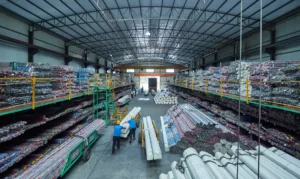
Beyond reputation, a supplier's tangible capabilities are critical. What is their actual production capacity for the types and sizes of stainless steel pipes you need? Can they handle your order volume without compromising quality or delivery times, especially if you anticipate fluctuating demand or future growth? MFY, for example, prides itself on its strong production capacity and significant inventory, which allows us to cater to both large project orders and more regular stock requirements for distributors.
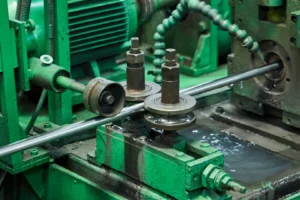
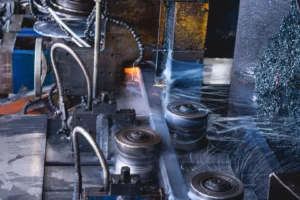
Technical expertise is equally important. Do they have in-house R&D capabilities? Can they offer technical support or advice on material selection and application? For complex projects or custom requirements, a supplier with strong engineering and metallurgical knowledge is invaluable. Look for evidence of investment in modern production technology and quality control equipment. If feasible, a site visit or a virtual tour can be highly informative, allowing you to see their operations firsthand. During such evaluations, we at MFY are always keen to showcase our cold-rolling processing facilities and tube manufacturing lines, demonstrating our control over the entire production chain.
Consider their experience with your specific export market. If you're based in India, for example, does the supplier have a track record of successfully shipping to India, understanding its customs procedures, and meeting any local compliance requirements? MFY's experience in exporting to India, Southeast Asia, the Middle East, and Russia means we have established logistics channels and familiarity with regional import regulations, which smooths the process for our clients.
| Evaluation Aspect | Key Questions to Ask | MFY's Strength Example |
|---|---|---|
| Industry Presence | How long in business? Active in associations? Online professionalism? | Deeply rooted in stainless steel; informative website (mfysteel.com). |
| Reputation | Customer reviews/testimonials? References available? Any red flags (disputes, etc.)? | Strong client retention; happy to provide relevant customer references. |
| Capacity | Production volume for your pipe type? Inventory levels? Scalability for future needs? | Strong production capacity and inventory; ability to handle large and custom orders. |
| Technical Skill | R&D? Engineering support? Modern equipment? Quality control systems in place? | Integrated R&D; advanced manufacturing and testing facilities. |
| Export Experience | Familiarity with your country's import rules? Logistics to your region? | Proven export track record to India, SE Asia, Middle East, Russia; smooth logistics. |
Industry directories help find suppliersTrue
Industry directories are a reliable starting point to identify potential stainless steel pipe suppliers, as mentioned in the systematic research process.
Flashy websites guarantee qualityFalse
The text specifically warns against making quick decisions based on flashy websites, emphasizing the need for deeper evaluation of supplier capabilities.
Step 3: Assess Supplier's Quality Assurance Practices
Are you concerned about receiving substandard stainless steel pipes that could jeopardize your projects or product integrity? Failing to scrutinize a supplier's quality assurance (QA) can lead to costly defects, rework, and reputational damage. A thorough assessment of QA practices is essential for ensuring consistent, reliable quality.
To assess a supplier's quality assurance, meticulously review their certifications (like ISO 9001), understand their material traceability systems, examine their testing protocols and inspection regimes, and inquire about their processes for handling non-conformances.
Ensuring the quality of stainless steel pipes is paramount, as defects can have severe consequences, from operational failures in industrial plants to safety hazards in construction. When I speak with clients, particularly those in critical sectors like manufacturing companies or engineering and construction contractors, the conversation invariably turns to quality assurance. It's not enough for a supplier to claim they produce high-quality goods; they must be able to demonstrate robust systems and processes that guarantee it. This means looking beyond glossy brochures and delving into the specifics of their QA methodology. Does the supplier adhere to internationally recognized quality management standards? How do they ensure the raw materials they use are up to spec? What tests are performed during and after production? These are the questions that separate a truly quality-conscious supplier from the rest. At MFY, our commitment to quality is embedded in our integrated supply chain, from sourcing raw materials to final inspection and dispatch. We believe that transparency in our QA practices builds the confidence our clients need.
[img placehold]
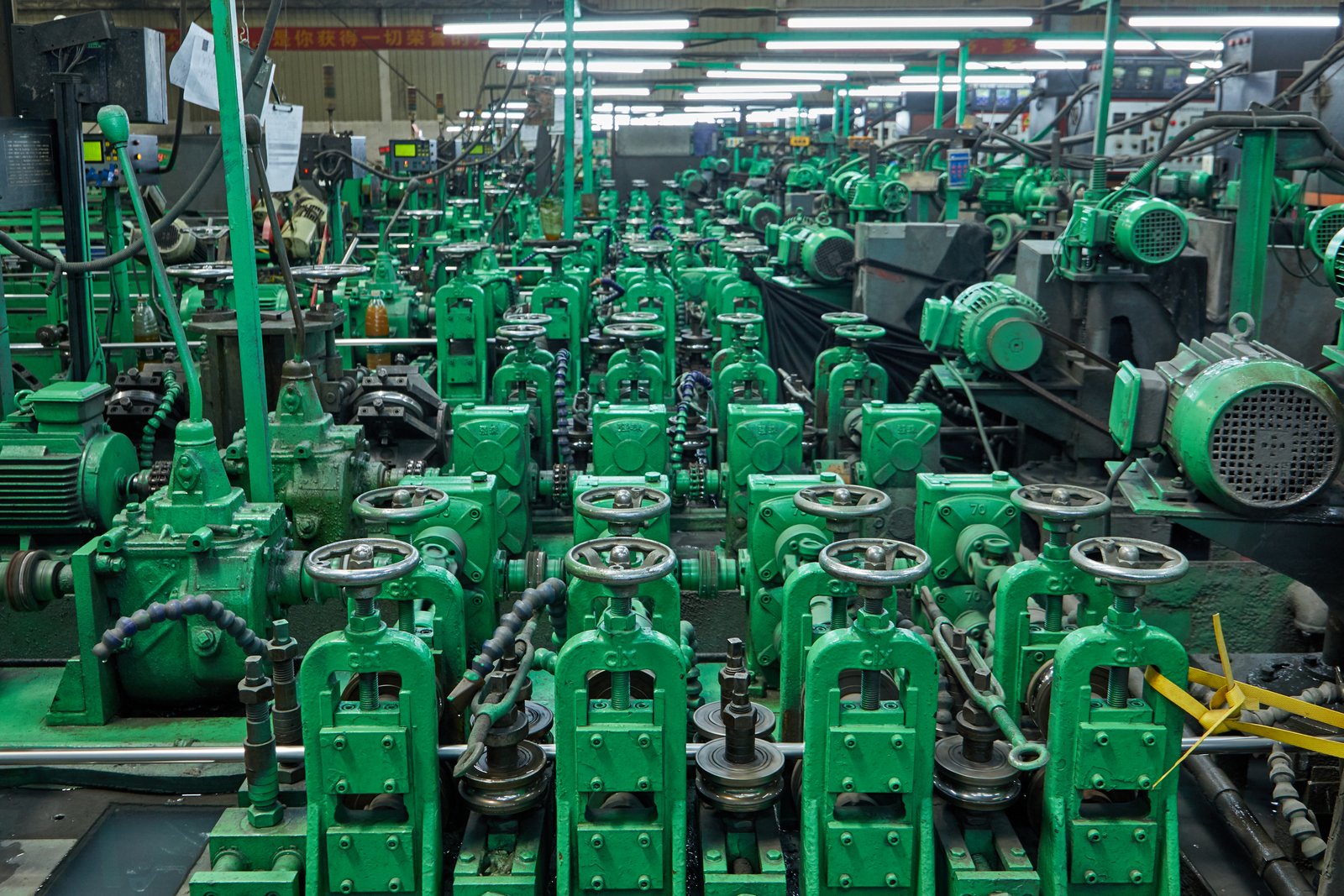
Assessing a supplier's quality assurance practices is a non-negotiable step in the selection process. It's where you verify that a potential partner can consistently deliver products that meet your specifications and industry standards. This involves a detailed examination of their quality management systems, material control, in-process checks, and final inspection procedures. I've seen situations where companies, attracted by low prices, overlooked this critical assessment, only to face significant issues with material C_THR_86_2011 defects, dimensional inaccuracies, or improper certifications down the line. These problems not only lead to direct replacement costs but also cause project delays and can damage a company's reputation. For instance, a manufacturing client in Southeast Asia once shared their experience with a previous supplier whose pipes exhibited inconsistent weld quality, leading to a high failure rate in their assembled products. This highlighted the importance of not just looking at final test certificates but understanding the in-process controls that prevent such issues. At MFY, we emphasize a multi-layered approach to quality. Our ISO 9001 certification8 is just the starting point. We have stringent protocols for incoming raw material inspection, in-process monitoring at critical stages of tube manufacturing (like welding, annealing, and sizing), and comprehensive final testing before any product is dispatched. This meticulous attention to detail is what gives our clients in demanding markets like India and the Middle East peace of mind.
Scrutinizing Certifications and Compliance Standards
Certifications are a formal attestation of a supplier's commitment to quality and adherence to specific standards. The most fundamental certification to look for is ISO 9001, which indicates that the supplier has a documented and audited quality management system (QMS). However, don't just take a certificate at face value; verify its validity and scope. Does the scope cover the manufacturing of the specific type of stainless steel pipes you intend to purchase? At MFY, our ISO 9001 certification underpins all our operations, from R&D to production and sales.
Beyond ISO 9001, depending on your industry and application, other certifications may be crucial. For instance, if the pipes are for pressure applications in Europe, compliance with the Pressure Equipment Directive (PED)9 is essential. For oil and gas applications, API (American Petroleum Institute) monograms or compliance might be required. Always request copies of relevant certifications and, if necessary, Mill Test Certificates (MTCs) for specific batches or heats of material. An MTC, typically to EN 10204 (e.g., Type 3.1 or 3.2), provides traceability and confirms the chemical composition and mechanical properties of the exact material supplied. We routinely provide Type 3.1 MTCs with our shipments, and can arrange for Type 3.2 inspection by a third-party agency if required by the client.
Understanding the specific standards the supplier manufactures to is also vital – common ones include ASTM (e.g., ASTM A312 for seamless and welded austenitic stainless steel pipes), ASME, EN, JIS, or GOST (relevant for exports to Russia). Ensure their manufacturing standards align with your project's requirements.
Understanding Material Traceability and Sourcing
Effective quality assurance starts with the raw materials. A reliable supplier should have robust systems for tracing materials from their origin through to the finished product. This is crucial for accountability and for investigating any issues that may arise later. Inquire about their raw material sourcing policies. Do they source from reputable mills? What checks do they perform on incoming raw materials? At MFY, we maintain strong relationships with leading stainless steel mills, and our integrated supply chain model gives us greater control and visibility over raw material quality.
Material traceability means that if a problem is detected in a specific batch of pipes, the supplier can trace it back to the original heat of steel, identify other products made from the same material, and take appropriate corrective action. This is often documented through heat numbers or batch codes marked on the pipes and correlated with MTCs. I recall an instance where a client needed to verify the specific composition of pipes supplied several months earlier for a compliance audit; our traceability system allowed us to quickly retrieve the relevant documentation, much to their relief.
This traceability also extends to any subcontracted processes, like specialized heat treatment or testing. The supplier should be able to demonstrate quality control over their entire supply network.
Examining Testing Protocols and Inspection Regimes
A supplier's testing and inspection plan provides direct evidence of their commitment to quality. This should include a combination of in-process checks and final product inspections. Inquire about the types of tests they perform. For stainless steel pipes, common tests include:
- Dimensional checks: Verifying OD, WT, length, ovality, and straightness against specified tolerances.
- Visual inspection: Checking for surface defects, weld quality (for welded pipes), and proper marking.
- Mechanical tests: Tensile tests, hardness tests, flattening tests, flaring tests, and reverse bend tests to verify the pipe's strength and ductility.
- Non-Destructive Testing (NDT): Eddy Current Testing (ECT) or Ultrasonic Testing (UT) to detect hidden flaws in welds or the pipe body, and hydrostatic testing to ensure leak-tightness and pressure integrity.
- Corrosion tests: Intergranular corrosion tests (e.g., ASTM A262) may be required for specific grades or applications.
- Chemical analysis (PMI): Positive Material Identification using XRF or OES to verify the grade.
At MFY, our standard QA plan includes a suite of these tests, tailored to the pipe type and customer specifications. We also welcome client-appointed third-party inspectors (TPIs) to witness testing or conduct their own inspections at our facilities. This transparency is crucial. For a major project supplying pipes to an engineering contractor in Southeast Asia, the client mandated TPI involvement at multiple stages, a process we fully supported, ensuring all quality parameters were met to their satisfaction. The frequency and sampling plan for these tests are also important – are they testing every batch, or a certain percentage? Understanding this gives you confidence in the consistency of the product.
| QA Aspect | Key Verification Points | MFY's Approach |
|---|---|---|
| Certifications | ISO 9001 (validity, scope), PED, API, MTCs (EN 10204 3.1/3.2), adherence to ASTM/ASME/EN. | ISO 9001 certified; provides EN 10204 3.1 MTCs as standard; can arrange 3.2; manufactures to various international standards. |
| Traceability | Raw material source verification, heat/batch tracking, control over subcontracted processes. | Integrated supply chain with control over raw materials; robust heat number tracking from mill to finished pipe. |
| Testing - Mechanical | Tensile, hardness, flattening, flaring, bend tests. | Comprehensive mechanical testing facilities; tests performed as per standard or customer requirements. |
| Testing - NDT | Eddy Current, Ultrasonic, Hydrostatic testing. | In-house NDT capabilities (ECT, UT, Hydro); ensuring pipe integrity and weld soundness. |
| Inspection | Dimensional checks, visual inspection, PMI, option for TPI. | Rigorous multi-stage inspection; Positive Material Identification; welcomes third-party inspections. |
ISO 9001 indicates quality managementTrue
ISO 9001 certification demonstrates a supplier has implemented a documented quality management system that has been independently audited.
All pipe suppliers have same QA standardsFalse
Quality assurance practices vary significantly between suppliers, with some having robust multi-stage testing while others may only perform basic checks.
Step 4: Compare Pricing and Terms of Service
Is the lowest price always the best deal for stainless steel pipes10? Focusing solely on unit cost can blind you to hidden expenses and unfavorable terms, ultimately costing more. A comprehensive comparison of pricing and service terms is vital for true value.
To effectively compare pricing and terms, look beyond the per-unit cost to calculate the Total Cost of Ownership (TCO), negotiate favorable payment and delivery schedules, and thoroughly evaluate warranty, support, and return policies for a holistic assessment.
Once you've shortlisted suppliers based on their capabilities and quality assurance, the next crucial step is to delve into the commercial aspects. This isn't just about getting quotes and picking the cheapest. As I've emphasized to many of our clients at MFY, from distributors to manufacturing companies, true value comes from a balance of competitive pricing, fair terms, and reliable service. A significantly lower price from one supplier might seem tempting, but it could mask inferior material quality that leads to higher lifecycle costs, or inflexible payment terms that strain your cash flow, or exorbitant shipping costs not immediately apparent. It’s essential to request detailed quotations that clearly break down all costs, including the price of the pipes, any additional charges for special testing or packaging, shipping costs (clarifying Incoterms is key here), and applicable taxes or duties. This allows for an apples-to-apples comparison and helps you understand the complete financial picture. Furthermore, the "softer" aspects – like responsiveness, communication clarity, and willingness to accommodate reasonable requests – also contribute to the overall value proposition of a supplier.
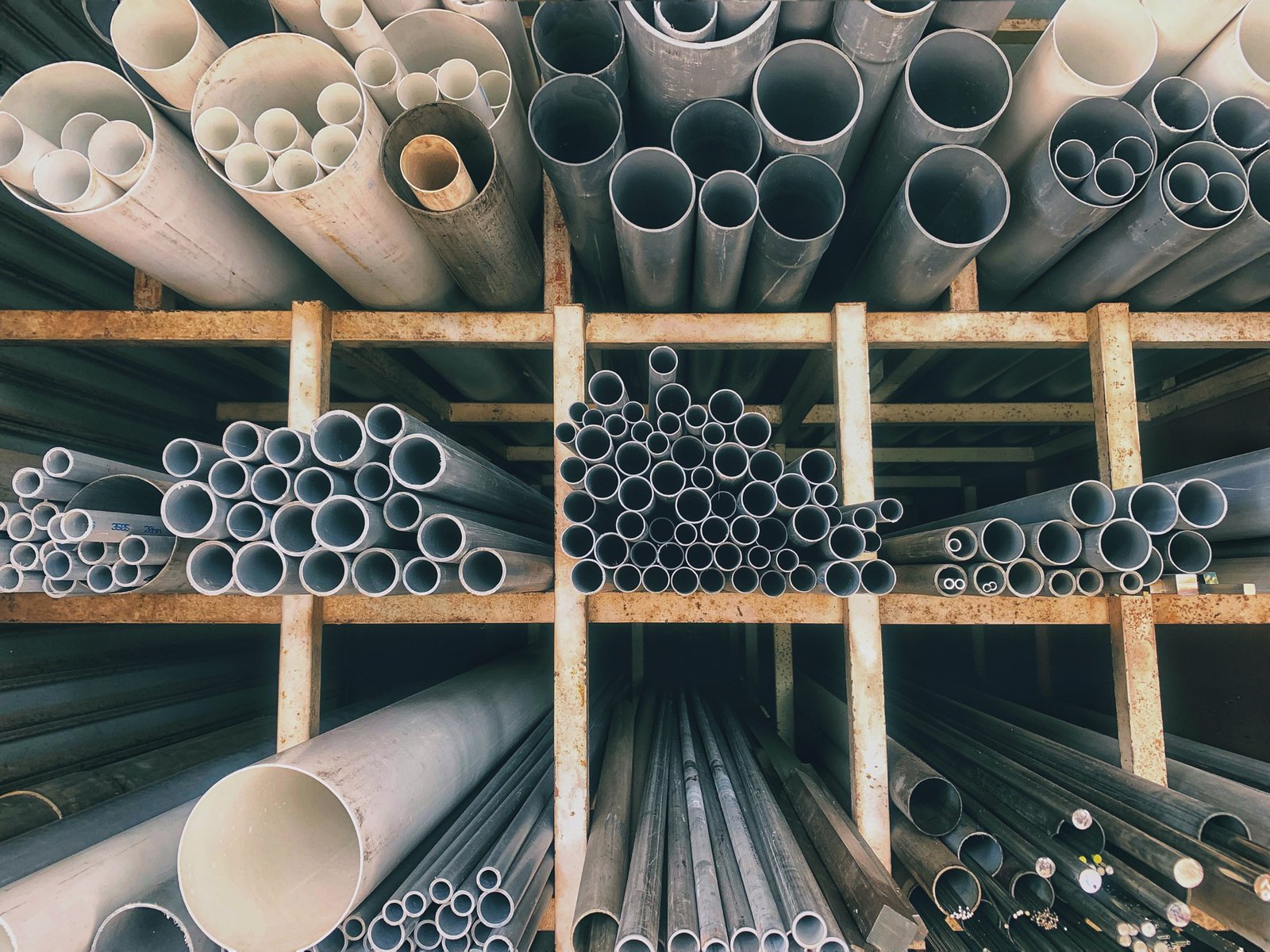
Comparing pricing and terms of service is a critical stage where financial diligence meets operational pragmatism. The goal is to secure not just a good price, but a good overall deal that supports your project's success and your company's financial health. Many fall into the trap of comparing only the headline price per meter or per ton of stainless steel pipe. However, my experience at MFY, dealing with diverse clients from equipment integrators to large EPC contractors in markets like India and the Middle East, has shown that such a narrow focus can be misleading. For instance, a supplier offering a 5% lower unit price might have much longer lead times, potentially delaying a critical project and incurring far greater costs than the initial saving. Or they might offer very restrictive payment terms that negatively impact your working capital. Therefore, a holistic approach is essential. We encourage our clients to look at the "total cost of ownership" (TCO), which encompasses not only the purchase price but also factors like logistics, quality (and potential costs of poor quality like rework or replacements), inventory holding costs, and the supplier's reliability and support. A supplier like MFY, with an integrated supply chain and strong production capacity, might be able to offer more reliable delivery schedules and consistent quality, which contributes to a lower TCO even if the upfront unit price isn't the absolute lowest in every single instance.
Beyond the Unit Price: Calculating Total Cost of Ownership (TCO)
The unit price of stainless steel pipes is just one component of the total cost. To make an informed decision, you need to consider the Total Cost of Ownership (TCO). This includes:
- Acquisition Cost: The quoted price of the pipes, plus any costs for special treatments, cutting, or packaging.
- Logistics Costs: Shipping, insurance, customs duties, and inland transportation. Clarifying Incoterms (e.g., FOB, CIF, DDP) is vital here, as it defines who pays for what and where risk transfers. MFY's rapid export delivery capability and experience with various Incoterms help clients optimize these costs.
- Quality Costs: The cost of poor quality can be immense – think rework, scrap, production downtime, product recalls, or even liability claims. A slightly more expensive pipe from a supplier with robust QA (as discussed in Step 3) can result in a significantly lower TCO.
- Inventory Costs: Longer lead times or unreliable deliveries might force you to hold more safety stock, tying up capital. A supplier with efficient production and logistics, like MFY, can help minimize these costs.
- Lifecycle Costs: For the end-user of the pipes, factors like durability, maintenance requirements, and lifespan contribute to the TCO over the operational life of the equipment or structure. Higher quality material often translates to lower lifecycle costs.
When comparing quotes, try to quantify these additional factors. For example, assign a risk factor or potential cost to a supplier with a history of late deliveries or quality issues. A seemingly small price difference upfront can be easily overshadowed by these broader TCO elements.
Negotiating Favorable Payment Terms and Delivery Schedules
Payment terms can significantly impact your cash flow. Common terms include upfront payment, partial payment with balance on shipment/delivery, or payment after delivery (e.g., Net 30 or Net 60 days). Suppliers' willingness to offer flexible terms often depends on the order volume, your creditworthiness, and the relationship history. For new clients, MFY typically works with standard international trade payment methods like Telegraphic Transfer (T/T) or Letters of Credit (L/C), but we are open to discussing terms for long-standing partners. It's important to negotiate terms that align with your financial planning.
Delivery schedules, as mentioned, are critical. Ensure the supplier can commit to your required timeline and has a track record of on-time delivery. Discuss penalties for late delivery or incentives for early delivery if appropriate for your project's criticality. Also, clarify the production lead time versus the shipping transit time. Our strong production capacity at MFY allows us to offer competitive lead times, a key advantage for clients with tight project deadlines in markets like Southeast Asia. Consider the mode of transport (sea, air, rail) and its implications for cost and speed.
Evaluating Warranty, Support, and Return Policies
A supplier's commitment doesn't end with delivery. Understanding their warranty provisions is crucial. What does the warranty cover (e.g., material defects, manufacturing flaws)? What is the warranty period? What is the process for making a claim? A clear and fair warranty provides peace of mind.
After-sales support is another important factor. If you encounter issues or have technical questions after receiving the pipes, how responsive and helpful is the supplier? At MFY, we view ourselves as partners to our clients, and our team is available to provide support throughout the lifecycle of our products. This includes assistance with documentation, technical queries, or addressing any concerns that may arise.
Finally, understand their policy on returns or remedies for non-conforming products. While robust QA aims to prevent such issues, having a clear process for rectifying mistakes (e.g., replacement, refund, or repair) is important. A supplier who stands behind their product and offers reasonable solutions in case of problems is a valuable partner.
| Comparison Factor | Key Considerations | MFY's Typical Offering/Approach |
|---|---|---|
| Pricing Model | Unit price, volume discounts, validity of quote. | Competitive pricing reflecting quality and service; transparent quotations. |
| Total Cost (TCO) | Logistics (Incoterms like FOB, CIF), quality impact, inventory, lifecycle. | Focus on overall value; efficient logistics; high-quality materials reduce downstream costs. |
| Payment Terms | Upfront, L/C, T/T, credit terms (Net 30/60), currency. | Standard international terms (L/C, T/T); negotiable for established partners. |
| Delivery | Lead time, on-time performance, shipping options, penalties/incentives. | Rapid export delivery due to strong capacity and inventory; reliable scheduling. |
| Warranty & Support | Coverage, duration, claim process, technical support, return/remedy policy. | Comprehensive warranty against manufacturing defects; dedicated customer support. |
TCO includes logistics costsTrue
Total Cost of Ownership (TCO) encompasses shipping, insurance, and customs duties along with the purchase price.
Unit price equals total costFalse
The unit price is just one component - quality issues, delivery delays, and warranty terms significantly impact total cost.
Step 5: Establish a Long-Term Relationship and Review Performance
Is your supplier interaction over once the stainless steel pipes are delivered? Treating procurement as a series of one-off transactions can lead to missed opportunities for improvement and instability. Cultivating a long-term relationship with performance reviews ensures ongoing value and reliability.
To establish a strong, lasting supplier relationship, prioritize open communication, conduct regular performance reviews using clear KPIs for supplier evaluation, and collaboratively work on continuous improvement and adaptation to evolving needs, fostering a true partnership.
The final step in selecting and working with a reliable stainless steel pipe supplier extends beyond the initial purchase. The most successful sourcing strategies I've witnessed at MFY involve building enduring partnerships. This isn't just about repeat orders; it's about fostering a collaborative environment where both parties benefit. Think of it as an ongoing journey rather than a destination. A supplier who understands your business, your evolving needs, and your market challenges in stainless steel11 can become a strategic asset. This requires consistent effort from both sides – open lines of communication, a willingness to share feedback (both positive and constructive), and a shared commitment to resolving any issues that may arise. For our key clients, whether they are large manufacturing companies in India or equipment integrators in Russia, we strive to be more than just a supplier; we aim to be a trusted advisor and a reliable extension of their own operations. This approach has led to many fruitful, multi-year collaborations.
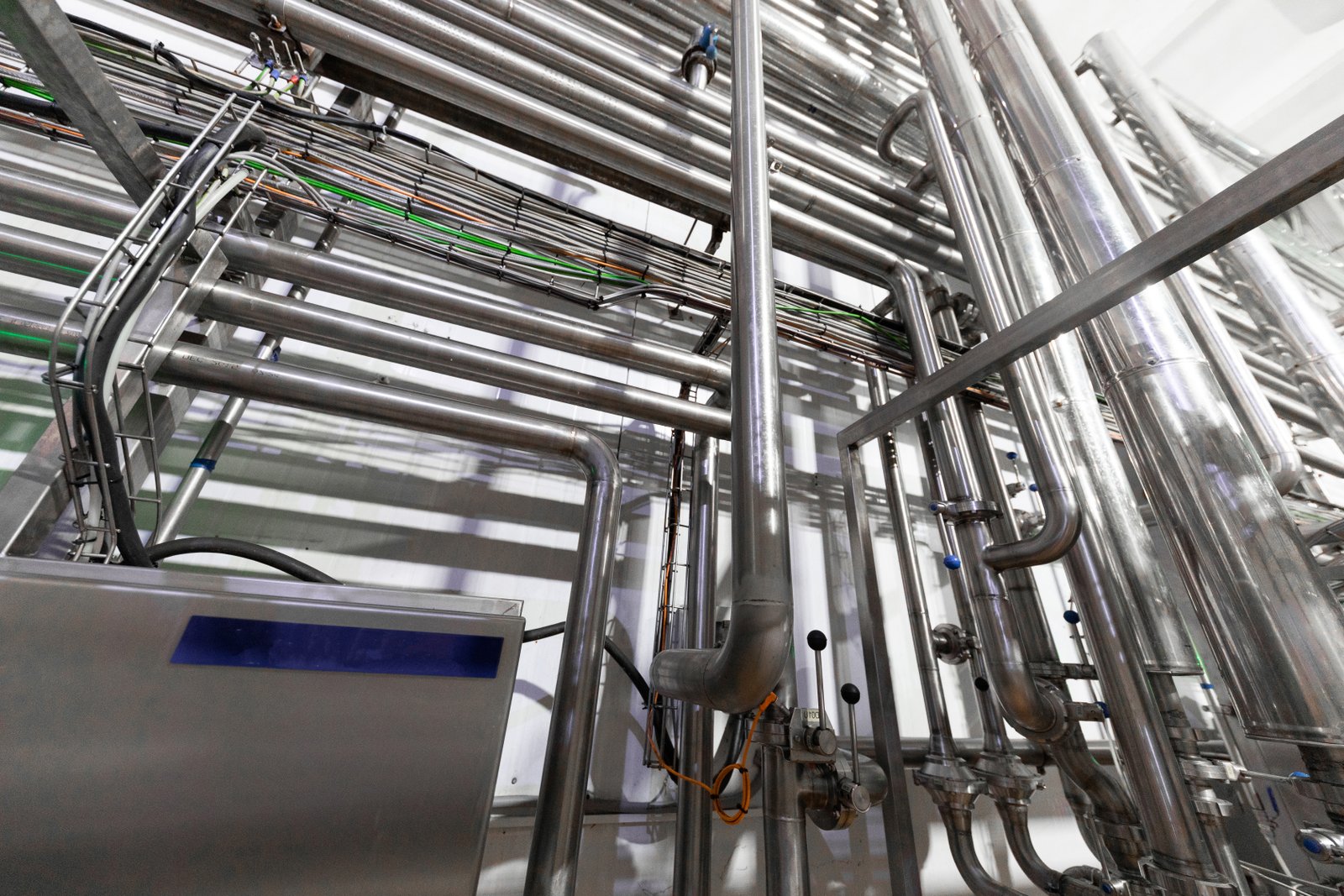
Establishing and nurturing a long-term relationship with your chosen stainless steel pipe supplier is where the true strategic value of your selection process comes to fruition. While the previous steps focus on finding and vetting a supplier for an immediate need, this final step is about maximizing the benefits of that choice over time. In my experience at MFY, the clients who achieve the most consistent supply chain performance and often the best overall value are those who invest in building partnerships rather than engaging in purely transactional exchanges. This involves a shift in mindset from "us versus them" to "we." A long-term perspective allows for better demand forecasting, potential for joint problem-solving, and even co-development of solutions for new challenges. For example, working closely with a key distributor in Southeast Asia over several years allowed us to better understand their specific market demands, leading to adjustments in our stock profiles to ensure faster availability of high-demand items for them. This kind of synergy doesn't happen overnight; it's built on a foundation of trust, transparency, and a mutual commitment to success. It also involves periodically stepping back to assess how the relationship is working and identifying areas for improvement, ensuring that the partnership continues to meet the evolving needs of both organizations.
The Value of Open Communication and Collaborative Partnership
Open and honest communication is the lifeblood of any successful long-term business relationship. This means establishing communication strategies with suppliers12 for regular interaction, not just when placing an order or if a problem arises. Share relevant information about your upcoming projects, potential changes in demand, or any new specifications you might require. This allows the supplier to plan their production and inventory more effectively, ultimately benefiting you with better availability and potentially more stable pricing. At MFY, we encourage our clients to maintain an open dialogue with their dedicated account managers. We, in turn, make it a point to proactively inform our partners about any significant market trends, raw material price fluctuations, or innovations in stainless steel pipe technology that might be relevant to their business.
Collaboration extends to problem-solving. Issues will inevitably arise in any business relationship. The strength of the partnership is often tested by how these challenges are addressed. A collaborative approach, where both parties work together to find a mutually acceptable solution, is far more productive than a blame game. I recall a situation with a manufacturing client where a slight, previously unencountered dimensional variance in a custom pipe order caused an issue in their automated assembly line. By working closely with their engineering team, we were able to quickly understand the critical tolerance and adjust our processes for future orders, strengthening our partnership in the process.
Implementing Regular Performance Reviews and KPIs
To ensure the supplier relationship remains healthy and continues to meet your expectations, it's essential to implement a system for regular performance reviews. This doesn't need to be overly bureaucratic, especially for smaller suppliers, but some form of structured feedback mechanism is crucial. Define Key Performance Indicators (KPIs) that are important to your business. These might include:
- On-Time Delivery (OTD): Percentage of orders delivered by the agreed-upon date.
- Quality Metrics: Defect rates (e.g., parts per million), number of non-conformances, consistency of material certification.
- Cost Competitiveness: Price stability, adherence to quoted prices, total cost of ownership trends.
- Responsiveness: Speed and effectiveness of communication, problem resolution time.
- Innovation/Proactiveness: Supplier suggestions for improvement, new product introductions.
Schedule periodic reviews (e.g., quarterly or annually) to discuss performance against these KPIs. This provides a formal opportunity to acknowledge good performance and address any areas needing improvement. At MFY, we welcome such reviews from our clients as they provide valuable insights that help us refine our services.
Adapting and Evolving: Continuous Improvement in Supplier Relationships
Markets change, technologies evolve, and your business needs will likely shift over time. A strong supplier relationship is one that can adapt and evolve to meet these new realities. This involves a commitment to continuous improvement from both sides. Perhaps new international standards emerge that your products need to comply with, or you identify an opportunity to use a different grade of stainless steel for better performance or cost savings. A proactive supplier partner will be willing to discuss these changes, invest in necessary adaptations (if feasible), and work with you to optimize your supply chain.
For example, as MFY continues to drive digital innovation within our operations, we explore how these advancements can benefit our clients, perhaps through more sophisticated order tracking, streamlined documentation, or data-driven insights into their procurement patterns. We also look for feedback on how we can improve our service, whether it's related to product range, packaging, or logistical support for specific export markets like India or the Middle East. This iterative process of feedback, adaptation, and improvement is what transforms a good supplier into an indispensable long-term partner.
| Relationship Aspect | Key Actions | MFY's Commitment |
|---|---|---|
| Communication | Establish regular contact points; share forecasts and business updates. | Dedicated account management; proactive updates on market trends and MFY developments. |
| Collaboration | Joint problem-solving; work together on new requirements or challenges. | Partnership approach to resolving issues; work with clients on custom solutions and technical challenges. |
| Performance Review | Define KPIs (OTD, quality, cost, responsiveness); conduct periodic reviews. | Welcome client feedback and performance reviews; use insights for internal improvement. |
| KPIs (Examples) | On-Time Delivery >95%; Defect Rate <0.1%; Order Accuracy >99%. | Strive for excellence across all KPIs; internal targets often exceed general industry standards. |
| Continuous Improvement | Adapt to changing needs; explore innovations; seek feedback for service enhancement. | Ongoing investment in R&D, production technology, and digital innovation; committed to evolving with client needs. |
Long-term supplier relationships create strategic valueTrue
Building enduring partnerships leads to better forecasting, joint problem-solving, and co-development of solutions.
Supplier reviews should only focus on priceFalse
Performance reviews should evaluate multiple KPIs including quality, delivery, responsiveness and innovation, not just cost.
Conclusion
Selecting the right stainless steel pipe supplier requires a methodical approach, from defining needs to fostering long-term partnerships. By diligently researching, assessing quality and terms, and committing to ongoing reviews, you can secure a reliable supply chain, ensuring project success and operational excellence for your business.
-
Ensures supplier compliance with industry standards, essential for quality assurance ↩
-
Learn about industry-endorsed practices and statistics related to stainless steel suppliers ↩
-
Highlight the financial impact of incorrect material selection in the oil and gas industry ↩
-
Details on stainless steel grade performance for informed material selection ↩
-
Gain a comprehensive understanding of selecting reliable stainless steel suppliers ↩
-
Discover reliable B2B marketplaces for sourcing trustworthy steel suppliers ↩
-
Access expert insights and reports on the stainless steel market ↩
-
Understand the impact of ISO 9001 on the quality of stainless steel pipes. ↩
-
Discover the PED standards for pressure equipment compliance in Europe. ↩
-
Learn about potential hidden costs and the importance of terms of service in purchase decisions ↩
-
Gain insights into market trends and challenges impacting stainless steel industry dynamics ↩
-
Learn how effective communication can enhance supplier partnerships and business outcomes ↩
Have Questions or Need More Information?
Get in touch with us for personalized assistance and expert advice.


 English
  Русский