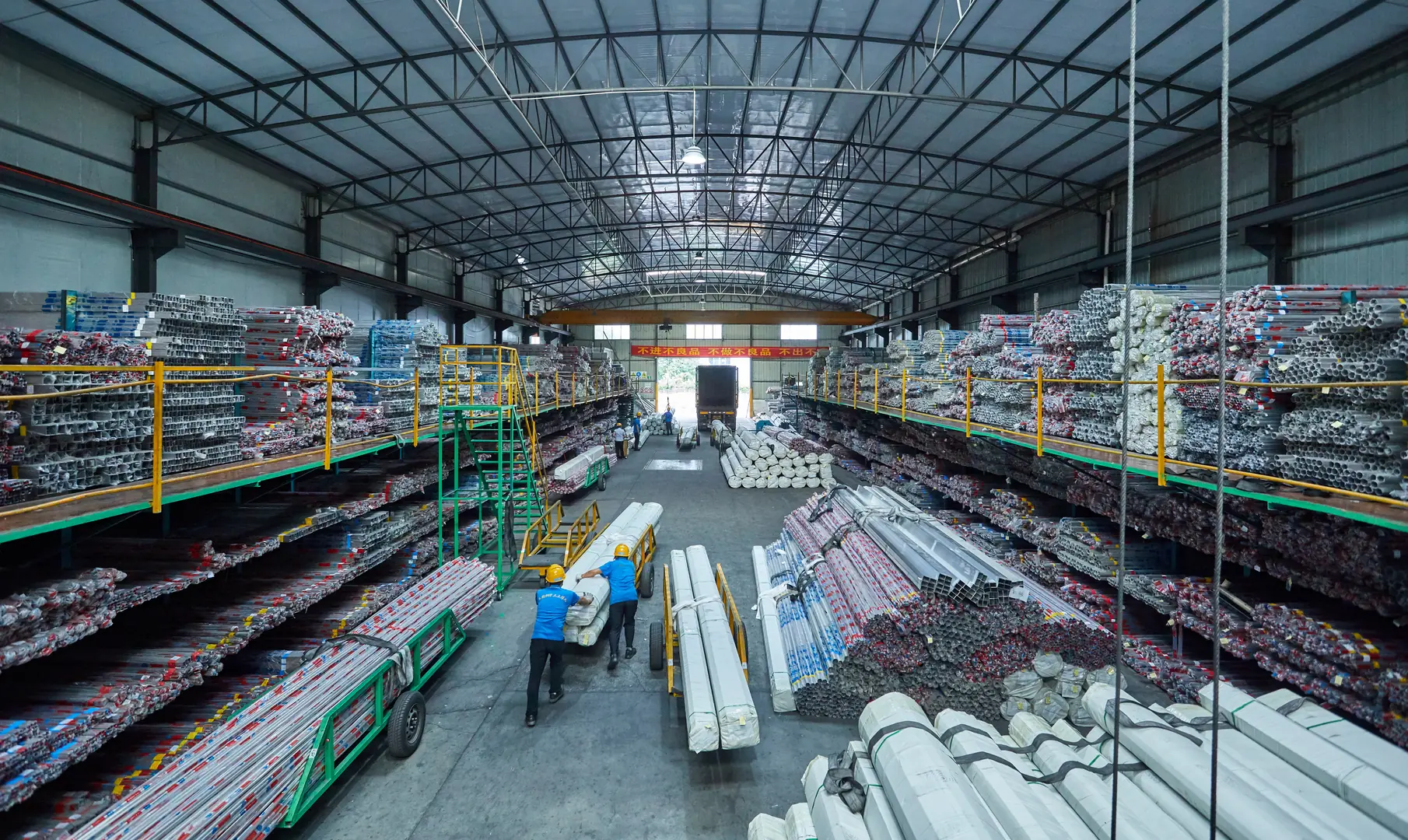
Project Bulk Supply: Nom. Schedule 5 SS Pipe 304/304L Welded – Specs & Wholesale Pricing
Sourcing bulk труба из нержавеющей стали is complex. Delays and budget overruns threaten your project's success. This guide provides clarity on mastering specifications, pricing, and logistics for your next big venture.
Mastering bulk supply for Schedule 5 SS 304/304L welded pipe involves precisely defining specifications, creating a realistic supply schedule, negotiating transparent wholesale pricing, implementing rigorous quality assurance checks, and streamlining logistics through a reliable partner to ensure project efficiency and cost control.
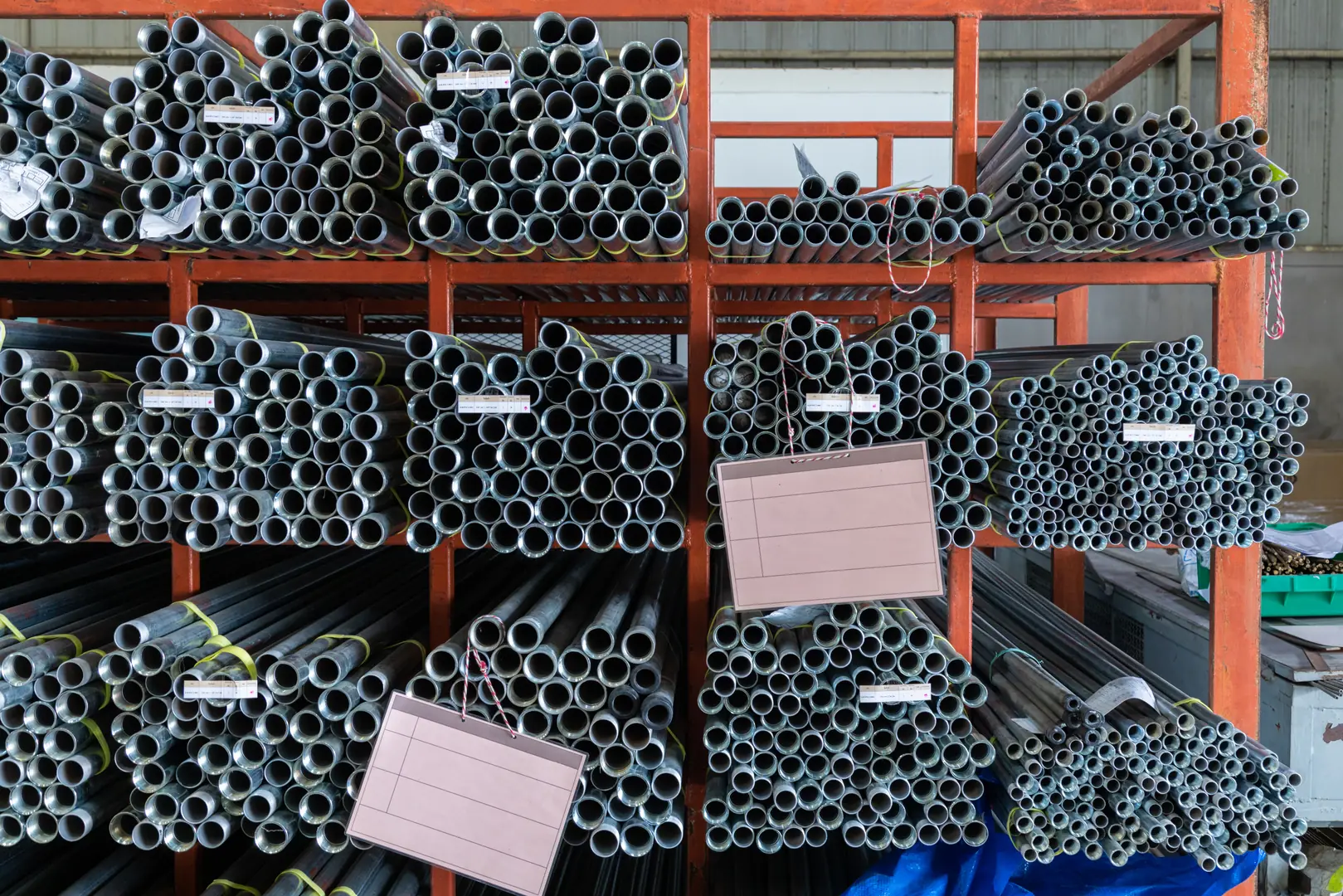
Navigating the global supply chain for a large-scale project requires more than just finding a supplier; it demands a strategic partner. As the Global Business Director at MFY, I've seen firsthand how a well-managed supply of critical materials like Schedule 5 pipe can make or break a project's timeline and budget. The key is to break the process down into manageable parts, from the initial technical specifications to the final delivery at your site. Let's walk through each of these critical steps to ensure your next project is a success.
How do you determine the specifications for Nom. Schedule 5 SS Pipe 304/304L welded?
Incorrect specs can derail your entire project. The wrong pipe means costly rework and delays. Let's clarify the essential specifications to get it right from the start.
To determine specifications, you must define the nominal pipe size (NPS), wall thickness (Schedule 5), material grade (304/304L), manufacturing standard (e.g., ASTM A312), length requirements, and any specific end finishes needed for your project's application and performance criteria.
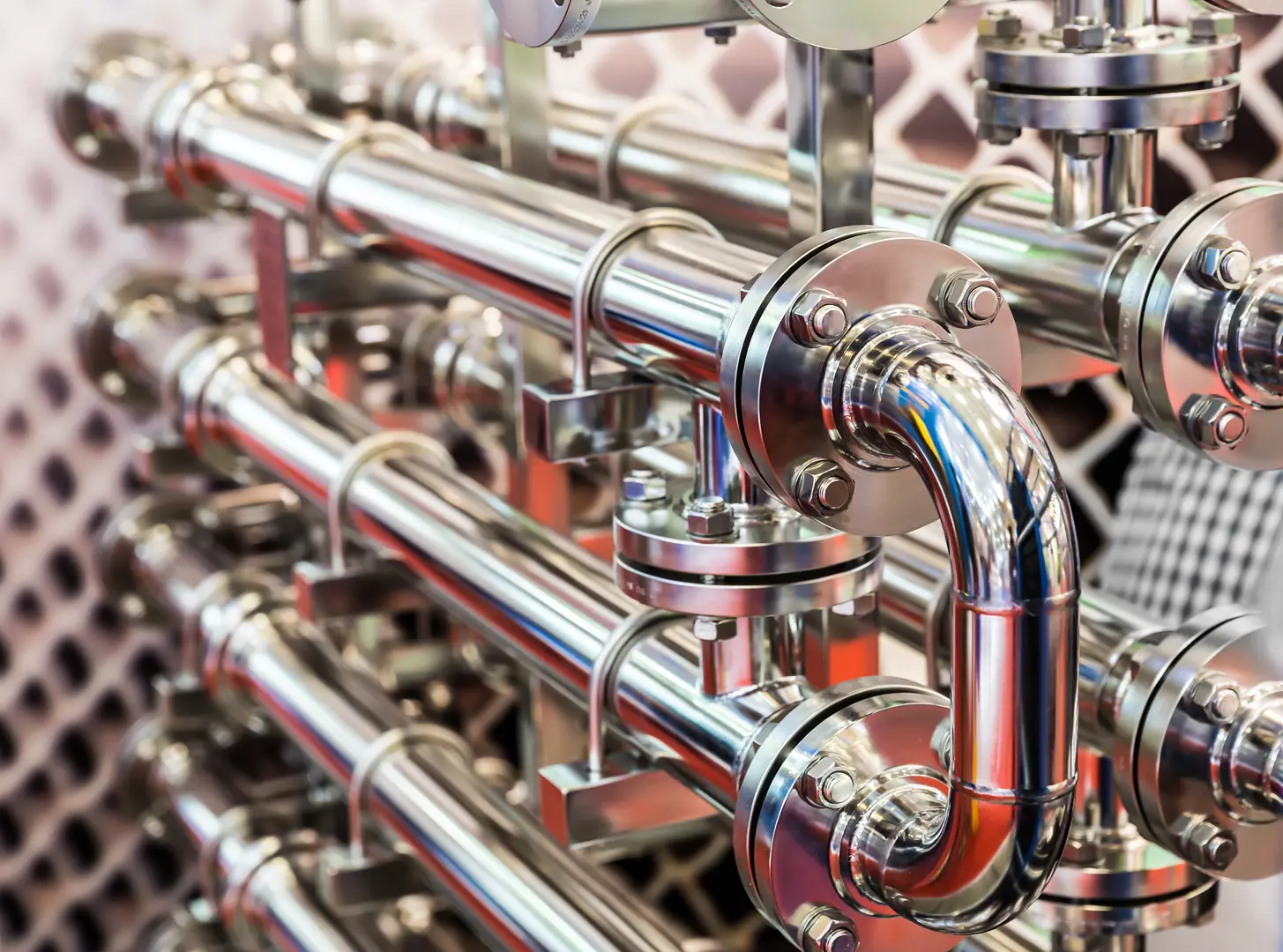
Getting the technical details right is the foundation of a successful bulk supply project. I remember a client in South America working on a large water treatment facility who almost ordered an entire container of 304 instead of 304L. The lower carbon content of 304L was critical for the weldability needed on-site, and catching that small detail saved them months of delays and significant costs. This is why a detailed specification sheet is non-negotiable. Schedule 5 pipe is specifically chosen for its excellent strength-to-weight ratio, which reduces material costs and makes installation easier, but this advantage is lost if the other parameters are wrong. It’s a perfect example of balancing performance with expenditure, a key driver for modern industrial projects.
Key Specification Parameters
The specifications you provide to your supplier must be unambiguous. A simple mistake here can have a massive ripple effect. Your request should always include clear details on the following:
| Specification | Описание | Why It Matters |
|---|---|---|
| Класс | 304/304L. 304L has lower carbon for better welding. | Ensures corrosion resistance and weld integrity for the specific application. |
| Standard | Typically ASTM A312 for welded stainless steel pipe. | Guarantees the pipe meets internationally recognized quality and testing standards. |
| Size (NPS) | Nominal Pipe Size, e.g., 4", 6", 8". | Determines flow capacity and compatibility with other system components. |
| Schedule (Wall) | Schedule 5 (Sch 5s) defines a specific thin wall thickness. | Critical for pressure rating, weight, and cost-effectiveness. |
| Length & Ends | Standard lengths (e.g., 6 meters) or custom cuts. Plain or beveled ends. | Impacts on-site fabrication needs and reduces waste. |
The Importance of 'L'
For welded pipe, the 'L' in 304L is crucial. It signifies low carbon content, which minimizes carbide precipitation during welding. This process can reduce the pipe's corrosion resistance near the weld seam. For any project involving significant on-site welding, specifying 304L is a simple step that provides a huge amount of long-term security and performance assurance.
What are the key factors to consider in bulk supply scheduling?
Your project timeline is tight. A pipe supply delay can cause a domino effect of issues. Strategic scheduling is the key to keeping your project on track.
Key factors for bulk supply scheduling include the manufacturer's lead time, ocean freight transit times, customs clearance duration, and inland transportation to the final site. Aligning these with your project's construction milestones and allowing for buffers is crucial for success.
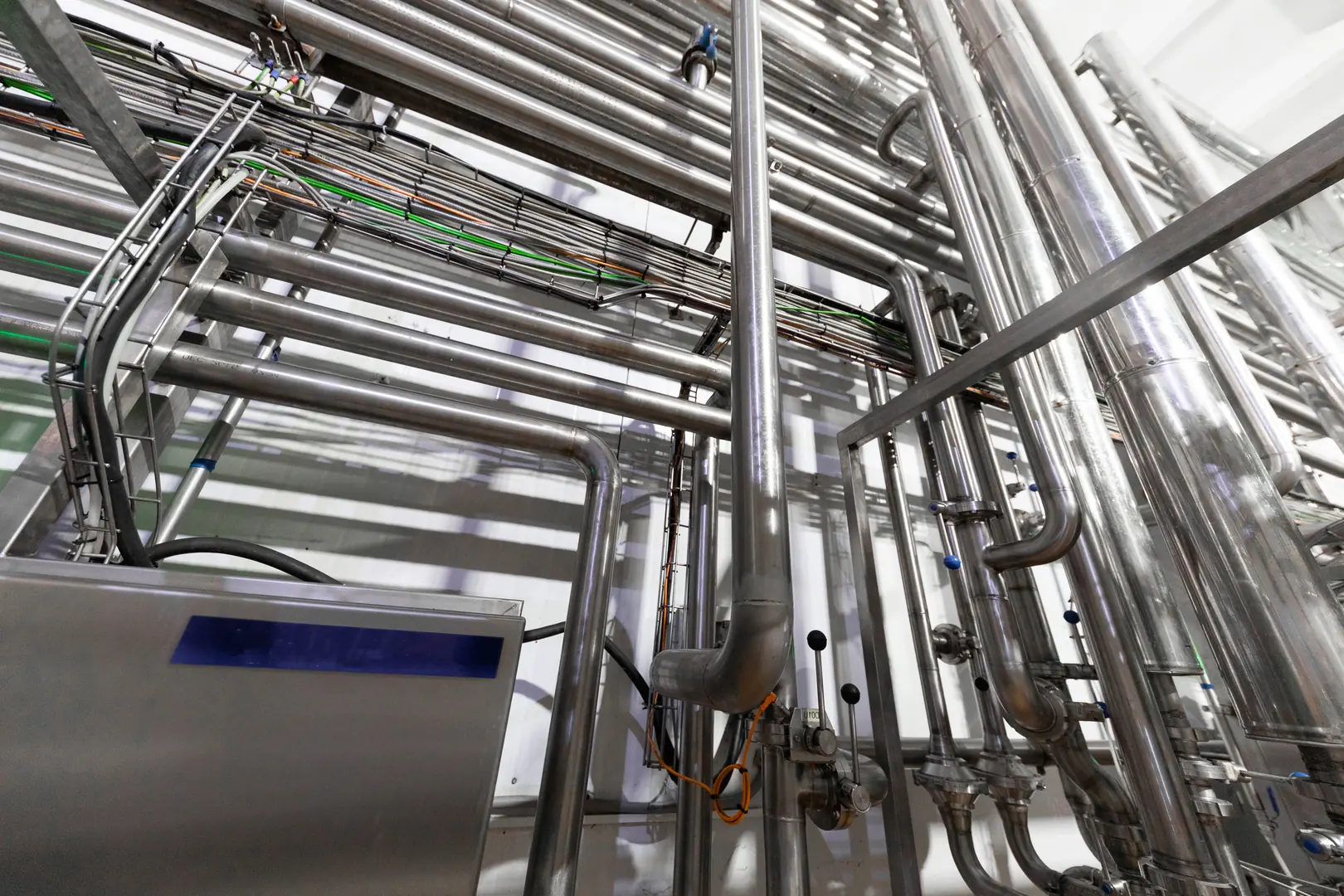
In today's volatile global supply chain, scheduling is about more than just marking a date on a calendar; it's about building resilience. You need to plan for the expected and prepare for the unexpected. At MFY, our integrated supply chain gives us direct oversight from the production floor to the shipping port, which allows us to provide clients with realistic and reliable timelines. We always advise building a buffer into your schedule. A two-week buffer might seem like a delay on paper, but it's invaluable when a vessel is unexpectedly held up at a port or a customs inspection takes longer than planned. A successful project manager doesn't just plan for things to go right; they have a contingency for when things go wrong.
Breaking Down the Timeline
To build a realistic schedule, you must understand each phase of the supply journey.
- Production Lead Time: This is the time from order confirmation to when the pipes are manufactured, tested, and packaged. For bulk orders, this can range from 30 to 60 days, depending on the mill's capacity and raw material availability.
- Ocean Freight: This is often the longest leg of the journey. A shipment from China to Europe or the Americas can take 30-45 days on the water. Vessel availability and port congestion can impact this significantly.
- Customs and Port Handling: Upon arrival, your shipment needs to clear customs. This can take anywhere from a few days to over a week, depending on the port and the accuracy of the documentation.
- Inland Transportation: The final leg is trucking the material from the destination port to your project site. This needs to be coordinated carefully to ensure trucks are available and the site is ready to receive the shipment.
By working with a partner who understands and manages these interconnected stages, you can create a schedule that aligns with your construction phases, preventing costly downtime where crews are waiting for materials.
How do you negotiate wholesale pricing for stainless steel pipes?
You need competitive pricing without sacrificing quality. Hidden costs can destroy your budget. Transparent negotiation based on clear factors is the solution for securing the best value.
To negotiate wholesale pricing, focus on total volume commitment, provide clear specifications, understand current raw material market trends (like nickel prices), and discuss payment terms. A long-term partnership often yields better rates than a one-time transaction.
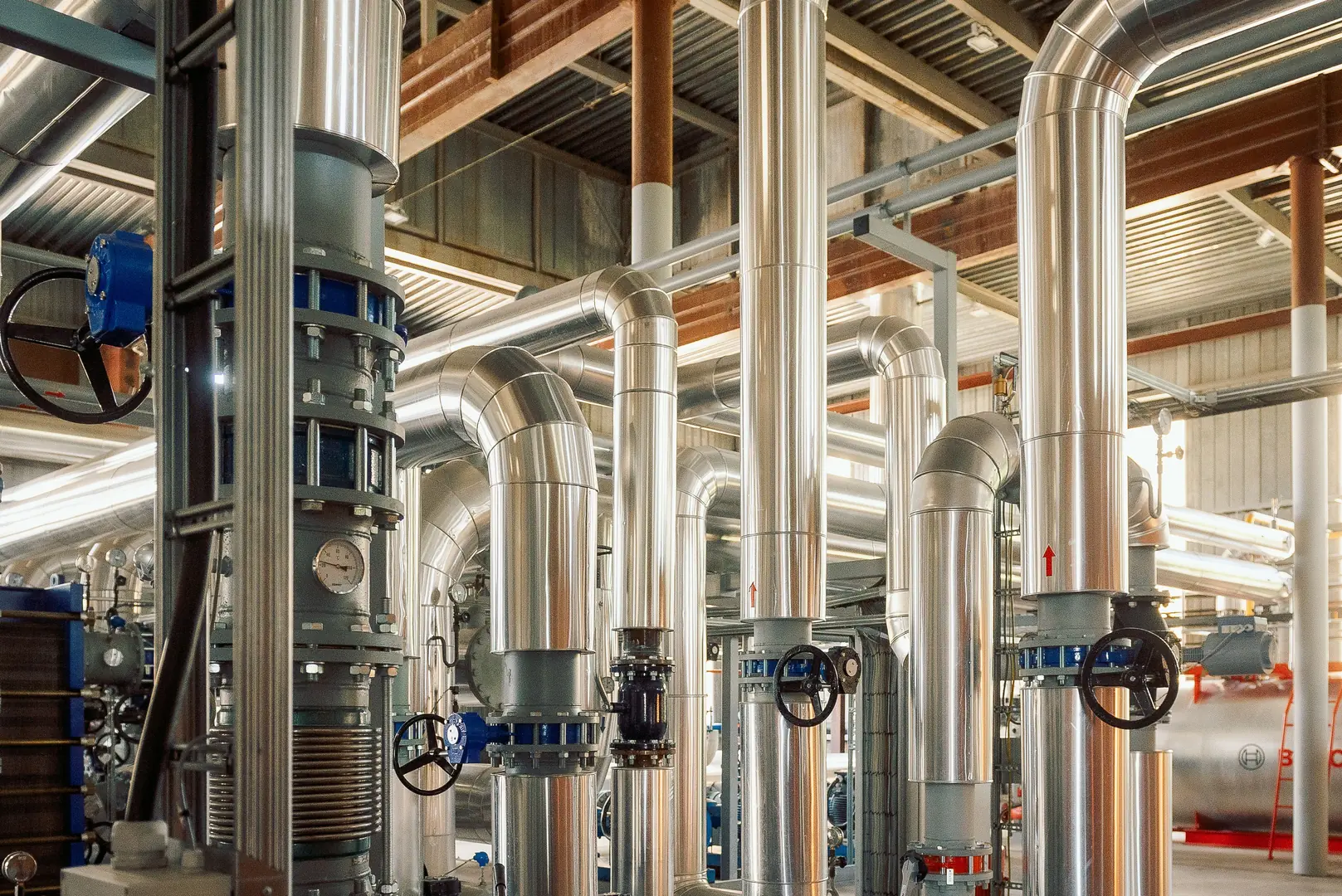
Negotiating price is a critical step, but it should be a conversation about value, not just cost. The goal is to optimize your project's cost structure without compromising the quality standards essential for its success. I always encourage clients to look at the total cost of ownership. A slightly cheaper price from an unreliable supplier can end up costing you far more in delays, rework, or material failures. True wholesale pricing is achieved through partnership and transparency. When a client commits to a large volume or a long-term supply agreement, we can optimize our production runs and raw material purchasing, and we pass those savings on. It's a win-win that builds a stronger, more resilient supply chain for everyone.
Factors Influencing Your Price
Understanding the components of the price gives you a much stronger negotiating position.
| Price Factor | Impact on Final Cost | Negotiation Tip |
|---|---|---|
| Raw Material Costs | Nickel is a primary driver. Prices are volatile and tied to the LME (London Metal Exchange). | Ask for a price validity period. Lock in your price when the market is favorable if your project timeline allows. |
| Order Volume | Larger volumes lead to better per-unit pricing due to production efficiencies. | If possible, consolidate orders for multiple project phases into a single, larger commitment. |
| Specifications | Standard sizes and lengths are more cost-effective than highly customized orders. | Stick to standard specifications unless custom dimensions are absolutely essential for the design. |
| Incoterms & Shipping | The shipping terms (e.g., FOB, CIF) determine who pays for freight and insurance, impacting your landed cost. | Always request a quote based on CIF (Cost, Insurance, and Freight) to your nearest port for a clear cost picture. |
A transparent supplier will be happy to discuss these factors with you. The goal is to arrive at a fair price that reflects the market, your volume, and the quality of the product you are receiving.
What are the steps to ensure quality assurance in SS Pipe 304/304L welded supplies?
Substandard materials can lead to catastrophic project failures. You can't afford to take risks on quality. A robust QA process protects your investment and reputation.
Ensuring quality involves verifying Mill Test Certificates (MTCs), conducting third-party inspections (TPI), checking dimensional accuracy and weld seam integrity, and confirming proper packaging to prevent damage during transit. This multi-step process guarantees compliance with project standards.
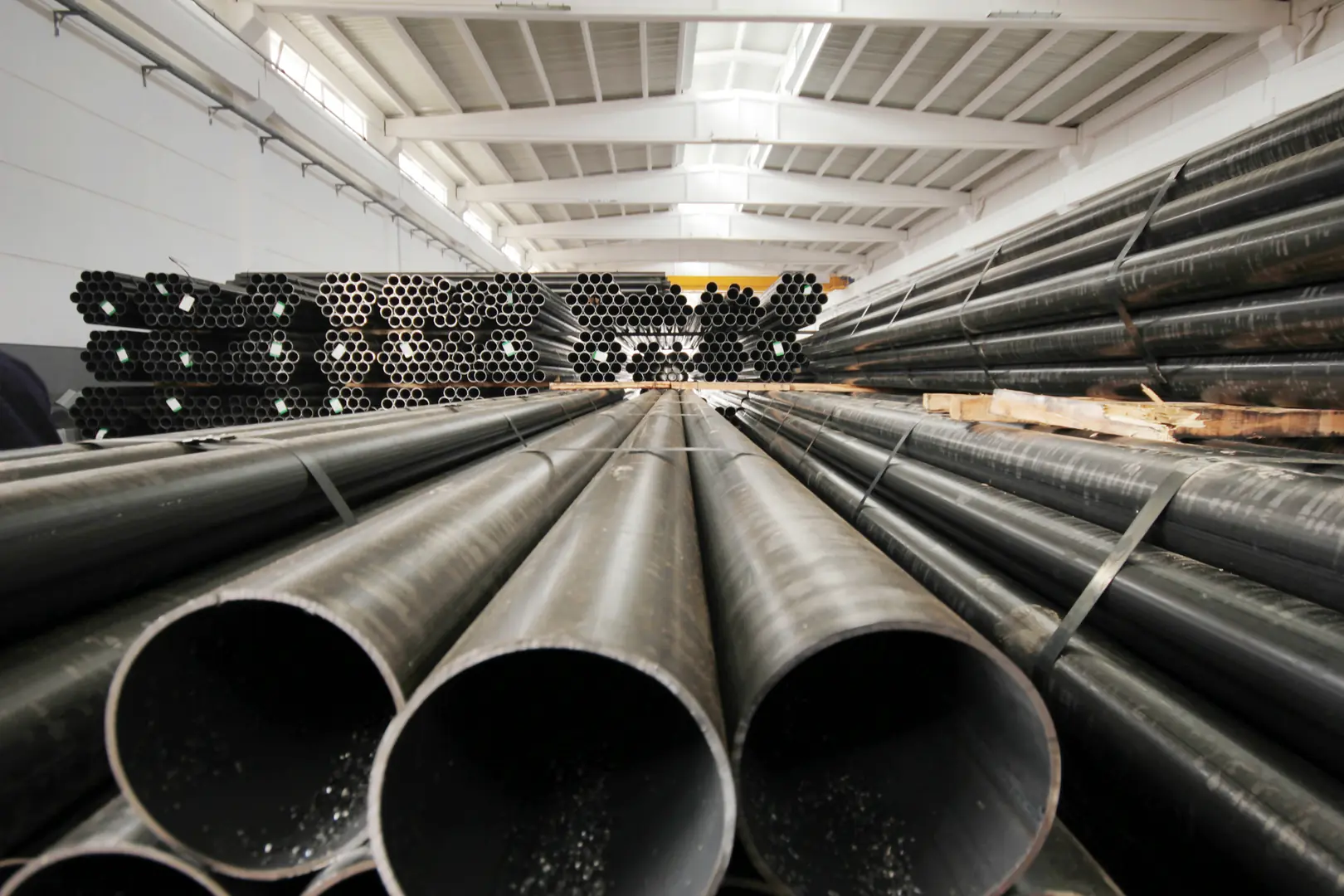
Quality assurance isn't a single event; it's a continuous process that starts the moment an order is placed. At MFY, this is a core part of our mission. We believe that delivering a quality product is the foundation of trust and a long-term partnership. For a major infrastructure project in the Middle East, we coordinated a multi-stage inspection process. The client hired a third-party inspector (TPI) who visited our partner mill to witness the production process, review the material testing in the lab, and perform a final random inspection before the goods were loaded. This level of transparency gave them complete confidence that the 50 containers of pipe they received met every single one of their stringent quality standards. This is the level of assurance every major project deserves.
A Multi-Layered QA Approach
A comprehensive quality plan should include several checkpoints.
1. Documentation Verification
Before anything ships, you need the paperwork. The Mill Test Certificate (MTC or EN 10204 3.1) is the pipe's "birth certificate." It provides a complete chemical analysis and mechanical properties report for the exact heat lot of steel used to make your pipes. This document is your first and most important guarantee that the material grade is correct.
2. Physical and Third-Party Inspection (TPI)
While the MTC is critical, a physical check is essential. This can be done by your own team or, more commonly for international projects, a trusted TPI agency. The inspector will:
- Verify Markings: Check that the stenciling on the pipe matches the MTC.
- Measure Dimensions: Use calipers and gauges to confirm the outer diameter, wall thickness, and length are within the tolerances specified by the standard (e.g., ASTM A312[^1]).
- Inspect Weld Seams: Visually check the integrity of the longitudinal weld seam, looking for any defects.
- Oversee Loading: Ensure the pipes are bundled and loaded correctly into the container to prevent damage during the long sea voyage.
This rigorous process ensures that what you specified is exactly what you receive.
How can you streamline logistics for bulk supply of stainless steel pipes?
Moving tons of steel pipe across continents is challenging. Logistical snags can cause costly delays. Partnering with a supplier who manages the entire process is the answer.
Streamline logistics by choosing a supplier with integrated export capabilities. Consolidate shipments, ensure proper loading and securing for transit, handle all customs documentation proactively, and arrange for efficient last-mile delivery to the project site.
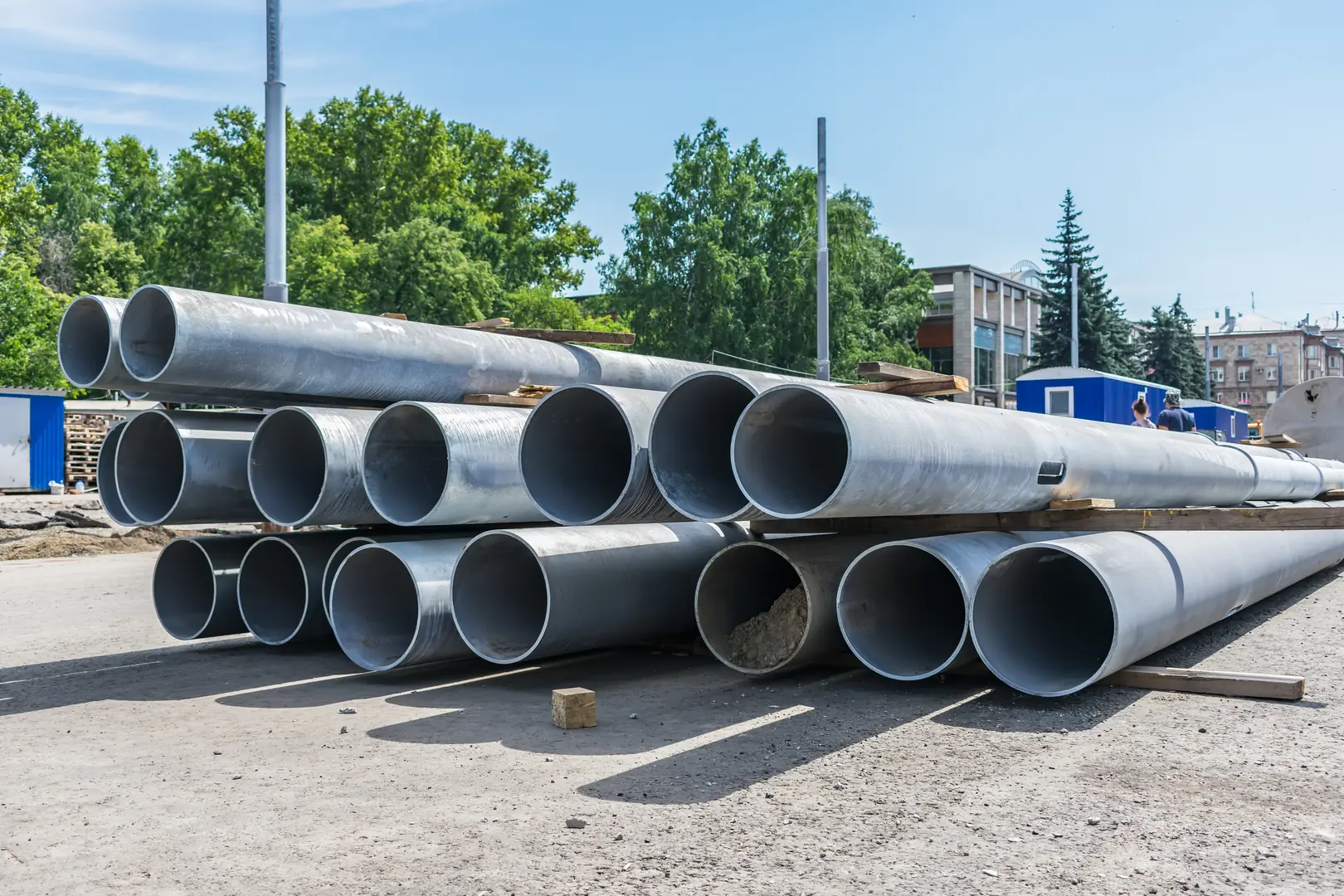
Logistics is the final, crucial piece of the puzzle. A great product at a great price is useless if it doesn't arrive at your site on time and in good condition. Streamlining logistics is about minimizing handoffs and potential points of failure. This is where an integrated supplier like MFY provides immense value. We don't just sell steel; we manage the entire export process. From booking the vessel and preparing the bill of lading to ensuring the commercial invoice and packing list are perfect for customs, our team handles it all. This seamless approach not only saves our clients time and headaches but also aligns with sustainable practices. By expertly loading containers to maximize space, we reduce the total number of shipments, which in turn minimizes the project's overall transportation emissions. It's about being efficient, reliable, and responsible.
Key Elements of Smooth Logistics
- Expert Loading: Stainless steel pipes must be bundled securely with proper dunnage (wood supports) inside the container to prevent them from shifting and getting dented or scratched during transit. An experienced team knows how to load a container for maximum stability and safety.
- Accurate Documentation: The commercial invoice, packing list, and bill of lading must be 100% accurate and match perfectly. A small discrepancy can lead to lengthy and costly customs delays. Your supplier should prepare and review these documents meticulously.
- Proactive Communication: You should receive regular updates on your shipment's status. This includes the vessel's name, its estimated time of departure (ETD), and its estimated time of arrival (ETA). This visibility allows you to plan for the shipment's arrival and coordinate inland transportation effectively.
By choosing a partner who excels in logistics, you transform a potentially complex and risky process into a predictable and reliable part of your project plan.
Заключение
Mastering bulk supply of Schedule 5 SS 304/304L pipe is about more than just price. It's a strategic process of aligning specs, scheduling, quality, and logistics. A strong supplier partnership is the key to unlocking project efficiency and a competitive edge.
У вас есть вопросы или нужна дополнительная информация?
Свяжитесь с нами, чтобы получить индивидуальную помощь и квалифицированный совет.


 Русский
  English