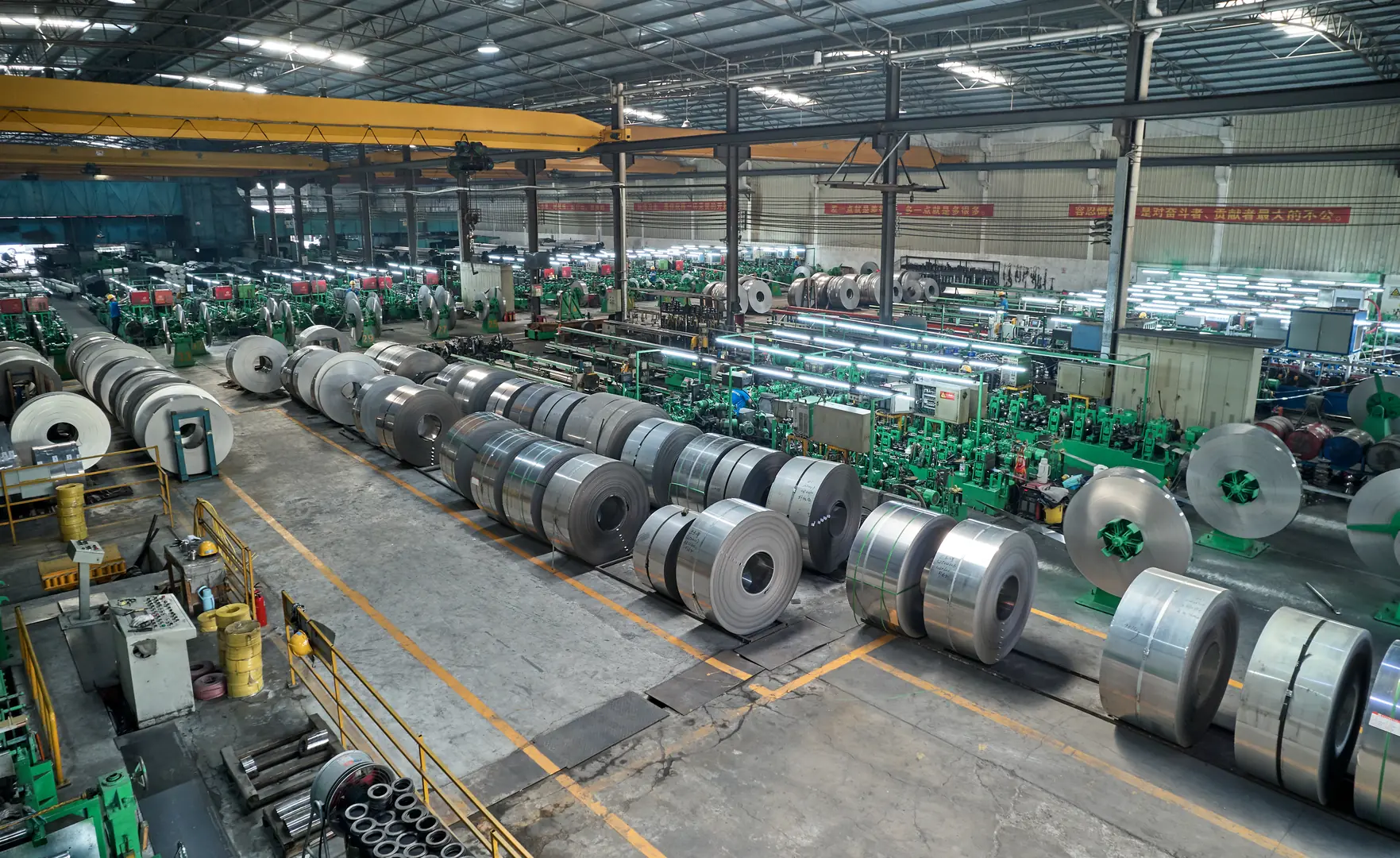
Bulk Stock of 304 304L SS Commercial Tubing: Factory Direct Prices from China's Leading Supplier
Struggling with high costs and unreliable tubing supply? This uncertainty disrupts projects and hurts your bottom line. We offer a direct-from-factory solution for stability and savings.
Securing bulk 304/304L SS commercial tubing at factory-direct prices involves partnering with an integrated supplier like MFY. This leverages their large production capacity, economies of scale, and direct-to-market model, bypassing intermediaries to ensure cost efficiency, quality control, and supply reliability.
In my role as Global Business Director at MFY, I talk to professionals like you every day. The challenges are real, but so are the opportunities. The global market is shifting, and understanding how to leverage a direct supply chain is no longer just an advantage; it's a necessity. Let's break down how this direct approach works and why it's becoming essential for success.
What Defines 304 and 304L Stainless Steel Tubing in Today's Market?
Confused by the subtle differences between 304 and 304L? Choosing the wrong grade can lead to performance issues and unnecessary costs. Let's clarify their roles and applications simply.
304 stainless steel is the industry's versatile workhorse, known for its excellent corrosion resistance and formability. 304L is its low-carbon variant, which minimizes carbide precipitation during welding, making it ideal for heavy-gauge welded components and corrosive environments.
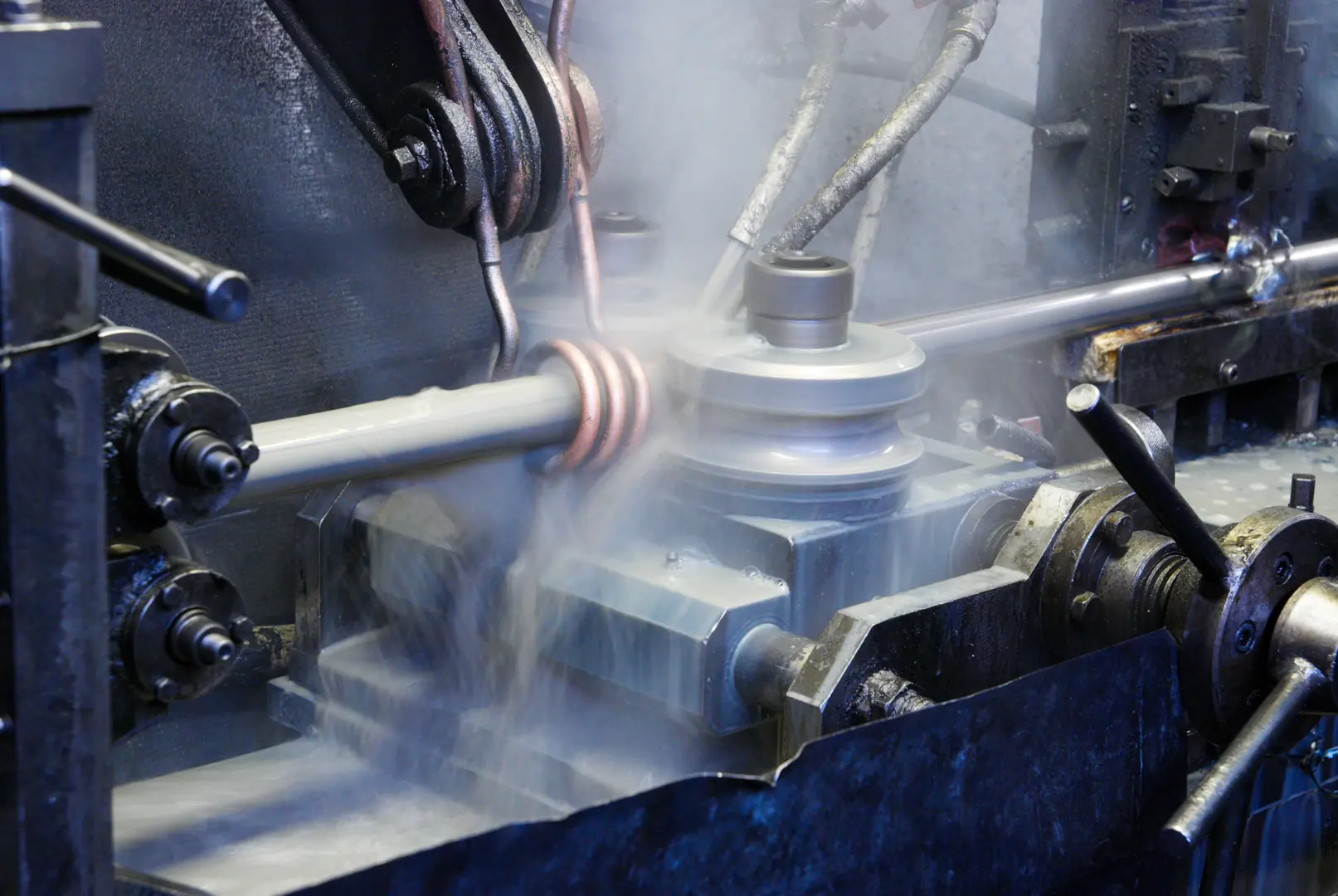
In practice, the choice between these two grades is critical. I remember a client in the food processing industry who initially specified 304 for a series of large welded tanks. We advised them to switch to 304L. Why? Because the extensive welding required for the tanks would have made the standard 304 grade susceptible to weld decay, a form of intergranular corrosion[^1] that could compromise the entire system. That small change, guided by technical expertise, saved them from a potentially catastrophic failure down the line. It's this kind of practical knowledge that makes a supplier a true partner.
The Workhorse: Grade 304
Grade 304 is the most widely used stainless steel in the world for a reason. Its composition, typically 18% chromium and 8% nickel, provides a fantastic balance of strength, corrosion resistance, and fabricability. It's the go-to material for everything from kitchen sinks and architectural panels to automotive trim and industrial equipment. Its versatility is its greatest strength, but that strength has limits, particularly when it comes to heavy welding.
The Welder's Choice: Grade 304L
The 'L' in 304L stands for 'low carbon' (a maximum of 0.03%). This seemingly minor difference is hugely important. By reducing the carbon content, we prevent the formation of harmful chromium carbides at the grain boundaries during welding. This phenomenon, known as sensitization[^2], is a primary cause of corrosion in welded joints. Therefore, for any application involving significant welding, especially in thicker sections, 304L is the superior and safer choice. This makes it essential for chemical processing equipment, large-scale water treatment facilities, and heavy-duty structural applications.
| Характеристика | Grade 304 | Grade 304L |
|---|---|---|
| Содержание углерода | Max 0.08% | Max 0.03% |
| Weldability | Хорошо | Превосходно |
| Устойчивость к коррозии | Превосходно | Excellent (Superior in welded state) |
| Primary Use | General Purpose, Formed Parts | Welded Components, Corrosive Service |
What Are the Current Supply Chain Dynamics for Stainless Steel Tubing?
Facing unpredictable lead times and volatile pricing? Global supply chain disruptions create constant headaches for project managers and procurement teams. A direct, integrated supply chain is the answer to this instability.
Current dynamics are defined by volatility from geopolitical tensions, fluctuating raw material costs, and logistical bottlenecks. This has increased the strategic value of suppliers with integrated production and large inventories, who can offer price stability and reliable delivery schedules.
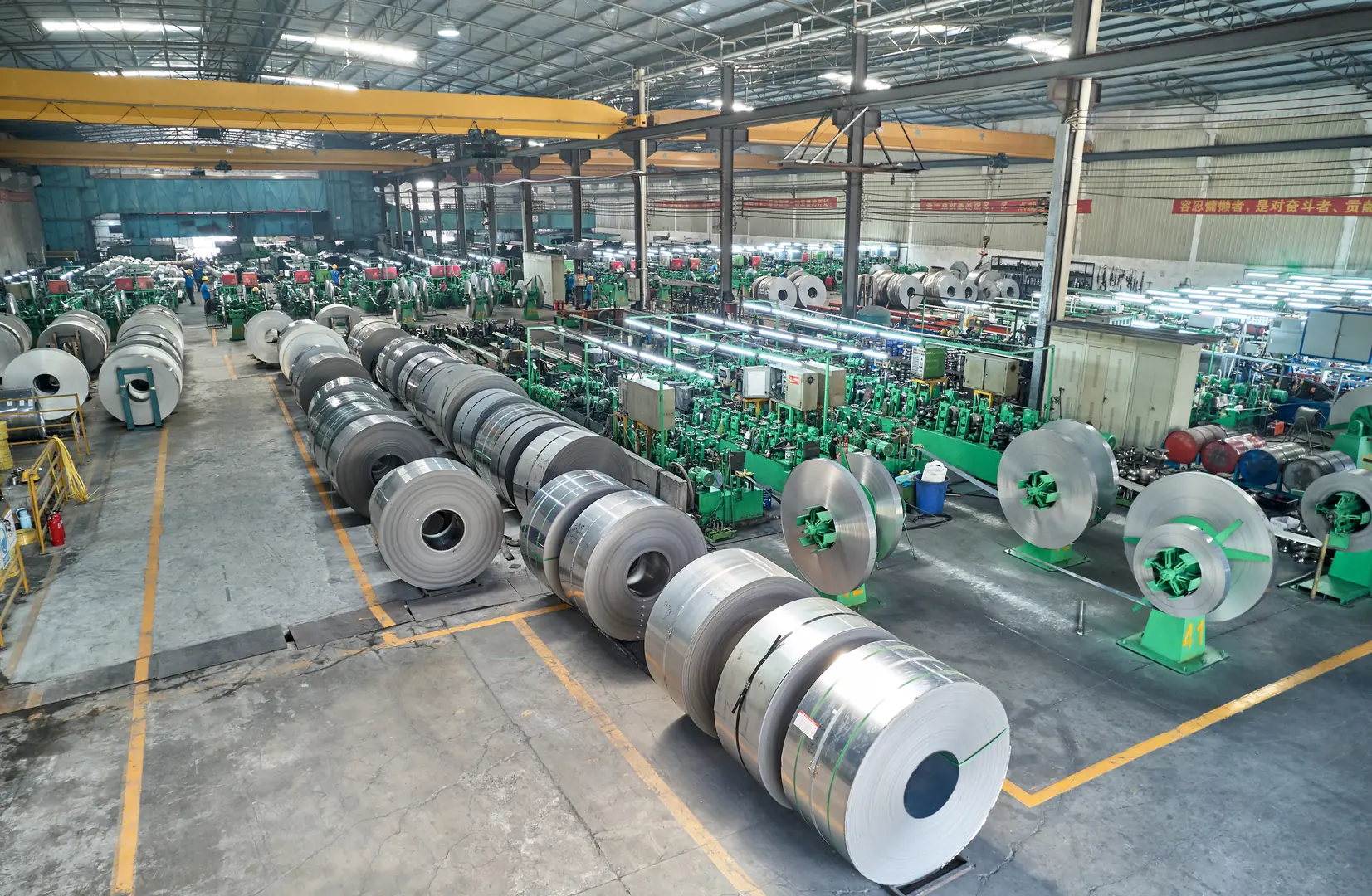
The old model of relying on a long chain of distributors and traders is breaking down under current global economic pressures. We've seen a trend toward localization, with companies trying to source materials closer to home. While understandable, this isn't always feasible or cost-effective. The real solution lies in building resilience. At MFY, our agility comes from our fully integrated supply chain. We aren't just a supplier; we are involved from the raw material stage all the way to final production and export logistics. This control allows us to buffer our clients from the worst of the market's volatility. I recall last year when a major European port shut down unexpectedly. A client's project was at risk. Because we manage our own logistics, we were able to quickly reroute their shipment to a different port and arrange for ground transport, saving their project timeline. That is the resilience a modern supply partner must provide.
The Fragility of Old Models
Traditional supply chains involve many steps: the mill, a master distributor, a regional distributor, and then finally the end-user. Each step adds cost, complexity, and a potential point of failure. A delay at any one of these stages creates a ripple effect that can bring a multi-million dollar project to a halt.
The Power of an Integrated Supplier
An integrated model, like ours at MFY, cuts out these unnecessary layers. By controlling production, maintaining substantial bulk stock, and managing our own export services, we offer a direct, transparent, and efficient path from our factory to your facility. This structure is not just about saving money; it's about providing the supply assurance and price stability that businesses need to plan and operate with confidence in an uncertain world.
What Are the Main Challenges in Procuring Quality SS Tubing Competitively?
Balancing quality, cost, and delivery often seems impossible. You're frequently forced to compromise on one critical factor to secure the others. There is a way to achieve all three.
The main challenges include navigating complex supply chains with multiple middlemen who add costs, verifying material quality and certifications from afar, and managing the risks of long lead times. These factors often lead to higher prices for inconsistent products.
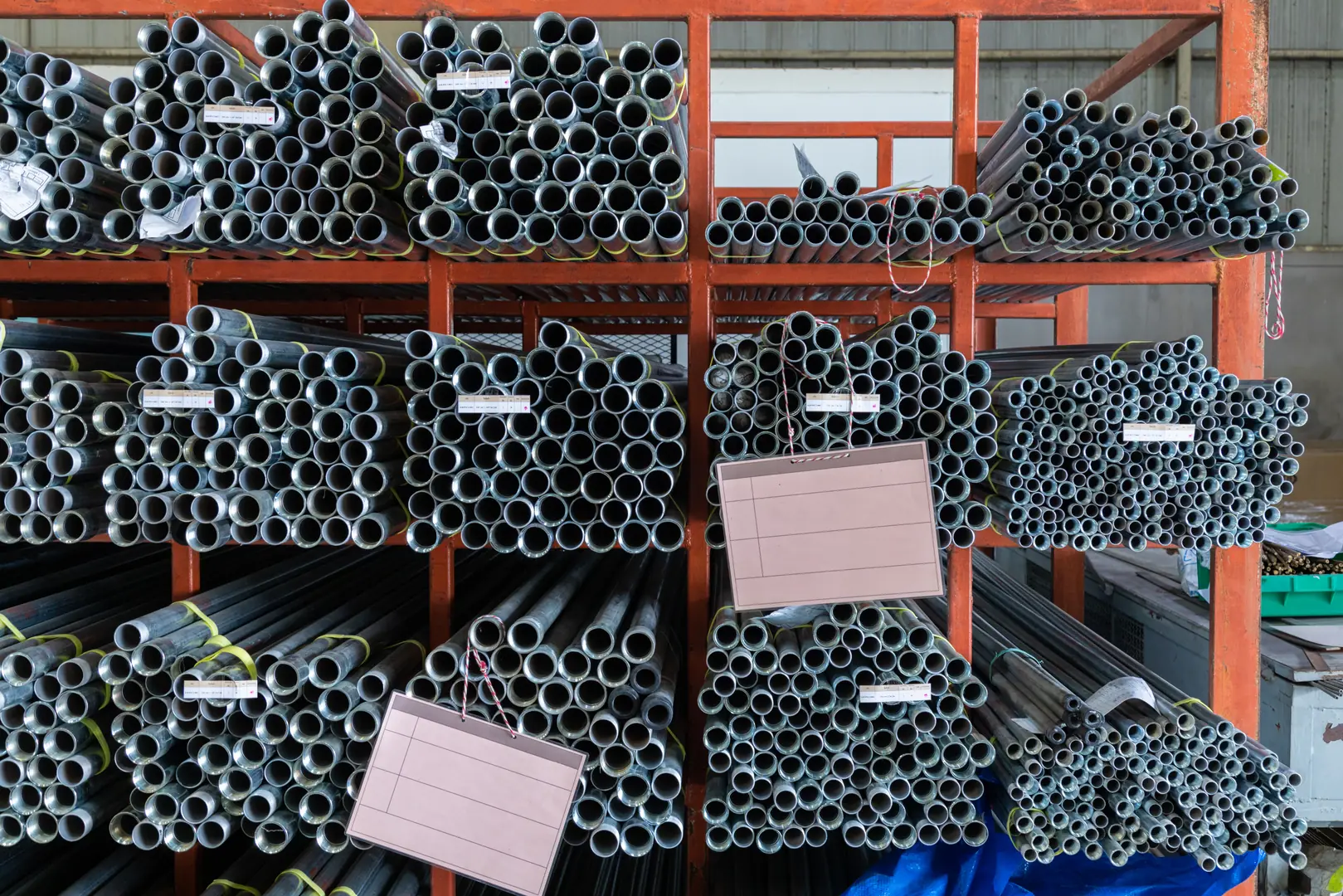
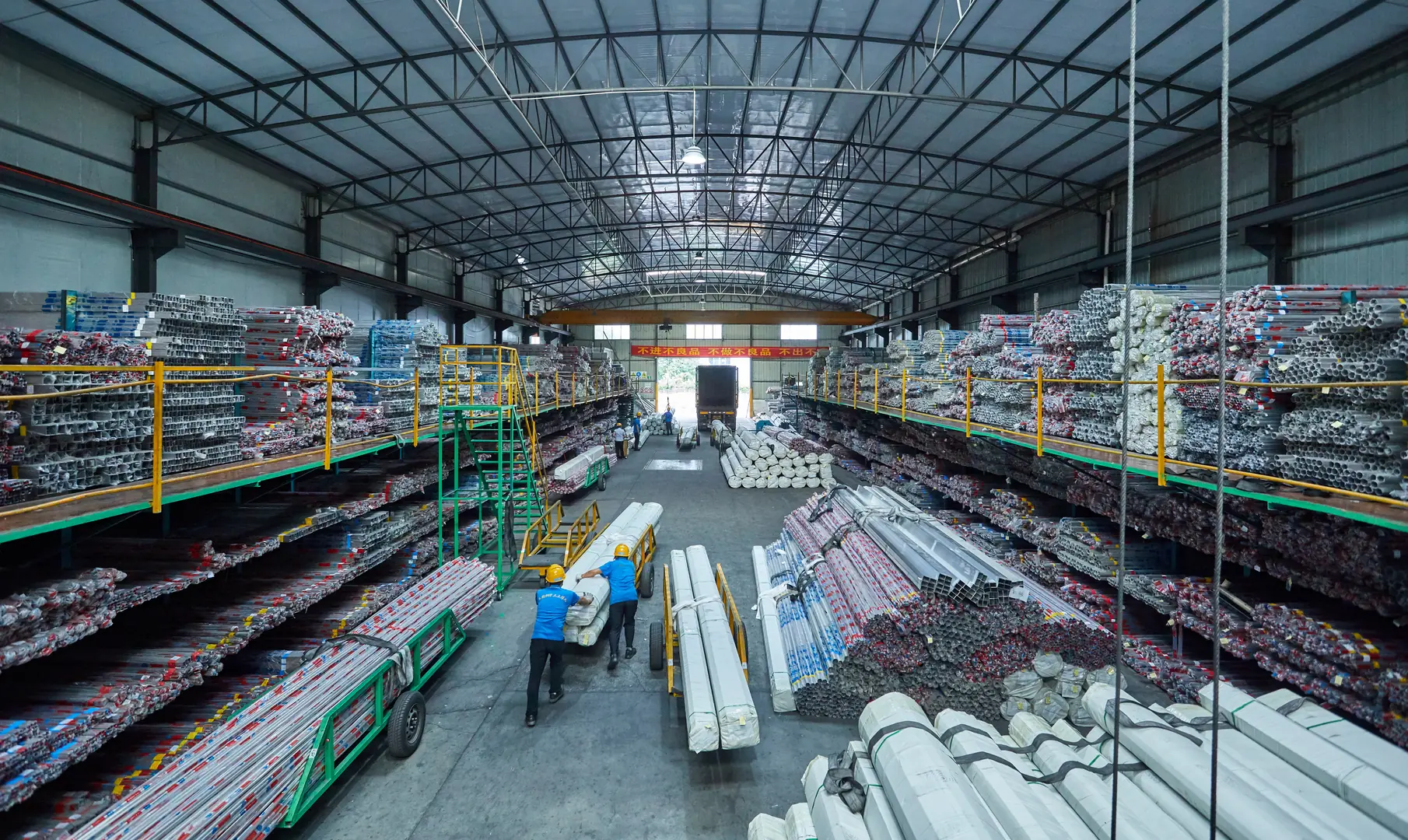
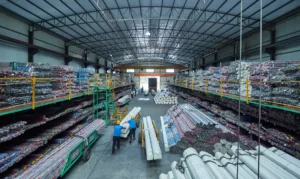
These challenges are not just theoretical; they have real-world consequences. I recently spoke with a construction contractor in the Middle East who nearly missed a crucial project deadline. Their previous supplier, a local trader, promised a delivery date they couldn't meet because their own international shipment was delayed. The contractor was facing huge penalty clauses. They contacted us in a panic. Because we maintain a massive bulk stock of commercial tubing, we were able to prepare and ship their required volume in a fraction of the normal time. We helped them meet their deadline, and they are now one of our most loyal partners. This experience highlights the critical difference between a simple trader and a fully-stocked, integrated producer.
The Hidden Costs of Middlemen
Every intermediary in a supply chain takes a margin. While they can provide local convenience, this comes at a significant cost. When you buy direct from the factory, you eliminate these layered markups, allowing you to invest those savings back into your business or pass them on to your customers.
The Quality Gamble
How can you be sure the material you receive is what you ordered? When dealing through a long chain, traceability can be lost. At MFY, every bundle of tubing we ship comes with a full Mill Test Certificate (MTC)[^3], providing a complete chemical and physical analysis. This guarantees that you are receiving certified, high-quality 304 or 304L tubing that meets international standards.
The Delivery Dilemma
In manufacturing and construction, time is money. A delayed shipment of a fundamental material like stainless steel tubing can halt an entire production line or construction site, leading to costs that dwarf the price of the material itself. A supplier with a large, ready-to-ship inventory fundamentally de-risks your project schedule.
How Can You Effectively Buy Direct from Leading Chinese Suppliers?
Thinking of buying direct but unsure where to start? The process can seem complex and risky from the outside. A clear, simple strategy makes it not only manageable but highly profitable.
To buy direct effectively, identify suppliers with a fully integrated supply chain, not just traders. Verify their production capacity, quality certifications (like ISO), and export experience. Prioritize clear communication and establish a direct relationship to ensure transparency and efficiency.
Building a direct relationship is the cornerstone of this strategy. My role is to bridge the gap between our production floor in China and our clients' operations around the world. We want our partners to see us not just as a name on an invoice, but as an extension of their own procurement team. We provide direct access to our technical experts, our logistics team, and our production planners. This level of transparency and collaboration demystifies the process of international procurement and builds the trust needed for a long-term, successful partnership. Buying direct isn't just a transaction; it's about building a more efficient, resilient, and profitable supply chain together.
Step 1: Identify True Manufacturers
The first step is to distinguish between a trading company and a true, integrated producer. A trader buys and sells material; a producer like MFY controls the entire lifecycle, from raw materials to the finished product. Look for companies that openly share details about their production facilities, capacity, and quality control processes.
Step 2: Verify Credentials and Capacity
Once you've identified potential producers, verify their credentials. Ask for copies of their quality certifications (such as ISO 9001), and inquire about their production capacity and current inventory levels. A reliable supplier will be transparent about their capabilities and will be able to demonstrate a track record of successful international exports.
Step 3: Build a Direct Relationship
Finally, bypass the agents and build a direct line of communication with the supplier's team. This ensures that your technical requirements are clearly understood, your questions are answered quickly, and you have full visibility into the status of your order. A strong relationship is the key to solving problems before they arise.
What is the Best Technical Advice for Selecting and Using 304/304L Tubing?
Unsure about the right specifications for your project? A small technical mistake in material selection can cause major failures later on. Let's cover the key considerations for optimal performance.
Always match the grade (304 vs. 304L) to the application, especially concerning welding. Specify the required surface finish for your environment (e.g., polished for sanitary uses). Finally, ensure the tubing meets relevant international standards like ASTM for guaranteed performance.
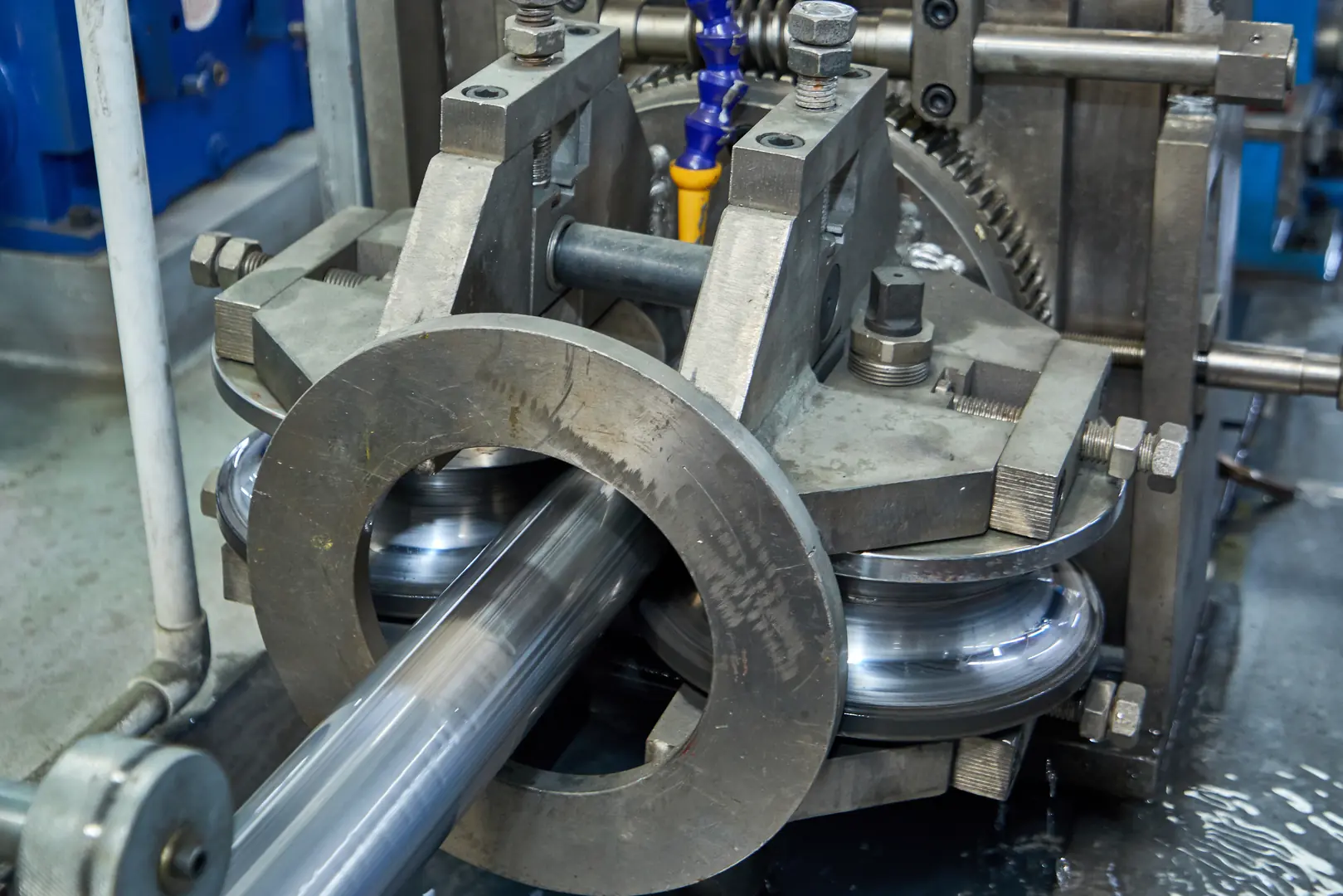
Getting the technical details right from the start is fundamental. We see it as part of our responsibility to not just sell steel, but to provide the expertise that ensures our clients succeed with our products. This collaborative approach prevents costly mistakes and builds confidence. For example, selecting the right surface finish is often overlooked. A client in the pharmaceutical industry needed tubing for a cleanroom environment. While the structural properties were simple, the surface finish was critical to prevent microbial growth. We worked with them to specify a mirror-polished internal finish that met their stringent sanitary standards. This is the kind of detailed, application-focused advice that a world-class supplier should provide.
Matching Grade to Application
As we've discussed, the 304 vs. 304L choice is paramount. For non-welded or lightly welded decorative items like handrails, 304 is perfectly sufficient and more cost-effective. For process piping in a brewery or a chemical plant, where welds are numerous and must be robust, 304L is the only correct choice.
The Importance of Surface Finish
The finish of the tube affects both its appearance and its performance. A standard 2B mill finish is fine for many industrial and structural uses, but applications requiring cleanability or a specific aesthetic demand more.
| Finish | Описание | Common Application |
|---|---|---|
| 2B | Smooth, moderately reflective cold-rolled | General purpose, industrial tanks |
| No. 4 | Brushed, polished linear grain | Architectural features, food equipment |
| Mirror | Highly polished, non-directional, reflective | Decorative trim, sanitary systems |
Adhering to International Standards
Always specify that your tubing must conform to relevant international standards, such as those from ASTM (e.g., A249 for welded boiler tubing, A269 for general service tubing, or A270 for sanitary tubing). Compliance with these standards is your guarantee of material composition, dimensional tolerances, and performance, and it is non-negotiable for any serious project.
Заключение
In summary, navigating the stainless steel tubing market requires a strategic partner. By buying bulk 304/304L direct from an integrated manufacturer like MFY, you gain price stability, guaranteed quality, and a resilient supply chain, giving your business a true competitive edge.
У вас есть вопросы или нужна дополнительная информация?
Свяжитесь с нами, чтобы получить индивидуальную помощь и квалифицированный совет.


 Русский
  English