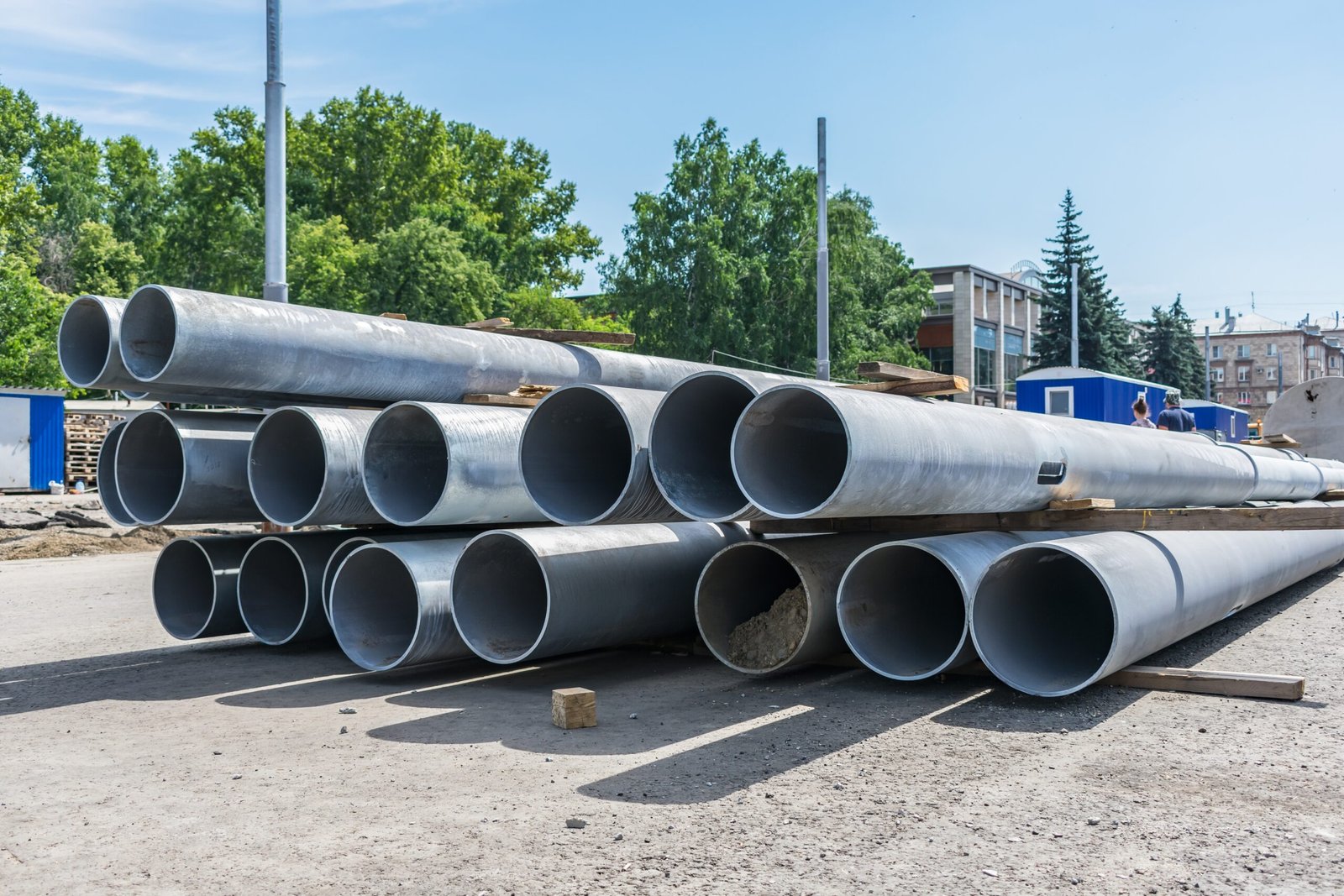
Passivation Necessity of 316 Stainless Steel for Marine and Cryogenic Applications
Using standard 316 steel in harsh environments risks catastrophic failure. This can lead to costly downtime, reputational damage, and serious safety hazards. Proper surface treatment is the key.
Passivating 316 stainless steel is crucial because it significantly enhances its natural corrosion resistance. This process removes surface contaminants and creates a robust protective oxide layer, ensuring long-term durability and safety in demanding marine and cryogenic environments where failure is not an option.
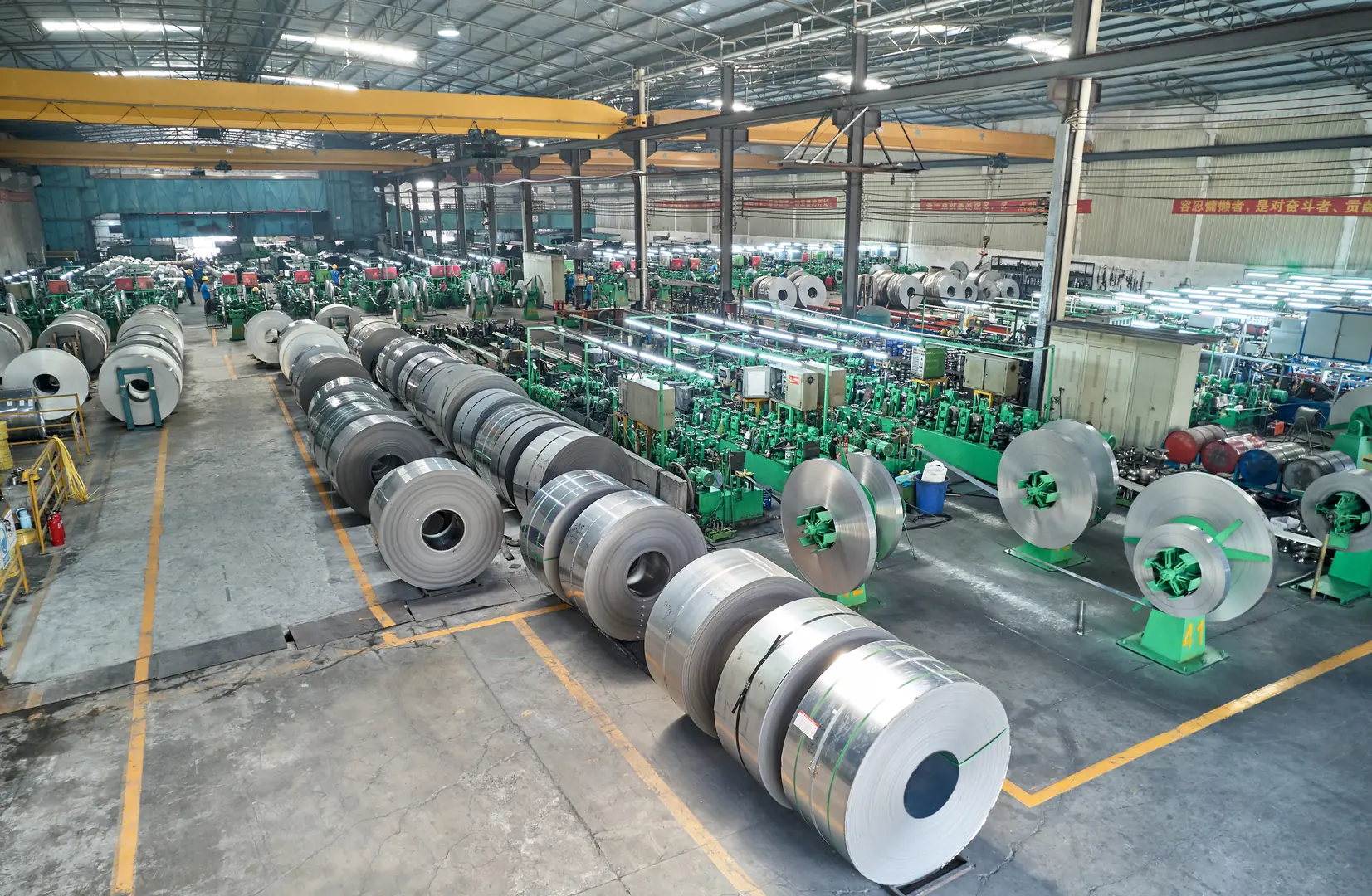
As the Global Business Director at MFY, I’ve seen countless projects succeed or fail based on one critical, often overlooked, step: passivation[^1]. It’s a topic that goes beyond the spec sheet and gets to the heart of material reliability. This isn’t just about making steel look clean; it's about fundamentally enhancing its chemistry to withstand the planet's most extreme conditions. Let's explore why this process is so vital and how it transforms an already great material into an exceptional one.
How Does Passivation Enhance 316 Stainless Steel's Performance?
You assume 316 steel is invincible. But microscopic impurities from fabrication can cause unexpected corrosion. Passivation chemically cleans the surface, ensuring maximum performance and longevity for your assets.
Passivation enhances performance by removing free iron[^2] and other contaminants from the steel's surface. This allows a uniform, passive chromium oxide layer[^3] to form, which is the true source of stainless steel's superior corrosion resistance, making it more robust.
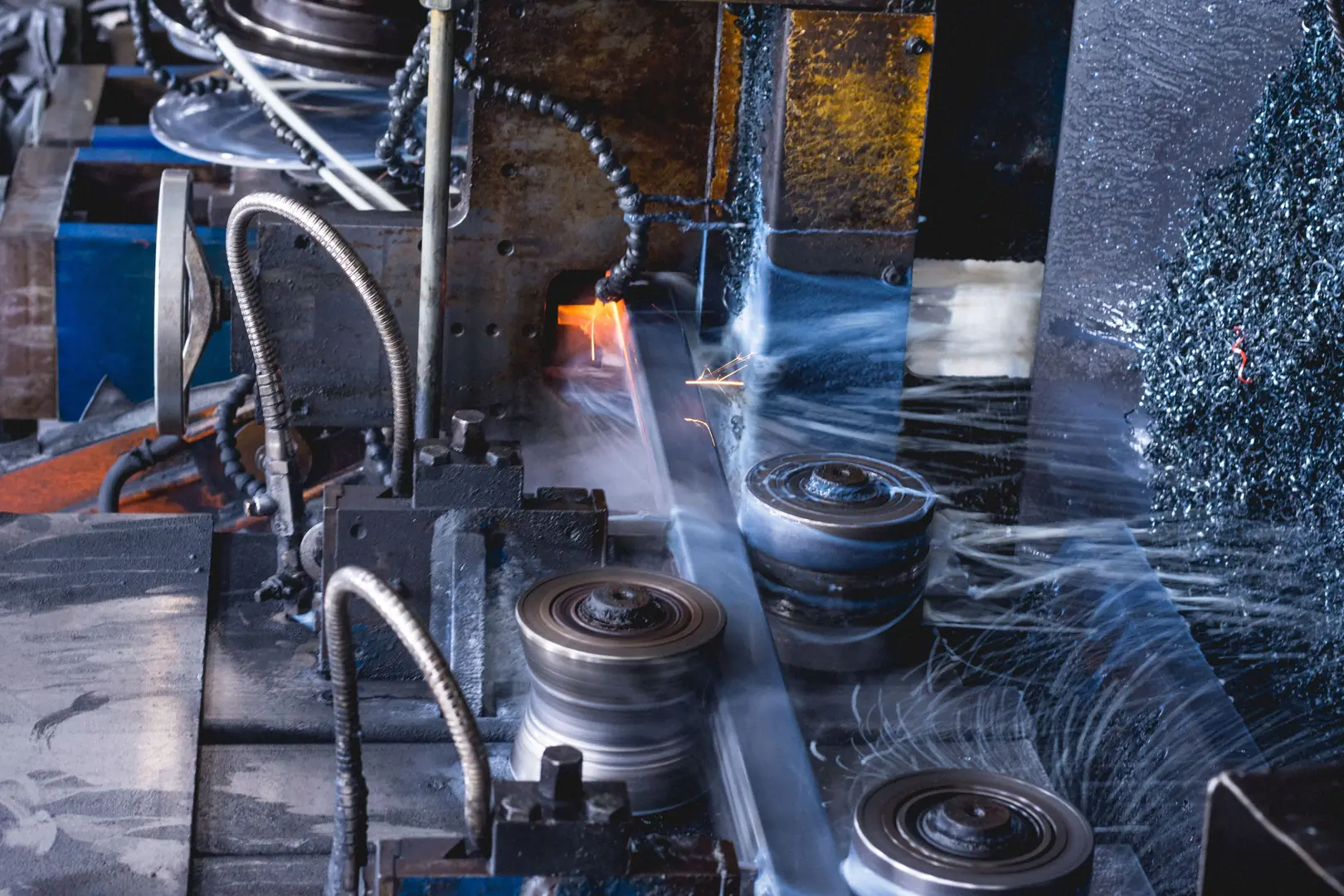
To truly grasp the value of passivation, we have to look at 316 stainless steel on a microscopic level. The "stainless" quality doesn't come from the bulk iron itself, but from a very thin, invisible layer of chromium oxide on its surface. This passive film forms naturally when chromium, a key alloying element in stainless steel, is exposed to oxygen. However, during manufacturing processes like cutting, welding, and machining, tiny particles of iron from tooling can become embedded in the surface. These "free iron" particles disrupt the formation of a uniform chromium oxide layer. They become initiation points for rust, which can then compromise the integrity of the entire component. Passivation is not just a cleaning process; it's a strategic chemical treatment, typically using a nitric or citric acid solution, that specifically targets and removes this free iron. By doing so, it allows the chromium to form a thicker, more uniform, and more protective passive layer than would naturally occur. It’s the difference between a standard shield and a strategically reinforced one.
From Microscopic Flaw to Macro-Level Failure
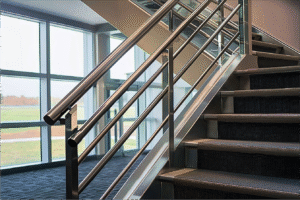
I remember a client in the shipbuilding industry who couldn't understand why their 316 stainless steel railings were showing rust spots just months after installation. The material was certified 316, but it wasn't passivated post-fabrication. The grinding and welding processes had contaminated the surface, and the harsh, salty sea air did the rest. This is a classic example of how a microscopic issue becomes a very visible, and costly, macro-level problem. It underscores that passivation isn't an optional "finishing touch" but a mandatory step to unlock the material's full lifecycle potential.
| Feature | Non-Passivated 316 SS | Passivated 316 SS |
|---|---|---|
| Surface State | Contains free iron, contaminants | Chemically clean surface |
| Passive Layer | Thin, non-uniform, weak | Thick, uniform, robust |
| Corrosion Risk | High (pitting, rust spots) | Very Low |
| Lifecycle | Reduced, requires more maintenance | Maximized, reliable performance |
What Are the Current Practices for Using 316 Steel in Marine and Cryogenic Environments?
Specifying 316 steel is a good start. But are you ensuring it's fit for purpose? Simply using it off-the-shelf can lead to premature degradation in extreme conditions.
Currently, 316 stainless steel is widely used for marine hardware, offshore structures, LNG tanks, and cryogenic piping. However, best practice now dictates that for critical applications, the material must be specified as passivated to guarantee performance and meet stringent safety standards.
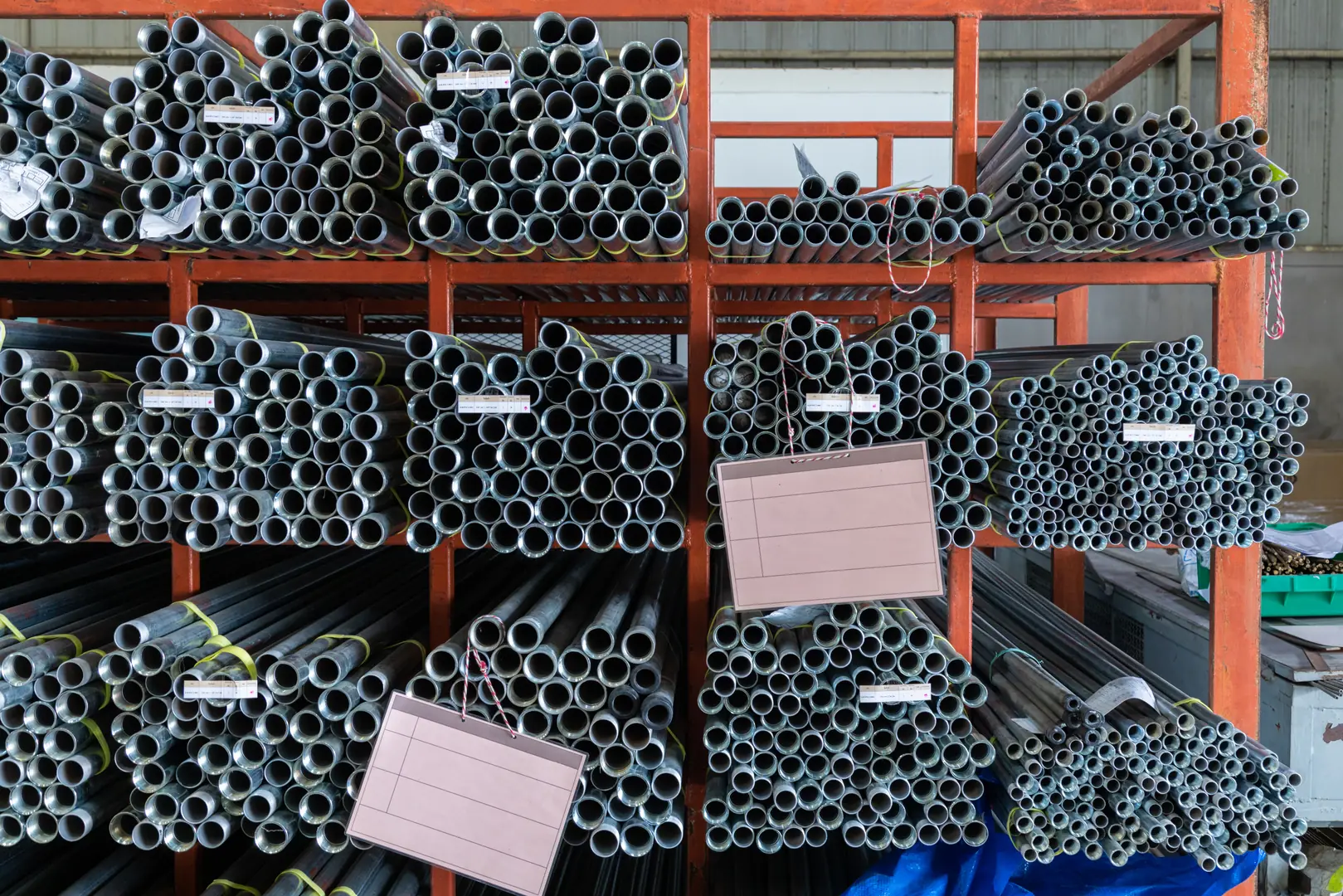
In my role at MFY, we supply 316 stainless steel coils and sheets to a diverse range of industries, and I see firsthand how it has become the go-to material for extreme environments. Its inherent properties make it a natural choice, but the application of the material is where expertise truly matters. Simply selecting 316 from a catalog is no longer enough for high-stakes projects. The industry leaders, from marine equipment manufacturers to cryogenic system engineers, now build passivation into their core procurement and fabrication specifications. They understand that the small upfront cost of this treatment pays for itself many times over by preventing costly failures, ensuring operational stability, and upholding the highest safety standards. This shift from viewing passivation as a remedy to embracing it as a prerequisite is a hallmark of modern, sophisticated engineering.
Marine Sector: Battling the Brine
In the marine world, 316 is everywhere. You'll find it in a ship's rigging, propellers, shafts, and fasteners. On offshore oil and gas platforms, it's used for piping, cable trays, and structural enclosures. Its resistance to chloride-induced corrosion is its main selling point.
Cryogenic Sector: Mastering the Cold
In the cryogenic field, particularly for Liquefied Natural Gas (LNG) and other industrial gases stored at temperatures down to -196°C (-321°F), 316 stainless steel is indispensable. Its austenitic crystal structure means it doesn't become brittle at low temperatures like carbon steels do, making it essential for the safe storage and transport of these volatile substances.
| Application Area | Common Components | Key Benefit of 316 SS |
|---|---|---|
| Marine | Boat fittings, heat exchangers, fasteners | Resistance to saltwater corrosion |
| Offshore | Piping, platforms, structural hardware | Durability in harsh, chloride-rich air |
| Cryogenics | LNG/LN2 tanks, valves, piping | Maintains ductility at extreme cold |
| Chemical Processing | Reactors, tanks, tubing | Resistance to a wide range of chemicals |
What Challenges Does 316 Stainless Steel Face in Corrosive and Extreme Temperatures?
Your 316 steel components are failing faster than expected. The constant exposure to salt or extreme cold is brutal. These environments mercilessly expose any weakness in the material's surface.
In marine environments, 316 steel faces pitting and crevice corrosion from high chloride concentrations. In cryogenic conditions, the main challenge is maintaining ductility and avoiding brittle fracture, as materials become less forgiving at extremely low temperatures. Surface integrity is key to mitigating both.
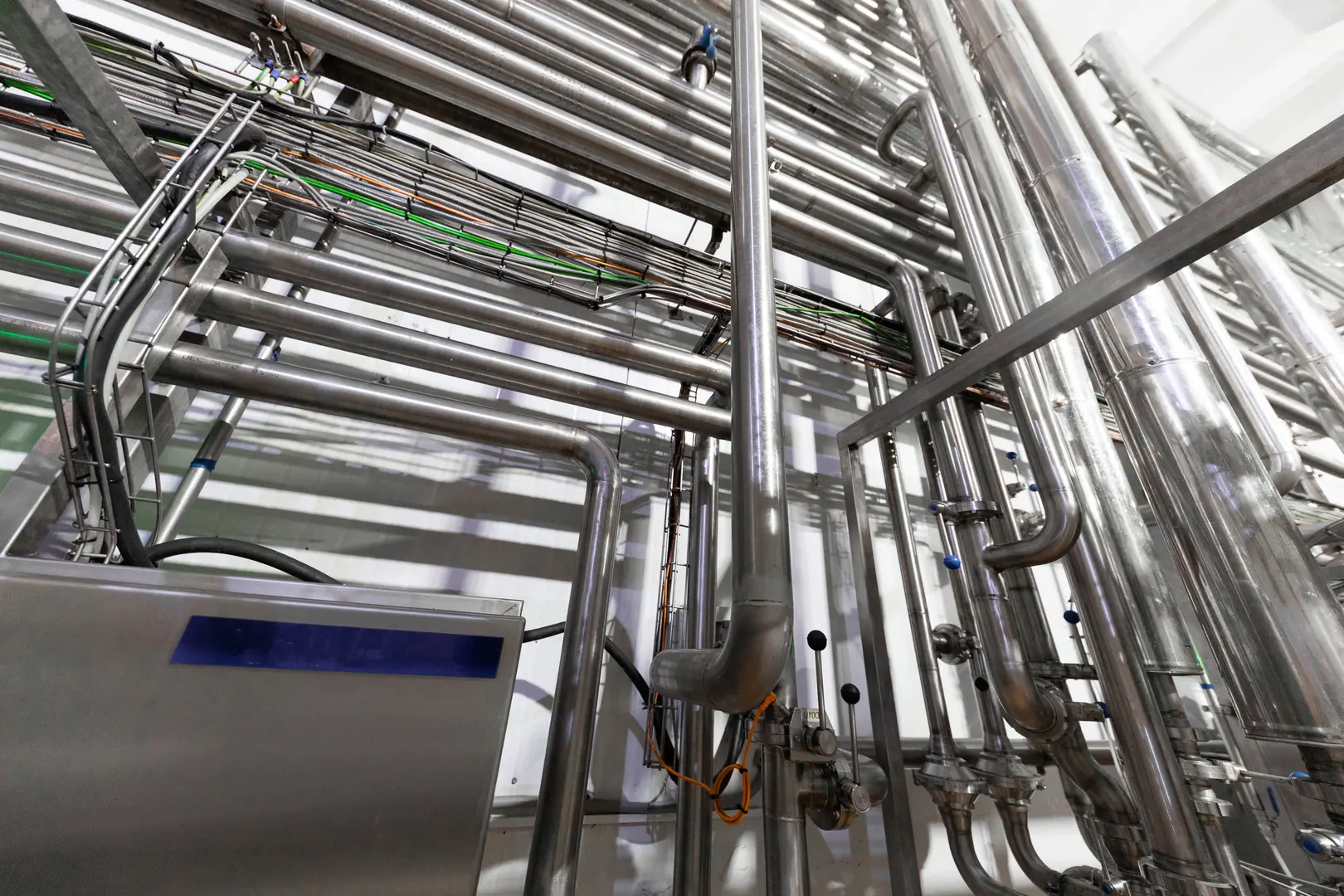
Even a robust material like 316 stainless steel has its limits, and these are tested daily in marine and cryogenic applications. The challenges are distinct but share a common root: surface integrity. A flawed surface is an open invitation for failure. In a marine setting, it’s a slow, insidious attack by chloride ions. In a cryogenic setting, it’s a potential starting point for a sudden, catastrophic fracture. I recall a client building a desalination plant who saw premature failure on non-passivated fasteners within the first year of operation. The parts were technically 316 stainless, but the surface contamination from manufacturing provided the perfect foothold for aggressive crevice corrosion. This experience reinforced a simple truth for our team at MFY: the performance of the material in the field is only as good as the quality of its surface.
The Chloride Attack: Pitting and Crevice Corrosion
Saltwater is rich in chloride ions, which are exceptionally aggressive towards the passive layer of stainless steel. If there are any weak points—like those caused by embedded free iron—the chlorides will attack them, creating tiny holes known as pits. Pitting corrosion can quickly penetrate the material, leading to leaks or structural failure. Crevice corrosion is similar but occurs in tight spaces, like under bolt heads or in gasket seals, where stagnant water allows chlorides to concentrate and attack the steel.
The Cryogenic Test: Brittleness and Fracture Risk
At cryogenic temperatures, most metals become brittle. While austenitic stainless steels like 316 are an exception and remain ductile, their tolerance for defects decreases. Any microscopic surface crack, notch, or inclusion left over from fabrication can become a "stress concentrator." Under the combined load of internal pressure and thermal stress, a tiny flaw can propagate into a major fracture, leading to a system breach. A perfectly clean, smooth, and passivated surface minimizes these initiation sites, drastically improving safety.
What Strategies Can Address Corrosion and Durability Issues in Marine Applications?
Replacing corroded marine parts is expensive and time-consuming. You need a proactive, not reactive, approach. Proper material specification and treatment is the most effective strategy you can deploy.
The primary strategy is specifying post-fabrication passivation for all 316 stainless steel components. This, combined with smart design to eliminate crevices and regular freshwater wash-downs, creates a multi-layered defense system that ensures maximum durability and service life in marine environments.
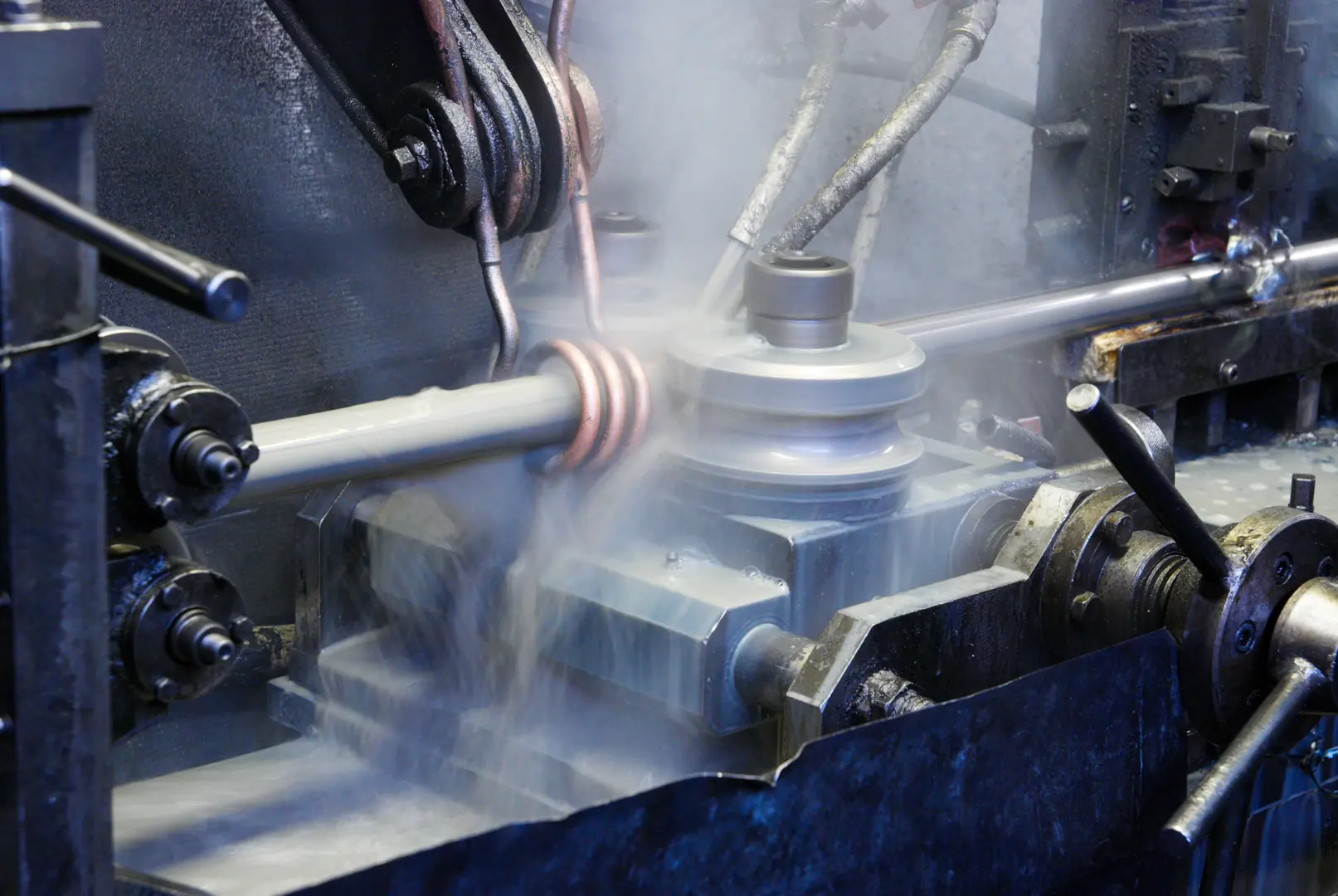
The best way to fight a battle is to choose the right armor and prepare it properly before you enter the field. For marine applications, this means being strategic from the very beginning. The most powerful strategy is not a complex one; it is simply to insist on passivation. When we at MFY consult with clients in the marine sector, we frame passivation not as a cost, but as an insurance policy against premature failure. It's a strategic enhancement that maximizes the lifecycle value of their investment. But treatment alone isn't the whole story. A holistic approach that combines material science, intelligent design, and consistent maintenance provides the most robust defense against the relentless marine environment. This integrated strategy moves beyond simply using a good material to using a good material correctly, which makes all the difference in long-term performance and reliability.
The Passivation Protocol
The process itself is straightforward. After a component is fully fabricated (welded, machined, etc.), it is first thoroughly cleaned to remove oils and dirt. Then, it is submerged in a passivation bath, typically nitric acid or, increasingly, the more environmentally friendly citric acid. This bath dissolves the embedded iron and other contaminants without harming the stainless steel itself. After a set time, the part is rinsed and dried, leaving a surface that is primed to form the most protective passive layer possible.
Beyond Treatment: A Holistic Approach
To truly master durability, passivation should be part of a broader strategy.
| Strategy Component | Action | Rationale |
|---|---|---|
| Material Selection | Specify 316L for welded parts. | Lower carbon content reduces risk of sensitization. |
| Intelligent Design | Design to avoid tight crevices and allow drainage. | Prevents stagnant water where chlorides concentrate. |
| Surface Treatment | Mandate post-fabrication passivation. | Removes contaminants and optimizes the passive layer. |
| Maintenance | Implement regular freshwater wash-downs. | Rinses away salt deposits before they can cause damage. |
What Are the Technical Recommendations for Improving Cryogenic Efficiency with 316 Stainless Steel?
A microscopic surface flaw can cause catastrophic failure in cryogenic systems. You need absolute material reliability. Ensuring a perfect, clean surface is non-negotiable for safety and efficiency.
To improve cryogenic efficiency, all 316 stainless steel surfaces must be meticulously cleaned and passivated. This eliminates potential crack initiation sites and ensures material integrity under extreme thermal stress, preventing leaks and guaranteeing the safety and reliability of the entire system.
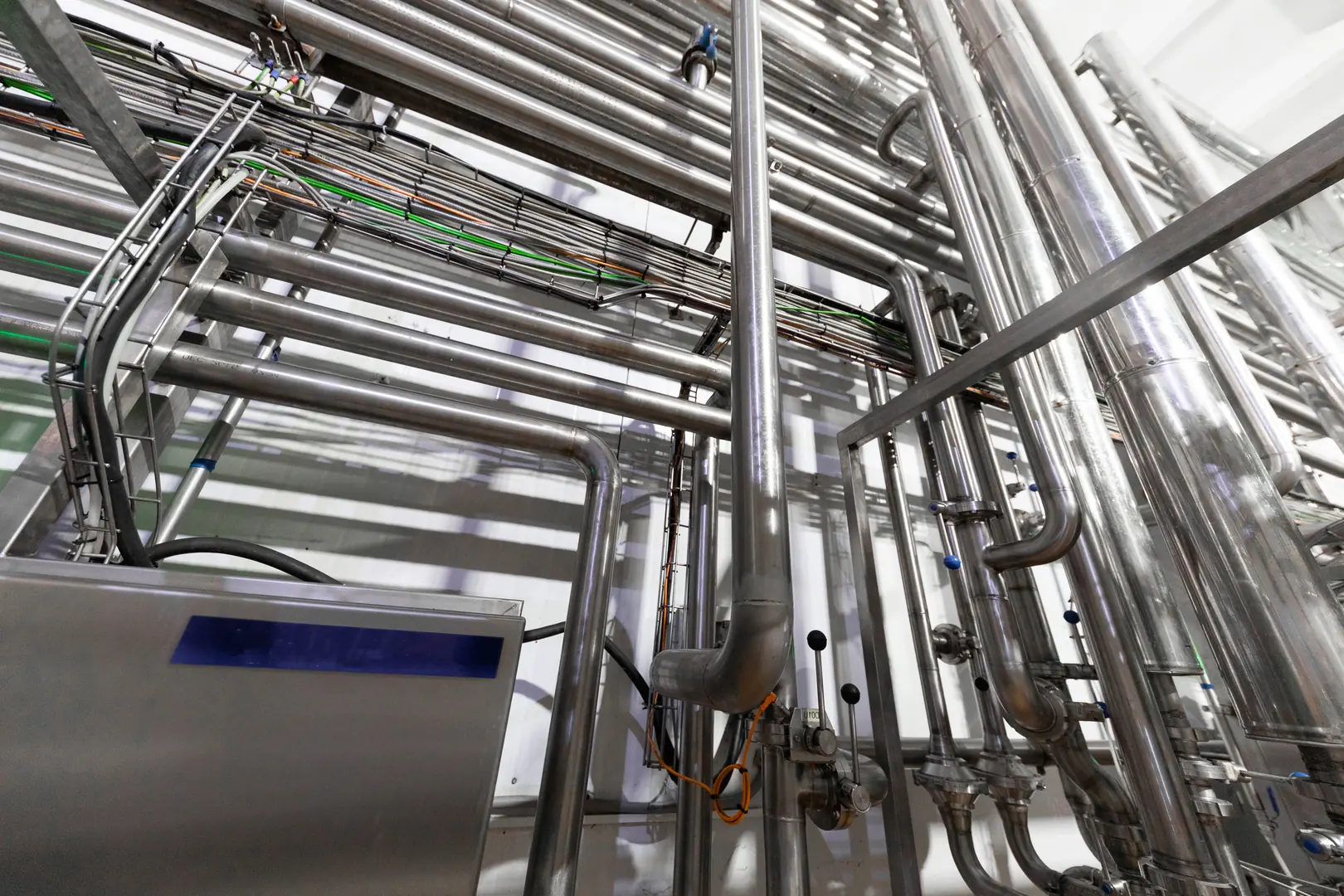
In the world of cryogenics, "efficiency" is synonymous with "safety" and "reliability." A leak is not just an inefficiency; it's a critical safety incident. Therefore, the recommendations for using 316 stainless steel are less about performance boosts and more about risk elimination. For our clients in the industrial gas and LNG sectors, this isn't just a technical detail; it's a core part of their risk management strategy. The integrity of a multi-million dollar cryogenic storage facility can depend on the surface quality of a single weld or valve. This is why standards like ASTM A967[^4] (Standard Specification for Chemical Passivation Treatments for Stainless Steel Parts) are not just guidelines but are strictly enforced requirements. A perfectly prepared surface is the foundation upon which the entire system's safety rests.
Surface Integrity at Absolute Zero
At temperatures approaching absolute zero, the physics of materials change. While 316 stainless steel's austenitic structure prevents it from becoming brittle, any existing flaw is a significant liability. Surface imperfections left from manufacturing—scratches, tool marks, or weld spatter—act as stress risers. The immense thermal stress from cooling, combined with operational pressure, can cause a crack to initiate at one of these flaws and propagate rapidly. Passivation, following a thorough cleaning, removes these physical and chemical imperfections. It creates a smooth, homogenous surface that is free from potential failure points, ensuring the material behaves predictably and safely under extreme duress.
Cryogenic Best Practices Checklist
| Practice | Description | Purpose |
|---|---|---|
| Deep Cleaning | Multi-stage cleaning to remove all hydrocarbons. | Prevents contamination and ensures passivation is effective. |
| Passivation | Chemical treatment per ASTM A967. | Removes metallic contaminants and prevents crack initiation. |
| Weld Inspection | Dye penetrant or X-ray inspection of all welds. | Identifies any hidden cracks or porosity in critical joints. |
| Smooth Transitions | Grinding welds smooth and rounding sharp corners. | Reduces points of stress concentration. |
Conclusion
Passivation is not an optional extra for 316 stainless steel in marine or cryogenic use. It is a fundamental process that guarantees corrosion resistance, structural integrity, and long-term safety. At MFY, we see it as a critical investment in performance and reliability for our partners worldwide.
Have Questions or Need More Information?
Get in touch with us for personalized assistance and expert advice.

 English
  Русский