NPS Standard 304 SS Pipe Procurement: Expert Guide to Specs, Quality & Supply
Sourcing the right 304 stainless steel pipe is complex. Mistakes in this process can lead to significant project delays and budget overruns. This expert guide simplifies the entire procurement journey.
Mastering 304 SS pipe procurement requires a strategic, five-step approach. This involves understanding NPS standards, verifying quality criteria, selecting reliable suppliers, negotiating fair terms, and implementing best practices to ensure project success and long-term value from your stainless steel investment.
Procuring industrial materials like NPS Standard 304 stainless steel pipe is more than just a transaction; it's a critical decision that impacts your project's efficiency, safety, and longevity. For procurement managers and project engineers in sectors from petrochemical to construction, getting this right is non-negotiable. It's about balancing precise specifications with consistent quality and a reliable supply chain. Let's walk through the essential steps to ensure you make the best procurement decisions every time.
What Are the Critical NPS Standard Specifications for 304 SS Pipes?
Vague specifications create costly confusion. Ordering the wrong pipe based on incorrect assumptions wastes valuable time and capital. Let's clarify the key NPS standards you must know.
Key specifications for 304 SS pipes include the Nominal Pipe Size (NPS), schedule (wall thickness), manufacturing standard (like ASTM A312), and finish. Getting these details right from the start is fundamental to ensuring compatibility and performance in your specific industrial application.
Diving into specifications can feel technical, but it’s the foundation of a successful project. A small misunderstanding here can have major consequences downstream. At MFY, we always start by confirming these core details with our clients to prevent any miscommunication. The goal is to ensure the pipe you receive perfectly matches the engineering requirements for pressure, temperature, and flow. Precision is paramount, especially in demanding industries where failure is not an option. Let’s break down the most important elements you need to define.
Nominal Pipe Size (NPS) vs. Outside Diameter (OD)
A common point of confusion is NPS. For pipes 12 inches and under, the NPS is a nominal figure, not the actual outside diameter. For example, a 2-inch NPS pipe has an actual OD of 2.375 inches. From 14 inches and up, the NPS matches the OD. It's a small detail, but getting it wrong means the pipe simply won't fit. Always double-check your engineering drawings against the correct NPS-to-OD conversions.
Understanding Pipe Schedule
The pipe "schedule" (Sch) number defines the wall thickness. A higher schedule number means a thicker wall, which allows the pipe to handle higher internal pressure. For example, a Sch 80 pipe has a much thicker wall than a Sch 10 pipe of the same NPS. Choosing the wrong schedule can lead to either over-engineering and unnecessary costs or, far worse, a catastrophic failure under pressure.
| NPS (Inches) | Schedule | Wall Thickness (in) | Approx. Weight (kg/m) |
|---|---|---|---|
| 4" | Sch 10S | 0.120 | 7.37 |
| 4" | Sch 40S | 0.237 | 14.30 |
| 4" | Sch 80S | 0.337 | 19.97 |
Key Manufacturing Standards
The manufacturing standard governs everything from chemical composition to testing procedures. For seamless and welded 304 SS pipe, the most common standard is ASTM A312[^1]. This standard ensures the pipe meets specific mechanical properties and corrosion resistance requirements, making it a reliable benchmark for quality across the globe.
How Do You Properly Evaluate the Quality of 304 SS Pipes?
Not all 304 stainless steel pipes are created equal. Poor quality material can lead to premature failure, corrosion, and significant safety risks. Here’s how you can verify true quality.
Evaluating 304 SS pipe quality involves checking for correct chemical composition, verifying mechanical properties like tensile strength, and conducting visual and non-destructive inspections. Always demand a Mill Test Certificate (MTC) for full traceability and compliance with industry standards.

In today's market, quality assurance is about more than just the physical product; it's about documentation and traceability. With increasing regulatory scrutiny and the need to mitigate risk, knowing the exact origin and properties of your material is a competitive advantage. I remember a client in the food processing industry who nearly faced a major recall because a previous supplier's material didn't meet the specified chromium levels for corrosion resistance. That experience reinforced why we at MFY are obsessive about providing comprehensive, verifiable documentation for every single shipment. It’s not just about selling steel; it’s about delivering peace of mind.
The Importance of the Mill Test Certificate (MTC)
The MTC (or MTR) is your pipe's birth certificate. This document, provided by the original manufacturer, certifies that the material complies with the specified standards. It contains crucial data on the chemical composition and mechanical properties from the exact heat (batch) of steel your pipes were made from. Never accept a shipment of 304 SS pipe without a corresponding MTC. It is your primary tool for quality verification and is essential for compliance and auditing purposes.
Chemical and Mechanical Properties
The MTC will detail the pipe's exact chemical makeup and its performance under stress. For 304 stainless steel, you'll want to verify these key values:
| Property | Standard Range (ASTM A312) | Importance |
|---|---|---|
| Chromium (Cr) | 18.0% - 20.0% | Key to corrosion resistance |
| Nickel (Ni) | 8.0% - 10.5% | Provides ductility and toughness |
| Tensile Strength | 75,000 psi (min) | Resistance to being pulled apart |
| Yield Strength | 30,000 psi (min) | The point at which it begins to deform |
Visual and Non-Destructive Testing (NDT)
Beyond the paperwork, a physical inspection is vital. Check for uniform finish, consistent weld seams (for welded pipe), and the absence of any cracks, pits, or lamination. For critical applications, non-destructive tests like hydrostatic testing (to check for leaks) or eddy current testing (to detect surface defects) provide an even higher level of quality assurance.
What Makes a 304 SS Pipe Supplier Truly Reliable?
Choosing the right supplier can feel overwhelming. A bad partnership can disrupt your entire supply chain and jeopardize project timelines. Focus on these key criteria to assess reliability.
A reliable 304 SS pipe supplier demonstrates a fully integrated supply chain, substantial production and inventory capacity, proven export logistics, and a commitment to transparency and certification. They act as a partner, not just a vendor, ensuring resilience against market disruptions.
In an era of frequent global supply chain disruptions, the strategic selection of your supplier has become a more critical competitive advantage than ever before. It's no longer enough to just find someone who can sell you pipe. You need a partner who can provide stability, agility, and transparency. A supplier with a deeply integrated model, like MFY, has greater control over production schedules, raw material sourcing, and quality control from start to finish. This integration translates directly into more reliable lead times, consistent quality, and better risk management for our clients. It’s the difference between a supplier who simply takes your order and a partner who helps you build a more resilient and efficient operation.
Integrated Supply Chain vs. Traders
A supplier with an integrated supply chain—covering everything from raw materials to final production—offers more control and transparency than a simple trader. Traders often buy from multiple sources, which can introduce variability in quality and less direct accountability. An integrated partner provides a single point of responsibility.
Inventory and Production Capacity
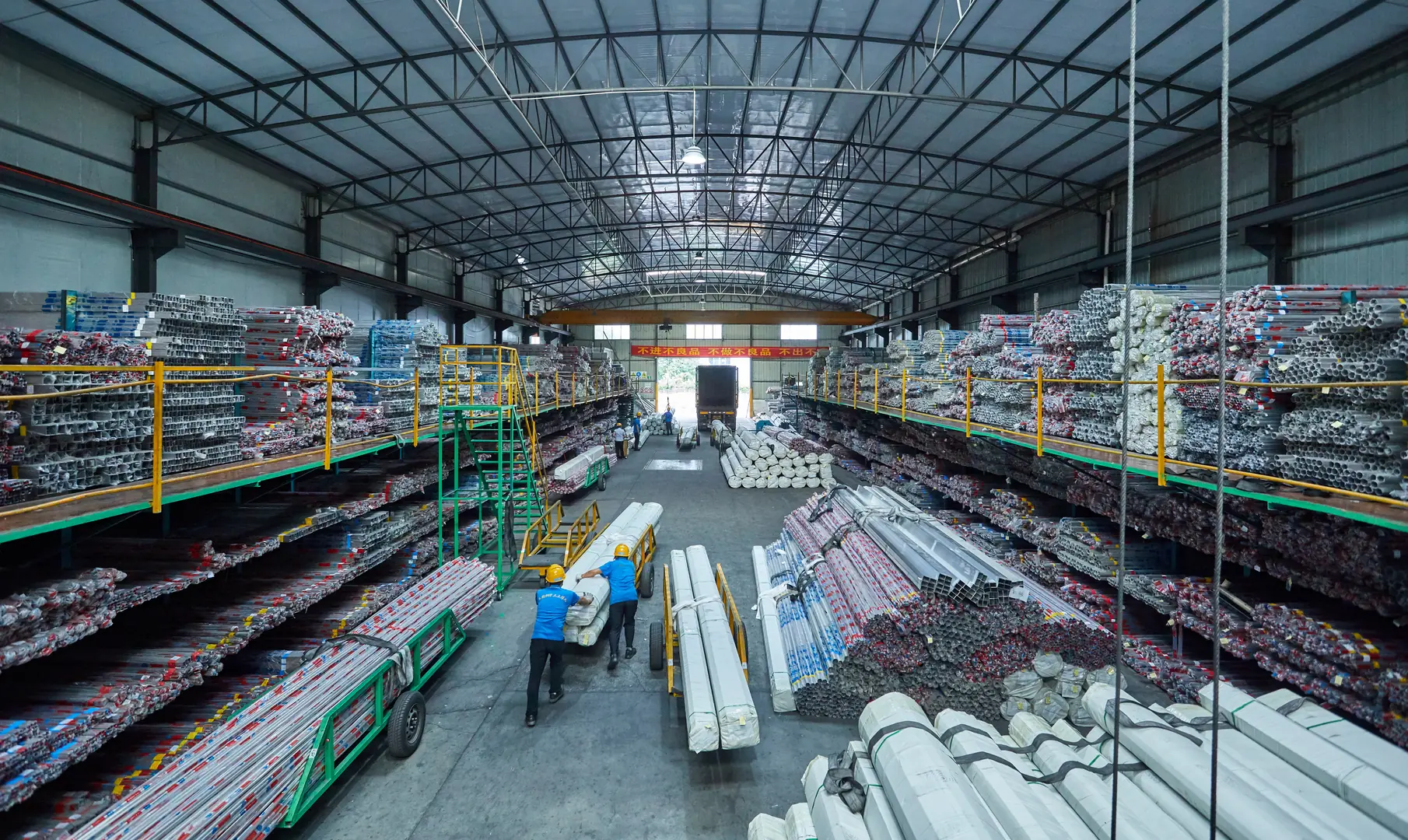
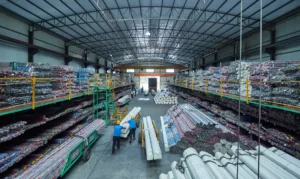
A reliable supplier should have significant inventory on hand and robust production capabilities. This ensures they can handle large orders and respond quickly to your needs without long delays. Ask potential suppliers about their typical stock levels for your required NPS and schedule, as well as their production lead times for non-stock items.
Global Logistics and Agility
Your supplier's ability to navigate international shipping and customs is crucial. An experienced partner will have a dedicated logistics team that can manage the complexities of export, ensuring your materials arrive on time and with the correct documentation. This agility is key to avoiding costly delays at port.
| Factor | Integrated Supplier (e.g., MFY) | Standard Trader |
|---|---|---|
| Quality Control | High (Direct oversight) | Variable (Third-party) |
| Traceability | Complete (End-to-end) | Often Limited |
| Lead Time | More Predictable | Subject to Fluctuation |
| Price Stability | More Stable (Less middlemen) | Volatile |
How Can You Negotiate the Best Procurement Terms for 304 SS Pipes?
Negotiation can often feel like a battle over price. However, unfavorable terms on delivery or quality can easily erode your project's profitability. Let's shift the focus to creating a win-win partnership.
Effective negotiation for 304 SS pipes goes beyond price. Focus on securing clear terms for payment schedules, Incoterms for delivery responsibility, quality assurance protocols, and contingency plans for delays. A transparent, long-term approach builds a stronger, more reliable partnership.
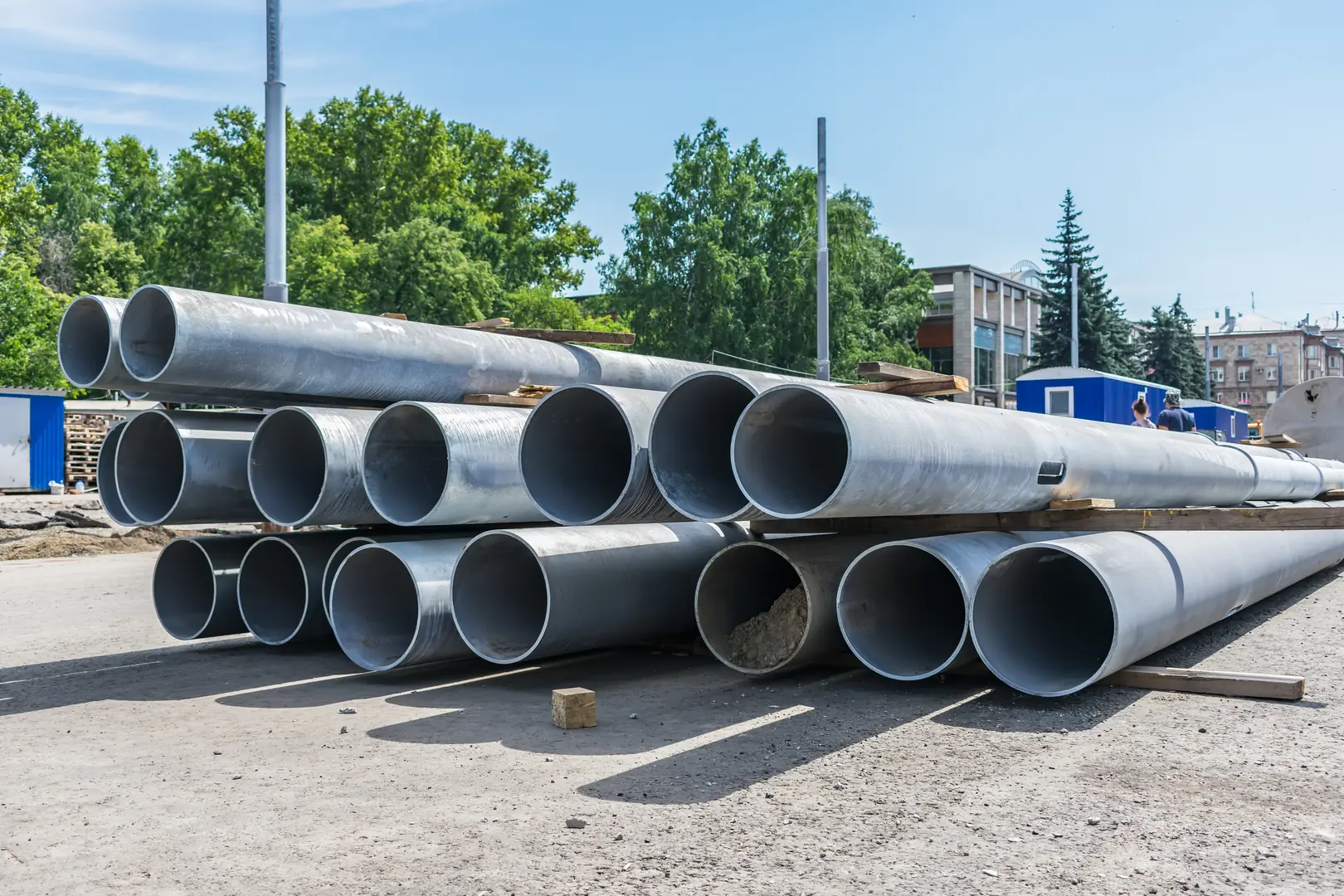
The best negotiations I've been a part of are those that feel less like a negotiation and more like a strategic planning session. When both sides are focused on building a long-term, mutually beneficial relationship, the conversation naturally shifts from a simple price discussion to a more holistic one about value. We discuss how volume commitments can secure better pricing, how aligning on logistics can reduce overall costs, and how clear quality standards can prevent future headaches for everyone. This partnership approach ensures that the final agreement is not just a one-time deal, but the foundation for future success. It’s about creating a framework where both your company and ours can thrive.
Beyond the Price Tag
While price per meter or per ton is important, it's only one piece of the total cost of ownership. Consider factors like lead time reliability, quality guarantees, and the supplier's willingness to hold stock for you. A slightly higher price from a more reliable supplier can save you thousands in avoided downtime and project delays.
Clarifying Incoterms
International Commercial Terms (Incoterms) define who is responsible for the shipment at every stage of its journey. Misunderstanding these can lead to unexpected costs and legal disputes. Be crystal clear on whether your pricing is EXW (Ex Works), FOB (Free On Board), or CIF (Cost, Insurance, and Freight), and understand what each term means for your responsibilities.
| Incoterm | Seller's Responsibility | Buyer's Responsibility |
|---|---|---|
| EXW | Makes goods available at their premises. | Arranges and pays for all transport and insurance. |
| FOB | Delivers goods on board the vessel. | Arranges and pays for ocean freight and insurance. |
| CIF | Arranges and pays for transport and insurance. | Manages import customs and delivery from port. |
Payment Terms and Volume Commitments
Discuss payment terms that work for both parties. Standard terms might be a 30% deposit with the balance against the Bill of Lading. For long-term relationships, consider negotiating more favorable terms based on volume commitments. A predictable order flow allows your supplier to plan production more efficiently, a benefit they can often pass on to you in the form of better pricing or supply priority.
What Are the Best Practices for a Successful 304 SS Pipe Procurement Strategy?
Procurement can often become reactive and transactional. This approach leads to last-minute rushes, compromises on quality, and missed opportunities. Adopt these proactive best practices for consistent success.
Best practices include establishing a robust supplier qualification process, maintaining clear and consistent communication, implementing a system for tracking orders and quality documentation, and conducting regular performance reviews. This creates a resilient and efficient procurement cycle for your 304 SS pipes.
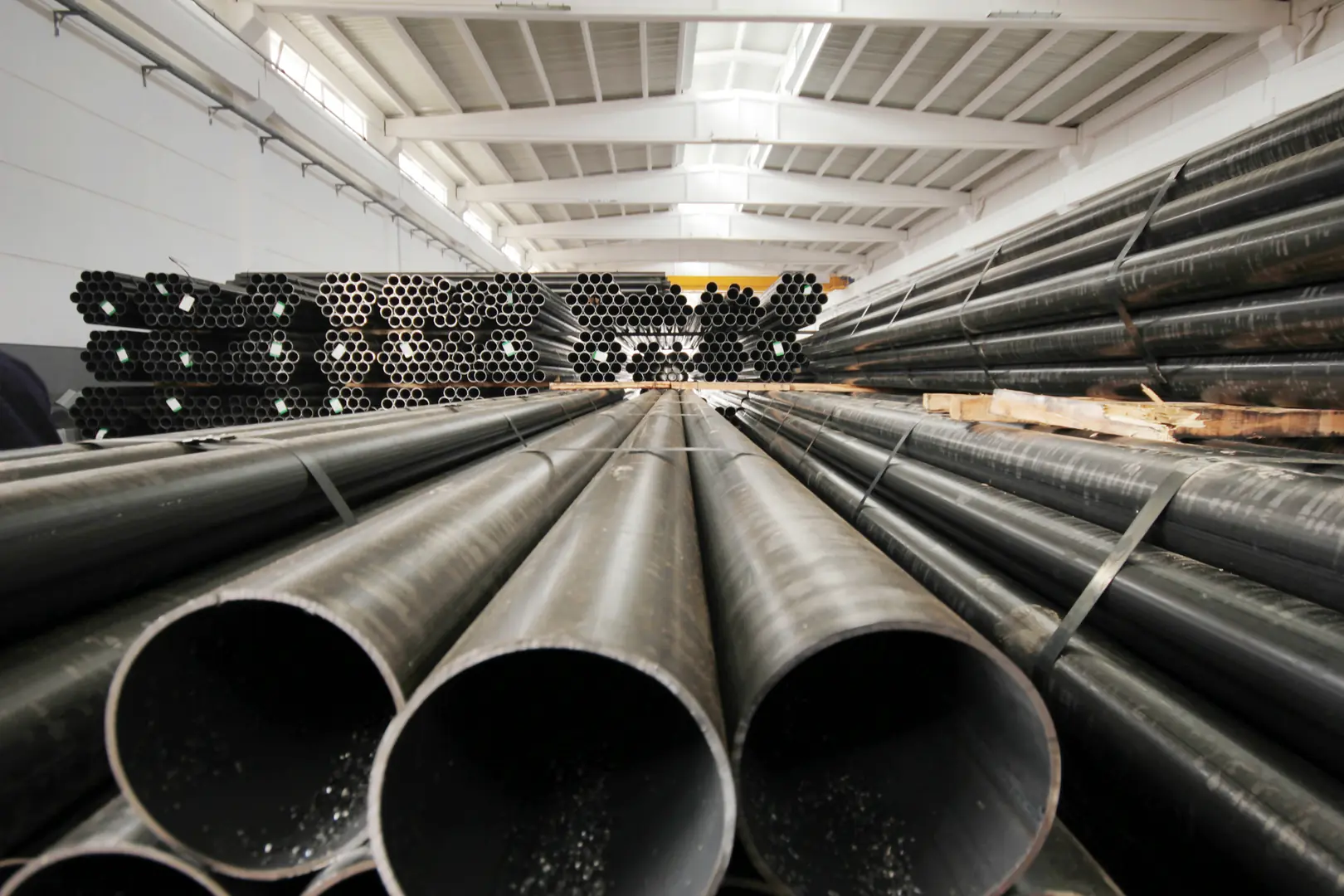
Ultimately, a successful procurement strategy is a living process, not a one-time event. It’s about building a system that fosters strong partnerships and continuous improvement. At MFY, we build our entire global service model around these principles. We don't just want to fulfill your next order; we want to be the partner you rely on for years to come. This means investing in clear communication channels, providing our clients with digital tools to track their orders and documentation, and constantly asking for feedback on how we can improve. This proactive approach is what transforms a simple supply chain into a powerful strategic asset for your business, ensuring you have the materials you need, when you need them, at the quality you expect.
Building a Supplier Scorecard
Don't rely on gut feeling. Create a formal supplier scorecard to evaluate potential and current partners objectively. Grade them on key metrics like on-time delivery rate, quality compliance (e.g., MTC accuracy), communication responsiveness, and pricing competitiveness. This data-driven approach helps you identify your top performers and areas for improvement.
The Power of Clear Communication
Establish a regular communication cadence with your key suppliers. This isn't just about placing orders; it's about sharing project forecasts, discussing market trends, and providing feedback. When your supplier understands your upcoming needs, they can better plan their production and inventory to support you. This collaboration is the hallmark of a true strategic partnership.
Leveraging Technology for Tracking
Use technology to your advantage. Modern suppliers should offer portals or systems where you can track your order status in real-time, access MTCs and shipping documents, and manage your procurement history. This digital trail provides invaluable transparency and simplifies your internal auditing and quality control processes, saving your team countless hours.
Conclusion
Mastering 304 SS pipe procurement is not about finding the cheapest price. It's about a strategic process of defining specs, verifying quality, choosing the right partners, and building a resilient supply chain. This approach ensures long-term value and operational excellence for your projects.
Have Questions or Need More Information?
Get in touch with us for personalized assistance and expert advice.


 English
  Русский