Polished SS: Improving Corrosion Resistance Through Supply Chain Quality
Your polished stainless steel looks perfect, but it fails prematurely from corrosion. This compromises project integrity and hurts your bottom line. The solution lies in a quality-focused, end-to-end supply chain.
Improving corrosion resistance in polished stainless steel is not just a finishing process. It's a strategic result of managing quality across the entire supply chain, from raw material sourcing to final delivery, ensuring every stage meets stringent standards for superior, long-lasting performance.
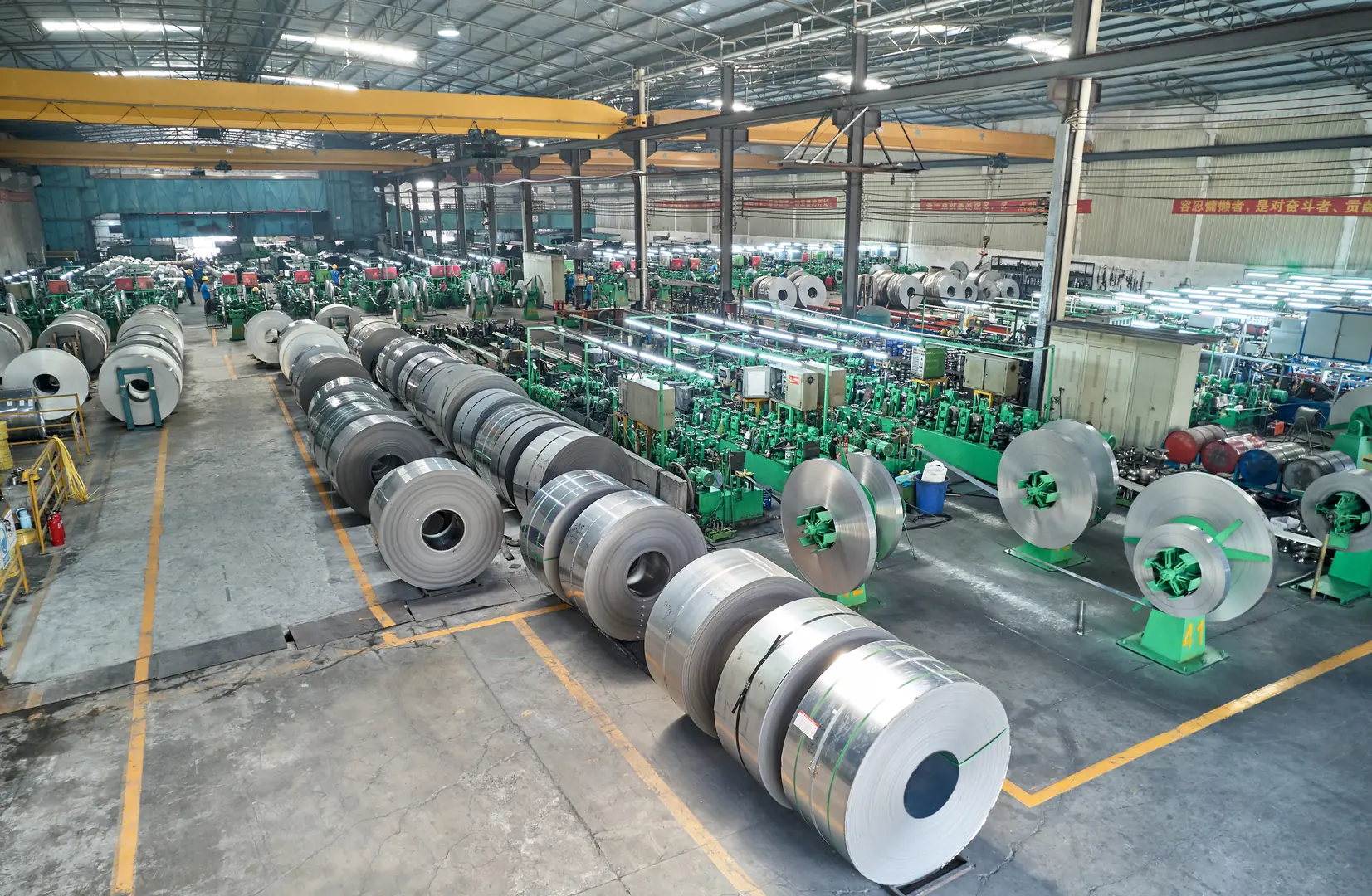
As the Global Business Director at MFY, I've seen firsthand how a product's final performance is decided long before it reaches the end-user. The beautiful mirror finish on a stainless steel sheet is only half the story. The real strength—its ability to resist rust and environmental degradation—is forged in the discipline and quality of its supply chain. Let's break down how each link in that chain contributes to a truly corrosion-resistant final product.
What challenges do polished stainless steel surfaces face in terms of corrosion resistance?
A perfect polish looks great but can hide microscopic issues. These tiny defects can trap contaminants and invite rust. We help you see the unseen to prevent this failure.
Polished stainless steel faces challenges like micro-pitting, surface contamination from polishing compounds, and the disruption of the passive layer. These invisible issues can become starting points for localized corrosion, such as pitting or crevice corrosion, undermining the material's integrity despite its pristine appearance.
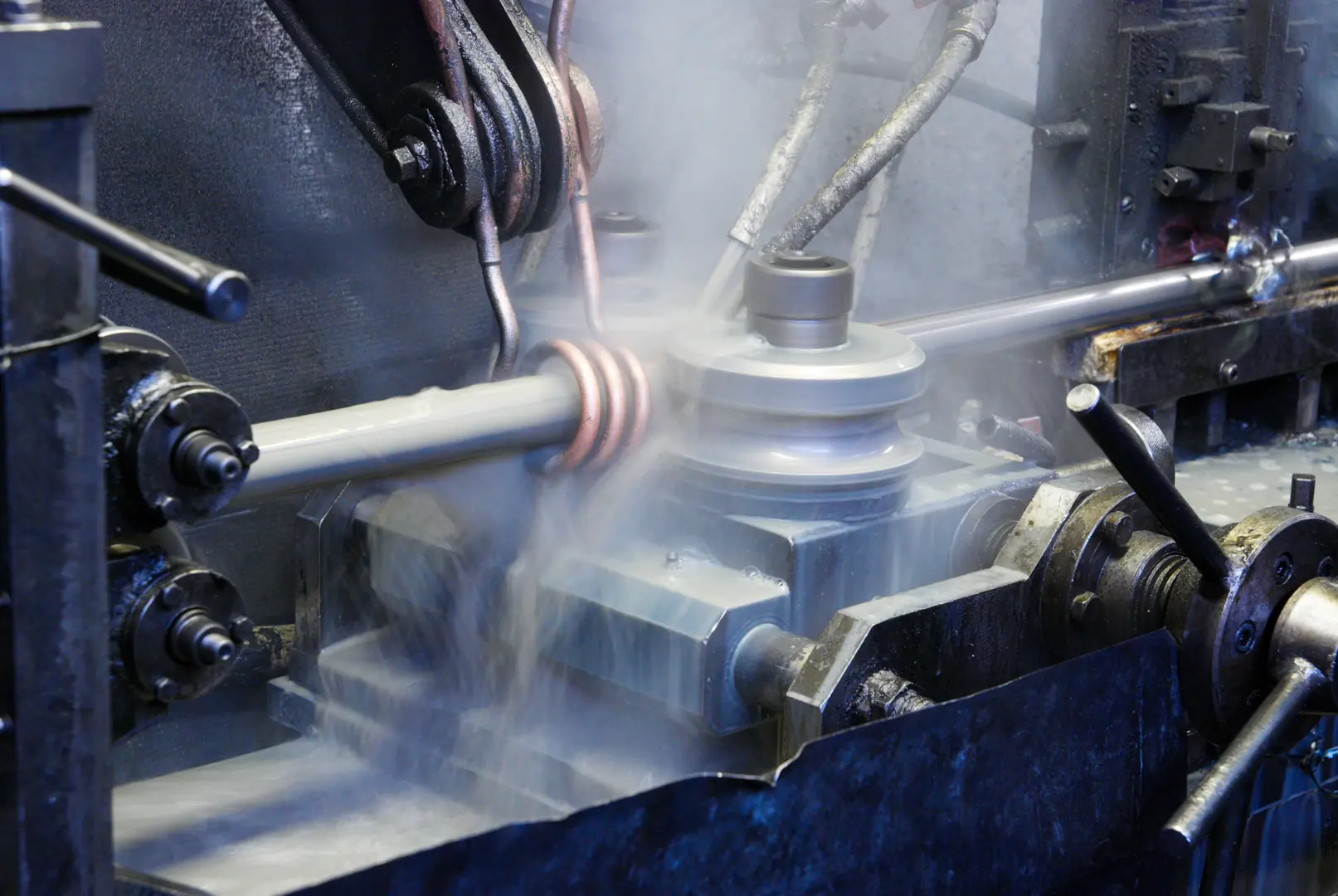
The very process that gives stainless steel its aesthetic appeal can also introduce vulnerabilities. When we talk about corrosion, we're not just talking about uniform rusting; we're talking about insidious, localized attacks that can lead to catastrophic failure. I remember a client in the marine industry who was baffled by "tea staining" on architectural fixtures that were supposed to be high-grade stainless steel. The root cause wasn't the steel's base chemistry but the final polishing process, which had left behind iron-based contaminants.
Surface Contamination
The polishing process involves abrasives and compounds. If these are not fully cleaned from the surface, tiny particles can become embedded in the steel. For example, if carbon steel tools or polishing media are used, free iron particles can be transferred to the stainless surface. When exposed to moisture, these particles rust, acting as a catalyst that breaks down the steel's protective passive layer and initiates corrosion on the stainless steel itself. This is why process hygiene is not a "nice-to-have"; it is an absolute necessity for long-term performance.
Passive Layer Integrity
Stainless steel's "magic" lies in its passive layer—a very thin, invisible film of chromium oxide that forms naturally on the surface and protects the steel from corrosion. Aggressive mechanical polishing can physically damage or remove this layer. While it will reform, the quality of this new layer depends on a clean, oxygen-rich environment. If contaminants are present or the reformation process is incomplete, the layer will be weak and non-uniform, leaving the steel exposed to attack in those vulnerable areas.
How does the quality of the supply chain impact the corrosion resistance of stainless steel?
You trust your supplier, but do you trust their supplier? A weak link anywhere in the chain can compromise your final product. We ensure end-to-end quality control for peace of mind.
A high-quality supply chain directly enhances corrosion resistance by ensuring consistency in raw material chemistry, proper handling to prevent contamination, and precise manufacturing processes. Each step, from melting to finishing, contributes to a robust and uniform passive layer, which is crucial for preventing rust.
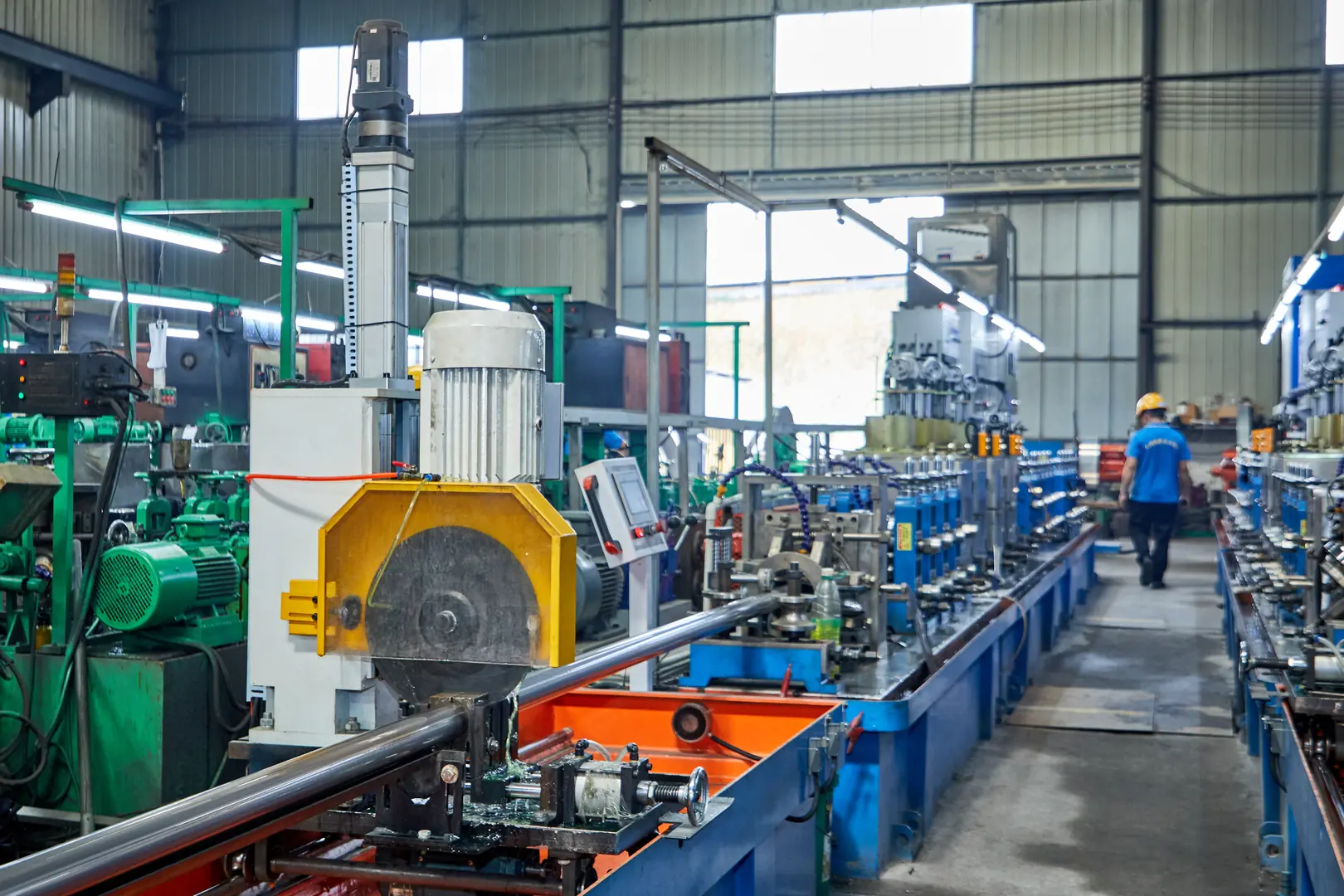
Achieving superior corrosion resistance is a strategic imperative, not just a technical challenge. At MFY, we see the supply chain as a single, integrated system where quality is a chain reaction. A failure at the very beginning—the melt shop—will inevitably show up as a performance issue in the final application, no matter how perfectly the material is polished. Competitive pressures and increasing regulatory demands mean end-users require materials that not only meet but exceed corrosion benchmarks. This can only be achieved with a holistic approach to quality.
The Domino Effect of Quality
Think of it like this: if the raw material has incorrect levels of chromium or nickel, the passive layer will be inherently weaker. If the annealing process is inconsistent, it can create internal stresses that lead to stress corrosion cracking. If the material is handled with contaminated equipment during transport, its surface is compromised before it even reaches the polisher. Each step depends on the quality of the one before it. A single weak link breaks the entire chain of quality.
From Raw Material to Final Polish
A truly resilient product is the result of discipline at every stage. This is why a fully integrated supply chain, like the one we manage at MFY, offers a significant advantage. We have visibility and control from the source to the final shipment. This integration allows us to enforce stringent quality standards at every handover point, ensuring the integrity of the material is maintained throughout its journey.
| Supply Chain Stage | Impact on Corrosion Resistance |
|---|---|
| Raw Material Sourcing | Incorrect alloy chemistry leads to a weak passive layer. |
| Melting & Casting | Inclusions and impurities create initiation sites for pitting. |
| Hot/Cold Rolling | Inconsistent thickness and surface defects can trap corrosives. |
| Finishing & Polishing | Surface contamination can compromise the passive layer. |
| Handling & Logistics | Scratches and contamination can lead to localized corrosion. |
What are the key factors in the supply chain that affect stainless steel quality?
It's more than just the final polish. The journey from the mine to your facility has many critical points. Ignoring them is risky. We focus on these key factors for you.
Key factors include raw material sourcing and purity, the precision of the melting and casting process, consistency in hot and cold rolling, and the quality of annealing and pickling. Each factor directly influences the steel's final microstructure, chemical composition, and surface integrity.

When our clients ask what makes our steel reliable, the answer always comes back to our obsessive focus on the fundamentals. It’s not about a single secret process; it’s about rigorously controlling every variable that can impact quality. We see a growing trend towards the adoption of advanced material testing and certification, and we are at the forefront of this movement. It’s the only way to guarantee that the inputs match the high quality we promise for the outputs.
Raw Material Verification
Everything starts here. We don't just take a supplier's word for it. We demand comprehensive Mill Test Certificates (MTCs)[^1] for every batch of raw materials, detailing the exact chemical composition. For critical applications, we often perform our own independent spectral analysis to verify that the levels of chromium, nickel, and molybdenum are precisely within the specified range for the grade. A small deviation here can have a massive impact on the final product's ability to resist specific corrosive environments.
Process Control Discipline
Once the chemistry is verified, the focus shifts to process control. This means maintaining exact temperatures during melting and annealing, ensuring uniform pressure during rolling, and using clean, high-purity acids for pickling. Any deviation can introduce defects. For example, improper annealing can lead to sensitization[^2] in austenitic stainless steels, where chromium carbides form at the grain boundaries, depleting the surrounding area of the chromium needed for the passive layer and making it highly susceptible to intergranular corrosion[^3]. This is a hidden defect that a simple surface polish would never reveal, but rigorous process control can prevent it entirely.
How can supply chain improvements enhance the corrosion resistance of polished stainless steel?
Are you reactive or proactive with quality? Waiting for problems to arise is expensive. Proactive supply chain improvements build resilience. We help our partners build stronger chains.
Supply chain improvements like implementing robust quality assurance (QA) frameworks, enforcing strict material traceability, and adopting digital platforms for real-time monitoring enhance corrosion resistance. These measures ensure consistency, prevent defects, and provide verifiable proof of quality at every stage of production.
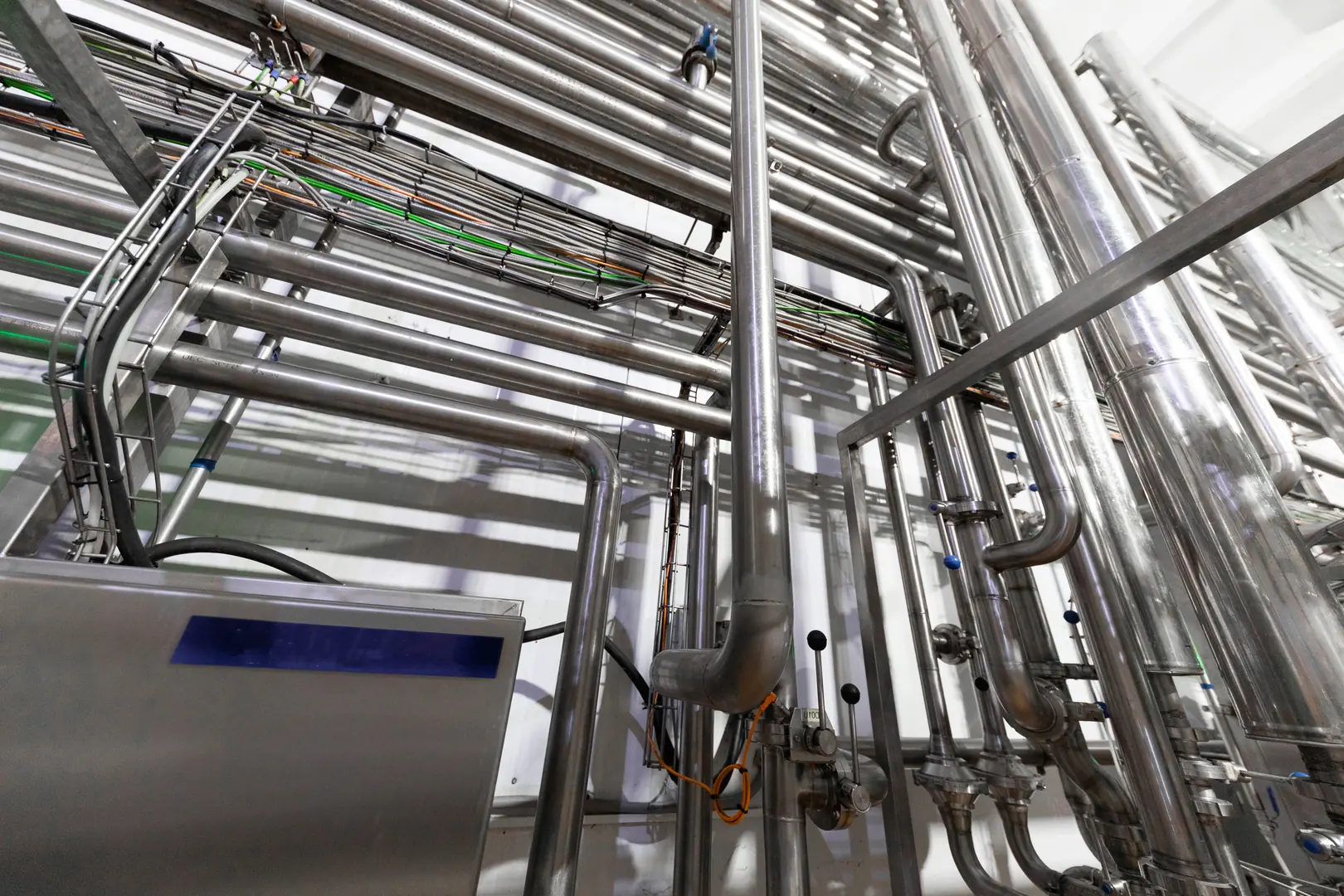
The future of industrial materials is in smart, transparent supply chains. The strategic implication for every stakeholder—from the mill to the end-user—is the need to invest in systems that make quality visible and verifiable. This is not about catching mistakes; it's about building a system where mistakes are far less likely to happen. At MFY, we are heavily investing in digital platforms that connect every stage of our supply chain, providing us and our clients with unprecedented transparency.
The Power of Traceability
Full traceability is a game-changer. It means we can take any finished coil or sheet and trace it back to the exact heat it came from, the raw materials used, and the specific parameters it was processed under. I recall an instance where a client noted a very minor, cosmetic surface anomaly. Using our traceability system, we tracked the material back to a specific production run and identified a minor variation in a pickling bath. We were able to immediately correct the process parameter, preventing a potentially larger issue from ever developing. This level of granular control is impossible without a robust traceability system.
Integrating Digital QA Systems
Digital quality assurance systems move us from paper certificates to real-time data. Sensors can monitor temperatures, pressures, and chemical compositions throughout the production process. This data is fed into a central platform, which can flag any deviation from the norm instantly. This allows for immediate intervention and ensures that every single product adheres to the same strict quality standard. This digital thread not only elevates product trustworthiness but also aligns perfectly with our vision of delivering innovative, high-quality solutions to a global market.
What best practices can companies adopt to ensure high-quality polished stainless steel products?
Sourcing the best steel is just the start. You need clear processes to maintain that quality. Without them, you risk inconsistency. Here are the best practices we live by.
Companies should adopt best practices like demanding comprehensive Mill Test Certificates (MTCs), conducting independent third-party inspections, establishing clear quality agreements with suppliers, and investing in proper material handling and storage protocols. This creates a multi-layered defense against quality degradation.
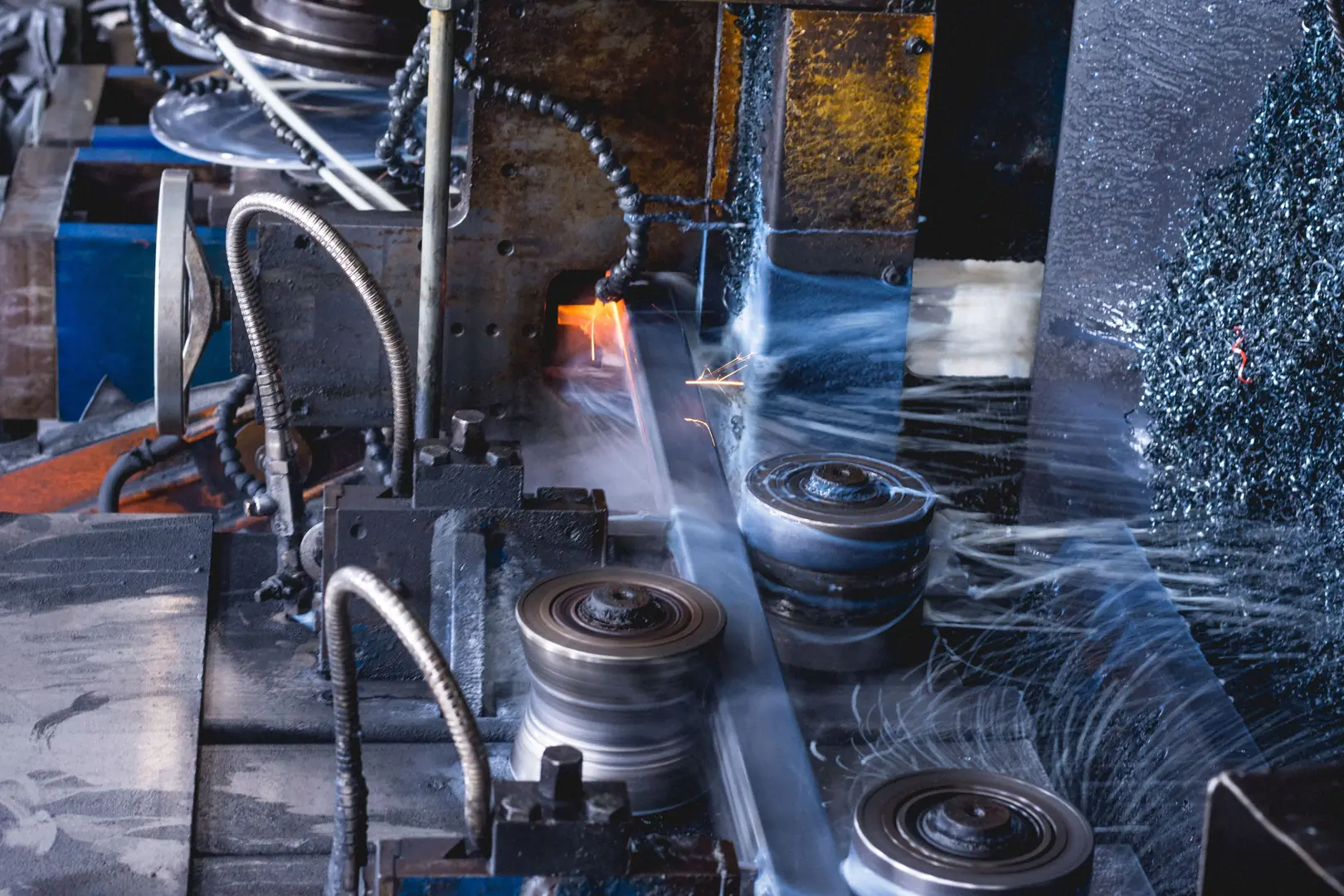
Ultimately, ensuring quality is a shared responsibility between the supplier and the customer. While we at MFY go to great lengths to control our processes, we also work closely with our partners to help them implement best practices on their end. A high-quality material can still be compromised by improper handling or fabrication. Therefore, building a strong partnership based on a shared commitment to quality is the most effective strategy.
Supplier Audits and Partnerships
Don't just rely on paperwork. A true partnership involves understanding your supplier's operations. We welcome audits from our clients because it builds confidence and transparency. Likewise, you should have a clear Quality Agreement with your suppliers that goes beyond the basic product specifications. It should detail requirements for handling, packaging, and transport to ensure the material arrives in pristine condition, ready for processing.
In-House Quality Control
Once the material is in your facility, your own internal processes become critical. Proper storage away from carbon steel or other contaminants is essential. Using dedicated tools for stainless steel fabrication prevents cross-contamination. Below is a simple checklist of best practices that can make a significant difference.
| Practice Area | Action Item | Purpose |
|---|---|---|
| Procurement | Always require and review MTCs for every batch. | Verify chemical composition and mechanical properties. |
| Receiving | Visually inspect all incoming material for damage or contamination. | Prevent compromised material from entering production. |
| Storage | Store stainless steel separately from other metals, especially carbon steel. | Avoid contact contamination that can cause rust. |
| Handling | Use non-metallic or dedicated stainless steel handling equipment. | Prevent scratches and embedding of free iron. |
| Fabrication | Use dedicated tools (grinders, brushes) for stainless steel only. | Eliminate cross-contamination from carbon steel tools. |
Conclusion
Superior corrosion resistance in polished stainless steel is not an accident or a feature of the final polish. It is the direct result of a strategically managed, quality-obsessed supply chain where every single link—from raw material to final delivery—is strong, transparent, and held to the highest standard.
Have Questions or Need More Information?
Get in touch with us for personalized assistance and expert advice.




 English
  Русский