
High-Efficiency Finishing and Expedited Delivery of BA/Mirror-Grade Stainless Steel Tubes
Premium projects demand perfect tubes, fast, but delays and flaws can risk your reputation. The solution lies in mastering high-efficiency finishing and integrating it with expedited delivery.
Achieving high-efficiency finishing and expedited delivery for BA/Mirror-grade stainless steel tubes involves integrating advanced polishing technologies with streamlined logistics. This combination minimizes downtime, enhances throughput, and ensures projects meet strict aesthetic standards and timelines, providing a significant competitive advantage.
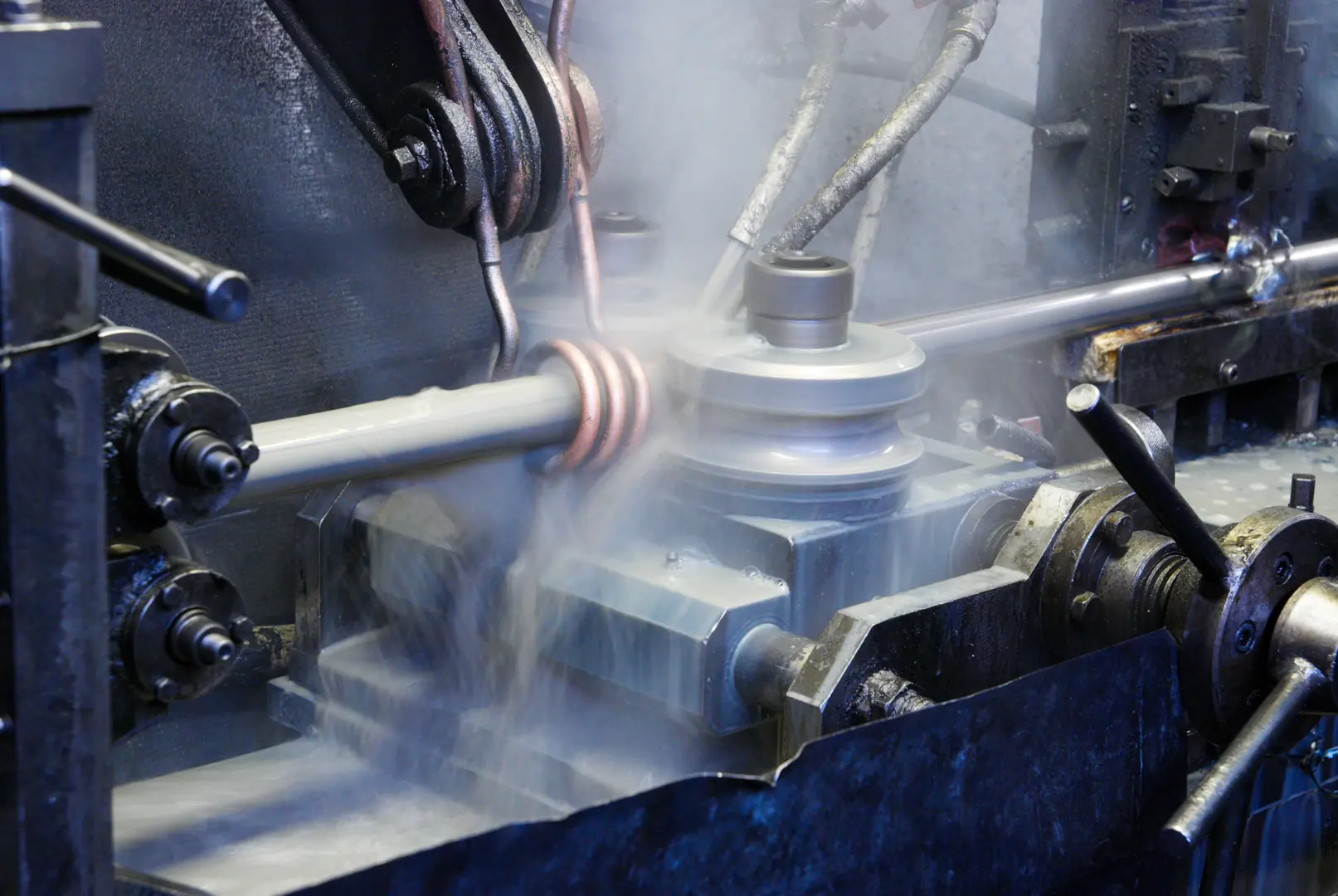
It sounds straightforward, but the reality is complex. As Global Business Director at MFY, I've seen firsthand how mastering this process separates market leaders from the rest. It's not just about making a tube shiny; it's about building a reliable, high-performance supply chain that our clients can depend on. Let's break down how we can turn this challenge into a core strength for your business.
What is the background of BA/Mirror-Grade stainless steel tubes in the industry?
Many see BA/Mirror tubes as just shiny metal, but this overlooks their critical role in high-value applications. Understanding their industrial background reveals their true importance for modern manufacturing.
BA (Bright Annealed) and Mirror-grade stainless steel tubes are premium products known for their highly reflective, smooth surfaces. They are essential in industries like architecture, automotive, and medical devices where both aesthetic appeal and corrosion resistance are paramount for performance and quality.
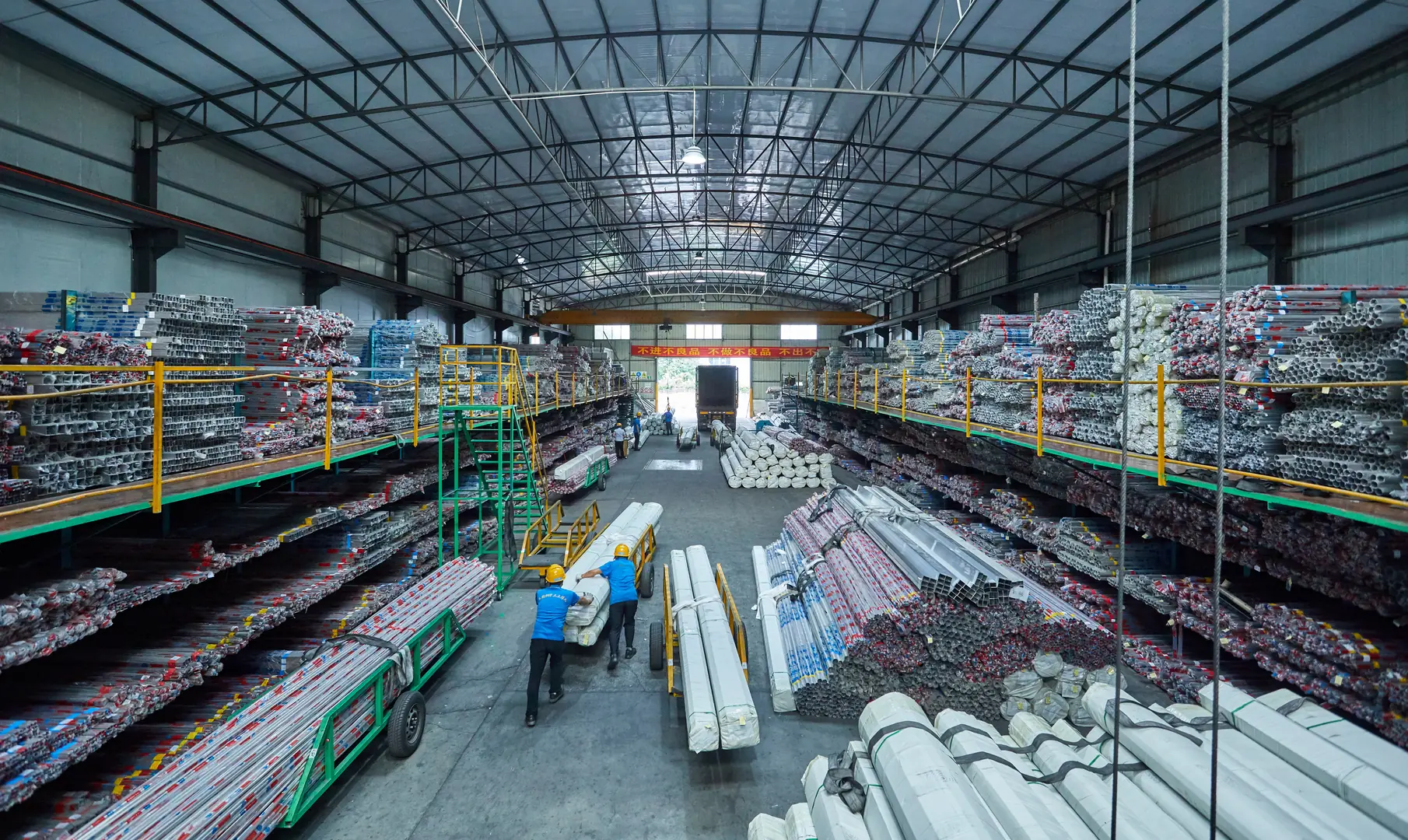
When we dive deeper, the story of these tubes is one of evolution. Initially, their appeal was purely aesthetic, used for decorative trim and architectural accents. However, as technology advanced, so did their applications. The very same properties that make them beautiful—their incredibly smooth, non-porous surfaces—also make them functionally superior in technical environments. I remember a client in the pharmaceutical sector who switched to our mirror-grade tubes for their processing lines. The reason wasn't looks; it was because the ultra-smooth surface resisted bacterial growth and was far easier to sterilize, a critical requirement for their operations. This pivot from decorative to functional highlights their transformative potential.
Key Applications and Their Demands
The demand for these tubes is driven by industries where precision is non-negotiable.
- Architecture & Design: For high-end facades, railings, and interior fixtures that demand a flawless, lasting finish.
- Automotive: In luxury vehicles for exhaust tips and decorative trim, where the finish must withstand harsh environmental conditions.
- Medical & Pharmaceutical: For equipment and fluid transfer systems where hygiene and non-reactivity are critical.
- Consumer Electronics: For premium product casings and components that require a sophisticated, high-tech look and feel.
Each of these sectors pressures us, the suppliers, to deliver not just a product, but a guarantee of quality and reliability.
How is the current state of finishing and delivery efficiency for these tubes?
The market demands unprecedented speed, but achieving a perfect finish traditionally takes time. This conflict often creates production bottlenecks, project delays, and supply chain uncertainty for buyers.
The current state of efficiency is mixed. While some suppliers rely on traditional, labor-intensive methods leading to long lead times, industry leaders are adopting automated polishing and integrated logistics. This creates a significant performance gap in the global supply chain.
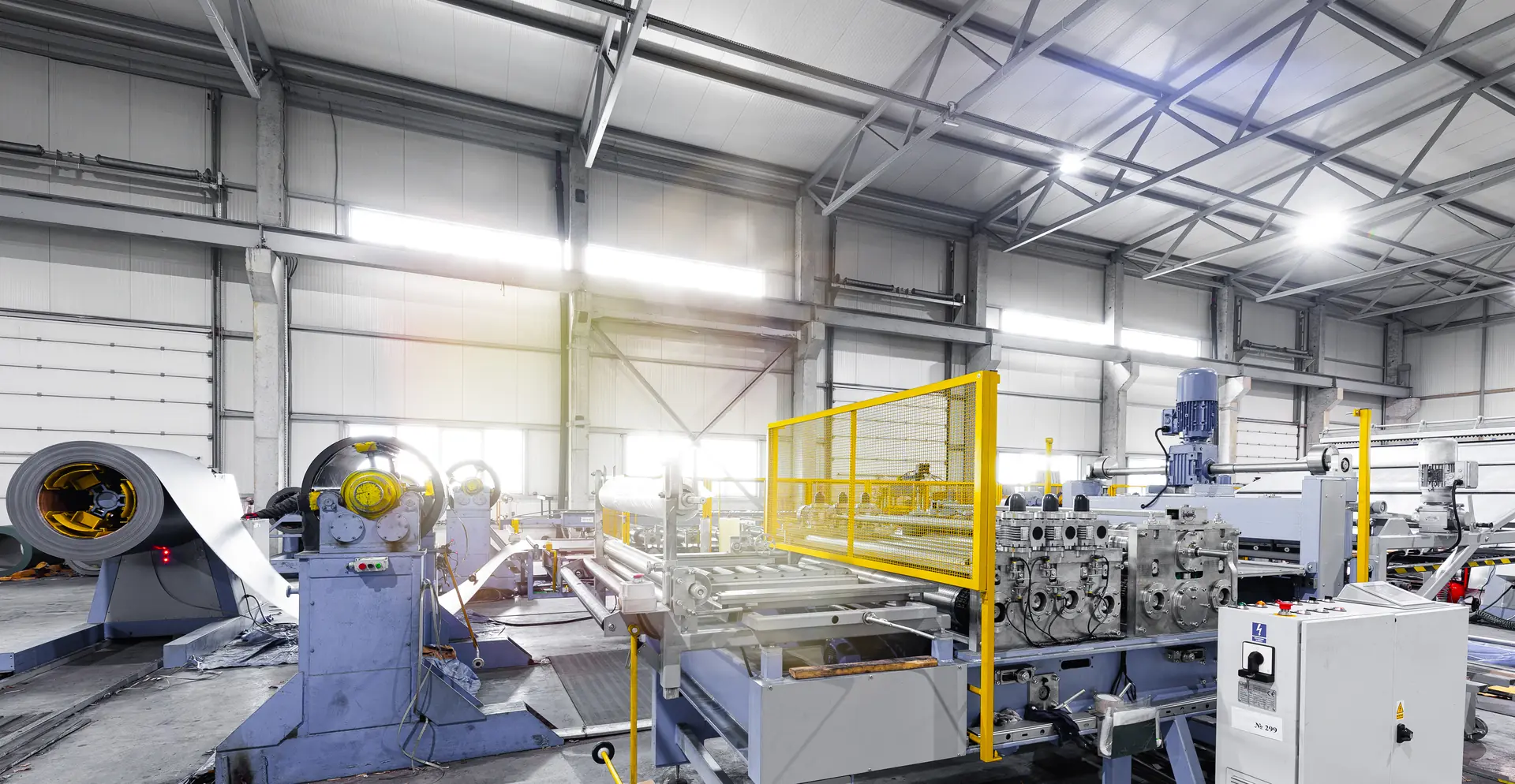
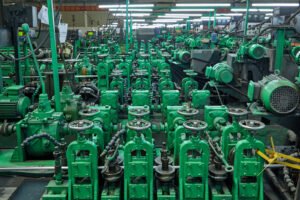
The divergence in capability is stark, and it's creating a two-tier market. On one side, you have workshops using manual or semi-automated processes. These can produce good quality, but they are slow, and consistency can vary from batch to batch. On the other side, you have facilities like ours at MFY, where we've invested heavily in the convergence of advanced technology and logistics. We see this not as a cost, but as a strategic necessity. By automating the polishing lines with multi-head grinders and buffers[^1], we eliminate human error and dramatically increase throughput. This technological edge, combined with a logistics framework that plans shipping routes the moment an order is confirmed, allows us to shrink lead times from weeks to days. This capability directly addresses our clients' most pressing need: a reliable supply of high-quality components that arrives exactly when needed, keeping their high-stakes projects on track.
Traditional vs. Modern Efficiency
The difference is clear when you compare the methods side-by-side.
| Metric | Traditional Finishing & Logistics | Modern Integrated System |
|---|---|---|
| Lead Time | 4-6 weeks | 1-2 weeks |
| Surface Consistency | Variable | Highly Consistent |
| Defect Rate | 3-5% | <0.5% |
| Supply Chain Visibility | Low (Email/Phone) | High (Real-time Tracking) |
This table doesn't just show numbers; it shows a fundamental shift in what's possible.
What challenges are faced in achieving high-efficiency finishing for BA/Mirror-Grade tubes?
Achieving a perfect, flawless mirror finish is incredibly difficult. Scratches, pits, or even a slight haze can lead to the rejection of an entire batch, costing time and money.
Key challenges include maintaining surface consistency across long tube lengths, preventing microscopic defects like scratches and pits, and managing the high costs of specialized equipment and skilled labor. The process is sensitive to material quality and environmental factors, demanding strict process control.
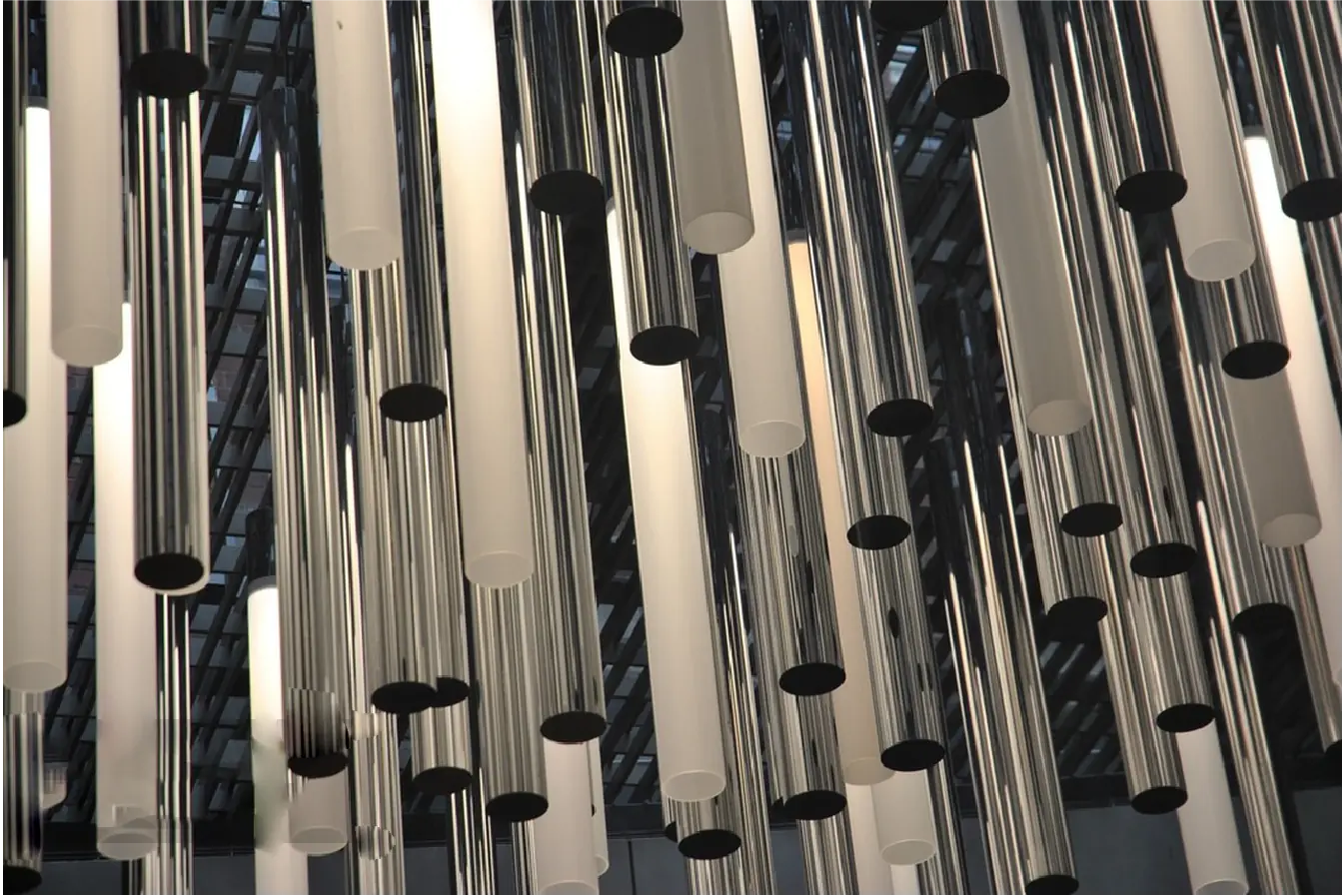
The pursuit of a perfect mirror finish is a battle against physics and economics. Every step of the process, from the raw material to the final buff, is a potential point of failure. I recall a project for a high-end appliance manufacturer where the client's quality control was so stringent they used microscopes to inspect our tubes. We discovered that microscopic dust particles in the air were causing faint scratches during the final polishing stage. The solution was to build a positive-pressure cleanroom environment[^2] for our finishing line—an expensive but necessary step to meet the client's standard. This experience taught us that achieving superior surface quality is about controlling every variable.
Material Consistency
The quality of the final product begins with the raw material. Any inconsistency in the stainless steel coil, such as variations in hardness or chemical composition, will manifest as defects during polishing. This is why our fully integrated supply chain at MFY is such an advantage; we control the quality from the melt shop to the finished tube.
Process Control
The finishing process itself is a multi-stage operation involving grinding, sanding, and buffing with progressively finer abrasives. The speed, pressure, and type of lubricant used at each stage must be precisely calibrated. Too much pressure can cause heat distortion, while too little can leave an uneven finish.
What strategies can be implemented to overcome delivery challenges of stainless steel tubes?
A perfectly finished product is completely useless if it arrives late or damaged. Logistical failures can derail project timelines and destroy client trust, undoing all the hard work done in production.
Effective strategies include integrated supply chain management, strategic inventory positioning, and robust packaging to prevent damage. Partnering with logistics experts and leveraging digital tracking systems provides real-time visibility and minimizes transit delays, ensuring reliability for clients.
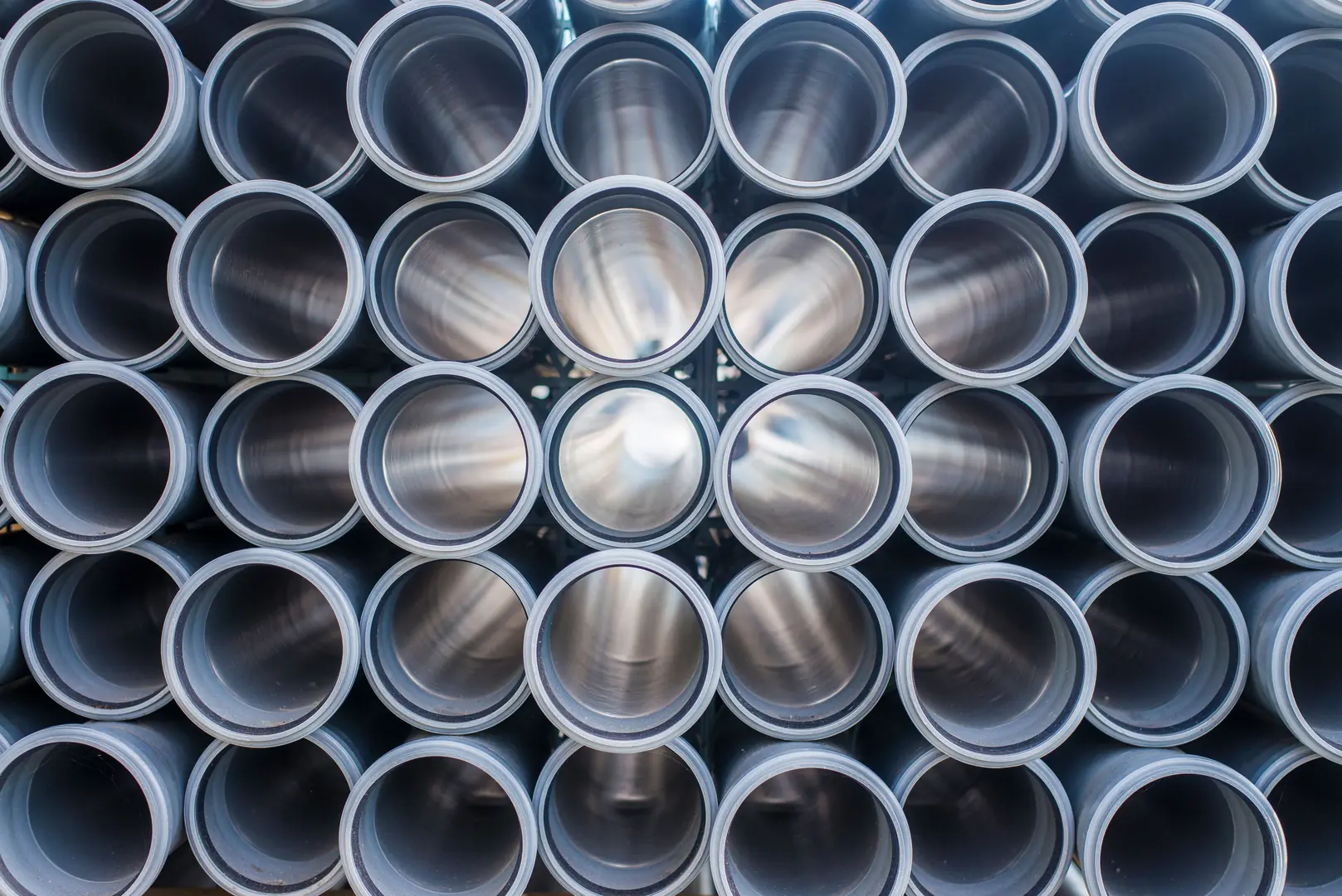
At MFY, we treat logistics not as an afterthought, but as an integral part of our production process. Overcoming delivery challenges requires a proactive, not reactive, mindset. We've built a streamlined logistics framework designed to minimize transit time and protect the product. For instance, our packaging for mirror-grade tubes is a multi-layer system. Each tube is individually sleeved in a soft, non-abrasive film, then bundled and placed in custom-built wooden crates with internal padding to prevent any movement or contact during shipping. This might seem excessive, but when a client in Germany is waiting on these tubes for their automotive production line, a single scratch from poor packaging can halt their entire operation. By investing in robust packaging and partnering with reliable freight forwarders, we are not just shipping steel; we are delivering peace of mind and ensuring our clients' projects succeed.
Key Pillars of an Expedited Delivery System
| Strategy | Action | Impact on Client |
|---|---|---|
| Integrated Logistics | Pre-booking shipping space; customs docs prepared in advance. | Reduced port delays and faster clearance. |
| Protective Packaging | Multi-layer wrapping and custom crating. | Zero damage on arrival, no need for returns. |
| Digital Tracking | Real-time GPS and status updates for all shipments. | Full visibility and predictable arrival times. |
These strategies work together to create a delivery system that is as high-performance as the products we ship.
What are the technical suggestions for improving the finishing process of BA/Mirror-Grade tubes?
Simply wanting to be better isn't enough. Without concrete technical steps, progress is just talk. Specific, targeted upgrades are what deliver real, measurable results in quality and efficiency.
Technical improvements include adopting multi-head automated polishing lines for consistency, using advanced abrasives and cooling lubricants to prevent heat distortion, and implementing real-time optical inspection systems for immediate quality control. These technologies increase throughput and reduce defect rates.
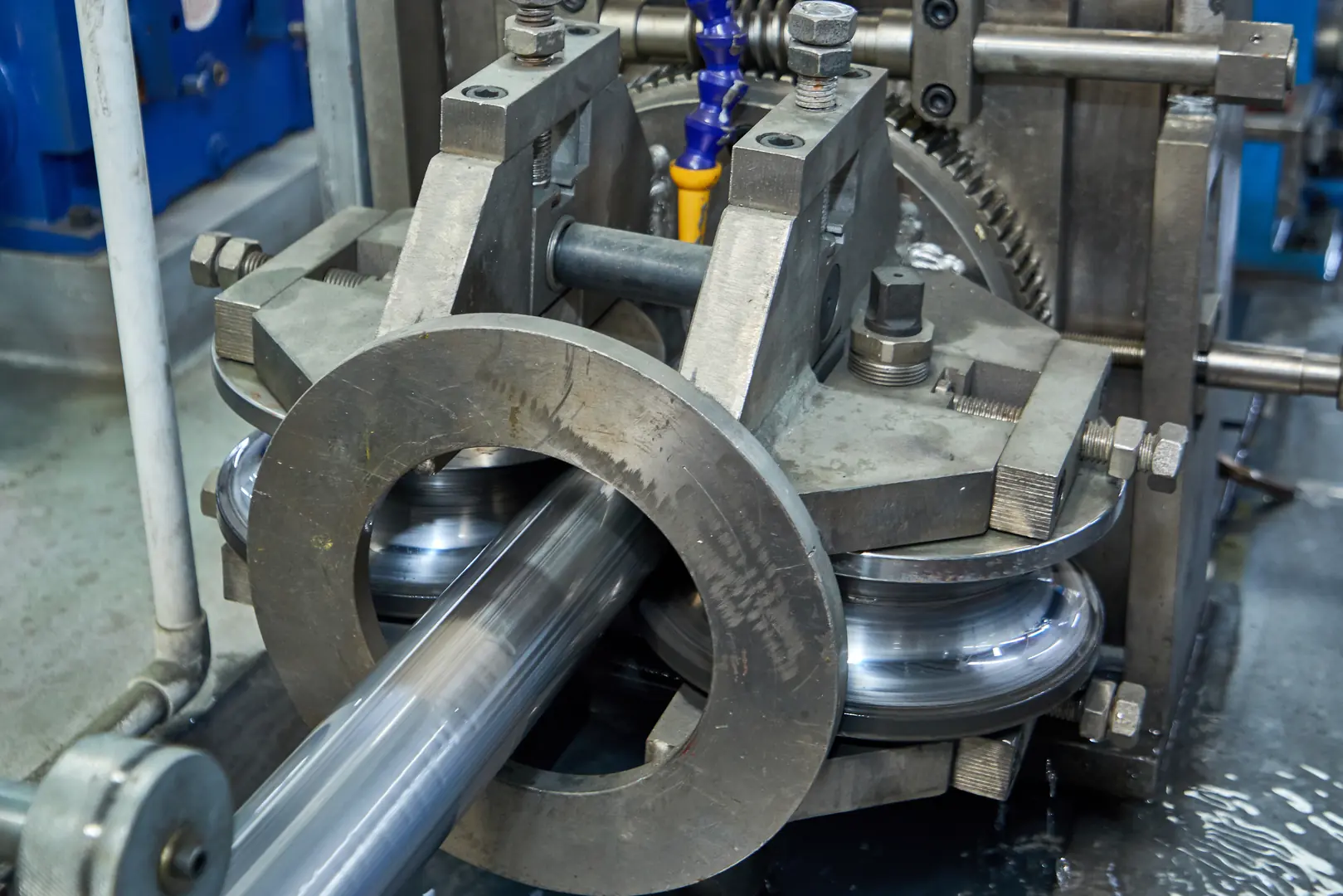
To truly lead in this market, continuous technical innovation is essential. It's about finding and implementing technologies that give you an edge. One of the biggest leaps forward we've made is the implementation of in-line optical inspection systems. Previously, quality control was done by a human inspector at the end of the line. This meant that if a problem occurred—say, a worn-out polishing belt—we might produce hundreds of meters of defective tubing before it was caught. Now, laser scanners and high-resolution cameras monitor the surface of the tube in real-time as it moves through the line. The system can detect a microscopic flaw and instantly alert the operator or even shut down the line automatically. This not only prevents waste but also provides a huge amount of data we can use to further refine and optimize our process, ensuring every tube meets the highest standard.
Automation and Robotics
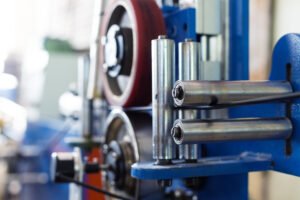
Replacing manual polishing with robotic arms or multi-head automated lines ensures that the exact same pressure and angle are applied consistently across the entire length of every tube, eliminating variation.
Advanced Consumables
The choice of abrasives and lubricants is critical. We've moved to engineered ceramic abrasives that last longer and cut more efficiently. We also use specialized cooling lubricants that dissipate heat rapidly, preventing the warping or discoloration that can occur from friction during high-speed polishing.
Conclusion
Mastering high-efficiency finishing and delivery for BA/Mirror-grade tubes is no longer optional; it's a key market differentiator. By integrating advanced technology with smart logistics, we can meet client demands for speed and quality, securing our position as indispensable partners in a competitive global market.
Have Questions or Need More Information?
Get in touch with us for personalized assistance and expert advice.


 English
  Русский