
Food-Grade Stainless Steel Coiled Tubing: Standards & Applications
Struggling to select the right tubing for your sanitary process? The wrong choice risks product contamination and costly recalls, damaging your brand's reputation. Your solution lies in understanding food-grade standards.
Food-grade stainless steel coiled tubing is defined by its material composition (typically alloys 304L or 316L), superior interior surface finish, and strict adherence to sanitary standards like ASTM A270. This ensures it is non-leaching, corrosion-resistant, and easily cleanable, protecting product purity.
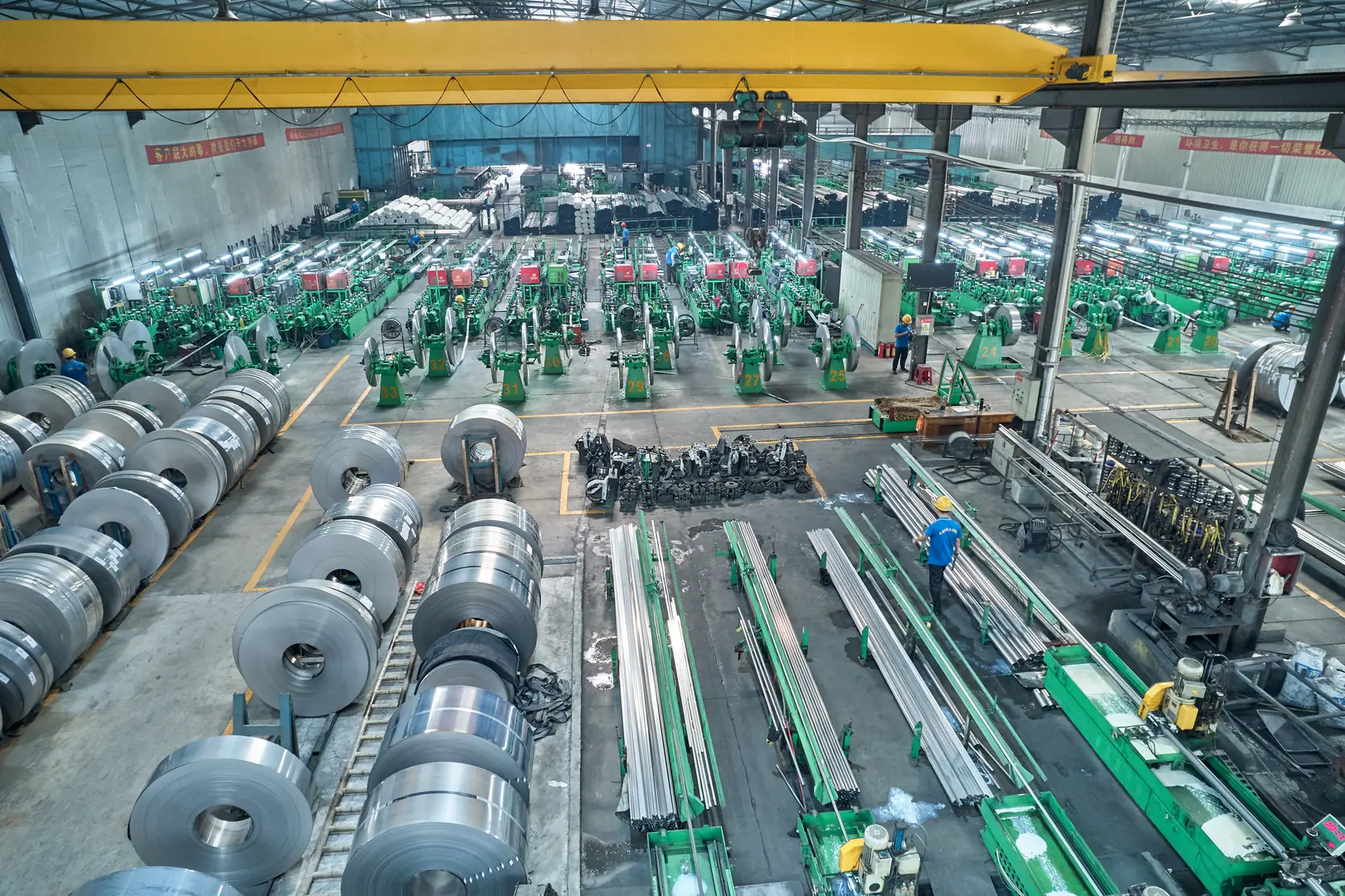
In my years as Global Business Director at MFY, I've seen how critical this single component is to the entire food and beverage supply chain. It’s more than just a piece of metal; it's the lifeline that guarantees the safety and quality of products consumed by millions. Let's explore what truly sets this essential material apart and how you can ensure your operations meet the highest standards of hygiene and efficiency.
Why is Food-Grade Stainless Steel Coiled Tubing So Critical?
Using generic tubing for food applications is a recipe for disaster. It can harbor bacteria, corrode from cleaning agents, and ultimately compromise your entire production line. Food-grade tubing is engineered specifically for hygiene.
It's critical because it has direct contact with consumable products. Its non-porous, corrosion-resistant surface prevents contamination, ensures flavor neutrality, and complies with global health regulations. It is the foundation of safe food and beverage manufacturing, protecting both consumers and brand integrity.
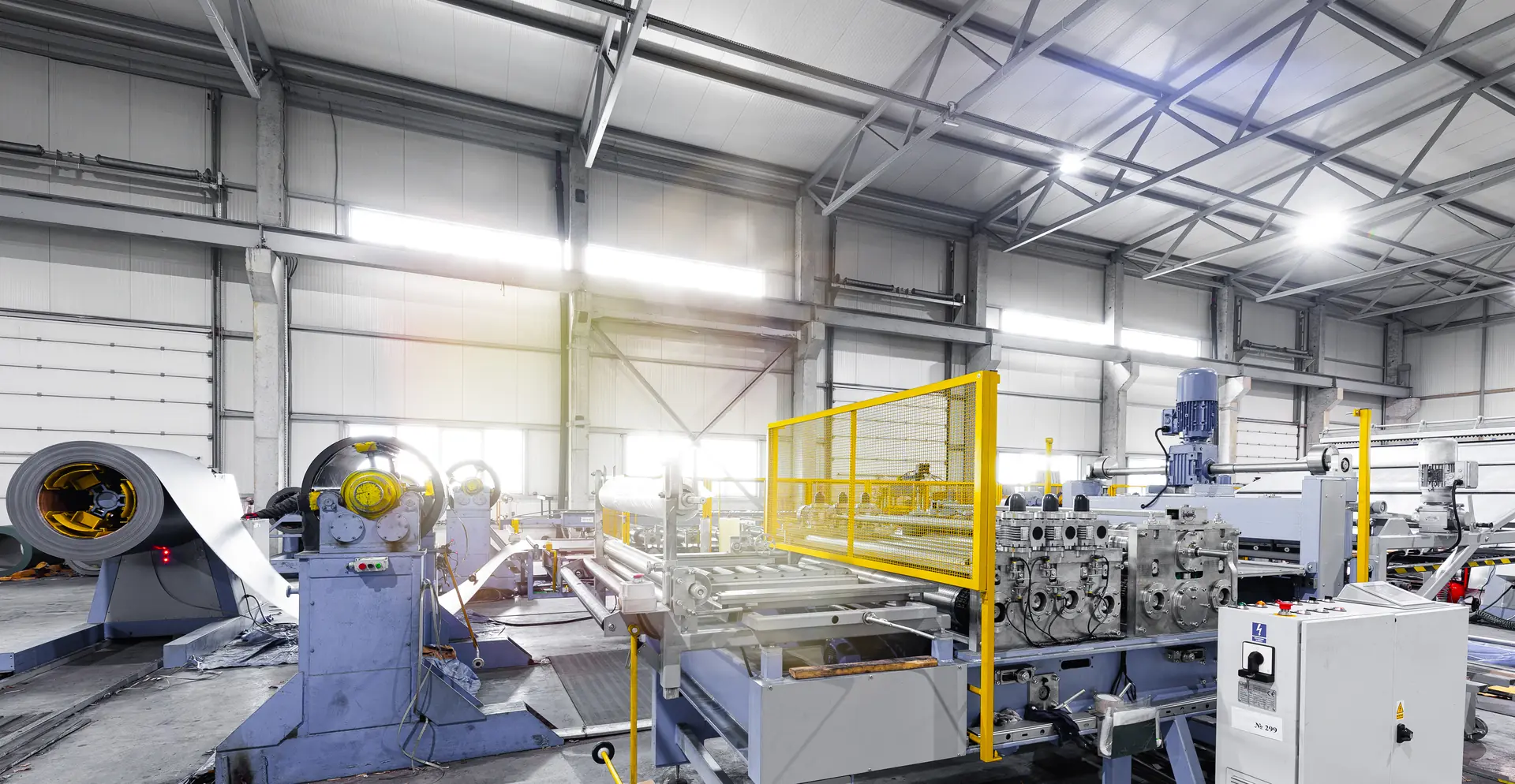
At MFY, we view food-grade tubing as the unsung hero of the processing plant. Its importance goes beyond just meeting a specification; it's about a fundamental commitment to public health. The term "food-grade" isn't just a label; it signifies a specific set of material properties and manufacturing controls designed to create an inert, sanitary environment for everything from dairy and beverages to pharmaceuticals.
The Role of Alloy Composition
The most common alloys we supply for these applications are Type 304L and 316L stainless steel. The "L" stands for "low carbon," which is crucial for preventing corrosion after welding. Type 316L, with its added molybdenum content, offers superior resistance to chlorides and acids, making it essential for processing items like sauces, brines, or citrus products. The choice of alloy is the first and most critical decision in designing a safe and durable system.
Surface Finish: The First Line of Defense
The inside of the tube is where the real magic happens. A smooth, polished, and crevice-free internal surface is vital. Any microscopic pit or flaw can become a breeding ground for bacteria, leading to biofilm formation that is incredibly difficult to remove. That’s why standards mandate specific surface roughness (Ra) values. This pristine surface ensures that Clean-in-Place (CIP) and Sterilization-in-Place (SIP) systems work effectively, maintaining a sterile environment with every production cycle.
What Are the Key Standards for Food-Grade Stainless Steel Tubing?
Navigating the web of industry standards can feel overwhelming. But non-compliance isn't an option—it can lead to failed inspections and operational shutdowns. Focusing on the core standards simplifies everything.
The primary global standards are ASTM A270, which covers Seamless and Welded Austenitic and Ferritic/Austenitic Stainless Steel Sanitary Tubing, and the 3-A Sanitary Standards. These specifications govern material composition, surface finish, fabrication methods, and cleanability to ensure absolute hygiene.
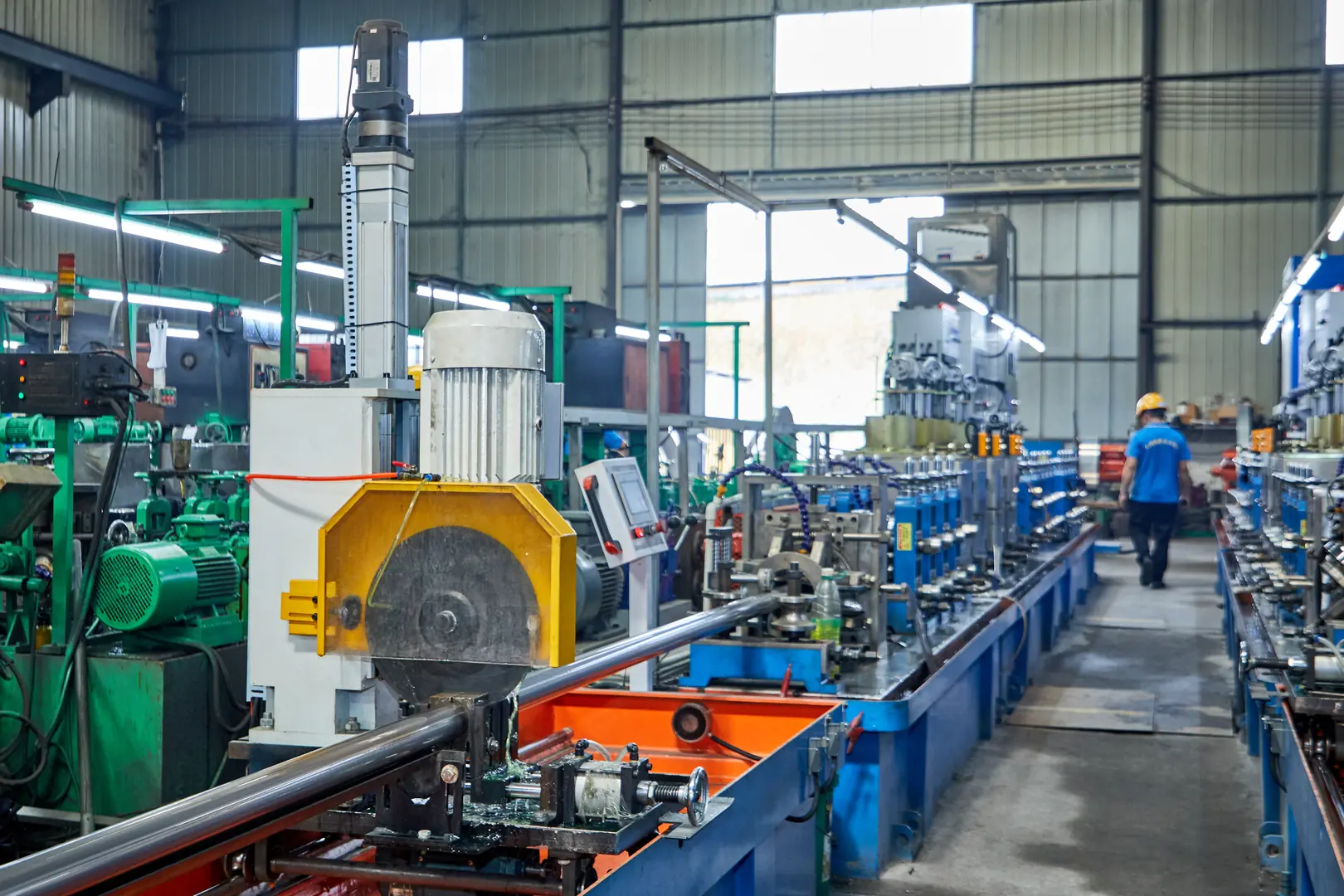
I often tell our clients that these standards are not hurdles to overcome, but rather a blueprint for excellence. They provide a common language for quality and safety across the industry. At MFY, our production processes are built around these very standards, because we know that our clients' success depends on unwavering compliance. Let's break down the two most important ones.
Unpacking ASTM A270
This is the foundational standard for the material itself. It dictates the chemical composition, mechanical properties, and, most importantly, the acceptable interior surface finishes for sanitary tubing. When a client requests tubing compliant with ASTM A270, they are asking for a product that has been manufactured and tested to guarantee it is suitable for hygienic applications. It’s the baseline guarantee of quality.
The 3-A Sanitary Standards Difference
While ASTM A270 focuses on the tube, the 3-A Sanitary Standards focus on the entire system's design and fabrication. These standards were developed to ensure that food processing equipment is designed to be easily disassembled, cleaned, and inspected. For tubing, this means specifying criteria for things like weld quality and connection types to eliminate any areas where bacteria could hide.
Here’s a simple breakdown of their focus:
| Standard | Primary Focus | Key Requirement Example |
|---|---|---|
| ASTM A270 | Material & Manufacturing | Specifies maximum surface roughness (Ra). |
| 3-A Sanitary Standards | Equipment Design & Cleanability | Dictates crevice-free welds and sanitary fittings. |
Adhering to both ensures your system is not only built with the right materials but is also designed for maximum hygiene.
What Challenges Do Companies Face When Implementing Food-Grade Tubing?
Upgrading to a fully compliant food-grade system can seem expensive. But the potential cost of a product recall or contamination scandal is infinitely greater. Understanding the real challenges helps you plan.
The main challenges include the higher initial investment for certified materials, the need for specialized installation skills like orbital welding, and the increasing demand for complete material traceability. Sourcing from a reliable, transparent supplier is crucial to mitigating these risks.
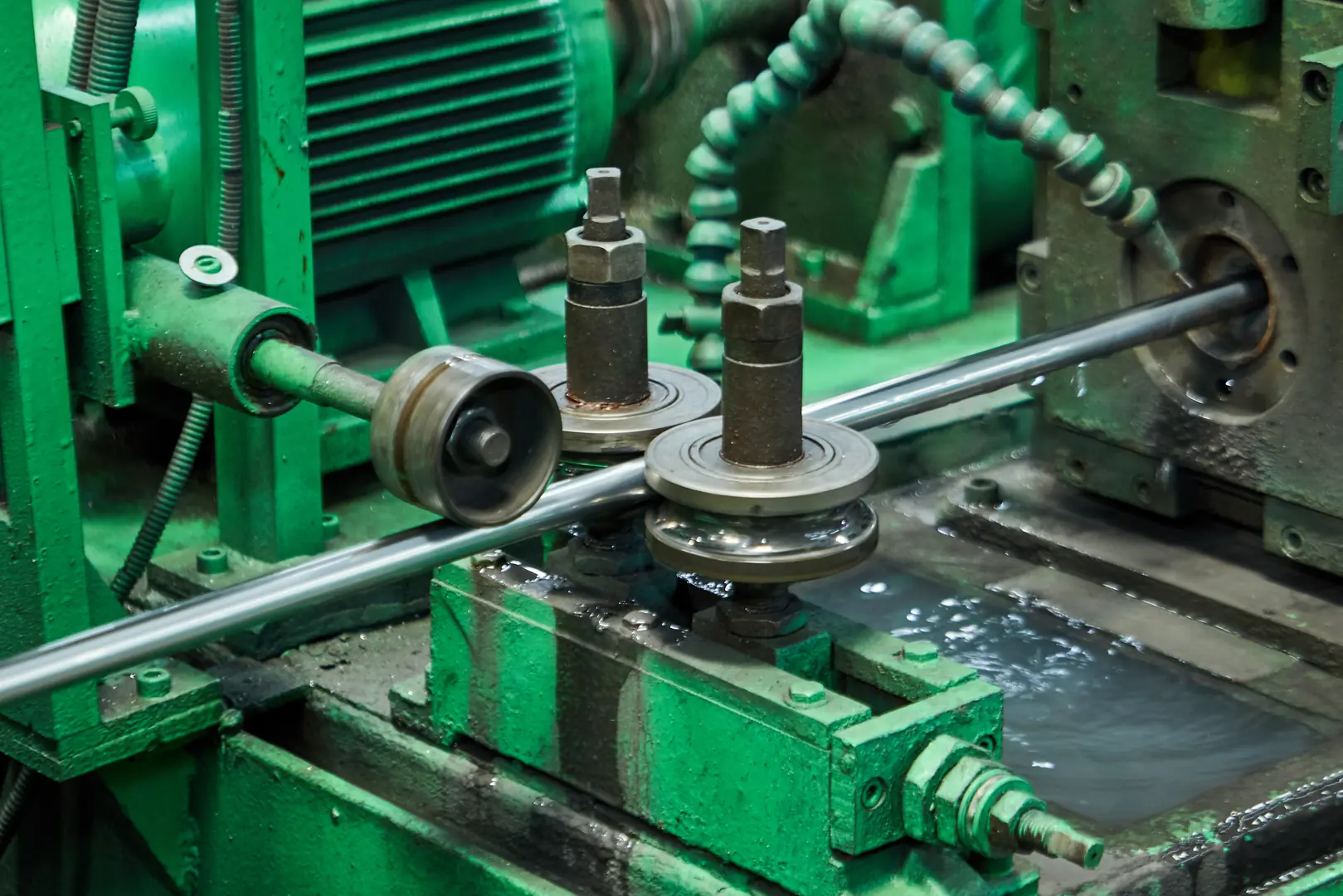
We work with companies around the world, from Southeast Asia to the Middle East, and we see them facing similar hurdles. These challenges, however, also present an opportunity for businesses to differentiate themselves by demonstrating a superior commitment to quality and safety.
The Cost vs. Value Equation
Yes, ASTM A270-compliant tubing costs more than standard industrial tubing. The raw materials are higher quality, and the manufacturing process, especially the interior polishing, is more intensive. However, I always frame this as an investment, not an expense. This initial outlay pays for itself through reduced downtime for cleaning, lower risk of product loss, longer equipment lifespan, and, most importantly, brand protection.
The Skill Gap in Installation
You can buy the best tubing in the world, but if it's welded improperly, the entire system is compromised. A bad weld creates crevices and heat tint that can harbor bacteria and corrode. This is why orbital welding, an automated and highly precise process, is the industry best practice. The challenge is that it requires trained technicians and specialized equipment, representing another layer of investment in both people and technology.
The Rise of Supply Chain Scrutiny
This is a trend I've seen accelerate dramatically. Our customers, and their customers in turn, are no longer just asking for a certificate. They want to know where the raw materials came from. They are demanding transparency. This push for complete material traceability and sustainability is a major shift. It requires suppliers like us to have robust digital systems to track every coil from the mill to the final product, ensuring accountability throughout the entire supply chain.
How Can We Overcome These Food-Grade Tubing Challenges?
These challenges can seem daunting, but they are not insurmountable. Ignoring them puts your business at risk, so a strategic approach involving partnership, training, and technology is the only path forward.
Overcome these hurdles by partnering with a certified supplier like MFY who provides full material traceability. Invest in training your teams on sanitary installation best practices, particularly orbital welding. And implement a strict internal quality control system to verify compliance from procurement to final inspection.
At MFY, we don't just sell steel; we provide solutions. Our integrated supply chain and commitment to innovation are designed to directly address these industry pain points. We believe that the right supplier is a partner who helps you navigate complexity, not just a vendor who fulfills an order.
Strategic Supplier Partnership
Your relationship with your tubing supplier should be a partnership. A reliable partner provides more than just a product; they provide documentation, technical support, and confidence. They should be able to offer Mill Test Reports (MTRs) for every piece of tubing, guaranteeing its chemical composition and compliance. We've built our reputation on this transparency, ensuring our clients can face any audit with complete assurance.
Investing in Your Team's Expertise
Empower your installation and maintenance teams with the right knowledge. We often advise our clients to invest in certified training programs for sanitary welding and system design. A well-trained team can identify potential issues before they become problems, ensuring that the integrity of the sanitary system is maintained throughout its lifecycle. This investment in human capital is just as important as the investment in physical materials.
Leveraging Technology for Traceability
The future of supply chain management is digital. We are actively developing software and systems that provide our clients with unprecedented visibility into their material's journey. This digital traceability answers the growing demand for sustainability and ethical sourcing. By choosing a forward-thinking partner, you not only ensure compliance today but also position your company as a leader in a more transparent and responsible industry.
What Are Our Top Technical Recommendations for Food-Grade Applications?
A small technical error during design or installation can compromise an entire system. This can lead to persistent contamination issues, costly downtime, and significant product loss. Following key best practices is non-negotiable.
Our top recommendations: select the correct alloy (316L for corrosive products), specify a smooth internal surface finish (20 µ-in Ra or better), mandate orbital welding for all joints, and design the system for complete drainage to prevent microbial growth.
Based on decades of experience in MFY's R&D and production departments, we've distilled the most critical technical points into a simple guide. These aren't just suggestions; they are foundational principles for any company serious about food safety and operational excellence. Getting these details right from the start saves immense trouble down the line.
A Practical Guide to Sanitary System Design
We've put together a table of our core recommendations. Think of this as a checklist for your next project or system audit. Following these guidelines will help ensure your operations are safe, efficient, and compliant with the highest industry standards.
| Recommendation | Why It Matters | MFY's Approach |
|---|---|---|
| Select the Right Alloy | Mismatched alloys lead to corrosion. 316L is vital for acidic or high-chloride products. | We provide expert consultation to help clients choose the optimal alloy for their specific application. |
| Specify Surface Finish | A rough surface (high Ra value) harbors bacteria. A polished surface ensures effective cleaning. | Our manufacturing process includes advanced polishing techniques to meet and exceed ASTM A270 standards. |
| Use Orbital Welding | Manual welding can create pits and crevices. Orbital welding creates a smooth, consistent, sanitary seam. | We advise all clients on the importance of this technique and can connect them with installation experts. |
| Design for Drainability | Any "dead legs" or low points in the tubing system can trap liquid, allowing bacteria to grow. | We encourage designs with sloped lines and minimal dead ends to ensure the system drains completely after cleaning. |
By embedding these technical principles into your engineering and maintenance protocols, you build a system that is not just compliant, but truly resilient.
Conclusion
Choosing the right food-grade tubing is not just a procurement decision. It's a fundamental commitment to safety, quality, and the integrity of your brand. Partner with an expert to ensure compliance.
Have Questions or Need More Information?
Get in touch with us for personalized assistance and expert advice.




 English
  Русский