Duplex vs 316L Pipe: Strength-to-Weight & Corrosion Comparison
Are you struggling to choose between Duplex stainless steel1 and 316L for your piping project? Specifying the wrong material can lead to overspending on an over-engineered system or, far worse, catastrophic failures from under-engineering, putting your entire operation and budget at significant risk.
Duplex stainless steel offers a superior strength-to-weight ratio and significantly better corrosion resistance], particularly against chloride stress corrosion cracking, compared to 316L. This makes Duplex the optimal choice for demanding applications where durability and lifecycle cost are the primary concerns.
This decision is more than a line item on a bill of materials; it's a critical choice that impacts structural design, project timelines, long-term maintenance costs, and overall safety. The apparent simplicity of sticking with a familiar grade like 316L can mask hidden costs and risks that emerge only after installation. As the Global Business Director at MFY, I’ve guided countless clients through this exact evaluation. This guide will provide a clear, practical comparison to help you make an informed decision that balances performance with value.
Making the right choice requires moving beyond traditional material specifications and embracing a more holistic view of the project's lifecycle. It involves understanding not just the initial purchase price, but the total cost of ownership. The higher yield strength of Duplex steel doesn't just make it stronger; it allows for lighter designs, which translates into savings on transportation, support structures, and installation. Its superior corrosion resistance means a longer, more reliable service life with fewer maintenance interventions. This guide is designed to dissect these key differences, providing the data and real-world context you need to justify your material selection with confidence, whether you're presenting to stakeholders or managing a construction budget.
What are the key material properties of Duplex and 316L pipes?
Choosing the right pipe material can feel overwhelming with all the technical data. Without a clear understanding of the fundamental properties of Duplex and 316L stainless steel, engineers and purchasers risk making a choice that is ill-suited for their application's specific demands.
Duplex stainless steel features a mixed austenite-ferrite microstructure, providing high strength and excellent corrosion resistance. In contrast, 316L is an austenitic grade with lower strength but good general corrosion resistance, enhanced by its molybdenum content. The primary difference lies in Duplex's superior mechanical properties.
These distinct properties are not just academic details; they are the very DNA of each material, dictating how they will perform under real-world pressures and corrosive attacks. The austenitic structure of 316L makes it highly formable and easy to weld, which is why it has been a trusted workhorse for decades. However, the innovative dual-phase microstructure of Duplex steel represents a significant leap in performance, offering a combination of strength and corrosion resistance that austenitic grades simply cannot match. I often speak with engineering contractors who are hesitant to move away from the familiar territory of 316L. Yet, once we walk them through the comparative data and the long-term benefits, the logic of specifying Duplex for more demanding roles becomes undeniable. This shift in thinking from "what has always been used" to "what is best for the job" is a hallmark of modern, efficient engineering. At MFY, our role is to facilitate this transition by providing both the advanced materials and the technical knowledge to deploy them effectively.
To make an informed decision between Duplex and 316L stainless steel, it is essential to move beyond surface-level descriptions and delve into the specific material properties that govern their performance. These properties, rooted in their distinct microstructures and chemical compositions, directly influence their behavior in terms of strength, toughness, and resistance to environmental degradation.
The Microstructural Divide: Austenite vs. a Balanced Act
The most fundamental difference between 316L and Duplex stainless steel lies in their crystal structure, or microstructure. Grade 316L (UNS S31603) is an austenitic stainless steel. This means its primary microstructure is a face-centered cubic (FCC) crystal structure known as austenite. This structure is non-magnetic, highly ductile, and offers good general corrosion resistance and excellent weldability. The "L" designation indicates a low carbon content (less than 0.03%), which is crucial for preventing chromium carbide precipitation at grain boundaries during welding, thereby preserving its corrosion resistance in the heat-affected zone.
Duplex stainless steels, such as the common grade 2205 (UNS S32205), are fundamentally different. They are engineered to have a mixed microstructure consisting of approximately 50% austenite and 50% ferrite (a body-centered cubic, or BCC, crystal structure). This two-phase structure is the source of its remarkable properties. The ferritic phase contributes high strength and excellent resistance to chloride stress corrosion cracking (SCC), while the austenitic phase provides good toughness, weldability, and general corrosion resistance. It's this carefully balanced combination that allows Duplex steel to outperform standard austenitic grades in many of the most challenging industrial environments.
This microstructural difference is not a random occurrence; it's a result of precise alloying. Duplex steels have higher chromium and molybdenum content than 316L, which enhances corrosion resistance, but also contain nitrogen as a key alloying element. Nitrogen acts as a powerful austenite stabilizer and also significantly increases the steel's strength and pitting resistance. This deliberate, advanced alloy design is what sets Duplex apart as a high-performance material.
A Comparative Look at Mechanical and Chemical Properties
When comparing these two materials, a quantitative analysis highlights the significant advantages offered by Duplex steel. The most striking difference is in yield strength—the point at which the material begins to deform permanently. Duplex 2205 has a typical minimum yield strength of around 450 MPa (65 ksi), which is more than double that of 316L's typical 220 MPa (32 ksi). This has profound implications for design, as it allows for components with thinner cross-sections to withstand the same amount of pressure, leading to significant weight savings.
In terms of corrosion resistance, the key differentiator is the Pitting Resistance Equivalent Number (PREN). This value, calculated as $PREN = \%Cr + 3.3 \times \%Mo + 16 \times \%N$, provides an empirical measure of a material's resistance to localized pitting corrosion from chlorides. A higher PREN indicates better resistance. As shown in the table below, the difference is substantial and explains why Duplex is favored in chloride-rich environments like marine applications or chemical processing plants.
| Property | 316L Stainless Steel | Duplex 2205 Stainless Steel | Impact on Application |
|---|---|---|---|
| Microstructure | ~100% Austenitic | ~50% Austenite / 50% Ferrite | Duplex structure provides higher strength and SCC resistance. |
| Min. Yield Strength | ~220 MPa (32 ksi) | ~450 MPa (65 ksi) | Duplex allows for thinner walls, reducing weight and cost. |
| Tensile Strength | ~515 MPa (75 ksi) | ~655 MPa (95 ksi) | Higher overall strength and durability for Duplex. |
| PREN (Typical) | ~25 | ~35 | Duplex has significantly better resistance to chloride pitting. |
| Density | ~8.0 g/cm³ | ~7.8 g/cm³ | Minor difference, but Duplex's strength advantage outweighs this. |
| Chloride SCC Resistance | Susceptible above 60°C | Highly Resistant | Duplex is essential for hot chloride environments. |
This data provides a clear, objective basis for material selection. While 316L is an excellent material for many general-purpose applications, the superior mechanical and corrosion properties of Duplex 2205 make it a technically superior choice for systems facing higher stress and more aggressive corrosive media.
Beyond the Numbers: Practical Implications for MFY's Clients
At MFY, we translate this technical data into practical advice for our diverse clients. For a manufacturing company building chemical reactors, the high strength and SCC resistance of Duplex means a safer, longer-lasting vessel, especially when dealing with hot chlorinated solutions. For an engineering contractor designing an offshore platform, the higher strength-to-weight ratio is a massive advantage. Using Duplex piping significantly reduces the overall weight that the platform's structure must support, leading to cascading cost savings throughout the entire project design.
I recall working with a distributor in India whose customers were experiencing premature failures in 316L pipes used in a coastal pulp and paper mill. The combination of chlorides from the marine air and chemicals used in the process was proving too much for the 316L. We helped them transition their stock and educate their clients on the benefits of Duplex 2205. The switch resulted in a dramatic reduction in maintenance cycles and shutdowns for their end-users. This isn't just about selling a more expensive pipe; it's about providing a more valuable, long-term solution. Our ability to supply a full range of products, backed by a robust, innovation-driven supply chain, allows our clients to make the optimal choice for every application.
Duplex has higher yield strength than 316LTrue
Duplex 2205's yield strength (~450 MPa) is more than double that of 316L (~220 MPa), allowing for thinner, lighter designs.
316L is better for chloride environmentsFalse
Duplex's higher PREN (~35 vs 25) and dual-phase microstructure make it far superior in chloride-rich environments, especially against stress corrosion cracking.
How do the strength-to-weight ratios of Duplex and 316L pipes compare?
Specifying oversized, heavy piping systems increases material costs, complicates installation, and adds unnecessary load to structural supports. Engineers need a way to design strong, reliable systems without the penalty of excessive weight, but often default to familiar, heavier materials.
Duplex stainless steel exhibits a significantly higher strength-to-weight ratio than 316L. With more than double the yield strength and a slightly lower density, a Duplex pipe can handle the same pressure as a 316L pipe with a substantially thinner wall, leading to major weight savings.
This advantage is not merely academic; it translates directly into tangible project benefits. The ability to use a lighter pipe for the same performance duty creates a ripple effect of savings. It starts with lower initial material costs due to reduced tonnage, but it doesn't end there. Lighter pipes are cheaper to transport, easier to handle on-site, require less heavy lifting equipment, and impose a smaller load on supporting structures like pipe racks and building frames. In my experience discussing projects with contractors, the conversation often begins with corrosion but quickly turns to weight, especially for modular systems or offshore applications. They are constantly searching for ways to reduce weight without compromising safety or integrity. Duplex stainless steel is often the perfect answer. At MFY, our integrated production and export network ensures that these high-strength materials are readily available to our clients globally, enabling them to leverage this critical advantage in their designs and gain a competitive edge in their bids.
The concept of the strength-to-weight ratio is a critical performance metric in modern engineering, representing the efficiency of a material. A high ratio indicates a material that provides substantial strength for minimal mass. In the comparison between Duplex and 316L stainless steel, this is where Duplex establishes one of its most compelling value propositions, offering a pathway to lighter, more cost-effective, and elegant engineering designs.
The Engineering Principle: Pressure, Stress, and Wall Thickness
The required thickness of a pipe wall is determined by the internal pressure it must contain and the allowable stress of the material, as defined by design codes like ASME B31.32 for process piping. A simplified version of the formula for calculating minimum required wall thickness ($t$) is:
$t = \frac{PD}{2(SE+PY)}$
Where P is the internal design pressure, D is the pipe's outside diameter, S is the allowable stress for the material at the design temperature, E is a quality factor, and Y is a temperature coefficient. The most important variable in this equation for our comparison is S, the allowable stress, which is directly derived from the material's yield strength.
Because Duplex 2205 has more than double the yield strength of 316L, its corresponding allowable stress (S) value is significantly higher. Looking at the formula, a higher S value in the denominator directly results in a lower required wall thickness (t) for the same pressure (P) and diameter (D). This is the fundamental engineering principle behind the weight savings. A Duplex pipe can safely handle the same pressure as a 316L pipe with a substantially thinner wall.
This isn't a marginal difference. For a typical high-pressure application, a Duplex pipe might be specified with a Schedule 10S wall thickness, whereas the equivalent 316L pipe might require a much heavier Schedule 40S wall. This reduction in wall thickness can easily lead to weight savings of 50% or more for the piping system itself. This is a direct, quantifiable advantage that begins the moment the material is specified.
From Weight Reduction to Cost Savings: A Ripple Effect
The benefits of a higher strength-to-weight ratio extend far beyond the initial material purchase. While using a thinner wall reduces the total tonnage of steel required, which in itself is a significant cost saving, the secondary financial advantages are often even more substantial. At MFY, we work closely with engineering, procurement, and construction (EPC) contractors, and they are acutely aware of these cascading benefits.
First, there's logistics. The cost of shipping steel from our facilities in China to a project site in the Middle East or Russia is calculated by weight. Halving the weight of the piping system directly halves the transportation cost for that component. Second, there's installation. Lighter pipes are easier and faster for crews to handle on site. They may require smaller cranes or even allow for manual handling in certain situations, reducing the need for heavy equipment rentals and shortening installation timelines. Faster installation translates directly into lower labor costs.
Third, and perhaps most critically for large-scale projects, is the reduced load on supporting infrastructure. Lighter pipes require less robust and therefore less expensive pipe racks, hangers, and structural steel supports. On an offshore oil and gas platform or a densely packed modular chemical plant, where every kilogram of topside weight is scrutinized and carries a massive cost penalty, this advantage is paramount. The decision to use Duplex can influence the design and cost of the entire facility's structural frame.
Case Study: Optimizing a Skid-Mounted Desalination Unit
Let me share a practical example. A key client of ours, an equipment integrator in Southeast Asia, specializes in building containerized, skid-mounted water treatment systems for industrial use. Their primary competitive advantages are mobility and rapid deployment. For a new series of reverse osmosis skids, they were initially designing with 316L piping for the high-pressure lines. The weight of the Schedule 40S 316L pipes was pushing the total skid weight close to the limit for standard road transport and crane lifting capacities.
They approached MFY for a solution. Our technical team collaborated with their engineers, proposing a switch to Duplex 2205. By using thin-wall Schedule 10S Duplex pipes, we were able to achieve the same pressure rating while reducing the piping system's weight by over 60%. This single change brought the total skid weight well within their logistical limits. It also had an aesthetic benefit, resulting in a cleaner, less bulky design.
The slightly higher per-kilogram cost of the Duplex raw material was completely eclipsed by the savings. They avoided the need for specialized, heavy-haul transport and simplified their site installation process. Furthermore, they could now market their skid as "lightweight and high-performance," adding a new layer of value for their customers. Our ability to provide rapid, reliable delivery of the Duplex tubes was crucial for them to make this change without disrupting their production schedule. This is a perfect illustration of how the superior strength-to-weight ratio of Duplex creates tangible, compounding value throughout a project's lifecycle.
Duplex has higher strength-to-weight ratio than 316LTrue
Duplex stainless steel has more than double the yield strength of 316L with slightly lower density, allowing thinner walls for equivalent pressure ratings.
316L requires thicker walls than DuplexFalse
Actually, Duplex can achieve the same pressure rating with thinner walls (e.g., Schedule 10S) compared to 316L (often requiring Schedule 40S).
What are the differences in corrosion resistance between Duplex and 316L pipes?
Corrosion is the silent killer of industrial piping systems, leading to costly leaks, unplanned shutdowns, and safety hazards. Choosing a material based on general assumptions about corrosion can be disastrous when faced with specific, aggressive chemical environments.
Duplex stainless steel offers superior corrosion resistance to 316L, particularly against chloride-induced pitting, crevice corrosion, and stress corrosion cracking (SCC). Its higher chromium, molybdenum, and nitrogen content, reflected in a higher PREN value, provides greater durability in aggressive environments.
This difference in corrosion resistance is the most critical factor for ensuring the long-term integrity and safety of a plant. While 316L performs admirably in many situations, it has well-documented vulnerabilities, especially in the presence of warm chlorides. The consequences of a corrosion-related failure can range from a minor leak to a catastrophic rupture, impacting production, safety, and the environment. I have seen firsthand how a single, preventable failure can erode a company's bottom line and reputation. This is why a deeper understanding of corrosion mechanisms is not just for metallurgists; it's essential for anyone responsible for specifying or purchasing materials for critical applications. At MFY, we see it as our duty to ensure our clients are fully aware of these differences, empowering them to select a material that provides true, lasting peace of mind. Our extensive inventory of Duplex pipes is a direct response to the industry's growing need for more reliable solutions.
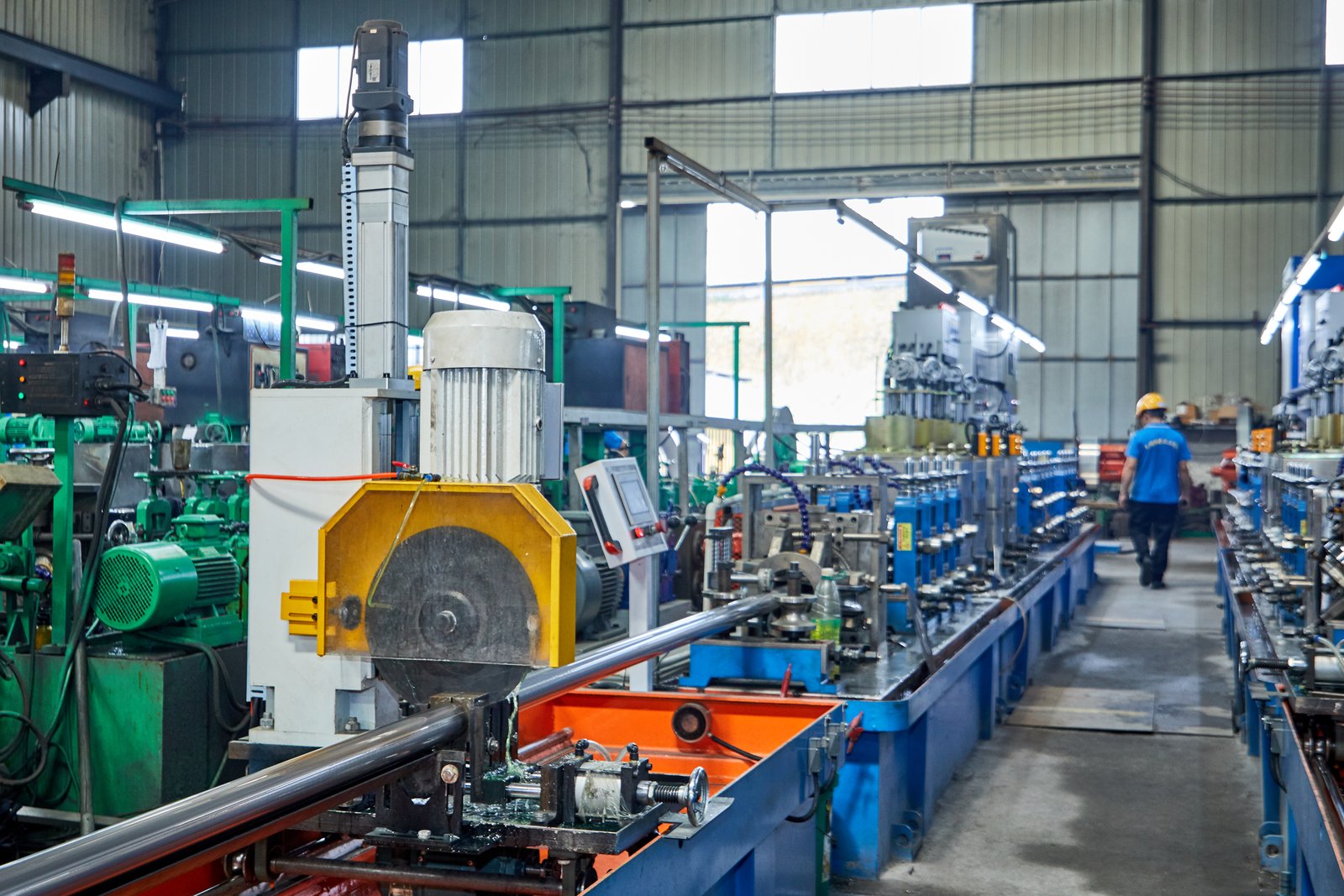
The term "corrosion resistance" is not a single property but a summary of a material's ability to withstand various forms of chemical attack. While both 316L and Duplex 2205 are considered "corrosion-resistant," their performance differs dramatically when exposed to the specific challenges common in chemical processing, marine, and oil and gas environments. The superiority of Duplex steel is rooted in its optimized chemical composition and its unique two-phase microstructure.
The Battle Against Localized Corrosion: Pitting and Crevice Attack
General corrosion, where a material corrodes uniformly across its surface, is less of a concern for both 316L and Duplex in most applications. The real threat is localized corrosion, which occurs at specific points and can lead to rapid perforation of a pipe wall. The two most common forms are pitting and crevice corrosion, both of which are primarily initiated by chloride ions. The Pitting Resistance Equivalent Number (PREN) is the best indicator of a material's ability to resist these attacks.
Grade 316L, with a typical PREN of around 25, offers decent protection in mild environments. However, in seawater (which contains about 3.5% chlorides) or in many chemical process streams, it operates at the edge of its capabilities. Pitting can initiate, especially at higher temperatures. Crevice corrosion, which attacks shielded areas like flange joints or under deposits, is an even greater risk for 316L, as the local chemistry within the crevice can become far more aggressive than the bulk environment.
Duplex 2205, with its higher chromium, molybdenum, and nitrogen content, boasts a PREN of around 35. This isn't just a marginal improvement; it represents a significant leap in performance. This higher PREN means that Duplex 2205 can withstand higher chloride concentrations and higher temperatures before pitting or crevice corrosion will initiate. This provides a much larger margin of safety, making it a far more reliable choice for any system handling seawater, brackish water, or chloride-containing chemicals. For MFY's clients in the manufacturing and construction sectors, this translates to longer service life and greatly reduced risk of unexpected failures.
The Critical Failure Mode: Chloride Stress Corrosion Cracking (SCC)
Perhaps the most decisive advantage of Duplex steel over austenitic grades like 316L is its outstanding resistance to chloride stress corrosion cracking (SCC). SCC is a particularly insidious failure mechanism that can occur when a susceptible material is exposed to a combination of tensile stress (which can be from operational pressure or even residual stress from welding), a corrosive environment (specifically chlorides), and elevated temperatures. It can lead to a sudden, brittle-like fracture of a normally ductile material, often with little or no warning.
Austenitic stainless steels, including 316L, are notoriously susceptible to SCC at temperatures above approximately 60°C (140°F). This makes them a risky choice for any hot chloride service, such as in heat exchangers, hot water systems in coastal areas, or many chemical processing applications. The ferritic phase in the Duplex microstructure provides a powerful defense against this form of attack. The duplex structure effectively disrupts the path of a potential crack, making the material highly resistant to SCC in the vast majority of industrial conditions.
I consulted on a project for a food processing plant in Southeast Asia where they used 316L pipes to transport a hot, slightly saline brine solution. The system operated at 80°C. Within two years, they experienced multiple leaks due to fine cracks that appeared near welds. A failure analysis confirmed SCC. They were forced into a costly emergency replacement of the entire piping system. We supplied them with Duplex 2205 pipes from our ready inventory, which completely solved the problem. This case perfectly illustrates why understanding SCC is critical; for applications involving both heat and chlorides, Duplex is not just a better option, it is often the only safe and reliable option.
Broader Chemical Resistance and Application Fit
Beyond chlorides, the overall alloy content of Duplex 2205 gives it a broader range of resistance in various chemical environments compared to 316L. It performs well in the presence of many organic acids and offers good resistance to sulfide stress cracking, making it a valuable material in the oil and gas industry for handling "sour" (H₂S-containing) products.
This doesn't mean 316L is without its place. For applications where chloride concentrations are low, temperatures are moderate, and there is no risk of SCC, 316L remains an excellent and highly cost-effective choice. Examples include piping for freshwater systems, many pharmaceutical and food processing applications (where hygiene is key and the environment is not aggressive), and architectural uses.
The key, as we always advise our clients at MFY, is to match the material to the specific environment. As a supplier with a fully integrated supply chain for both austenitic and duplex products, we have no bias. Our goal is to provide the optimal solution. We guide our clients—from distributors to large-scale contractors—to use 316L where it makes sense and to invest in the superior performance of Duplex where the service conditions demand it. This ensures both safety and economic efficiency.
Duplex resists SCC better than 316LTrue
Duplex's two-phase microstructure provides superior resistance to chloride stress corrosion cracking compared to 316L's austenitic structure.
316L outperforms in all environmentsFalse
316L has well-documented vulnerabilities in chloride-rich and high-temperature environments where Duplex excels.
How do these differences impact the selection of pipes for specific applications?
Engineers and project managers often face the challenge of translating technical material data into a decisive, defensible procurement choice. Without a clear framework, they risk selecting a pipe that is either too expensive for the job or dangerously under-specified.
The choice between Duplex and 316L stainless steel hinges on the application's specific demands. Duplex is essential for high-stress, corrosive environments like marine, chemical, and oil & gas sectors due to its strength and SCC resistance. 316L remains a cost-effective workhorse for less demanding general industrial applications.
This application-driven selection process is the cornerstone of responsible engineering and smart procurement. It’s about moving past a "one-size-fits-all" mentality and adopting a tailored approach that optimizes cost, safety, and longevity. The decision impacts every phase of a project, from the initial design calculations and weight estimates to the long-term maintenance schedule and risk assessment. As a key supplier to major industries, MFY has a unique vantage point on how these choices play out in the real world. We see clients who thrive by leveraging the performance of Duplex in critical systems and others who wisely manage costs by using 316L in suitable, less aggressive roles. Our mission is to provide the materials and expertise that enable this intelligent decision-making, ensuring that every pipe we deliver is not just a product, but the right solution for the intended job, contributing to the overall success and profitability of our clients' projects.
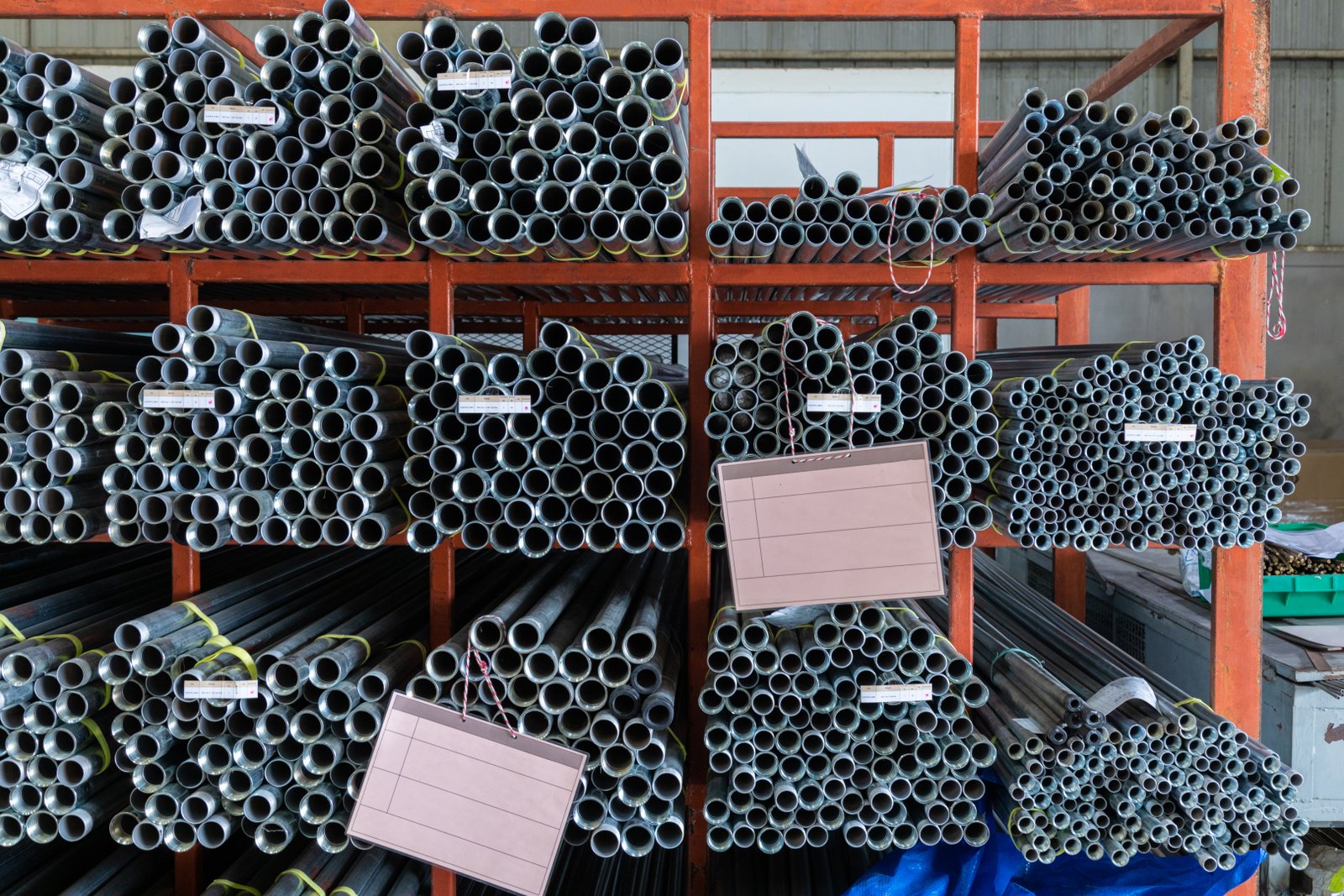
The theoretical differences in strength and corrosion resistance between Duplex and 316L stainless steel become critically important when applied to the context of real-world industrial applications. The selection process is a risk-benefit analysis where the service environment dictates the necessary performance, and the material's properties determine its suitability. A misjudgment can lead to significant financial and safety consequences.
High-Stakes Applications: Where Duplex is Non-Negotiable
Certain industries and applications present conditions so demanding that the superior properties of Duplex stainless steel make it the default, and often non-negotiable, choice. These are typically environments where a combination of high pressure, high temperature, and aggressive corrosive media creates a perfect storm of challenges that would overwhelm 316L.
The Marine and Offshore Oil & Gas industries are prime examples. Here, piping systems are constantly exposed to chloride-rich seawater, often at elevated pressures. The high strength-to-weight ratio of Duplex is invaluable for reducing the topside weight on platforms, while its resistance to pitting, crevice corrosion, and SCC in seawater is essential for long-term integrity. Applications include seawater cooling systems, firewater mains, and process piping for handling raw sea water or production fluids. Using 316L in these critical roles would be an invitation for premature failure.
In the Chemical Processing Industry (CPI), Duplex is specified for systems that handle chlorides, bromides, or other aggressive chemicals, especially at elevated temperatures. Tanks, reactors, and piping for processes involving bleach, acids, and various catalysts often rely on Duplex 2205 or super duplex grades3. I worked with a chemical manufacturing client who was using 316L for a process line carrying a warm acidic chloride solution. They faced constant downtime due to leaks from SCC. The switch to a Duplex 2205 system, supplied by MFY, not only solved the reliability problem but also allowed them to safely increase the process temperature, improving their plant's overall efficiency.
ly, in large-scale Desalination plants, particularly in the high-pressure sections of Seawater Reverse Osmosis (SWRO) systems, Duplex is the industry standard. The combination of high-pressure seawater and the even more concentrated brine stream creates an environment where 316L's corrosion resistance is simply inadequate. The strength and corrosion performance of Duplex are fundamental to the reliability of modern desalination.
The Workhorse Applications: Where 316L Shines
Despite the superior performance of Duplex, it is not always the necessary or most economical choice. There are countless applications where the service conditions are milder and the robust properties of 316L are more than sufficient. In these cases, specifying Duplex would be over-engineering and an unnecessary expense.
The Food & Beverage and Pharmaceutical industries are major users of 316L stainless steel. In these applications, the primary requirements are hygiene, cleanability, and resistance to corrosion from cleaning agents and relatively mild food products. The environment is typically low in chlorides and operates at low to moderate temperatures. The excellent surface finish, formability, and proven performance of 316L make it the ideal, cost-effective material for sanitary tubing, tanks, and process lines.
In General Industrial and Architectural applications, 316L is also a mainstay. This includes freshwater handling and distribution, low-pressure chemical dosing systems (using non-chloride chemicals), and structural or aesthetic applications in urban and moderately corrosive environments. For a contractor building the water system for a commercial building or a manufacturer fabricating non-critical components, 316L provides the necessary performance and longevity without the premium cost of a duplex grade. It is the definition of a fit-for-purpose material.
The Hybrid Approach: A Best-of-Both-Worlds Strategy
In many complex facilities, the smartest approach is not an "either/or" choice but a hybrid model. Astute engineers and project managers will conduct a thorough analysis of the entire plant or system and specify materials based on the local conditions of each sub-system. This zone-based approach optimizes both cost and performance.
Consider a large industrial plant located in a coastal area. The critical process lines handling hot, corrosive chemicals would clearly demand Duplex piping. The seawater intake and cooling lines would also benefit from Duplex to prevent chloride corrosion. However, the internal utility lines for compressed air, potable water, or a fire sprinkler system using fresh water would be perfectly served by 316L. Similarly, secondary, low-pressure lines within the chemical process might also be suitable for 316L.
At MFY, we are uniquely positioned to support this intelligent, value-driven approach. As a diversified group with a fully integrated supply chain, we manufacture and stock a complete range of both 316L and Duplex pipes. This allows our clients, whether they are distributors or EPC contractors, to source all their stainless steel piping needs from a single, reliable partner. They can confidently design a hybrid system, knowing we can deliver all the required grades with consistent quality, full traceability, and efficient logistics. This empowers them to build safer, more reliable, and more cost-effective projects.
Duplex excels in marine environmentsTrue
Duplex stainless steel's chloride resistance makes it essential for seawater applications where 316L would fail prematurely.
316L suits all food processingFalse
While 316L works for most food applications, high-chloride or high-temperature food processing may require Duplex grades.
What recommendations can be made for choosing between Duplex and 316L pipes?
Faced with a project deadline and budget constraints, making the final call between Duplex and 316L can be a high-pressure decision. A simple, actionable framework is needed to ensure the choice is not only technically sound but also financially justifiable.
Base your decision on a lifecycle cost analysis, not just initial price. For environments with high chlorides, temperatures above 60°C, or high mechanical stress, Duplex is the recommended choice. For less demanding, general-purpose applications, 316L remains a cost-effective and reliable option.
This recommendation shifts the focus from a simple material-to-material comparison to a holistic, project-centric evaluation. It encourages a forward-looking perspective where long-term reliability and safety are given equal weight to upfront costs. The best decision is rarely the cheapest one initially, but the one that delivers the most value over the asset's entire service life. My experience in this industry has shown me time and again that projects built on this principle of value engineering are the most successful. They have fewer unplanned shutdowns, lower maintenance budgets, and a better overall safety record. As a partner in your supply chain, MFY is committed to helping you make these critical decisions with confidence. We provide the transparent data, technical support, and reliable supply of both material grades to ensure you can implement the most effective strategy for your specific needs, turning a difficult choice into a clear, competitive advantage.
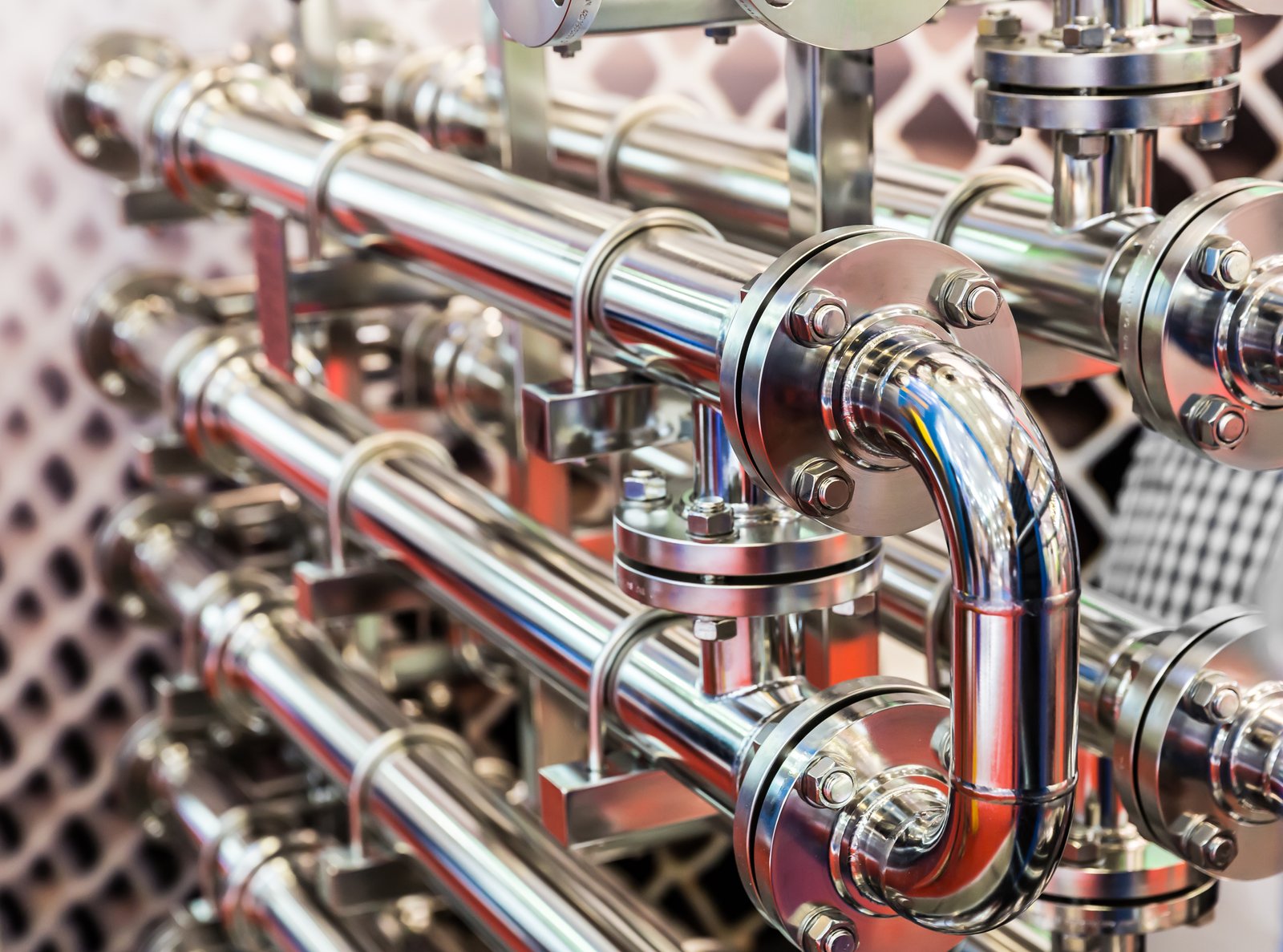
Choosing between Duplex and 316L stainless steel requires a structured decision-making process that balances technical requirements, risk assessment, and financial considerations. A hasty decision based on familiarity or initial cost alone can have costly long-term consequences. The following recommendations provide a clear framework for making a robust and defensible selection.
Recommendation 1: Prioritize a Lifecycle Cost Analysis (LCCA)
The most fundamental recommendation is to shift the financial evaluation from upfront capital expenditure (CAPEX) to total lifecycle cost. While the per-tonnage cost of Duplex raw material is higher than 316L, the "installed cost" and "operational cost" are often significantly lower, leading to a better long-term investment.
An LCCA should quantify the following:
- Initial Material & Fabrication Cost: Include the cost of pipes, fittings, and welding consumables. Factor in the potential for weight savings with Duplex, which can reduce the required tonnage and offset some of the higher per-unit cost.
- Installation Cost: Account for transportation, handling, and equipment rental. The lighter weight of a Duplex system can lead to substantial savings in this category.
- Inspection and Maintenance Costs: Estimate the frequency and cost of inspections over the plant's life. A Duplex system, being more robust, will likely require less frequent non-destructive testing and fewer preventative maintenance interventions.
- Cost of Failure (Risk): This is the most critical and often overlooked component. What is the financial impact of a leak or rupture? This includes the cost of lost production during downtime, repair/replacement labor and materials, and potential environmental or safety-related fines. For 316L in a borderline application, this risk cost is significantly higher.
By modeling these factors over a 25- or 30-year lifespan, the financial argument for using Duplex stainless steel4 in demanding applications often becomes overwhelmingly clear. We often assist our engineering clients in building these LCCA models, providing the data they need to justify the smarter long-term investment to their stakeholders.
Recommendation 2: A Technical Decision Tree Based on Environment
To guide the technical choice, a simple decision tree can be highly effective. An engineer or designer should ask the following questions about the service environment for each piping system:
-
Will the operating temperature exceed 60°C (140°F) in the presence of chlorides?
- Yes: Duplex is strongly recommended to mitigate the high risk of Stress Corrosion Cracking (SCC). 316L is not suitable.
- No: Proceed to the next question.
-
Is the environment high in chlorides (e.g., seawater, brackish water, brine, many chemical processes)?
- Yes: Duplex is recommended for its superior resistance to pitting and crevice corrosion (higher PREN).
- No: Proceed to the next question.
-
Is the system subject to high mechanical stress or pressure, where weight savings are a significant advantage (e.g., offshore, modular systems)?
- Yes: Duplex is recommended for its high strength-to-weight ratio.
- No: 316L may be a suitable and cost-effective option.
This structured questioning process removes ambiguity and forces a conscious evaluation of the key risk factors. It leads the specifier to the most logical material choice based on the fundamental principles of corrosion science and mechanical design.
Recommendation 3: Partner with a Knowledgeable and Capable Supplier
The final recommendation is to not make this decision in a vacuum. The quality of the material and the expertise of your supplier are just as important as the alloy grade itself. A reliable supply chain partner adds immense value beyond simply delivering a product.
When selecting a supplier for your stainless steel pipes, whether Duplex or 316L, consider the following:
- Technical Support: Does the supplier have a knowledgeable team that can provide technical data, answer questions about fabrication, and help with material selection?
- Quality and Traceability: Can they provide comprehensive Mill Test Certificates (MTCs) for every item, ensuring full traceability and compliance with international standards? At MFY, this is a core part of our commitment to quality.
- Inventory and Range: Can the supplier provide all the grades you need for a project? A supplier like MFY, who can provide both 316L and a full range of Duplex products, can support a cost-effective hybrid design without forcing you to manage multiple vendors.
- Global Logistics: Can they deliver the material to your project site reliably and on schedule? Our proven experience in rapid export to markets like India, Southeast Asia, and Russia ensures that your project timelines are protected.
By partnering with a knowledgeable supplier5 who acts as a consultant, you gain an ally in the decision-making process. This collaboration ensures that you not only select the right material on paper but also receive a high-quality product that is properly certified and delivered when you need it, de-risking your project from procurement to installation.
Duplex is better for high chloride environmentsTrue
Duplex stainless steel has superior resistance to pitting and crevice corrosion in chloride-rich environments compared to 316L.
316L is always cheaper than DuplexFalse
While 316L has lower initial material costs, Duplex can be more cost-effective when considering lifecycle costs including installation, maintenance, and risk mitigation.
Conclusion
The choice between Duplex and 316L is a strategic decision. Duplex steel's superior strength and corrosion resistance make it the clear winner for demanding applications, optimizing lifecycle costs. 316L remains the pragmatic, cost-effective standard for less aggressive environments. A smart, application-specific choice is key.
-
Understand the standards and codes impacting pipe wall thickness and design in industrial applications. ↩
-
Discover the advantages of Duplex's strength-to-weight ratio and its impact on durability and cost. ↩
-
Discover the benefits of Duplex 2205 in handling corrosive chemical environments. ↩
-
Learn about the benefits of Duplex stainless steel over other materials ↩
-
Understand the benefits of partnering with knowledgeable suppliers for project success ↩
Have Questions or Need More Information?
Get in touch with us for personalized assistance and expert advice.



 English
  Русский