
Selecting Surface Treatment Methods for Stainless Steel Pipe (e.g., Polishing, Pickling, Acid Washing)
Choosing the wrong surface finish can compromise your entire project. This mistake leads to premature corrosion, budget overruns, and regulatory headaches. Let’s clarify how to pick the perfect treatment.
Selecting the right surface treatment for stainless steel pipe involves assessing your application's specific needs for corrosion resistance, aesthetics, and hygiene. The choice between polishing, pickling, or acid washing depends on balancing performance requirements with budget and environmental factors to ensure long-term durability.
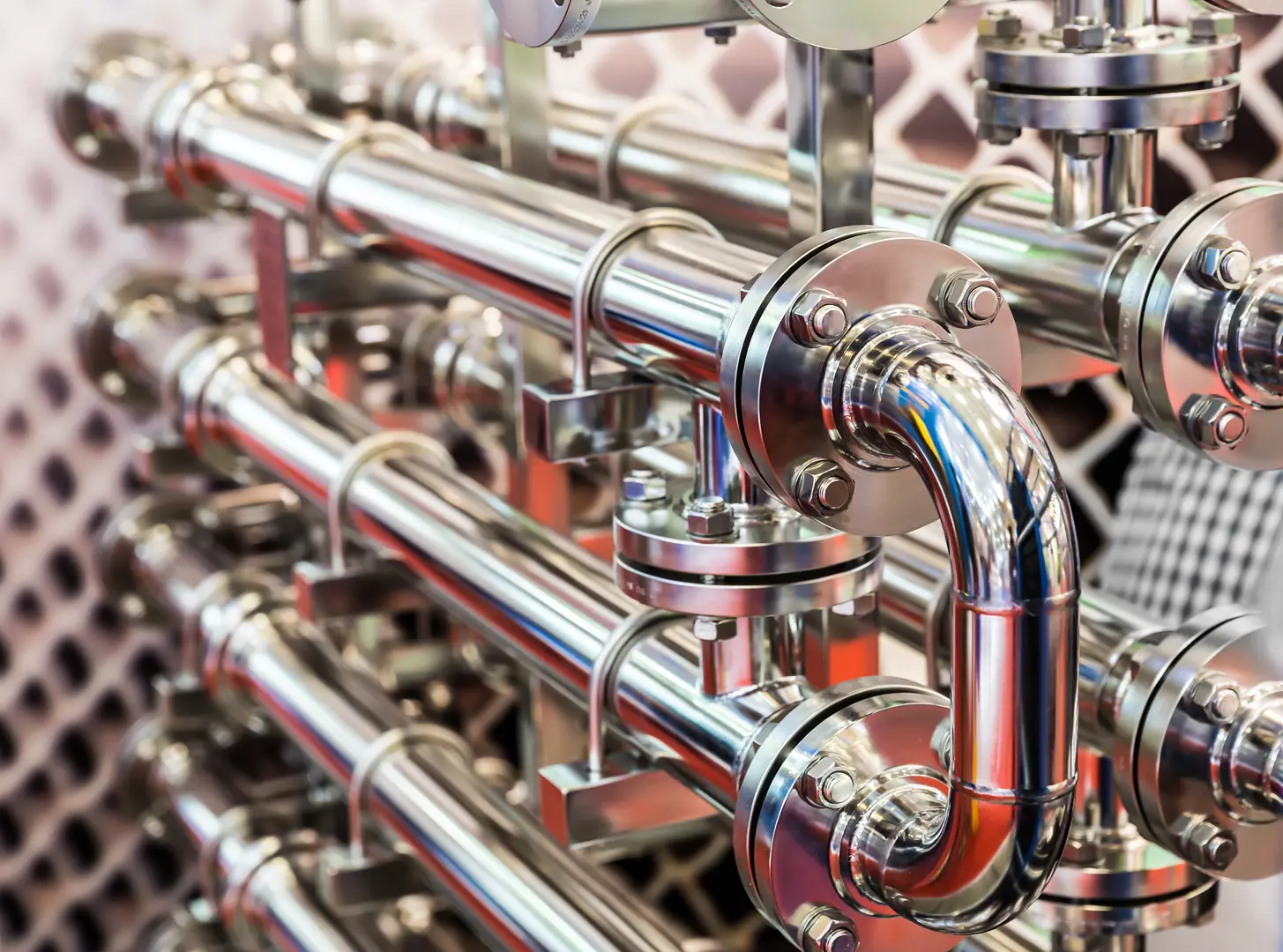
As the Global Business Director at MFY, I've seen countless projects succeed or fail based on this one decision. It's not just about how the pipe looks; it's a critical factor in its performance and lifespan. The choice you make directly impacts corrosion resistance, cleanability, and ultimately, the total cost of ownership. Let's walk through the steps to make an informed decision that protects your investment and ensures your project's success.
How Do You Assess the Requirements for Stainless Steel Pipe Surface Treatment?
Your project has unique demands that the pipe surface must meet. Ignoring these specifics leads to performance failures and costly replacements. We must first define the operational and environmental criteria.
To assess requirements, you must first analyze the end-use environment, including exposure to corrosive agents, temperature, and moisture. Then, identify all applicable industry standards for hygiene or safety and define the desired aesthetic appearance for the final product.
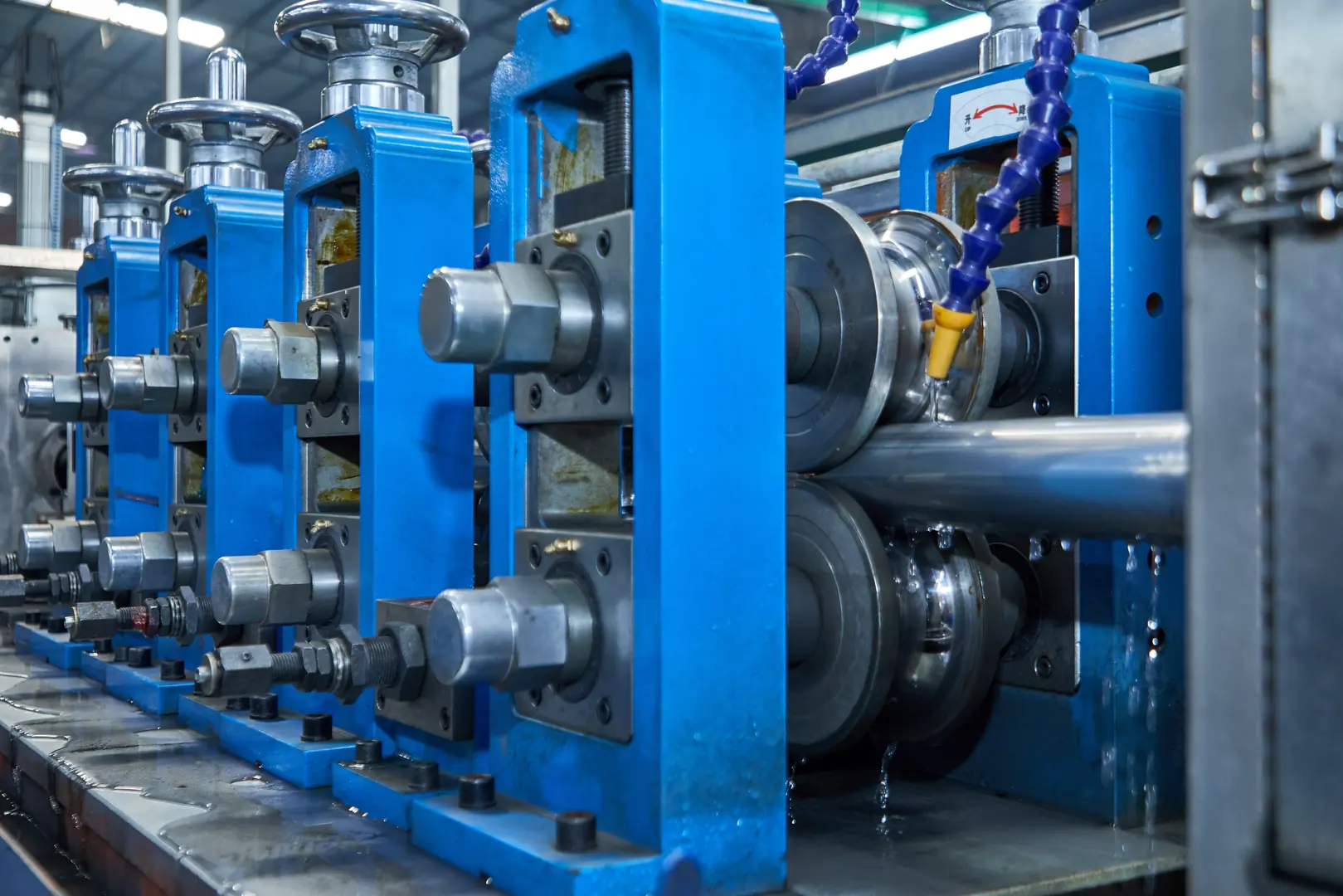
Before we even discuss methods like polishing or pickling, we have to start with the fundamental question: what does this pipe need to do, and where will it live? This initial assessment is the foundation for a successful outcome. At MFY, we guide our clients through a structured evaluation process. It's about understanding the complete picture, from technical specifications to long-term value. I remember a client in the pharmaceutical sector who almost specified a standard finish for a cleanroom application to save on initial costs. We walked them through the contamination risks and regulatory non-compliance issues, helping them see that a high-purity polished finish wasn't a cost, but an essential investment in product safety.
Key Assessment Criteria
The process isn't complicated, but it requires diligence. We focus on three core areas:
- Environmental Exposure: Will the pipe be indoors or outdoors? Will it contact saltwater, harsh chemicals, or food products? The level of corrosion risk is your primary guide.
- Regulatory & Industry Standards: Industries like food and beverage, pharmaceuticals, and medical devices have strict regulations (e.g., 3-A Sanitary Standards[^1]) that mandate specific surface finishes to ensure cleanability and prevent bacterial growth.
- Aesthetic & Functional Needs: For architectural applications, appearance is paramount. For industrial heat exchangers, a smooth surface might be needed to optimize flow and prevent fouling.
We often use a simple matrix to map these factors against treatment options, ensuring the choice is data-driven, not just based on habit or initial price.
| Factor | High Importance | Medium Importance | Low Importance |
|---|---|---|---|
| Corrosion Resistance | Marine, Chemical Plant | General Construction | Dry, Indoor Decorative |
| Hygiene/Cleanability | Food, Pharma, Medical | Commercial Kitchens | Industrial Structures |
| Aesthetics | Architectural, Yachting | Consumer Appliances | Concealed Piping |
What Are the Benefits of Polishing Stainless Steel Pipes?
A rough or inconsistent surface can harbor contaminants or look unprofessional. This is a major problem in consumer-facing or hygienic applications. Polishing creates a smooth, clean, and visually appealing finish.
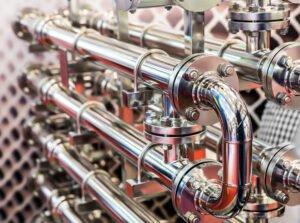
Polishing stainless steel pipes creates a smooth, reflective surface that enhances aesthetic appeal, improves cleanability, and can increase corrosion resistance by removing microscopic crevices where contaminants or corrosive agents might collect. It is ideal for architectural, decorative, and sanitary applications.
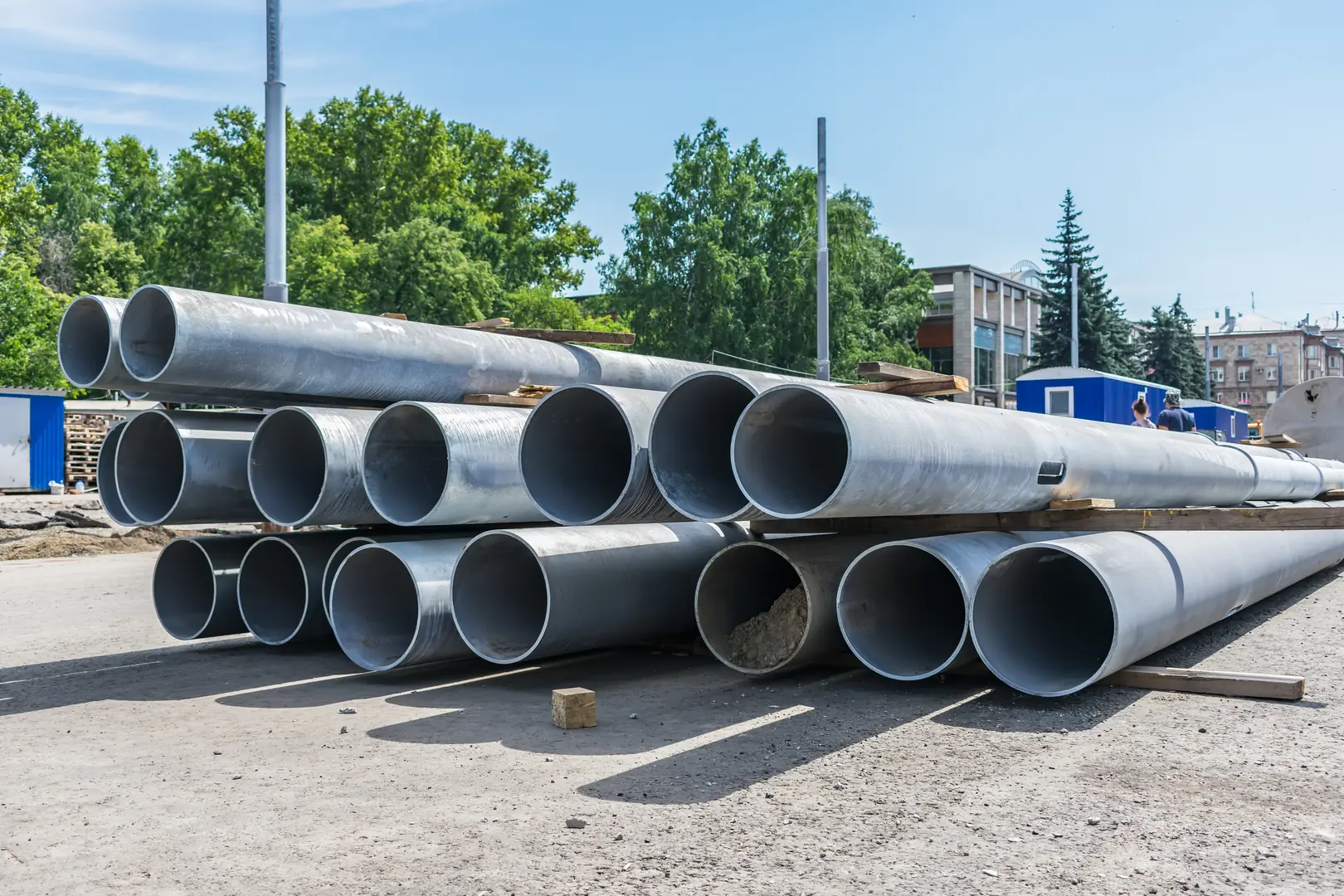
When aesthetics and hygiene are top priorities, polishing is often the go-to solution. It's a mechanical process that uses abrasives to progressively smooth the steel's surface, reducing its roughness (Ra). The result isn't just a shiny pipe; it's a functionally superior surface for specific contexts. For example, in the food and dairy industry, a polished surface is non-negotiable. It prevents food particles from sticking and allows for effective cleaning and sterilization, which is critical for preventing bacterial contamination. We've supplied countless projects, from breweries to hospitals, where the right polish grade was key to passing inspections and ensuring public safety.
Understanding Polish Grades
Not all polishing is the same. The "finish" is specified by a number, which indicates the grit of the abrasive used.
- #4 "Brushed" Finish: This is a common choice for kitchen appliances and architectural trim. It has a uniform, directional grain that is good at hiding fingerprints and minor scratches. It offers a good balance of aesthetics and cost.
- #8 "Mirror" Finish: This is a highly reflective, non-directional finish created by buffing with very fine abrasives. It's the standard for ornamental work, mirrors, and surfaces requiring maximum cleanability, as it leaves virtually no place for bacteria to hide.
The decision between polish grades comes down to balancing the desired look and hygienic performance with the project budget. While a #8 mirror finish is superior, a #4 finish is often more than adequate and cost-effective for many applications.
Why Should You Evaluate Pickling as a Surface Treatment?
Welding and heat treatment can damage a pipe's protective layer. This leaves it vulnerable to rust and failure, especially at the seams. Pickling chemically restores this protective layer, ensuring durability.
You should evaluate pickling to remove heat tint, weld scale, and other impurities from the stainless steel surface after fabrication. This process restores the chromium oxide passive layer, maximizing the pipe's inherent corrosion resistance, especially around welded areas.
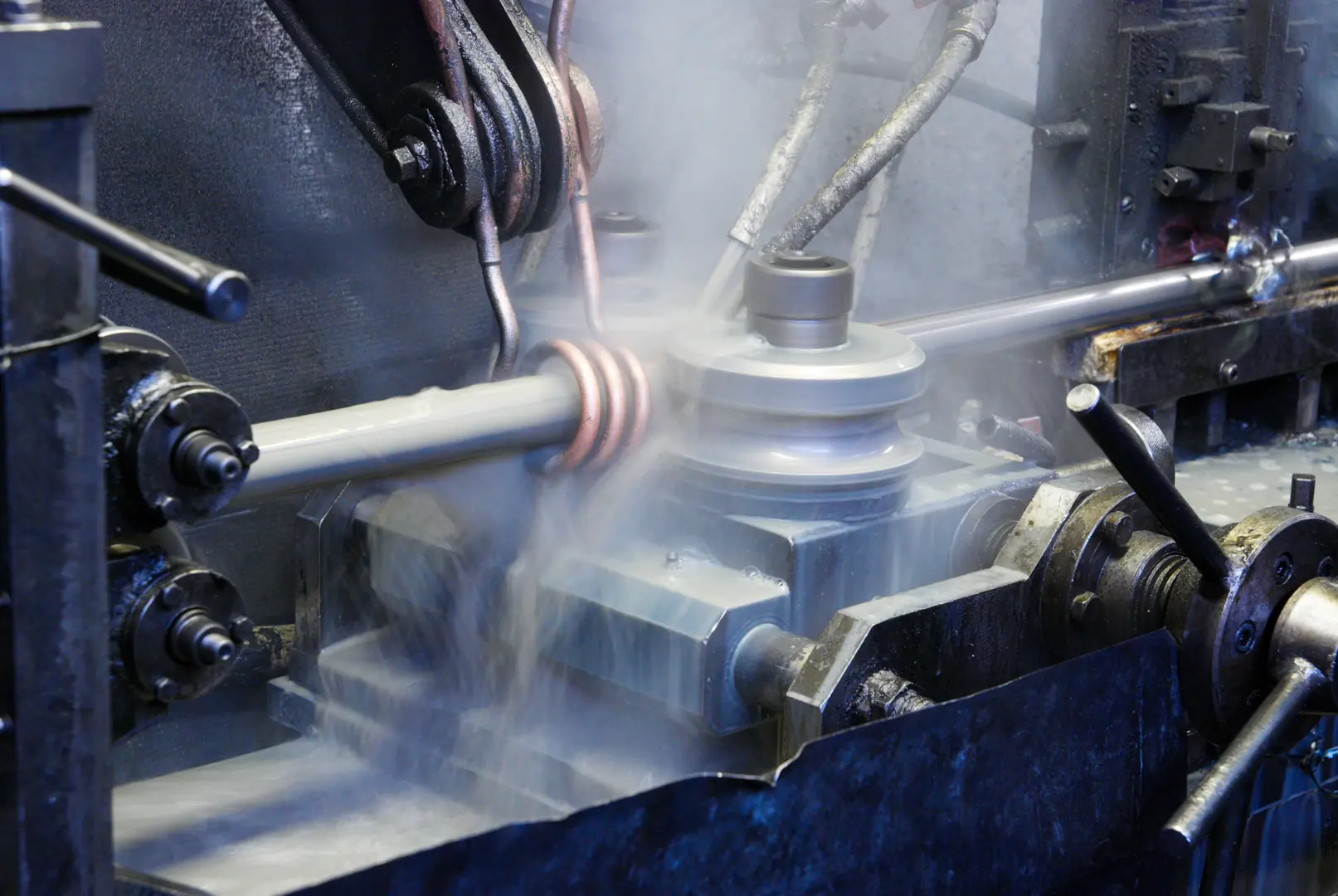
Pickling is less about aesthetics and more about metallurgy and performance. When you weld stainless steel, the high temperatures create a visible, discolored "heat-affected zone[^2]" (HAZ). This isn't just a cosmetic issue; in this zone, the chromium has been depleted from the surface, severely compromising the steel's natural ability to resist corrosion. I've seen pipes fail in a matter of months because the weld seams weren't properly treated. Pickling solves this problem directly. It uses a chemical solution, typically a mix of nitric and hydrofluoric acids, to strip away this damaged, low-chromium layer and any embedded iron particles. This allows a new, uniform, chromium-rich passive layer to form across the entire surface, including the critical weld areas.
Pickling vs. Mechanical Cleaning
It's important to understand that simply grinding or brushing a weld seam is not a substitute for pickling.
- Mechanical Cleaning (Grinding/Brushing): This can smear contaminants and may not fully remove the depleted chromium layer. It can also introduce free iron from carbon steel tools, which becomes an initiation site for rust.
- Chemical Cleaning (Pickling): This method uniformly removes the compromised layer and contaminants, ensuring the entire surface is chemically clean and ready to passivate, restoring its full corrosion-resistant potential.
For any application in a corrosive environment—be it a chemical processing plant, a coastal structure, or a water treatment facility—if welding is involved, pickling is not optional. It is an essential step to guarantee the long-term integrity of the stainless steel structure. At MFY, we ensure our fabricated pipe systems undergo proper pickling and passivation[^3] to meet stringent industrial standards.
When Should You Consider Acid Washing for Stainless Steel Pipes?
Even new pipes can have invisible surface contaminants from manufacturing. These microscopic iron particles can cause unexpected surface rust. Acid washing removes these contaminants, ensuring maximum purity and performance.
Acid washing, or passivation, should be considered when you need to remove free iron and other metallic contaminants from the surface without altering its appearance. It's a milder treatment than pickling, ideal for enhancing corrosion resistance on finished parts and in high-purity systems.
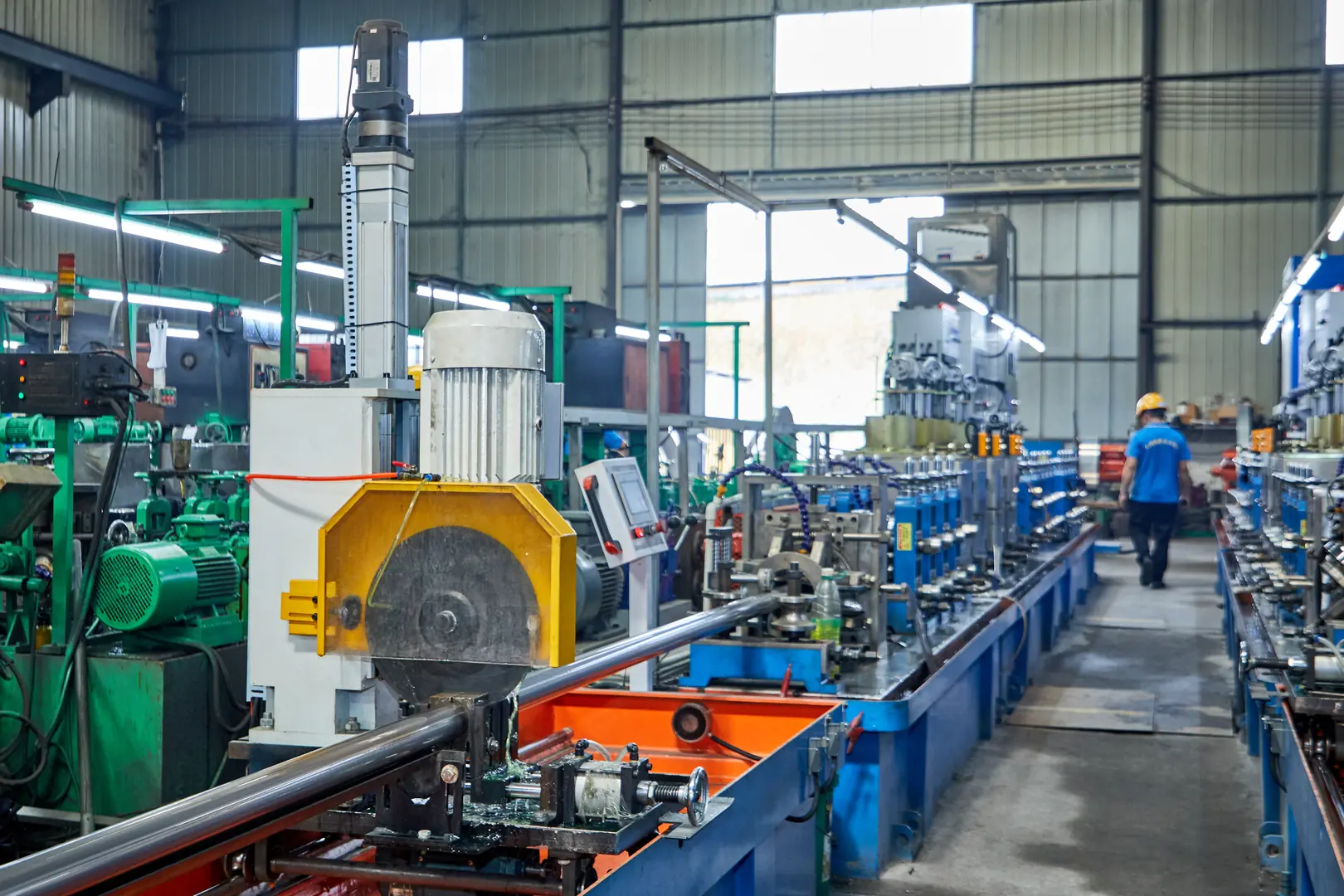
People often confuse acid washing with pickling, but they serve different purposes. Think of pickling as a heavy-duty deep clean after a major event like welding. Acid washing, on the other hand, is more like a final, detailed cleaning to ensure the surface is pristine. The primary goal of acid washing (often referred to as passivation) is to remove any free iron that may have been transferred to the surface during fabrication, handling, or machining. These free iron particles are not part of the steel's alloy but sit on the surface, and they will rust, causing staining and potentially initiating localized corrosion on the stainless steel itself. The process typically uses a milder acid, like nitric or citric acid, which dissolves the surface iron without removing any of the base metal.
Applications for Acid Washing/Passivation
This treatment is critical in industries where surface purity is everything.
- Medical & Pharmaceutical: To ensure no contaminants can leach into products or cause adverse reactions.
- Aerospace & Electronics: Where surface integrity is critical for performance and reliability.
- Food & Beverage: As a final step after fabrication to ensure the system is completely passive and ready for service.
I recall a case with an equipment integrator for the beverage industry. They were experiencing small rust spots on their new installations. The issue wasn't the quality of our stainless steel pipe, but the iron particles left behind from their cutting and forming tools. Implementing a final acid wash and passivation step in their workflow completely solved the problem, ensuring their equipment met the highest sanitary standards.
How Do You Make the Final Decision on the Best Surface Treatment?
With several options, choosing the most cost-effective and reliable one can be confusing. Making the wrong trade-off leads to either overspending or underperformance. The key is a balanced, data-driven decision.
To make the final decision, create a checklist comparing your project's primary requirements (corrosion, hygiene, aesthetics) against the primary benefits of each treatment (polishing, pickling, acid washing). Select the method that best aligns with your needs and budget.
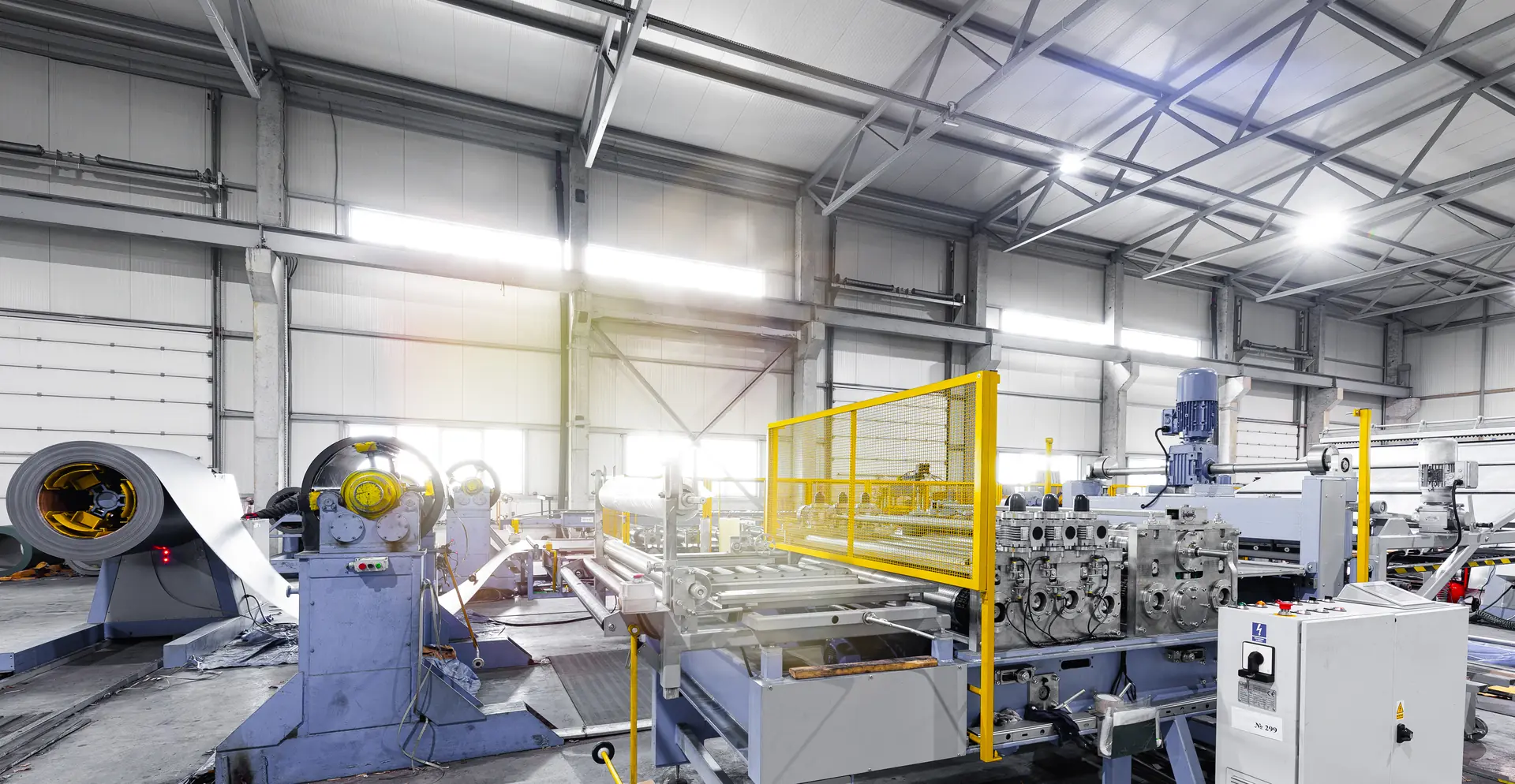
Making the final choice is a strategic synthesis of everything we've discussed. It's about weighing the technical requirements against the budget and long-term value. At MFY, we believe in empowering our partners to make the best choice, not just the cheapest one. The "best" method is always relative to the application. For an exposed architectural column, #4 polishing is perfect. For a chemical pipe's weld seam, pickling is non-negotiable. For a high-purity water system, a final acid wash is essential.
Integrating Technology for Quality Assurance
The decision doesn't end with selecting a method; you must also verify its quality. This is where modern technology comes in. We are seeing a trend towards using digital monitoring systems to provide data-driven proof of treatment efficacy. This moves quality control from a subjective visual inspection to an objective, measurable science. For instance, after polishing, a digital surface profilometer[^4] can measure the surface roughness (Ra) to confirm it meets the specification. After pickling or acid washing, a passivation tester can confirm that a stable, protective chromium oxide layer has formed. This commitment to measurable quality aligns with the industry's push towards precision engineering and ensures that the treatment you paid for is the treatment you received, guaranteeing long-term performance. It’s a smart way to de-risk your investment.
Conclusion
Choosing the right surface treatment is a critical investment in your stainless steel pipe's performance and longevity. By carefully assessing your needs and understanding the benefits of each method—polishing, pickling, or acid washing—you ensure a successful, durable, and cost-effective outcome for your project.
Have Questions or Need More Information?
Get in touch with us for personalized assistance and expert advice.


 English
  Русский