Technical Guides
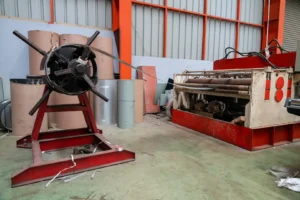
Heat Treatment and ASME Standards for High-Pressure Stainless Boiler Tubes
The article discusses the critical role of heat treatment and ASME standards in maintaining the integrity of high-pressure stainless boiler tubes. These tubes are essential for handling extreme temperatures and pressures in industrial applications like power generation and chemical processing. The piece emphasizes the importance of selecting the right stainless steel grades and the precision of heat treatment processes, such as solution annealing, to prevent failures and ensure compliance with ASME standards. It highlights the challenges and strategies in achieving these standards, focusing on advanced technology, material selection, and rigorous quality management systems to enhance safety and reliability….
Production Process and Quality Control for Seamless and Welded Stainless Steel Tubes
The production of seamless and welded stainless steel tubes at MFY involves a multi-stage process ensuring top quality. This begins with selecting premium raw materials, followed by precise manufacturing techniques. Seamless tubes are made from billets, offering superior strength, while welded tubes are formed from coils and feature strong, clean welds. The entire manufacturing process integrates real-time quality control checks, employing advanced technologies to prevent defects. Final inspections include rigorous non-destructive testing to guarantee tube reliability and safety, providing clients with peace of mind and high-performance products….
High-Efficiency Finishing and Expedited Delivery of BA/Mirror-Grade Stainless Steel Tubes
The article discusses the importance of achieving high-efficiency finishing and expedited delivery for BA/Mirror-grade stainless steel tubes. These tubes are crucial in industries like architecture, automotive, and pharmaceuticals due to their aesthetic and functional properties. The article highlights the advantages of integrating advanced polishing technologies with streamlined logistics to reduce downtime and enhance throughput. It contrasts traditional finishing methods with modern automated systems that improve surface consistency and reduce defect rates. Additionally, it emphasizes the need for strategic inventory positioning and robust packaging to overcome delivery challenges, ensuring reliable supply chains for high-stakes projects….

Selecting Surface Treatment Methods for Stainless Steel Pipe (e.g., Polishing, Pickling, Acid Washing)
Selecting the right surface treatment for stainless steel pipes is crucial to ensure their long-term durability and performance. Key methods include polishing for aesthetic and hygienic applications, pickling to restore corrosion resistance after welding, and acid washing to remove surface contaminants. Each method aligns with specific environmental and functional needs, such as corrosion resistance, hygiene, and aesthetics. Understanding these requirements and choosing the appropriate treatment can significantly impact project success, ensuring cost-effectiveness and compliance with industry standards….
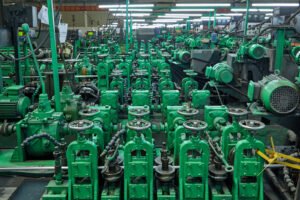
Best Practices and Key Points for Heat Treatment and Stress Relief of Austenitic Stainless Steels
The article discusses the essential best practices and key considerations for the heat treatment and stress relief of austenitic stainless steels. It emphasizes the importance of precise temperature control and thorough cleaning to prevent defects such as carburization and sensitization. The detailed heat treatment process includes solution annealing, soaking, and rapid quenching to maintain material integrity and corrosion resistance. Stress relief techniques are also explored, comparing low-temperature and full solution anneal methods to manage internal stresses effectively. The article highlights common challenges like distortion and sensitization, and advocates for a disciplined approach to ensure optimal outcomes, including using calibrated equipment and comprehensive quality verification….

7 Stainless Steel Surface Finishes: Impact and Selection Criteria
Understanding the seven primary stainless steel surface finishes is crucial for project success, as each finish impacts aesthetics, corrosion resistance, durability, and cost. MFY’s expertise in the stainless steel industry emphasizes the importance of choosing the right finish for different applications, such as architecture, food processing, and high-traffic areas. Current trends focus on sustainability and advanced aesthetics, while challenges in selection include balancing cost against performance and ensuring regulatory compliance. Strategies for overcoming these challenges include early supplier engagement and using physical samples. Technical recommendations are provided to ensure optimal finish selection based on specific application needs….

Best Practices for High-Quality Welding of 304L/316L Stainless Steel
Welding 304L/316L stainless steel requires meticulous techniques to ensure high-quality, corrosion-resistant joints. Key practices include precise heat control, correct filler material selection, and proper surface preparation. TIG welding offers precision for thin materials, while MIG provides speed for thicker sections. Preventing defects involves strict heat management and using low-carbon fillers. Post-weld cleaning and passivation are essential for restoring the protective chromium oxide layer, ensuring long-term performance and safety. Mastering these elements is crucial for reliable and durable stainless steel welds….
Seamless Pipe Bending: Purpose, High-Precision Cold Methods & Quality Standards
Seamless pipe bending is crucial for creating precise and durable piping systems, especially in sectors like automotive and aerospace. MFY specializes in high-precision cold methods that maintain material strength and ensure optimal performance. The use of advanced techniques like rotary draw bending allows for complex geometries while minimizing defects such as wall thinning and wrinkling. Understanding these processes is vital for enhancing structural integrity and flow efficiency. MFY combines technological innovation with deep material science expertise to deliver high-quality, reliable solutions for complex piping layouts….
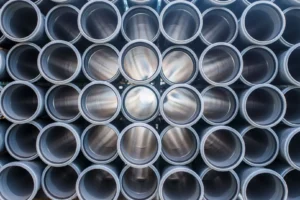
Precision Tubing: Small Diameter SS Selection Guide for Instruments & Automation
Choosing the right small diameter stainless steel tubing is crucial for instrumentation and automation systems to prevent failures and costly rework. Key considerations include application-specific requirements, material properties like corrosion resistance, environmental compatibility, manufacturing precision, and selecting a reliable supplier. Stainless steel grades 304L and 316L are recommended for their corrosion resistance and strength. Environmental and operating conditions must be assessed to ensure tubing withstands real-world challenges. Customization options such as seamless versus welded tubing, precise cutting, and surface finishes are important for optimal performance. Partnering with a reliable supplier ensures quality and supply chain stability….
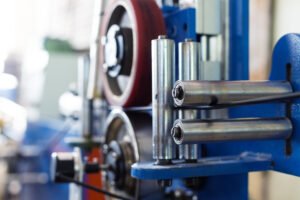
Schedule 10 SS Pipe Terminology: Interpretation for Product Use
This article demystifies Schedule 10 stainless steel pipe terminology, focusing on key specifications like Nominal Pipe Size and wall thickness. By understanding these terms, you can select the right pipe for low-pressure applications, optimizing cost and performance. The piece compares Schedule 10 to Schedule 40 pipes, highlighting the advantages of the former for specific uses. It also provides strategies for correct interpretation, covering challenges and offering technical advice for optimal use, including proper welding techniques and material verification….
 English
  Русский