Bulk Wholesale: 304L/316 SS Welded Tubes for Industrial Heat Exchangers & Piping
Sourcing industrial tubes is complex and fraught with risk. Delays and quality issues can jeopardize entire projects. Understanding the market and adopting smart sourcing strategies are key to success.
Optimizing bulk sourcing of 304L/316 SS welded tubes involves understanding material properties, market trends, and procurement challenges. Partnering with a supplier who integrates digital supply chain solutions for transparency and efficiency is crucial for ensuring quality, stability, and cost-effectiveness for industrial applications.
In my role as Global Business Director at MFY, I’ve guided countless partners through the complexities of procuring stainless steel for critical applications. The difference between a successful project and a costly failure often comes down to the details of your sourcing strategy. It's not just about finding the lowest price; it's about securing a reliable flow of high-quality materials that meet precise specifications. Let's dive into the core elements you need to master for your next project involving industrial heat exchangers and piping systems.
Why Are 304L and 316 Stainless Steel Critical for Industrial Applications?
Choosing the wrong material for your project is a costly mistake. It can lead to premature corrosion, system failure, and expensive downtime. Grades 304L and 316 offer the perfect balance of performance and value.
304L and 316 stainless steel are critical due to their superior corrosion resistance, durability, and formability. 316, with added molybdenum, offers enhanced protection against chlorides, making it essential for harsh chemical and marine environments, ensuring long-term reliability in heat exchangers and piping.
When we talk about industrial-grade materials, we're really talking about fitness for purpose. Both 304L and 316 are austenitic stainless steels, prized for their strength and workability. But the small differences in their chemistry create a big difference in performance. I often advise clients that while 304L is a fantastic workhorse for general applications, for any system involving saline, acidic, or high-chloride environments, the upfront investment in 316 pays for itself tenfold in reduced maintenance and extended lifespan. The 'L' designation is also critical, indicating low carbon content, which minimizes carbide precipitation during welding and maintains corrosion resistance at the weld seams—an absolute must for pressurized piping and heat exchanger tubes.
The Fundamental Difference: 304L vs. 316
The key distinction lies in the addition of molybdenum to the 316 alloy. This element significantly boosts its resistance to pitting and crevice corrosion, particularly from chlorides. This makes it the go-to choice for sectors like petrochemical processing, power generation, and marine applications where material integrity is non-negotiable.
| Property | Grade 304L Stainless Steel | Grade 316 Stainless Steel |
|---|---|---|
| Key Elements | Chromium, Nickel | Chromium, Nickel, Molybdenum |
| Corrosion Resistance | Excellent for general atmospheric conditions | Superior, especially against chlorides |
| Cost | More economical | Higher initial cost |
| Common Applications | Food processing, general piping, architectural | Chemical processing, marine, medical |
Understanding this difference is the first step in specifying the right material and avoiding over-engineering or, worse, premature failure.
What Are the Current Trends in Bulk Wholesale of Stainless Steel Welded Tubes?
The global materials market is constantly changing. Falling behind on the latest trends means losing your competitive edge and potentially overpaying. Understanding key trends helps you make smarter procurement decisions.
Current trends include a strong focus on supply chain resilience post-pandemic, price volatility driven by raw material costs, and a significant shift towards digitalization. Suppliers are adopting digital platforms for real-time tracking and predictive analytics to enhance transparency and efficiency for buyers.
The last few years have taught us all a hard lesson about the fragility of global supply chains. Today, the conversation has moved beyond just cost and delivery dates to resilience and transparency. This is where the most significant trend is emerging: the digital transformation of the industrial supply chain. At MFY, we've seen a massive shift in what our partners expect from us. It's no longer enough to send an email update; they want real-time visibility.
The Digital Transformation of the Supply Chain
This is the game-changer. Digital platforms that provide live tracking, predictive inventory analytics[^1], and seamless communication are becoming the standard. We recently implemented a new tracking portal for a major engineering contractor in Southeast Asia. They went from weekly email updates to having a live dashboard of their entire order, from production to port. Their project manager told me it saved him hours each week and eliminated the uncertainty that used to keep him up at night. This level of transparency builds trust and allows for better project planning, turning a simple supplier relationship into a true partnership.
Navigating Price Volatility
The prices of raw materials like nickel and chromium continue to fluctuate, impacting the final cost of stainless steel products. A key trend for buyers is to partner with suppliers who have an integrated supply chain. Because we at MFY have deep roots in raw material sourcing and production, we can better absorb market shocks and offer more stable, predictable pricing to our long-term partners.
What Are the Main Challenges in Procuring SS Welded Tubes for Heat Exchangers?
Sourcing welded tubes seems straightforward, but it's not. Hidden issues with quality, logistics, or documentation can cause major project delays and budget overruns. Knowing the common pitfalls is the first step to avoiding them.
The main challenges include ensuring consistent material quality and certification, navigating complex global logistics, and managing supply chain disruptions. Verifying weld integrity and dimensional accuracy is especially critical for high-pressure heat exchanger applications to prevent failures and ensure operational safety.
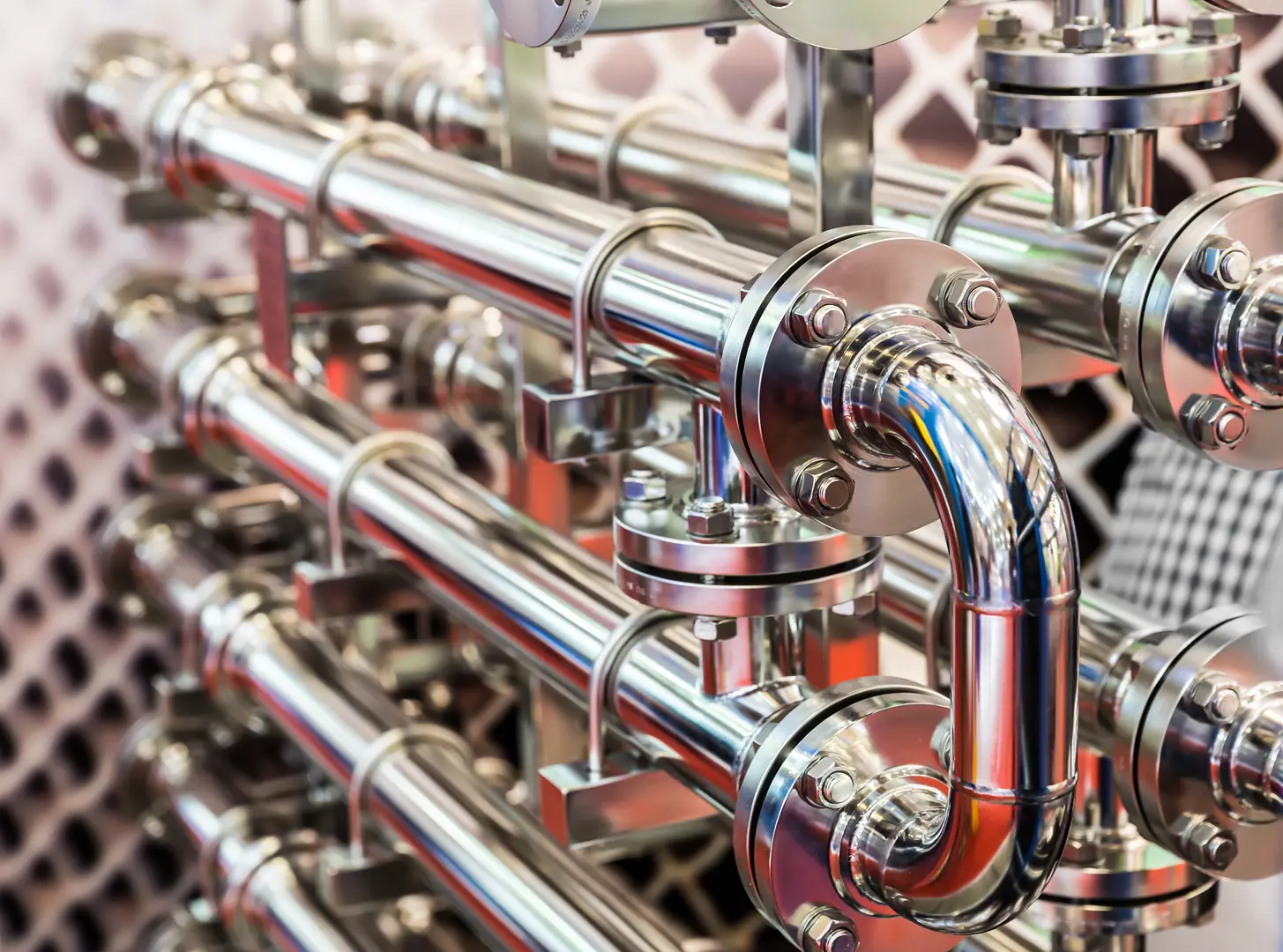
Procuring tubes for a critical application like a heat exchanger is a high-stakes activity. The integrity of the weld seam is paramount. A single failure can lead to a catastrophic shutdown. Over the years, I've seen clients face numerous hurdles, but they typically fall into two main categories: quality assurance and logistics. The challenge is that these two areas are often intertwined. A delay in a third-party inspection can have a domino effect on shipping schedules, creating a logistical nightmare. That's why working with a supplier who understands and manages these complexities proactively is so important. You need a partner who sees these challenges coming and has a plan to navigate them before they become your problem.
The Quality Assurance Hurdle
Every shipment must be accompanied by a Mill Test Certificate (MTC)[^2] that validates its chemical and mechanical properties. But you can't stop there. For applications like heat exchangers, verifying the weld integrity through non-destructive testing (NDT)[^3] is crucial. You must also ensure dimensional tolerances are strictly met.
The Logistics Labyrinth
Moving bulk industrial materials across the globe is a complex dance of production schedules, container booking, customs clearance, and inland transport. Any single point of failure can halt the entire process.
| Common Procurement Challenge | MFY's Proactive Solution |
|---|---|
| Inconsistent Material Quality | Strict in-house QC, verified MTCs, and optional third-party inspection. |
| Weld Seam Integrity Concerns | Advanced welding techniques and rigorous NDT protocols. |
| International Shipping Delays | Strong relationships with carriers and a dedicated logistics team for real-time tracking. |
| Complex Customs & Documentation | Experienced export specialists who prepare all paperwork meticulously to ensure smooth clearance. |
What Are the Best Strategies for Efficiently Sourcing 304L/316 Welded Tubes?
You need reliable, high-quality tubes delivered on time and on budget. A poor sourcing strategy leads to stress, delays, and wasted resources. A few key strategies can streamline your entire procurement process.
Efficiently source tubes by partnering with an integrated supplier who controls the entire supply chain, from raw materials to delivery. Leverage their digital platforms for transparency and consolidate your orders to achieve better pricing and simplify logistics. Always prioritize long-term value over short-term cost savings.
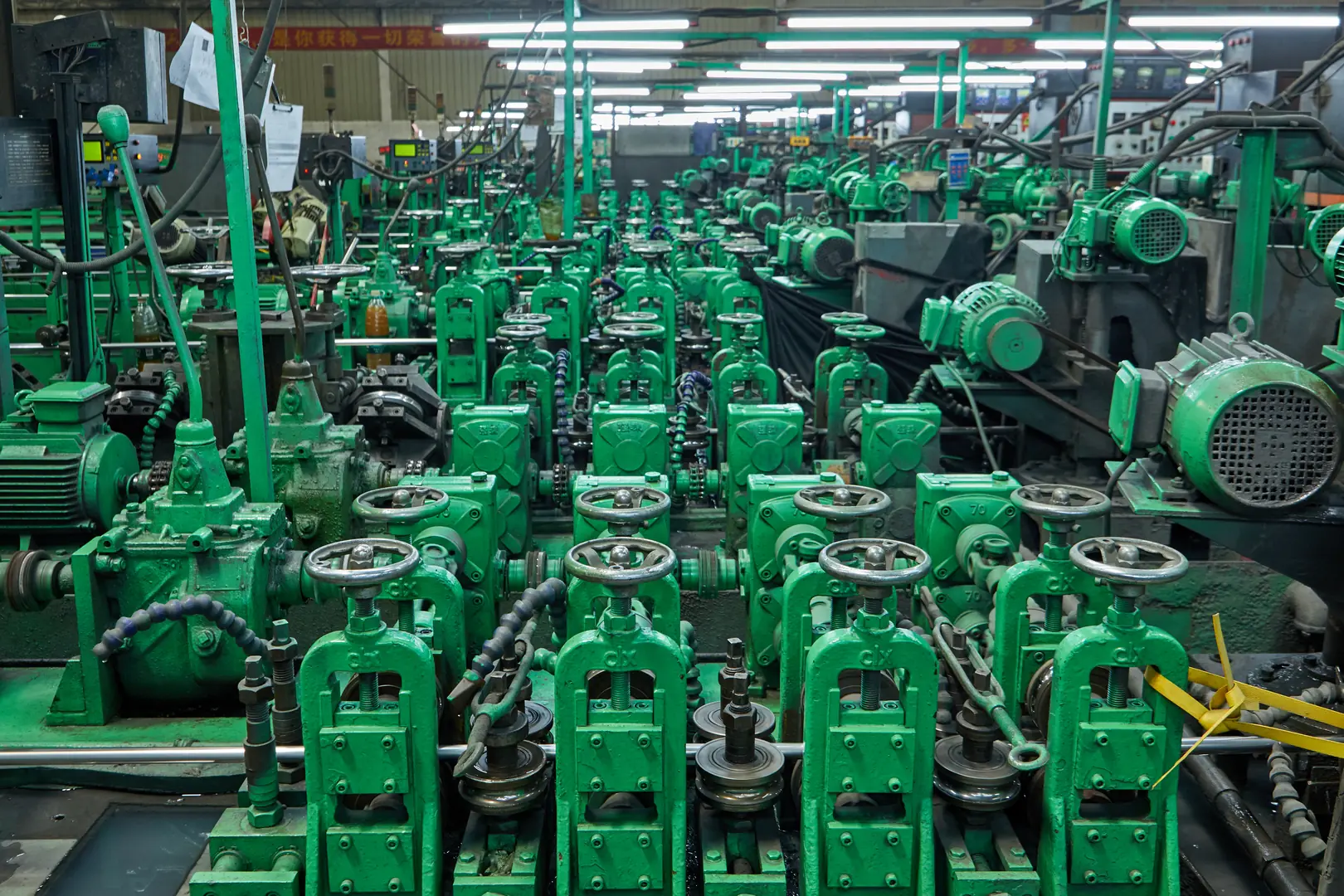
Effective sourcing is about building a competitive advantage. It's about shifting your mindset from a transactional relationship to a strategic partnership. The smartest companies I work with don't just send out a request for a quote; they look for a partner who can add value throughout the project lifecycle. They focus on total cost of ownership, not just the per-meter price of a tube. This is where the right strategy makes all the difference, turning your supply chain from a cost center into a source of strength and reliability.
The Power of an Integrated Partner
An integrated supplier is one who has control over the entire process—from sourcing raw nickel and chromium to manufacturing the tubes and managing the export logistics. This integration provides immense benefits. It ensures quality control at every step, stabilizes pricing against market volatility, and creates a single point of accountability. When you work with a partner like MFY, you're not just buying a product; you're plugging into a resilient, end-to-end supply chain.
Leveraging Technology for a Competitive Edge
As I mentioned earlier, the digital supply chain is here. Your strategy should be to actively seek out suppliers who offer this transparency. You should demand a portal where you can track your order in real time. This technology isn't just a "nice-to-have" feature; it's a powerful tool that helps you manage your projects more effectively and reduces risk.
Consolidate and Communicate
Consolidating your orders with a single, reliable partner simplifies logistics and often leads to better pricing. More importantly, it builds a stronger relationship. Clear, upfront communication about your technical specifications, project timelines, and quality requirements is essential. The more your partner knows, the better they can serve you.
What Are the Key Technical Recommendations for Using SS Welded Tubes in Piping Systems?
The right tube can still fail if it's installed or fabricated incorrectly. Improper handling, welding, or system design leads to leaks, corrosion, and catastrophic failure. Following key technical guidelines ensures optimal performance and safety.
Key recommendations include ensuring proper welding procedures to maintain corrosion resistance at the heat-affected zone, using correct bending techniques to avoid compromising structural integrity, and selecting appropriate fittings. Regular inspection for signs of corrosion or stress is also crucial for long-term reliability.
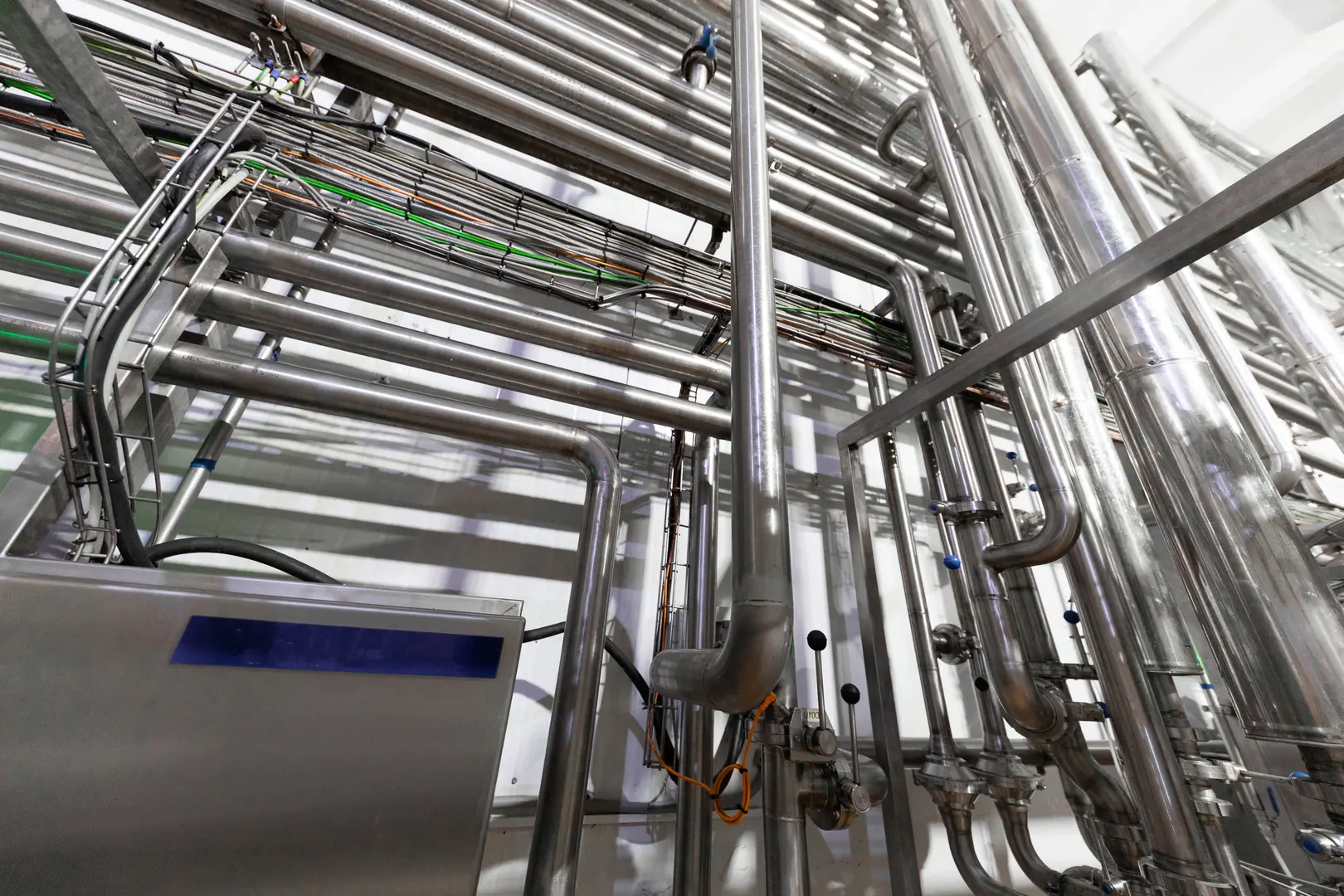
Your responsibility doesn't end when the tubes arrive at your facility. Proper handling and fabrication are just as critical as sourcing the right material. I recall a case with a client in the food processing industry. They saw premature corrosion near the welds on their new piping system. The issue wasn't the 304L tube itself, but an improper welding procedure that compromised the steel's passive layer. A simple adjustment to their process, including better post-weld cleaning, solved the problem completely. This highlights how crucial on-the-ground technical knowledge is to realizing the full potential of these advanced materials.
Welding and Fabrication Best Practices
The heat-affected zone (HAZ)[^4] created during welding is the most vulnerable area. Using a low-carbon 'L' grade is the first step, but it's not the only one. It's vital to use the correct filler material and a proper shielding gas to protect the weld from atmospheric contamination. Post-weld cleaning is also essential to restore the chromium oxide passive layer[^5] that gives stainless steel its corrosion resistance.
System Design and Installation
When designing a piping system, always consider the pressure and temperature ratings of the tubes. Ensure the system has adequate support to prevent mechanical stress and vibration, which can lead to fatigue over time.
| Installation Phase | Do | Don't |
|---|---|---|
| Handling | Use clean tools and slings to avoid surface contamination. | Drag tubes on the ground or use carbon steel tools that can cause iron contamination. |
| Welding | Use the correct filler metal and perform post-weld cleaning. | Overheat the material, which can degrade its corrosion resistance. |
| Assembly | Ensure proper alignment and use compatible fittings. | Force misaligned pipes together, which creates residual stress. |
Conclusion
Sourcing 304L/316 welded tubes requires more than a price comparison. Success depends on understanding the material, market trends, and partnering with a reliable, digitally-enabled supplier. This strategic approach ensures the long-term integrity and efficiency of your industrial heat exchangers and piping systems.
Have Questions or Need More Information?
Get in touch with us for personalized assistance and expert advice.



 English
  Русский