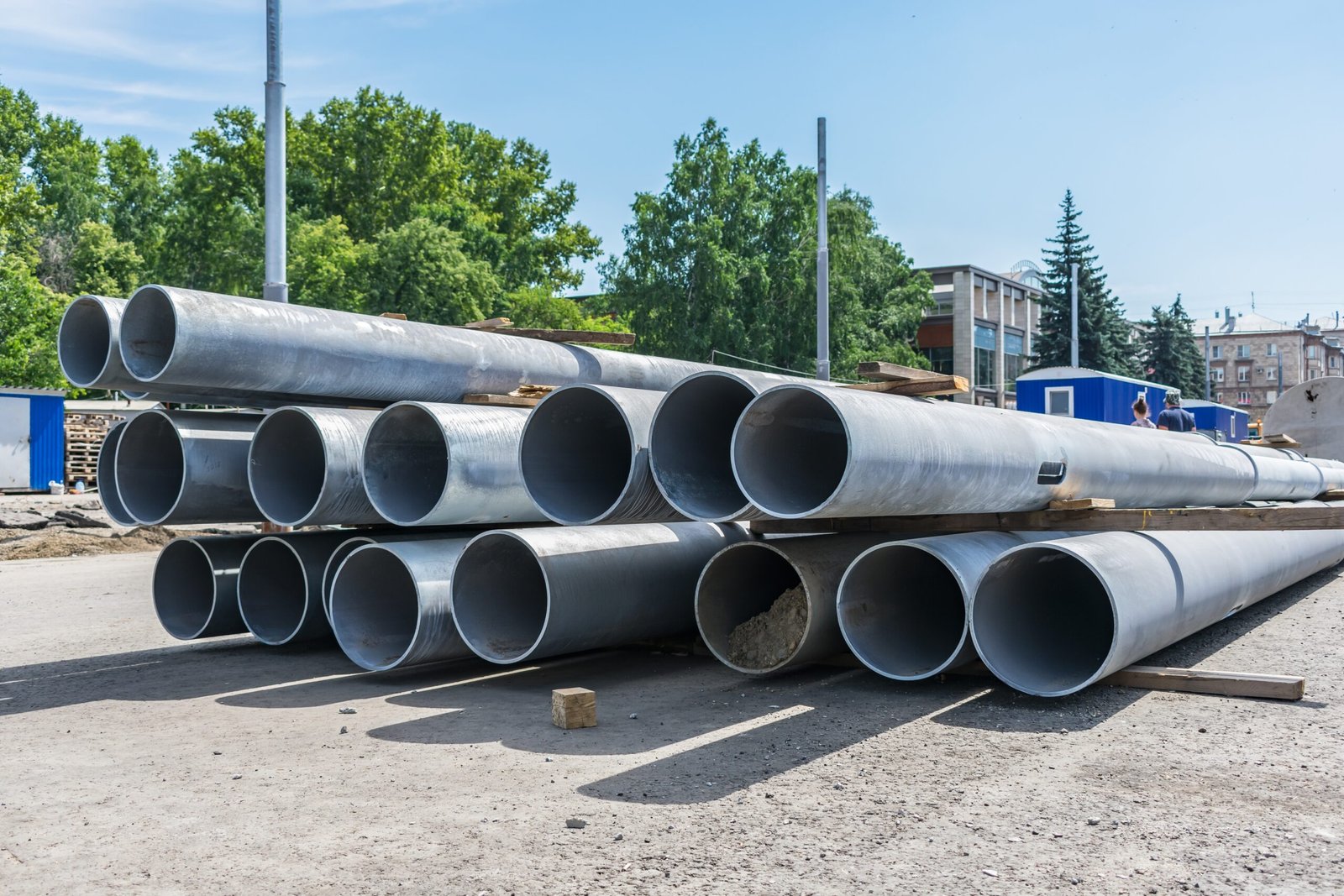
B2B Procurement Guide: Seamless SS Pipe Sizes (ASTM/DIN Standards)
Sourcing seamless pipes is complex. Mismatched standards cause costly project delays and failures. A clear, expert-guided approach simplifies procurement and ensures you get exactly what you need.
Mastering procurement involves a deep understanding of ASTM and DIN standards, precise identification of required sizes, rigorous supplier evaluation, and robust quality control. This ensures compatibility, reduces risk, and optimizes your supply chain for global industrial applications.

Navigating the world of international standards can feel overwhelming, but it doesn't have to be. As someone who has managed global supply chains for years here at MFY, I've seen how a precise procurement strategy can transform a potential headache into a major competitive advantage. The key is to break down the process into manageable steps, from understanding the foundational standards to ensuring the final product delivered to your site is perfect. Let's walk through this B2B procurement guide together, so you can source with confidence.
What Are the Core Differences Between ASTM and DIN Standards for SS Pipes?
Problem: ASTM and DIN standards seem similar. Agitate: Confusing them leads to incorrect specs and incompatible materials. Solve: Understanding their origins and core focus prevents costly errors.
ASTM (American Society for Testing and Materials) standards are dominant in North America, focusing on material properties and testing methods. DIN (Deutsches Institut für Normung) standards, from Germany, are prevalent in Europe and emphasize dimensional accuracy and tolerances.

At first glance, a stainless steel pipe is just a pipe. But for an engineer or project manager, the standard it's made to is everything. The choice between ASTM and DIN isn't just a matter of preference; it's about ensuring seamless integration, safety, and performance within a specific engineering ecosystem. I remember a client in South America who accidentally ordered pipes to a DIN dimensional standard for a project built entirely on ASTM specifications. The mismatch wasn't caught until the pipes were on-site, causing weeks of delays and significant budget overruns. This is a classic example of why this distinction is so critical. Understanding the fundamental differences is the first step in building a resilient and error-proof supply chain.
The American Approach: ASTM's Focus on Performance
ASTM standards[^1], particularly ASTM A312 for seamless stainless steel pipes, are primarily concerned with ensuring the material itself meets a certain level of quality and performance. The specification meticulously outlines requirements for chemical composition (the exact percentages of chromium, nickel, molybdenum, etc.), mechanical properties (like tensile strength and yield strength), and the specific tests a pipe must pass. It’s less about the exact millimeter dimension and more about guaranteeing the pipe will perform reliably under the specified pressure and environmental conditions. When you procure under ASTM, you're buying an assurance of material integrity.
The European Method: DIN's Emphasis on Dimensions
DIN standards, now often harmonized as DIN EN 10216-5, take a different approach. While they also specify material properties, their strength lies in the rigorous definition of dimensions and tolerances. The standard provides precise tables for outside diameters and wall thicknesses. This focus on dimensional accuracy is crucial for European engineering, where components are often designed for a perfect, interlocking fit. When you specify a DIN standard, you are demanding a high degree of precision in the physical product to ensure it fits perfectly within a larger assembly.
Practical Implications for Your Purchase Order
The choice between ASTM and DIN will be dictated by your project's location, engineering drawings, and existing infrastructure. It's crucial that your purchase order is crystal clear. Here’s a simple breakdown:
| Aspect | ASTM (e.g., A312) | DIN (e.g., EN 10216-5) |
|---|---|---|
| Primary Region | North America, parts of Asia & Middle East | Europe, and regions with European influence |
| Core Focus | Material properties, chemical/mechanical tests | Dimensional accuracy, tolerances |
| Size Naming | Nominal Pipe Size (NPS) & Schedule (Sch) | Diameter Nominal (DN) & specific wall thickness |
| Key Document | Mill Test Certificate verifying material specs | Certificate verifying dimensions and materials |
How Do You Identify the Right Seamless SS Pipe Sizes for Your Project?
Choosing the wrong pipe size is a project-ending disaster. It can halt production, invalidate engineering plans, and completely ruin your budget. A systematic approach ensures you get the exact size you need.
Identify the correct size by referencing project blueprints and engineering specifications, which define the required Nominal Pipe Size (NPS) or Diameter Nominal (DN), schedule (wall thickness), and material grade. Always cross-reference these requirements against official ASTM or DIN charts.
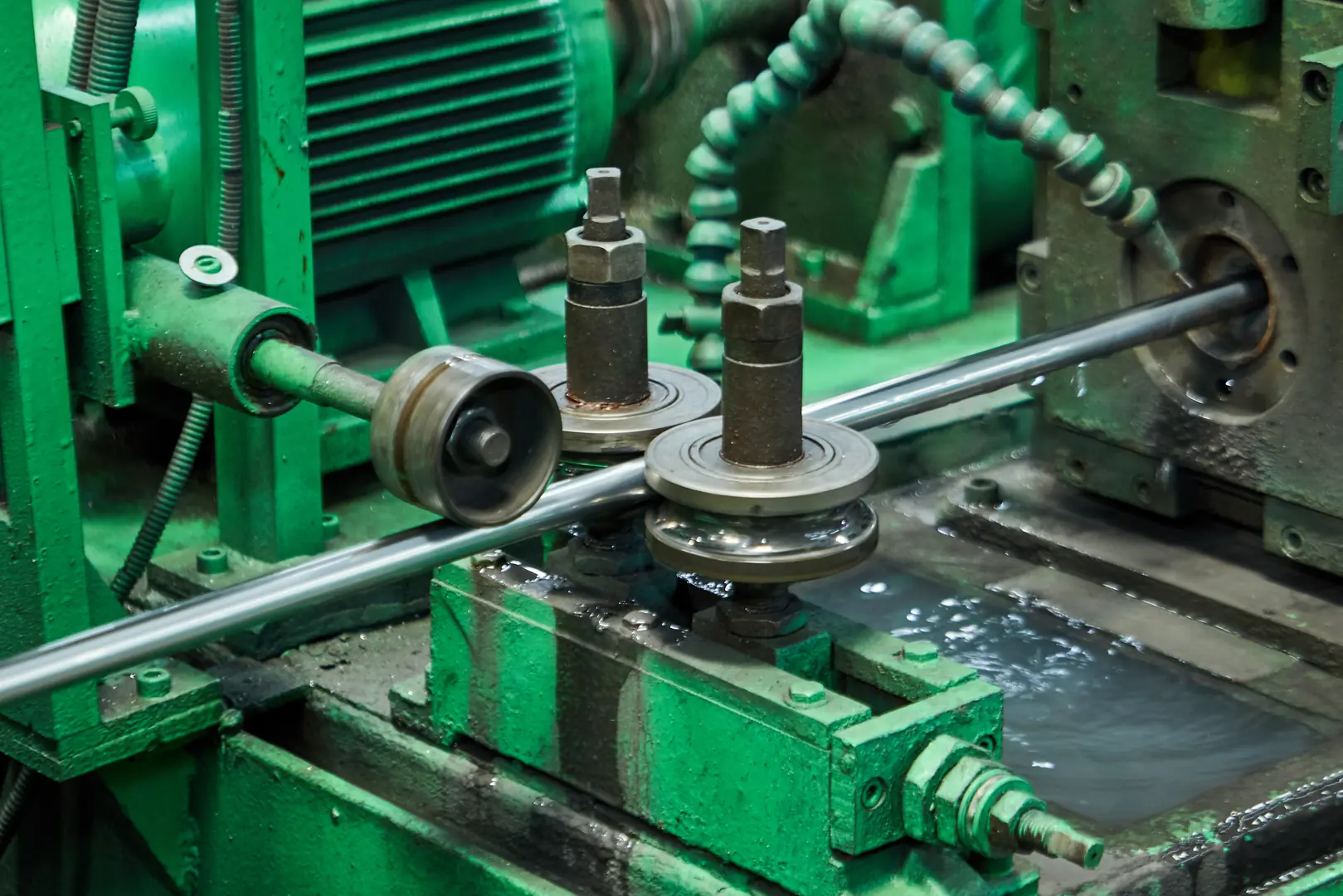
Once you know which standard you're working with, the next step is to nail down the exact specifications. This is where precision is paramount. A small error in diameter or wall thickness can compromise the integrity of an entire system, especially in high-pressure applications. At MFY, we've built our internal systems to double and triple-check these details with our clients before any production begins. The goal is to move from a general requirement to a specific, manufacturable product code that leaves no room for interpretation. This isn't just about ordering steel; it's about translating a complex engineering need into a tangible, perfectly-matched component.
Decoding the Terminology: NPS vs. DN
In the ASTM world, you'll primarily use Nominal Pipe Size (NPS). It's a North American standard set of sizes for pipes used for high or low pressures and temperatures. It's important to remember that for NPS 12 and under, the number is only loosely related to the actual inside diameter. For DIN/EN standards, you'll use Diameter Nominal (DN), a European metric equivalent. While they are not direct conversions, there are standard equivalency charts. For example, NPS 2 is equivalent to DN 50. Your engineering drawings will specify which system to use.
The Critical Role of 'Schedule'
The pipe's wall thickness is defined by its Schedule (Sch) number in the ASTM system. Common schedules include Sch 40, Sch 80, and Sch 160. A higher schedule number means a thicker pipe wall, which allows it to handle higher pressures. In the DIN system, the wall thickness is often specified directly in millimeters. You must specify both the NPS/DN and the Schedule/wall thickness to define the pipe's dimensions completely.
Leveraging Digital Tools for Accuracy
The complexity of cross-referencing these standards has led to a fantastic innovation: digital platforms and databases. This is a unique perspective we champion at MFY. We provide our clients with access to digital tools that contain real-time, cross-referenced databases of SS pipe sizes. A client can input their requirement, and our system can instantly verify it against the latest ASTM and DIN charts, flagging potential inconsistencies. This empowers our partners to make informed decisions quickly and eliminates the human error that used to plague this process. It turns the challenge of global standards into a manageable, data-driven task.
How Can You Effectively Evaluate a Supplier's Compliance with ASTM/DIN Standards?
Not all suppliers are reliable. A non-compliant supplier can deliver faulty products, causing safety risks and financial loss. A rigorous evaluation process protects your investment and your project.
Evaluate suppliers by requesting and verifying their certifications (like ISO 9001), demanding Mill Test Certificates (MTCs) for every batch, and conducting third-party inspections or on-site audits. A proven track record and transparent documentation are non-negotiable indicators of compliance.

Finding a supplier who can produce the right pipe is one thing. Finding one who can prove it, consistently and transparently, is another. This is where you separate the transactional suppliers from the true partners. In my experience, a supplier's willingness to be transparent is the single greatest indicator of their quality. If they readily provide documentation, welcome inspectors, and can trace their materials back to the source, you're on the right track. This is a core part of our philosophy at MFY; our fully integrated supply chain means we have full control and visibility from raw material to finished product, and we're always prepared to show our clients exactly how their products are made and verified.
The Mill Test Certificate (MTC) is Non-Negotiable
The most important document in your procurement process is the Mill Test Certificate (MTC), also known as an EN 10204 3.1 certificate. This document is the pipe's "birth certificate." It is issued by the manufacturer and certifies that the chemical and mechanical properties of that specific batch of steel meet the required ASTM or DIN standard. You should demand an MTC for every single order. When you receive it, check that the heat number on the certificate matches the number stenciled on the pipe. Verify the chemical analysis and mechanical test results (tensile strength, yield point, elongation) fall within the ranges specified by the standard.
Beyond the Paperwork: Audits and References
While the MTC is essential, it's also wise to go deeper. If you're placing a large or critical order, consider a third-party inspection or an on-site audit of the supplier's facility. This allows you to see their quality control processes in action. Ask for references from other clients in your industry. A reputable supplier will be proud to connect you with satisfied customers. During audits at our MFY facilities, we walk clients through our entire process, from spectral analysis of raw materials to hydrostatic testing of finished pipes. This level of transparency builds the trust needed for a long-term partnership.
Red Flags to Watch For
Be wary of suppliers who:
- Hesitate or refuse to provide an MTC.
- Offer prices that are significantly lower than the market average.
- Cannot provide a clear history or traceability for their raw materials.
- Have poor communication or are difficult to get clear answers from.
What Are the Key Elements in Negotiating Contracts for Seamless SS Pipes?
Vague contracts create unacceptable business risks. Ambiguity in terms can lead to costly disputes, delivery delays, and receiving the wrong product. Clearly defining all terms protects both you and your supplier.
Key negotiation elements include precise specifications (standard, grade, size, finish), clear pricing structures (including surcharges), defined delivery terms (Incoterms), payment schedules, and explicit clauses for quality assurance, inspection rights, and dispute resolution.

The contract is where all your hard work in specifying standards and vetting suppliers comes together. A well-written supply agreement is your ultimate safety net. It's not about being adversarial; it's about creating clarity and a shared understanding of expectations for both parties. I've seen simple, one-page purchase orders turn into major legal battles because critical details were left out. A comprehensive contract that anticipates potential issues is a hallmark of a professional B2B relationship and is fundamental to building a resilient supply chain that can withstand unexpected challenges. Every clause should be designed to eliminate ambiguity.
Defining the Scope of Supply
This is the most critical section of your contract. Do not leave anything to interpretation. It must explicitly state:
- Standard: e.g., ASTM A312/A312M-21
- Material Grade: e.g., TP316L
- Dimensions: e.g., NPS 6, Schedule 40S
- Length: e.g., Standard Random Lengths (SRL) of 5-7 meters, or specific cut lengths.
- End Finish: e.g., Plain Ends (PE) or Beveled Ends (BE).
- Quantity: Specified in meters, feet, or number of pieces.
Understanding Incoterms and Logistics
Your contract must specify the delivery terms using internationally recognized Incoterms (e.g., FOB, CIF, DDP). This defines who is responsible for the goods at each stage of the shipping process, including who pays for shipping and insurance, and when the risk transfers from seller to buyer. As a global business director at MFY, I work with Incoterms daily. Choosing the right one is critical for managing your costs and liabilities, especially in international trade.
Planning for the Unexpected
A strong contract includes clauses that manage potential problems. This should cover the Quality Rejection Procedure (what happens if the pipes fail your receiving inspection?), Warranty Terms, and penalties or remedies for Delivery Delays. These aren't negative clauses; they are practical tools that provide a clear path forward if something goes wrong, preventing small issues from escalating into major disputes.
How Do You Ensure Consistent Quality Control and Delivery Post-Contract?
The work isn't over after you sign the contract. Poor quality control or logistics management by your supplier can still disrupt your entire project. A proactive QC and delivery plan ensures consistency.
Ensure consistency through a pre-agreed Quality Assurance Plan (QAP), conducting pre-shipment inspections (PSI), and maintaining open communication with your supplier. Track shipments closely and have a clear receiving inspection process to verify compliance upon arrival.
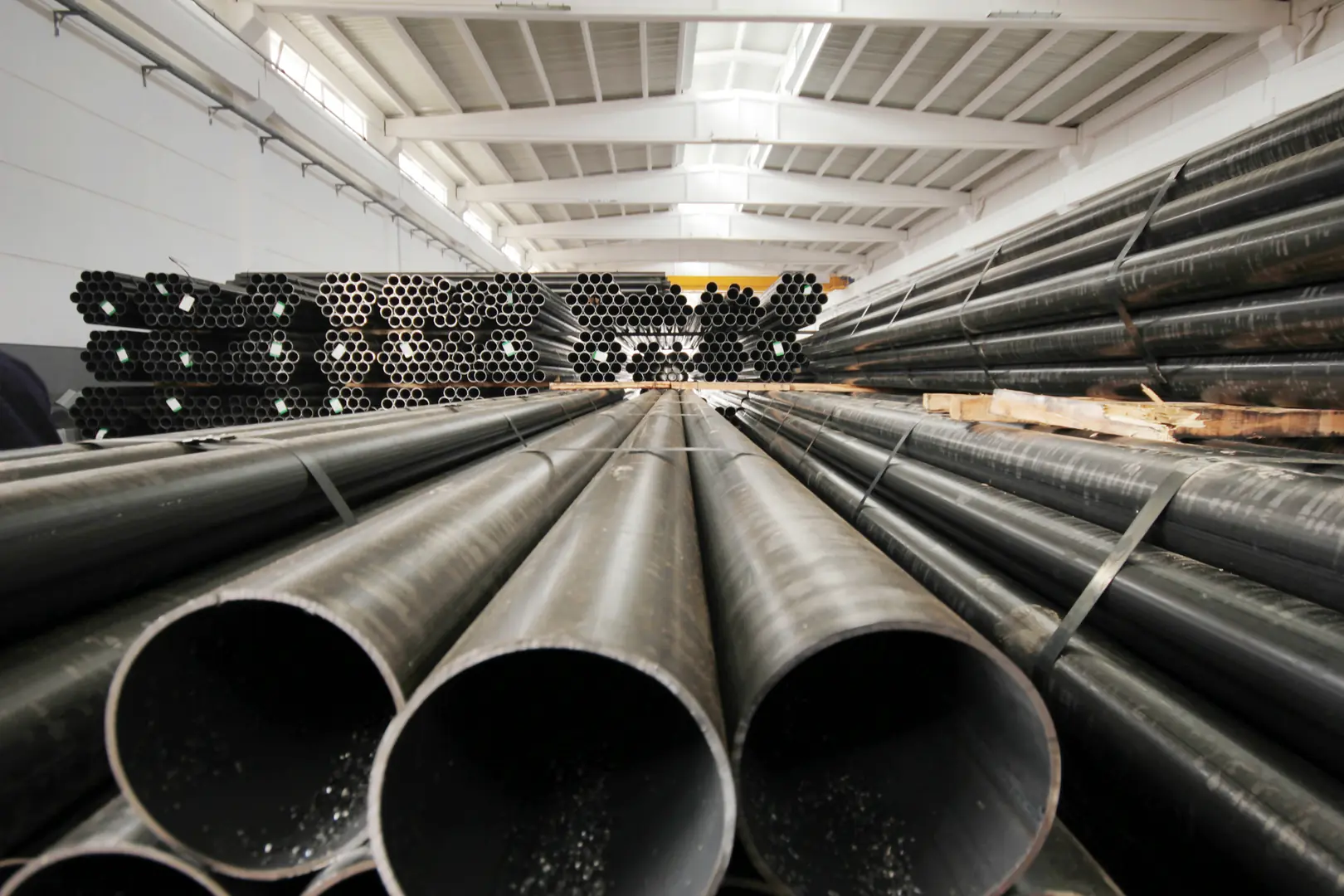
Signing the contract is the start, not the finish line. The final, and arguably most important, phase is execution. This involves proactive monitoring to ensure the quality you specified is the quality you receive, and that it arrives on time and in perfect condition. This is where a true supply chain partner shines. At MFY, we see post-contract management as a core part of our service. We provide our clients with regular production updates, inspection reports, and shipment tracking because we believe our responsibility extends all the way until the pipes are successfully installed in their project.
The Power of Pre-Shipment Inspection (PSI)
For any significant order, I strongly recommend a Pre-Shipment Inspection (PSI). This can be done by your own team or a third-party agency. The inspector goes to the supplier's facility after the goods are produced and packaged but before they are shipped. They will visually inspect the goods for defects, check markings and packaging, and verify dimensions and quantities against the contract and MTC. A PSI is your last, best chance to catch any issues before the products are halfway around the world.
Packaging and Logistics Management
Don't overlook packaging. Stainless steel pipes, especially those with specific surface finishes, can be easily damaged in transit. Your contract should specify the packaging requirements, such as wooden crates, plastic end caps, or individual wrapping, to prevent scratches, dents, or contamination. Work with a supplier who has proven experience in international logistics and can provide robust packaging suitable for sea or air freight.
Building a Long-Term Partnership
Ultimately, this entire process—from understanding standards to managing final delivery—is about more than just a single transaction. It's about building a reliable, resilient supply chain with partners you can trust. When you find a supplier who is transparent, communicative, and committed to quality at every step, you are building a foundation for future success. This collaborative approach is what turns procurement from a cost center into a strategic asset for your business.
Conclusion
Mastering B2B procurement of seamless stainless steel pipes is a systematic process. It requires understanding standards, specifying precisely, vetting suppliers, creating clear contracts, and managing quality control. This structured approach transforms a complex task into a strategic advantage, ensuring your project's success and supply chain resilience.
Have Questions or Need More Information?
Get in touch with us for personalized assistance and expert advice.




 English
  Русский