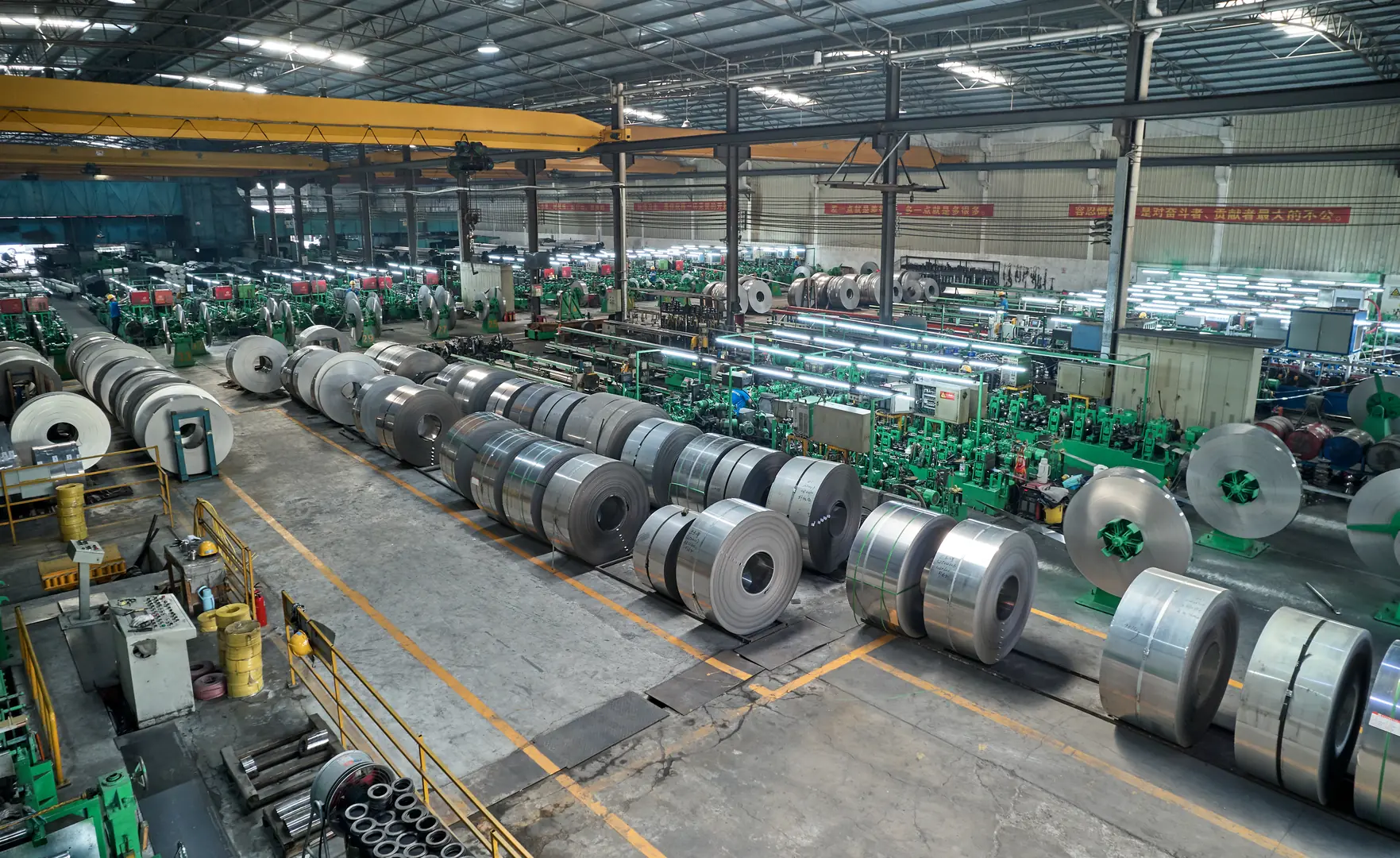
B2B Procurement Guide: Specifications and Volume Supply of 304 Stainless Steel Tubes
Struggling with 304 tube procurement? Unclear specs and unreliable suppliers cause costly project delays. Master the process with a clear, strategic guide for your business.
Mastering B2B procurement of 304 stainless steel tubes involves detailing precise specifications, rigorously evaluating supplier volume capabilities, implementing strict quality assurance, negotiating smart contracts, and optimizing logistics. This ensures cost-efficiency and supply chain stability for large-scale projects.

Navigating the global market for stainless steel can be complex. But with the right knowledge, you can turn procurement from a challenge into a major competitive advantage. As the Global Business Director for MFY, I've helped countless partners streamline their supply chains. Let's walk through the essential steps to secure the high-quality 304 stainless steel tubes your business needs to thrive.
How Do You Identify Key Specifications for 304 Stainless Steel Tubes?
Ordering the wrong tube specifications? This simple mistake leads to project failure, wasted materials, and blown budgets. You must get the details right from the very start.
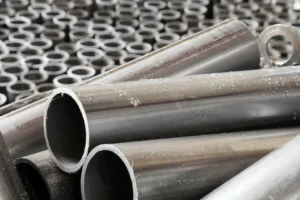
Key specifications for 304 stainless steel tubes include outer diameter (OD), wall thickness (WT), length, surface finish (e.g., 2B, BA, No. 4), and compliance with standards like ASTM A249/A269. Clearly defining these prevents costly errors.

Precision is everything in industrial applications. A small deviation in wall thickness or the wrong surface finish can compromise the integrity of an entire project. That's why at MFY, we work closely with our clients to lock down every detail before a single tube is produced. It starts with the fundamentals but goes much deeper.
Beyond the Basics: Critical Details
The outer diameter, wall thickness, and length are just the beginning. You must also define the acceptable tolerances for each dimension. A tube that is slightly too thick or too thin might not fit into a larger assembly, causing production to grind to a halt. We encourage our partners to specify these tolerances clearly in their purchase orders. This removes ambiguity and ensures the final product is perfectly suited for its intended application, whether it's for heat exchangers, food processing equipment, or structural components.
The Importance of Standards and Finish
Compliance with international standards is non-negotiable. For welded tubes, ASTM A249 is a common benchmark, while ASTM A269 often applies to general-service tubing. These standards dictate chemical composition, mechanical properties, and testing requirements, providing a baseline for quality. The surface finish is equally important, as it affects both appearance and performance, especially regarding corrosion resistance and cleanability.
| Finish Type | Description | Common Applications |
|---|---|---|
| No. 1 / HRAP | Hot-rolled, annealed, and pickled | Structural, industrial applications |
| 2B | Cold-rolled, smooth, reflective finish | General purpose, food processing |
| No. 4 | Brushed, polished finish | Architectural, decorative, kitchen equipment |
| BA (Bright Annealed) | Highly reflective, mirror-like finish | High-end decorative, sanitary applications |
How Can You Evaluate a Supplier's Capability for Volume Supply?
Worried your supplier can't handle a large order? A supply chain disruption can halt your entire operation. You need to choose a partner with proven capacity and reliability.
Evaluate a supplier's volume capability by assessing their production capacity, raw material sourcing stability, inventory management systems, and historical performance with large orders. Look for transparent, data-driven operations that can prove their reliability and scale.
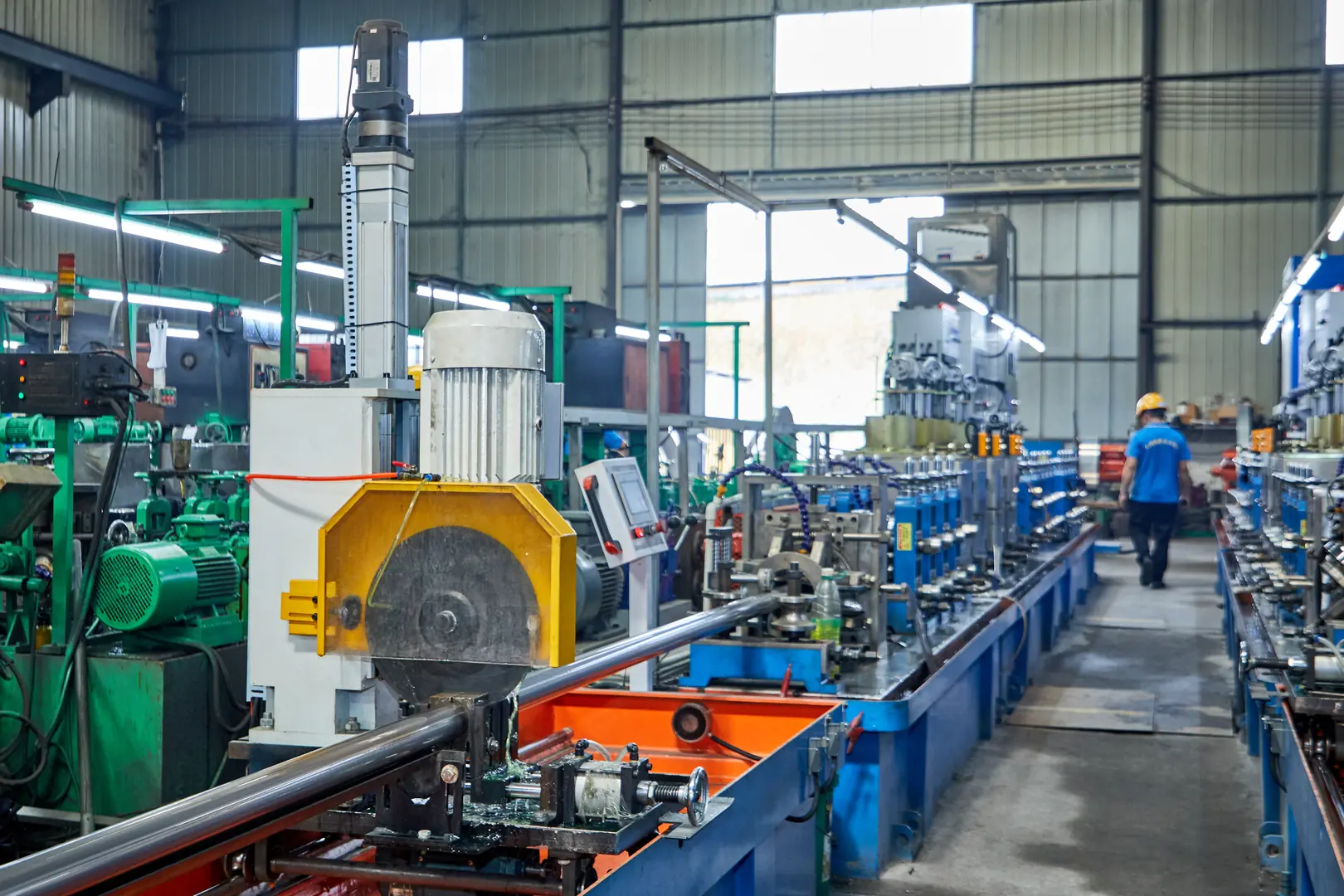
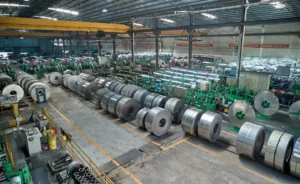
A supplier's promise is only as good as their ability to deliver. In today's volatile market, ensuring your partner can handle the volume you need, when you need it, is critical. This evaluation goes beyond a simple factory tour. It requires a deep dive into their operational infrastructure, from raw material sourcing to their use of modern technology.
Production Capacity vs. Actual Output
A factory's stated capacity can be misleading. You need to understand their actual, consistent output and their ability to scale up for your order without sacrificing quality. Ask for production records, and check their certifications, like ISO 9001[^1], which indicates a commitment to quality management systems. I remember a client in Germany who was struggling with a supplier that kept missing deadlines. The issue wasn't a lack of machinery, but a poor raw material pipeline. A truly capable partner, like MFY, has an integrated supply chain that ensures a stable flow of high-quality raw materials, directly supporting consistent production output.
The Digital Edge in Supply Chain Stability
This is where traditional suppliers often fall short. We believe in using technology to provide our partners with confidence. Modern digital procurement platforms offer real-time visibility into inventory levels, production schedules, and demand forecasts. This data-driven approach allows us to anticipate needs and proactively manage our supply chain, ensuring we can meet large-volume demands without disruption. It transforms the supplier relationship from a simple transaction into a transparent, predictable partnership.
| Evaluation Metric | What to Look For |
|---|---|
| Production Capacity | Verified output records, equipment maintenance logs. |
| Certifications | ISO 9001, industry-specific quality standards. |
| Inventory System | Use of digital/ERP systems for real-time tracking. |
| Lead Time Record | Historical data on on-time delivery performance. |
What Quality Assurance Measures are Crucial in Tube Procurement?
Is inconsistent quality hurting your reputation? Bad materials lead to product failures, safety hazards, and serious liability risks. Implement robust QA checks for complete peace of mind.
Crucial quality assurance measures include requesting Mill Test Certificates (MTCs), verifying chemical composition and mechanical properties, conducting non-destructive testing (NDT) like eddy current tests, and agreeing on third-party inspection protocols before shipment.
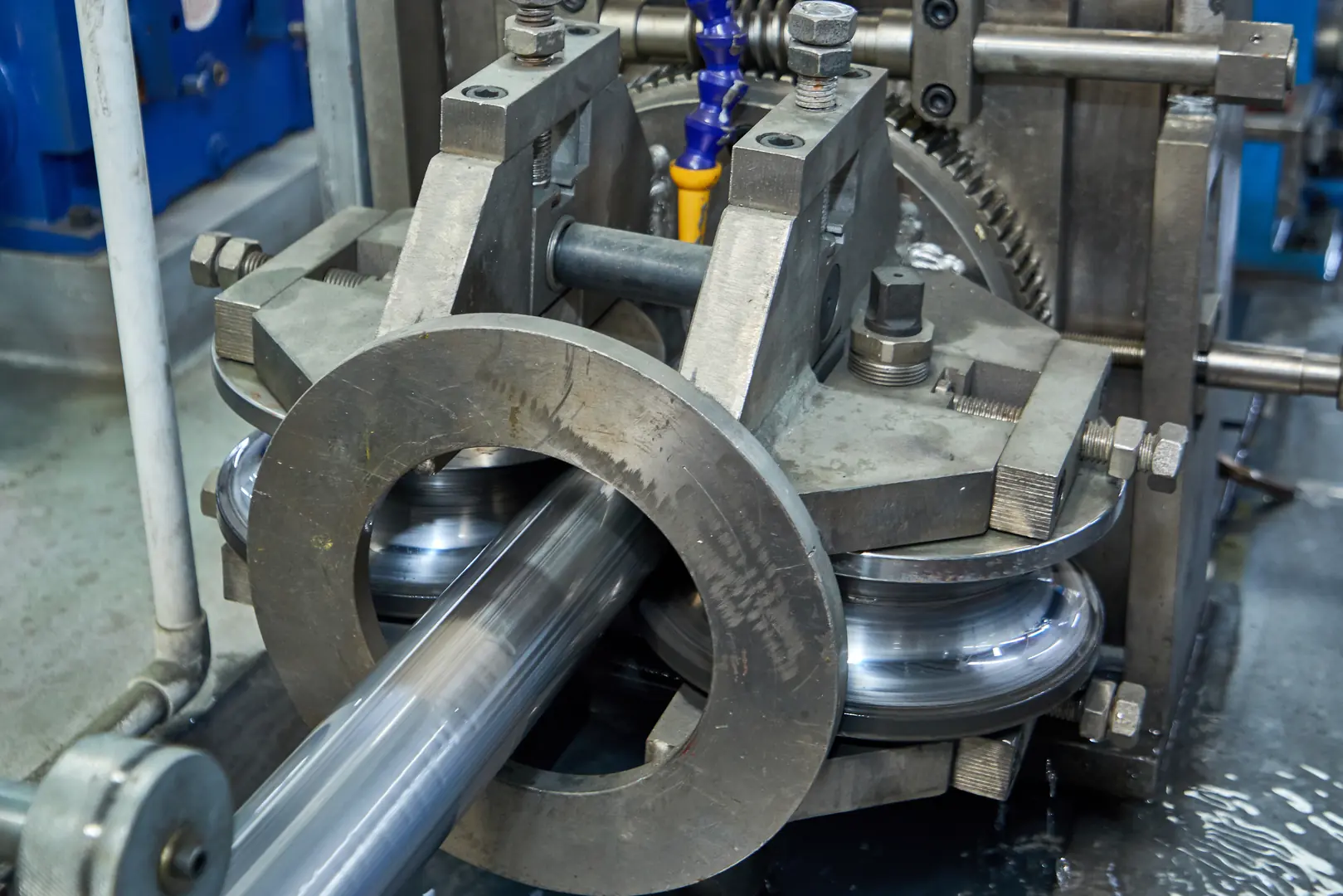
Quality isn't just a feature; it's the foundation of trust in any B2B relationship. For a product like stainless steel tubes, where performance under pressure is critical, there can be no compromises. A comprehensive quality assurance (QA) program protects your investment, your products, and your customers. At MFY, our control over the entire supply chain allows us to embed quality checks at every stage, from the initial raw material melt to the final packaging.
Decoding the Mill Test Certificate (MTC)
The MTC is your product's birth certificate. It provides essential data verifying that the material meets the required standards. A proper EN 10204 3.1 certificate, for example, is validated by the manufacturer's authorized inspection representative, who is independent of the production department. You should always check the MTC for key data points like the exact chemical composition (checking for levels of Chromium and Nickel in 304 steel) and mechanical properties such as tensile strength and yield strength. This document is your first line of defense against substandard materials.
Proactive Testing and Inspection
Beyond documentation, physical testing is vital. Non-destructive testing (NDT) methods are used to inspect tubes without causing damage. Eddy current testing can detect surface flaws, while hydrostatic testing checks for leaks under pressure. We strongly recommend agreeing on an inspection plan with your supplier beforehand. This could include pre-production raw material checks, in-process dimensional verifications, and final pre-shipment inspections, which can be performed by your own team or a trusted third-party agency. This proactive approach catches potential issues before they become expensive problems on your factory floor.
How Should You Negotiate Contracts and Pricing for Bulk Orders?
Paying too much for your steel tubes? Unfavorable contract terms can lock you into high costs and expose you to unnecessary risks. Negotiate smarter for better long-term value.
Negotiate bulk orders by leveraging volume for better per-unit pricing, clarifying Incoterms, establishing clear payment terms (e.g., L/C, T/T), and defining clauses for quality disputes and delivery delays. A long-term partnership focus often yields the best results.

A successful negotiation is not about winning at the expense of your supplier; it's about creating a mutually beneficial agreement that fosters a strong, long-term partnership. For bulk orders, you have significant leverage, but it should be used to build a sustainable and reliable supply chain, not just to achieve the lowest possible price.
Beyond the Price Tag
The cheapest offer is rarely the best value. Experienced buyers look at the Total Cost of Ownership (TCO), which includes not only the purchase price but also logistics costs, import duties, inventory holding costs, and the potential cost of quality failures. A slightly more expensive supplier with a proven track record for on-time delivery and zero defects will almost always provide a lower TCO in the long run. At MFY, we focus on delivering this comprehensive value. We structure long-term agreements that provide our clients with price stability and guaranteed supply, protecting them from market volatility and ensuring predictable costs.
Key Contractual Clauses
Your contract is your rulebook. It should be clear, comprehensive, and fair. Make sure it covers all the critical aspects of your agreement to prevent misunderstandings down the road.
| Contract Clause | Key Considerations |
|---|---|
| Price | Fixed price, or variable based on LME Nickel index? |
| Incoterms | FOB, CIF, DDP? Clearly define who is responsible for shipping, insurance, and duties. |
| Payment Terms | Letter of Credit (L/C), Telegraphic Transfer (T/T)? Specify timing (e.g., 30% advance, 70% against B/L copy). |
| Quality Acceptance | Define the inspection process and criteria for rejecting a shipment. |
| Force Majeure | Outline procedures for unforeseen events that disrupt the supply chain. |
What are the Best Logistics Strategies for Large-Scale Purchases?
Are logistical nightmares delaying your projects? Poor planning for bulk shipments creates chaos, inflates costs, and can shut down your operations. Streamline your delivery for predictable success.
The best logistics strategies for large-scale purchases involve choosing the right Incoterms (e.g., FOB, CIF), ensuring proper packaging to prevent damage, optimizing container loading, and using digital tracking systems for real-time visibility from port to final destination.
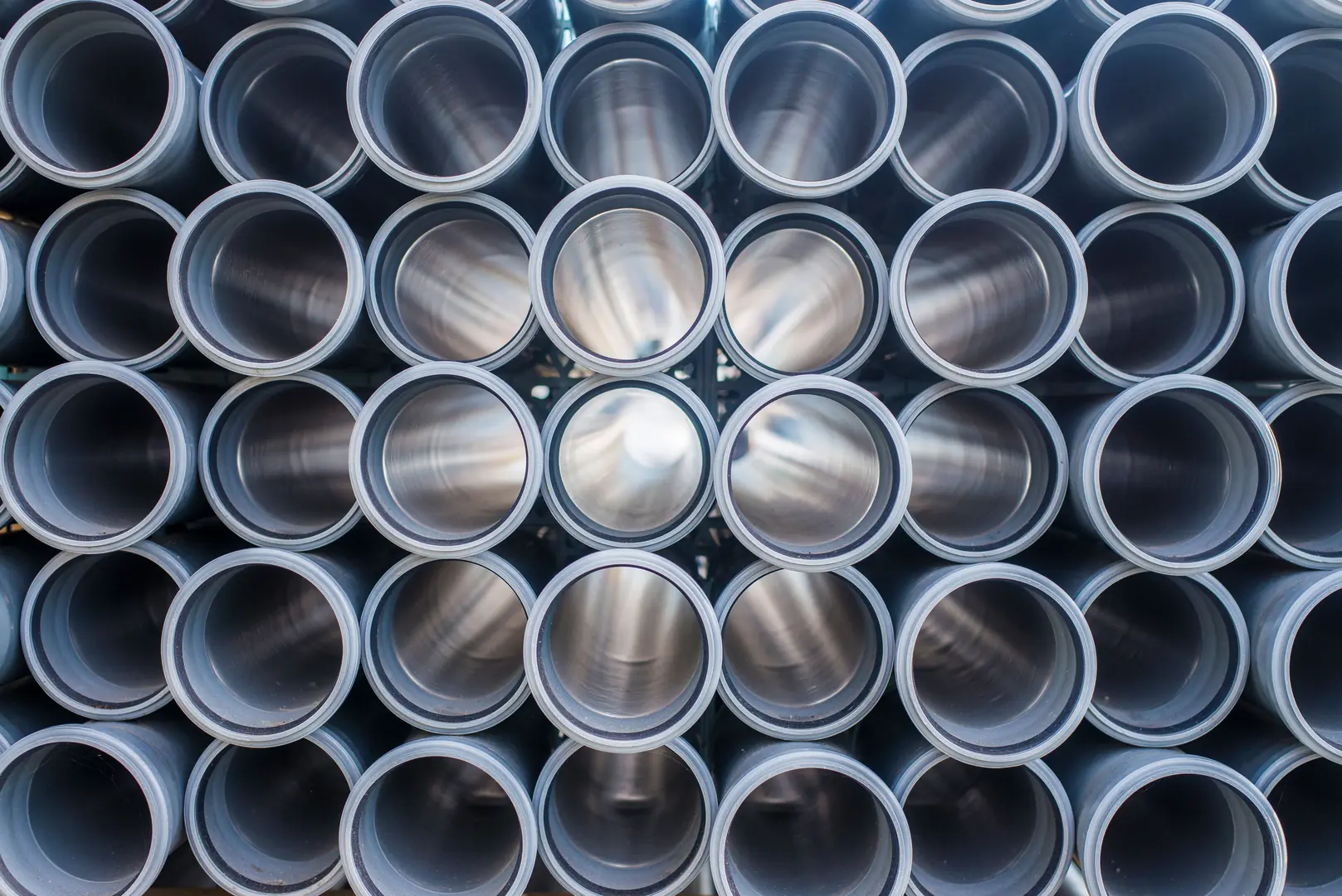
For large-scale international procurement, the product journey doesn't end at the factory gate. A well-executed logistics plan is just as important as the quality of the tubes themselves. Damage during transit, customs delays, or poor communication can erode all the gains you made during negotiation. A modern, tech-enabled approach to logistics is essential.
Packaging and Loading: The Unsung Heroes
You can have the best stainless steel tubes in the world, but if they arrive scratched, dented, or corroded, they are useless. Proper packaging is your first line of defense. This includes using wooden crates or strong bundles, protecting tube ends with plastic caps, and separating tubes to prevent surface damage. Furthermore, optimizing how tubes are loaded into a shipping container is crucial. Efficient loading not only maximizes the space you are paying for but also secures the cargo to prevent shifting and damage during the long ocean voyage.
Leveraging Technology for Seamless Delivery
This is another area where integrating digital platforms makes a huge difference. Gone are the days of wondering where your shipment is. I recall helping a major construction contractor in the Middle East coordinate just-in-time deliveries for a massive project. Our integrated logistics platform provided them with live GPS tracking of the vessel, automated customs documentation updates, and precise ETAs. This level of real-time visibility was essential for their tight construction schedule and allowed them to manage their on-site inventory with incredible efficiency. This is the new standard for global trade.
Conclusion
Mastering 304 tube procurement is about precision in specs, partnership in supply, and a modern, data-driven approach. By focusing on these core areas, you build a resilient and competitive supply chain. MFY is here to be that strategic partner for your growth.
Have Questions or Need More Information?
Get in touch with us for personalized assistance and expert advice.



 English
  Русский