Applications of Stainless Steel Coiled Tubing: Oil, Gas & Medical
Your industry demands materials that are strong, flexible, and can withstand harsh environments. Using the wrong component leads to costly failures, downtime, and significant safety risks.
Stainless steel coiled tubing provides a robust, reliable solution for these critical demands. It is revolutionizing industries by offering a continuous, corrosion-resistant conduit for well intervention in oil and gas, and enabling precision, biocompatible instruments like catheters and surgical tools in the medical field.
As the Global Business Director at MFY, I’ve seen firsthand how this remarkable product has shifted from a specialty item to a cornerstone of modern industrial operations. Its unique combination of properties is not just an upgrade; it's a fundamental change in how we approach complex challenges. Let's explore how this technology is making a difference across these vital sectors.
What is the Background of Stainless Steel Coiled Tubing in Various Industries?
Understanding a material's history is key to appreciating its value. Without this context, you might miss its full potential and the innovation that drives its current success.
Originally developed for the energy sector, stainless steel coiled tubing evolved from earlier carbon steel versions to meet demands for superior corrosion resistance and strength. Advances in metallurgy and manufacturing transformed it into a high-performance solution for industries requiring durability, flexibility, and reliability.
When we look at the evolution of coiled tubing, we see a story of continuous improvement driven by necessity. Initially, the oil and gas industry relied on jointed pipe, which was cumbersome and time-consuming to deploy. The first coiled tubing was made of carbon steel, which offered the advantage of a continuous length but struggled with corrosion and fatigue in harsh downhole environments. The real breakthrough came with the adoption of stainless steel. At MFY, we have been part of this transition, supplying advanced alloys that address these historical limitations. The move to stainless steel was a pivotal moment, introducing exceptional corrosion resistance and high strength, which are now non-negotiable in demanding applications.
Key Evolutionary Drivers
The journey of stainless steel coiled tubing is marked by specific technological leaps. The development of alloys like 316L and duplex grades provided a solution for sour gas wells and marine environments, where standard materials would fail rapidly. Furthermore, advancements in welding and milling technology allowed us to produce longer, more reliable coils with consistent wall thickness and superior surface finish. This evolution is a perfect example of our core value at MFY: continuous evolution. We don't just sell a product; we provide a solution that has been refined over decades to ensure maximum performance and safety for our partners worldwide.
| Feature | Early Carbon Steel Tubing | Modern Stainless Steel Tubing |
|---|---|---|
| Corrosion Resistance | Low | High to Exceptional |
| Strength-to-Weight | Moderate | High |
| Application Scope | Limited to basic interventions | Wide (Drilling, medical, chemical) |
| Lifecycle Cost | Low initial, high maintenance | Higher initial, low maintenance |
What are the Current Applications of Stainless Steel Coiled Tubing in the Oil Industry?
Oil extraction occurs in some of the world's most punishing environments. In these conditions, equipment failure is not an option, as downtime can lead to millions in losses.
In the oil industry, stainless steel coiled tubing is essential for well intervention, acidizing, nitrogen lifting, and hydraulic fracturing. Its single, continuous length eliminates weak points from joints, ensuring reliable conveyance of fluids and tools into high-pressure wells, enhancing both safety and efficiency.
In my experience working with partners in the Middle East and Russia, the reliability of equipment is paramount. Stainless steel coiled tubing is the workhorse of modern well operations. Because it can be deployed quickly and safely from a large reel, it dramatically reduces the time needed for interventions compared to traditional jointed pipe. This efficiency is critical. For example, during a well cleanout, our clients use coiled tubing to pump fluids and remove sand or debris, restoring production much faster. Its inherent strength and flexibility allow it to navigate deviated wellbores that would be challenging for rigid pipes. This adaptability is precisely why it has become indispensable.
Core Operational Benefits
The value of stainless steel coiled tubing extends beyond just speed. Its corrosion resistance is crucial when pumping aggressive chemicals for well stimulation or acidizing. We've seen cases where inferior materials failed within weeks, causing costly production halts and environmental risks. Our stainless steel products, however, are engineered to withstand these substances, ensuring operational longevity and cost-effectiveness. This durability under extreme conditions is a cornerstone of its value proposition, providing our clients with the peace of mind they need to operate confidently.
| Application | Key Benefit Provided by Stainless Steel |
|---|---|
| Well Intervention | Rapid deployment and retrieval |
| Chemical Injection | High corrosion resistance against harsh fluids |
| Hydraulic Fracturing | Strength to withstand extreme pressures |
| Well Logging | Ability to convey tools in horizontal wells |
How is Stainless Steel Coiled Tubing Utilized in the Gas Sector?
Safely and efficiently transporting natural gas is a top priority for the energy sector. Leaks, corrosion, and flow inefficiencies can lead to dangerous situations and significant financial losses.
In the gas sector, stainless steel coiled tubing is used for unloading liquids from gas wells, known as velocity strings, and for injecting corrosion inhibitors. Its smooth internal surface reduces friction for better gas flow, while its corrosion resistance ensures long-term integrity and safety.
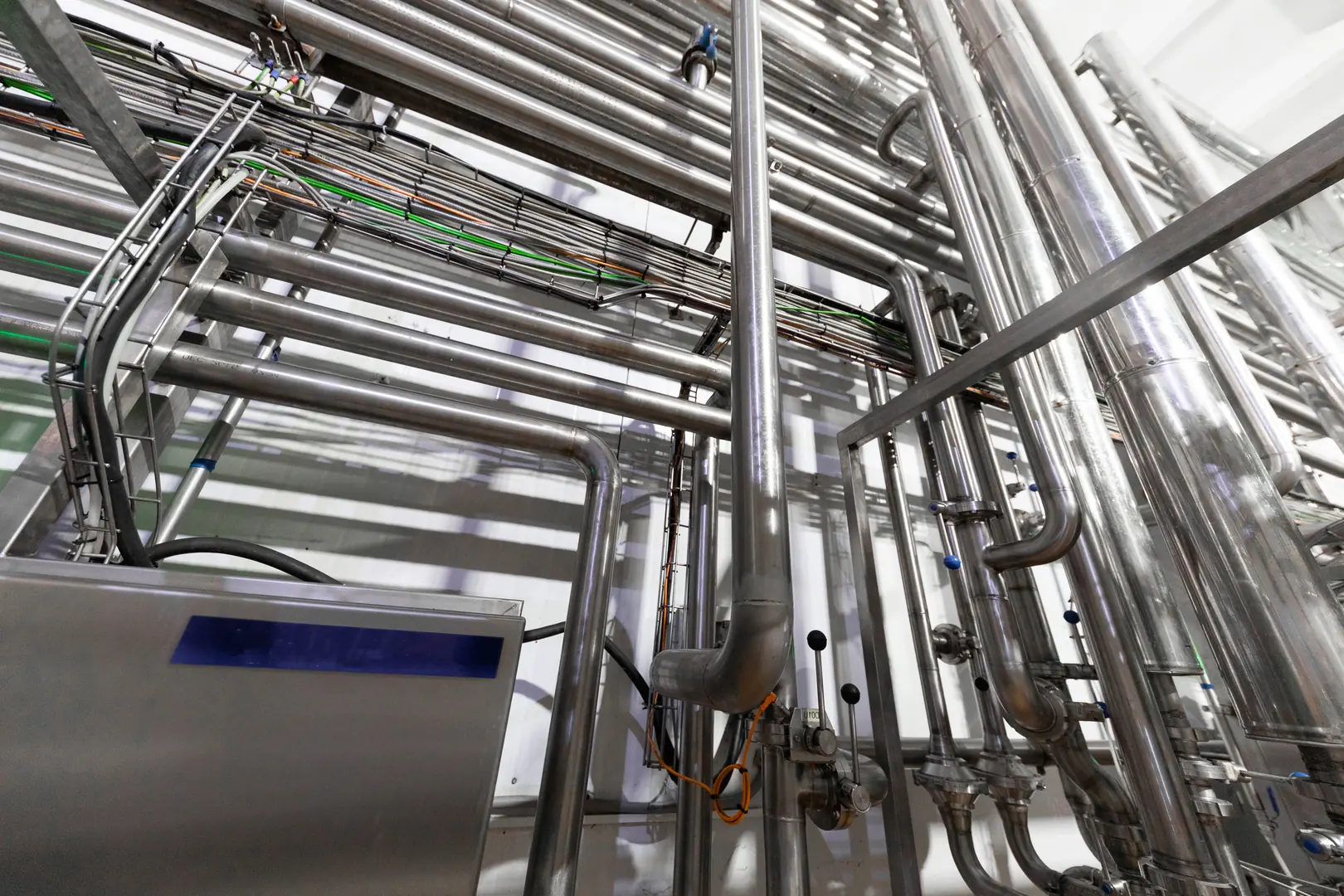
The challenges in the gas sector are similar to oil but with unique twists. Gas wells often produce liquids that can accumulate and choke off production. Here, we see our clients use smaller-diameter stainless steel coiled tubing as velocity strings. By reducing the flow area, the gas velocity increases, helping to lift and clear out those liquids, thus maintaining steady production. This is a simple yet brilliant application that boosts a well's efficiency and extends its productive life. At MFY, we manufacture this tubing with incredibly precise dimensions to ensure optimal flow dynamics.
Safety and Efficiency in Gas Operations
Beyond production enhancement, safety is the primary concern. Natural gas is highly corrosive, especially "sour gas" containing hydrogen sulfide (H2S). Using stainless steel coiled tubing for chemical injection lines ensures that corrosion inhibitors are delivered reliably without the line itself degrading. This preventative maintenance is critical for asset integrity. The seamless nature of the coil also minimizes potential leak points, a crucial feature when dealing with flammable and toxic gases. This focus on safety and efficiency aligns perfectly with our mission to provide resilient and reliable materials for the world's most critical infrastructure. The sustainability aspect is also important; efficient operations mean less wasted energy and a smaller environmental footprint.
What Challenges Does Stainless Steel Coiled Tubing Face in Medical Applications?
Medical devices demand absolute precision, purity, and safety. Even a microscopic imperfection or impurity can have severe consequences for a patient's health and well-being.
The primary challenges in medical applications are achieving micro-dimensions with extremely tight tolerances, ensuring pristine surface finishes to prevent blockages, and guaranteeing absolute biocompatibility. Manufacturing must be flawless to eliminate any contaminants and ensure structural integrity for delicate instruments like catheters and endoscopes.
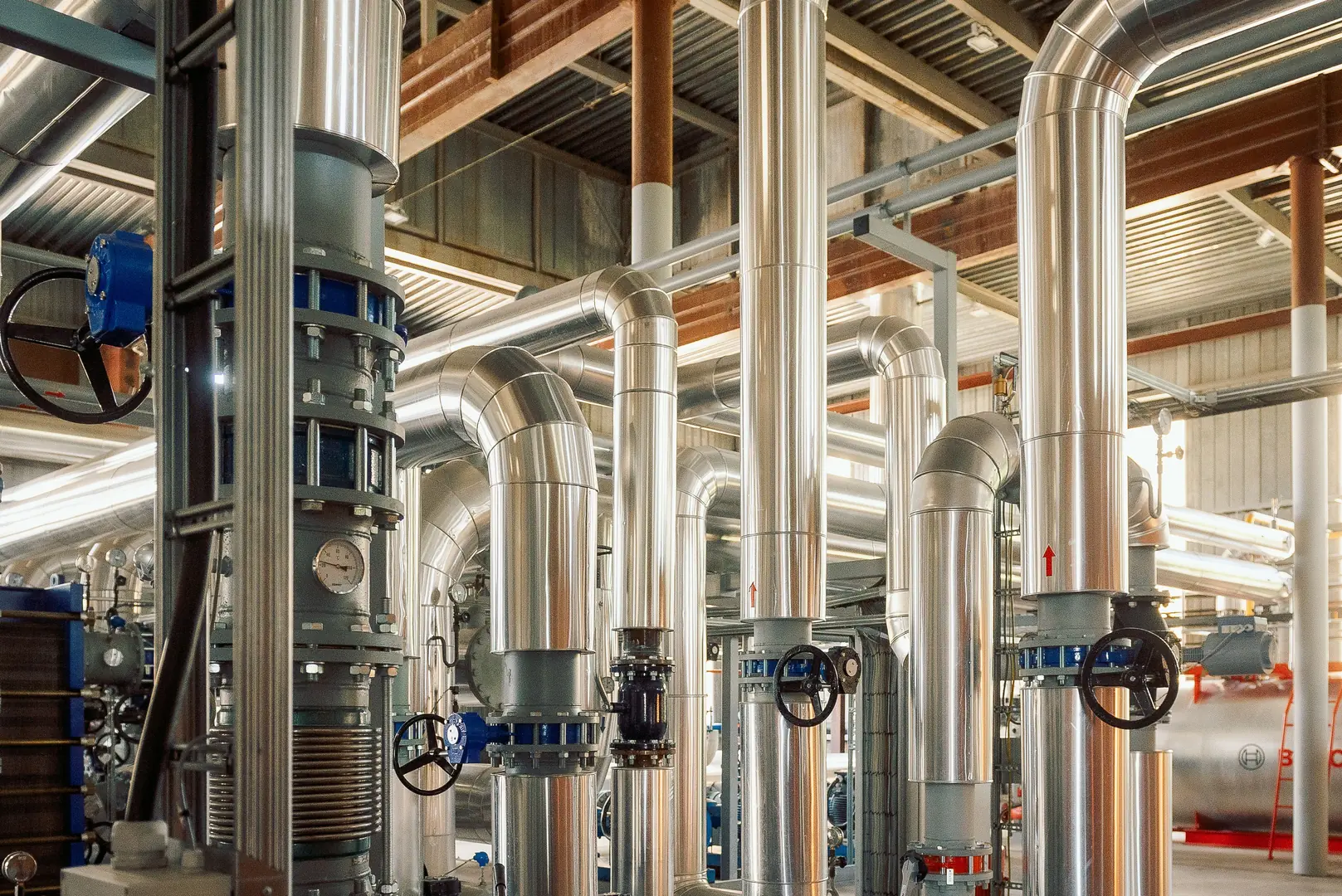
While the oil and gas industry demands robustness, the medical field demands perfection on a microscopic scale. I remember visiting a partner facility that manufactures catheters. The level of precision was astounding. The stainless steel coiled tubing they use is often thinner than a human hair, yet it must be strong enough to be navigated through blood vessels and flexible enough to avoid causing damage. This is where manufacturing excellence becomes paramount. The challenge isn't just making the tube; it's making it perfectly, every single time. The slightest burr or surface impurity could be catastrophic.
Meeting Stringent Regulatory Standards
The medical industry is governed by strict regulations, and for good reason. Materials must be biocompatible, meaning they won't react with the human body. This requires using specific grades of stainless steel, like 316LVM, and employing manufacturing processes that leave no residue. At MFY, while our primary focus is industrial, we understand these principles of material purity. The technology we use to create clean, seamless tubing for high-purity gas lines has parallels with what's required in the medical field. It's about process control and an unwavering commitment to quality.
| Challenge | Manufacturing Focus | Consequence of Failure |
|---|---|---|
| Miniaturization | High-precision drawing and milling | Instrument cannot perform its function |
| Surface Purity | Electropolishing and cleanroom assembly | Potential for blood clots or infection |
| Biocompatibility | Strict material sourcing (e.g., 316LVM) | Adverse immune reaction in patients |
| Flexibility & Strength | Controlled annealing and work hardening | Vessel perforation or instrument breakage |
What are the Latest Solutions and Advancements in Stainless Steel Coiled Tubing Technology?
Industries are constantly evolving, and customer needs are growing more complex. Sticking with yesterday's technology means falling behind competitors and missing out on new opportunities.
Recent advancements include new duplex stainless steel alloys for superior strength and corrosion resistance, improved laser welding for longer, flawless coils, and the integration of fiber optic sensors for real-time downhole monitoring. These innovations are making coiled tubing smarter, stronger, and more versatile.
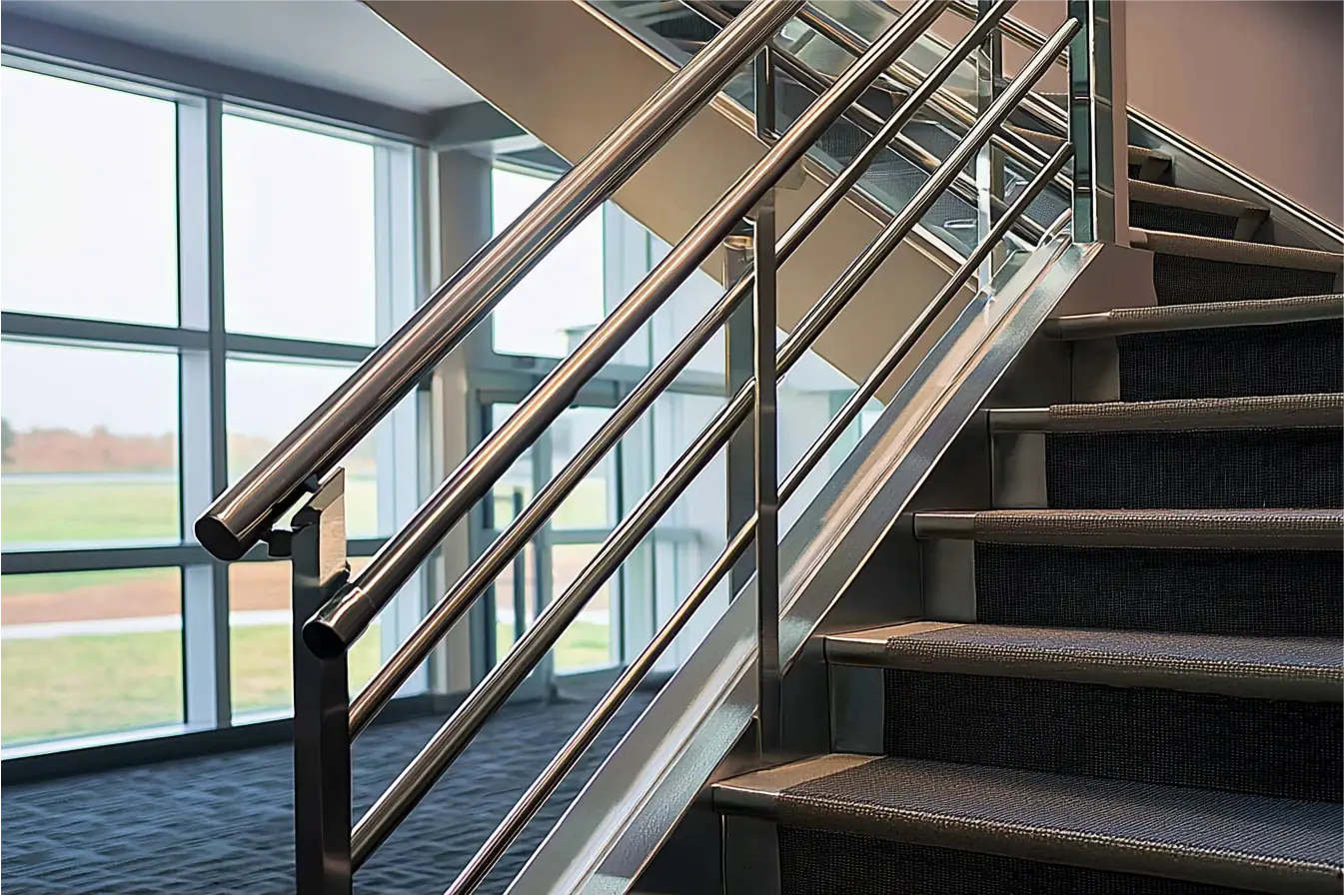
This is an area I am particularly passionate about because it reflects MFY's commitment to innovation. We are no longer just delivering a simple steel tube. We are delivering a high-tech component. The development of duplex and super-duplex stainless steels has been a game-changer for our clients in highly corrosive environments, significantly extending the service life of their equipment. On the manufacturing side, we've invested in technologies that allow us to produce coils that are miles long without a single seam failure, which was unthinkable a decade ago. This continuous length is a massive advantage, enhancing safety and reliability.
The Future is Integrated and Intelligent
The most exciting frontier is the integration of digital technology. We are now seeing "smart" coiled tubing that incorporates fiber optic cables. This allows operators to get real-time data on temperature, pressure, and stress from deep inside the well. It turns a piece of hardware into an intelligent diagnostic tool, enabling predictive maintenance and optimizing operations in ways we could only dream of before. This fusion of advanced materials and digital innovation is the future. It’s about providing our partners not just with a product, but with a complete, data-driven solution that enhances their performance and drives their business forward.
| Technology | Old Method | New Advancement |
|---|---|---|
| Material | Standard 304/316L Stainless Steel | Duplex & Super-Duplex Alloys |
| Manufacturing | Conventional TIG Welding | High-Frequency Laser Welding |
| Monitoring | Surface-level sensors | Embedded Fiber Optic Sensors |
| Length | Limited coil lengths with multiple welds | Ultra-long, seamless coils |
Conclusion
Stainless steel coiled tubing is far more than a simple industrial component. It is a critical enabler of progress in energy and healthcare. Its unique properties, driven by continuous technological innovation, make it a cornerstone of modern industry, ensuring reliability, safety, and efficiency for the future.
Have Questions or Need More Information?
Get in touch with us for personalized assistance and expert advice.




 English
  Русский