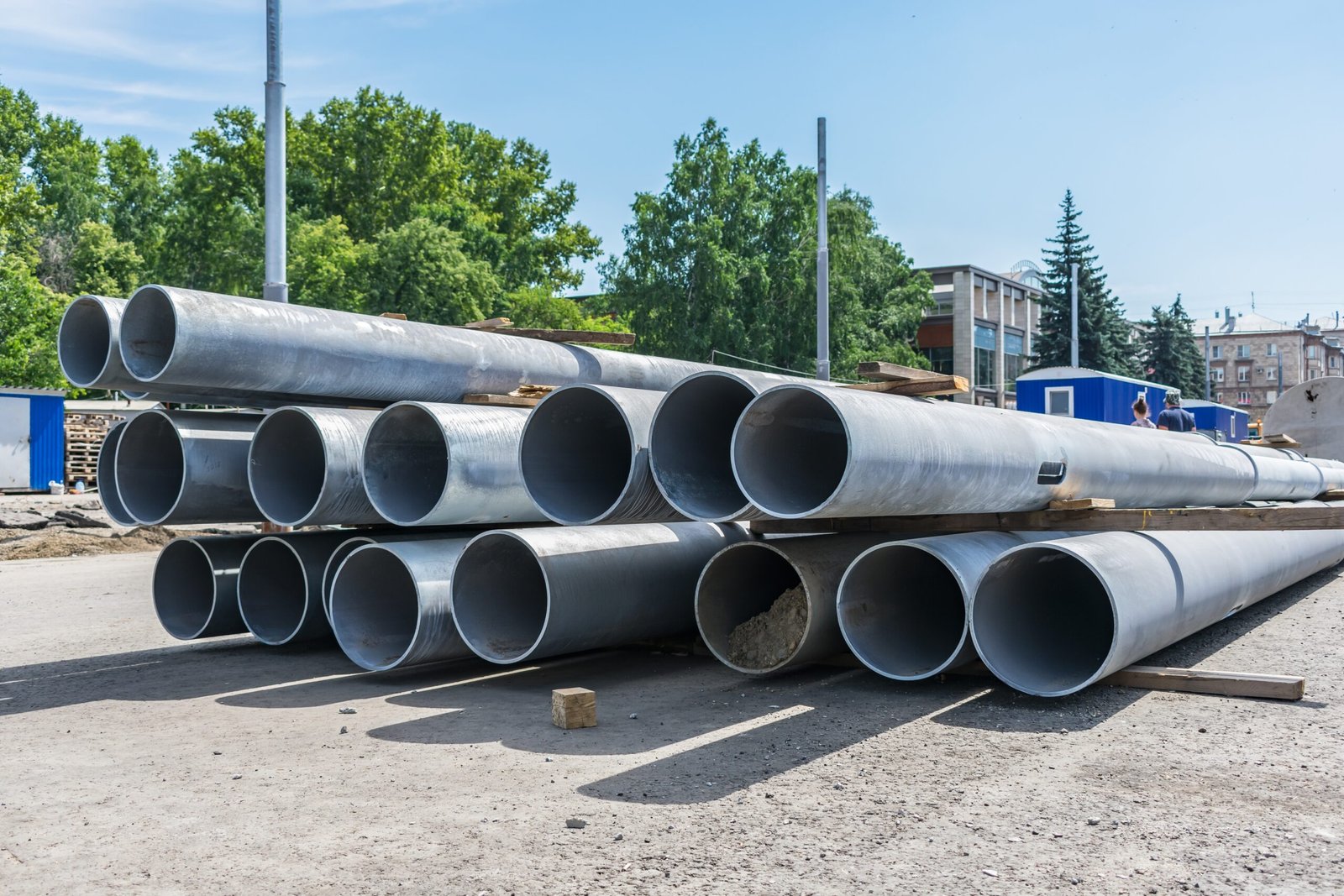
316L/304 Mirror Finish SS Pipe: Specs for Food/Chemical Applications
Choosing the wrong pipe material risks contamination and operational failure. This can lead to costly product recalls, safety hazards, and damage to your brand's reputation.
The key specifications for 316L/304 mirror finish pipes revolve around material grade, surface finish (Ra), and compliance with sanitary standards like ASTM A270. 316L is specified for its superior chemical resistance, while 304 is the standard for food-grade hygiene, both enhanced by a mirror polish.
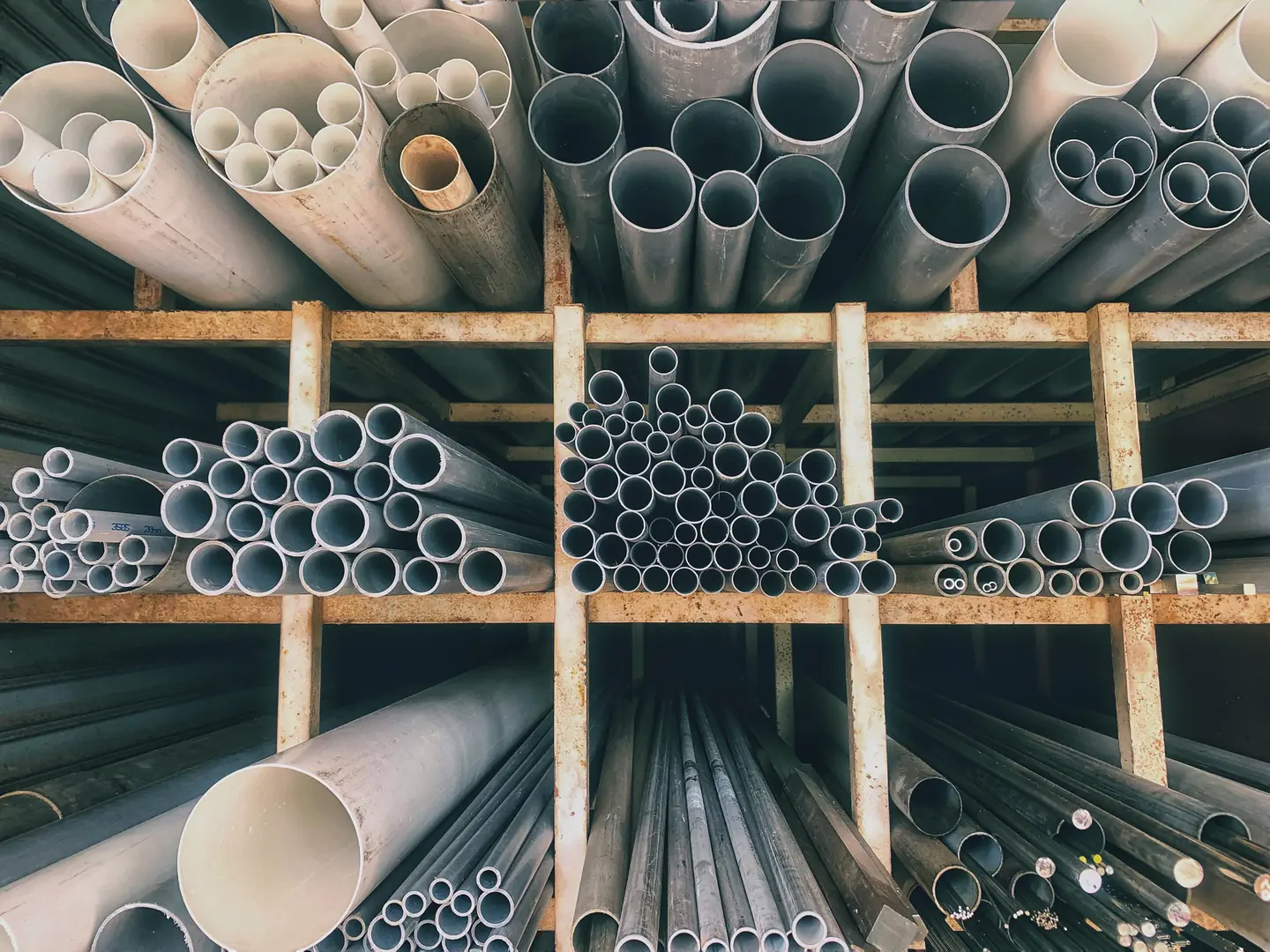
As the Global Business Director at MFY, I've seen firsthand how critical the right material choice is for our partners in sensitive industries. It’s not just about buying a pipe; it’s about investing in the safety, purity, and integrity of your final product. The difference between success and failure often comes down to details like alloy composition and surface smoothness. Let's explore why these specifications are not just a line item on a purchase order, but the foundation of a safe and efficient operation.
Why are 316L/304 Mirror Finish SS Pipes so Critical in Food and Chemical Industries?
In these sectors, product purity is absolutely non-negotiable. The slightest impurity or bacterial growth can ruin entire production batches, leading to immense financial and reputational loss.
These pipes are critical because their composition and finish provide the highest level of corrosion resistance and cleanability. This dual benefit directly prevents product contamination, ensures compliance with health standards, and maintains the integrity of the end product, from food to pharmaceuticals.
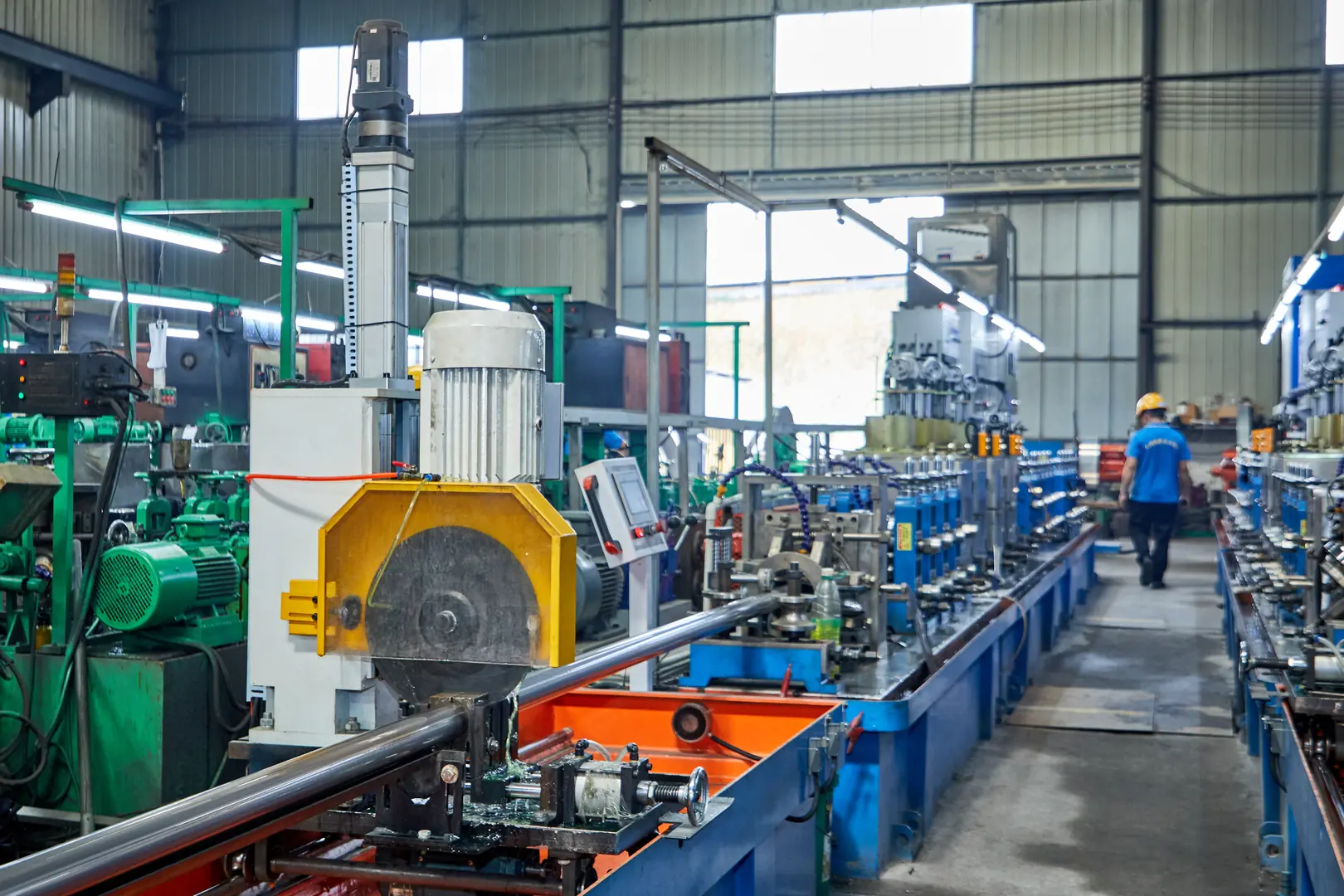
The role of these materials goes far beyond simple fluid transport. They are an active component in your quality assurance system. In my experience, companies that view their piping as a strategic asset consistently outperform those that see it as a mere commodity. The decision to use a high-grade, mirror-finish pipe is a commitment to excellence.
The Foundation of Safety: Corrosion Resistance
The primary function of stainless steel in these applications is to resist corrosion from the products it carries and the chemicals used to clean it. This is where the distinction between Grade 304 and 316L becomes vital.
- 304 Stainless Steel: This is the workhorse of the food and beverage industry. It offers excellent resistance to the organic and inorganic acids found in most food products. It’s durable, easy to clean, and cost-effective for a wide range of applications.
- 316L Stainless Steel: The "L" stands for "low carbon," which improves weldability. More importantly, 316L contains molybdenum. This addition gives it superior resistance to chlorides and other harsh chemicals, making it essential for chemical, pharmaceutical, and saline environments.
The Importance of the Mirror Finish
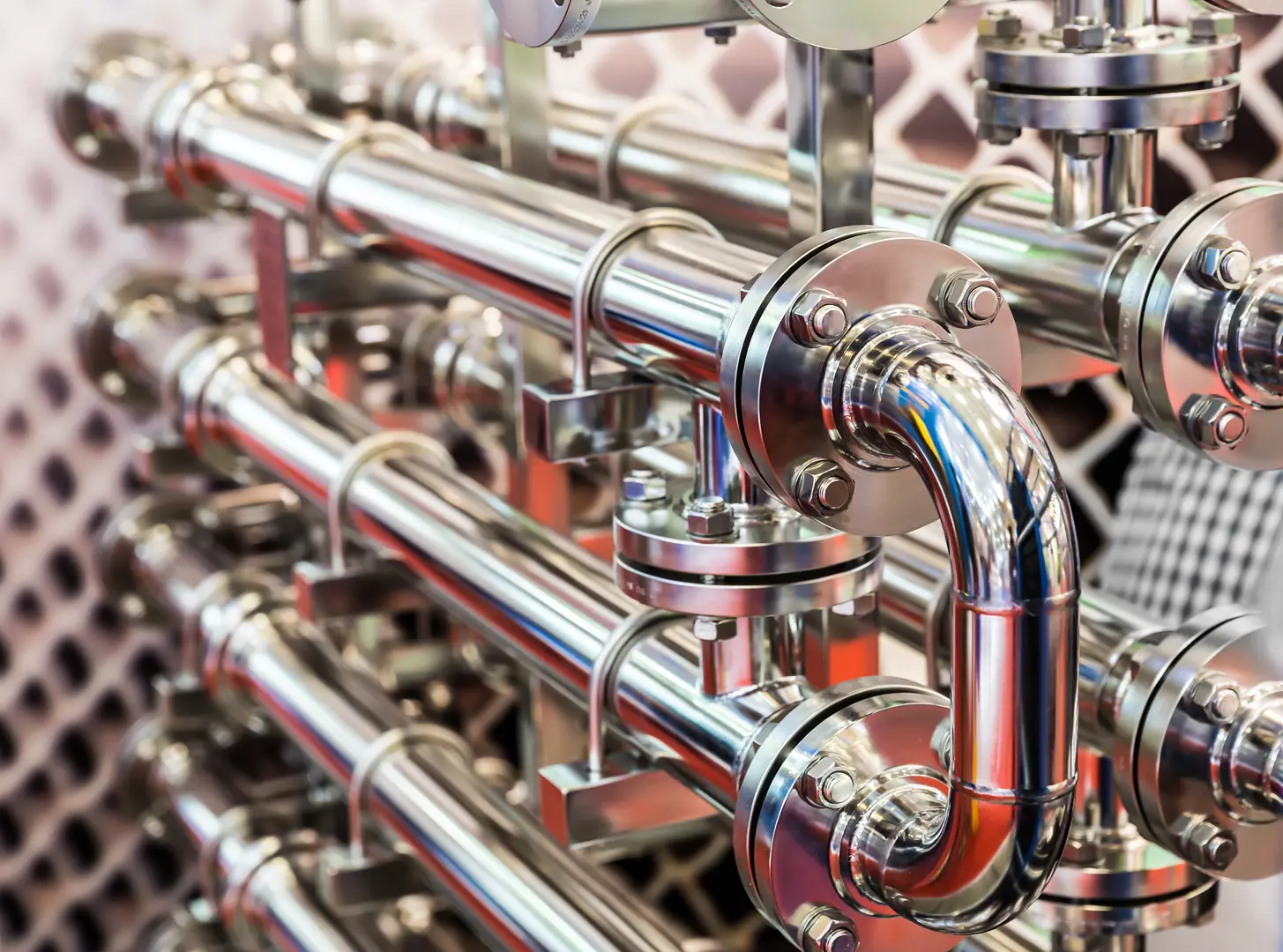
A mirror finish isn't just for aesthetics; it's a critical functional feature. The smoothness of a surface is measured by its Roughness Average (Ra)[^1]. A lower Ra value means a smoother surface with fewer microscopic peaks and valleys where bacteria can hide and multiply. This ultra-smooth surface makes cleaning processes, like Cleaning-in-Place (CIP) systems, far more effective and efficient, reducing water and chemical usage.
| Feature | Grade 304 SS Pipe | Grade 316L SS Pipe |
|---|---|---|
| Key Alloy | Chromium, Nickel | Chromium, Nickel, Molybdenum |
| Corrosion Resistance | Excellent for food, atmospheric | Superior for chemicals, chlorides |
| Primary Application | Food & Beverage, Dairy | Chemical, Pharmaceutical, Marine |
| Cost | More economical | Higher initial cost |
What are the Current Specifications and Standards for these Stainless Steel Pipes?
Navigating the web of industry standards can be complex and confusing. Non-compliance isn't an option, as it can lead to failed audits and operational shutdowns.
The primary standards are ASTM A270 for sanitary tubing, which dictates surface finish, and 3-A Sanitary Standards, which provide design criteria. Key specifications include a low surface roughness (Ra), typically under 0.5 μm, and full material traceability.
Understanding these standards is the first step toward making an informed procurement decision. I remember a client in the pharmaceutical space who nearly failed a major audit because their previous supplier couldn't provide the proper material test reports (MTRs) for their pipe's surface finish. It’s a detail that matters immensely, and at MFY, we ensure every pipe is fully certified and traceable.
Key Global Standards
When sourcing these pipes, a few key standards act as your guide to quality.
- ASTM A270/A269: This is the go-to specification for seamless and welded austenitic stainless steel sanitary tubing. It covers dimensions, chemical composition, and, critically, the requirements for interior surface finishes. It ensures the pipe you receive is manufactured specifically for hygienic applications.
- 3-A Sanitary Standards, Inc. (3-A SSI): While more focused on equipment design, these standards are foundational for the dairy, food, and beverage industries. They ensure that all product contact surfaces are cleanable and self-draining to prevent bacterial contamination. Pipes used in 3-A compliant systems must meet stringent criteria.
Surface Finish Explained
The mirror finish is quantified by its Roughness Average (Ra). This value measures the microscopic texture of the pipe's interior. In sanitary applications, a lower Ra value is always better.
| Ra Value Range | Finish Description | Typical Application |
|---|---|---|
| > 1.0 μm | Mill Finish | General industrial, non-hygienic |
| 0.8 - 1.0 μm | Polished | Less critical food applications |
| < 0.5 μm | Mirror / Sanitary | Pharmaceutical, biotech, high-purity |
For most food and chemical applications, a Ra value of 0.8 μm or lower is required, with high-purity applications in biotech and pharmaceuticals demanding finishes of 0.5 μm or less.
What Challenges Do Industries Face When Implementing Stainless Steel Pipes?
The initial cost of high-grade stainless steel can seem high. But choosing cheaper, non-compliant alternatives often leads to catastrophic failures, downtime, and long-term expenses.
The main challenges include the high initial investment, the technical difficulty of proper sanitary welding, and the risk of sourcing from unreliable suppliers who may provide non-compliant or counterfeit materials. These can compromise the entire system's integrity.
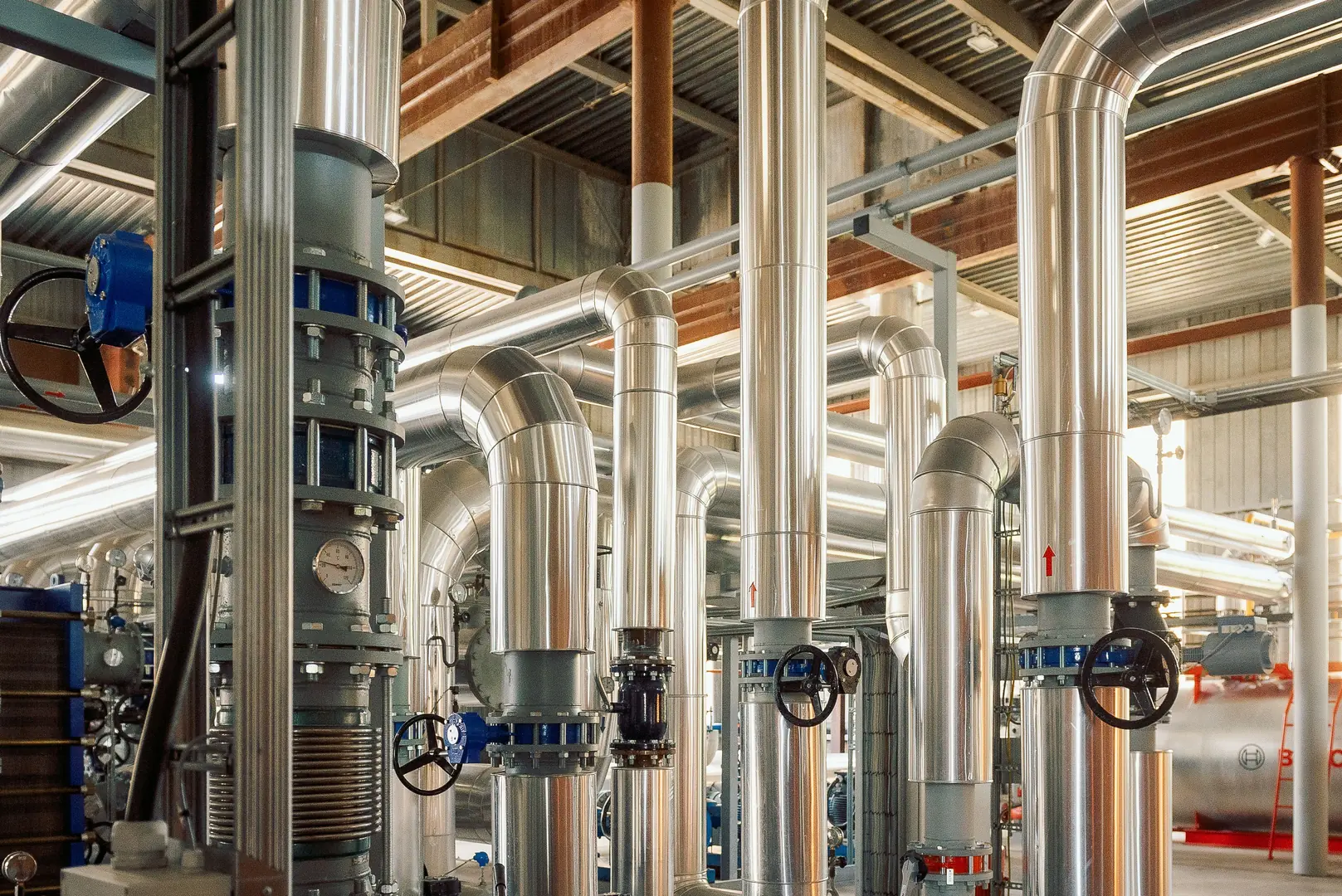
Overcoming these challenges requires a shift in perspective—from focusing on upfront cost to understanding the total cost of ownership. The most expensive pipe is the one you have to replace after a contamination event. The integrity of your supply chain is just as important as the integrity of your production line.
The Cost vs. Value Equation
High-quality 316L mirror-finish pipe has a higher initial purchase price than standard-grade materials. However, its longevity, low maintenance requirements, and ability to prevent costly product loss deliver a far greater return on investment over the system's lifespan. A single contamination event that leads to a product recall can easily cost more than the entire piping system. This long-term cost-effectiveness is a core principle we discuss with all our clients.
The Criticality of Proper Welding
You can buy the best pipe in the world, but if it's installed improperly, its benefits are lost. Poor welding techniques, particularly on the interior of the pipe, can create cracks and crevices. These weld defects become breeding grounds for bacteria and are impossible to clean effectively, completely negating the purpose of a mirror-finish surface. This is why techniques like orbital welding[^2] are standard practice in high-purity industries.
Supply Chain Reliability
Finding a supplier who can consistently deliver certified, high-quality mirror-finish pipes is a significant challenge. The market is filled with providers offering lower-grade materials that don't meet specification. A reliable partner provides full transparency, including material test reports (MTRs) and surface finish certifications, giving you confidence that what you ordered is what you received.
How Can Industries Strategically Overcome These Challenges?
These challenges of cost, installation, and sourcing can seem daunting. They can delay projects, inflate budgets, and introduce unacceptable risks into your operation.
Strategic solutions include adopting a Total Cost of Ownership (TCO) model for procurement, investing in specialized training for installation teams, and, most importantly, partnering with a fully certified and transparent supplier who can guarantee material integrity and traceability.
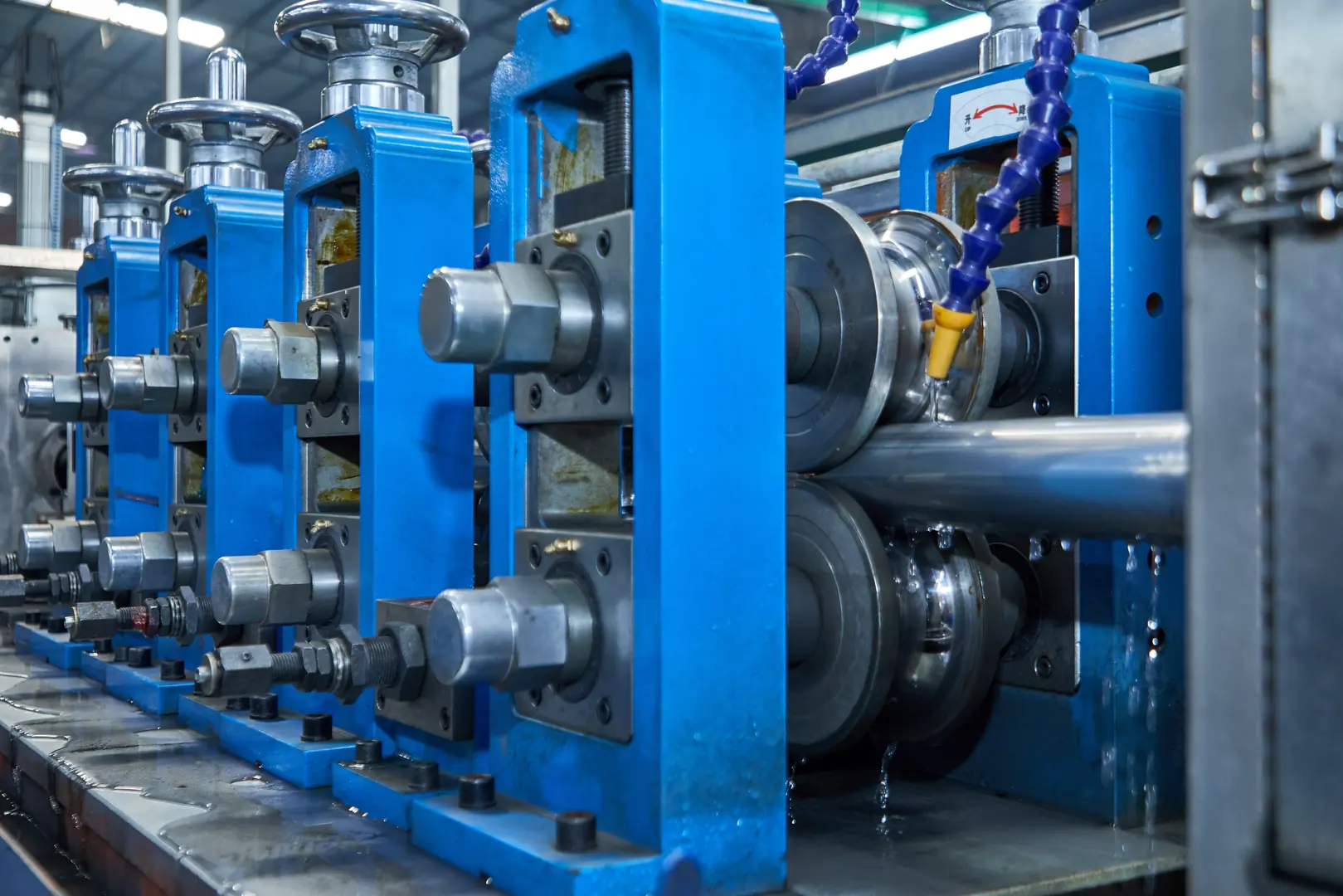
A proactive, strategic approach transforms these challenges into competitive advantages. By building a resilient supply chain and ensuring installation excellence, you protect your investment and your brand. This is where a partnership with a company like MFY, which controls the entire supply chain from production to delivery, becomes invaluable.
Choosing the Right Supply Partner
Your supplier should be more than a vendor; they should be a partner in your success. Look for suppliers who:
- Provide comprehensive documentation, including MTRs for every piece.
- Have a robust quality control process.
- Understand the specific standards of your industry.
- Offer technical support and guidance.
This partnership ensures you are not just buying a product, but a guarantee of quality and compliance.
Investing in Workforce Skills
The best materials require the best craftsmanship. Investing in training for your welders and installation crews on the specifics of sanitary pipe handling and orbital welding is crucial. This ensures that the system's integrity is maintained from the warehouse to full operation. A perfectly welded joint is as smooth as the pipe itself, leaving no room for contaminants.
Adopting a TCO Mindset
Shifting from a price-focused to a value-focused procurement model is essential. The total cost of ownership includes not just the initial purchase price but also maintenance, cleaning costs, downtime, and the potential cost of failure.
| Cost Factor | Low-Cost Pipe | High-Grade 316L Pipe |
|---|---|---|
| Initial Cost | Low | High |
| Lifespan | 3-5 Years | 20+ Years |
| Maintenance | Frequent | Minimal |
| Risk of Failure | High | Very Low |
| 10-Year TCO | High | Low |
What are the Technical Recommendations for Enhancing the Performance of 316L/304 Pipes?
Simply buying and installing the right pipe is not the end of the story. Poor handling, commissioning, or maintenance can degrade its performance over time.
Key technical recommendations include chemical passivation after installation to restore corrosion resistance, implementing validated and regular Cleaning-in-Place (CIP) protocols, and careful handling during transport and installation to prevent scratches on the mirror finish.
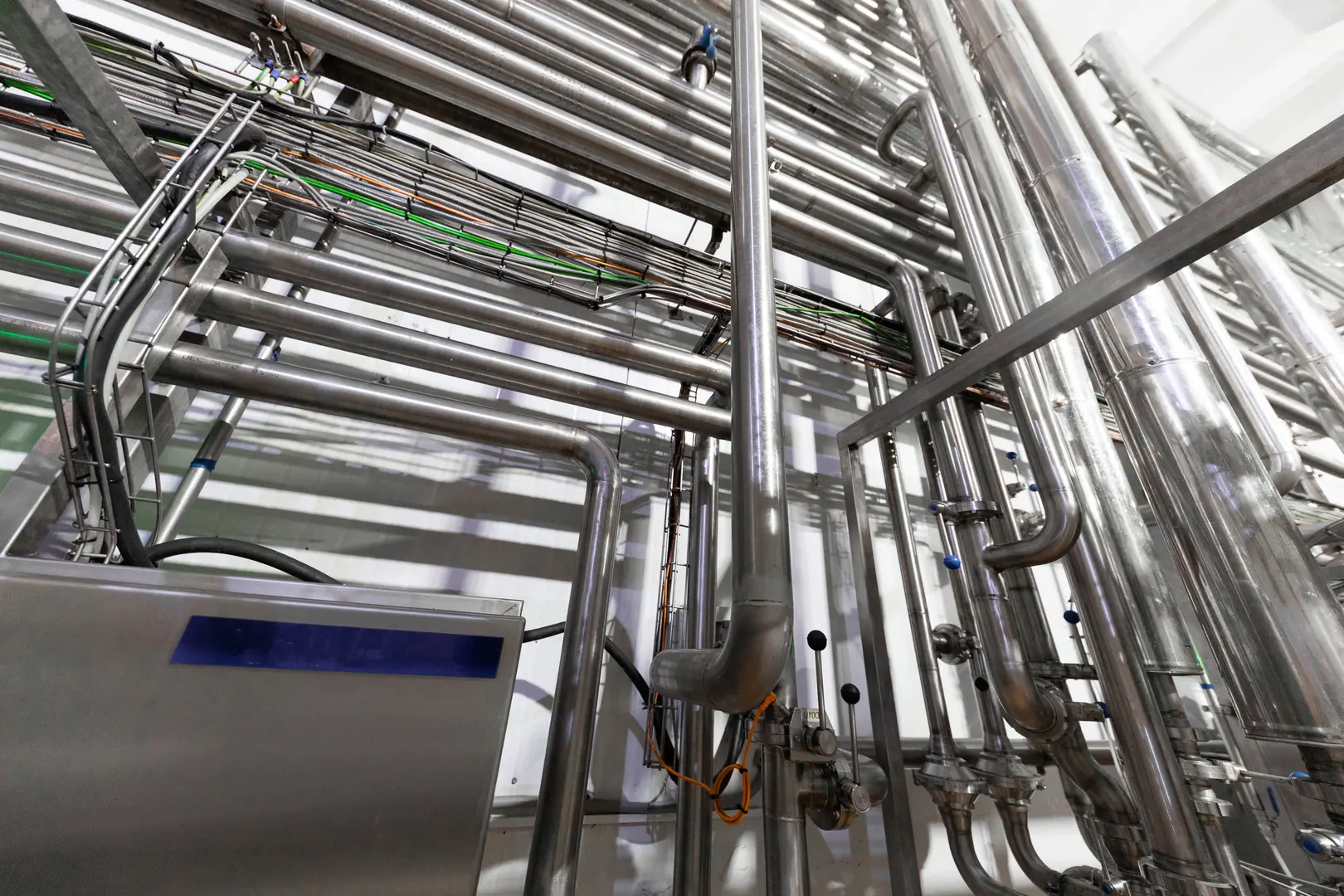
These final steps are what lock in the performance and longevity of your investment. They ensure the passive layer of the steel is robust and the surface remains pristine, delivering the safety and cleanability you paid for, year after year.
The Role of Passivation
Welding and fabrication can disrupt stainless steel's naturally occurring passive layer of chromium oxide, which is what gives it its corrosion resistance. Passivation is a chemical process performed after installation that removes free iron from the surface and helps rebuild this protective layer. It is an essential step to ensure maximum corrosion resistance, especially around welds.
Optimizing Cleaning-in-Place (CIP) Systems
The mirror finish of your pipes is designed to work in synergy with your CIP system. The ultra-smooth surface allows cleaning fluids to flow efficiently, removing residues completely with less time, water, and chemical agents. This not only ensures hygiene but also supports broader sustainability goals by reducing resource consumption—a key driver of modern manufacturing innovation. Regularly validating your CIP cycles ensures they remain effective.
Handling and Storage Best Practices
The mirror finish is durable but not indestructible. It's crucial to protect it before and during installation.
- Keep pipes in their protective sleeves for as long as possible.
- Store them on non-metallic racks to avoid galvanic corrosion or scratching.
- Use appropriate tools and clamps during installation to prevent surface damage.
Protecting the surface is protecting your investment in purity.
Conclusion
Choosing the right 316L or 304 mirror-finish pipe is more than a technical decision; it's a strategic investment in your product’s safety, your brand’s reputation, and your operational efficiency. It’s about securing a foundation of quality and compliance for years to come.
Have Questions or Need More Information?
Get in touch with us for personalized assistance and expert advice.

 English
  Русский