Technical Data Sheet: 304 Stainless Steel Seamless Tubes (UNS S30400)
Choosing materials is tough. The wrong one causes failures and high costs. 304 seamless tubes offer a reliable, versatile, and proven solution for lasting performance.
304 stainless steel seamless tubes (UNS S30400) are an industry standard due to their excellent corrosion resistance, superior formability, and robust strength. This combination makes them a highly reliable and cost-effective choice for a vast range of structural and fluid transport applications worldwide.
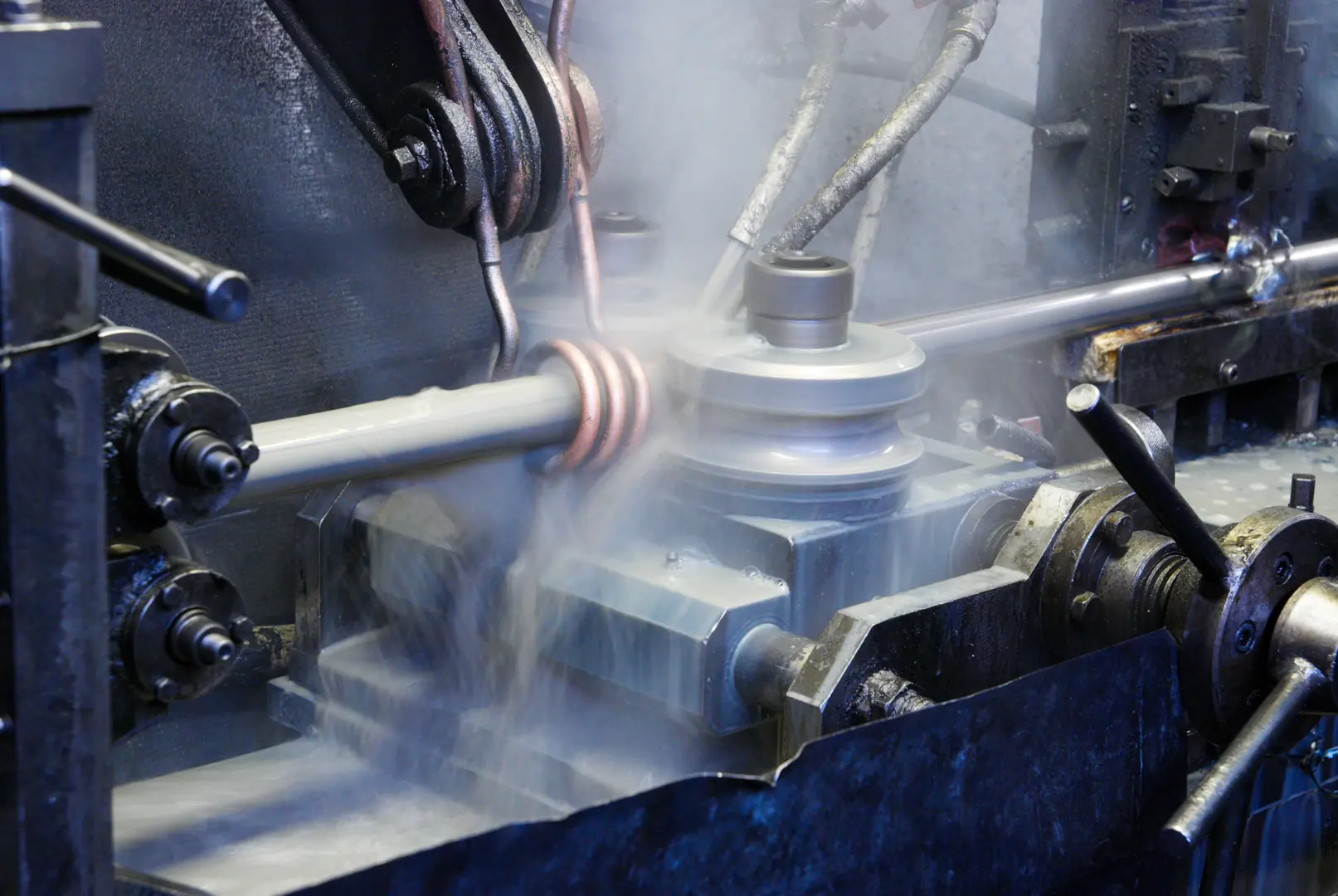
As the Global Business Director at MFY, I've seen countless projects succeed or fail based on material selection. The 304 seamless tube is a product I trust implicitly. It's not just about meeting specifications on paper; it's about predictable, consistent performance in the real world. In this data sheet, I'll break down not just the what, but the why—why this material remains the backbone of so many critical industries and how you can leverage its full potential.
What are the key properties of 304 stainless steel seamless tubes?
Material specs are complex. Misunderstanding them risks project failure. Let's simplify the key properties of 304 stainless steel that ensure its top-tier performance.
The key properties of 304 stainless steel seamless tubes include excellent corrosion resistance in various environments, high tensile strength, and great formability and weldability. Its balanced austenitic structure provides toughness, even at cryogenic temperatures, making it incredibly versatile.
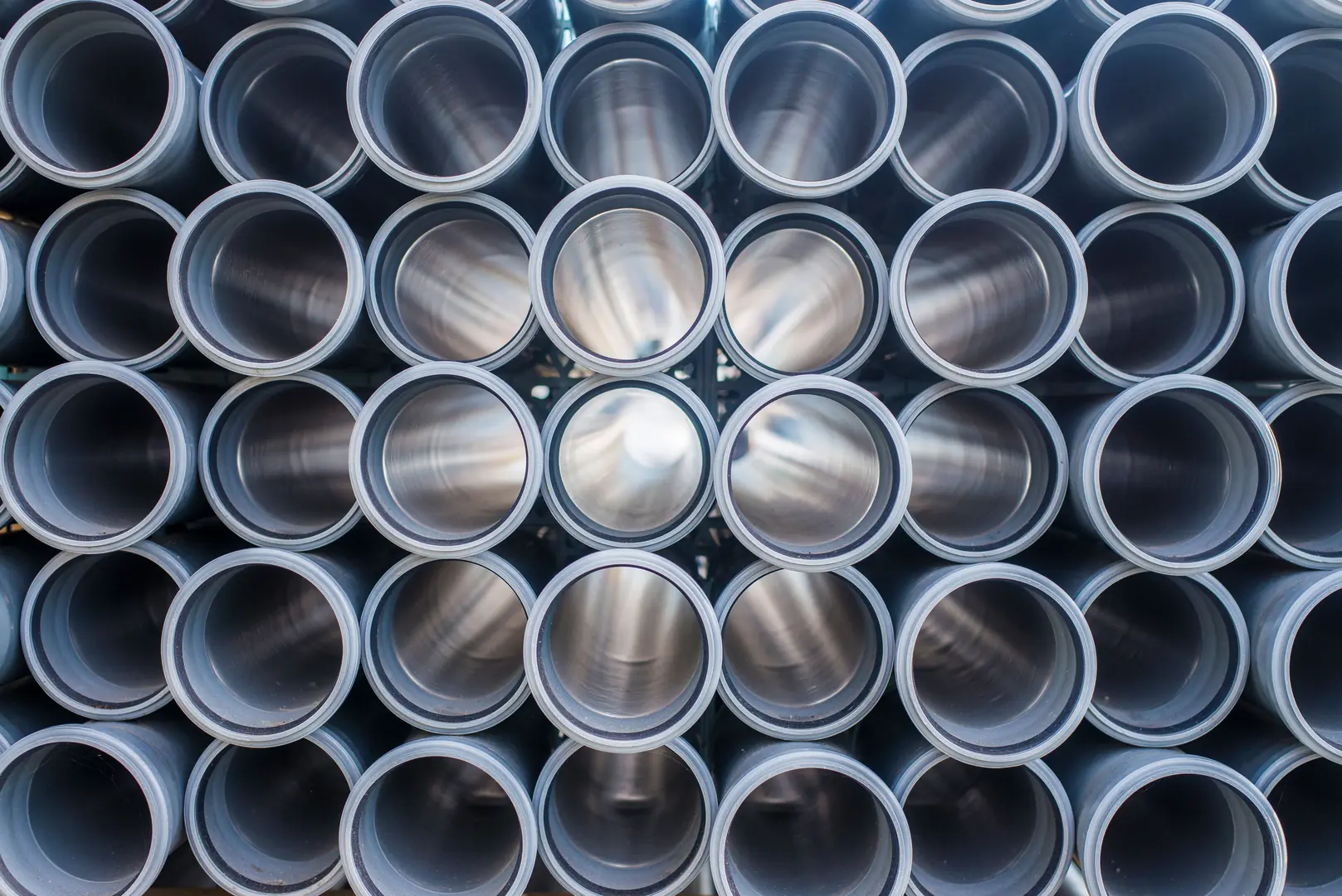
To truly understand the value of 304 seamless tubes, we need to look closer at the numbers. At MFY, we ensure every tube we produce and ship meets these precise standards, because we know our clients are building systems where failure is not an option. The properties are a direct result of a carefully balanced composition.
Chemical Composition
The performance starts with the right ingredients. The blend of chromium and nickel is what gives 304 its famous "stainless" quality.
| Element | Content (%) |
|---|---|
| Chromium (Cr) | 18.0 - 20.0 |
| Nickel (Ni) | 8.0 - 10.5 |
| Carbon (C) | 0.08 max |
| Manganese (Mn) | 2.00 max |
| Silicon (Si) | 0.75 max |
| Phosphorus (P) | 0.045 max |
| Sulfur (S) | 0.030 max |
Mechanical Properties
These figures define how the material behaves under stress. They tell us how strong it is, how much it can stretch before breaking, and how it will respond to fabrication processes. This balance of strength and ductility is what makes 304 so easy to work with.
| Property | Minimum Value |
|---|---|
| Tensile Strength | 75 ksi (515 MPa) |
| Yield Strength (0.2% offset) | 30 ksi (205 MPa) |
| Elongation in 2 in. | 35% |
| Hardness (Brinell) | 201 HBW max |
These aren't just abstract numbers. They are the guarantee of performance that engineers and project managers rely on every single day.
How do these properties impact performance in various applications?
Connecting technical data to real-world results is challenging. This gap causes over-engineering or failure. Let's see how 304's properties directly ensure reliable, top-tier performance.
Its high chromium and nickel content provides superior corrosion resistance for fluid handling. Its strength and ductility allow for easy fabrication into complex shapes without compromising integrity, ensuring long-term durability in structural and high-pressure applications.
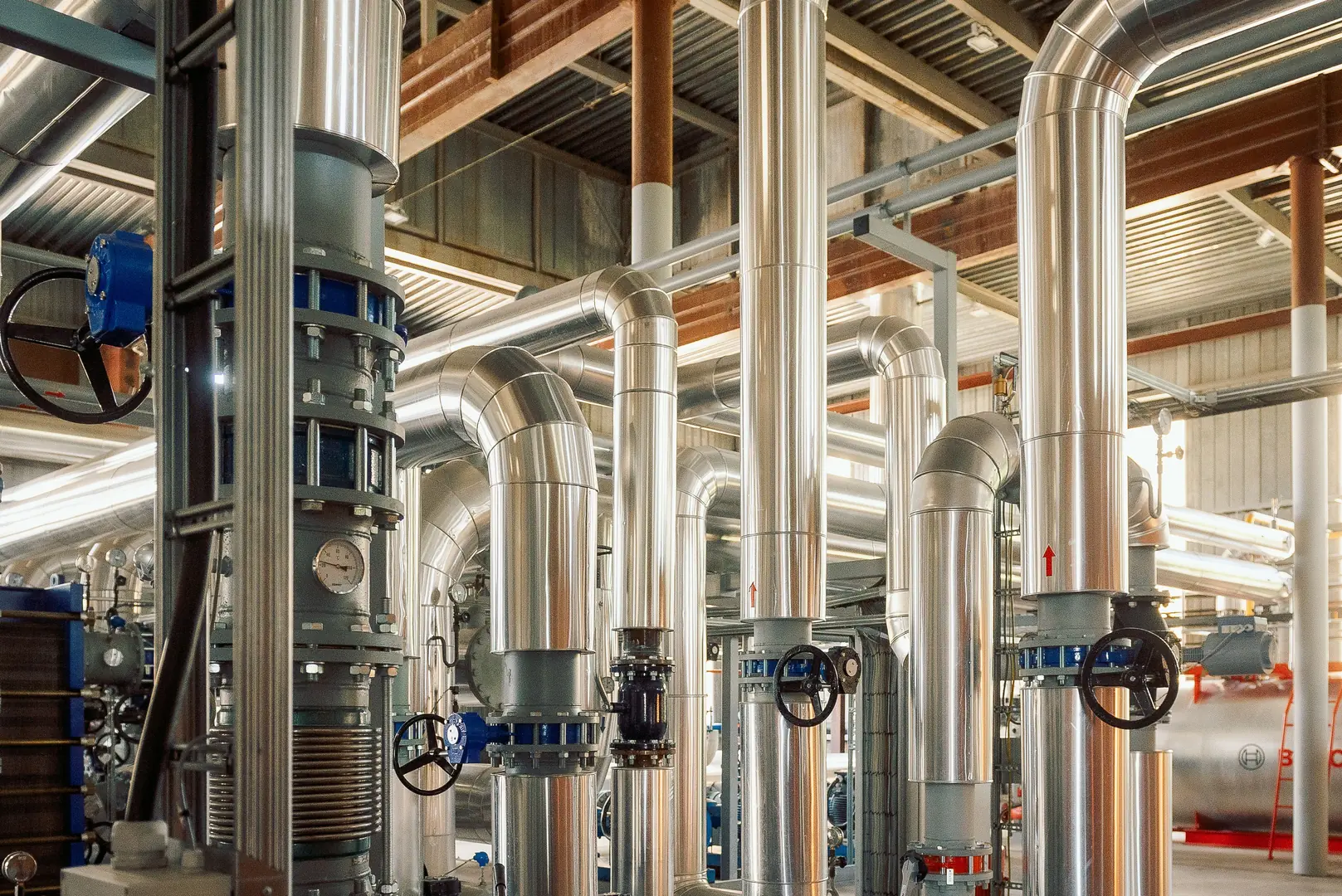
The true genius of 304 stainless steel is how its chemical and mechanical properties work together. It's a synergy that delivers tangible benefits across countless applications. I remember a client in the beverage industry who was struggling with contamination from their old piping system. We switched them to our MFY 304 seamless tubes, and the problem was solved almost overnight. The material's non-reactive surface is perfect for maintaining purity.
Corrosion Resistance in Action
The high chromium content (at least 18%) is the hero here. It forms a passive, invisible, and self-healing oxide layer on the surface of the steel. This layer protects the underlying material from attack by water, mild acids, and other corrosive agents. This is why 304 is the default choice for food and beverage processing, where hygiene is paramount, and in petrochemical plants for handling various chemicals. It prevents both product contamination and equipment degradation, ensuring a long and reliable service life.
Strength and Fabricability
A material is only useful if you can shape it. The austenitic structure of 304 gives it fantastic ductility, meaning it can be bent, formed, and drawn into complex shapes without cracking. This, combined with its solid tensile strength, makes it ideal for everything from structural supports and handrails to complex high-pressure hydraulic lines. Its excellent weldability further enhances its utility, allowing for the creation of large, intricate, and leak-proof systems. At MFY, our seamless tubes are designed to provide this exact combination of toughness and workability.
What industries most commonly use 304 stainless steel seamless tubes?
Identifying the right markets for a material is tough. You could miss opportunities or misapply it. Here are the key industries where 304 seamless tubes excel.
304 seamless tubes are extensively used in food and beverage processing, pharmaceuticals, petrochemicals, and architectural applications. Their blend of hygiene, corrosion resistance, and structural integrity makes them a primary choice for these demanding sectors.
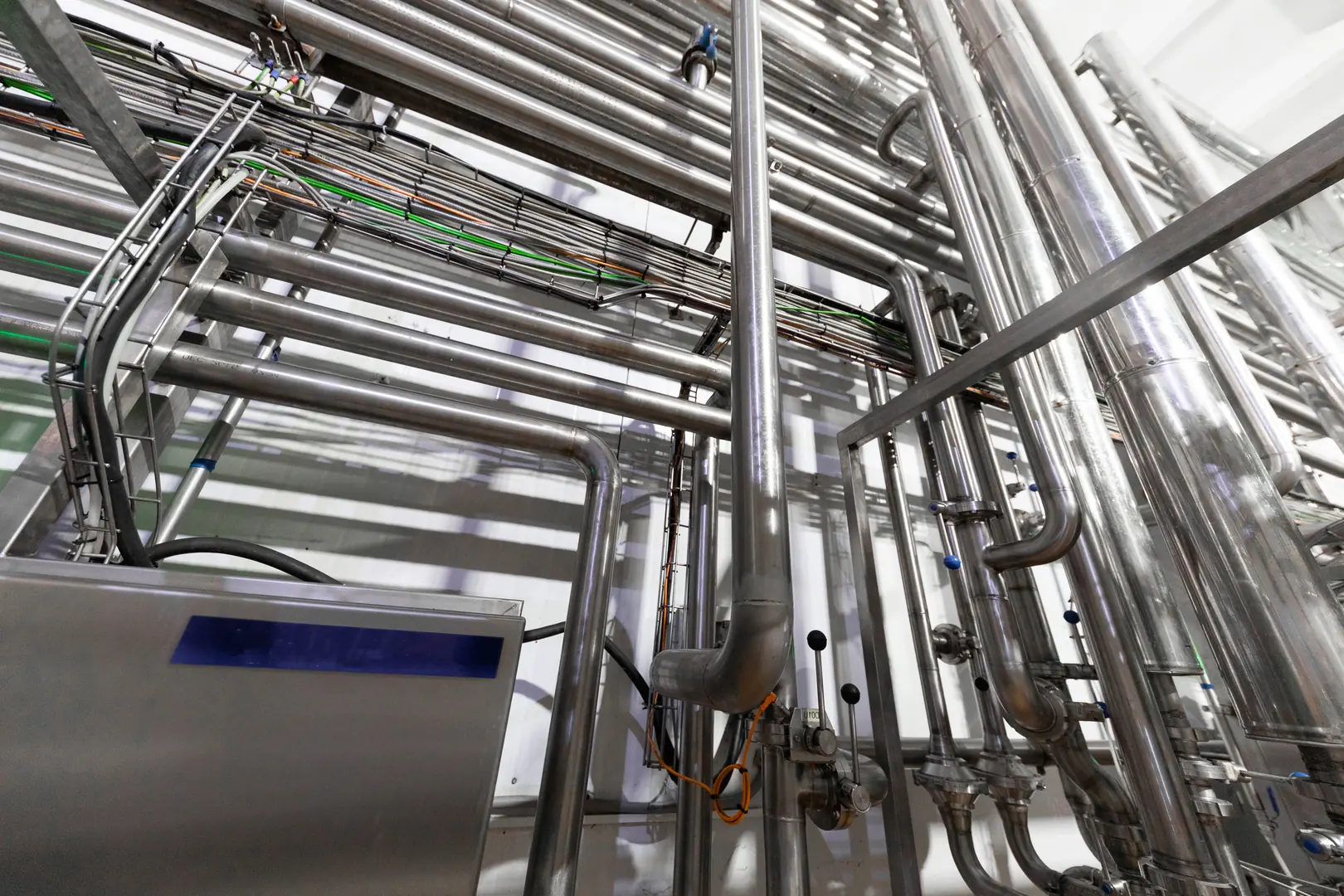
The versatility of 304 stainless steel is its greatest asset. It’s not a niche product; it’s a foundational material for modern industry. Its wide adoption is a testament to its balanced performance profile, which offers a cost-effective solution for a huge number of challenges.
Processing and Manufacturing
In industries like food and beverage, dairy, and pharmaceuticals, cleanliness is non-negotiable. 304's smooth, non-porous surface is easy to clean and sanitize, preventing bacterial growth. Its resistance to corrosion from food acids and cleaning chemicals ensures product purity. In the chemical and petrochemical sectors, it's used for transporting fluids and gases where its resistance to a wide range of corrosive media is critical for safety and operational uptime.
Construction and Sustainable Infrastructure
In architecture and construction, 304 is valued for both its aesthetic appeal and its durability. It's used for everything from decorative trim and railings to structural components. What's increasingly important, and a trend we see growing at MFY, is its role in sustainable building. Its long service life reduces the need for replacement, and it is 100% recyclable at the end of its life. This aligns perfectly with green manufacturing initiatives, making it a strategic choice for forward-thinking enterprises focused on lifecycle value and reduced environmental impact.
How can you optimize the use of 304 stainless steel tubes in engineering projects?
Choosing the right material isn't enough. Improper use wastes money and compromises safety. Here are practical tips to get the most value from your 304 tubes.
To optimize 304 tubes, ensure proper design specifications for wall thickness and diameter, use correct welding techniques to preserve corrosion resistance, and consider the operating environment to prevent issues like chloride-induced stress corrosion cracking.
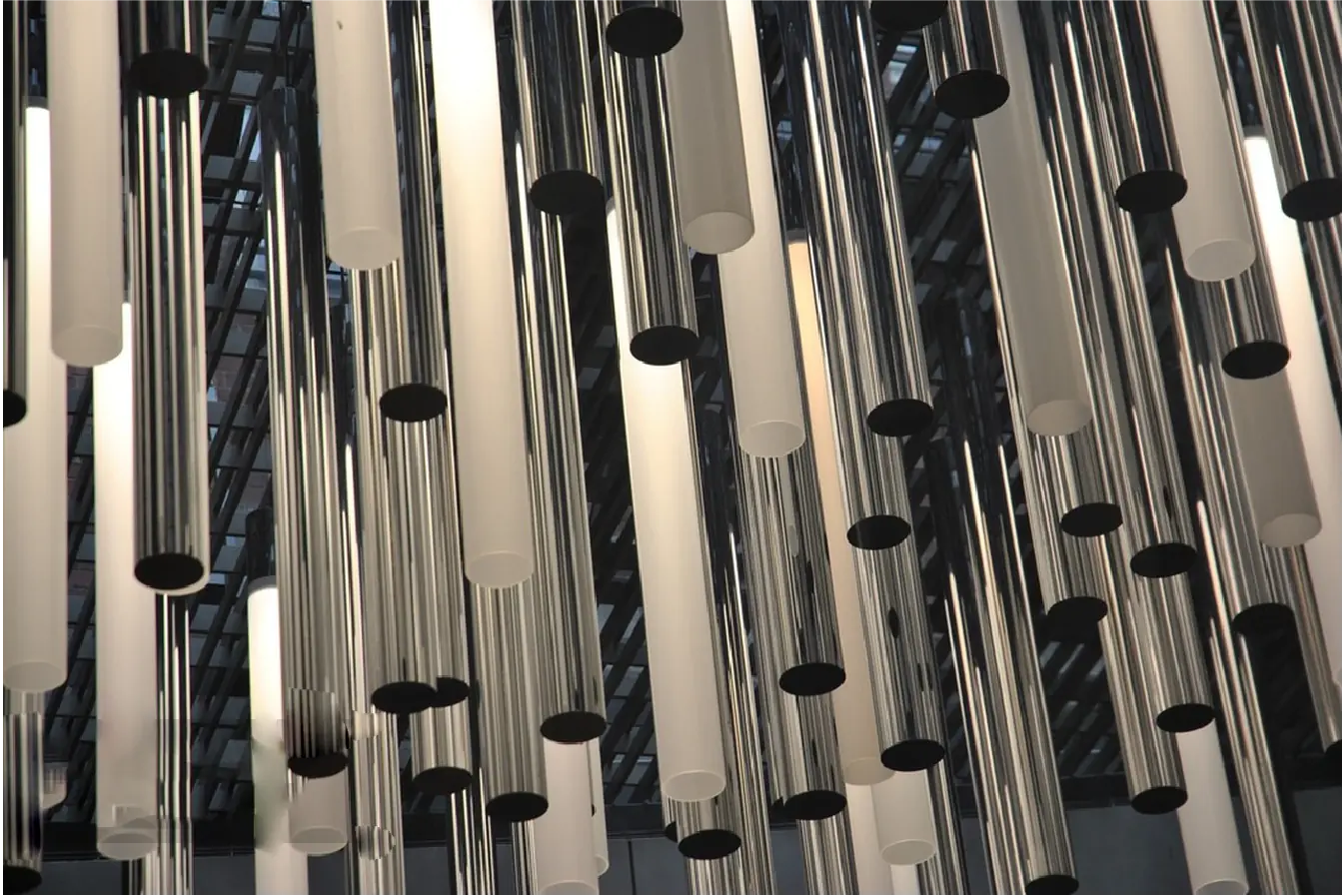
Getting the most out of any material means respecting its properties and understanding its limits. 304 is incredibly forgiving, but smart engineering practices can extend its life and reduce project costs significantly. It's about working with the material, not against it.
Design and Specification
Optimization begins at the drawing board. Don't just default to a standard size. Performing a proper stress analysis can help you select the precise wall thickness and diameter needed for your application, preventing over-specification that adds unnecessary cost and weight. Also, consider the surface finish. A polished finish might be critical for a hygienic application, while a standard mill finish is fine for structural use.
Fabrication and Welding
Proper fabrication is key to maintaining the integrity of the material. When welding, using a matching 308L filler metal is crucial to prevent compromising the corrosion resistance of the weld joint. After welding or any heavy fabrication, the heat-affected zone can become sensitized. Post-weld cleaning and passivation[^1]—a chemical treatment to restore the passive oxide layer[^2]—is a best practice that ensures the entire system has uniform corrosion resistance.
| Common Mistake | Optimization Strategy |
|---|---|
| Over-specifying thickness | Perform stress analysis to use the minimum required thickness, saving cost and weight. |
| Improper welding filler | Use a matching 308L filler metal to maintain the integrity of the weld joint. |
| Ignoring post-weld cleaning | Always clean and passivate welds to restore full corrosion resistance across the system. |
What are the recommended practices for maintaining 304 stainless steel seamless tubes?
"Stainless" doesn't mean "invincible." Neglect can shorten its life and cause contamination. Follow these simple maintenance practices to ensure your investment lasts for decades.
Recommended maintenance includes regular cleaning with mild soap and water to remove surface deposits, avoiding harsh chlorides or steel wool, and passivating the surface after any fabrication or scratching to restore its protective oxide layer.
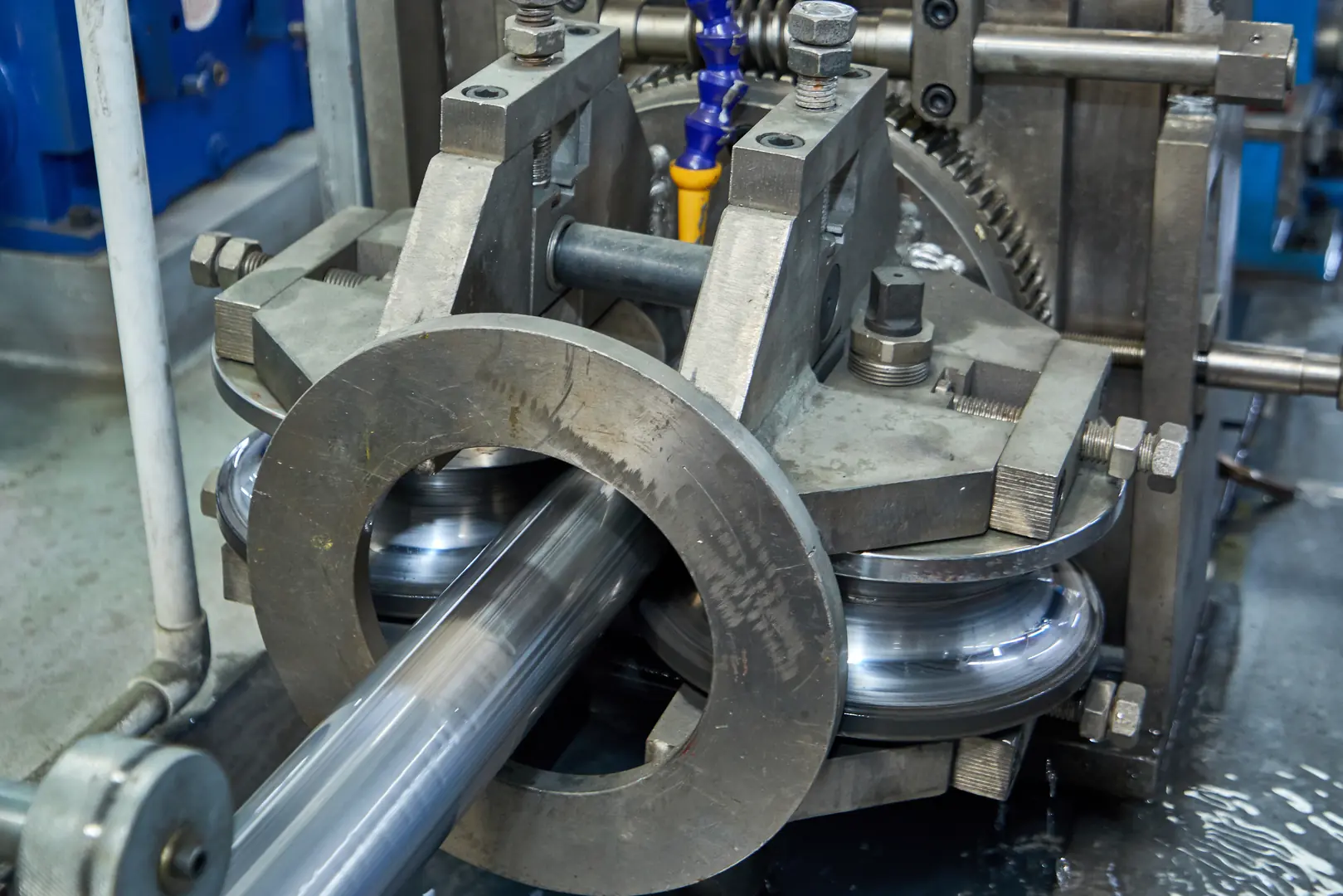
One of the best features of 304 stainless steel is its low maintenance requirement. However, low maintenance is not no maintenance. A simple, consistent cleaning routine will protect your investment and ensure it performs as expected for its entire service life.
Routine Cleaning
For most applications, regular cleaning is incredibly simple. Use a soft cloth or sponge with mild detergent and warm water. Always rinse thoroughly with clean water to remove any cleaning agent residue, and wipe dry to prevent water spots. This simple process removes surface deposits and contaminants that, if left unattended, could eventually compromise the passive layer and lead to localized corrosion. Never use steel wool or carbon steel brushes, as they can leave behind iron particles that will rust and stain the surface.
Avoiding Contamination
The biggest enemy of 304 stainless steel is chloride. Avoid prolonged contact with cleaning agents containing bleach or other harsh chlorides. In coastal or industrial environments with high atmospheric salt or pollutants, more frequent cleaning is recommended to wash away these corrosive deposits. If the surface gets scratched or damaged, it's important to clean the area and, if necessary, passivate it to help the protective oxide layer reform quickly. Proper maintenance is a core part of sustainability. A well-maintained 304 tube system can last for decades, reducing the need for replacement and minimizing waste.
Conclusion
304 stainless steel seamless tubes offer an unmatched blend of performance, versatility, and long-term value. By understanding their properties and applying best practices, you ensure your projects are built on a foundation of reliability and sustainability, which is the core of smart engineering.
Have Questions or Need More Information?
Get in touch with us for personalized assistance and expert advice.



 English
  Русский